❌

Lese-Ansicht

Jump scares, leather gloves and squeaking moth noises: theatre horror masters on how they make their shows so scary

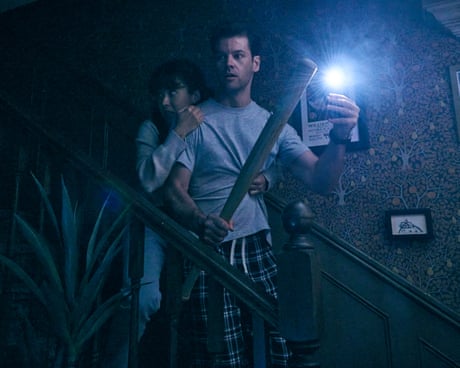
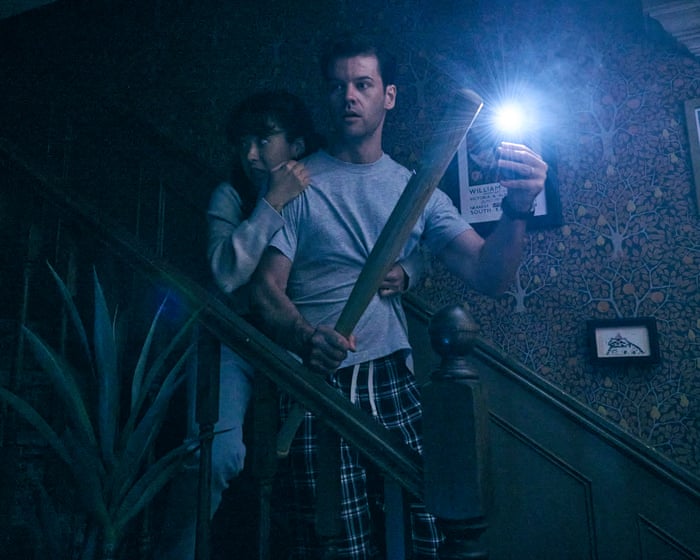
Whether it’s immersive chiller Blackout or the campily scary 2:22: A Ghost Story, ‘tis the season to be scared witless at the theatre. But what’s the secret to making an audience gasp in terror?

It was 1am. Total darkness. Locking up a wedding venue, Sam Beech’s car sensor went off: there was something behind him. “It went on for half an hour,” the writer and director recalls, “on the front bumper, then round the back. But every time I looked, there was nothing.” It kept going, snuffling around the car. So he stopped looking. “I thought: ‘If I don’t look behind me, it won’t get me.’” Since then, Beech, the creator of one of a plethora of horror shows currently haunting the stage, admits, “I don’t like driving in the dark”.

Beech’s experience was eerily similar to a scene in Andy Nyman’s hit 2010 play Ghost Stories, which Beech had seen four times, so the gnarly end the character had met on stage filled his mind when the sensor went off in the dark. Now, the uncanny experience has fed into his own new horror show Blackout (touring the UK to 27 February), which uses everything that made him so scared that night: the quiet, the absence, the idea of something lurking in the shadows. “It’s the Jaws effect,” says Chris Fisher, the illusions designer behind the stage show of Paranormal Activity (at London Ambassador’s theatre to 27 February, and touring the UK), which had me sheepishly checking under my bed for several nights and stopped just short of nightmares. “It’s scarier to see the fin and hear the music,” Fisher says, “than it is to see the mechanical head of the shark.”

Continue reading...
© Photograph: Matt Crockett
© Photograph: Matt Crockett
© Photograph: Matt Crockett

  •  

A supreme being, the nearly naked show and politics with paws: Edinburgh fringe pick’n’mix

From Taiwanese steampunk dance to Australian climate comedy, here are 13 quick-fire fringe reviews

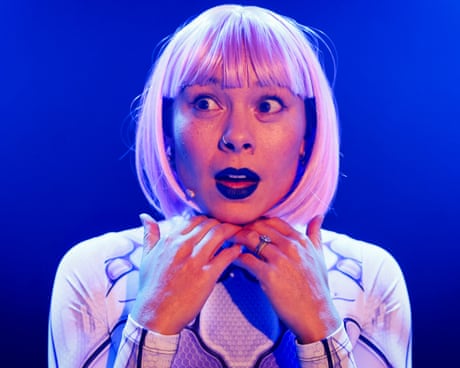
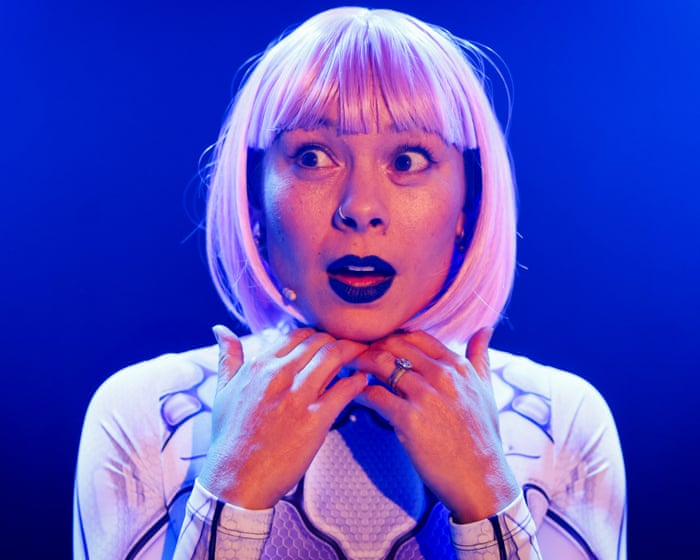
For new perspective on the strange ways we behave, we all know the thought experiment “if a visitor from space arrived on Earth, what would they think?” In Born Sexy Yesterday, Anna Leong Brophy plays a supreme being implanted into a grown woman’s body to experience life for the first time. Presenting like some sci-fi sex robot with the soul of a naive child, Brophy duly marries a man on the front row and settles down to a life of domestic drudgery. Until she discovers she has other settings, other brands of femininity available for her to try out … Thus begins a potent hour, not always hilarious but undeniably persuasive, protesting against the strictly circumscribed roles that women are allowed to play – particularly in the movies, as Brophy sardonically demonstrates. The supreme-being conceit dilutes a bit – but our host’s righteous indignation and strong performing chops make this a compelling hour. BL
• At Pleasance Courtyard until 30 August

Continue reading...

© Photograph: Murdo MacLeod/The Guardian

© Photograph: Murdo MacLeod/The Guardian

© Photograph: Murdo MacLeod/The Guardian

  •  

‘I dreamt of a show where the audience becomes horny’: the Swedish puppet play starring bonking barbies

Malmö Dockteater is adapting Jackie Collins’s debut novel about the swinging 60s using anatomically enhanced dolls. Puppets help you explore sex in a different way, they say

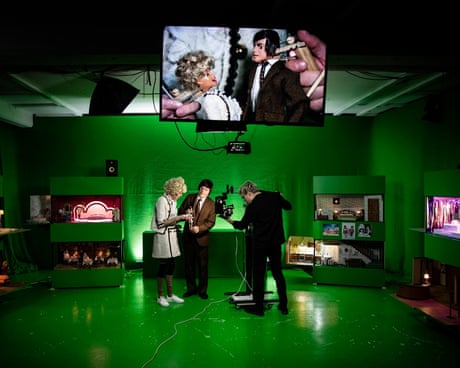
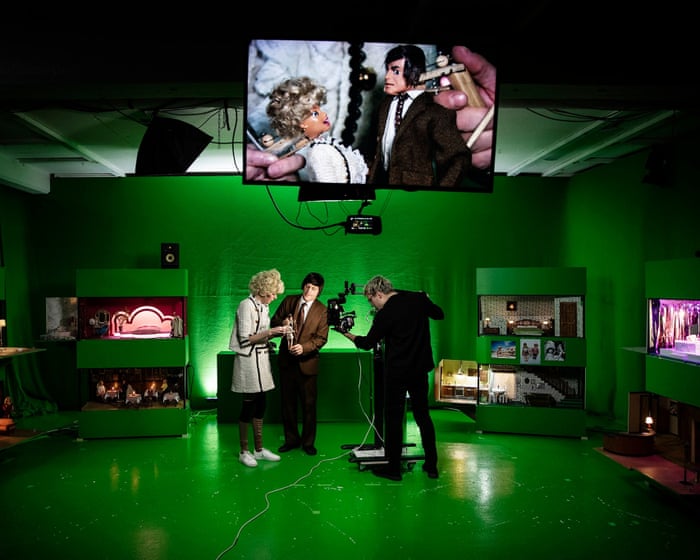
Erik Holmström holds up a naked, headless Ken doll. Most of the figure is as you’d expect: lean muscles, smooth skin. But lower down, something’s different. Between those hairless thighs is a small plastic penis nestled in a tuft of hair. “It’s real hair,” says Holmström, the director of Malmö Dockteater (that’s “puppet theatre” in Swedish). Performer and puppeteer Kajsa Ericsson jumps in. “Not real pubic hair,” she clarifies.

This doll is not just a prop of the company’s new show; it’s one of the stars. Malmö Dockteater has adapted Jackie Collins’s debut novel, The World Is Full of Married Men, into an experimental puppet production that leaps fearlessly into the explicit sex scenes that got the novel banned in several countries when it was first published in 1968. After performances in Malmö and Stockholm, the company is bringing the show to the newly refurbished Yard theatre in east London, where it will be performed in Swedish with English subtitles.

Continue reading...

© Photograph: Emmalisa Pauly

© Photograph: Emmalisa Pauly

© Photograph: Emmalisa Pauly

  •  

What a clusterpuck! Race to parody hockey hit Heated Rivalry results in multiple musicals

The horny TV series has inspired a whopping four comedy shows this summer. Their makers explain why musical theatre and steamy action are such good bedfellows – and why there’s no rivalry between them

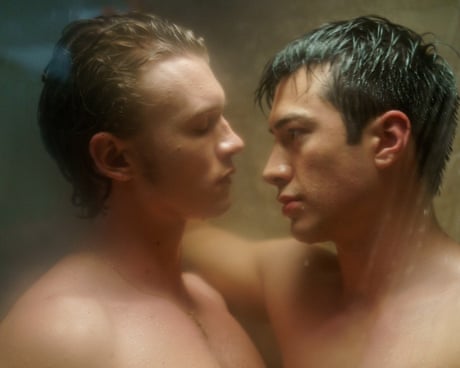
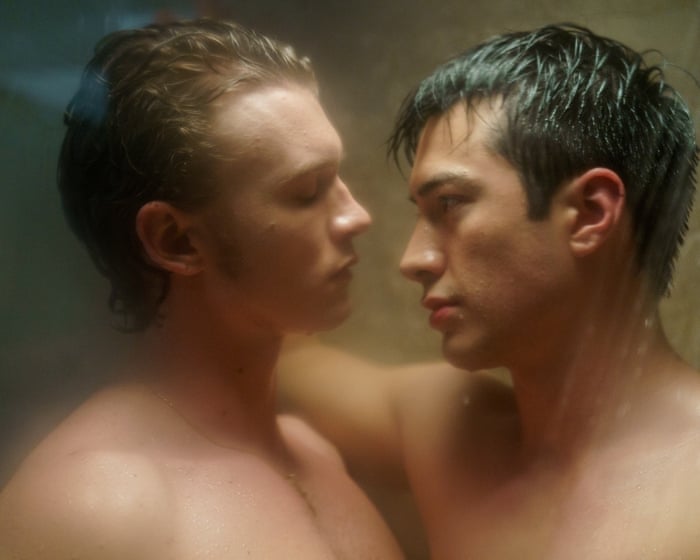
Five minutes was all it took. The stars of Heated Rivalry barely had a chance to shed each other’s clothes before writer and composer Dylan MarcAurele started taking notes, knowing that the horny hockey TV series was going to be his next parody project. “I had this idea that it would be a one-night-only concert for friends,” says the New York-based writer of fringe hit Pop Off, Michelangelo! But then he got producer Alan Kliffer on board, and performances sold out before the script had even been written. “It was a no-brainer,” Kliffer says. “I trusted it would be good, and I was right.”

On top of its successful off-Broadway run, Heated Rivalry: The Unauthorized Musical Parody is now heading for the Edinburgh fringe – and it’s not alone. Three musical spoofs of the series are hotting up at this year’s festival. With the show’s success – all perky keisters, swanky hotel shags, a secret sex cottage and just a smidgeon of hockey – Kliffer reckons it was inevitable. “You just know, at the end of the TV show,” he says, “that gay men everywhere will race to write musicals about it.”

Continue reading...

© Photograph: Sabrina Lantos/AP

© Photograph: Sabrina Lantos/AP

© Photograph: Sabrina Lantos/AP

  •  

‘Impossible, exhausting, horrifying’: how a chilling supernatural play explains the terror of life in Iran

Hit Iranian horror Under the Shadow conjured scares from the aftermath of the 1979 revolution. With Tehran once again under siege, a new theatrical version makes that story feel more relevant than ever

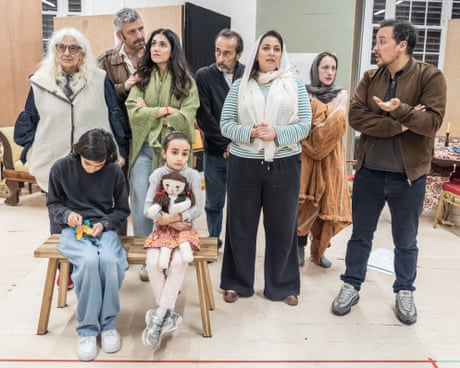
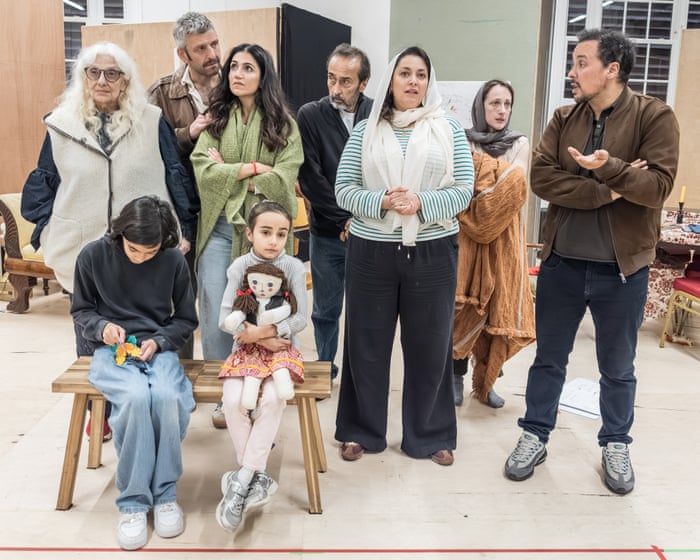
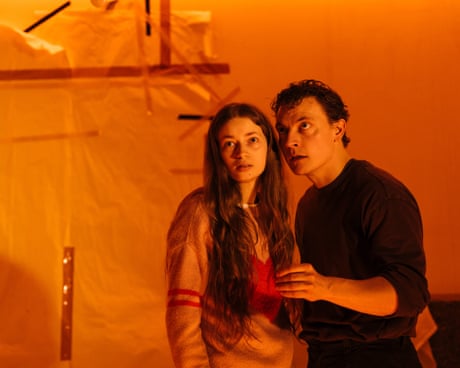
Nadia Latif’s grandmother warned her about djinn. “If angels are good and devils are evil,” the theatre and film director remembers learning, “then the djinn is something in between.” As a child, she asked her grandmother what that really meant. “It means,” she was told, “that bad things happen to good people.” For rehearsals of Carmen Nasr’s stage adaptation of Babak Anvari’s 2016 Iranian horror movie, the djinn-haunted Under the Shadow, Latif has placed a protective evil eye to keep watch over the room. “Just in case,” she says.

The Bafta-winning Farsi horror film – performed on stage in English – is set in Tehran in 1988 as Iraq hurls missiles across the border, with the shadow of the 1979 Iranian revolution still hanging heavy over the country. Shideh, played in the film by Narges Rashidi, hides in her apartment with her doll-hugging, terrified daughter as the story unravels into a deeply political horror. Nightmare and reality collide as the supernatural being becomes an increasingly tangible presence in their home: rumours become real, apparitions stalk the night and opportunities for escape are steadily slashed. “It’s the beginning of most Persian conversations,” says the British-Iranian Leila Farzad, who follows her role as a knowledge-hungry academic in Tom Stoppard’s Arcadia by playing Shideh on stage. “Before the revolution or after the revolution. Even 47 years later, it’s the thing that is most talked about. Enqelab, the word for revolution, is one of the first words you hear as an Iranian kid.”

Continue reading...

© Photograph: Marc Brenner

© Photograph: Marc Brenner

© Photograph: Marc Brenner

  •  

‘The smell wasn’t healthy’: the artist who wore 24 nappies to highlight sewage pollution – and fell ill

zack mennell made a costume out of nappies and waded into filthy waterways saying: ‘I’m going to be the parasite.’ The performance artist’s project became more literal than originally intended

On the Deptford foreshore, a ghoulish figure is sinking into the Thames. Performance artist zack mennell (who writes their name in lower case) wades to their belly button as a crowd watches on. As they dip down further, their mutant costume – sewn together from 24 adult nappies – swells with water … and waste.

mennell’s work smears the personal and political across their body. The Thames performance is the finale of a project called (para)site, made in response to revelations of sewage discharge in our waterways and a reaction to the way benefit claimants are labelled as a drain on society. “OK,” mennell thought, “I’m going to be the parasite.” Their taking on of pollution was more literal than they intended; they contracted Weil’s disease from rat urine in the water.

Continue reading...

© Photograph: Baiba Sprance

© Photograph: Baiba Sprance

© Photograph: Baiba Sprance

  •  

Donbas review – a Ukrainian family fractures on the brink of invasion

Theatre503, London
Olga Braga’s award-winning play captures the suffocating tensions of a household as war looms – finding flashes of tenderness amid the rising threat

Olga Braga’s stark new play, the winner of Theatre503’s international playwriting award, is a grim portrait of war in Ukraine. This smartly wrought and tightly packed production clings to the moments before Russia’s full-scale invasion of the Donbas in 2022, as Braga conjures a bleak microcosm of war in a cramped Ukrainian home.

Every element of this sometimes overloaded show works hard, with already high tensions within the household increasing as the external threat of Russian occupation creeps closer. Director Anthony Simpson-Pike makes ambitious use of the small stage in his first show as artistic director, while Niall McKeever’s set feigns simplicity only to rip itself impressively apart when invasion strikes.

Continue reading...

© Photograph: Helen Murray

© Photograph: Helen Murray

© Photograph: Helen Murray

  •  

‘I can’t waste this’: Michael Sheen on his riskiest role yet – saving Wales’s national theatre

When funding cuts closed National Theatre Wales, the actor saw it as an emergency, and set about building a replacement. As its first show comes to the stage, he explains his plan to bring big productions back to his homeland

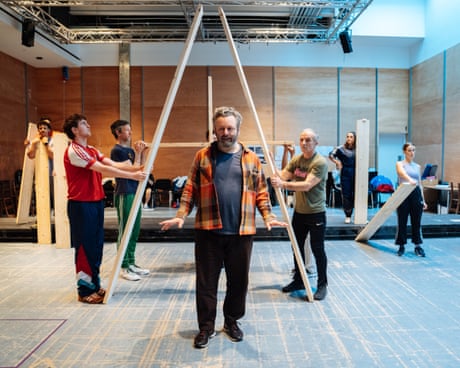
Since Thornton Wilder wrote Our Town in 1938, it is said that not a day has passed when the Pulitzer prize-winning show hasn’t been performed. “Every time I read it, I come away with the feeling of having been woken up,” says Michael Sheen, star of the upcoming touring production of Wilder’s play about a close-knit community in small-town America. “With this urgent sense of ‘I have to not waste this.’”

Transposing the heart of the American classic to Wales, this new production also marks the launch of Welsh National Theatre, a hugely ambitious company formed – and financed – by Sheen in response to the collapse of the former National Theatre Wales. “Opening night is going to be more than just the opening night of a play,” says Russell T Davies, the show’s creative associate. “I think in 10 years, we’ll be having a marvellous celebration that all began with Our Town.”

Continue reading...

© Photograph: Helen Murray

© Photograph: Helen Murray

© Photograph: Helen Murray

  •  
❌