❌

Lese-Ansicht

Why the weirdest game of 2026 is also one of my favourites

Titanium Court is a bizarre world of 8-bit fairies, Shakespeare and surprise songs – its magic lies in never knowing what on earth is going on

• Don’t get Pushing Buttons delivered to your inbox? Sign up here

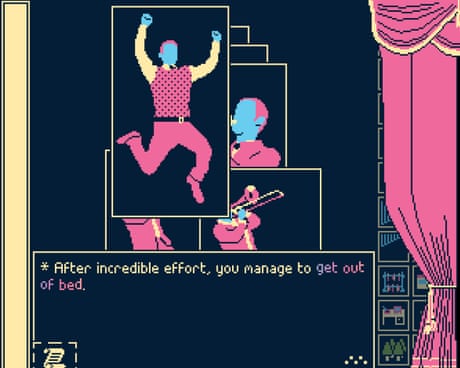
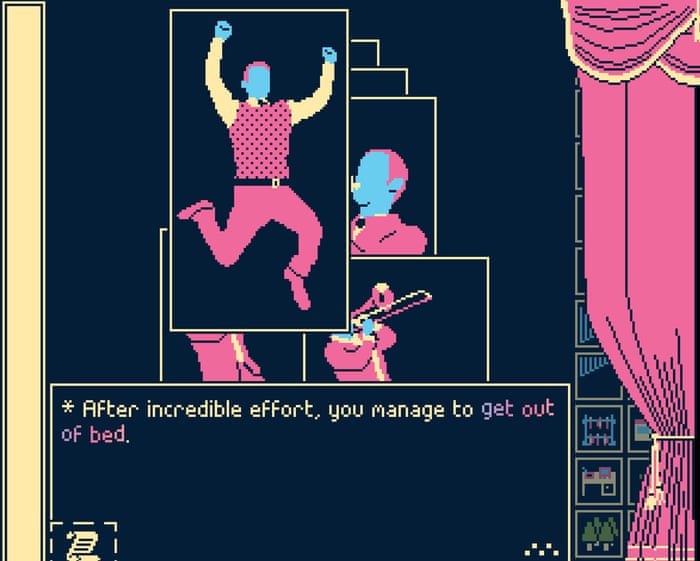
Earlier this year, I was stuck in hospital for several days, fuzzy on pain medication and bored out of my mind, with nothing but a Steam Deck for company. In the middle of one of those long nights, unable to sleep, I played a game called Titanium Court. It’s a strange creation that looks like it was made for the ZX Spectrum and reads like a postmodern Shakespeare adaptation – a compelling mix of strategy game and match-3 where you rearrange battlefields by matching tiles, before sending tiny lo-fi fairy armies to their deaths.

At the end of this late-night run, I met a boss I’d defeated before – a comically hungry dragon – and the game asked if I would like to skip the boss fight and enjoy a musical performance instead. A game has never asked me this before. Of course, I accepted. And then, instead of the familiar tiled battlefield, I was looking at a pixellated singer-songwriter, who launched into an extremely long preamble about the mating habits of the Pacific salmon before saying, “This is a song for anyone else who ever got so horny they could die,” and launching into a soulful acoustic guitar number accompanied by crude images of leaping fish. I began to wonder if my meds were making me hallucinate.

Continue reading...

© Computer-generated: AP Thomson/Fellow Traveller
© Computer-generated: AP Thomson/Fellow Traveller
© Computer-generated: AP Thomson/Fellow Traveller

  •  

The Legend of Zelda: Ocarina of Time review – a dream come true

Nintendo Switch 2; Nintendo
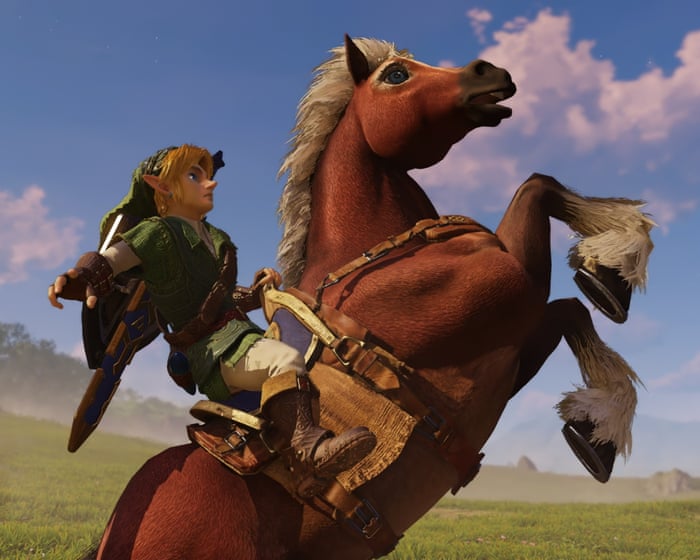
This ambitious remake transforms a landmark Zelda game into a modern masterpiece, clearer and easier to navigate, more beautiful to look at, with playful musical touches. Yet the melancholy remains

It’s always a worry, returning to a formative piece of art from your childhood. Will your jaded adult sensibilities render you unable to locate the magic that captivated your child self? Will revisiting it reveal that it was never actually that good, and that your tastes are built on a foundation of lies? With video games, there is the added complication of technological advancement: decades-old games can look so basic and feel so treacly to play that it’s hard to explain why they were mind-blowing at the time.

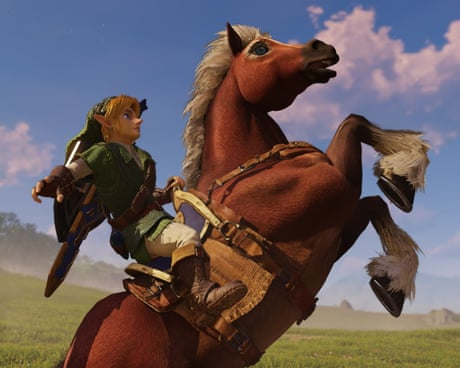
Light-touch remasters aim to bring such games up to modern graphical standards without fundamentally changing them; an ambitious remake attempts to transform the work into something that can stand alongside any modern masterpiece. Ocarina of Time is the latter. And I could not be more delighted to report that it is a dream come true.

Continue reading...

© Photograph: Nintendo

© Photograph: Nintendo

© Photograph: Nintendo

  •  

Social media is full of weird video game mashups. Where are they all coming from?

AI tools are making it easier to modify and recreate games, raising questions about piracy, copyright and how far the technology could disrupt the industry

• Don’t get Pushing Buttons delivered to your inbox? Sign up here

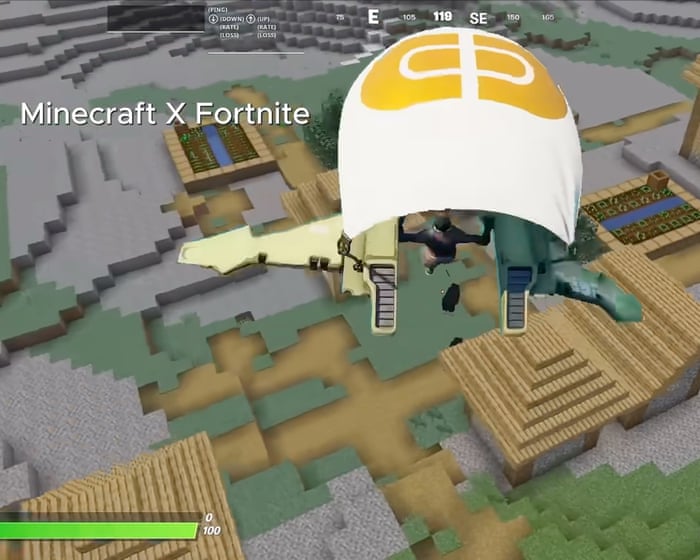
If your social media algorithms have clocked that you’re into video games, something strange will have happened in the past few weeks. Your feed, like mine, will have been full of clips of streamers playing bizarre mashups of popular video games. Skyrim in Minecraft. Halo, except the main character is Mario. Skate 2 in Call of Duty maps. A flood of professional-looking fan-coded game mods that are mildly interesting to look at for 30 seconds, but ultimately inconsequential. Would I download a mod that lets me play Wii Bowling inside a zombie shooter? No, but I am very interested in where they came from.

Of course, the answer – or at least, most of the answer – is AI. After a week of researching this (thanks especially to Replay Mode on YouTube for this informative video, which set me down this track) I now understand that these mashup mods are not just AI-generated videos, but AI-assisted coding. Basically, as of a few weeks ago, Anthropic’s Claude has become extremely good at decompiling video game code. Games are written by humans in readable code and then compiled into binary 1s and 0s that the PC or console running it can read; decompiling is the reversal of that process, revealing a game’s source code, which humans can then edit and mess around with for fun. This used to be an extremely laborious process. But now it is not, because humans aren’t doing much of it any more.

Continue reading...

© Photograph: YouTube

© Photograph: YouTube

© Photograph: YouTube

  •  

Nintendo Switch Sports Resort review – Wii Sports lives on in this effortlessly appealing collection of games

Nintendo Switch 2; Nintendo/Nintendo
Bringing a holiday vibe and a generous selection of sport-themed games, this is exactly what you want from a family video game

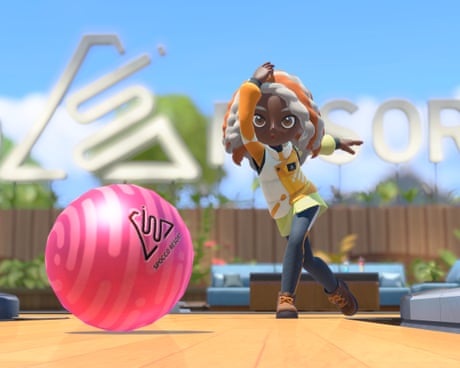
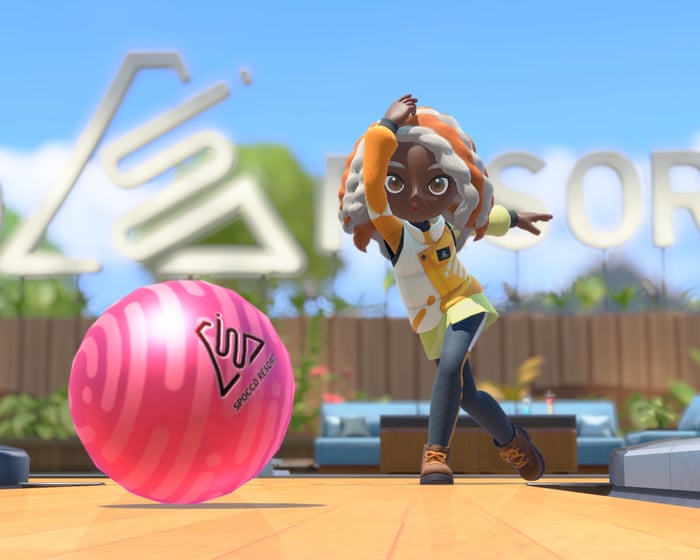
When the first Nintendo Switch Sports brought the effortless fun of Wii Sports back into my living room in 2022, I was frankly delighted. My small children discovered the pleasure of waving a controller around in enthusiastic imitation of a tennis player, and the surprising subtlety of virtual bowling, working out how to twist the wrist just right to guarantee a strike. I did not expect this game to become a family fixture for the next several years as my kids got older and climbed up the online ranks in all six of its sports (plus the two that were added as free updates). Switch Sports is so beloved in my household that the release of Switch Sports Resort this week is the most anticipated gaming event of the year. To be fair, my children are a bit young for Grand Theft Auto.

Nintendo Switch Sports Resort brings three of the six sports back – tennis, bowling, and volleyball – alongside golf and basketball. Then there are seven entirely new sports: boxing, table tennis, archery, thumb wrestling, skateboarding, jetski, and piloting a little prop plane. They are all intuitive, easy to get the hang of on the first or second attempt – some have more legs than others, in the long run – and all of them, crucially, are a little bit silly. Thumb wrestling in particular is cheerfully absurd, giving your characters gigantic thumbs on hands the size of their heads.

Continue reading...

© Photograph: Nintendo

© Photograph: Nintendo

© Photograph: Nintendo

  •  

What the £350 Grand Theft Auto ‘collector’s box’ says about the escalating cost of gaming

The launch of a collector’s box hints at a new reality: the kinds of games I grew up with are becoming a luxury item, locked behind a forbidding spending barrier

• Don’t get Pushing Buttons delivered to your inbox? Sign up here

As a parent (and partner) to a habitual collector, I do feel like an unwelcome portion of my life is occupied by an endless war against stuff. Surfaces in my home ceaselessly accumulate piles of random objects: a JoyCon wrist strap, a sticker sheet, an unidentifiable plastic piece of a toy or gizmo, an Xbox 360 controller with no batteries, cases for Switch cartridges lost down the side of the sofa … Stuff encroaches everywhere, especially in a gaming household. Much as I regret the imminent disappearance of physical games, I do not regret the extra space I have in my attic as a result of switching almost entirely to downloaded games over the last decade or so.
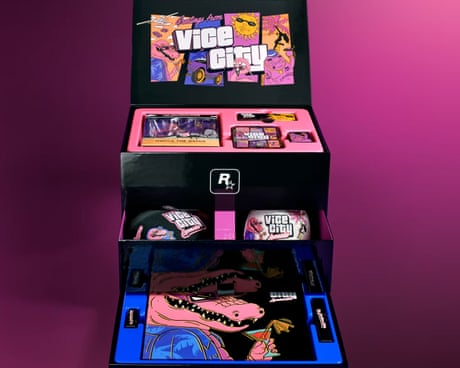
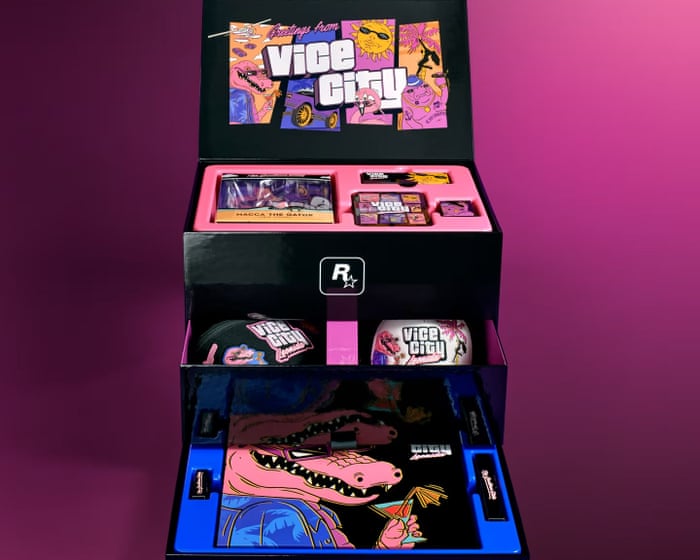
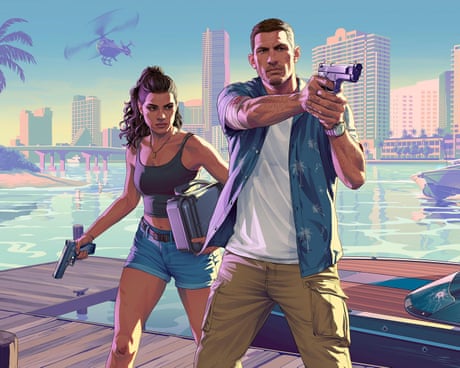
Speaking of the imminent disappearance of physical games: Rockstar recently announced a £350 ($400) “collector’s box” of Grand Theft Auto 6 goodies … that doesn’t include the game itself. Not even a download code. The Grand Theft Auto VI: The Goodtime State – Vice City Collection, to give it its full and unwieldy name, contains a hat, a bag, a pair of sunglasses, a figurine, a poster and more, including a mirror and a “swizzle spoon” that looks, unambigiously, like a cocaine spoon. The game retails at £70, so if you want something to play alongside all your stuff, you’re looking at an outlay of £420.

Continue reading...

© Photograph: Rockstar Games

© Photograph: Rockstar Games

© Photograph: Rockstar Games

  •  

Why fans are digging their claws into Wolverine over its patronising gameplay

From highlighted ledges to characters telling you what to do, blockbuster games are increasingly taking the challenge out of playing – and players are pushing back

• Don’t get Pushing Buttons delivered to your inbox? Sign up here

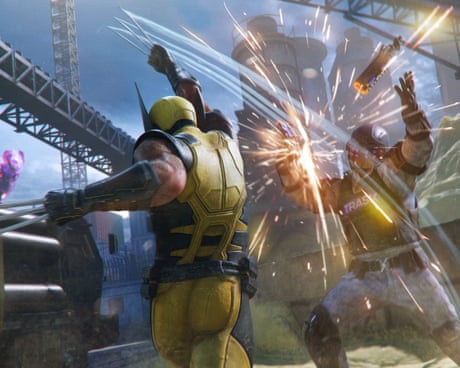
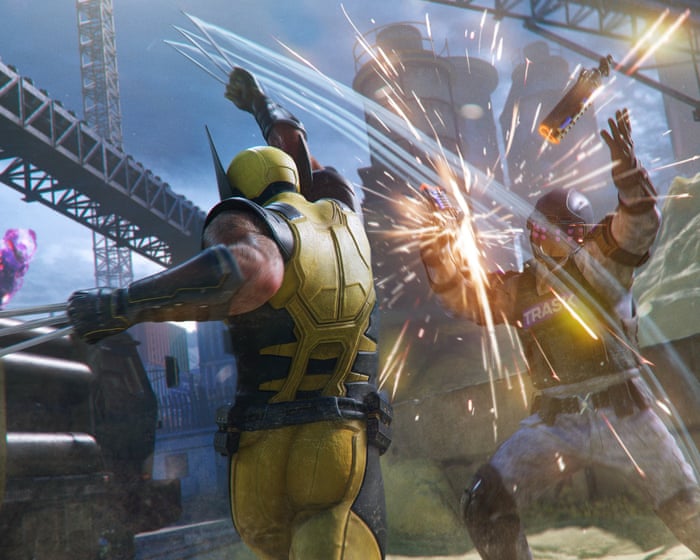
Marvel’s Wolverine, the latest action game from Sony’s stable of expensive blockbuster-factory studios, has had an unfortunate launch. Reviews were decent, if not stellar, but a series of viral video clips from reviewers and streamers have made it the scapegoat for a patronising flavour of game design that gamers have hated for decades. This clip, from Skill Up’s review, shows the player entering a beautiful wintry landscape before being overwhelmed by visual cues telling them what they’re supposed to be doing there. Sonar pulses point you in the direction of objectives. Targets – which, it bears emphasising, are shaped like targets – get an extra reflective visual effect so you know you’re supposed to pay attention to them. A trail shows you not just where to go, but where the level’s sole hidden collectible is.

It is hand-holding to the point of parody. Indeed, it reminded me of the sniggersome Mario in Unreal Engine satirical videos that makes the social media rounds every few months (“A mushroom? I should take a look at this”). Skill Up’s clip has been followed by hundreds of others, gleefully ripping into Wolverine with ironic savagery. In one much-copied clip, a streamer simply lays down his controller during a motorbike chase sequence and watches as Wolverine speeds on regardless, bouncing off the scenery as the game plays itself.

Continue reading...

© Photograph: Sony

© Photograph: Sony

© Photograph: Sony

  •  

Small but mighty! Remembering the GameCube, Nintendo’s purple box of delights

The first console I ever bought, it was hyped as a threat to the PlayStation, then mocked as a flop. But now, as it marks its 25th anniversary, it’s looked back on with misty-eyed reverence

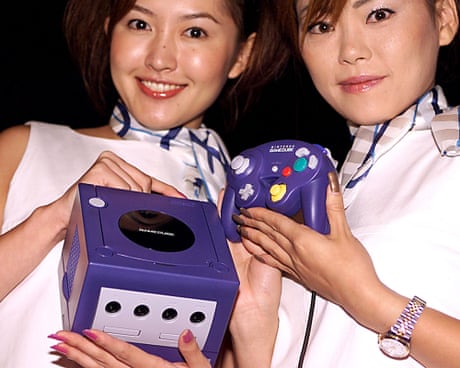
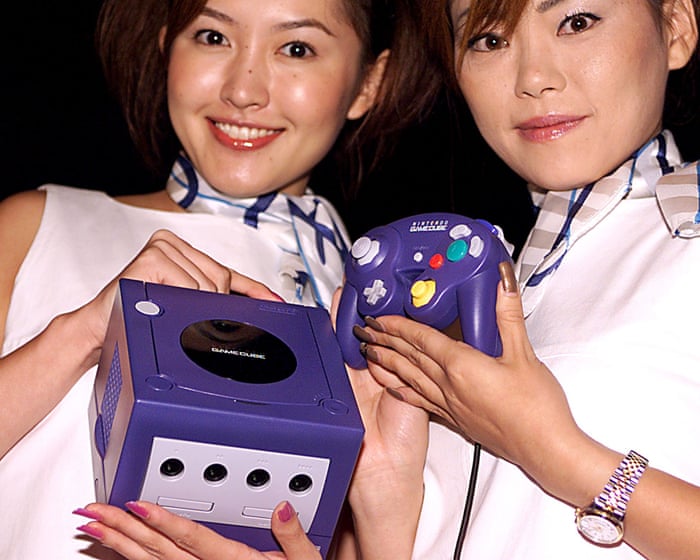
This week marks the 25th anniversary of the Nintendo GameCube, the first console I ever bought with my own money. I vividly remember getting on the bus after school with a year’s worth of savings safely zipped into the pocket of my bag and going to a branch of Currys, where I dumped a bunch of notes, coins and vouchers on the counter to collect my pre-order. (It turned out that some of the vouchers from the previous Christmas had expired, but the guy at the checkout clearly felt so sorry for me that he redeemed them anyway. If you’re out there, Currys guy: thank you for taking pity on a desperate 13-year-old.)

If it hadn’t been for the ill-fated Wii U console, whose failure to take off in 2012 resulted in the first unprofitable periods in Nintendo’s game-making history, the GameCube would be remembered as the company’s biggest flop aside from the infamous Virtual Boy, from 1995. Released in Japan this week in 2001 (and in May 2002 in Europe), this surprisingly powerful purple cube sold much less than the Xbox and the PlayStation 2. With its squat, colourful form and unusual controller, arranged around a big traffic-light-green A button and small analogue sticks designed for small hands, it had a hint of Fisher-Price about it.

Continue reading...

© Photograph: Yoshikazu Tsuno/EPA

© Photograph: Yoshikazu Tsuno/EPA

© Photograph: Yoshikazu Tsuno/EPA

  •  

Streaming from the cloud was meant to change games forever – what happened?

Once hailed as the future, even the likes of Google, Sony and Microsoft have struggled to make streaming games fun, fast or affordable

• Don’t get Pushing Buttons delivered to your inbox? Sign up here

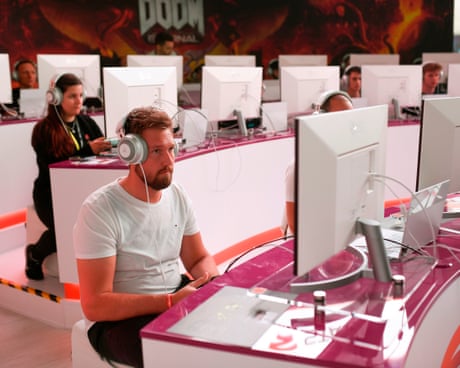
In August 2009, at the very first Gamescom expo, I sat in a small meeting room in Germany and played Mario Kart and World of Warcraft on a laptop, via technology that was then completely new: cloud gaming. It was a demonstration for a yet-to-be-launched service called Gaikai that promised to let you play any game in a browser window, without a console. (Here is an ancient video of that demonstration, featuring a very young Keza.) With a single click I could launch into any game, hosted on servers hundreds of miles away. It really did look like the future.

Since then, plenty of companies have tried to be the first to truly crack game streaming, vying to be the Netflix of games. Sony ended up buying Gaikai for $380m (£242m) in 2012; its technology now powers the streamable classic games library on PlayStation, and the PS5’s advanced game streaming. OnLive, Gaikai’s first competitor, launched in 2011 but shut down after less than a year, leaving Sony to acquire all its patents. Google’s Stadia cloud gaming service also imploded, launching in 2019 and shutting down three years later.

Continue reading...

© Photograph: Ina Fassbender/AFP/Getty Images

© Photograph: Ina Fassbender/AFP/Getty Images

© Photograph: Ina Fassbender/AFP/Getty Images

  •  

The Trump White House’s fetish for gamer culture has moved up a level with new arcade

A string of distractions on the US government’s own website invite you to catch pixelated migrants – showing gaming’s potential to be nastily weaponised

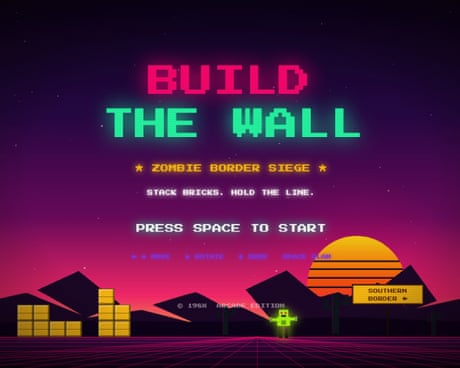
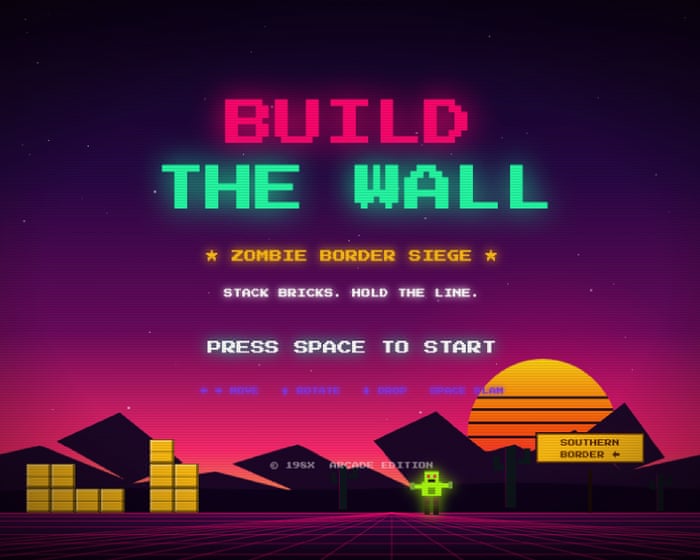
The Trump White House on Thursday released a horrible little propaganda arcade via its website, a collection of nasty riffs on popular games. Wrapped in the cutesy, nostalgic aesthetic of early-90s pixel art, these mindless fascist diversions are harmless-looking, but their intent is stomach-turning: this is the appropriation of play in service of propaganda. It’s just the latest in a series of attempts from Trump’s administration to use video game memes and imagery to further its messaging.

Having riffed on Halo and Pokémon in social media ads last year, inviting potential ICE recruits to “stop the flood” and “catch ’em all”, this time the administration has ripped off a series of recognisable games. Flappy Bill, perhaps the least gross, is a version of the old mobile hit Flappy Bird, except here you’re an eagle with a scroll in its claws. Supply Line could almost be an educational game about healthy food in schools, where you sort junk food off a conveyor belt destined for school lunches, except for some reason you play as a boxer who becomes more bloodied with every seed-oil containing, ultra-processed food item that you fail to punch into the garbage chute.

Continue reading...

© Photograph: The White House

© Photograph: The White House

© Photograph: The White House

  •  

Grand Theft Auto VI’s long-overdue gameplay reveal – as it happened

Under some strange circumstances, Rockstar broadcast the first (official) gameplay footage of Grand Theft Auto VI, the most-anticipated game of the year. Here’s everything you need to know.

Ah yes, it’s a drug den. We’re in familiar GTA territory here: narcotics, smart phones, tattooed gangsters and a police raid. The duo shoot their way out of the room – the gunplay is very familiar to the series – third-person over the shoulder. I’m getting a distinct True Romance/Leon vibe to this chaos.

These closeup slow-motion kill shots are giving me flashbacks to Fallout 3 and its slightly sickening VATS violence.

Continue reading...

© Photograph: Rockstar Games

© Photograph: Rockstar Games

© Photograph: Rockstar Games

  •  

Why we’re going back to the games of our youth

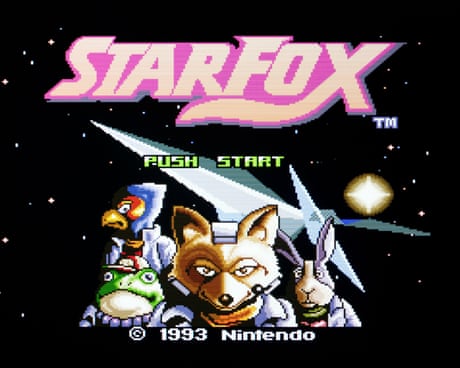
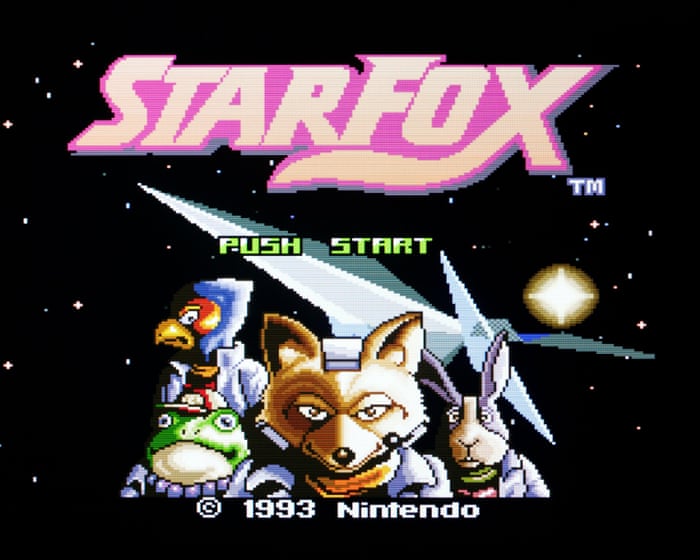
As millennials return to the games of their youth, remakes of Star Fox and Halo suggest there is still plenty to learn from the past

• Don’t get Pushing Buttons delivered to your inbox? Sign up here

As much as some people more or less cease to listen to new music in their 30s, I have noticed a retreat to safe, familiar gaming territory among some of my fellow millennial gamers.

Retro collections are started, or resumed; jewel-cases of PS1 classics or cardboard boxes with SNES or Mega Drive games have started to colonise the living-room shelves. People are replaying things from their university days, or sticking to comfort games such as Stardew Valley. Many of the friends I used to game with never bothered to pick up a PlayStation 5 at its launch, and now that current-generation consoles are becoming prohibitively expensive, they see no need. With thousands of great older games, why bother playing something new?

Continue reading...

© Photograph: ArcadeImages/Alamy

© Photograph: ArcadeImages/Alamy

© Photograph: ArcadeImages/Alamy

  •  

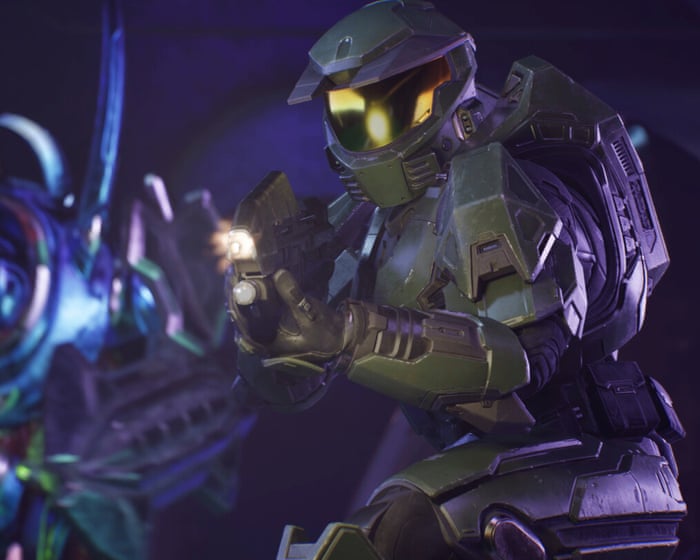
Halo: Campaign Evolved review – they don’t make ‘em like this any more

PC, Xbox, PlayStation 5; Halo Studios/Xbox Game Studios
Halo’s modernised introduction to all that was great about the 00s’ first-person shooter is also a welcome return trip for those of us who were there at the time

This 25th-anniversary remake of Xbox’s most iconic shooter comes loaded with symbolism. It arrives at a time when Xbox’s whole gaming division (and indeed the games business as a whole) is in turmoil. It’s been made by Halo Studios, an outfit that has arguably never quite recaptured the magic conjured by Halo: Combat Evolved’s original developer Bungie, a studio now owned by rival Sony. It has been polished and prettified using Unreal Engine 5, making it look and feel more modern at the expense of visual uniqueness: Halo now looks similar to hundreds of other games made with those same tools, where Bungie’s 2001 original, made with a bespoke engine, still looks austerely distinctive. I never wanted to become this person, but: perhaps things were better in the old days?

I had my misgivings after the opening level, in which freshly defrosted supersoldier Master Chief fends off an alien attack on a disintegrating spaceship. Originally this was a masterclass in explosive action: you wake up, you look around (once a clever way to determine whether you needed to invert the controls), and you get right into it, firing gaming’s best pistol at chittering alien grunts who scatter from your bullets. Now it’s wrapped in needlessly expanded cutscenes and explanations. Where Halo Studios has made changes to Combat Evolved’s pacing, it really feels noticeable.

Halo: Campaign Evolved is out now

Continue reading...

© Photograph: Halo Studios

© Photograph: Halo Studios

© Photograph: Halo Studios

  •  

AI backlash, single-player epics and Y2K nostalgia: eight trends from Summer Game Fest

From horror galore to Chinese action games, the key trends, trailers and surprises from Summer Game Fest’s many, many hours of streams and broadcasts

• Don’t get Pushing Buttons delivered to your inbox? Sign up here

Did you spend hours of your weekend watching a relentless series of video game adverts? No? I don’t blame you – Summer Game Fest, the collection of livestreams that has arisen in place of the giant annual E3 video game expo in Los Angeles, is extremely overwhelming. There are the bigger, longer shows: the PlayStation and Xbox streams, the main SGF show hosted by Geoff Keighley and Lucy James, Future’s duet of the Future Games Show and the PC Gaming Show. Each show is two hours long. Then there are all the indie showcases: cosy games, women-led games, Black voices in gaming, Day of the Devs. Between them, they show off hundreds of games that might pique your interest.

I picked out exactly 34 highlights here: the biggest news, the most interesting-looking smaller games. But from the barrage of trailers I was also able to discern some trends. Here’s what we can learn.

Continue reading...

© Photograph: PR IMAGE

© Photograph: PR IMAGE

© Photograph: PR IMAGE

  •  

Summer Game Fest highlights: 34 new video games to look out for, from Alien Isolation to Crazy Taxi

Hundreds of video games were shown at June’s annual bonanza. After watching more than 15 hours of showcases, our video games editor picks the highlights

The sequel to a revered 2014 horror game from British developer Creative Assembly: this time you must evade the xenomorph on the surface of a storm-ravaged colony world.

Continue reading...

© Photograph: PR

© Photograph: PR

© Photograph: PR

  •  

Spyro the Dragon returns with a new game after almost two decades

90s PlayStation fans, rejoice: California studio Toys for Bob is making Spyro: Realms Beyond, intended to ‘inspire love, joy and laughter’

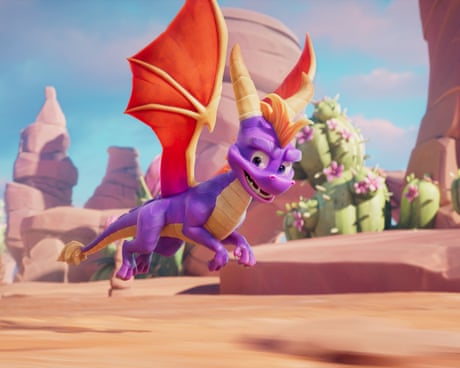
As the gaming mascots of millennial childhood have been resuscitated one by one for a nostalgic audience, one has remained notably absent: 1990s PlayStation hero Spyro. A new game starring the purple dragon was announced at tonight’s Xbox Game Showcase – the first original title since 2008. Called Spyro: A Realm Beyond, it is being developed by studio Toys for Bob in California and will be released in spring 2027 on Xbox, PlayStation 5, PC and Nintendo Switch 2.

It features a freshly redesigned Spyro with his trademark quiff, voiced by Tom Kenny, the original star of the games. Unlike in the original Spyro titles, players will be able to take flight at any time. “[We’re] leaning into the true capabilities of being a dragon,” explains creative director Lou Studdert. “It’s really engaging … the player is making decisions how they fly. They are diving down to sustain speed. They are using fire-breath to light campfires, to create an updraft to get lift before flapping their wings.”

Continue reading...

© Photograph: Toys for Bob/Activision

© Photograph: Toys for Bob/Activision

© Photograph: Toys for Bob/Activision

  •  

From God of War to Until Dawn – seven reveals from last night’s PlayStation event

The PS5 era has been in some ways disappointing for Sony – on Tuesday, the company revealed a slate of games they hope will change that

• Don’t get Pushing Buttons delivered to your inbox? Sign up here

PlayStation’s future has looked a little uncertain these past few years. Although the PS5 has sold well and been very profitable, the brand is far from the runaway market leader it was in the PS2 days. Earlier this week, Game File dug into Sony’s most recent earnings reports to illustrate how PlayStation has been selling fewer and fewer of its own flagship games since a peak during the pandemic. About 54.1m copies of games either developed or published by Sony were sold in the 2018 financial year; in 2025, it sold 32.1m.

Sony has put out some great homegrown games since the PS5 was released in 2020, from Astro Bot to Ghost of Yōtei, but it has also had some expensive and very public failures and cancellations; PlayStation boss Jim Ryan, who retired in 2024, placed big bets on live-service games and only a few panned out (hello, Helldivers). Sony also seems to have rolled back on releasing its single-player PS5 games on PC after a polite interval of time, suggesting it wants to preserve what advantage and exclusivity it has.

Continue reading...

© Photograph: Sony

© Photograph: Sony

© Photograph: Sony

  •  

Ribbit is the new Wordle, and I’m here to share it with you

A gentle daily puzzle is quietly becoming the most joyful part of my morning routine​ and reminds me that not every win needs to be epic

There’s been some pretty big news in the last couple of weeks in video game world: the long-running space shooter Destiny 2 is winding up after almost nine years, PlayStation appears to have decided to stop releasing its flagship single-player games on PC, and Microsoft wants us to look like we’re shouting every time we type XBOX. But the biggest news for me is that I have found my new favourite word game. I am going to be so bold as to call it the new Wordle.

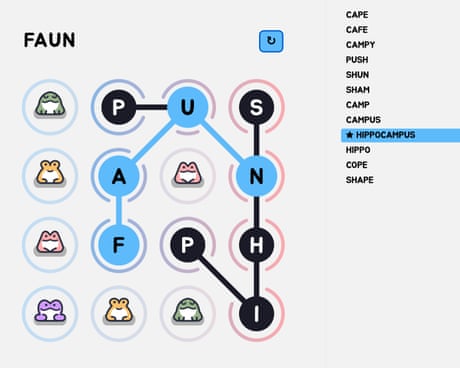
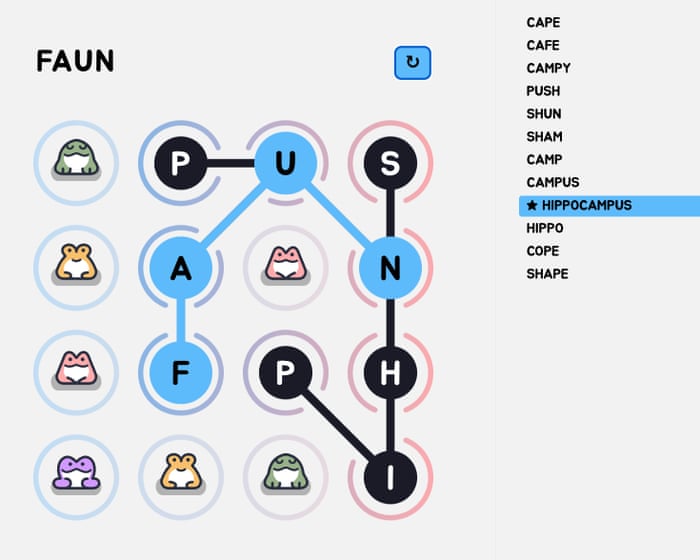
Ribbit is one of the varied suite of daily games on Puzzmo, an online puzzle platform. It launched at the beginning of January, but I only recently discovered it because I have been unwell, bored, and spending too much time on my phone. Puzzmo’s daily hits include a satisfying shape-arranging game, variations on chess that make me feel extremely stupid, and pleasing word games, which are my favourites. Circuits has you making connections between the beginnings and ends of phrases (eg “stone cold > cold medicine > medicine cabinet”) as fast as you can. Bongo gives you a bunch of letter tiles and asks you to arrange them for a maximum score.

Continue reading...

© Photograph: Puzzmo

© Photograph: Puzzmo

© Photograph: Puzzmo

  •  

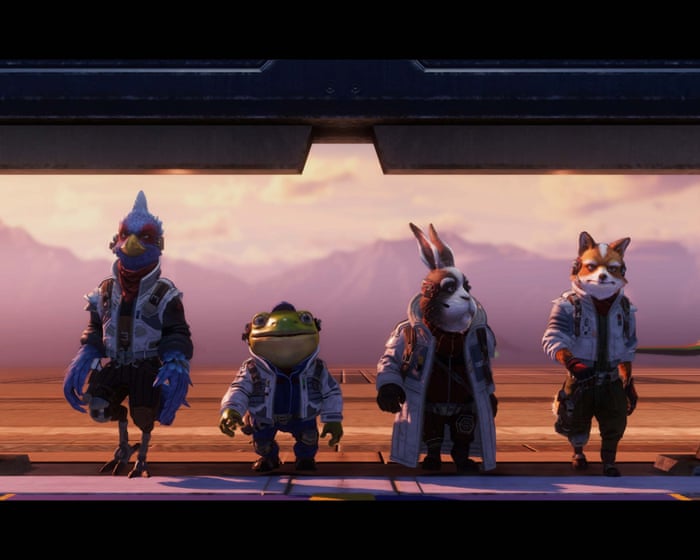
Star Fox 64, a game I loved in my childhood, is returning – but I have mixed feelings

Why are Nintendo releasing a straight-up remake of the space-flight shooter – with many of its original limitations – rather than a fresh new take?

The Nintendo 64 was not my first video game console, but it was my formative one. Getting to grips with 3D movement in Super Mario 64 with that weird three-pronged controller is one of my most visceral childhood memories; the long, long wait for The Legend of Zelda: Ocarina of Time was the background noise to a huge chunk of my youth. But back in the 1990s (in the UK at least), it felt as if nobody had an N64. When everybody had a PlayStation instead, I felt I was the only kid in my whole city who cared more about Banjo-Kazooie than Crash Bandicoot.

If even Zelda seemed comparatively niche in Europe in the 90s, Lylat Wars (known elsewhere as Star Fox 64) was a real deep cut. It’s a 1997 space-flight shooter starring Fox McCloud and his squad of animal pilots laser-blasting across different planets in nimble crafts called Arwings. I played this game to absolute death in 1998, when I got it for my birthday alongside the fabled Rumble Pak, which made your controller vibrate and shudder whenever something cool was happening on screen (fun fact: Lylat Wars was the first console game to feature controller rumble). But I really hadn’t thought about it much since. Then, last week, Nintendo announced a Switch 2 remake.

Continue reading...

© Photograph: Nintendo

© Photograph: Nintendo

© Photograph: Nintendo

  •  

The Bafta games awards showed me again that honouring art over commerce is a win for all

From mega hit Clair Obscur to the genius Blue Prince, the winners at this year’s event help me refocus on why games really matter

The 22nd Bafta game awards were on Friday, and Clair Obscur: Expedition 33 took the biggest game prize. This makes it only the second game ever (after Baldur’s Gate 3) to win top prize at all five of the main awards shows: the Dice awards in Vegas; the Game awards in LA; the public-voted Golden Joysticks in the UK; the Game Developers Choice awards in San Francisco; and now London’s Baftas, the final event to celebrate the gaming output of 2025.

I’ll be honest: I was hoping for a different winner. Blue Prince, an eight-year project by the visual artist and former film-maker Tonda Ros, is the most extraordinary thing I played last year. It’s the game where you inherit a sprawling mansion that changes shape every day, and you must navigate its ever-shifting blueprint to find its secret room. I went so deep on this game that I was still playing it and thinking about it weeks after solving its initial mystery, piecing together bits of opaque lore from Reddit threads. I think it deserved at least one best game award (apart from ours).

Continue reading...

© Photograph: Sony Interactive Entertainment

© Photograph: Sony Interactive Entertainment

© Photograph: Sony Interactive Entertainment

  •  
❌