Iraq has raised production from three key projects in the country’s oil heartland to full capacity as tankers have started arriving to export cargoes, a person familiar with the operations said.
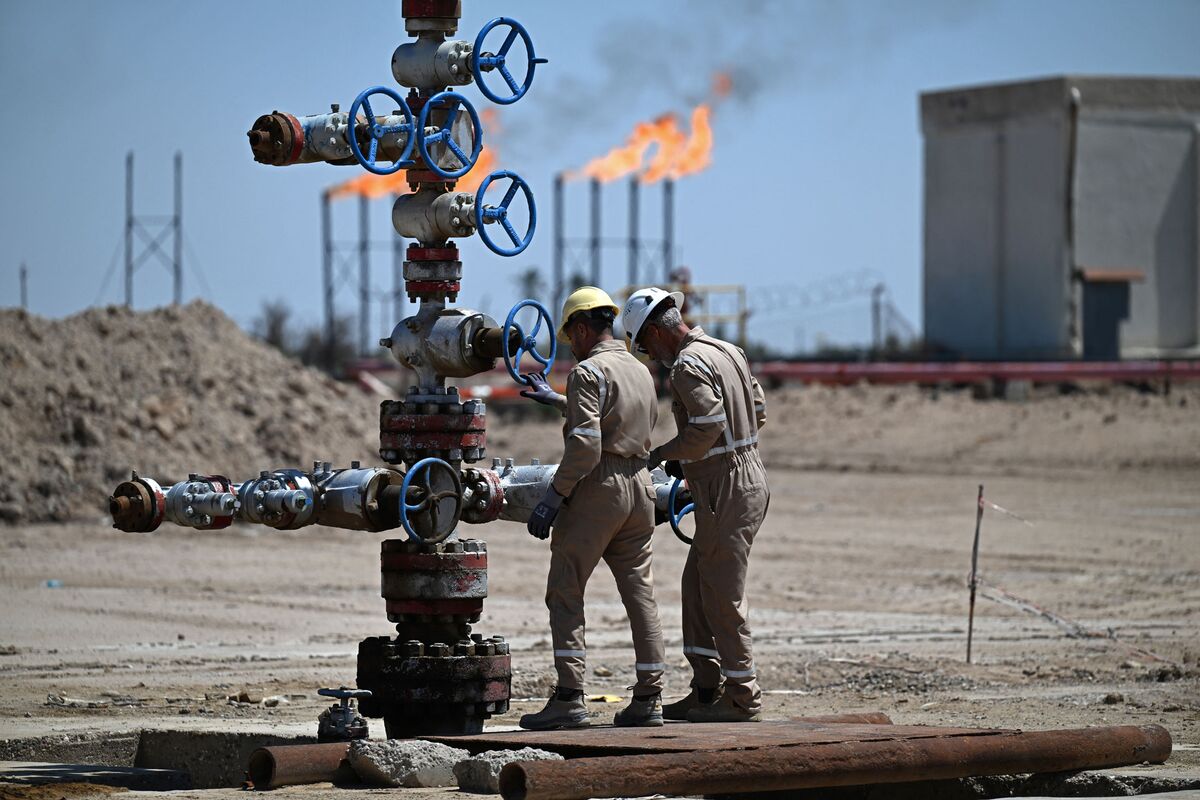
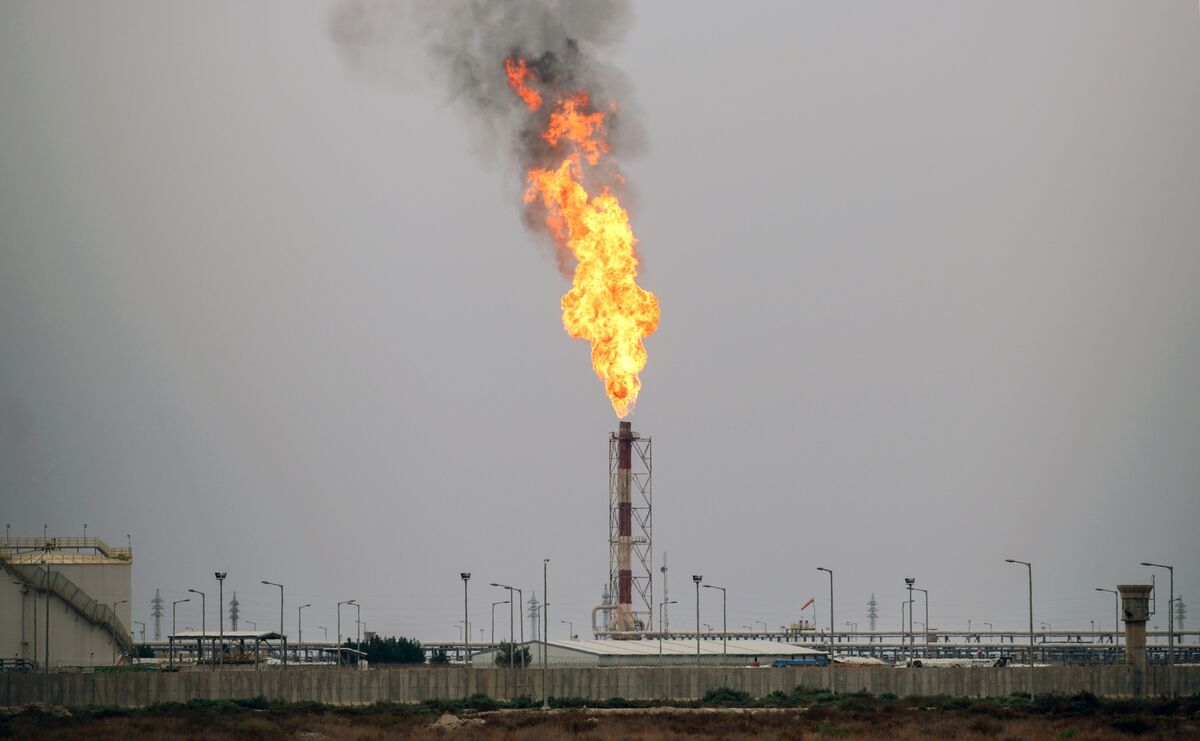
An oil and gas field near Basra, Iraq on April 29.
Iraq stepped up its push for bigger OPEC production quotas as it seeks to recoup oil sales that were lost because of the Iran war, even raising the prospect that it could consider an exit in the future.
An oil and gas field near Basra, Iraq. Photographer: Husseim Faleh/AFP/Getty Images
Iraq asked operators of five major oil fields to boost production to prewar levels, targeting output of over 3 million barrels a day, after US-Iran deal that aims to fully reopen the Strait of Hormuz.
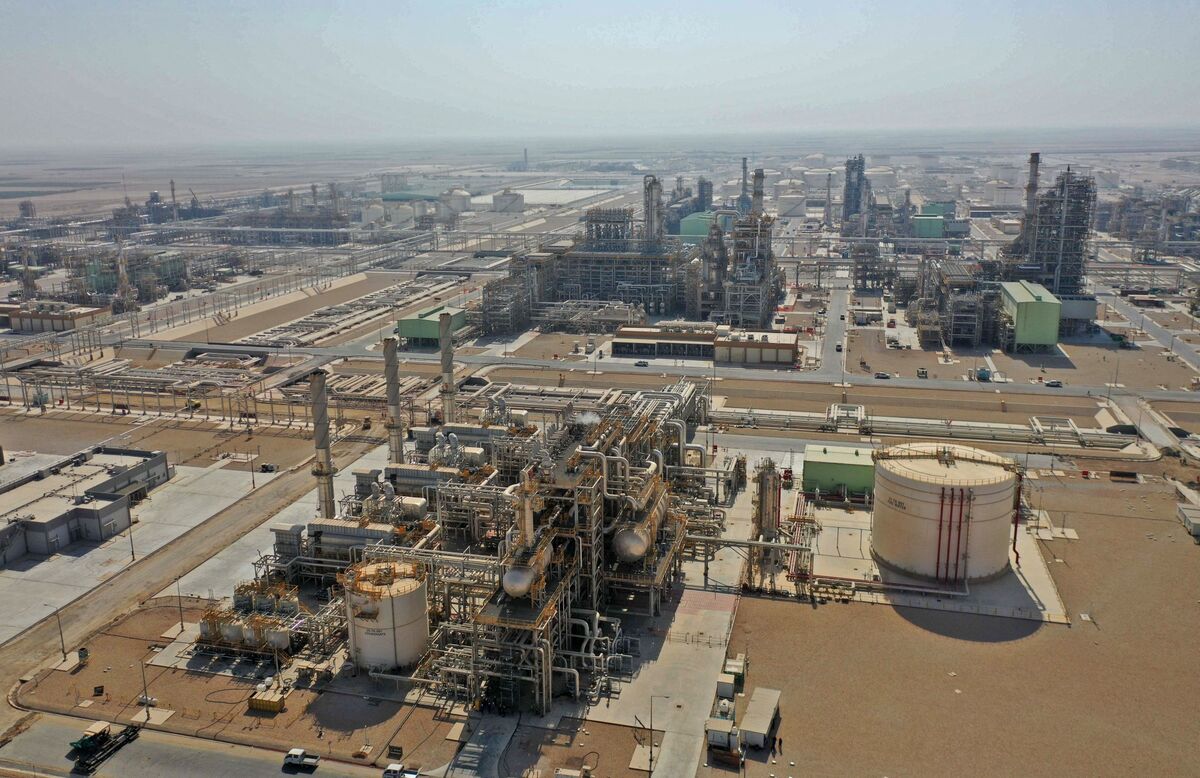
BASRA, IRAQ - APRIL 29: A general view of the Nahr Bin Umar refinery, which has a daily production capacity of approximately 45,000 barrels of crude oil and 1,800 barrels of condensate, in Basra, Iraq on April 29, 2026. As part of a project carried out by Basra Gas Company (BGC), natural gas extracted from the Bin Omar field has been integrated into the North Rumaila gas system. According to a statement from BGCi, the project, which was completed with a new pipeline approximately 5 kilometers long, has enabled an additional 70-80 million cubic meters of gas to be added to the economy daily. The goal is to process this gas at the North Rumaila facilities, thereby contributing 500-600 tons of liquefied petroleum gas (LPG) daily to Iraq's energy supply. (Photo by Stringer/Anadolu via Getty Images)
The oil and shipping industry remains largely in wait-and-see mode ahead of Friday’s deadline to reopen the Strait of Hormuz, although there are some tentative signs of preparations as a handful of ships begin rerouting toward the Middle East while Iranian tankers laden with oil move out.
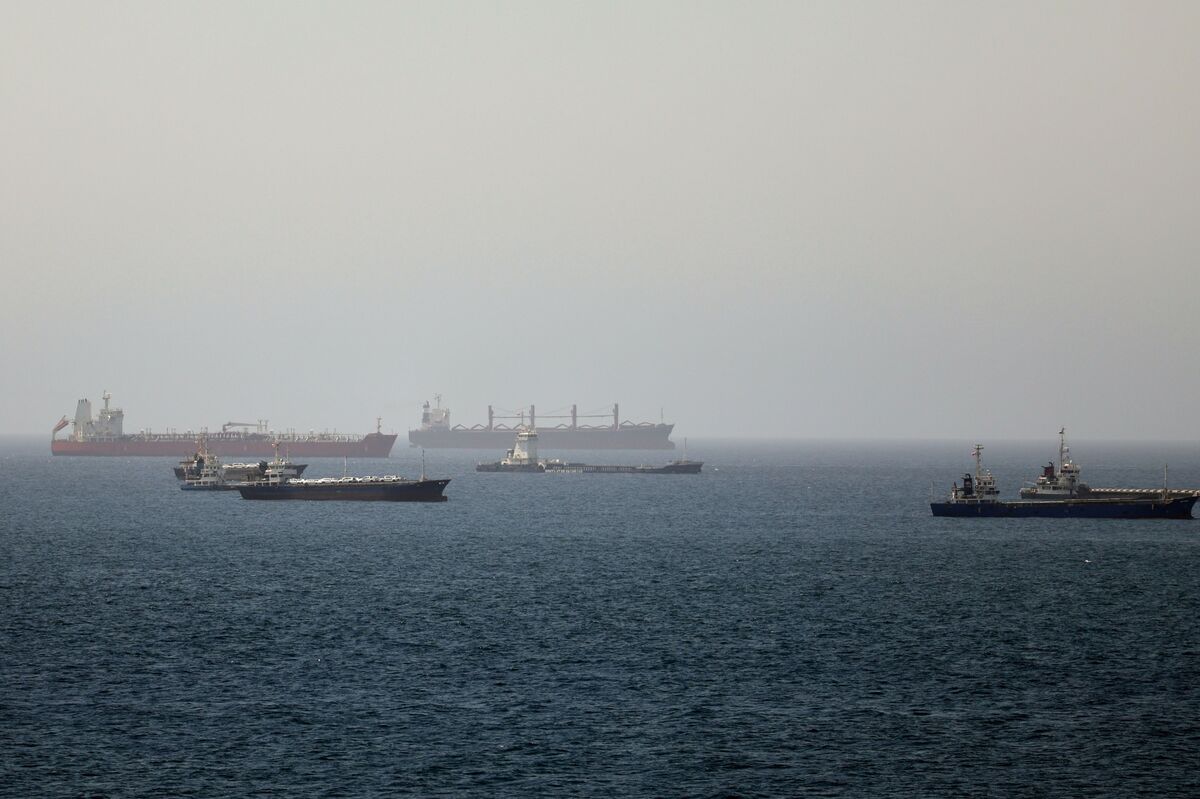
Tankers and cargo vessels are seen in the Gulf of Oman, along shipping routes linking the Strait of Hormuz and the Arabian Sea, on June 16. AP Photo
Iraq is poised to more than triple crude exports through a pipeline in the semi-autonomous Kurdistan region, as the OPEC nation seeks to alleviate the impact of the effective blockage of the Strait of Hormuz on its oil revenue.
The oil production field in Duhok, Iraq on March 02, 2025.
Iraqi lawmakers all but confirmed Ali al-Zaidi as prime minister, following a push by US President Donald Trump to have the businessman and former banker lead the country, according to the parliament media office.
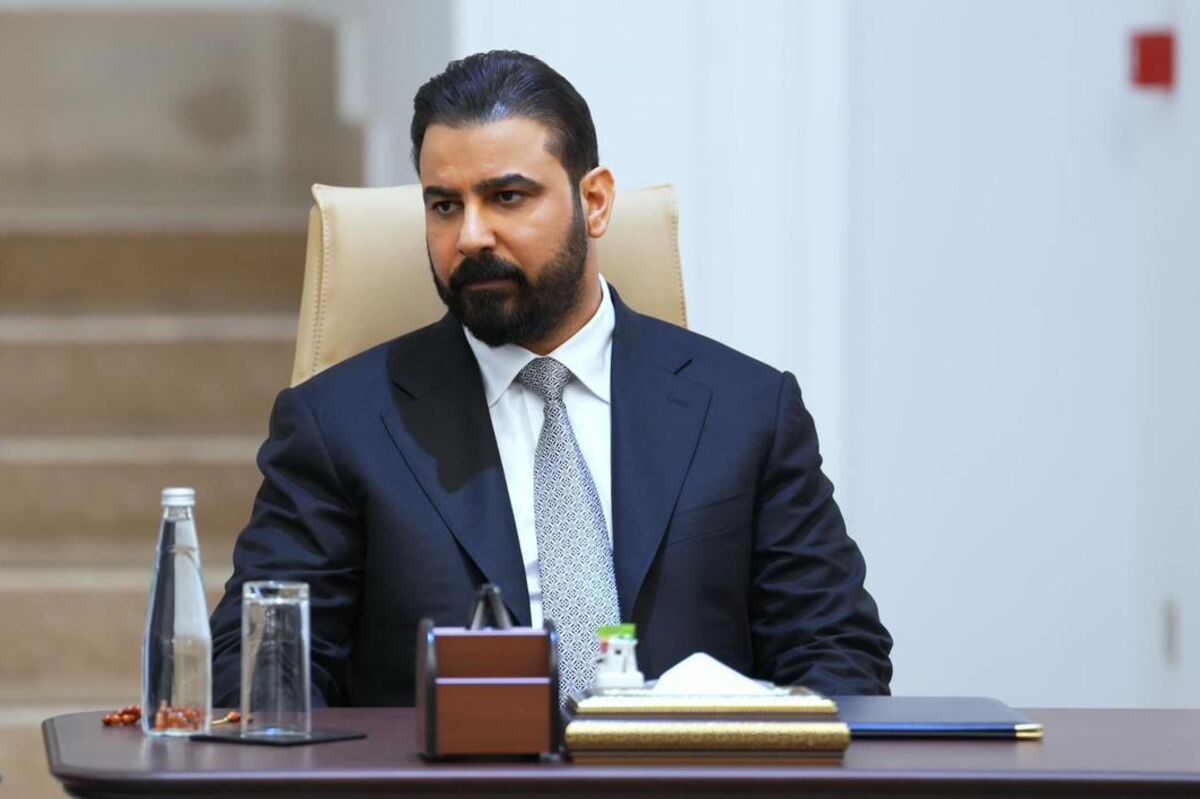
Ali al-Zaidi in Baghdad in a handout photo released by the Iraqi Presidency Office on April 27.
Former Iraqi Prime Minister Nouri Al-Maliki ended his bid to reclaim the role after pressure from the US, which was concerned by his close links to Iran.
Ali al-Zaidi in Baghdad, in a handout photo released by the Iraqi Presidency Office, on April 27.
Iraq agreed with Kurdistan to resume oil exports through a pipeline in the semi-autonomous region, a boost for OPEC’s second-largest producer after the closure of the Strait of Hormuz forced output cuts.
ERBIL, IRAQ - MARCH 17: Men stand near tank trucks at a market for fuel oil and automotive fuel on March 17, 2026 in Erbil, Iraq. Recent drone attacks in the region have forced some oil refineries here to cease operation, while others continue. More broadly, Iraq, a member of OPEC, has had to sharply reduce oil production as its main export route, through the Strait of Hormuz, has been block due to the war between Iran and the U.S., Israel and their regional allies. On March 12, two oil tankers were attacked in Iraqi waters offshore from its main port of Basrah, allegedly by Iranian forces. Meanwhile, Baghdad and the government of semi-autonomous Iraqi Kurdistan are negotiating to try to increase exports through the Iraq-Turkey Pipeline, which has been a source of political and legal tension. (Photo by Sedat Suna/Getty Images)
Two oil tankers have been attacked in Iraqi waters, according to the country’s state oil marketer, prompting the nation’s oil terminals to suspend operations.
Two oil tankers have been attacked in Iraqi waters, according to the country’s state oil marketer, prompting the nation’s oil terminals to suspend operations.
Iraq’s oil production has fallen to 1.2 million barrels a day because of the Iran war and Baghdad is pushing to restart export flows of its Kirkuk grade from the north of the country to help compensate.
The sun sets behind burning gas flares at an oil refinery in Baghdad on Nov. 24, 2025.
Iraq’s oil production has collapsed by about 60% as the Iran war means there aren’t enough tankers to load the nation’s crude.
A picture taken on April 4, 2023 shows the Nahr Bin Omar oil field and facility near Iraq's southern port city of Basra. - Major oil powers led by Saudi Arabia announced a surprise production cut of more than one million barrels per day on April 2, calling it a "precautionary" move aimed at stabilising the market. (Photo by Hussein FALEH / AFP) (Photo by HUSSEIN FALEH/AFP via Getty Images)
Iraq has halted oil exports from its semi-autonomous Kurdistan region to the port of Ceyhan in Turkey, according to people with direct knowledge of the situation.
A standoff between the White House and Iraqi politicians over who should be the Middle Eastern country’s next prime minister is worsening, according to several people, with the rift threatening to destabilize the OPEC member.
Nouri Al-Maliki Photographer: Hadi Mizban/AP Photo
Iraq plans to invite a select group of major US oil companies for direct negotiations over the acquisition of Lukoil PJSC’s stake in the giant West Qurna-2 oil field, as Baghdad accelerates efforts to reshape ownership of one of its key energy assets.
A picture taken on April 17, 2017 shows flames rising from the burning of excess oil at the West Qurna-2 oilfield, west of Basra in southern Iraq.
Oil from Lukoil PJSC’s share of a field in Iraq is continuing to flow to global markets, alleviating concerns about supply disruption in the wake of sanctions on the Russian energy giant.
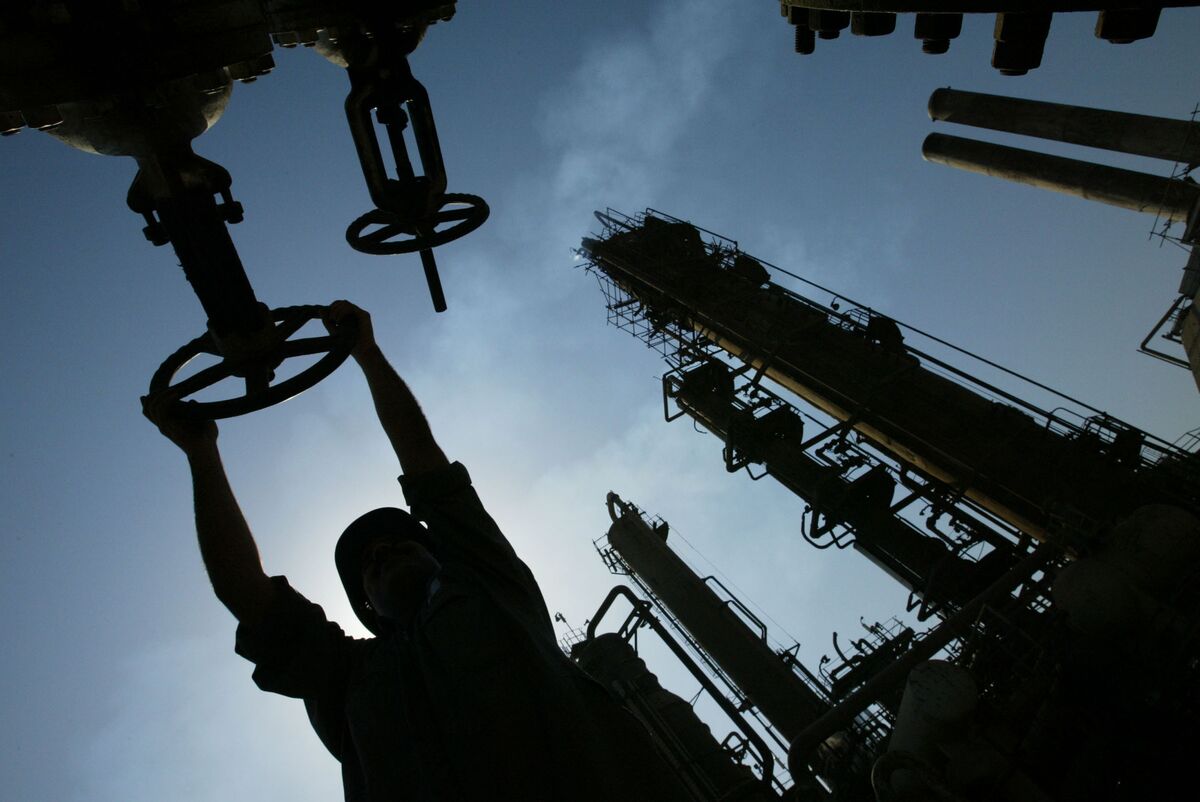
An Iraqi oil worker adjusts valves at an oil refinery.

 Anmelden