❌

Lese-Ansicht

Everest: The Other Side review – couple’s climb on the mountain’s toughest face comes with tricky moral questions

Immersive portrait of mountaineers Jim Morrison and Hilaree Nelson as they seek to become the first people to ski down Everest’s north face

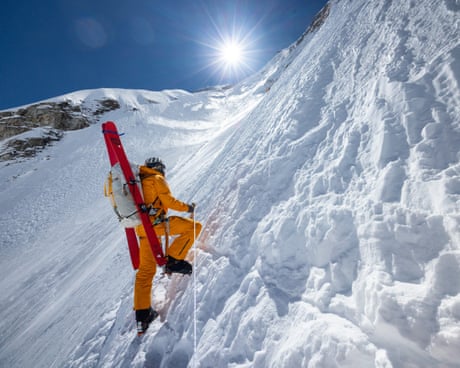
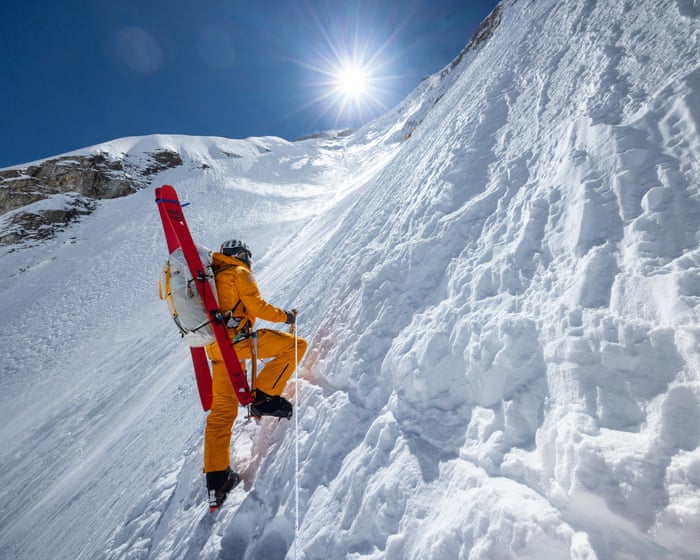
With some of its showings in the huge Imax format, this National Geographic-backed documentary feels like a callback to the early, glory days of large-format cinema when it was all about spectacle and scale, turning footage of natural-world wonders into an immersive experience. Those with a fear of heights or prone to vertigo may find this all a bit too immersive, in fact. That’s even more the case considering the point of the movie appears to be to provoke anxiety in the viewer for nearly the entire running time as we watch the subjects scale the steeper, far less travelled north face of Mount Everest and then, for reasons never quite adequately explained, ski back down it again.

Such was the mission of experienced mountaineer Jim Morrison, an amiable-seeming fellow who, like all of those who pursue extreme sports, seems to feel a compulsion to put himself in the kind of grave danger that, should things go wrong, would put other people in danger rescuing him. His partner Hilaree Nelson shares his passion, and the two of them set off to be the first people to ski down Everest’s north face, and the first third of the film tracks them as they plan and eventually do practice runs to achieve this goal. Neither seems able to adequately explain why they’ve chosen to take such a risk, although Nelson tries a bit to articulate her mountaineering life almost as if it’s a career choice that her two teenage sons should simply accept as her choice to make, and maybe even thank her for – even if that means that should she be injured or lost they and Morrison (who is not the boys’ biological father) would also have to deal with the aftermath.

Continue reading...

© Photograph: Jimmy Chin Productions/PA
© Photograph: Jimmy Chin Productions/PA
© Photograph: Jimmy Chin Productions/PA

  •  

Never After Dark review – ghostbuster-for-hire meets her match in Japanese exorcism horror

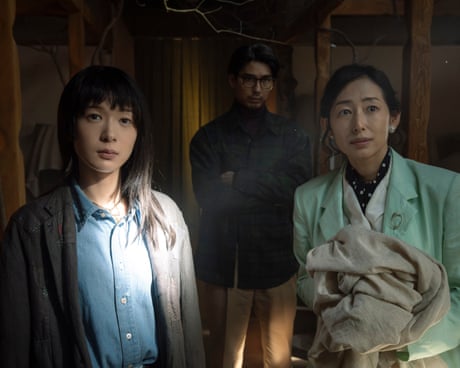
Shogun’s Moeka Hoshi stars as a travelling caster-out of ghosts who confronts a wounded and recalcitrant spirit in this inventive chiller

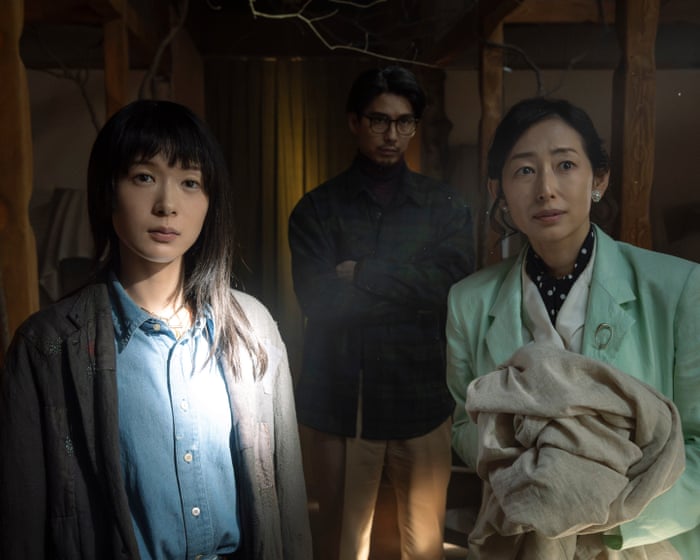
If you watched this Japanese-language ghost-story horror thriller cold, you might be a little surprised that the credits reveal that the director is one Dave Boyle – and not someone from Japan, so steeped is it in Japanese lore and culture. It turns out that Boyle has been interested in Japan for a long time, and even wrote, directed and starred in the 2006 feature film Big Dreams Little Tokyo, about an American sharing a flat with an aspiring sumo wrestler.

More recently, Boyle was a key director-producer for the Netflix series House of Ninjas, and Never After Dark seems to have evolved as a spun-off side hustle between Boyle and Ninjas star Kento Kaku, who produced it and takes a supporting role.

Continue reading...

© Photograph: Blue Finch Film Releasing

© Photograph: Blue Finch Film Releasing

© Photograph: Blue Finch Film Releasing

  •  

Children of the Wicker Man review – how the folk-horror classic haunted the family that made it

Director Robin Hardy’s children lay bare the sometimes agonised family background to a movie that went from ruinous flop to cult favourite

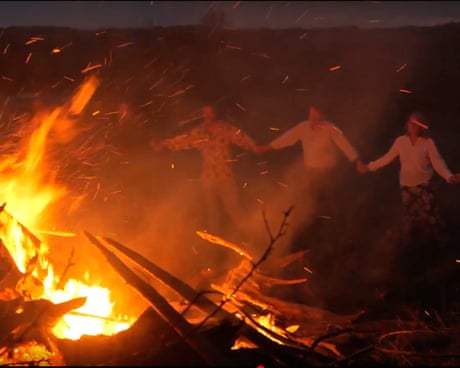
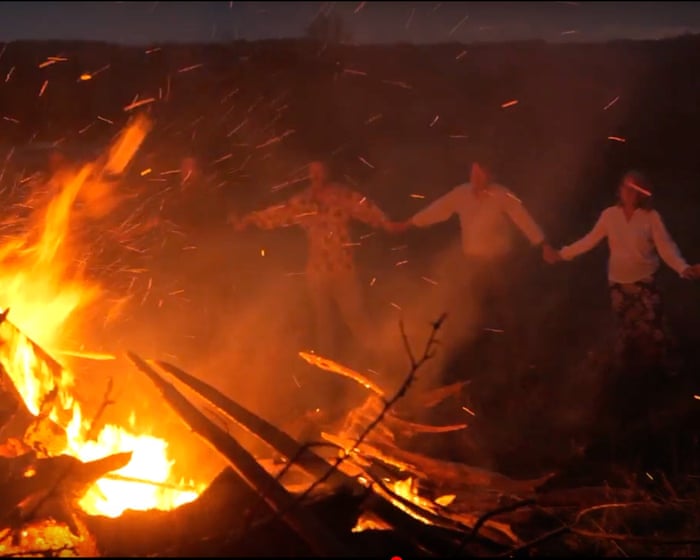
This documentary is a collaboration between Justin Hardy and Dominic Hardy, two of film director Robin Hardy’s children (he had seven in all, and was married five times), and it delves into the legacy of both their father and his most enduring work, 1973 folk-horror classic The Wicker Man. The latter still stands today, for all its imperfections and peculiarities, as one of the most unsettling and paradoxically influential British films of all time, despite being a box-office flop on its initial release. This latest work is partly an account of The Wicker Man’s troubled production – a story that’s been told in books and journalism a fair few times already – and its strange reemergence as a cult movie-cum-fetish object, and partly a therapeutic exercise for the brothers themselves, full of raw feeling that’s sometimes painful to watch.

However, while the brothers’ willingness to share their pain remains admirable, their film feels hampered by omissions and silences. On some level it is haunted by the ghosts of significant players in the story who have passed away, including Hardy himself and screenwriter Anthony Shaffer, as well as other key figures who are alive but aren’t interviewed here. Where, for example, are the brothers’ other siblings? Allan Brown, author of Inside The Wicker Man: How Not to Make a Cult Classic, is mentioned in several juicy anecdotes but is also absent, while somewhat bafflingly there’s a fair amount of an interview with Scottish actor Bill Paterson, who was almost cast in the original film but wasn’t.

Continue reading...

© Photograph: Courtesy of Hardy Pictures

© Photograph: Courtesy of Hardy Pictures

© Photograph: Courtesy of Hardy Pictures

  •  

Mag Mag review – giant female ghost loves people to death in Japanese comedy-horror

Sara Minami gives a wonderfully crazed performance in a twisted, fresh take on the genre as Yuriyan Retriever’s debut feature examines infatuation, bullying and beauty norms

Back in the 90s and 00s, Japanese horror (or “J-horror” if you want to save on syllables) was much admired, reasonably widely distributed and sometimes remade in other languages. They never actually stopped making them in Japan, but the results don’t seem to get as much crossover exposure as they used to. That may be because we have quite enough horror getting made closer to home, especially since it’s so remunerative at the box office.

Nevertheless, it’s good to see evidence that the genre keeps evolving in Japan just as it does everywhere else, and there is something tangibly fresh and kicky about this low-budget horror-comedy amalgam. Made by comedian Yuriyan Retriever, an irrepressible character whose dadaist shtick got her on America’s Got Talent twice, makes her directorial debut with this satirical ghost story which sends up male misogyny and women’s obsession with romance alike.

Continue reading...

© Photograph: Courtesy of Blue Finch Film Releasing

© Photograph: Courtesy of Blue Finch Film Releasing

© Photograph: Courtesy of Blue Finch Film Releasing

  •  

The Influencer Project review – ick-inducing thriller satirises social media content, and exploits it too

When influencer/singer/content creator Chiara King visits Copenhagen all the trips to trendy shops and fancy restaurants soon take a turn for the worse

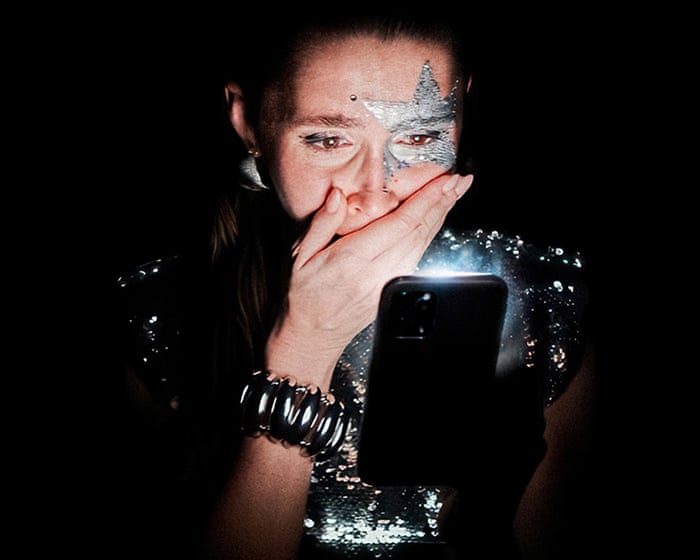
British influencer/singer/content creator Chiara King stars as influencer/singer/content creator Chiara King, or some kind of parafictional version of herself, in this quease-inducing thriller exercise. The ick gets generated not necessarily by the eventual gore that erupts in the last reel, but by the tacky weirdness of the way the film apes the mannerisms of social media reels and streaming nonsense to both satirise the ugly side of the business but also exploit and profit off it at the same time. On one level, it’s an eerily clever exercise in bad faith, like a poor Michael Haneke film (think Funny Games) for gen-Z kicks; on another, maybe it’s just a crappy ripoff of online tropes that have been way overexposed already. Or both.

Anyway, here’s what happens: influencer Chiara gets invited to visit Copenhagen by a tourist organisation, a deal set up by her avaricious manager Alice (Jazmine Summer). Of course, this means practically every moment of her time awake in the city will be filmed, both by Chiara herself on her trusty smartphone, or a camera crew led by director Mike (played by Mike Nybroe, who is also director of The Influencer Project, ha ha); Mike is supported by sound man Daniel (Daniel Parmo) and cameraman Victor (Luca Storm). The early sections turn in all the influence-slop you would expect, with shopping trips to trendy merch vendors such as Baum und Pferdgarten, and meals at fancy local restaurants, and then a livestreamed visit to a “haunted house,” which is the big thing on Instagram and TikTok these days.

Continue reading...

© Photograph: Icon Film Distribution/PA

© Photograph: Icon Film Distribution/PA

© Photograph: Icon Film Distribution/PA

  •  

V/H/S/Mixtape review – murderous puppets pull the strings in mixed bag of gory music-themed mini-movies

Metal band Gwar host this instalment of the horror series, which serves up darkly humorous movie morsels that would struggle to frighten a toddler

The latest in the long-running horror-feature series is, as per usual, a decidedly diverse ragbag of shorts, strung together with the thinnest of connective tissue. The theme this go-round seems to be music and sound, so it sort of makes sense that hosting duties for the interstitial bits fall to the goofy metal band Gwar, its assorted members met here cracking Halloween dad jokes in their trademark extravagant outfits.

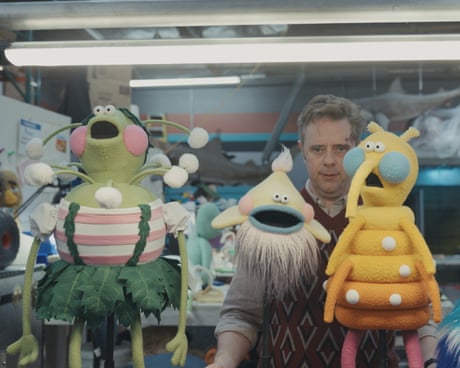
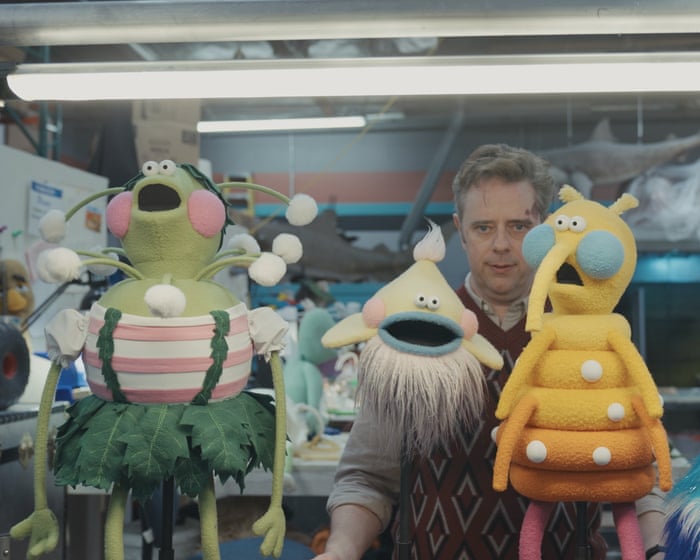
The five mini movies vary significantly in length as well as quality. Flying Lotus’s stop-motion exercise Another Cabin posits a young boy in a rural cabin living with a mean old grannie who tries to push him forward when a tentacled demon tears the roof of the house in search of a snack. The characters’ resemblance to the cast of early 2000s series The PJs is slightly jarring, given this is such a different register, but the brevity works in its favour. In contrast Renee Zhan’s Dance, Dance, Dance, Dance, the opener, drags on a bit, but has a reasonable gags-to-gore ratio in its tale of murderous puppets taking revenge on visiting studio execs who would dare to “reimagine” some ageing IP best left dormant. The funniest gag is the bright major-scale title song the puppets (designed by Jim Henson’s Creature Shop) sing about how all things must die.

Continue reading...

© Photograph: PR

© Photograph: PR

© Photograph: PR

  •  

Comédie Française review – pre-show bedlam plays theatrical chaos for laughs

French farce set in the tumultuous three hours prior to the opening night performance of Macbeth features comic-timing perfection from cast

One of Matt Groening’s Life In Hell comic strips from the 1980s, entitled How to Be a Clever Film Critic, sets out cinema’s greatest paradox: “The French are funny. Sex is funny. And comedies are funny. Yet no French sex comedies are funny.” Well, this film from Bertrand Usclat and Martin Darondeau proves that all commonly held certitudes must be disproved at some point, because here’s a French comedy, albeit one that’s not all that preoccupied with sex, that is a hoot.

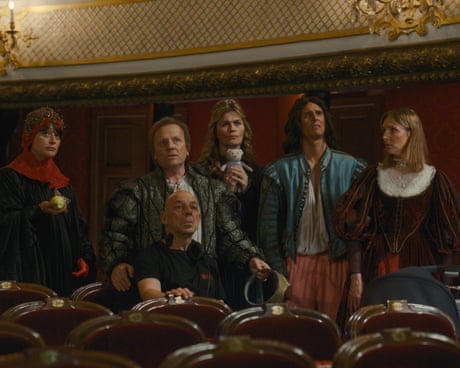
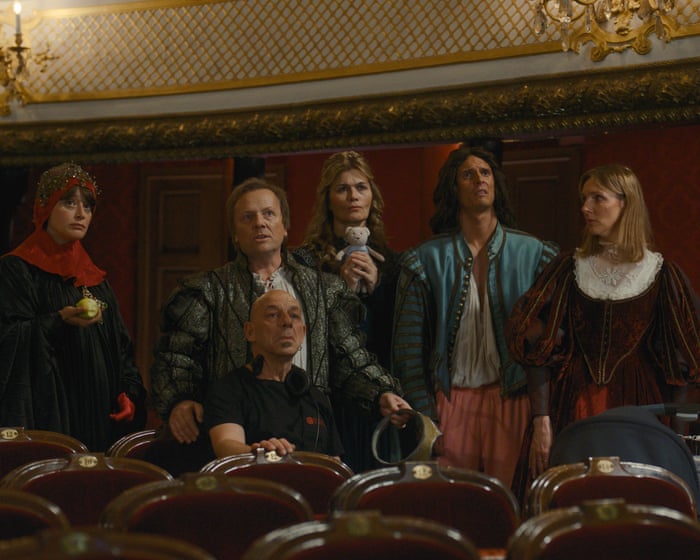
Set entirely in the Parisian institution of the title, this frothy farce unfolds over the three hours before the opening night curtain goes up on a production of Macbeth, which is being directed by actor turned metteur en scène Nina (Pauline Clément). A series of catastrophes make it an open question as to whether the show will actually go on, starting from the moment Nina arrives at the entrance without her staff pass and has to try to get past the officious security team. Naturally, that’s just the beginning, and Nina must contend with superstitious actors, adulterous actors shagging while they rehearse (saying their lines between thrusts), a stoned grande dame (Danièle Lebrun), missing actors (Lady Macbeth is stranded in Brest while shooting a TV show on the side) and actors who understand their roles less than the usher (Sefa Yeboah), who is watching from the sidelines. Meanwhile, if there’s a technical problem, the stage manager (Christian Hecq) will tell you in tedious detail why it can’t be fixed, the wardrobe mistress (Florence Viala) discusses her colleagues’ bodily imperfections and the minister of culture is coming that evening to see the show.

Continue reading...

© Photograph: Courtesy of Tull Stories/Charades

© Photograph: Courtesy of Tull Stories/Charades

© Photograph: Courtesy of Tull Stories/Charades

  •  

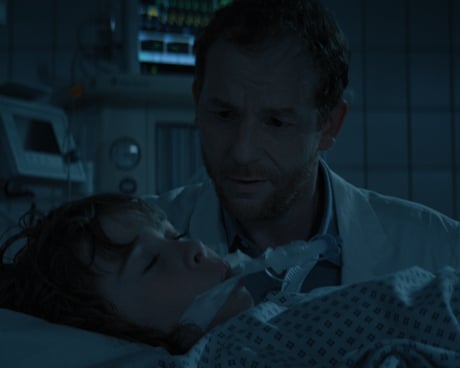
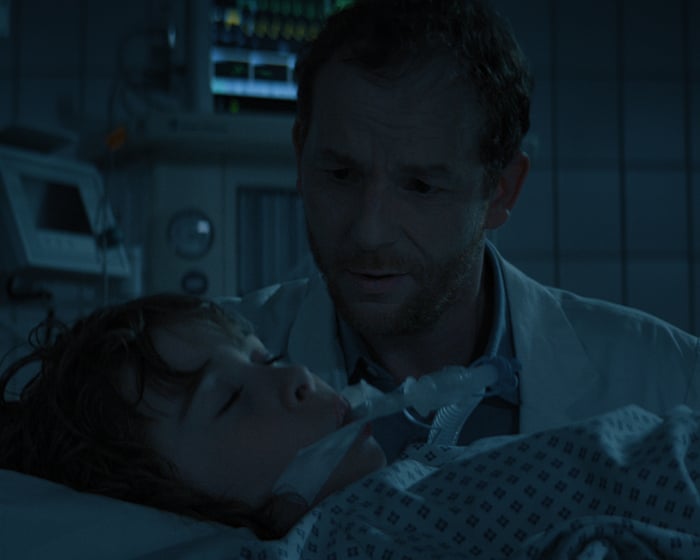
Child review – jump scares abound in twisty organ transplant fable that keeps horror at its heart

This Luxembourg-made movie about a couple who venture east to save their son features some impressive film-making

Stippled with first-world guilt about income inequality even between fellow EU member states, this Luxembourg-made horror sprinkles a bit of liberal fairy dust over what is otherwise a pretty straight-up, if twisty, horror setup: a grunting, inarticulate and physically disfigured big baddie stalks the normie protagonists who shouldn’t have come round these impoverished parts. Think Grand Duchy Chainsaw Massacre, though admittedly without any chainsaws. There are sullen locals, a dilapidated farmhouse full of ominous clutter, ill intentions and horrible maiming.

The unlucky visitors here are former couple Greg (Malik Zidi) and Anne (Brigitte Urhausen), who are co-parenting little Leo (Leo Todesco), a pre-adolescent who is lying in a hospital bed while waiting for a crucial organ transplant. A little time has to elapse before we learn that control-freak Anne blames likable doctor Greg for Leo’s condition because he took his eyes off the kid for just long enough for him to get hit by a car. But Greg is trying to make it up to her by accompanying his ex on a trip to an unnamed eastern European country (where folks speak Bulgarian) to acquire the organ Leo needs on the black market, their glide path lubricated with lots of cash and pre-arranged bribes to border guards and the like.

Continue reading...

© Photograph: GrimmVision

© Photograph: GrimmVision

© Photograph: GrimmVision

  •  

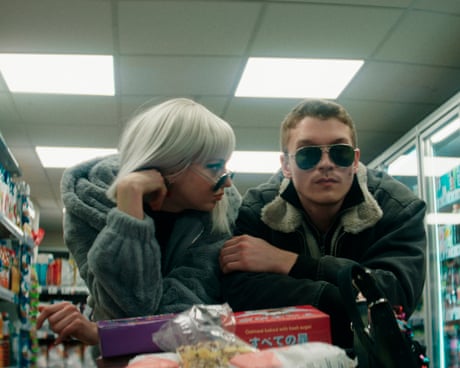
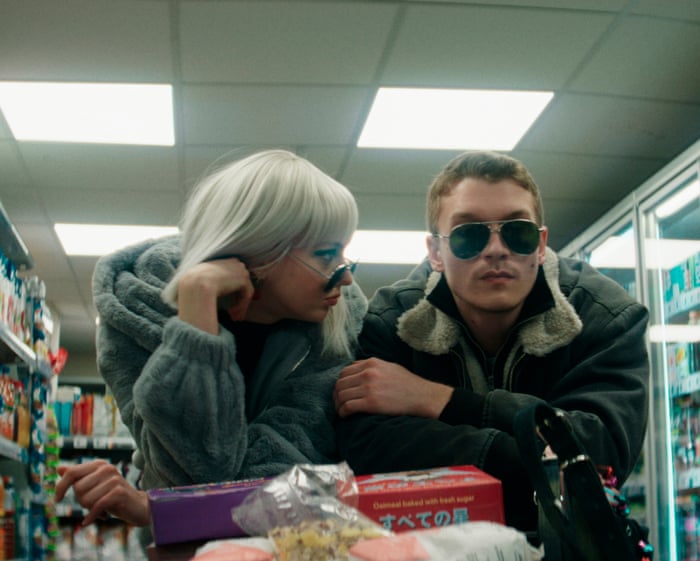
April X review – Connor Storrie searches for missing twin in dystopian dream-tech sci-fi thriller

The star of Heated Rivalry does his best in this in this human-trafficking yarn, which gets progressively ickier and more exploitative

Sketchy in every sense of the word, this sci-fi thriller is set in the not-too-distant future in a dystopian concrete city (actually mostly Bucharest looking like itself), where life is cheap but screenwriting conceits are clearly expensive, given most of the main ones here appear to be borrowed from other movies. Brother-and-sister twins Baxter (Connor Storrie, from Heated Rivalry) and April (Lilly Krug) are struggling to get by and mooching around the fringes of the criminal world, doing jobs on a spectrum of legality, though nothing especially harmful to themselves or others. He does petty crimes and she makes wigs and sells downloads of her own uncannily clear dreams (a nod to neglected 90s classics Strange Days and Until the End of the World where dream tech played key roles).

Unfortunately, Baxter and his screw-up associate Ronny (Tourialay Akbari) fall into debt to and afoul with local kingpin Klein (Serban Pavlu), whose persistent use of Yiddish phrases and general parsimoniousness sets up the characterisation just on the edge of antisemitism. When Baxter cleans out his and April’s joint accounts and still comes up short, someone takes April and her archive of recorded dreams/memories. Suddenly, the action jumps ahead five years in the future and April is both still missing and yet, at a local brothel, all too ubiquitous where it seems she’s been cloned to make numerous sex workers.

Continue reading...

© Photograph: Vertigo Releasing/PA

© Photograph: Vertigo Releasing/PA

© Photograph: Vertigo Releasing/PA

  •  

Remake review – Ross McElwee’s magnificent and moving tribute to a tragic loss and the art it inspired

Sherman’s March director McElwee revisits footage of his late son for this magnificently affecting film and meditation on making art

This new film from revered documentary-maker Ross McElwee is an extraordinary work, arguably his most audacious use yet of autobiographical material while at the same time being a coruscating self-criticism of that same technique. Think of it as an artistic ouroboros (a snake eating its own tail). Remake is all at once about creativity, shame, love and loss, revelling in the way film can capture a moment of truth and honesty, but tempered by the knowledge that once a subject knows they’re being filmed everything becomes a kind of performance. It’s a film that works on so many levels and at the same time is so simple and direct.

On that very simplest level, Remake starts out as a documentation of how Hollywood got in touch with McElwee and told him they wanted to make a fictionalised remake of his best-known film, Sherman’s March. Made in 1985 with a one-man crew (McElwee himself), Sherman’s March recorded the McElwee’s trip back to South Carolina where he grew up; there he films his family, old friends, and himself as he continually fails to establish romantic relationships with various women, all of it lavishly slathered with his own warm, softly southern-accented voiceover.

Continue reading...

© Photograph: PR Image

© Photograph: PR Image

© Photograph: PR Image

  •  

Shadows of Beirut review – chaos and crisis as woman goes back to birth city in fractured Covid-era drama

A London-dwelling émigrée goes back to Lebanon to see her dying father in this somewhat overwrought film examining a difficult childhood

This somewhat overwrought drama was apparently shot during the Covid-19 pandemic, partly in the city of the title and partly on sets in a Bulgarian studio. Its higgledy-piggledy production schedule perhaps accounts for the film’s fractured, frenetic quality and the feeling that the characters are perpetually in motion. Mind you, to be fair, the shredded editing might also be meant to reflect the distraught mental state of protagonist Lana (Tala Calil, also co-writer and producer) and the energy of the city itself, a municipality ravaged by wars that also has some of the most chaotic traffic in the Middle East. There’s even a scene where Lana’s new friend Sirine (Flavia Bechara) is driving and wants to take her coat off so she makes Lana take the wheel, much to Lana’s terror and distress, a nonchalance about safety believable for a city where traffic lights appear to be only a suggestion.

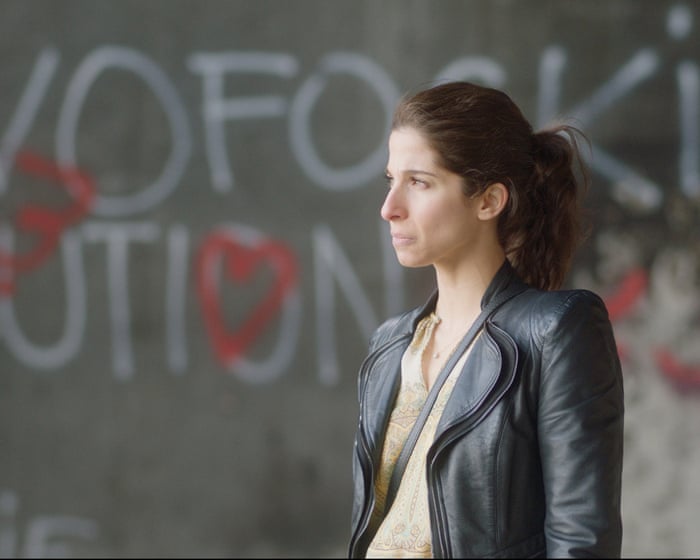
That said, Lana has a lot going on so she’s easily rattled. She left Beirut 25 years earlier, and has only come back to see her biological father of whom she has only negative memories, from a childhood blighted by his alcoholism and violence. These days she lives in London with her boyfriend Ben (Michael E Rodgers) and her mother, but the former relationship is also rocky due to Lana’s OCD. She’s obsessed with wearing as much sanitary PPE kit as possible, including not just an N95 (in UK FFP2) mask but one of those full-face clear plastic ones, too. However, she suddenly finds the strength to stop wearing all the gear when she gets back to Beirut and reconnects with her cousin Rami (Assaad Bouab). She starts to open up a bit more, and befriends the aforementioned Sirine, who helps Lana when she’s having a panic attack at the hospital. By slow degrees she works up enough fortitude to face her father before he dies, but that means confronting some family secrets she never knew.

Continue reading...

© Photograph: PR Image

© Photograph: PR Image

© Photograph: PR Image

  •  

The Cycle of Love review – a 6,000-mile bike ride caps a real life Swedish-Indian romance

One Oscar-winning director, one horoscope-prompted meet-cute and a continent-crossing cyclist – is this the start of documentaries that make you happy-cry?

Here is a story that on the face of it seems so wildly unlikely it can only be true. Indeed, the very concept of a romantic documentary sounds almost oxymoronic, an indication of how much nonfiction films have become synonymous with grim histories full of suffering and injustice. Let’s hope this sweet work, directed by Orlando von Einsiedel (who’s made his share of hardcore, suffering-intensive docs including Oscar-winning short The White Helmets) launches a new trend in nonfiction film-making for stuff that makes you happy-cry.

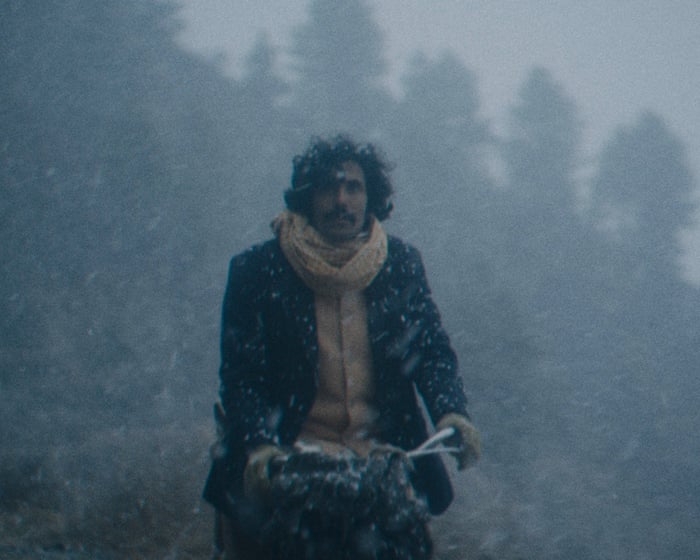
The basic meet-cute happened in 1975, when PK (played by Chirag Lobo in the film’s extensive re-enactments) met Lotta (Mina Dale) in Delhi. He was a poor street artist, a Dalit, the lowest possible caste, once called Untouchables. The real PK Mahanandia appears on screen to explain how he had left his rural village for Delhi in order to get away from all that caste hierarchy. When he met Lotta he pretty much knew he’d met the woman of his dreams because he’d been carrying a horoscope his father had commissioned for him when he was a baby that prophesised he’d fall in love with a woman whose family owned a jungle. Lotta, a backpacker from Sweden, hailed from a clan back home that owned a forest, so that was good enough for PK to believe he’d met his fate. After a chaste holiday romance bloomed between these two crazy kids, she went back to Sweden and he decided to bicycle the 6,000 miles all the way there from India to prove his love.

Continue reading...

© Photograph: Everett/Shutterstock

© Photograph: Everett/Shutterstock

© Photograph: Everett/Shutterstock

  •  

Legend of Destruction review – starry voices grace animated telling of the Jewish revolt against the Romans

Eight years in the making, the innovative film uses painted still images – it’s like being read a graphic novel by a cast including Oscar Isaac, Evangeline Lilly and Elliott Gould

This Israeli animated film has been largely hanging around in limbo since it was finished in 2021 after taking eight years to complete – though this may or may not be due to the international opprobrium that Israel has attracted in the intervening period. It’s actually a rather fascinating film, if oddly told and a bit severe. Legend of Destruction isn’t about the current conflict, taking place as it does in the first century, 66 years after the birth of Christ – although of course, if you squint a bit, parallels with current events are there to be discerned. Revolutions fracture from within, hegemons topple due to their own greedy self-destruction, and in the end ordinary people are the ones who suffer and die as cities burn. Fill in the blanks as you see fit.

Cleaving pretty closely to the known facts as recorded by Flavius Josephus’ The Jewish War and the Talmud, the script by director Gidi Dar and Shuli Rand recounts how Jewish resistance rose up in Judea, particularly in Jerusalem, against the occupying Romans and the reigning Jewish elite, including the Temple’s high priests and queen Berenice of Cilicia (Evangeline Lilly), over excessive taxation. Our protagonist narrator is ordinary schlemiel Ben Batich (voiced in this English language version by Oscar Isaac), who becomes a leader of one faction after he snaps and can no longer agree with the pleas for patience and tolerance from his mother (Marilu Henner) and rabbi uncle Yohanan ben Zakkai (Elliott Gould).

Continue reading...

© Photograph: PR

© Photograph: PR

© Photograph: PR

  •  

The Route to Cappyness review – capybara boosterism is an ode to the internet’s favourite rodent

From a cappy-cafe owner in Japan to an escaped capybara in the UK, this homespun film takes the temperature of an international obsession

One of Midlands-based film-maker Sharon Walia’s previous works was The Keepers of the Pigs, proudly described on her production company’s website as “the first ever documentary about guinea pigs”. So it makes zoological sense that her latest film takes on capybaras, guinea pigs’ ridiculously cute semi-aquatic cousins that are indigenous to Latin America, and relatively recently became ubiquitous on social media in memes and short films alike. As glimpsed here, there was even a capybara in the recent Academy Award-winning animated feature Flow, some pro-cappy boosterism that captured the creatures’ chill vibe and snuffly sweetness.

Walia’s celebration of the species stays on script, rejoicing in the animals’ natural geniality, friendliness to other species in their natural habitat, and their compelling, remunerative charm that seems to have bolstered the fortunes of several animal attractions around the world.

Continue reading...

© Photograph: PR

© Photograph: PR

© Photograph: PR

  •  

Call My Agent! The Movie review – the gang get back together and c’est formidable

The screwball French comedy is back as a film that actually works, thanks to putting Andréa and Noémie at the heart of chaotic events and bringing all the old faces back

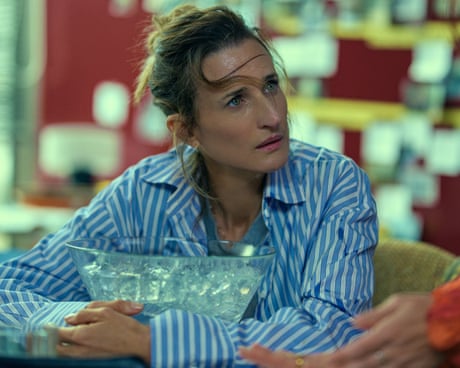
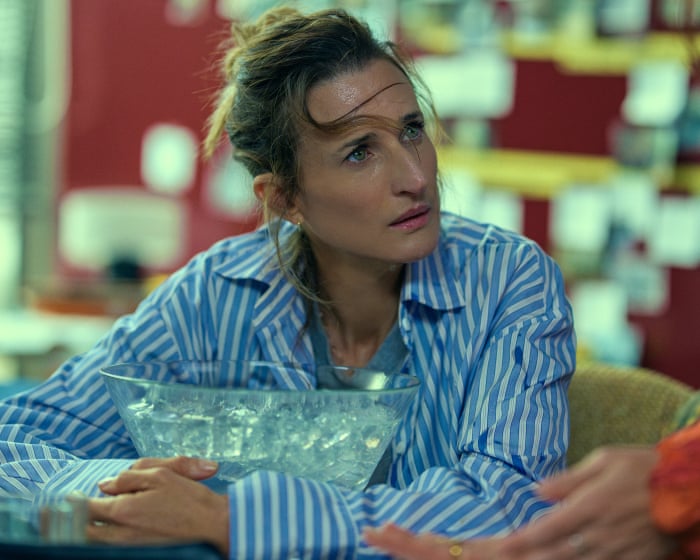
At last: a beloved-TV-show-to-film-spinoff that doesn’t suck! The original French series is a screwball-speed office comedy about a boutique Parisian talent agency, and was a ratings and critical success in its homeland when it started back in 2015. Its acquisition by Netflix grew the audience internationally and spawned a stable full of remakes across Europe and Asia. In the meantime, several members of the original French cast have become proper stars in their own right, especially Camille Cottin and Laure Calamy, and this sequel, set five years on, is smart to put these two at the heart of the latest instalment. And of course, there are the obligatory turns from properly famous actors playing themselves, including Laetitia Casta, Vincent Macaigne, Laurent Lafitte and some guy named George Clooney, best known these days for appearances on vaporettos in the Venice lagoon.

Like many great sitcoms, this one always understood that failure, rather than success, keeps the wider narrative arc more interesting and relatable. So the last episode of the series left the gang at talent agency ASK (which stood for Agence Samuel Kerr, after the founder, who died in the first episode), dispersed to new gigs and careers; the band, in effect, broke up. Five years on, the stars have aligned to bring them all back together to work on Andréa (Cottin) and Noémie’s (Calamy) new film project, so the title Call My Agent! The Movie works on more than one level.

Continue reading...

© Photograph: Christophe Brachet/Netflix

© Photograph: Christophe Brachet/Netflix

© Photograph: Christophe Brachet/Netflix

  •  

Yuja review – portrait of star pianist who is intellectually curious and deeply musically attuned

Musician is also rattled to find her appearance gets far more attention than her playing in this reflective documentary from Lorna Tucker

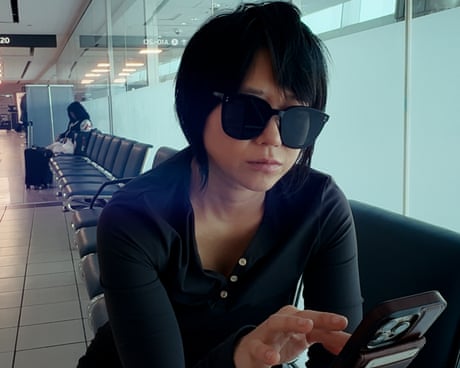
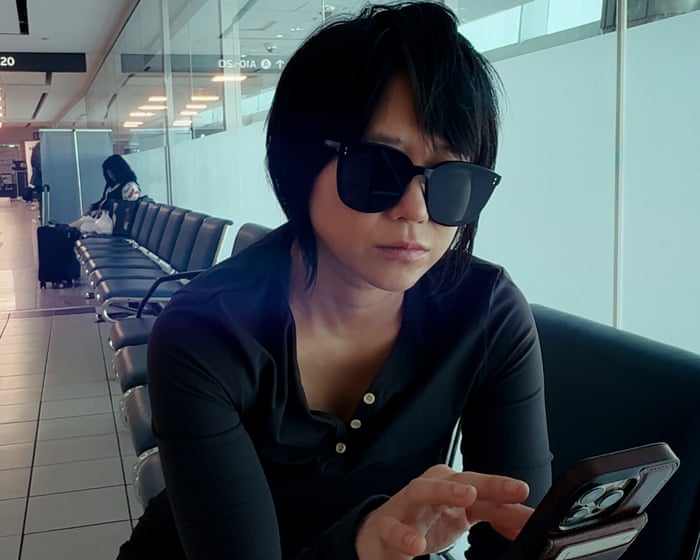
As well as her film about her own difficult teenage years, British director Lorna Tucker is probably best known for her documentaries on famous women with big personalities: Vivienne Westwood (Westwood: Punk, Icon, Activist), Katharine Hepburn (Call Me Kate) and Greta Garbo (Garbo: Where Did You Go?). Her latest subject, pianist Yuja Wang, is another high-achiever – but not someone with quite the same name recognition unless you’re a devotee of classical music, a field in which she is ranked among the very best alive. Wang certainly has a flamboyant side, expressed in her highly expressive, virtuoso performances and her sartorial style on stage. In fact some shocking pull quotes illustrate how her dress sense has been bizarrely over-examined in the press; she has been likened to a stripper for her outfits, and the New Yorker, of all publications, once described her as “fat”, which hardly seems germane to any discussion of her ability to play Tchaikovsky or Ligeti.

But Wang’s biography and the texture of her daily life are very different from that of Tucker’s previous subjects. She was a child prodigy from an artistic Beijing family who came of age just in time to break records for views on YouTube. Sure, her life here looks glamorous in one way, with a lush New York apartment she barely ever sees because she’s constantly on the road. But her life is also one of perpetual practice and striving for perfection, the loneliness of the long-distance soloist. It’s a regimen that leaves almost no time for relationships or family, or even many friendships with peers who understand what she is going through – apart from a few mentors or collaborators such as fellow pianist Emanuel Ax or composer Teddy Abrams, with whom she recently won a Grammy. Still, she comes across as an effervescent character, intellectually curious and deeply attuned to the music she plays.

Continue reading...

© Photograph: Yuja Film Ltd. & Stageview Productions Inc

© Photograph: Yuja Film Ltd. & Stageview Productions Inc

© Photograph: Yuja Film Ltd. & Stageview Productions Inc

  •  

Hungry review – hippo horror sees multi-ton mammal run amok among bayou boat-trippers

A group of thinly drawn characters on a Louisiana tour fight for survival against a rampaging vegetarian

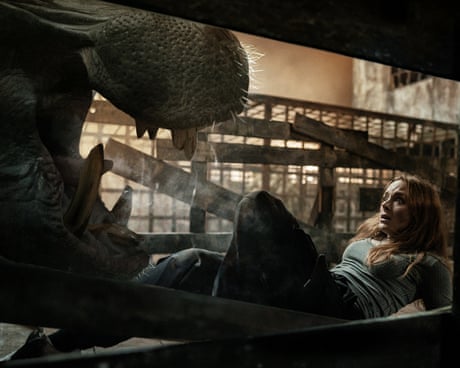
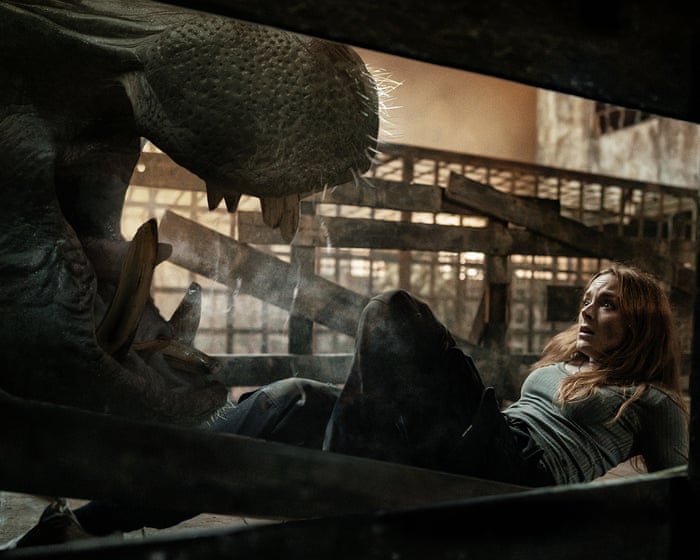
This animal-attack horror plugs a gap with beasties – hippopotamuses – that may be deadly in real life but are hard to take seriously as a threat on screen. As someone says here, they have cute ears. Even the film’s title, evoking the kids’ game Hungry Hungry Hippos, diminishes the menace. That’s perhaps not the tone to set if you’re trying to persuade audiences that fatal consequences are in the offing. And as the script often reminds us, hippos are vegetarian, so hunger isn’t driving these multi-ton mammals to murder. Turns out they’re massively territorial, and especially dangerous when protecting their young. That, or they do just think killing people is fun.

The film naturally spends less time worrying about the hippos’ motives and dwells more on the victims, who look pretty doomed given their thin characterisations. This lot certainly weren’t expecting to be attacked by a hippo when they woke up because they are on a bayou tour in Louisiana, where the biggest threats are normally alligators.

Continue reading...

© Photograph: © Sky UK/ Signature Entertainment

© Photograph: © Sky UK/ Signature Entertainment

© Photograph: © Sky UK/ Signature Entertainment

  •  

Pin de Fartie review – spoonerist remix of Samuel Beckett’s Endgame finds fresh absurdity in Argentina

Beckett’s masterpiece is given a postmodern cinema slant, with characters in different locations, music and humour in a free and fanciful interpretation

Remember remixes? Where you take a song and swap out parts of it with new or pre-existing material, changing it just enough to be still recognisable? Argentinean director Alejo Moguillansky applies this quintessentially postmodern aesthetic to film with a funky cinematic remix, or even series of remixes, of Samuel Beckett’s one-act play Fin de Partie, AKA Endgame. The result feels a little retro and possibly a bit too pleased with its own cleverness, and the spoonerist title is juvenile. But in the end this really achieves something with both the source material and the remix that’s fresh, pleasingly provocative, and at times moving.

Beckett’s 1957 absurdist masterwork has just four characters on stage throughout, two of whom do most of the talking: cantankerous blind, disabled Hamm banters with his servant/slave Clov, while Hamm’s parents, Nagg and Nell, live in dustbins upstage and talk rather less. There’s an air of apocalyptic doom, much talk of drugs, food and, above all, time running out.

Continue reading...

© Photograph: Publicity image

© Photograph: Publicity image

© Photograph: Publicity image

  •  

Hanging By a Wire review – cable car rescue documentary dangles viewers on the edge of disaster

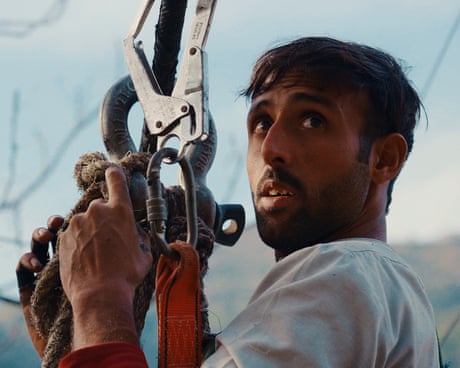
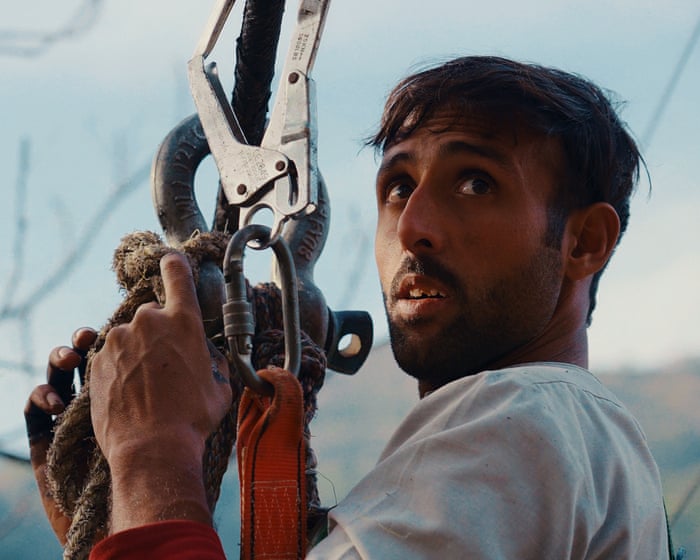
The extraordinary fate of eight people trapped above a chasm in Pakistan makes for a tense, skilfully assembled survival story with unexpected flashes of comedy

Survival documentaries are a weird little genre of nonfiction film-making that recount the stories of accidents and natural catastrophes – and more often than not, the daring rescues of people caught up in them. Eyewitnesses and the loved ones of those endangered are top of the interview list, to keep the sense of danger and emotional stakes at the top of everyone’s mind. Survivors can also have their say, and more adventurous film-makers might care to recreate the action with actors or the actual survivors themselves.

This account of how eight people – six teenage boys and two adult men – were left suspended over a chasm in northern Pakistan in 2023, when a wire on the cable car they were travelling on broke, is a pretty conventional example of the form. For obvious reasons, no one tries to recreate the situation, but since it was quite recent there is no shortage of news footage and amateur clips to fill out the particulars. The downside of doing a story that’s so recent is that some of the audience may remember what happened anyway, but still there’s plenty of nail-nibbling suspense here, and sequences that will give anyone with acrophobia the heebie jeebies – especially the drone shots that zoom close on the terrified faces of those trapped inside the dangling car.

Continue reading...

© Photograph: Publicity image

© Photograph: Publicity image

© Photograph: Publicity image

  •  

Penny Lane Is Dead review – Aussie slasher comedy zips from Neighbours to nasty

Mia’Kate Russell’s 80s-set Ozsploitation horror is a tad slapdash, but the grungy gore and seething catfights save it from dud status

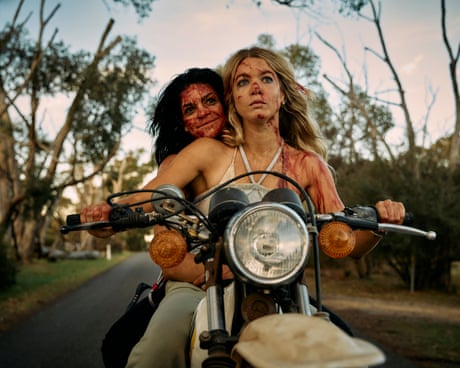
Here is a muddled if energetic effort from Australian writer-director Mia’Kate Russell. There’s a little too much blurriness around the edges, making relationships and motivations slightly opaque, while the last-minute entrances and exits are a bit on the haphazard side. But as a study of seething girl-on-girl anger that leads to ultraviolence, it’s a gas.

Set in Australia in 1986 (presumably because this means no mobile phones, and thus no calling for help), a trio of high-school besties prepares for a night of partying before the summer ends. Penny (Bailey Spalding) is planning to go to university to study law and asks her girlfriend Toni (Tahlee Fereday) to come with her. The two have only recently become lovers and they haven’t yet come out to their buddy Amy (Alexandra Jensen) – a sweet, childlike teen who still carries a stuffed tiger toy around for comfort.

Continue reading...

© Photograph: Shudder

© Photograph: Shudder

© Photograph: Shudder

  •  
❌