❌

Lese-Ansicht

Tru – review: a five-star performance of a three-star script about the life of Truman Capote

Menier Chocolate Factory
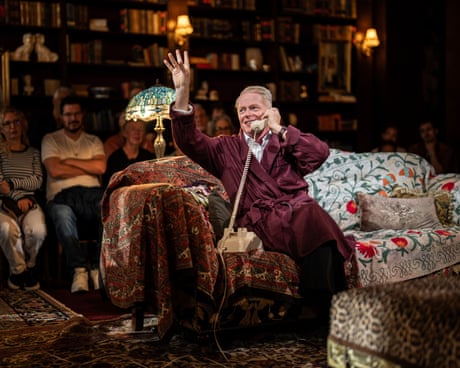
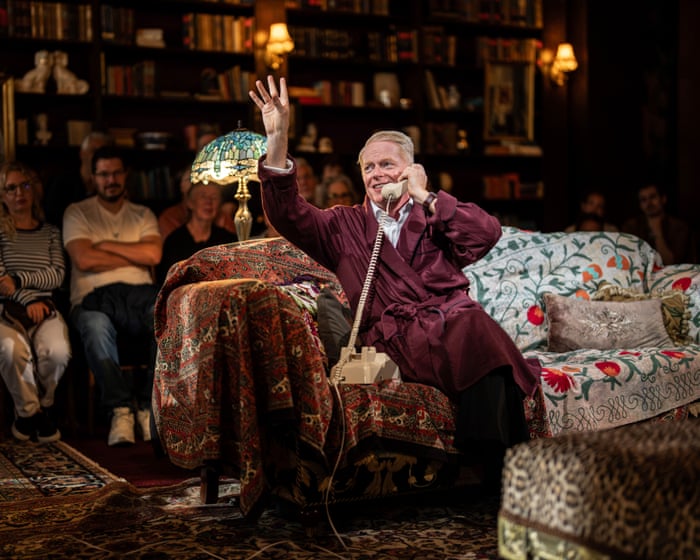
Jesse Tyler Ferguson’s 85-minute monologue and Paul Farnsworth’s immersive set deserve better than a Broadway museum piece text on the Breakfast At Tiffany’s author

Truman Capote’s core creative life was brief, peaking between the jolly novella Breakfast At Tiffany’s (1958) and the genre-influential “nonfiction-novel” In Cold Blood (1965).

Blocked by drugs and drink, he spent two decades not writing a soi-disant masterpiece, Answered Prayers, although magazine publication of early chapters led to ostracisation by socialites who found the novel not nonfiction enough.

At the Menier Chocolate Factory until 14 November

Continue reading...
© Photograph: Johan Persson
© Photograph: Johan Persson
© Photograph: Johan Persson

  •  

Man to Man review – Tilda Swinton’s perfect pacing makes this multi-character monologue compelling

Royal Court theatre, London
Starting in Germany in the 1930s, there is a stinging topicality to Manfred Karge’s play addressing the renaissance of Nazi ideology

Early autumn London theatre has already featured two Oscar winners: Cate Blanchett in Electra/Persona and Mark Rylance in Tartuffe (Remixed). Now Tilda Swinton makes a trio. This shows the commendable dedication of some screen talent to theatre but also the box office need, in recessions, for famous faces. Unusually, there was a first night red carpet outside the Royal Court, leading a writer long associated with the venue to express “shock” to ushers at such Hollywood vulgarity.

Swinton is reprising Manfred Karge’s Man to Man, which she first performed 39 years ago, in a production heading to Edinburgh, Berlin and New York. The piece is a multicharacter monologue starting in Germany in the 1930s.

Continue reading...

© Photograph: Tristram Kenton/The Guardian

© Photograph: Tristram Kenton/The Guardian

© Photograph: Tristram Kenton/The Guardian

  •  

Game of Thrones: The Mad King review – an action-packed saga of dry ice and fire

Royal Shakespeare theatre, Stratford-upon-Avon
This prequel to the TV series has one joust after another, spectacular stagecraft and plenty of modern resonance

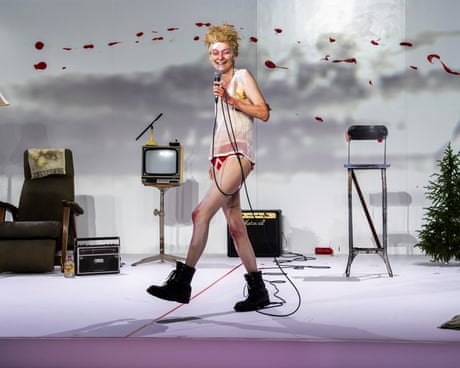
During the RSC’s 65 years, numerous Lears have lost their minds and frequent Caesars been slaughtered by their courts. Now, though, a tyrant new to its stages faces both fates. He is King Aerys II Targaryen, ancestor of one warring bloodline in Game of Thrones, the dramatisation of George RR Martin’s A Song of Ice and Fire series of fantasy novels that helped TV streamers’ rise to global domination during eight HBO seasons from 2011 to 2019.

Some may balk at an institution named for England’s greatest dramatist staging an American drama franchise. There is, though, a compelling economic imperative: rising costs due to current wars (a frequent problem for Martin’s ancient oligarchs too) and Covid-era debts now exacerbated by paying back government loans means that the RSC could use another big commercial transfer – as its musical Matilda may not be immortal.

Continue reading...

© Photograph: Johan Persson

© Photograph: Johan Persson

© Photograph: Johan Persson
  •  

The Silence of the Lambs review – Hannibal Lecter’s daring stage outing is a shock to the system

Curve, Leicester
There are electrifying – and also queasy – moments in this version of the classic 90s horror about the interrogation of a psychotic psychiatrist by an FBI rookie

Soon after the hostile reception of the theatrical version of Trainspotting, another landmark 1990s movie, The Silence of the Lambs, attempts a similar manoeuvre. In this case, director Nikolai Foster is surely sensible not to turn this source material into a musical. And adapter Gina Gionfriddo is working not from Jonathan Demme’s film but Thomas Harris’s 1988 novel about the dangerous interrogation of psychotic psychiatrist Dr Hannibal Lecter by FBI rookie Clarice Starling for his insight into serial killer Buffalo Bill.

The biggest risk of theatricalised movies is that the acting becomes a form of karaoke. Mollie Gallagher, making a confident stage debut in effectively the lead role, echoes Jodie Foster’s Virginia accent and ramps up the pugnacious posture and walk. John Partridge’s Lecter, who is more sonically American than Hopkins’ variation on his Welsh register (the character is actually Lithuanian), avoids the hissy lip-sipping and also injects less charm and culture.

Continue reading...

© Photograph: Marc Brenner

© Photograph: Marc Brenner

© Photograph: Marc Brenner

  •  

‘People say I’m pouring Coca-Cola into fine malt whisky’: why is the National Theatre shaking up Sophocles?

In a bold new production starring Cate Blanchett and Nina Hoss, the NT is fusing Sophocles and Ingmar Bergman. So what can two stories written 23 centuries apart tell us about how we live today?

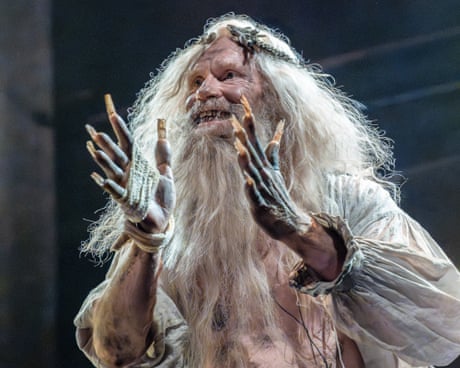
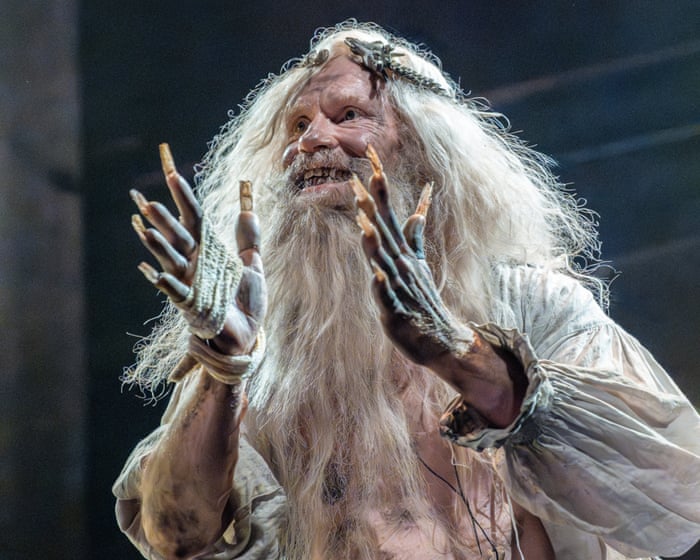
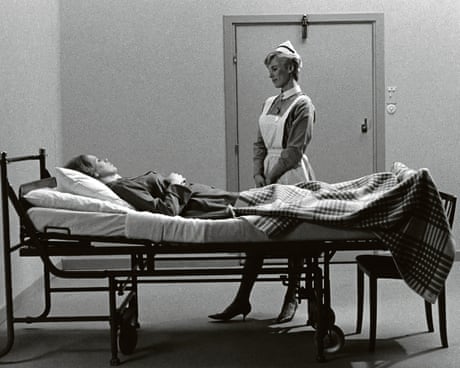
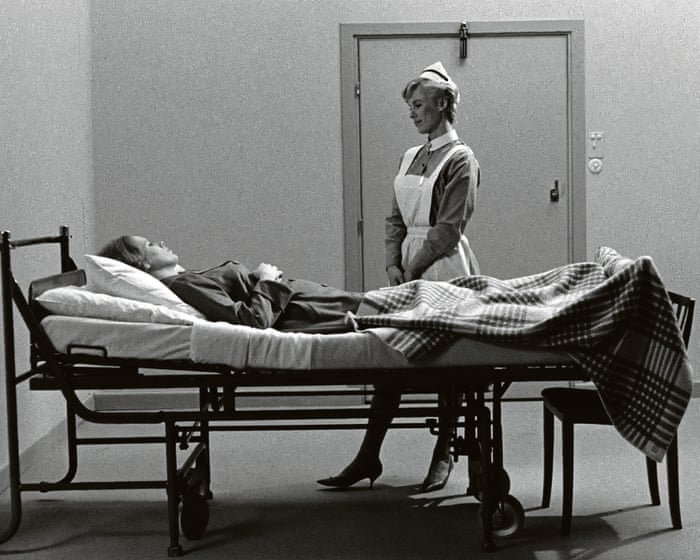
In around 420BC, Sophocles staged Electra, in which the title character avenges the murder of her father by her mother, Clytemnestra. In 1966, Swedish film director Ingmar Bergman premiered Persona, in which a psychiatric nurse, Alma, is caring for Elisabeth, an actor who has suffered a breakdown while playing Electra. These two dramas, written 23 centuries apart, are now sharing the stage in an alluring new National Theatre production.

In Electra/Persona, director Benedict Andrews has paired the stories before and after the interval, linked by a stunning coup de theatre at the end of the first half. “Persona is a pinnacle of modernist cinema and Bergman is a north star for me,” says Andrews. “I’ve long been fascinated by the impossibility – in a good way – of staging Persona, because it is so much about the camera and the silence and the closeup: the face as a terrain. And I was always fascinated by why Bergman chose to have Elisabeth break down while playing Electra, so I wanted to put them together. I think it’s become clear in rehearsal that the whole evening is one cycle of grief.”

Continue reading...

© Photograph: No credit

© Photograph: No credit

© Photograph: No credit

  •  

A dubious career move: how The Claudia Winkleman Show ended the presenter’s winning streak

It seems that even the Traitors host can’t save the ailing chatshow format. As her series ends, it’s hard not to feel that she never quite got out of Graham Norton’s shadow

Six weeks ago, before Claudia Winkleman launched her BBC One Friday night chatshow, media profiles regularly referenced her “Midas touch” with TV formats. She had left one golden programme, sashaying away from Strictly Come Dancing, but her portfolio still included three other winners: the mega hit The Traitors, its celebrity spin-off for the BBC, and Channel 4’s The Piano.

Half a dozen sofa chats later, Winkleman hasn’t exactly suffered the fate of the mythic King Midas, but The Claudia Winkleman Show can fairly be seen as her least glittering work for several years.

Continue reading...

© Photograph: Matt Crossick/PA

© Photograph: Matt Crossick/PA

© Photograph: Matt Crossick/PA

  •  

Scott Mills’s sudden sacking suggests BBC has made its mind up about him

Amid lurid speculation, the decision has been taken with unusual speed in the last days of Tim Davie’s regime as director general – and it appears to be final

In a valedictory podcast appearance, Tim Davie, whose resignation as BBC director general takes final effect on 2 April, thanked his neighbours for smuggling him out through their gardens when the media were camped outside his house during various BBC scandals.

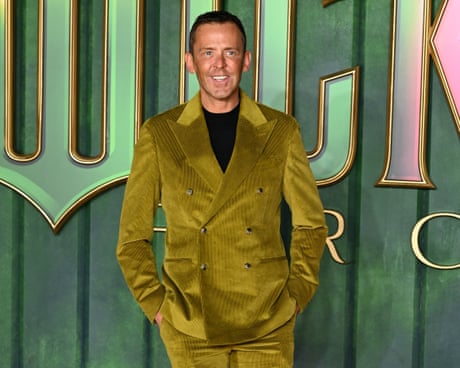
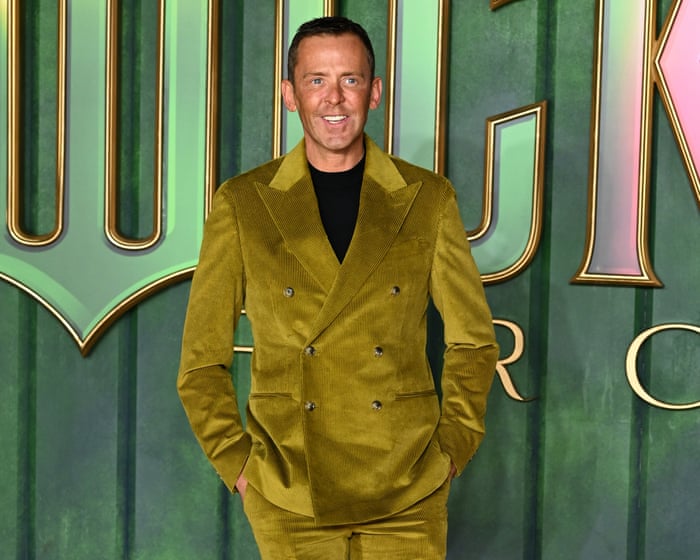
After Monday’s sudden announcement that the Radio 2 breakfast show presenter Scott Mills had been summarily sacked over a so-far unspecified failure of “personal conduct”, Davie may be relieved that he has only three more days of running with his head ducked past next door’s rhododendrons.

Continue reading...

© Photograph: Kate Green/Getty Images

© Photograph: Kate Green/Getty Images

© Photograph: Kate Green/Getty Images

  •  

‘There’s no way back for him’: Martin Clunes on playing Huw Edwards in a controversial new drama

A powerful new fact-based drama depicts Huw Edwards’s fall from being the BBC’s top news anchor to a conviction for making indecent images of children. The Doc Martin star talks about secrecy, off-the-record research – and why his ears needed to be stuck down

Huw Edwards has not sat at a newsreader’s desk since July 2023, when he was suspended by the BBC following a report in the Sun that he had paid a teenager £35,000 for intimate images and conversations. A year later – when new BBC News at Ten anchor Clive Myrie announced that his predecessor had been convicted of possessing indecent images of children – the Welsh broadcaster’s career effectively ended.

But on Tuesday the night of 24 March Edwards is back on screen, reading the news in the late-night slot he occupied for decades. He is played by the actor Martin Clunes and his BBC desk has been recreated in the London canalside news studio at Channel 5 by the producers of Power: The Downfall of Huw Edwards.

Continue reading...

© Photograph: 5 Broadcasting Limited/©Wonderhood Studios/Photographer: Matt Towers

© Photograph: 5 Broadcasting Limited/©Wonderhood Studios/Photographer: Matt Towers

© Photograph: 5 Broadcasting Limited/©Wonderhood Studios/Photographer: Matt Towers

  •  

‘Astonishing’: how Stanley Baxter’s TV extravaganzas reached 20 million

The Scottish star used his exceptional gift for impersonations to create genre-mashing specials that were as epic as the Hollywood films they parodied. He was a perfectionist performer with huge talent

The description “special” is overused in television schedules; Stanley Baxter’s programmes justify it. The comedian is one of the few stars whose reputation rests on a handful of astonishing one-offs – standalone comic extravaganzas screened in the 1970s and 1980s, first by ITV’s London Weekend Television and then the BBC.

In both cases, the networks ended their associations with Baxter not because of lack of audience interest – at their peak, the shows reached more than 20 million viewers – but due to the colossal costs demanded by the performer’s vast and perfectionist visual ambition. One of Baxter’s favourite conceits was to re-create, in witty pastiche, scenes from big-budget Hollywood movies that made it look as if his versions had also spent millions of dollars.

Continue reading...

© Photograph: William Lovelace/Getty Images

© Photograph: William Lovelace/Getty Images

© Photograph: William Lovelace/Getty Images

  •  
❌