❌

Lese-Ansicht

‘They showed no mercy’: mapping the Rohingya villages being erased by rebel forces

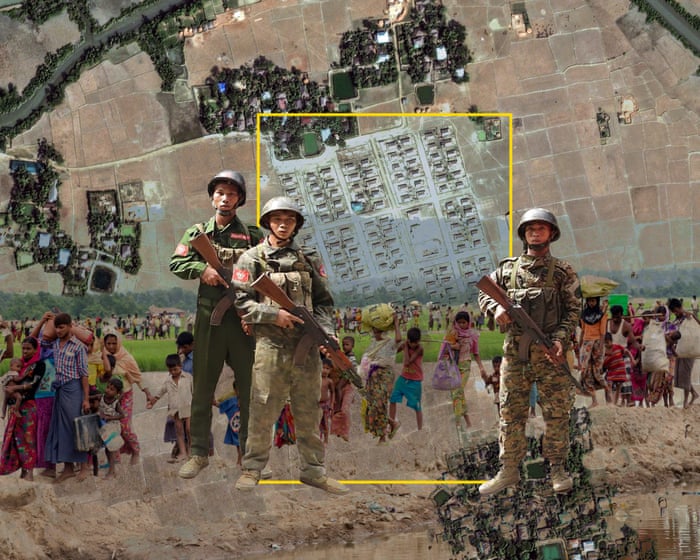
Nearly a decade after the ethnic cleansing of Rohingya people by Myanmar forces, satellite images show the insurgent Arakan Army is now emulating the killings and land grabs

There are at least 10 camps like the one on the paddy fields at Hnget Thay, built after the insurgent Arakan Army (AA) took control of most of northern Rakhine state in 2024. These are where many Rohingya people in the state now have to live. Others hide in the mountains, or flee abroad to the refugee camps of Bangladesh or make deadly boat journeys to Malaysia.

The arrival of more than 155,000 Rohingya in Bangladesh since 2024, which amounts to 25% of the 600,000 estimated to still be in Myanmar, has raised concerns about the very survival of a people who now mostly live abroad as refugees.

Continue reading...
© Composite: Prina Shah for the Guardian / Planet / AP
© Composite: Prina Shah for the Guardian / Planet / AP
© Composite: Prina Shah for the Guardian / Planet / AP
  •  

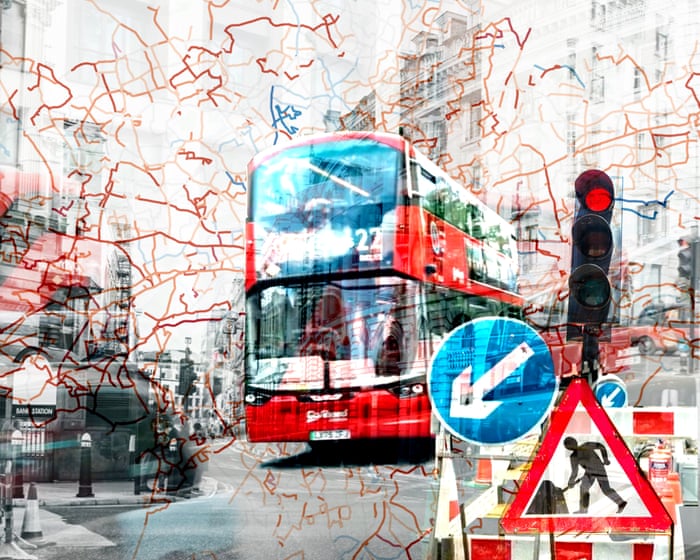
London buses in decline? Why public transport in global cities is slowing to a crawl – visualised

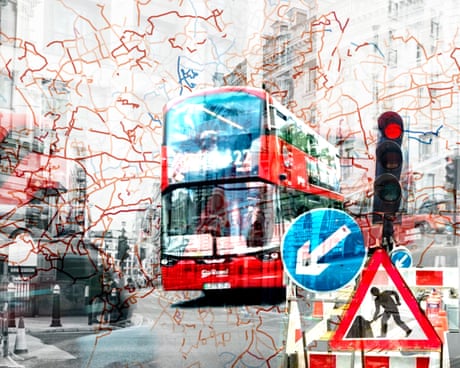
As experts fear for future of UK capital’s bus network, some commuters are giving up entirely. London is not alone – with worrying implications for the poorest in society

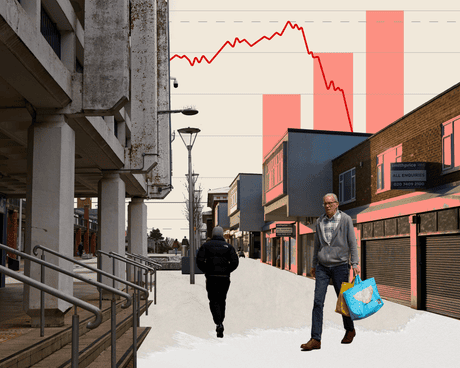
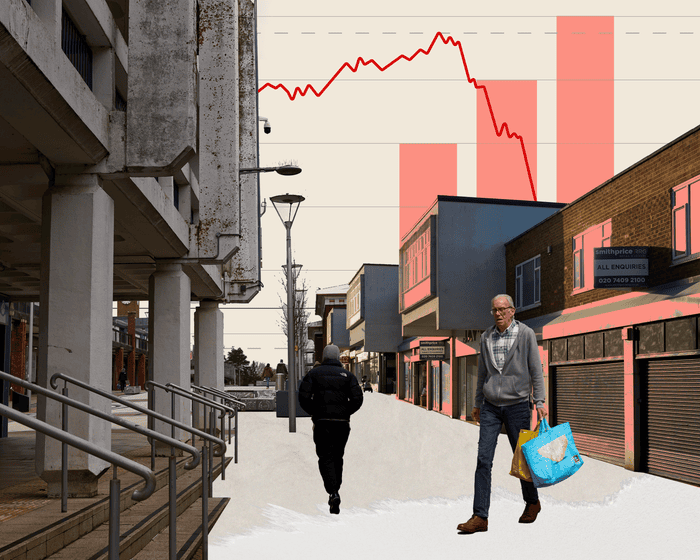
Experts warn that slower buses risk driving passengers away: research cited by Transport for London (TfL) suggests a 10% fall in speed leads to a 6% drop in demand.

Passenger journeys in London have already fallen by more than 300m a year, or 16%, since 2013, despite the city’s population growing by almost a million people.

Continue reading...

© Composite: Prina Shah for the Guardian

© Composite: Prina Shah for the Guardian

© Composite: Prina Shah for the Guardian

  •  

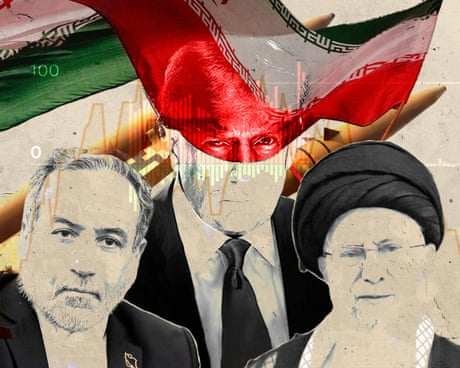
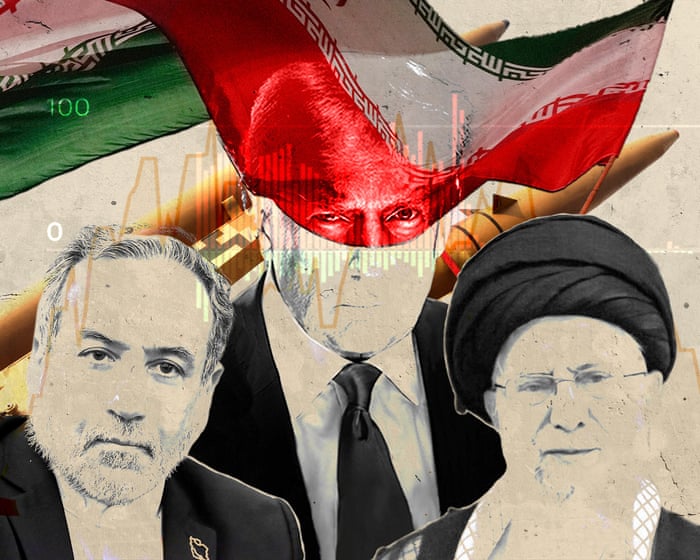
How the Iran war unfolded: every attack and oil price change – visualised

From the first US and Israeli strikes six months ago to the battle for Hormuz, this timeline plots how Trump’s war on Iran quickly became a regional conflict with global economic consequences

On 28 February 2026, the US and Israel began large-scale strikes on Iran. Tehran responded by attacking Israeli and US allies across the Gulf.

Iran’s supreme leader, Ali Khamenei, was killed on the first day of strikes, and the strait of Hormuz – a crucial waterway for transporting oil – was effectively closed soon after. The conflict quickly became a regional war with global economic consequences.

Donald Trump: EPA/Trump Vance transition team

US CENTCOM: AP

Abbas Araghchi: AP

Esmail Baqaei: Getty/Anadolu

Masoud Pezeshkian: AP

Mohammad Bagher Ghalibaf: Getty/NurPhoto

Iran flag: Alamy

Continue reading...

© Composite: Prina Shah for the Guardian / AP / AFP / Getty Images

© Composite: Prina Shah for the Guardian / AP / AFP / Getty Images

© Composite: Prina Shah for the Guardian / AP / AFP / Getty Images

  •  

How powerful is your passport? Explore the global rankings

A symbol of global inequalities and shifting geopolitical fortunes, some passports offer their holders far more freedom to travel than others

Passports can resemble abridged memoirs, their stamps telling romantic stories of wanderlust, freedom and belonging.

But they are also a symbol of global inequalities and shifting geopolitical fortunes. Passports from some places allow their holders to travel abroad simply by booking a flight and packing a bag. Others, however, entail booking an appointment at the nearest consulate, presenting documents to prove identity and financial means, then waiting weeks for a decision.

Continue reading...

© Composite: Prina Shah for the Guardian / Getty Images

© Composite: Prina Shah for the Guardian / Getty Images

© Composite: Prina Shah for the Guardian / Getty Images

  •  

Why can’t Britain turn its green revolution into cheap energy? A visual analysis

Labour has approved a wave of renewable energy projects, but turning plans into power remains slow. Why is that?

Labour has a race on its hands if it is to lock in its promise to achieve a virtually zero-carbon electricity system by 2030.

Britain’s next prime minister will have to move fast: the climate emergency is raging, high energy bills are driving up the cost of living and the reactionary right is threatening a fossil fuel push if it wins power.

Continue reading...

© Composite: Guardian design / SSE

© Composite: Guardian design / SSE

© Composite: Guardian design / SSE

  •  

2026 election results: latest from local, Scottish and Welsh votes

From devolved parliaments in Scotland and Wales to councils and mayoralties in England, find out what happened in your area

Continue reading...

© Composite: Guardian Design/Getty Images

© Composite: Guardian Design/Getty Images

© Composite: Guardian Design/Getty Images

  •  

#ToddlerSkincare: the ‘dark and exploitative’ world of children’s beauty videos on TikTok

Skincare videos are featuring children as young as two, Guardian analysis finds, prompting fears about the industry’s reach and lack of safeguards

Children as young as two are appearing in TikTok videos demonstrating their skincare routines, a Guardian investigation has found, raising concerns about the beauty industry’s reach and the lack of safeguards for child influencers.

The research found that 400 TikTok videos out of the 7,600 skincare-related posts analysed featured routines or advice presented by children believed to be under 13. At least 90 of these posts featured under-fives, including babies and toddlers.

Continue reading...

© Composite: The Guardian / Guardian design

© Composite: The Guardian / Guardian design

© Composite: The Guardian / Guardian design

  •  

Butterflies crossing oceans, moths navigating by the stars: unravelling the mysteries of insect migrations

Trillions of insects embark, largely unnoticed, on epic journeys every year across mountain ranges, deserts and seas, and it is only now, as their numbers suffer huge declines, that scientists are tracking their movements

On a cloudless sunny day in October 1950, ornithologists Elizabeth and David Lack stood on a mountain pass in the Pyrenees and observed a once-in-a-lifetime spectacle – clouds of migrating insects.

Up to 500 butterflies were fluttering past them every hour through the 2,200m-high Puerto de Bujaruelo mountain pass on the French-Spanish border. By mid-afternoon dragonflies were skimming through, outnumbering the butterflies by 10 to one. The spaces between were filled with thousands of tiny flies.

Continue reading...

© Composite: Prina Shah for the Guardian / Alex Williamson / Getty

© Composite: Prina Shah for the Guardian / Alex Williamson / Getty

© Composite: Prina Shah for the Guardian / Alex Williamson / Getty

  •  

‘You’d be ashamed to bring someone here’: The struggling billionaire-owned high street that shows Reform’s road to No 10

Newton Aycliffe was meant to be a model town for a fairer postwar Britain. But unaffordable rents on a high street amounting to 0.12% of its property tycoon owner’s holdings have made it a symbol of decline – and a warning for Labour

Under blue skies and bunting, the whole of County Durham seemed to turn out for the young Queen Elizabeth II. They lined the streets in their thousands, waving flags and marvelling at the grand royal procession weaving past their newly built homes.

It was 27 May 1960 and the recently crowned queen was officially opening the town of Newton Aycliffe on her first provincial tour after the birth of her third child, Andrew Mountbatten-Windsor, three months earlier. A 16-page commemorative pamphlet, priced at two shillings and sixpence, records the local Light Infantry buglers playing to the giddy crowd.

Continue reading...

© Composite: The Guardian / Guardian design

© Composite: The Guardian / Guardian design

© Composite: The Guardian / Guardian design

  •  

What is ‘home’ now? A woman’s two-year search for safety in the ruins of Gaza

Nour AbuShammala has returned to her partly destroyed apartment in Gaza City. This is her story of multiple displacements, injury and devastation over the last two years

When 26-year-old Nour AbuShammala stepped back into her family’s apartment in Gaza City in October the rooms were gutted, the walls were damaged by bombing, and there was no water or electricity, but it was still home.

Since the outbreak of war in October 2023 she has been forced to flee six times. This is her story of relentless displacement, survival and loss, told using photography and videos provided by AbuShammala and satellite imagery of a ruined Gaza.

Continue reading...

© Composite: Nour AbuShammala / The Guardian / Guardian design

© Composite: Nour AbuShammala / The Guardian / Guardian design

© Composite: Nour AbuShammala / The Guardian / Guardian design

  •  
❌