Oil ticked higher as the prospect of a wave of Russian diesel hitting global markets competed with mounting supply risks, from fresh tanker attacks in the Strait of Hormuz to a hurricane in the US.
China’s oil imports are likely to remain subdued in the coming months if crude prices stay elevated, according to Goldman Sachs Group Inc., which could keep a lid on further gains.
China’s oil demand is expected to fall by 600,000 barrels a day in 2026 on the impact of the US-Iran war and spread of electric vehicles, according to the research arm of Sinopec Group, the top state-owned refiner.
The amount of Iranian oil that’s readily available to Chinese buyers is rapidly running out, showing the effectiveness of the US blockade of the country’s ports at choking off revenue to Tehran.
China has bought millions of barrels of Saudi crude offered via a rare tender and under long-term contracts, although overall purchases still remain well below pre-war levels.
Chinese refiners have snapped up Iraqi crude as more barrels exit the Persian Gulf, underscoring the resilience of oil exports from the region despite persistent threats to shipping.
Saudi Aramco is preparing a new selling price for oil loaded at Egypt’s Mediterranean port of Sidi Kerir for delivery to Asia after attacks by Iran-backed Houthi militants elevated risks in the Red Sea.
China’s crude imports look poised to recover from a months-long slump as the country relaxes fuel export curbs, raises run rates and snaps up prompt Middle East supplies, with analysts and traders forecasting a return to strategic stockpiling later this year.
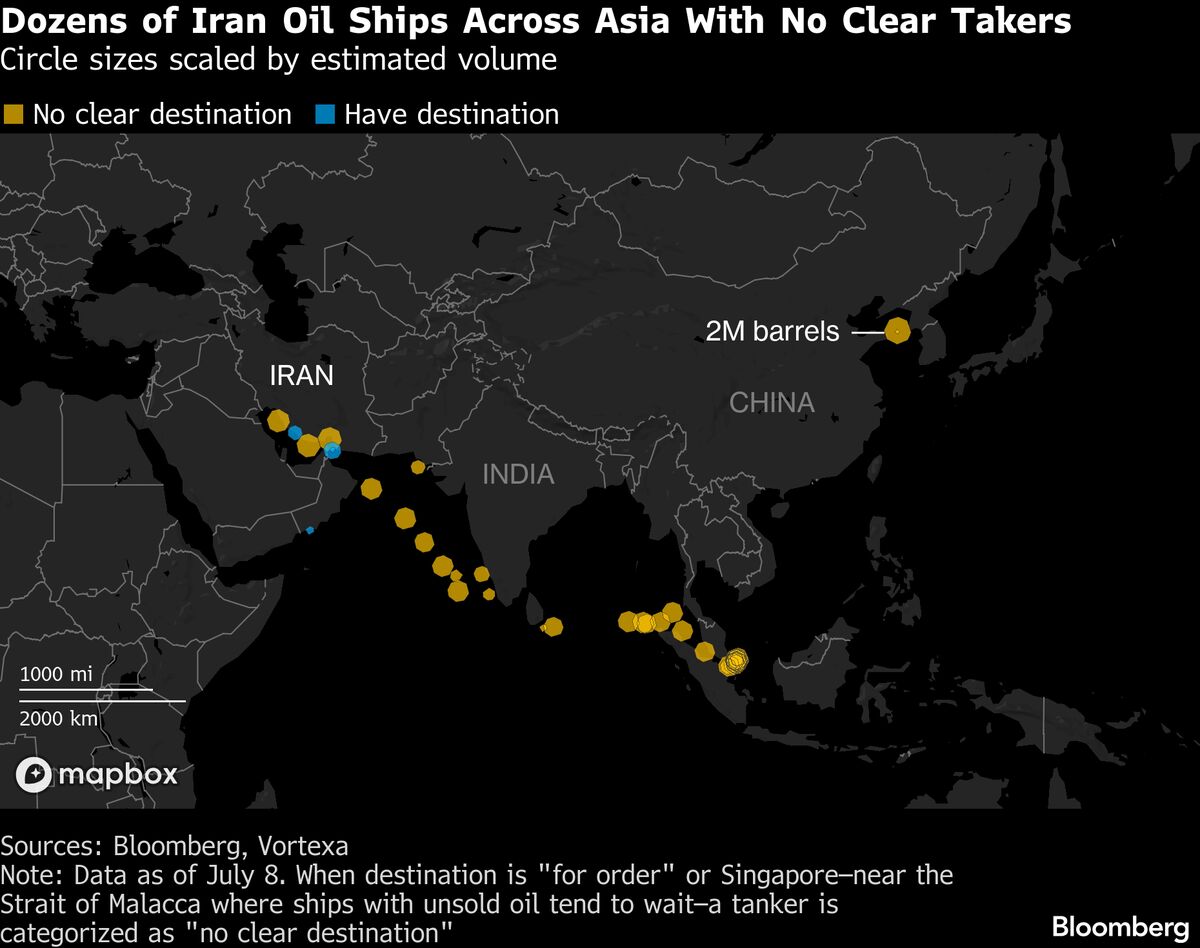
Tens of millions of barrels of Iranian oil already on tankers have been left in limbo after the US walked back a waiver allowing the Islamic Republic to sell the crude.
China’s independent refiners are taking advantage of cheaper Middle Eastern oil after flows accelerated through the Strait of Hormuz, snapping up barrels from producers including Saudi Arabia and Iraq.
China’s independent refiners are taking advantage of cheaper Middle Eastern oil after flows accelerated through the Strait of Hormuz, snapping up barrels from producers including Saudi Arabia and Iraq.
A hoard of Iranian oil is building up at sea, as the Islamic Republic struggles to find buyers before the expiry of a 60-day window granted by Washington.
Iran's main oil export terminal at Kharg Island in the Persian Gulf. Photographer: Atta Kenare/AFP/Getty Images
Oil declined with shipping traffic through the Strait of Hormuz picking up amid hopes for a permanent US-Iran peace deal and new warnings of a near-term glut.
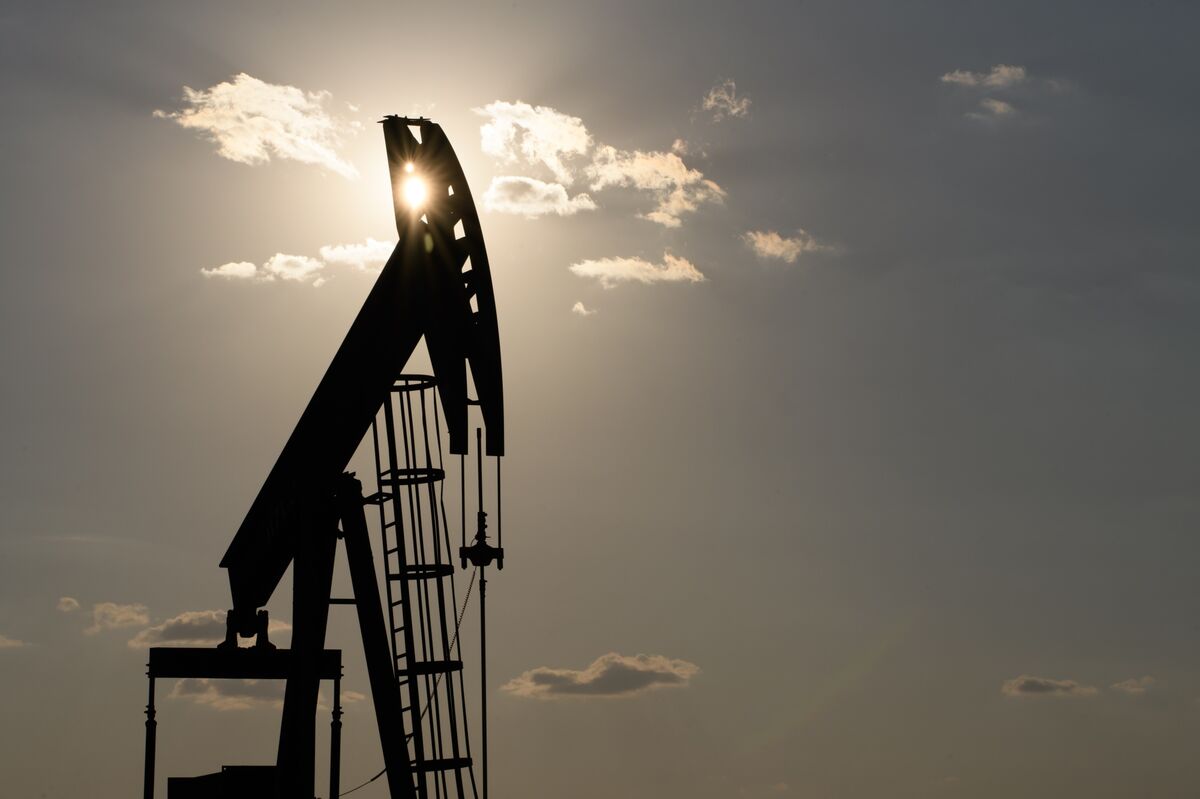
A pump jack near Imperial, Texas, US, on Sunday, Aug. 24, 2025. The problem of too much wastewater is spreading across America’s biggest oil field, posing a pressing threat to a basin that has grown into a cornerstone of global markets and is critical to President Donald Trump’s push for energy dominance. Photographer: Mark Felix/Bloomberg
China’s independent oil refiners have slashed operating rates to a nine-year low, highlighting the lingering impact of the US-Iran war on the leading importer of Tehran’s crude.
Crude oil refinery in Nanjing, China. Photographer: HECTOR RETAMAL/AFP
Sellers of Iranian crude to China have slashed prices after the Islamic Republic started shipping out millions of barrels following the interim peace deal that with the US.
Over 40 tankers carrying Iranian crude were observed on the water, with most ships en route to Asian buyers, according to ship-tracking data from Bloomberg and Vortexa.
Chinese oil imports may never fully recover from the Iran war, with analysts saying the conflict accelerated a permanent shift away from fuels like gasoline and diesel.
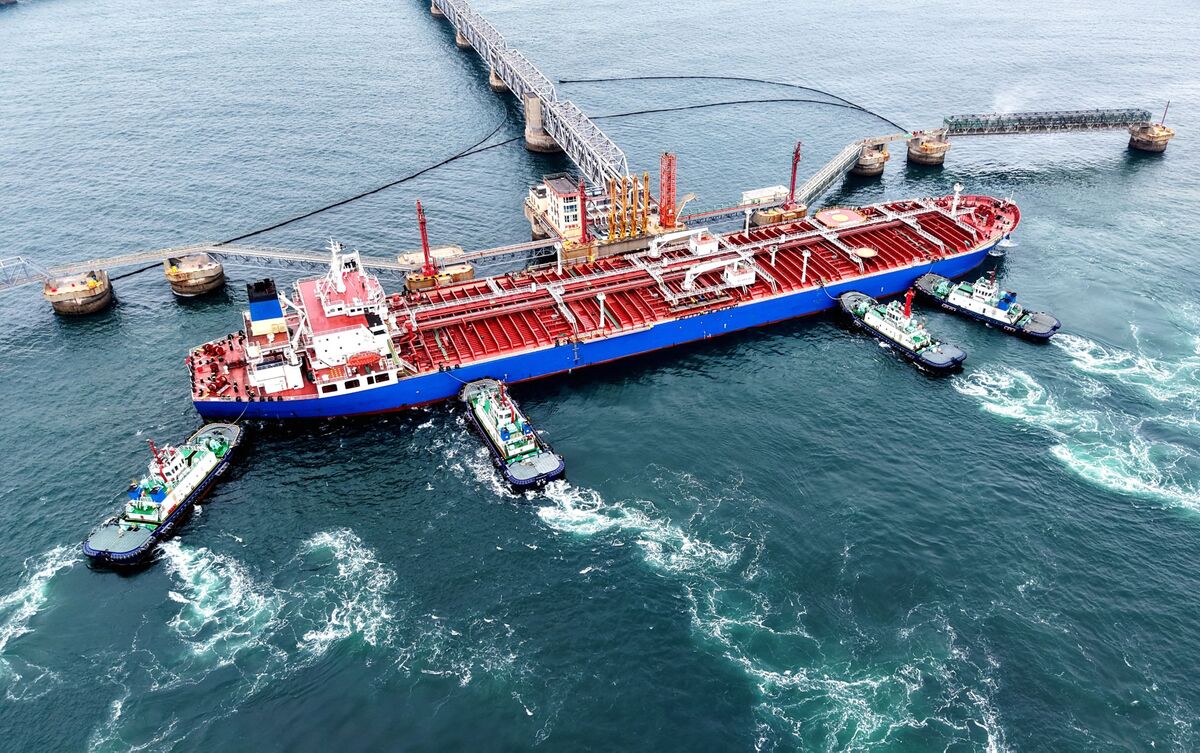
A tanker at a crude oil terminal at the port in Qingdao, China, on June 14. Source: -/AFP
Oil dipped as the US and Iran’s interim peace deal took effect and a flurry of tankers began transiting the Strait of Hormuz, paving the way to restart the flow of millions of barrels shut in by the conflict.
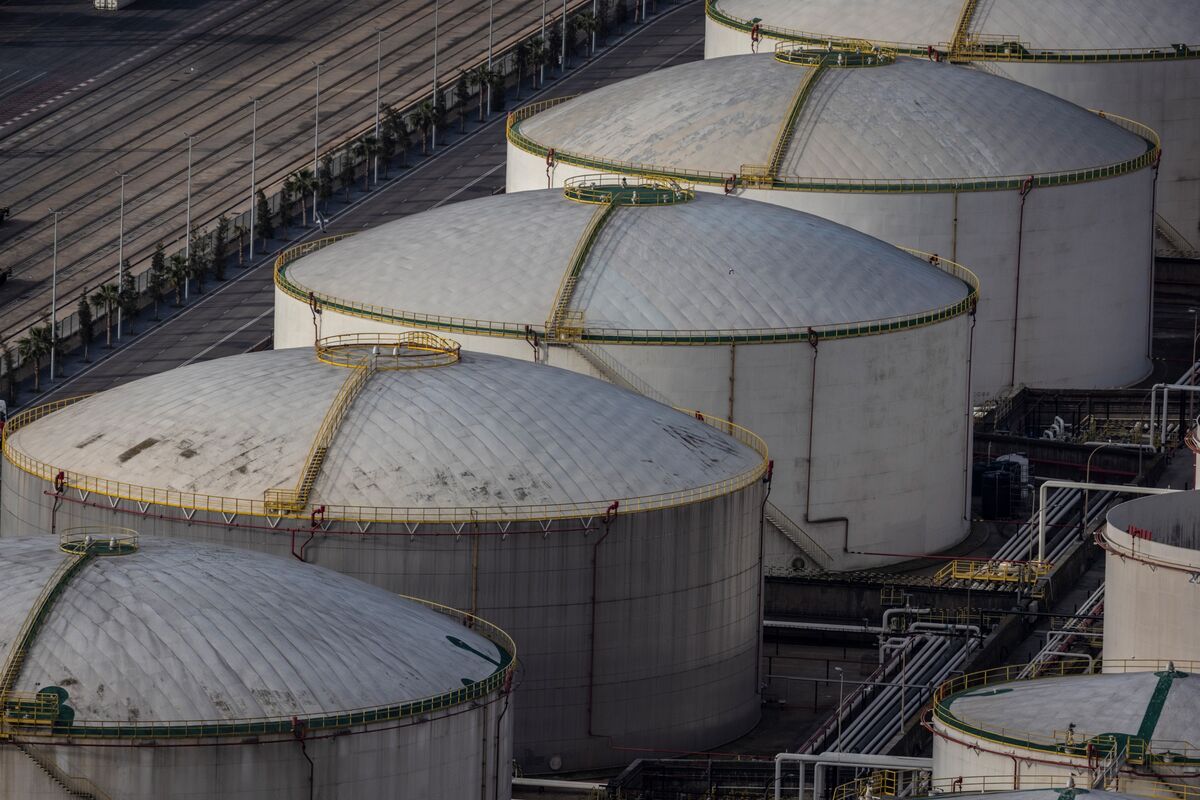
Storage tanks for oil products at the Exolum Corp SA facility in the port of Barcelona, Spain, on Thursday, April 30, 2026. After weeks of fuel inflation across Asia and Europe, higher pump prices are now starting to intensify in the US as war-driven energy shocks show little sign of abating. Photographer: Angel Garcia/Bloomberg
 Anmelden