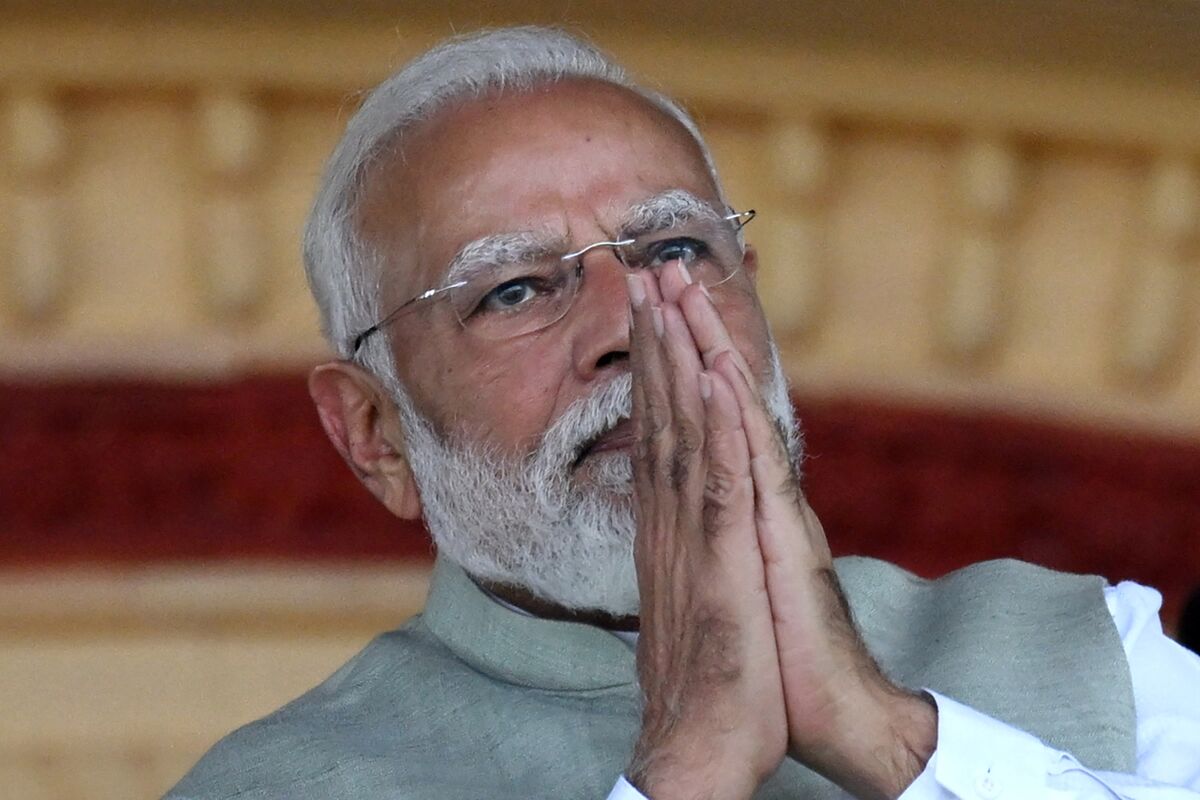
Indian Prime Minister Narendra Modi’s push to expand Parliament and reserve at least a third of seats for women was defeated in a vote, dealing a setback to one of his most ambitious political reforms.
Indian Prime Minister Narendra Modi is pushing for constitutional changes that would dramatically increase the size of Parliament, lay the groundwork for an overhaul of electoral constituencies and ensure at least a third of lawmakers are women.
Narendra Modi outside Parliament House in New Delhi. Photographer: Prakash Singh/Bloomberg
India’s opposition parties are uniting against a plan by Prime Minister Narendra Modi’s administration to expand the size of parliament, which they say will give the ruling party more power and widen disparities between the southern and northern states.
Narendra Modi at Parliament House in New Delhi. Photographer: Prakash Singh/Bloomberg
Prime Minister Narendra Modi’s Bharatiya Janata Party will for the first time lead the government in the politically crucial state of Bihar after its leader Samrat Choudhary was sworn in as the chief minister Wednesday.
Outgoing Bihar Chief Minister Nitish Kumar, right, with Samrat Choudhary in Patna, India, on April 14.
More than nine million people have been struck off the voter rolls in an eastern Indian state governed by a regional rival of Prime Minister Narendra Modi’s Bharatiya Janata Party, triggering protests and allegations of electoral malpractice days before the voting begins.
Chief Minister of West Bengal and Chairperson of All India Trinamool Congress, Mamata Banerjee greets her supporters as she arrives to file her nomination papers for the upcoming legislative assembly elections in Kolkata on April 8, 2026.
Prime Minister Narendra Modi faces a key electoral test as voters in key Indian states head to the polls, with his handling of cooking gas shortages and industrial disruptions triggered by the Middle East crisis emerging as a central issue.
India's Prime Minister and Bharatiya Janata Party (BJP) leader Narendra Modi greets his supporters during a mass rally in Kolkata on March 14, 2026. (Photo by Dibyangshu SARKAR / AFP via Getty Images)
The Reserve Bank of India kept interest rates unchanged, striking a cautious tone as it monitors the impact of surging oil prices on the economy and pledges to curb any excessive currency moves.
Bangladesh will likely commission its first nuclear reactor within months, a long-delayed start that comes as the government grapples with acute energy shortages caused by war and trade disruption in the Persian Gulf.
People refuel their motorbikes at a fuel station in Dhaka on March 17. Photographer: NurPhoto/NurPhoto
Surging oil prices and acute gas shortages are rippling through India’s economy as the Iran war drags on, disrupting industries and prompting analysts to cut growth forecasts while warning of rising inflation.
People line up at a gas station in Varanasi, India.
India will hold elections in key states in April, with Prime Minister Narendra Modi’s party looking to extend its grip even as it grapples with an energy crisis and rising inflation tied to the crisis in Middle East.
The NLC Tamil Nadu Power Ltd. (NTPL) power plant, right, and Tuticorin Thermal Power Station, owned by Tamil Nadu Generation and Distribution Corp. (TANGEDCO), left, in Tuticorin, India, on Thursday, March 21, 2024. India, the world’s most-populous nation, has signaled that it will reduce its dependence on the fossil fuel, but growing energy needs complicate the equation.
India needs to become self-reliant and less dependent on imported energy, Prime Minister Narendra Modi said as the war in the Middle East poses a challenge for policymakers in the world’s third-largest oil consumer.
A 35-year-old rapper-turned-politician is on course to become Nepal’s prime minister after his party swept Thursday’s national elections with a commanding majority, according to results released by the country’s Election Commission.
Supporters of the Rastriya Swatantra Party (RSP) led by former rapper and mayor Balendra Shah celebrate victory in the House of Representatives in Lalitpur, Nepal, on March 7, 2026. (Photo by Subaas Shrestha/NurPhoto via Getty Images)
Indian officials pledged to protect consumers as the Iran conflict pushed oil prices above $100 and disrupted supplies, raising significant risks for the energy-importing economy.
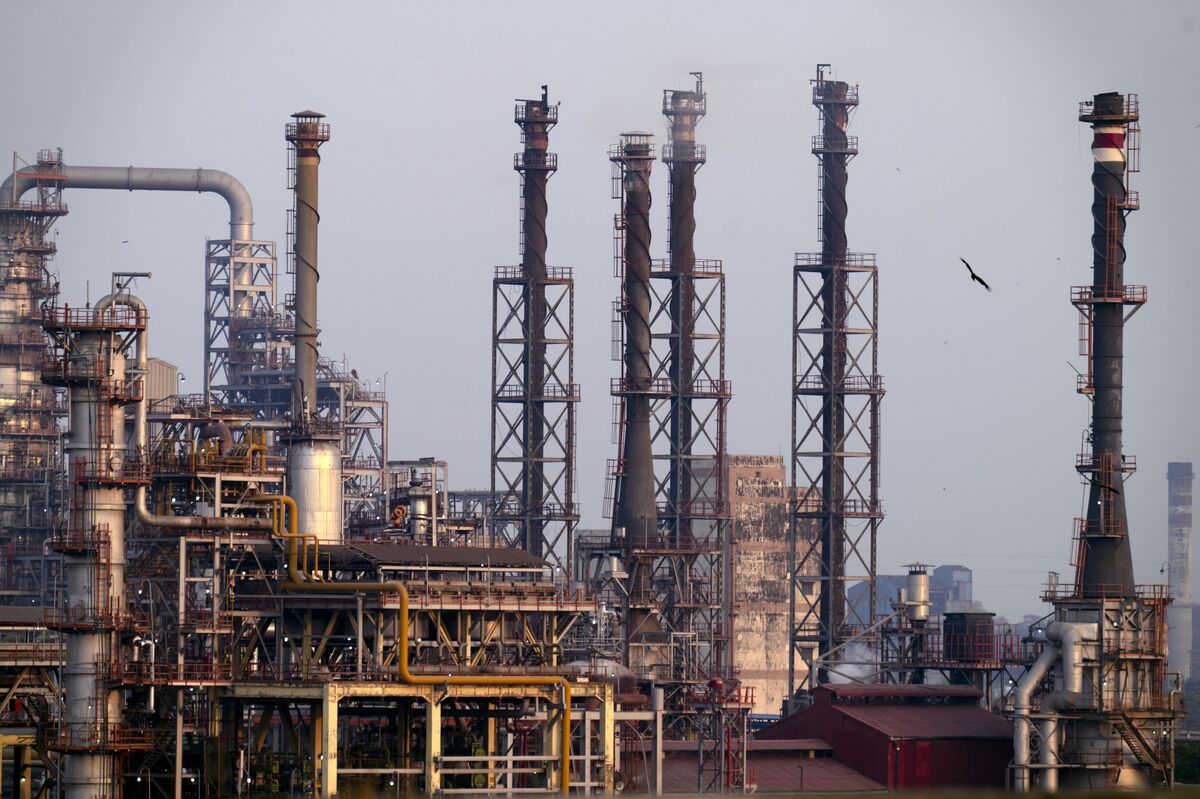
Container trucks outside an oil refinery in Mumbai, on March 3.
Two of the world’s most populous nations are joining a growing global movement to ban teenagers from social media services.
Passengers use smartphones while while travelling by train in Mumbai, India, on Saturday, Feb. 15, 2020. Facebook, YouTube, Twitter and TikTok will have to reveal users' identities if Indian government agencies ask them to, according to the countrys controversial new rules for social media companies and messaging apps expected to be published later this month. Photographer: Bloomberg/Bloomberg
The party led by a 35-year-old rapper-turned-politician is leading in national elections in Nepal, putting it on track to break the traditional political establishment’s grip on the Himalayan nation.
Balendra Shah Photographer: Niranjan Shrestha/AP Photo
The US won’t give India the same kind of economic advantages it gave China, which allowed that country to emerge as a major competitor, Deputy Secretary of State Christopher Landau said on Thursday, signaling Washington’s cautiousness in negotiations over a trade deal.
Workers at the Ambuja Cements Ltd. factory in Ambuja Nagar, Gujarat, India, on Friday, June 23, 2023. Adani Group is in talks with lenders, including global banks, as it seeks to refinance up to $3.8 billion of a loan facility taken for its acquisition of Ambuja Cements Ltd. last year, said people familiar with the matter.

 Anmelden