❌

Lese-Ansicht

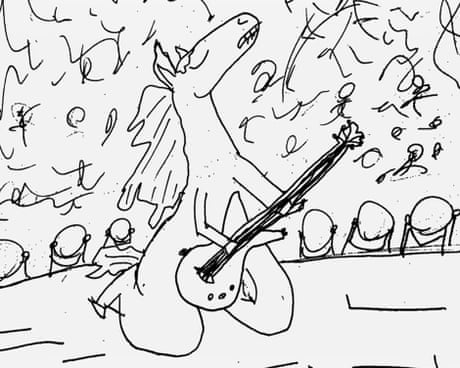
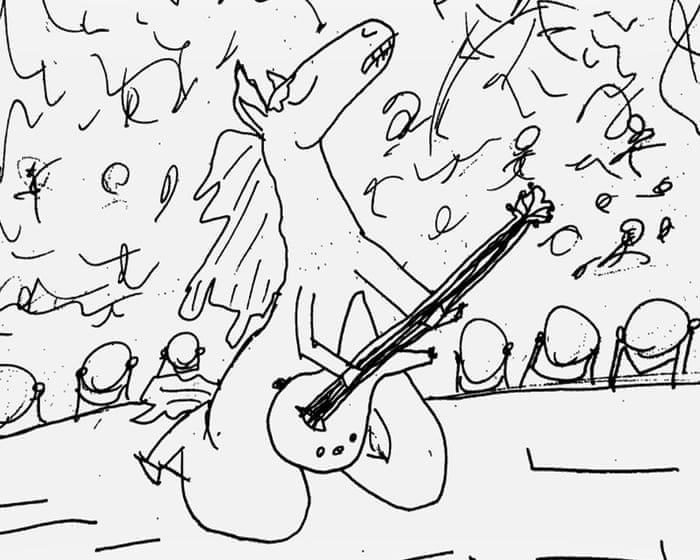
‘Jimi Horsedrix brought me so much joy’: the comic drawing a horse a day – and day 69’s is unsuitable for children

On day 58, he did a boxing Ali horse. On day 67, he did a howling horse. So what made Andy Field suddenly decide to draw 100 equines? And what made day 48’s so phallic?

Andy Field was midway through his standup run at this year’s Edinburgh fringe when he was struck by an unusual urge – the urge to draw a horse. “I hadn’t sat down to draw anything since I was at school,” says the 34-year-old comedian. “Drawing was a skill I didn’t have.”

He’s not lying. The subsequent horse Field posted to TikTok and Instagram was rather naive, with its four identical straight legs and cartoon eyeball. But the project he announced alongside it – Drawing a Horse Every Day Until I’m Really Good at Drawing Horses – immediately captured people’s hearts. Over a million people watched the minute-long video of him drawing that first horse with a four-colour ballpoint pen. By day three – an undeniably terrible effort in which the horse appeared to have sprouted a platypus’s bill – more than two million, by his estimation, had tuned in. “People were willing the series to continue,” says Field. And so he did.

Continue reading...
© Photograph: Andy Field
© Photograph: Andy Field
© Photograph: Andy Field

  •  

‘We freed Patrick Stewart!’ Star Trek’s Marina Sirtis on breaking in her beloved but very serious co-star

She was scared of him but soon loosened the Shakespearean up – then watched him give Star Trek depth, even insisting scenes be rewritten for her. Captain Picard’s right-hand woman salutes her fabulous friend

I’d been warned about Patrick by friends who’d worked with him at the Royal Shakespeare Company. They said: “Marina, you can’t be you around Patrick Stewart. He’s all about the work. He takes it very seriously and he won’t abide you mucking about and trying to make people corpse.”

We had been cast together on Star Trek: The Next Generation and, because of what I’d heard, I was a bit scared, a bit intimidated. And let’s be honest – Patrick was very serious about the work. But there was a concerted effort by the rest of us to beat it out of him. We were from a younger generation and we wanted to shake up this Englishman who was so typical of his generation – stiff upper lip and a Yorkshireman to boot. You know, the kind of person who was not exactly renowned for showing their emotions. Early on Patrick told us all that we weren’t there to have fun, and you should have seen the looks he got. I’m a cockney: I’ve got a Spurs tattoo and we all looked at him in the same way I look at an Arsenal fan. But we did loosen him up. And – he’s said this himself – I think we actually freed him. We gave him a freedom that he said he’d never really felt before.
Continue reading...

© Photograph: Everett Collection Inc/Alamy

© Photograph: Everett Collection Inc/Alamy

© Photograph: Everett Collection Inc/Alamy

  •  

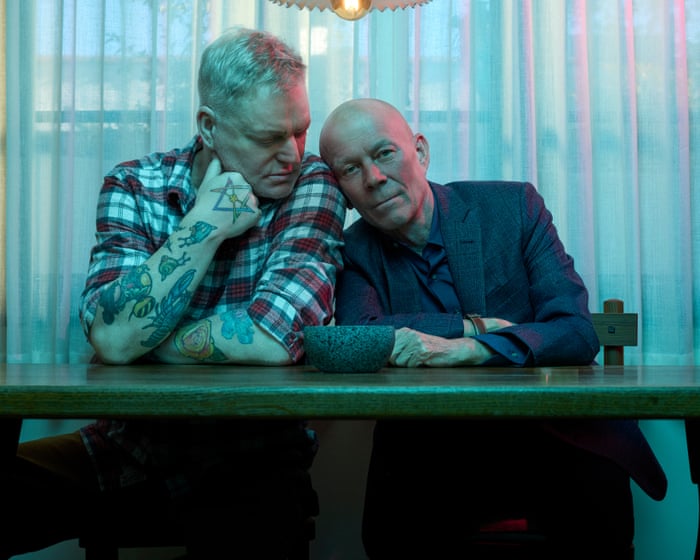
‘It’s a deep soul connection’: Erasure on how 40 years of friendship got them through grief – and why Vince Clarke has quit touring

Returning for a 20th album of sumptuous synthpop, Andy Bell and Clarke open up about difficult recent years, being happily uncool and battling resurgent homophobia

Andy Bell is rabbiting away on multiple topics. There’s his farm in Mallorca, where he and his husband Stephen Moss have had a fine year harvesting pomegranates, kiwis and lemons. Then there’s the Erasure frontman’s fascination with clowns (“Would the makeup help you avoid facial recognition technology?”), memories of 90s nightclubbing (“You could do anything and get away with it!”) and a worry that he’s turning into “a fussy old grandpa”. Suddenly, he catches himself: “But what about you, Vince? You’re being very quiet!”

Bell’s bandmate, whose only contribution since joining the video chat from his San Diego home has been to say hello, smiles. “No, no, I just love listening to you, man. I’m really enjoying this.”

Continue reading...

© Photograph: Travis Shinn

© Photograph: Travis Shinn

© Photograph: Travis Shinn

  •  

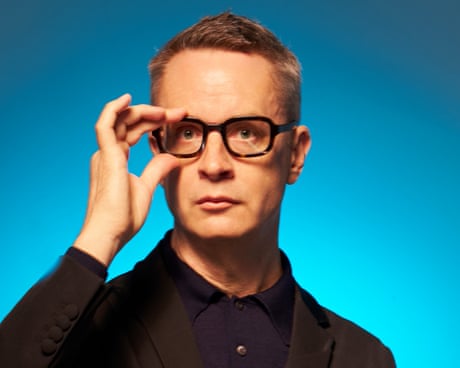
‘I thank God for killing me and bringing me back’: Nicolas Winding Refn on the heart surgery that inspired his new sci-fi horror

Notorious for ultra-violent movies like Drive and The Neon Demon, the Dane had lost the will to direct until ‘the Tom Cruise of surgeons’ saved his life – and triggered an astonishing creative rebirth

Nicolas Winding Refn has his phone out, showing me one of the goriest scenes he’s ever been involved in. Given that the Danish director’s movies have involved hands getting sliced off, eyeballs being gouged out and a son reaching deep inside his mother’s womb, that’s certainly saying something. In this video, the camera is fixed upon a beating heart when suddenly – slash! – it gets sliced open with a knife. We travel into the open chamber, as needles arrive to pierce through the muscle. Unsettling and compelling, could this be a future Palme d’Or winner?

Unlikely. You see, Refn isn’t the director of this footage; he’s actually the guy lying conked out in the operating room while a surgeon attends to him. Requesting that someone films your own heart surgery is a very Nicolas Winding Refn thing to do. “At first they said no,” says the film-maker known for Drive, Bronson and The Neon Demon. “But then they said, ‘As it’s you, we’ll record it.’”

Continue reading...

© Photograph: Suki Dhanda/The Guardian

© Photograph: Suki Dhanda/The Guardian

© Photograph: Suki Dhanda/The Guardian

  •  

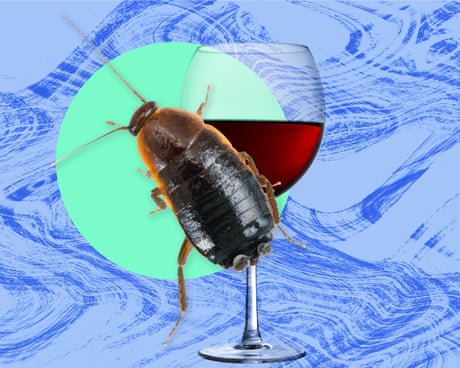
The pest I’ll never forget: the cockroaches were everywhere – even on our wine glasses

In a cheap London flat with no heating, dozens of the insects swarmed, leading to a Valentine’s Day that still makes me break out in a cold sweat

I don’t know if cockroaches really could, as we’re often told, survive a nuclear apocalypse, but I can tell you this with certainty: they can definitely survive pest control. “Hopefully that should be a bit better now,” said the friendly exterminator after his first visit to our flat. By the third visit he was speaking more honestly. “The only way to get rid of your cockroaches,” he said, “would be to burn this whole block of flats to the ground.”

It was January 2003 when I moved with my girlfriend Helen into our first London flat. It’s fair to say there were red flags we probably should have spotted. It was suspiciously affordable – £140 a week for a place less than a minute’s walk from Finsbury Park tube station? Sure, the place looked pretty skanky, but it was still spacious for a studio flat. We put the price down to the fact there was absolutely no way of heating the property and signed up.

Continue reading...

© Composite: Guardian design;StellaNature/Alamy; ansonsaw/Getty Images

© Composite: Guardian design;StellaNature/Alamy; ansonsaw/Getty Images

© Composite: Guardian design;StellaNature/Alamy; ansonsaw/Getty Images

  •  

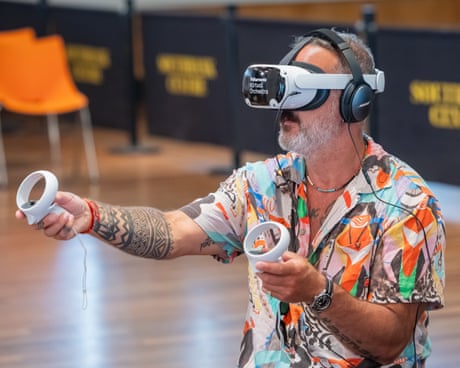
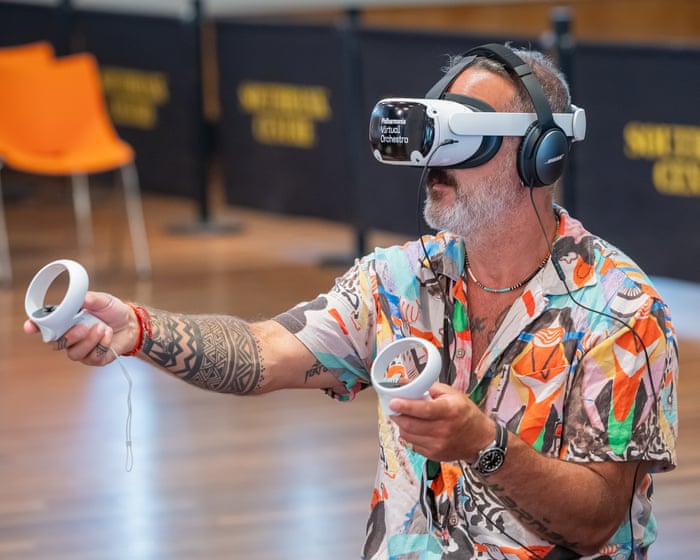
‘Will I screw this up?’ How I played timpani for the Philharmonia Orchestra – with no experience

He hasn’t seen the score and can’t actually play his instrument. But with the help of a virtual headset, our writer joins the revered orchestra for the rollicking finale of Rossini’s William Tell Overture

I’m about to perform with the Philharmonia Orchestra and I’ve not rehearsed my part. In fact, I’ve not even seen the score. Or played my instrument before. Nervously taking my place among the virtuosos, I look around: the brass, string and woodwind sections are all warmed up and ready to be led by the energetic conductor, Santtu-Matias Rouvali. Then I glance up at the audience: the Royal Festival Hall is packed to the rafters. Gulp!

“Are you OK there?” asks Marta Génova, the Philharmonia’s head of digital product and experience, “or do I need to tighten your headset?” This, you see, is Virtual Orchestra, a VR experience designed by the Philharmonia that lets you play percussion during the rollicking finale of Rossini’s William Tell Overture. You’re offered the choice of triangle, cymbal and timpani (the last is “definitely the most fun”, Génova assures me) and after a quick run-through of the sounds you can get from your instrument, courtesy of Philharmonia percussionist Tom Edwards, you’re thrown into a rehearsal and then the actual performance. I’ve barely had time to say “How do I hold these sticks again?” before the strings start swelling, Rouvali waves his baton and a musical score starts hurtling across the bottom of my vision. Oh God, I think, am I about to screw this up?

Continue reading...

© Photograph: Marc Gascoigne

© Photograph: Marc Gascoigne

© Photograph: Marc Gascoigne

  •  

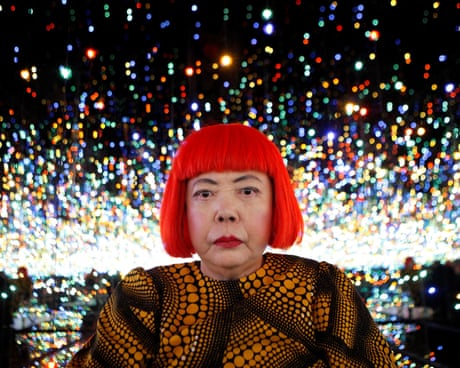
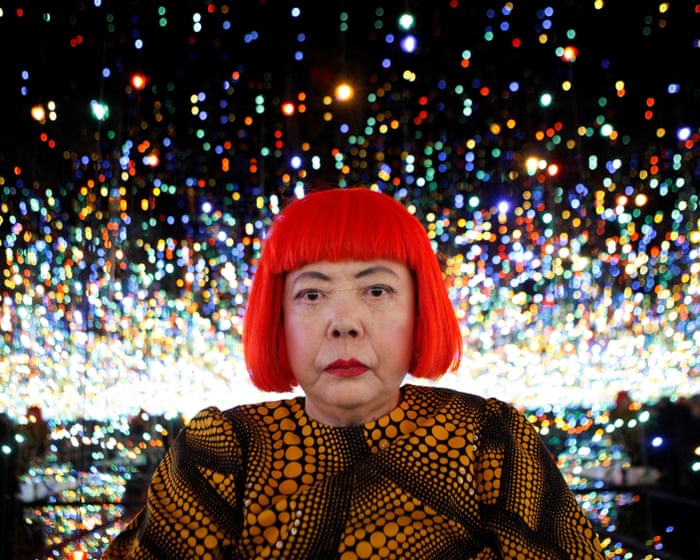
Yayoi Kusama, Japanese artist who became a global superstar, dies aged 97

From the 1950s to the 2020s, Kusama produced vivid paintings, sculptures and vast installations that often drew on her experience of hallucinations

Yayoi Kusama, the Japanese outsider artist who reached superstar status after decades living in a psychiatric hospital, has died aged 97.

Kusama died in a Tokyo hospital on 14 August, her company Yayoi Kusama Inc announced in a statement on Thursday.

Continue reading...

© Photograph: Mike Segar/Reuters

© Photograph: Mike Segar/Reuters

© Photograph: Mike Segar/Reuters

  •  

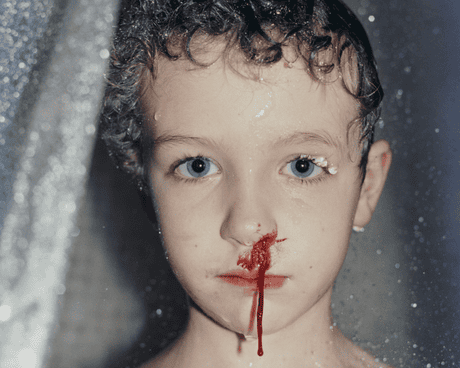
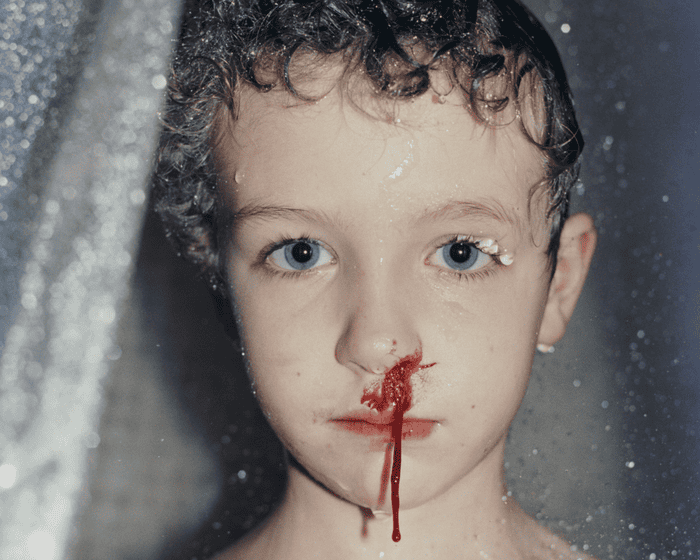
‘I didn’t miss a thing’: How Nick Haymes photographed his sons’ entire lives from verrucas to homemade hamster coffin

Bloody noses, ear cleanings, the first sproutings of armpit hair … the photographer reveals how he captured his two babies growing into boys and then men

Not many family photo albums open with images of the twin towers on fire. But for Nick Haymes, it made perfect sense. “When 9/11 happened,” he says, “I realised life was very short.” At the time, he was living in New York, trying to forge a career, while his friend, colleague and future wife Lina was dealing with the fallout of her previous marriage. “It made us realise we should probably get together and have a family. It was this huge historical event, but on a very micro level, it also shaped my relationship with my wife and children.”

Chronograph is a photography book that runs from those terrorist attacks to the present day, tracing the journey of Haymes’s two sons, Philipp and Lawrence, as they grow from drooling babies into young men. We are given a ringside seat as arms get broken, beloved pets die and hairs start sprouting from armpits. The mundane side of life – verrucas, messy kitchens, Lina cleaning out an ear with a cotton bud – is captured in the same way as birthday parties and rites of passage.

Continue reading...

© Photograph: Courtesy of the artist and MACK.

© Photograph: Courtesy of the artist and MACK.

© Photograph: Courtesy of the artist and MACK.

  •  

A supreme being, the nearly naked show and politics with paws: Edinburgh fringe pick’n’mix

From Taiwanese steampunk dance to Australian climate comedy, here are 13 quick-fire fringe reviews

For new perspective on the strange ways we behave, we all know the thought experiment “if a visitor from space arrived on Earth, what would they think?” In Born Sexy Yesterday, Anna Leong Brophy plays a supreme being implanted into a grown woman’s body to experience life for the first time. Presenting like some sci-fi sex robot with the soul of a naive child, Brophy duly marries a man on the front row and settles down to a life of domestic drudgery. Until she discovers she has other settings, other brands of femininity available for her to try out … Thus begins a potent hour, not always hilarious but undeniably persuasive, protesting against the strictly circumscribed roles that women are allowed to play – particularly in the movies, as Brophy sardonically demonstrates. The supreme-being conceit dilutes a bit – but our host’s righteous indignation and strong performing chops make this a compelling hour. BL
• At Pleasance Courtyard until 30 August

Continue reading...

© Photograph: Murdo MacLeod/The Guardian

© Photograph: Murdo MacLeod/The Guardian

© Photograph: Murdo MacLeod/The Guardian

  •  

‘A lot of art in Ireland was made by one type of man’: Richard Malone on taking his colourful fabric creations to the EU Council

As his bold yet delicate sculptures fill the glass buildings of Brussels for Ireland’s turn at the EU presidency, the Wexford artist discusses working with Björk, his decorator father – and one noisy horse

‘Just so you know,” says Richard Malone before we begin talking, “if you hear any neighing, it’s not me!” The Irish artist is speaking to me from an unusual studio space: a farm in Stradbally, County Laois. It may have the odd equine intruder, hungry for press coverage, but it also boasts huge lambing sheds – the perfect location for Malone to construct his latest five-metre sculptures.

“There’s lovely lambs everywhere and about 20 dogs running around,” he smiles. “Exactly what I’d choose to have around me.”

Continue reading...

© Photograph: Donal Talbot

© Photograph: Donal Talbot

© Photograph: Donal Talbot

  •  

My holiday from hell: I went to Ibiza at 16 – and am still haunted by what I saw in a bathroom sink

I didn’t see being a couple of years away from technically qualifying for an 18-30s jaunt to be a problem. But the booze, humiliation and a ‘mystery pooer’ made me rethink my entire life

‘First the bad news,” yelled our lairy Irish club rep as the coach drove us from Ibiza airport to our hotel. “All the great clubs: Amnesia, Space, Pacha … they’re CLOSED!”

A confused silence descended. “But the good news?” he yelled. “We’re gonna have a fucking amazing time anyway!!!”

Continue reading...

© Composite: Guardian Design; handout

© Composite: Guardian Design; handout

© Composite: Guardian Design; handout

  •  

Silent carnivals, kabaddi players and home videos: Jarman award shortlist announced

Only four artist film-makers have been selected by the jury this year, for bringing their ‘deeply grounded lived experience’ to stories of migration, family and disaster

Whether taking inspiration from an 18th-century portrait or a radical 1960s radio documentary, the nominees for this year’s Film London Jarman awards have looked to the past in order to create visions of the future.

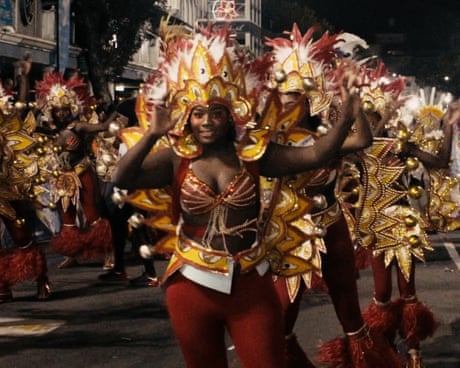
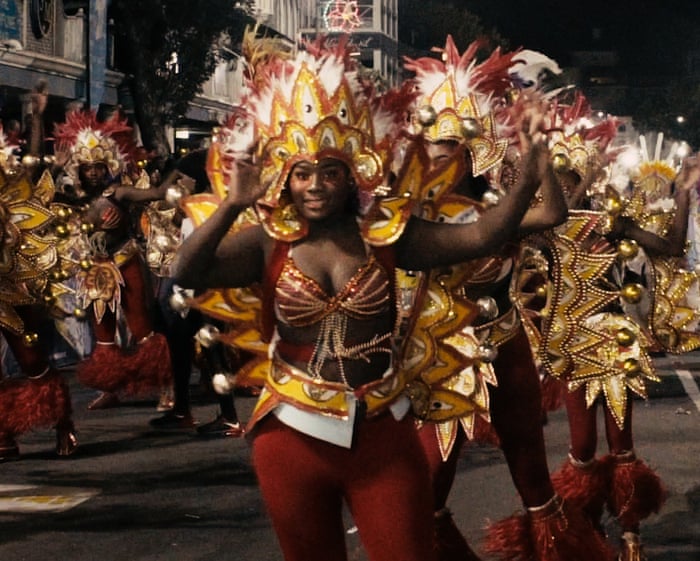
The shortlist for the £10,000 prize, which recognises British artists making groundbreaking work with moving images, has been streamlined to just four artists for the 2026 edition: Sadia Pineda Hameed, Ilona Sagar, Rhea Storr and Alia Syed. Yet the subjects tackled by these artist film-makers are as wide as ever, encompassing carnival ritual, asbestos poisoning and the traditional South Asian sport kabaddi.

Continue reading...

© Photograph: Rhea Storr

© Photograph: Rhea Storr

© Photograph: Rhea Storr

  •  

David Hockney, revolutionary British artist famed for his pools and portraits, dies aged 88

The Bradford-born painter made his name with sunkissed visions of California and never stopped breaking barriers, going on to become one of contemporary art’s most important figures
• ‘David Hockney caught the look of the modern world’
• David Hockney’s life in pictures

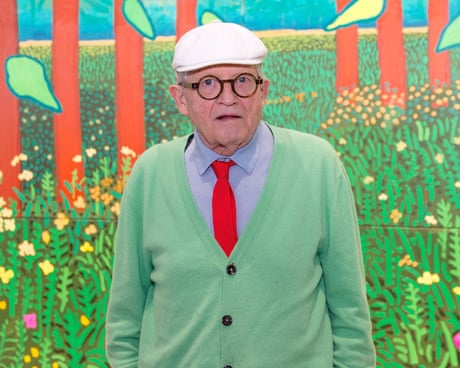
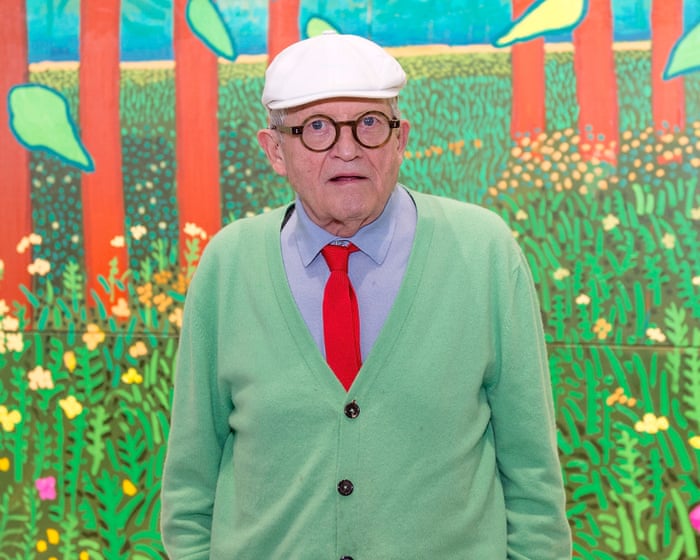
David Hockney, the iconic British painter who cast a revolutionary gaze across 20th-century art, has died aged 88.

He made his name as a pop artist during the swinging 60s and was perhaps best known for his paintings of swimming pools that helped define the Los Angeles aesthetic. Works such as A Bigger Splash and Portrait of an Artist (Pool With Two Figures) depicted hedonistic scenes of love, lust and loss taking place below the city’s sun-soaked skies.

Continue reading...

© Photograph: Aurélien Meunier/Getty Images

© Photograph: Aurélien Meunier/Getty Images

© Photograph: Aurélien Meunier/Getty Images

  •  

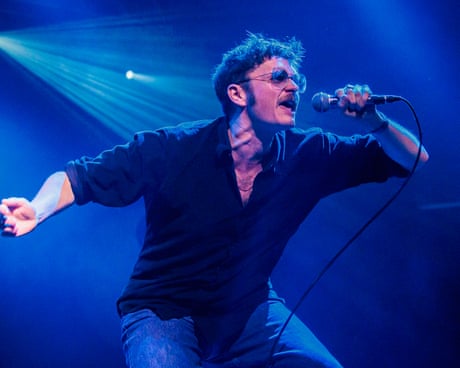
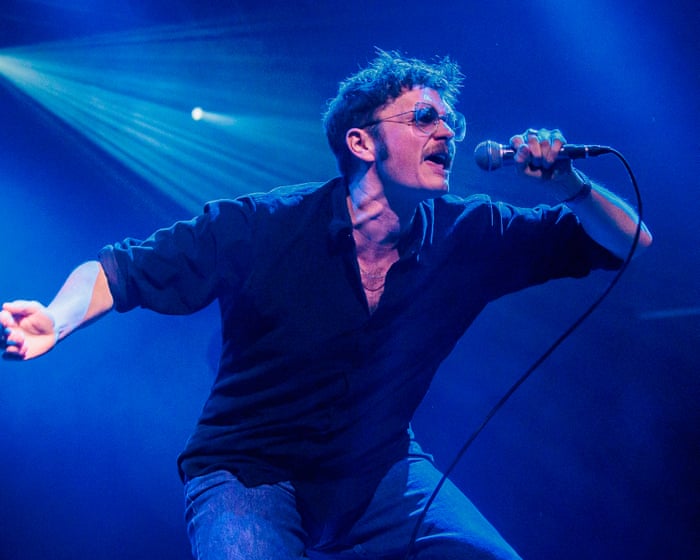
‘We’re really good. I don’t mean that arrogantly’: Yard Act on bullying, imposter syndrome and their heavy new album

The Leeds group arrived in a frenzy of post-punk energy, picking at the scabs of society – then started questioning their instant success. They talk about dodging ‘the megaband treadmill’ to make their surreal new album

It’s certainly a novel way to announce your comeback. On the opening song of Yard Act’s new album, over a cacophony of doomy piano chords and crashing drums, singer James Smith announces: “I’ve got absolutely nothing – absolutely nothing new to say!” And he’s not finished there. Later in the same track, Empty Pledges, Smith whips himself up into unhinged preacher mode only to declare: “Do you feel like an impostor for every new level you ascend to too? Do you have to bluff as much as I do?”

Is it refreshingly honest to begin a record by saying you haven’t got a clue what you’re doing – or an act of ludicrous self-sabotage? “Well, I don’t know if anyone has anything new to say really,” says Smith with a grin when I meet him and bassist Ryan Needham in a London bar to discuss You’re Gonna Need a Little Music, the band’s forthcoming third LP. “We’re in this age where everything has to be a manifesto and a statement, but it’s mainly just a one-way conversation. Nobody wants to explore the grey areas any more.”

Continue reading...

© Photograph: Sergione Infuso/Corbis/Getty Images

© Photograph: Sergione Infuso/Corbis/Getty Images

© Photograph: Sergione Infuso/Corbis/Getty Images

  •  

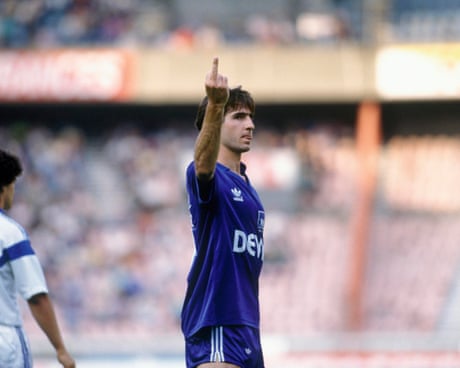
‘I should have kicked him even harder. He deserved it’: Eric Cantona comes out fighting

A new documentary at Cannes film festival looks at the French footballer’s five turbulent and triumphant seasons in Manchester – and the love story between him and manager Alex Ferguson

It was 30 years ago this weekend that Eric Cantona struck an audacious volley from the edge of the penalty area to win the 1996 FA Cup final. For his team, Manchester United, it meant triumph over their fiercest rivals Liverpool and an unprecedented second league and cup double. But for Cantona himself, it capped one of the most remarkable comeback stories in the history of the Premier League – one that has now been turned into a feature film set to take Cannes by storm.

Cantona is directed by duo David Tryhorn and Ben Nicholas, the only British directors to be part of the prestigious film festival’s official selection this year. With cinematic flair, it paints a portrait of one of football’s most singular personalities through the lens of his five turbulent and triumphant seasons in Manchester. We are treated to his sublime goals and trademark philosophical quotes, as well as flashbacks to his tempestuous early career in France, in which he berated the national team manager as “incompetent”, faced suspension from his club Marseille and even quit the sport altogether for a time.

Continue reading...

© Photograph: LANDRAIN/PRESSE SPORTS

© Photograph: LANDRAIN/PRESSE SPORTS

© Photograph: LANDRAIN/PRESSE SPORTS

  •  

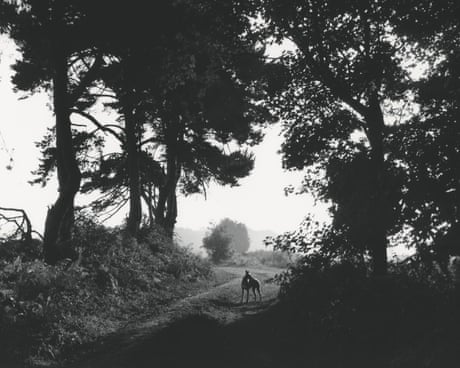
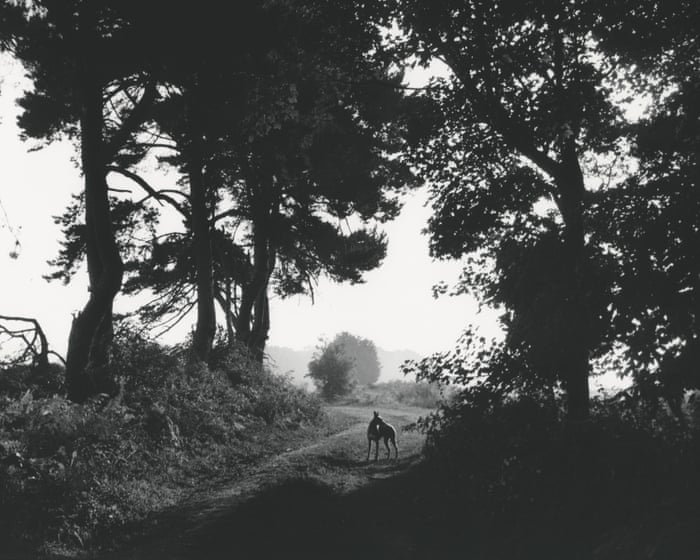
‘Tracey Emin said they’re all about death’: Johnnie Shand Kydd on his dog-walk photographs – and capturing the hard-partying YBAs

He shot the YBAs boozing, canoodling – and shaking up the art scene. Now the photographer has found inspiration in some other unruly characters: his lurchers. We join him for walkies in rural Suffolk

‘Finn! Finn! FINN!” Johnnie Shand Kydd is having trouble keeping his inquisitive lurcher in sight. Finn may be an incredibly sweet-natured dog but he’s hard of hearing – and has previous for disappearing on this particular walk.

At least the photographer has experience in dealing with unruly characters. In the 1990s, he found himself embedded with the Young British Artists, granted free rein to shoot the hedonistic, chaotic and wildly creative art scene that birthed Tracey Emin, Damien Hirst, Sarah Lucas and more. Shot in black and white, these images upended the convention for artists posing in their studios, easels in hand. “I just wasn’t interested in that at all,” says Shand Kydd. Instead, his photographs capture Hirst balancing a tower of hats on his head, Emin in a rubber dinghy with Georgina Starr, a newly pregnant Sam Taylor-Johnson (then Taylor-Wood) and a whole load of partying, boozing and canoodling.

Continue reading...

© Photograph: courtesy of Johnnie Shand Kydd

© Photograph: courtesy of Johnnie Shand Kydd

© Photograph: courtesy of Johnnie Shand Kydd

  •  

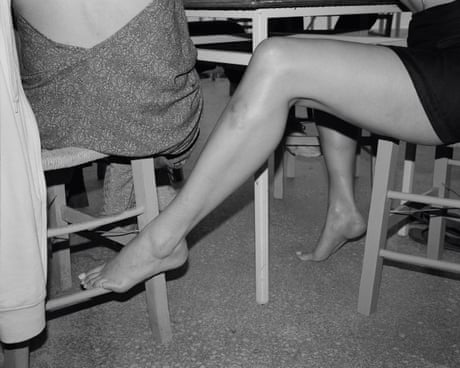
‘Arms and legs are very expressive, especially with bruises’: the absurdist photography of Yorgos Lanthimos

Ditched washing machines, a woman’s bare leg, the back of Willem Dafoe’s head … the Oscar-nominated director talks us through his new photography show in Athens – made with his darkroom assistant Emma Stone

In the centre of Athens, a brand new temple has popped up. Walk around the tall white columns surrounding it and you’ll eventually find the entrance to its inner sanctum. It might not be quite as old as the nearby Parthenon but it does hold a unique kind of treasure: the personal photographs of director Yorgos Lanthimos.

Taken over the last few years as he wandered his home country, they offer a glimpse of Greece through the auteur’s absurdist eye. We see a coffin resting against a wall next to a mop, and a couple of horses with their heads chopped off by foregrounded trees. A roadside memorial is shown underneath a sign warning of danger ahead – the wiggly road symbol points directly upwards, as if suggesting the route to the next life for the poor victim. This last image is poignant, strange and funny, eliciting the same awkward clash of emotions you get from watching Lanthimos’s films.

Continue reading...

© Photograph: Courtesy Yorgos Lanthimos

© Photograph: Courtesy Yorgos Lanthimos

© Photograph: Courtesy Yorgos Lanthimos

  •  

Why Bugonia should win the best picture Oscar

Contains spoilers: Emma Stone’s hard-faced corporate CEO has a lot of explaining to do when she is kidnapped by Jesse Plemons’s conspiracy kook. But in this film, asking whether someone is an alien seems an ordinary inquiry

Emma Stone as a kidnapped, shaven-headed pharmaceuticals CEO who might also be the ruler of an alien master race? It says a lot about director Yorgos Lanthimos that Bugonia was arguably his most straightforward film to date.

For this remake of the cult 2003 South Korean movie Save the Green Planet! we were invited into the unkempt home of beekeeper Teddy (Jesse Plemons), a paranoid conspiracy theorist whose internet research has led him to believe that aliens are poisoning his bees – and that only he can save life on Earth from extinction. He enlists his neurodivergent cousin Don (Aidan Delbis) to kidnap high-flying Michelle Fuller (Stone), whose company Auxolith seems to have caused Teddy’s mother some kind of irreversible harm in the past.

Continue reading...

© Photograph: Atsushi Nishijima/Focus Features. © 2025 All Rights Reserved.

© Photograph: Atsushi Nishijima/Focus Features. © 2025 All Rights Reserved.

© Photograph: Atsushi Nishijima/Focus Features. © 2025 All Rights Reserved.

  •  

‘We watched 9/11 from the rooftop, blasting the music out’: how The Disintegration Loops became a requiem for the attacks

It is an epic piece of music that literally falls apart – and it perfectly captured the end-of-days chaos after the tragedy. Composer William Basinski and musician Anohni recall its febrile birth in New York’s avant-garde scene

‘Do you remember me phoning and saying, ‘Get over here! You won’t believe what’s happened!’” William Basinski is reminiscing with his old friend Anohni about the summer of 2001, when he made a startling discovery. Out of work and at a loose end, the experimental composer had decided to digitise some recordings he’d made in the early 1980s – snippets of orchestral music and muzak he found on shortwave radio stations. He was planning to add his own instrumentation, but as the tapes started playing on a loop he noticed something else was happening: the music was gradually degrading. The recordings were so old that the iron oxide particles were falling off the tape as they played. Soon, there would be nothing left but crackles and then silence.

It was every musician’s worst nightmare. But for Basinski it was like striking gold.

Continue reading...

© Photograph: Brad Rickerby/Reuters

© Photograph: Brad Rickerby/Reuters

© Photograph: Brad Rickerby/Reuters

  •  

My cultural awakening: Operation Mincemeat taught me how to cry – now I sob at everything

A musical number about a woman’s letter to her husband on the second world war frontline unlocked my ability to blub – and made me a happier person

I am sure I must have cried as a child, but by the time I was a teenager it had stopped. It was probably a boarding school thing. Very stiff upper lip. My parents are not the most emotionally available human beings, either. I like to tease them by saying: “I love you.” You can see the panic in their eyes. They will normally say: “All right then, bye.”

My gran died when I was about 18, and I was sad, of course, but in terms of tears there was nothing, no water. I never cried at movies. I didn’t cry on my wedding day, nor at the birth of either of my daughters. It never alarmed me. I actually thought I might have underactive tear glands. Looking back, it was probably all about control.

Continue reading...

© Illustration: Martin O'Neill/The Guardian

© Illustration: Martin O'Neill/The Guardian

© Illustration: Martin O'Neill/The Guardian

  •  
❌