❌

Lese-Ansicht

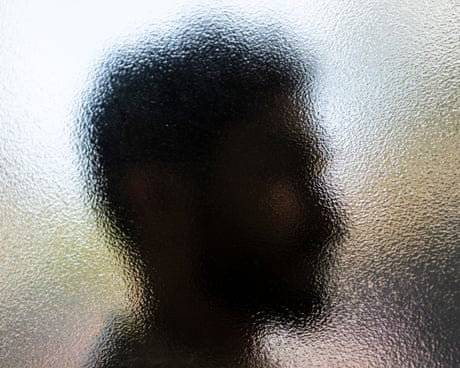
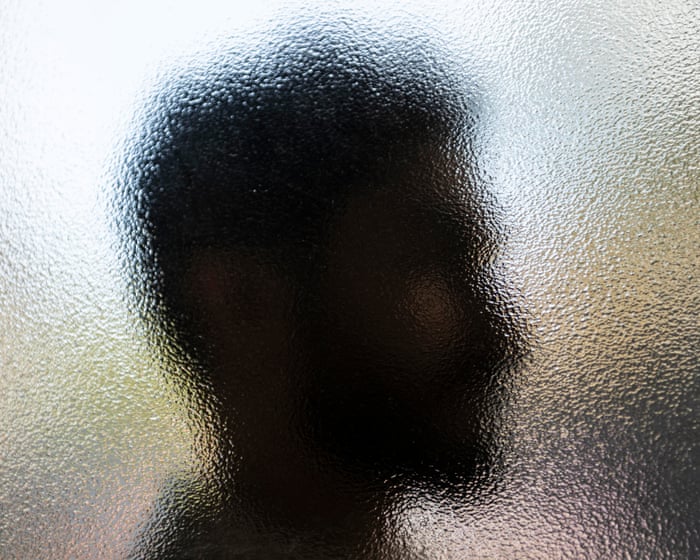
Saudi Arabia to execute man for being at protests and funerals when he was 15

Rights group says Youssef al-Manasif was tortured and first met his lawyer five years after arrest for non-violent crimes

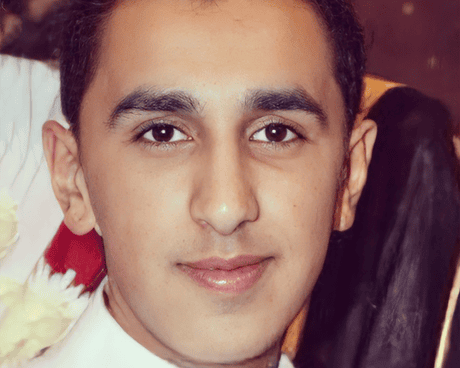
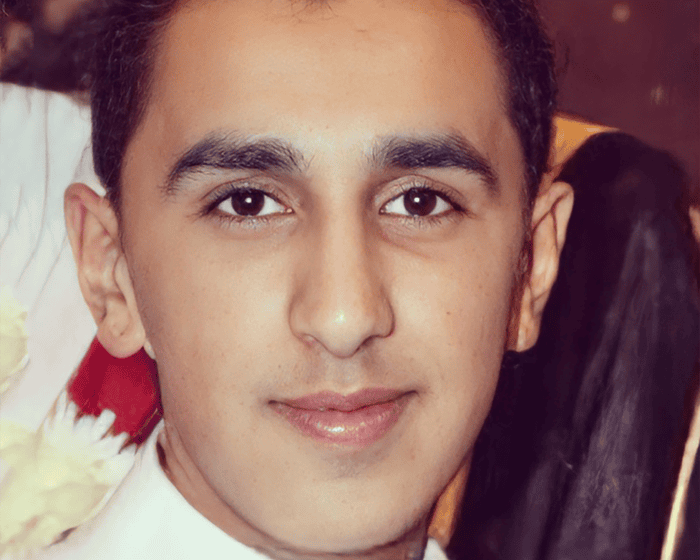
A young man faces imminent execution in Saudi Arabia for attending protests and funerals when he was aged 15 to 17, say human rights groups, in the latest example of the kingdom’s surging use of the death penalty for non-violent crimes.

Youssef al-Manasif was arrested in 2017 and accused of crimes including joining demonstrations for religious freedom by the Shia minority and attending funerals that the Saudi authorities deem to be protests. He was convicted and sentenced to death by the specialised criminal court, a secretive tribunal set up for terrorism-related cases.

Continue reading...

© Photograph: Handout
© Photograph: Handout
© Photograph: Handout
  •  

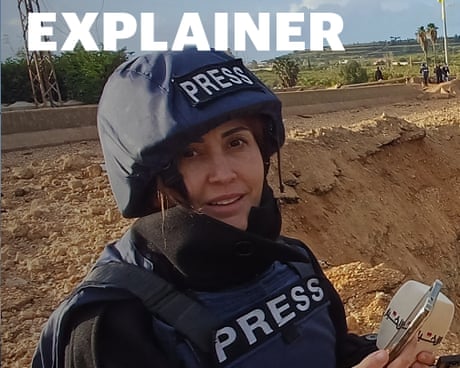
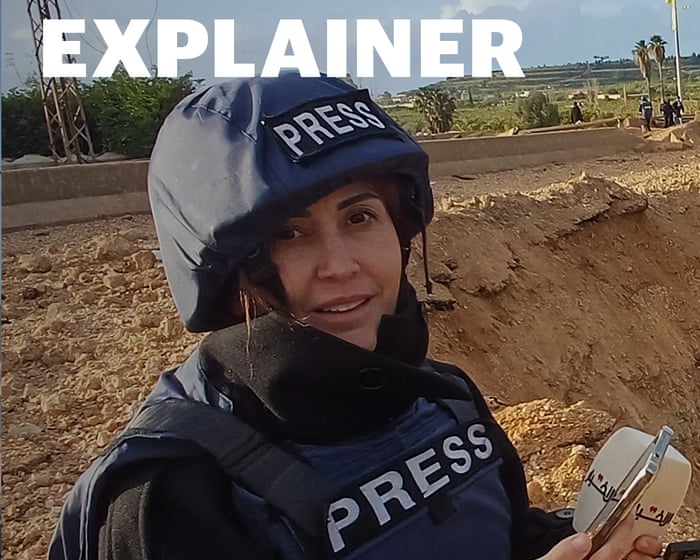
NGOs say Israel bombed a journalist and appeared to attack ambulances trying to aid her – explainer

Journalist Amal Khalil was killed in April in what colleagues described as a sustained attack by Israeli forces. Rescuers attempted to dig her out of the rubble of a building that had been targeted by Israeli forces, who had also prevented them from providing life-saving assistance.

Beirut-based Guardian correspondent Will Christou explains how investigations by Human Rights Watch (HRW), Amnesty International and Legal Agenda show that Israel deliberately and directly attacked Khalil and her colleague Zeinab Faraj, with apparent knowledge that they were journalists. The organisations called for the attacks to be investigated as war crimes, while HRW called for states to halt arms sales to Israel and put targeted sanctions on Israeli officials responsible for ongoing crimes.

Deliberately attacking journalists is a war crime. Israel has killed at least 15 journalists in Lebanon and 210 in Gaza since 2023, according to the UN human rights office.

Israel said it 'regrets any harm caused to journalists', and that they were killed 'as part of a series of events' during which two Hezbollah military operatives were killed

Continue reading...

© Photograph: Guardian

© Photograph: Guardian

© Photograph: Guardian

  •  

‘I hadn’t seen people smiling until I arrived in the UK’: one man’s harrowing journey from Yemen to safety

After being arrested, beaten and targeted for conscription, Amal Sahel realised he needed to leave his country. But his journey to Europe was fraught with danger

When Amal Sahel* was 15, he and his friends found a long length of metal lying abandoned in the street. The boys thought immediately of its best use: a sword. Over the past year, they had grown used to seeing strange debris – what Sahel calls “interesting pieces of metal” – in their neighbourhood.

The debris had been left behind by repeated air raids on Sahel’s home city in Yemen: a previously quiet location in a country gradually collapsing into civil war.

Continue reading...

© Photograph: Jonathan Turner/The Guardian

© Photograph: Jonathan Turner/The Guardian

© Photograph: Jonathan Turner/The Guardian

  •  

‘A hunting ground for foreign regimes’: why violent attacks on dissidents are on the rise in Britain

Iran and China among those accused of targeting critics living in the UK, as arson attack on prime minister Keir Starmer’s properties linked to Russia

As Pouria Zeraati was crossing the street between his Wimbledon home and his car in south London in March 2024, he was confronted by two men. One held him firmly as the other stabbed him three times in the leg before they both fled.

It was later said to be a targeted attack on behalf of the Iranian regime in Tehran. A punishment for Zeraati’s work as a journalist covering Iran. He survived, but the ambush is one of dozens of violent incidents in recent years linked to foreign states.

Russia, China, India, Saudi Arabia and Iran have all been blamed for targeting critics and dissidents living in the UK in the past decade, and linked to incidents involving physical assaults, attempted kidnap, stabbings and an acid attack.

Continue reading...

© Illustration: Sergiy Maidukov/The Guardian

© Illustration: Sergiy Maidukov/The Guardian

© Illustration: Sergiy Maidukov/The Guardian

  •  

‘I’m throwing everything at it’: one young man’s search for a job in Britain’s ‘worklessness capital’

High unemployment and a lack of support mean life can be tough in Grimsby, but 19-year-old Cohen is determined to make the best of life in this coastal town

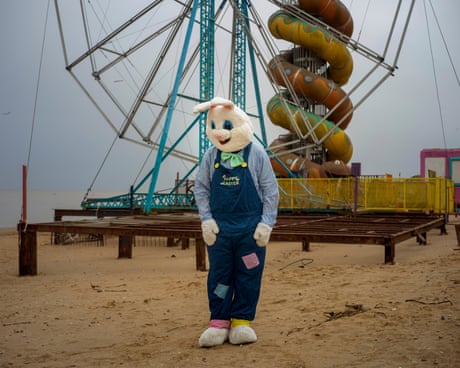
It’s mid-afternoon in the Lincolnshire seaside town of Cleethorpes and Cohen is sitting in the back seat of a car putting on an Easter bunny outfit. A group of teenagers nearby stare in amusement. Cohen isn’t fazed. He is hoping we can take some new photographs that he can use to advertise his mascot business for the upcoming holidays.

Cohen, 19, lives with his parents a couple of miles down the road in neighbouring Grimsby and set up Co Co Mascots last year as one of his many attempts to find work. People can hire him in one of the outfits for birthday parties, events and doorstep surprises for children. He’s done a few paid gigs so far, which has been a boost for his confidence, he says, but what he really wants is a permanent job.

Cohen, who is looking for a permanent job, makes money as a mascot at birthday parties and events

Continue reading...

© Photograph: Polly Braden/The Guardian

© Photograph: Polly Braden/The Guardian

© Photograph: Polly Braden/The Guardian

  •  

Stabbings, kidnap threats and arson attacks: how the Iranian regime targets UK journalists

Staff at outlets critical of Tehran have faced chilling intimidation and violence, amid calls for greater protection and support

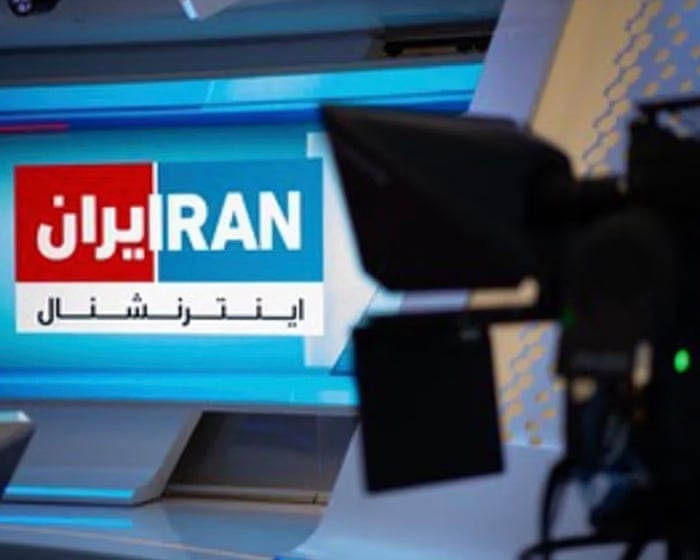
Iranian journalists working in London say they fear for their lives after a recent spate of threats and physical attacks, which they blame on a Tehran regime intent on silencing Persian-language news media such as BBC Persian and Iran International.

On Wednesday, the London offices of Iran International, a news channel that opposes the regime in Tehran, were the target of an attempted arson attack, with an “ignited container” thrown into the car park of a neighbouring building, according to the Metropolitan police.

Continue reading...

© Photograph: Courtesy of Iran International

© Photograph: Courtesy of Iran International

© Photograph: Courtesy of Iran International

  •  

‘A few beatings won’t kill you’: judge rejects divorce request of woman abused by husband in Afghanistan

Under new Taliban laws, a husband is allowed to beat his wife as long as it is not done with ‘obscene force’, which the woman must prove in court

The shocking level of physical violence against women permitted under the Taliban’s new laws has been revealed this week by the case of a woman in northern Afghanistan, who said she was beaten with a cable wire by her husband and told by a judge: “You want a divorce just because of that? … A little anger and a few beatings won’t kill you.”

Farzana* said her husband was quick-tempered and often resorted to beating her. He regularly humiliated her and called her “disabled”, she said, because her right leg was slightly shorter than the left. She had tolerated the abuse for the sake of their children, but one evening, she said, his violence went too far.

Continue reading...

© Photograph: Felipe Dana/AP

© Photograph: Felipe Dana/AP

© Photograph: Felipe Dana/AP

  •  

‘We want to give them their names back’: the team identifying Europe’s forgotten female murder victims

Interpol’s DNA unit is helping bring closure to families of murder victims, whose names may be unknown for decades

In the shadow of Antwerp’s main arena, close to the city’s docklands, runs the Groot Schijn River. It was here that the body of Rita Roberts was discovered in June 1992, floating against the grate of a water treatment plant.

She appeared to have been murdered, but Belgian police were unable to identify her. A tattoo of a black rose with green leaves and initials on her left arm was their only clue.

Continue reading...

© Photograph: AP

© Photograph: AP

© Photograph: AP

  •  

‘Don’t they have mercy?’: A mother on losing her son in a record year of Saudi executions

Essam al-Shazly is the latest foreign national to die in a ‘horrifying’ surge in capital punishment under the rule of Mohammed bin Salman

In his four years on death row, Essam al-Shazly’s mother was his only contact with the outside world. During their daily calls she would calm his fears, control her own tears and listen to his hopes of returning home.

Speaking from the family home in Hurghada, a tourist resort on Egypt’s Red Sea coast, she says he would tell her, “Mom, I talk to you because I want to forget what I’m going through. Don’t ask me anything about prison.”

Continue reading...

© Photograph: supplied

© Photograph: supplied

© Photograph: supplied

  •  

Woman pulled out of UK ultramarathon after death threats over Afghanistan fundraising

Sarah Porter was running 108-mile Montane Winter Spine Challenger South race when security team had to disable tracking device

A woman was pulled out of Britain’s most gruelling ultramarathon after receiving death threats over her fundraising for Afghan women and girls.

Sarah Porter was nearly a third of the way through the 108-mile Montane Winter Spine Challenger South endurance race when organisers made the “difficult decision” to withdraw her due to threats to her life in relation to the foundation she runs helping women and girls in war zones.

Continue reading...

© Photograph: Sarah Porter

© Photograph: Sarah Porter

© Photograph: Sarah Porter

  •  

Childbirth under attack: how women and babies became targets in conflicts around the world

Guardian investigation reveals at least 119 direct attacks on hospitals and delivery wards since start of wars in Ukraine, Gaza and Sudan

Thirty women were sheltering in the Saudi maternity hospital in El Fasher, Sudan, on 28 October when the massacre began. Some had just given birth and others were still in labour.

Working at the hospital that night, lab technician Abdo-Rabo Ahmed, 28, was one of the few known survivors. “I heard the voices of women and children screaming,” he says. “They were killing everybody inside the hospital. Those of us who were able to run, did.”

Continue reading...

© Composite: Guardian Design Team/AFP/Getty Images/AP

© Composite: Guardian Design Team/AFP/Getty Images/AP

© Composite: Guardian Design Team/AFP/Getty Images/AP

  •  
❌