❌

Lese-Ansicht

Their orchestra is not a sacred object but a tool for struggle – Paris’s musicians join the frontline

L’Orchestre du Nouveau Monde’s young musicians went viral for their defiant performances during the last week’s protests in France. They belong to a fine tradition of radical orchestras. Also, today, what music should soundtrack the Traitors?

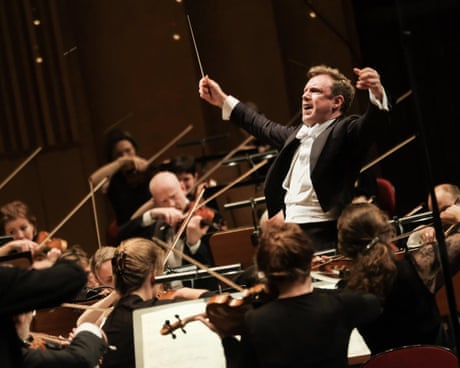
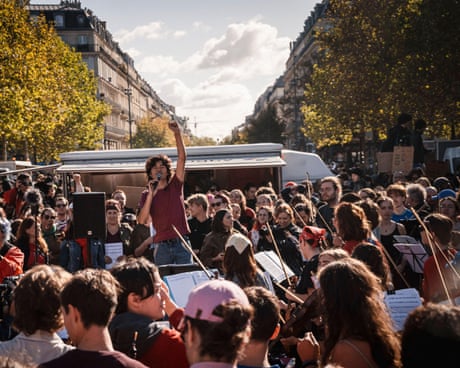
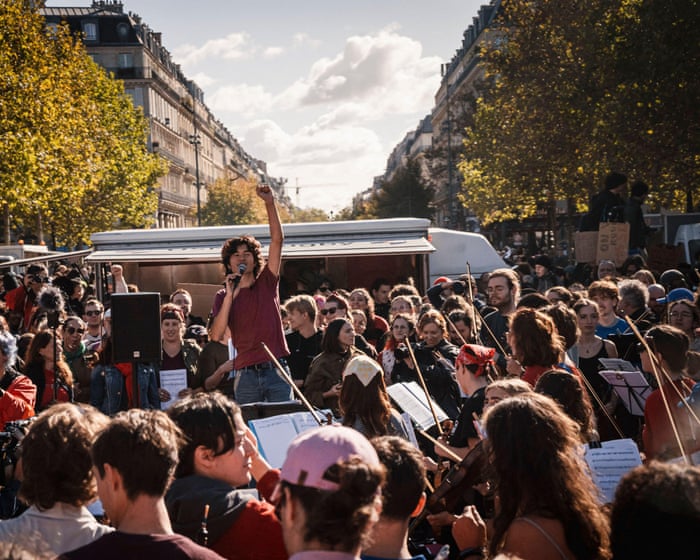
They were the last people standing – or rather playing – during last week’s student protests in France, as gas canisters landed in double-bass cases. L’Orchestre du Nouveau Monde, co-founded by young conductor Étienne Jarrier and his friends when they were still teenagers, aren’t a typical orchestra. With their manifesto of activism and social justice, the orchestra is not “a sacred object of beauty, but a tool for struggle”, through civil disobedience, outreach in schools, demonstrations and concerts, all to “present a different kind of classical music – one reconnected to reality”.

The new world Jarrier and his group dream of is “anti-racist, anti-capitalist, feminist, environmentalist and committed to de-growth”, and their way of working is deliberately provocative, not only to so many of the dominant directions of travel in the political world, but also to the institutions of classical music. They play scrappily passionate performances of La Marseillaise, of music from The Avengers, of Dvořák’s New World Symphony and protest songs but the ONM judge the quality of their performances not by playing the right notes in the right order, but by their consciousness-raising impact, whether they’re staging performances at Place de la République in Paris or at the foot of a glacier.

Continue reading...
© Photograph: Sipa US/Alamy
© Photograph: Sipa US/Alamy
© Photograph: Sipa US/Alamy
  •  

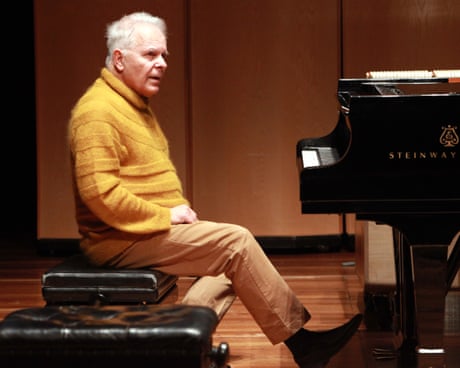
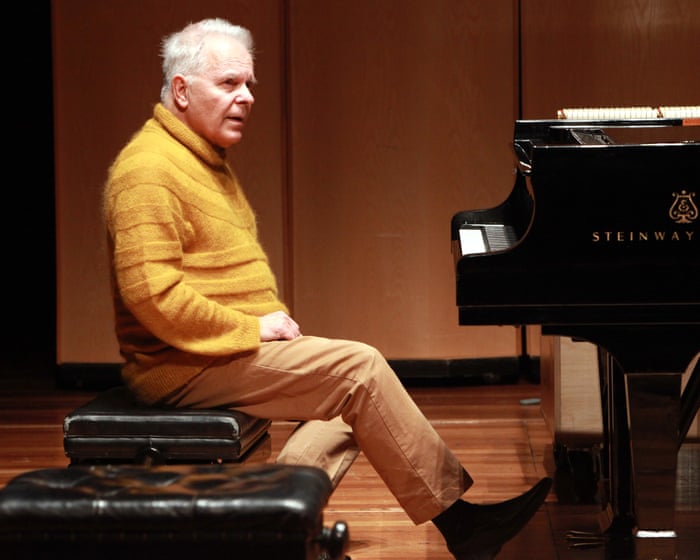
Stephen Kovacevich - a pianist who risked oblivion to know what it’s like out on the edge

The death of Stephen Kovacevich, aged 86, was announced yesterday. Tom Service pays tribute to a pianist whose performances were full of beauty, clarity – and danger

And, here, in a piece published on Kovacevich’s 75th birthday, Andrew Clements picks his favourite recordings.

It was just a couple of weeks ago that Stephen Kovacevich and I were last in contact. He was in hospital, recovering from a hip operation, and we were talking about Hiromi, and where the latest generation of pianists were coming from. The players who had the brilliance, fire and commitment to the moment that his favourite players had: Vladimir Horowitz, Sergei Rachmaninov – his greatest of the greats – and his friend and occasional mentee, Yuja Wang.

Among other things, he told me about a Charles Munch performance of Berlioz’s Symphonie Fantastique he had discovered on YouTube that made him exclaim: “How the hell did he get an orchestra to play like that?” Conversation with Stephen was always like that: utterly intense, totally opinionated, with the feeling that the spirits he was talking about, whether performers or composers from Chopin to Beethoven to Brahms to Mozart to Bach, were in the room with you, conjured into being as real, passionate people and presences.

Continue reading...

© Photograph: Amy T Zielinski/Redferns/Getty Images

© Photograph: Amy T Zielinski/Redferns/Getty Images

© Photograph: Amy T Zielinski/Redferns/Getty Images

  •  

Popcorn with your Puccini: can opera on screen ever work?

Composers have harnessed TV and cinema since Menotti’s Amahl and the Night Visitors pulled in five million viewers 75 years ago but for my money Kombat Opera’s satire showed us how to do it best

It’s not even Halloween, but here’s an operatic Christmas story for you. This is the 75th anniversary of the first opera made for television: Gian Carlo Menotti’s Amahl and the Night Visitors, broadcast at Yuletide in 1951 and watched by five million people across the US in a production sponsored by Hallmark. You can watch the original broadcast on YouTube: it was introduced with wit, self-deprecation and early 50s elegance by Menotti himself (vastly less charmingly, the role of King Balthazar was played by a singer in blackface). Chet Allen’s performance as the boy, Amahl, is staggering, and even more moving is Rosemary Kuhlmann’s Mother, especially in her aria, All That gold!.

Amahl is “an opera for children because it tries to recapture my own childhood”, Menotti said. It was played on US TV every Christmastime throughout the 50s, and was recorded and remade in new productions the next decade, while the BBC picked it up in 1953, and there was even an Australian TV version. Less than an hour long, Menotti’s festive fable works because of the intimacy of its story, and its refusal to patronise its intended audience.

Continue reading...

© Photograph: Dima Gavrysh/AP

© Photograph: Dima Gavrysh/AP

© Photograph: Dima Gavrysh/AP

  •  

Only connect: two composers who put humans at the heart of their music, and the conductor who didn’t

This week, from Reich to Kendall and Celibidache, three musicians who prove there is no such thing as “pure music”, whether we’re talking about a technique, a mode of musical expression or a musician’s legacy.

Steve Reich turned 90 on Saturday, and I’ve been thinking about his early tape pieces from the mid-1960s, It’s Gonna Rain and Come Out. They’re such vital works not only because they opened his imagination to what could happen if you made a micro-canon – playing the same material slightly faster or slower – which is what happened when one of his tape machines slipped out of sync with the other: it’s that these are human voices that Reich is setting. It’s Gonna Rain is made from the voice of Brother Walter, a Pentecostal street preacher in San Francisco, whose warning of apocalypse in 1965 Reich recorded and looped against itself, over and over, so that Brother Walter’s voice becomes a wall and wail of sound, a sonic realisation of the sublime inundation he’s announcing. Come Out was made in 1966 with the voice of Daniel Hamm, one of the Harlem Six, six black men wrongly convicted of first-degree murder in New York. Reich’s piece was commissioned for a benefit event for their legal costs as “background music for passing the hat”.

These pieces don’t just set words, Reich says they “set human beings”, using the vocal recordings not only as musical material but political inspiration and emotional expression. Techniques that are seemingly all about narrowly musical processes – looping, canon-ing, fugue-ing – are embedded in the facts of where they were made and how, and whose voices are being represented by whom.

Continue reading...

© Photograph: Siân O’Connor

© Photograph: Siân O’Connor

© Photograph: Siân O’Connor

  •  

The living dead: we can watch ‘Janis Joplin’ perform or reunite the Beatles, but who are the real winners here?

Advances in digital technology mean that avatars are ever more realistic, and zombie concerts are coming our way. Exciting as it might be to witness the Fab Four, or Maria Calla on stage, I’d rather have flesh and blood live experiences any day.

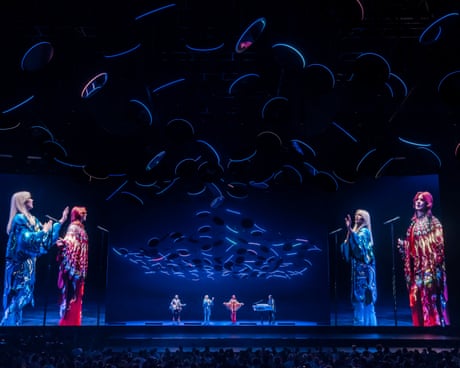
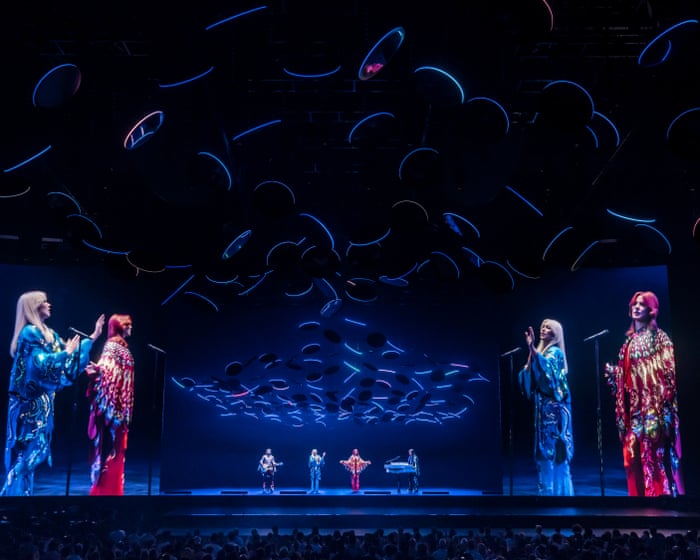
It seems that AI’s powers – terrifyingly – know no bounds. But can it raise the dead? Here’s what Avatar concert producer Unit1 Studio’s CEO Barney Wragg said in a recent interview. “We [are] talk[ing] about using AI to simulate the way that tears evaporate in your eye between blinks, or subcutaneous blood flow, so that when one of our [digital] characters laughs or opens their mouth or smiles, areas of their flesh will change colour as it would do in a real human”. Digital avatars are already part of our entertainment landscape – from Tupac and Abba to Maria Callas – but now that an avatar’s cheeks can change colour mid-set, is it game over for humans?

Wragg last week reported a massive investment in his company to make hyper-realistic avatar-entertainment. Unit1 plans to roll out avatars of musicians living – and dead – so that the success of Abba Voyage is just the start of a slew of “hybrid” concerts. In other words, flesh-and-blood audiences paying massive amounts of human money to witness a very expensive LED screen showing phantom musicians in the 21st century’s equivalent of the magic lantern. (The tech is a 2D illusion: you think you’re seeing Abba’s Agnetha in 3D, but you’re not; it’s all just a new-fangled but fundamentally old-fashioned trick of the light.)

Continue reading...

© Photograph: Johan Persson/Abba Voyage/PA

© Photograph: Johan Persson/Abba Voyage/PA

© Photograph: Johan Persson/Abba Voyage/PA

  •  

The secret of Mozart’s genius unlocked – has a teenager succeeded where generations of musicologists have failed?

US student Linus Chen-Plotkin has analysed music by four canonical composers looking for patterns. Turns out Mozart’s music moves in the least predictable way

It’s a question that has taxed musical thinkers for centuries: just what is it about one composer’s music that makes it more distinctive than anyone else’s? Entire disciplines of academic thought, of music analysis and historical musicology, as well as the formation of classical music’s canon of “great” composers, have been given over to this single idea: can it be proved that Mozart, say, was measurably “better” than other composers?

Our instinctive feeling about the sensual magic of Mozart’s music is part of the equation, but accounting for precisely how his pieces can sustain a lifetime of listening, why their pleasures never seem to pall and are still capable of seeming to surprise us even when we know them inside out: that’s the million-dollar musicological question.

Continue reading...

© Photograph: Antonio Olmos/The Observer

© Photograph: Antonio Olmos/The Observer

© Photograph: Antonio Olmos/The Observer

  •  

Forget vinyl v digital debates, this kind of musical ‘authenticity’ brings real rewards

Period instruments are miles away from retro affectation, and as two Proms this week will show, can actually bring historical music up to the moment

Nostalgia. What a kick. And what a commercial boon for the music industry. Love the sound of 60s pop and 70s disco? You need the original synths if you’re a composer or producer. You listen to music on digital streams? Loser! Join the retro-future of vinyl enthusiasm, and feel the grooves under your fingers like your parents or grandparents used to. Or you can even make music physical again through the horrible medium of cassettes: all that plastic, all those tiny liner notes, all that high-speed dubbing.

Retro-futurists cherish what they claim is the extra warmth and sonic richness of vinyl, but there is no acoustic reason why vinyl is better. It is in fact objectively worse as a carrier of sonic information than any high-resolution stream of the same track, song or symphony. For cassette nostalgists, if it’s got that old-fashioned tape hiss, it sounds more “real”. We’re now looking for things to sound less clean. Because we distrust today’s technological utopia, we want signs that our music is less polished, less perfect, and thus more human.

Continue reading...

© Photograph: David Levene/The Guardian

© Photograph: David Levene/The Guardian

© Photograph: David Levene/The Guardian

  •  

Simply the best? Is the Berlin Philharmonic really better than all the rest?

The orchestra – at the Proms this week – is hailed as among the best in the world, if not the best. For my money, that’s quite possibly right, but why?

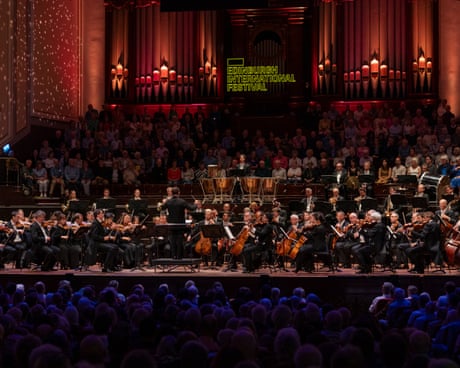
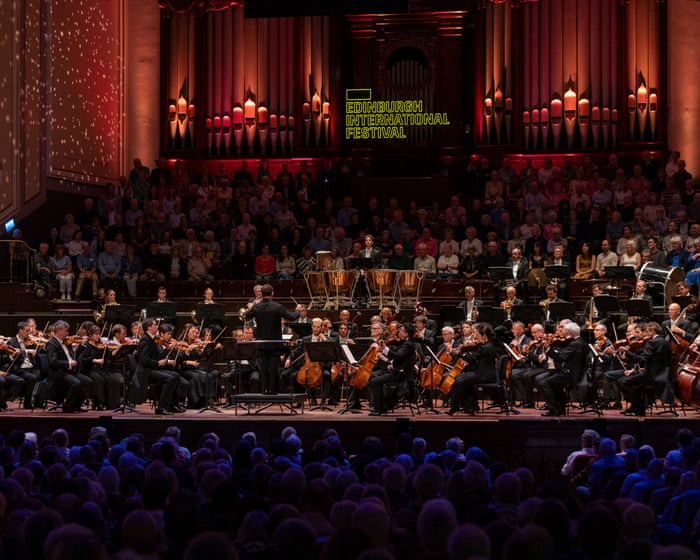
The Berlin Philharmonic are in London tonight and tomorrow at the Proms, days after closing the Edinburgh international festival in thrilling style. It was their first visit to Scotland in over 20 years, but the orchestra and their chief conductor, Kirill Petrenko, are regular Proms visitors; their Royal Albert Hall concerts are always season highlights.

“The best orchestra in the world”, as it is often hailed, brings programmes that offer the expected and – for them – the unexpected. Tonight there’s Tchaikovsky’s Fourth Symphony paired with Elgar’s Enigma Variations, a piece that’s still an astoundingly rare visitor to this orchestra’s concerts; and tomorrow, the safety-first repertoire warhorse is Beethoven’s Violin Concerto, but it’s paired with Scriabin’s brilliantly unhinged Third Symphony.

Continue reading...

© Photograph: Lena Laine

© Photograph: Lena Laine

© Photograph: Lena Laine

  •  

‘You’ll be sorry you told me this!’: the 98-year-old composer who gets musicians – even bassoonists - on their feet

Scotland’s Thea Musgrave is still writing radical music with perambulatory soloists and a message of hopefulness. Her latest work, for bassoonist Amy Harman, comes to the Proms this weekend

Thea Musgrave is a phenomenon. Born in Scotland in 1928, the composer has lived in the US since the early 70s, but has lost none of her accent, her infectious optimism, and her drive to keep writing. As she told me from her home in California, with a joyfully rolling laugh, “I’ve got to this age, and from now on I’m going to do what the fuck I want to do”. That includes her latest opera, on Virginia Woolf’s novel Orlando – Orlando: An Escapade – which will premiere at the Buxton festival next year, and a new bassoon concerto for Amy Harman, Out of the Darkness, which you can hear at the Proms this weekend, on 23 August.

The bassoon concerto develops one of the central innovations of Musgrave’s life and career, which she’s still intensifying and exploring in her 99th year: what she calls her “dramatic-abstract” approach to her orchestral compositions, in which the players aren’t a single collective told what to do by a conductor’s gestures, but instead are released as individual characters and identities.

Continue reading...

© Photograph: Bryan Sheffield

© Photograph: Bryan Sheffield

© Photograph: Bryan Sheffield

  •  

From sensation to spectacular, to silence: the strange history of Coleridge-Taylor’s Song of Hiawatha

Chances to hear Samuel Coleridge-Taylor’s choral masterpiece in concert are rare. Ahead of its belated Edinburgh festival premiere with the Orchestre Symphonique de Montréal, we look at the epic work - and its epic baggage

The Song of Hiawatha, Samuel Coleridge-Taylor’s setting of Henry Longfellow’s poem, comes to the Edinburgh international festival next week. It’s the first time the work will be performed there, a very belated premiere for the three-part cantata that sealed the composer’s reputation nationally and internationally, inspiring Coleridge-Taylor societies in the US, and making him the world’s best-known Black classical composer of the Edwardian era, before his tragically early death at the age of just 37 in 1912.

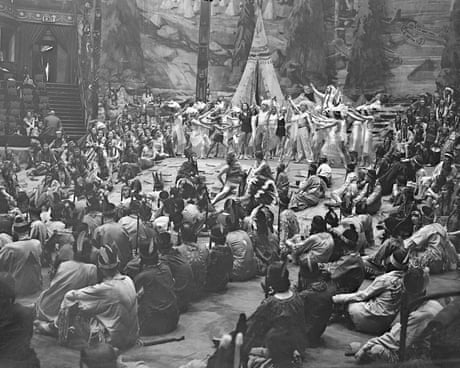
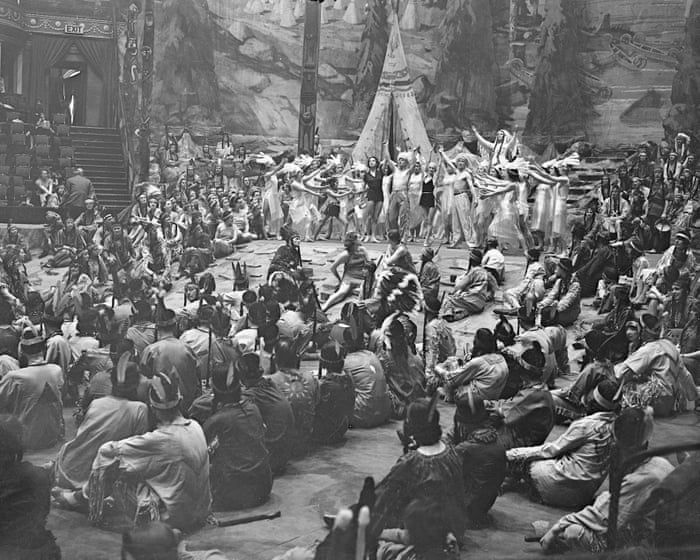
The performance history of The Song of Hiawatha makes for an astounding story. In the early years of the 20th century the work quickly became a sensation, with hundreds of performances on both sides of the Atlantic. In 1924, and then every year from 1926 to 1939, the Royal Albert Hall housed a spectacular and vast staging that involved around 1,000 performers – 200 dancers and hundreds of singers of the Royal Choral Society – dressed up to play out a series of exoticised and racialised caricatures to be part of the pageant of Hiawatha, Minnehaha and their tribespeople. The Mohawk chief also performed in the shows, granting an apparent authenticity to The Song of Hiawatha’s dramaturgy.

Continue reading...

© Photograph: Smith Archive/Alamy
© Photograph: Smith Archive/Alamy
© Photograph: Smith Archive/Alamy

  •  

I thought Nolan’s Odyssey was an epic bore. If you want Greek myths brought to life, try the thrill of opera!

Composers from Purcell to Birtwistle have created passionate dramas inspired by ancient Greek stories – and none of them require you to sit through three hours of solemn spectacle without an interval

For me, the most astonishing thing about Christopher Nolan’s The Odyssey is its barnstorming popularity. I found this cinematic epic for the ages visually bloodless, expressively monotonous and very, very long. Mind you, it is good to know that Nolan thinks that war is, on balance, you know, once you really think about it, probably a bad idea.

The music, too, was disappointing. If I were Nolan, I’d have asked Mica Levi to score The Odyssey. Ludwig Göransson could have surely done more to make a soundworld of genuine strangeness, but all he could manage is a falling tritone and then a descending fifth on the two reeds and pipes of a recreated aulos, which he uses as a melancholy leitmotif in all-too-conventional Hollywood fashion. (The aulos is beautifully played by Callum Armstrong on the soundtrack, at least.) The best sounds in the film come in the scene with Samantha Morton’s Circe, in which the crew’s gluttony is horrorshow ASMR: surround-sound mastication that threatens to devour the audience.

Continue reading...

© Photograph: Andy Paradise

© Photograph: Andy Paradise

© Photograph: Andy Paradise

  •  

Imagine a world without Wagner … it’s not easy, but let’s try

As the Bayreuth festival turns 150, we look at the composer’s huge and enduring influence, and wonder what might have happened to classical music in his absence?

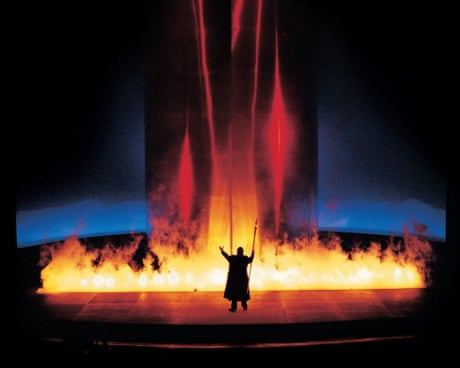
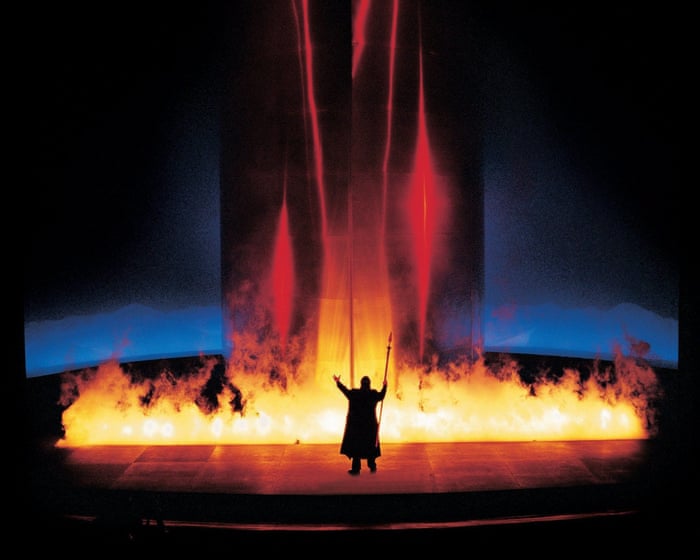
One hundred and fifty years ago this summer, Richard Wagner wanted to change the world. Not only the musical world, but nationhood, political thought, even the idea of what it means to be human. The inaugural Bayreuth festival opened on 13 August 1876, with the first complete cycle of Der Ring des Nibelungen staged in Wagner’s custom-built Bayreuth Festspielhaus in Bavaria. The first audience included kings, emperors, aristocracy and politicians as well as Europe’s musical and creative elites (Tchaikovsky, Grieg, Bruckner and Liszt among them). Wagner, who had been a revolutionary on the streets of Dresden in the 1840s, intended the Ring’s four operas to usher in a new world, one redeemed and made wise by this epic story of power, love, redemption, betrayal and renewal.

The titanic impact of Wagner is almost impossible to grasp today. Stage design aside (having the orchestra entirely hidden in the pit and darkening the auditorium were two of his innovations at Bayreuth) his legacies are felt across the arts from the way Wagnerism gripped German philosophers and Paris’s painters and poets in the 19th century, to the seismic changes he wreaked in cultural politics, and the toxicity of the antisemitic bearers of the Wagnerian flame after his death in 1883.

Continue reading...

© Photograph: Bayreuther Festpiele GmbH/Arve Dinda/EPA

© Photograph: Bayreuther Festpiele GmbH/Arve Dinda/EPA

© Photograph: Bayreuther Festpiele GmbH/Arve Dinda/EPA

  •  

Making earwax melt and teeth rattle: the project returning music to our bodies

Listeners in the 17th and 18th centuries experienced music in a startlingly vivid – and physical – way. A fascinating academic project is wondering if we should let ourselves be much more moved, and get moving. Plus: a prime minister’s musical legacy?

Professor Bettina Varwig wants to get us moving – and feeling, and listening, but primarily moving. The University of Cambridge academic says classical audiences today are “asked to leave our breathing, pulsing, feeling bodies at the door”. In concert halls we are told not to move or make a sound, subdue all the things that make us human. Whatever you do, don’t give in to the things your body is viscerally telling you when you experience a piece like Bach’s St John Passion, the way the music churns emotions and agitates your sinful heart. You have to listen passively, you can’t sigh or cry or clap in the wrong place, even if that’s what your whole being is telling you that you need to do to communicate the corporeal and spiritual pain the music is putting you through.

Varwig dreams of a different world. Her research focuses on how 17th and 18th-century listeners responded to music. “When you read about how music affected listeners in Bach’s time, their testimonies are striking in their bodily intensity,” she says. “Music contracted their innards and made their hearts leap. It could taste like vinegar in your throat. It could melt your earwax. It could draw your soul out of your body.”

Continue reading...

© Photograph: Music in the Flesh

© Photograph: Music in the Flesh

© Photograph: Music in the Flesh

  •  

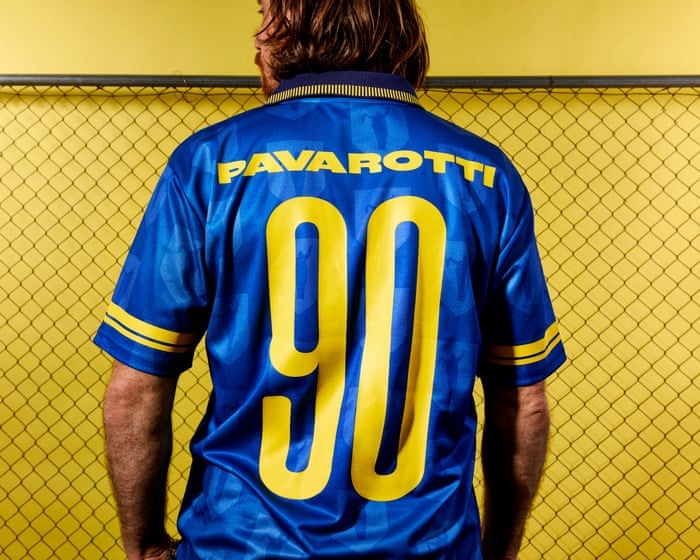
From penalties to Pavarotti and Beckham to Bruckner: classical music and football are closer than you might think

As the World Cup gets underway, we look at the music that has soundtracked the beautiful game – and the composers who have loved it

France ’98, when Scotland last faced Morocco at a World Cup – as they do this Friday – and lost a crucial game three-nil. (John McGinn’s winner against Haiti in Boston on Sunday rewrites all the recent records and sets the team on a path to almost certain glory this time around. Obviously.)

But you could have read the runes of Scottish doom in that World Cup by the tunes that Scotland fans had in their ears. Scotland’s song that year was Del Amitri’s masterpiece of melancholy, Don’t Come Home Too Soon, the most downbeat, honest, and lyrical World Cup song ever written – alas, the team didnae listen. And there was the BBC’s World Cup titles for 1998: Fauré’s Pavane, which lifted the moodometer from melancholic all the way to apathetic. (Not that England did much better, despite the surreal street party of Vindaloo, Engerland’s unofficial anthem, and the self-satisfaction of Three Lions, they went out in the round of 16, after David Beckham’s red-card against Argentina.)

Continue reading...

© Photograph: Universal Music UK/PA

© Photograph: Universal Music UK/PA

© Photograph: Universal Music UK/PA

  •  

Is there a pianist in the house? How audience members – and fellow musicians – have saved the show

A Sydney screening of La La Land with live orchestra was rescued by a brave (and skilled) amateur pianist. What happens when classical performers, or their instruments, suddenly collapse? Plus, Tavener’s mystic pantomime finally gets to the stage

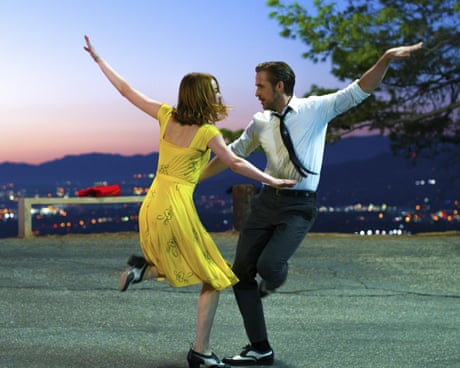
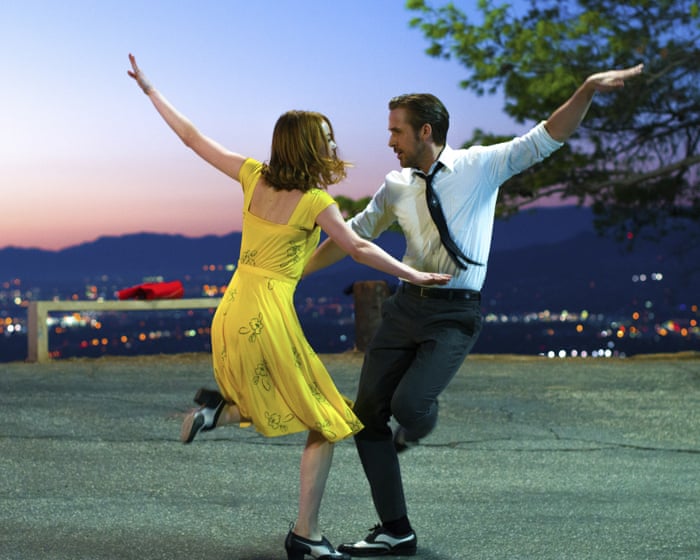
Music’s equivalent of catching a home run at a baseball game happened on Saturday in Sydney, when a 21-year-old university student jumped in to save a performance of the movie La La Land with live orchestra. The band’s keyboardist had fallen ill and couldn’t perform in the second half. Unable to find a replacement at such short notice, the conductor Justin Hurwitz (winner of two Oscars for the film’s music) asked the audience if there was a pianist in the house. Sterling Nasa answered the call, and performed in the second half, improvising a solo, and not getting a tempo change or key signature wrong.

It’s a great story – and incredible that an audience member had the requisite sight-reading and technical skills to carry it off. Could it happen in a classical concert? There have certainly been moments here too when an audience member has saved the day. The best of those stories comes from the summer of 1974, when the London Symphony Orchestra and Chorus brought Carl Orff’s Carmina Burana to the Proms, conducted by André Previn, with the baritone Thomas Allen among the soloists. You can actually hear the shocking moment from the live radio broadcast when Allen collapses into the cello section in an episode of the BBC World Service’s Witness History. He had fainted and was carried off the stage. After a brief pause, Previn chose to keep going rather than stop the performance.

Continue reading...

© Photograph: Dale Robinette/AP

© Photograph: Dale Robinette/AP

© Photograph: Dale Robinette/AP

  •  

Risk-taking, rigour and radicalism – Daniel Harding is an exciting prospect for Los Angeles

Also, happy 125th to the Wigmore Hall, and, the vivid soundworld of 16th-century Spain

A tale of two conductors on the west coast of America this week. Yesterday, the Los Angeles Philharmonic announced that Daniel Harding will be their next music director from 2027, which is also when Elim Chan starts her job leading the San Francisco Symphony. These are both forward-looking appointments, showing a commitment to the future of these orchestras and the art-form in California.

Mind you, San Francisco’s situation looked pretty dire until recently, after the previous incumbent Esa-Pekka Salonen’s largely unrealised dreams of putting the orchestra at the heart of cultural and technological innovation. It made sense – why not use the San Fran orchestra as a Silicon Valley of the humanities, without the corporate evil, addictive algorithms and responsibility-free tech-brocracy? Alas: Salonen was stymied by the pandemic among other things, and made clear his artistic disagreements with the board in his letter of departure.

Continue reading...

© Photograph: PR

© Photograph: PR

© Photograph: PR

  •  

Fantastic visions and cosmic rhythms: how Whistler is making me see – and hear – differently

A new exhibition at Tate Britain includes canvases titled after symphonies and nocturnes, but the inspiration flows in both directions. Plus, how Felicity Lott led me to an epiphany

Comparisons between music, painting and sculpture have never quite rung true for me because you’re talking about fundamentally opposed ideas of what the experience of art is all about. A painting can be experienced in a second’s contemplation or an hour’s, but a piece of music, be it symphony or sonata, has to be journeyed through for just as long as the performance lasts.

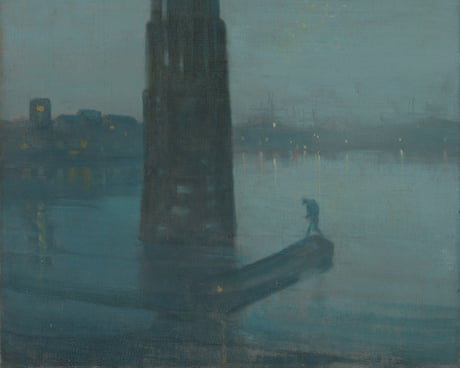
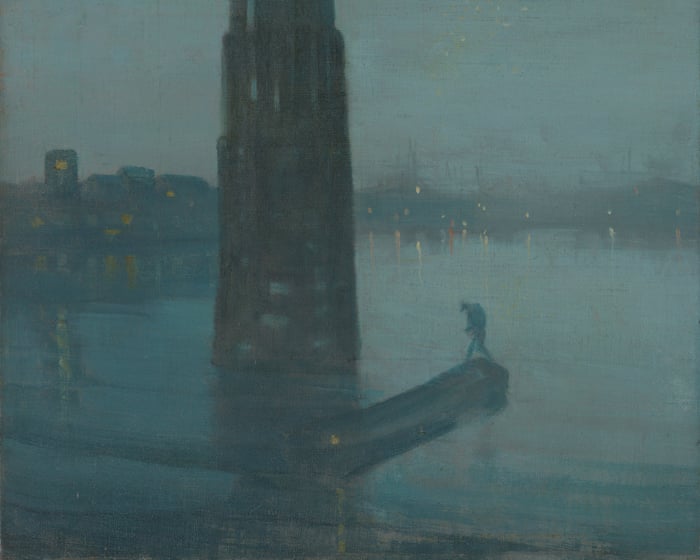
And yet, the week the James McNeill Whistler exhibition opens at the Tate in London (here’s Jonathan Jones’s five-star review), I’m having to reconsider. Whistler was profoundly influenced by music, a connection that goes so deep that the results aren’t only aesthetic but visceral, in the fabric of the form and expression of his pictures and his philosophy of painting.

Continue reading...

© Photograph: Tate

© Photograph: Tate

© Photograph: Tate

  •  

A ‘lost’ Vaughan Williams song is exciting news but what else remains to be ‘found’?

All kinds of musical riches by formerly overlooked composers may be languishing in lofts and dusty archives.

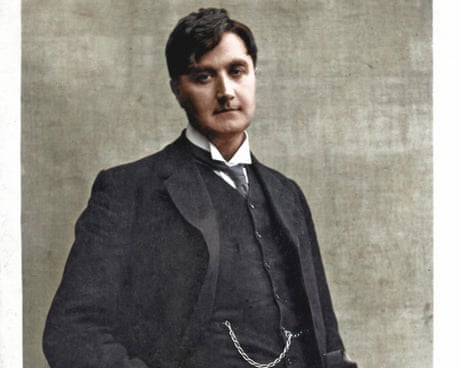
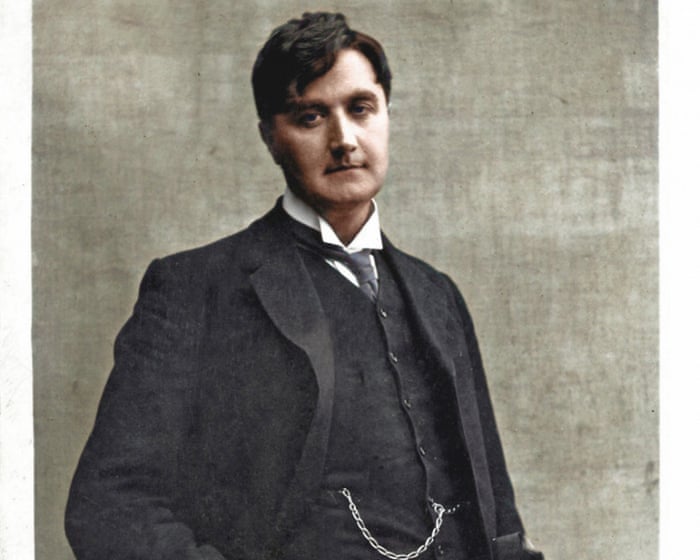
The discovery of a new work by Ralph Vaughan Williams has set the world alight this week. Well, not quite, but it’s a great story. In a box in the archives of London’s Morley College Elaine Andrews came across a previously unknown Vaughan Williams song. Titled Before the Mirror, it sets a Swinburne poem that itself was inspired by a Whistler painting.

Hearing it played on Radio 4’s PM on Monday [58 mins in] reveals music of surprising tonal adventure and expressive ambiguity, written shortly after Vaughan Williams married Adeline Fisher in 1897. And the manuscript’s workings, its crossings-out and corrections, are a fascinating insight into Vaughan Williams’s creative process.

Continue reading...

© Photograph: Vaughan Williams Charitable Trust

© Photograph: Vaughan Williams Charitable Trust

© Photograph: Vaughan Williams Charitable Trust

  •  

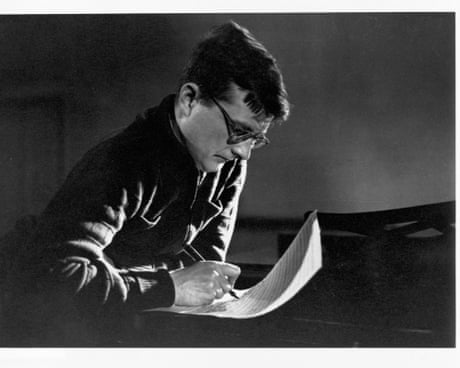
Shostakovich’s First at 100 – how prodigious genius sounded before Stalin set about silencing it

The composer himself never matched the joy, optimism and boldness of his first teenage symphony, as the chill of Stalinism settled on his music

This week we mark two extraordinary centenaries. Sir David Attenborough’s, of course, but only four days after the birth of the bona fide national treasure, Dmitri Shostakovich’s First Symphony also first saw the light of day – premiered in Leningrad on 12 May 1926. The 19-year-old’s composition was played by the Leningrad Philharmonic, conducted by Nicolai Malko.

The symphony’s four-movement structure is just about the only conventional feature it has. The teenage Shostakovich had imbibed all the lessons he could about what orchestral music should sound like and how it should behave, and was bold enough to subvert all those ideas and send them up. There is no forelock-tugging to earlier generations of Russian symphonists and orchestral pioneers; instead, Shostakovich’s First resounds with a self-confidence that’s both optimistic and deliciously sardonic.

Continue reading...

© Photograph: Library of Congress/Corbis/VCG/Getty Images

© Photograph: Library of Congress/Corbis/VCG/Getty Images

© Photograph: Library of Congress/Corbis/VCG/Getty Images

  •  

Giving and misgivings: opera managers must choose their poison

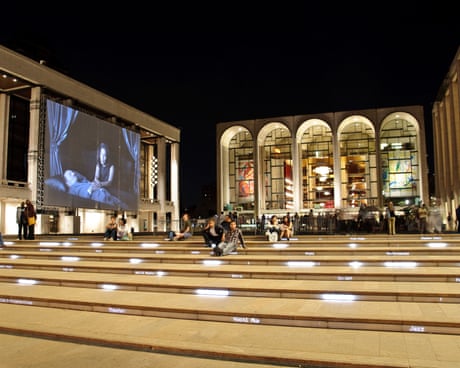
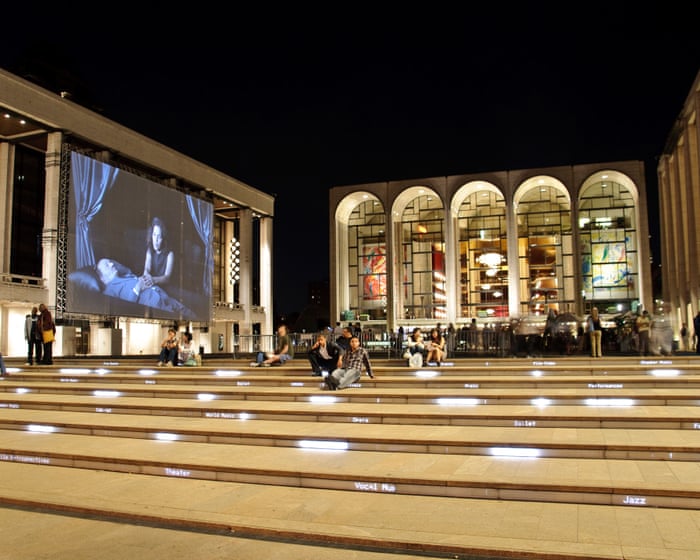
Opera needs big money: opera chiefs need big donors. New York’s Metropolitan Opera has just lost a $200m investment, but should it have accepted it in the first place?

Opera’s stories of power aren’t only played out on stage. The mechanics of producing opera involve vast amounts of people, from set builders to wig-makers to chorus and orchestra, and even vaster amounts of money. An opera company needs huge reservoirs of cash: whether from governments, companies donating for tax benefits, or private individuals whose motivations may be entirely driven by sheer love of the form, or they might not. The Royal Opera House named a hall after the American investment banker Alberto Vilar who promised the company £10m, before being convicted and imprisoned for fraud in 2010, while the Sackler family’s millions sponsored swathes of culture across the US and UK – but the source of this wealth gave the world an opioid epidemic.

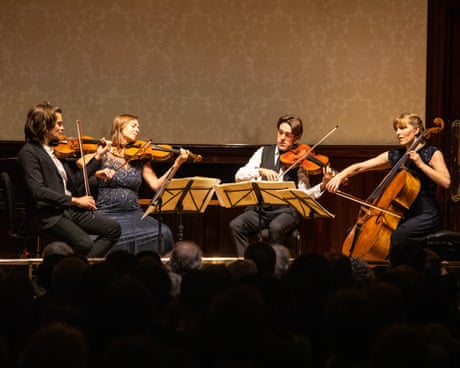
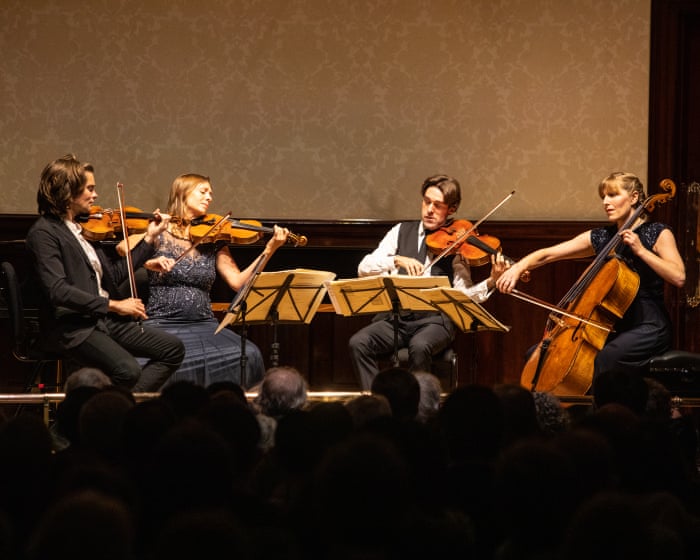
So pity the poor opera house manager, trying to deal with an essentially insoluble situation: choose your donors, choose your poison. And pity especially Peter Gelb, who has been running the Metropolitan Opera in New York, the world’s biggest opera house, for the past two decades. Gelb faces in extremis the same hard economic truth that all opera houses, classical music institutions and performing groups face. Unlike so many parts of the economy, the services they provide have not become – and cannot become – more efficient. It’s what is known as Baumol’s cost disease, a term coined by the economist William J Baumol in the 1960s. One of the examples he used to illustrate the “disease” was a string quartet. It took four players in 1800 – and still, today, takes four musicians. How stupidly inefficient! It’s the same story, only exponentially less efficient and more expensive, for putting on an opera. Wagner’s Tristan und Isolde, one of the Met’s recent blockbuster productions, still needs an army of stage managers as well as orchestral musicians, it still requires gigantic sets and a stellar cast just as it did in 1865, all to fill the Met’s 4,000-seat auditorium.

Continue reading...

© Photograph: Tomas Abad/Alamy

© Photograph: Tomas Abad/Alamy
© Photograph: Tomas Abad/Alamy
  •  
❌