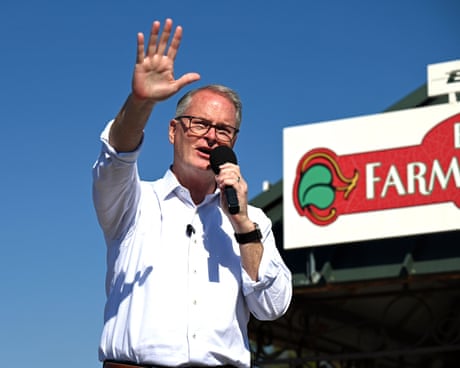
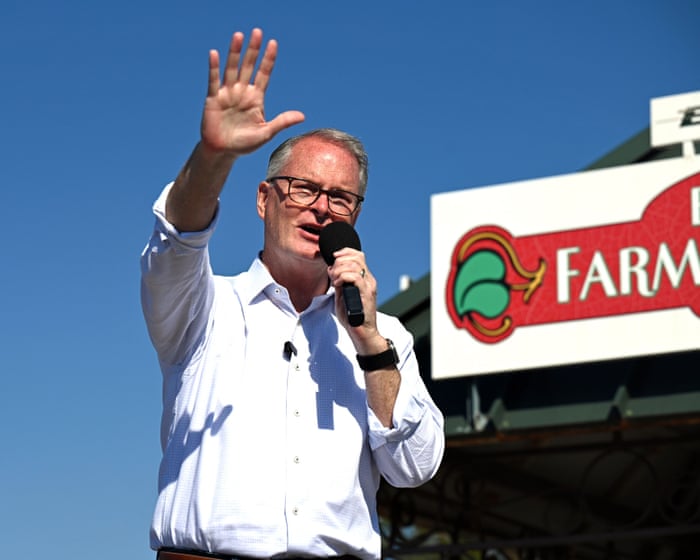
Adam Hamilton in Kansas, Dan Osborn in Nebraska, Joshua Turek in Iowa. They’re all hoping to flip ruby-red states in the midterm elections next Tuesday.
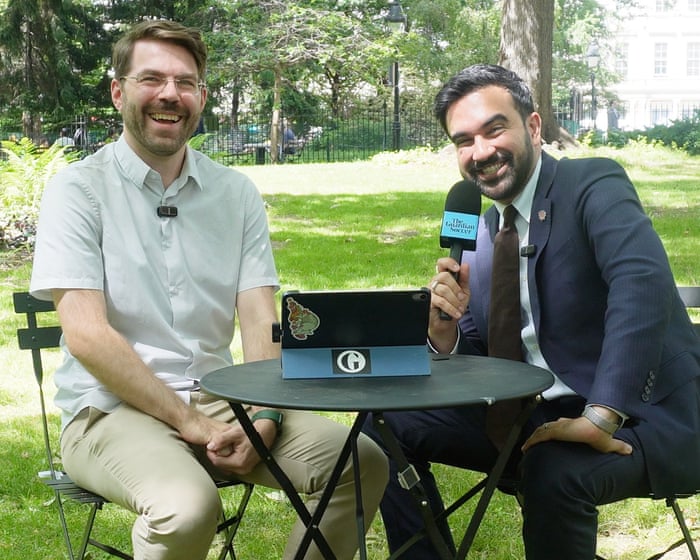
Jonathan Freedland speaks to Rachel Leingang about her reporting across the midwest, where she has charted the renaissance of progressive populism
The New York City mayor, Zohran Mamdani, briefly stepped away from City Hall to tackle the ultimate soccer challenge: predicting the entire World Cup bracket In the Guardian's exclusive interactive game. From shocking early exits to his definitive pick for the final, see how Mamdani maps out the world’s biggest tournament
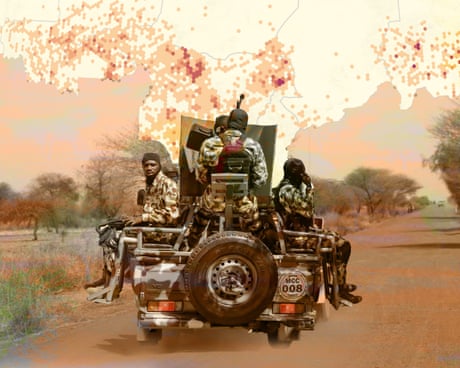
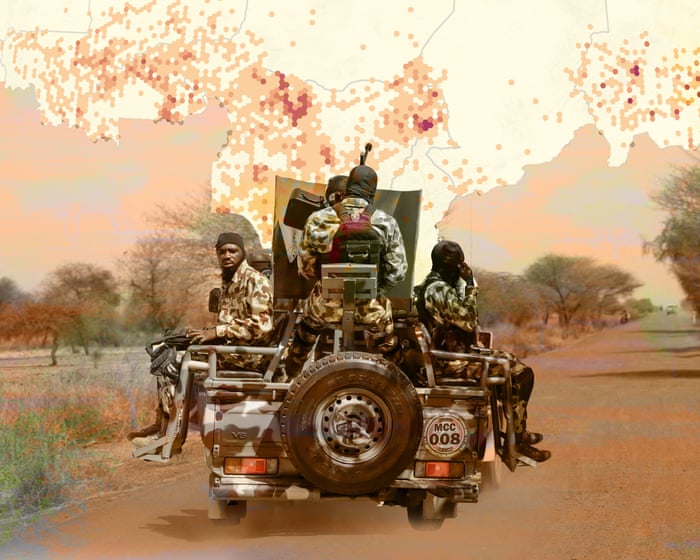
Data lays bare the extent and geographical spread of attacks in Africa’s most populous country
Data from Acled and the Global Terrorism Index shows that after a few years of improvement, insecurity in Nigeria has worsened. With general elections less than a year away, the crisis has come under increasing scrutiny – both abroad and at home.
Experts say the primary long-term driver of insecurity is a governance vacuum across much of the country. On paper Nigeria is a federation comprising 36 states and 774 local government council areas, but in practice power is heavily centralised at the federal level. Resources trickle down to states in limited quantities and are distributed in far smaller amounts to local government councils, largely at the discretion of governors.

 Anmelden