❌

Lese-Ansicht

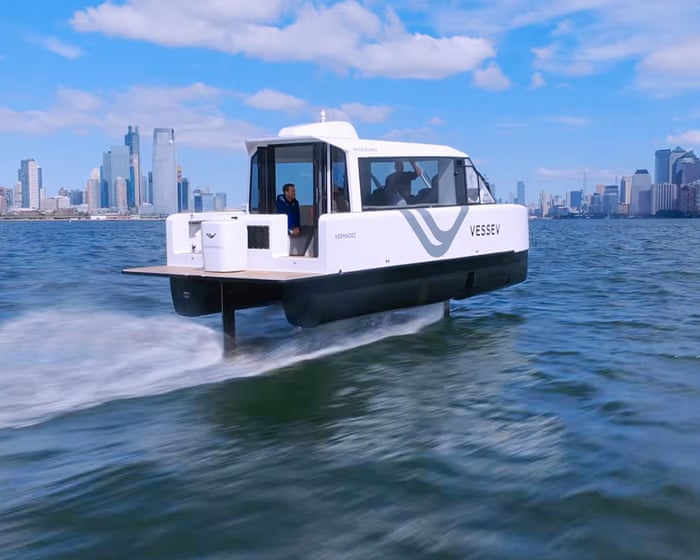
A new wave of electric ferries is here in the US. Some even fly

Replacing diesel-powered ferries with electric vessels could reduce emissions and improve air quality

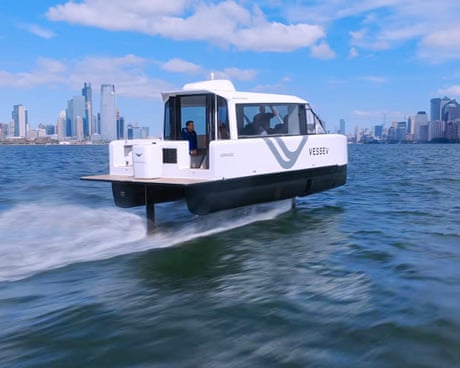
Cutting through New York Harbor in the shadow of the Statue of Liberty, the small white boat we were riding on caught the attention of passengers aboard a nearby sightseeing ferry.

“It’s quite a curiosity at the moment,” Eric Laakmann, the chief executive and co-founder of Vessev, said.

Climate Central is an independent group of scientists and communicators who research and report the facts about our changing climate and how it affects people’s lives.

Continue reading...
© Photograph: Climate Central
© Photograph: Climate Central
© Photograph: Climate Central
  •  

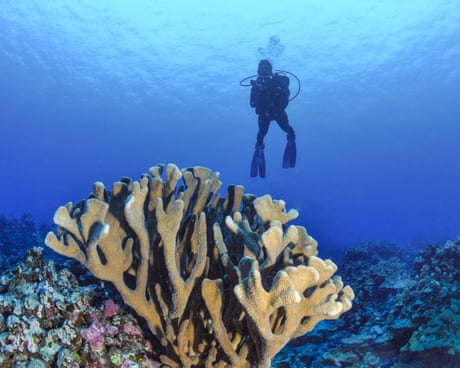
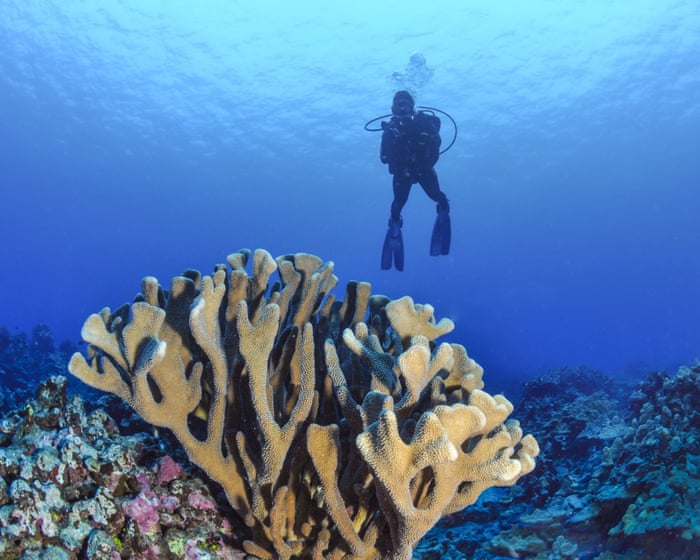
Almost every shallow-water coral reef on the planet faces ecosystem collapse by 2075, UN advisors say

Assessment finds global heating is endangering 96% of coral reefs across 80 countries – a figure scientists say should serve as a ‘wake-up call’

Almost every shallow-water coral reef on the planet, including Australia’s Great Barrier Reef, faces a high risk of ecosystem collapse before 2075 because of global heating, according to an assessment by United Nations nature advisers.

About 24% of the planet’s reefs across more than 80 countries are already critically endangered, the assessment said, but when the expected impacts of global heating were added this rose to 96%.

Sign up to get climate and environment editor Adam Morton’s Clear Air column as a free newsletter

Continue reading...

© Photograph: Lindsey Kramer/Hawaii Wildlife Fund/IUCN

© Photograph: Lindsey Kramer/Hawaii Wildlife Fund/IUCN

© Photograph: Lindsey Kramer/Hawaii Wildlife Fund/IUCN

  •  

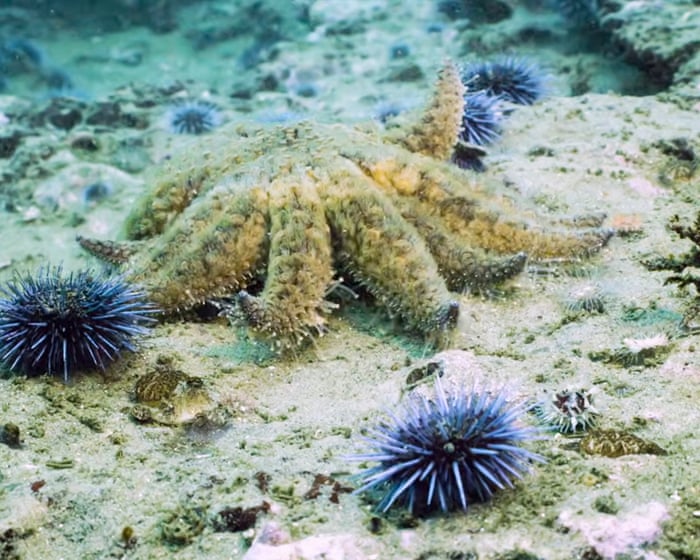
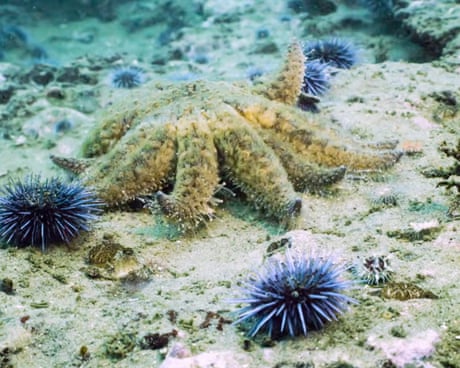
Scientists deploy a 24-armed secret weapon to save California’s kelp forests

Team works to restore the sunflower sea star as 95% of these key underwater ecosystems have been decimated along the Pacific coast in past decade

Off the coast of Monterey, California, a team of researchers is gearing up for its first dive of the day into the cold and choppy waters of the Pacific Ocean.

On the back deck of the boat, Ashley Kidd, a co-founder of the non-profit Sunflower Star Laboratory, gave the divers their final command: “Dive No 1 … stars in the water.”

Continue reading...

© Photograph: Climate Central

© Photograph: Climate Central

© Photograph: Climate Central
  •  

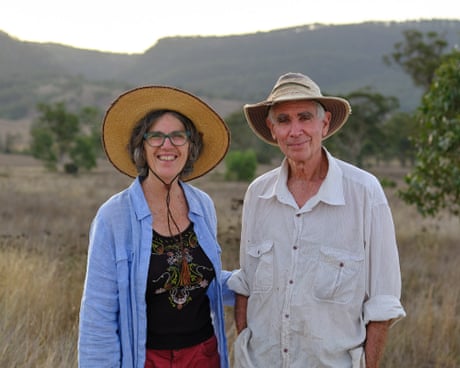
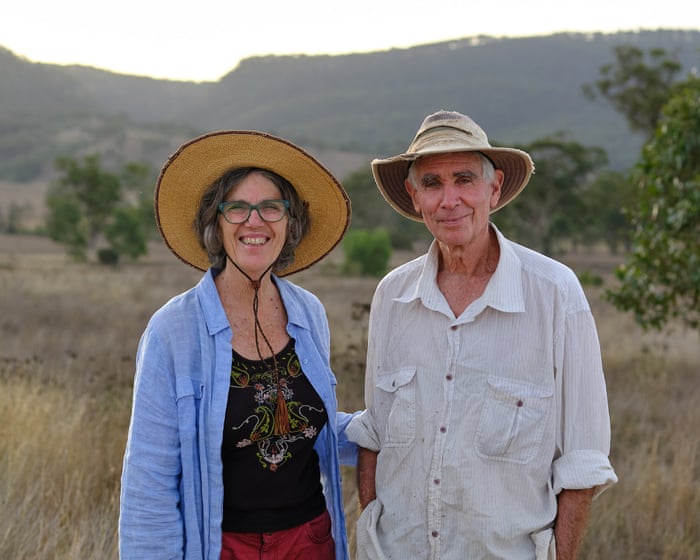
‘A real-life moment from The Castle’: the retired Australian couple who took on a coal giant and won

Wendy Wales and Tony Lonergan’s four-year fight over MACH Energy’s Mount Pleasant coalmine went all the way to the high court

When Wendy Wales and Tony Lonergan and a few of their neighbours in the New South Wales Hunter region decided to take on the expansion of a local coalmine, people thought they were “crazy” to engage in the David and Goliath battle.

“When we started this, people thought we were crazy – a little community group taking on a billion-dollar coal company, arguing that the climate harm from burning this coal is our problem too,” Wales says.

Sign up to get climate and environment editor Adam Morton’s Clear Air column as a free newsletter

Continue reading...

© Photograph: Climate Media Centre/ZoeLonergan

© Photograph: Climate Media Centre/ZoeLonergan

© Photograph: Climate Media Centre/ZoeLonergan

  •  

Whales on Australia’s ‘humpback highway’ are at growing risk of injury from boat and propeller strikes

Exclusive: Images show deep cuts and damage to tails and fins, as experts warn the migrating species often aren’t able to avoid a collision

Gruesome images of adult and juvenile humpback whales along Australia’s east coast with slash and gouge injuries from boat and propeller strikes highlight what experts say is a growing problem, as the population booms 60 years after the ban on whaling.

Missing tail parts, deep red lacerations and shocking injuries to the spine of a whale calf can be clearly seen on the images, gathered by WWF Australia and shared with the Guardian.

Continue reading...

© Photograph: Isabel Taylor Pacific Whale Foundation Eco Adventures Australia

© Photograph: Isabel Taylor Pacific Whale Foundation Eco Adventures Australia

© Photograph: Isabel Taylor Pacific Whale Foundation Eco Adventures Australia

  •  

An EV sold every 100 seconds: Australian demand for electric cars more than doubles

A record 157,957 new EVs were sold nationally between January and June, according to the Electric Vehicle Council

Australians are buying electric vehicles at record levels, with sales more than doubling year on year and occurring at a rate equivalent to one EV sold every 100 seconds.

A record 157,957 EV sales occurred between January and June – an 117% increase on the same period last year, according to a new report released by the Electric Vehicle Council.

Continue reading...

© Photograph: James D Morgan/Getty Images

© Photograph: James D Morgan/Getty Images

© Photograph: James D Morgan/Getty Images

  •  

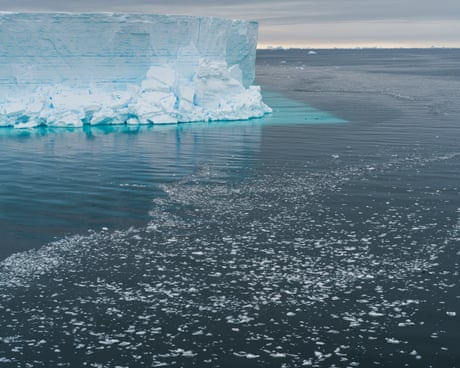
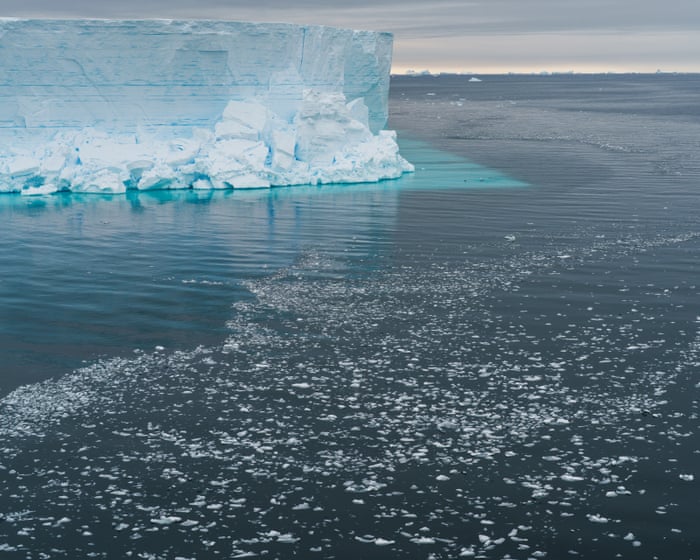
Antarctic winter sea ice falls to third-lowest level on record as scientists warn of ‘now problem’

Coverage levels fall a million square kilometres short of the long-term average, with global heating likely driving losses

Antarctica’s winter sea ice has peaked at its third-lowest level on record, falling a million square kilometres – or almost 400,000 square miles – short of the long-term average, scientists have confirmed.

Confirmation of the peak meant the four lowest years on record for the continent’s sea ice – a vital component of the planet’s climate and critical for marine life – had all occurred in the past four years.

Continue reading...

© Photograph: Hongjie Han/Getty Images

© Photograph: Hongjie Han/Getty Images

© Photograph: Hongjie Han/Getty Images

  •  

El Niño and global heating pushes water vapour in Earth’s atmosphere to record levels in August

Global heating contributes to record, with a warmer atmosphere able to hold more water, scientists say

The planet’s atmosphere held more water vapour in August than any other month on record, further increasing the risk of extreme heat and rainfall around the world, according to Europe’s climate change service.

Climate scientists said global heating was a contributor to the record because a warmer atmosphere can hold more water, and the historic El Niño in the Pacific Ocean was also likely pushing water vapour levels up.

Continue reading...

© Photograph: Matías Basualdo/ZUMA Press Wire/Shutterstock

© Photograph: Matías Basualdo/ZUMA Press Wire/Shutterstock

© Photograph: Matías Basualdo/ZUMA Press Wire/Shutterstock

  •  

NSW may not be able to prosecute large-scale water theft due to doubts about licences for billions of litres

Successful legal challenge raises questions about hundreds of floodplain harvesting licences issued by former Coalition government

The New South Wales water regulator has cast doubt over its ability to prosecute potential water theft due to uncertainty about the validity of licences governing billions of litres of water entitlements in the state’s north.

It follows a successful legal challenge brought by a group of irrigators in the state’s north-west which found 11 floodplain harvesting licences issued by the former Coalition government were invalid.

Continue reading...

© Photograph: Photography by Mangiwau/Getty Images

© Photograph: Photography by Mangiwau/Getty Images

© Photograph: Photography by Mangiwau/Getty Images

  •  

When bird flu hit the UK, suffering seabirds died in their thousands. Australia’s wild flocks will soon do the same

Australia’s bird population will experience ‘large mortalities’ and risk species loss, modelling based on global outbreaks shows

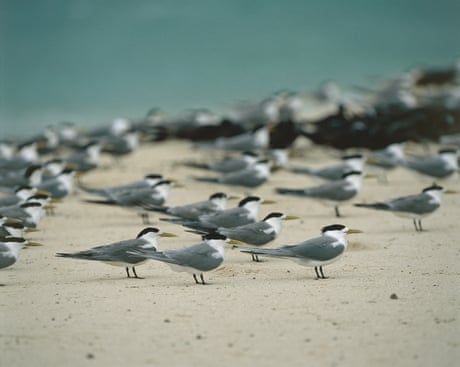
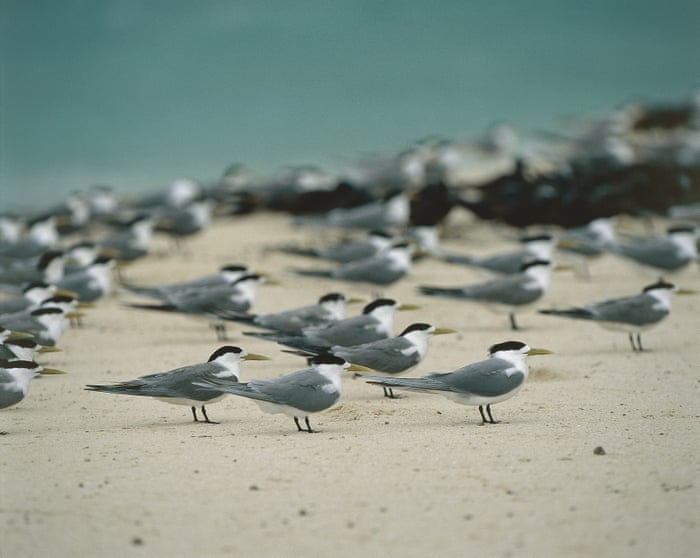
Sandwich terns are a graceful seabird known for their committed, forceful and spectacular plunging dives into the ocean to catch fish.

Thousands of the species started to fall sick across Europe in 2022 with tens of thousands dying as a lineage of the H5N1 bird flu – 2.3.4.4b – spread through the continent’s wild flocks.

Sign up to get climate and environment editor Adam Morton’s Clear Air column as a free newsletter

Continue reading...

© Photograph: DEA/P. JACCOD/De Agostini/Getty Images

© Photograph: DEA/P. JACCOD/De Agostini/Getty Images

© Photograph: DEA/P. JACCOD/De Agostini/Getty Images

  •  

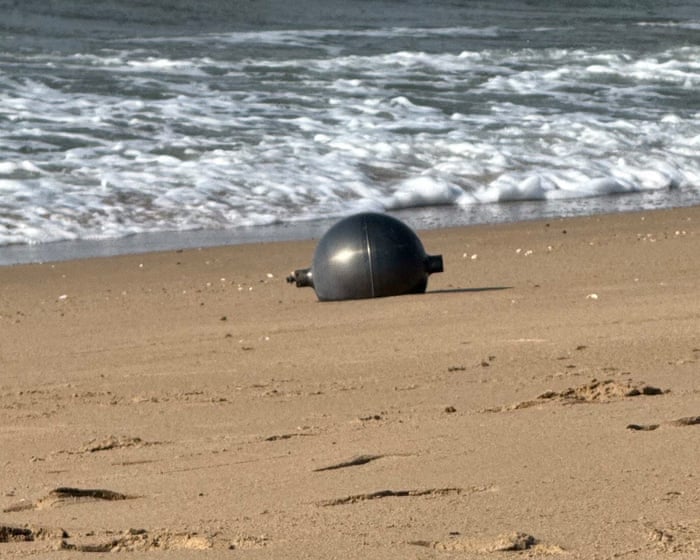
Likely origin of mysterious ‘space balls’ found on Queensland beaches revealed by Australian Space Agency

Organisation says objects consistent with ‘debris from a foreign rocket body that recently re-entered the atmosphere’

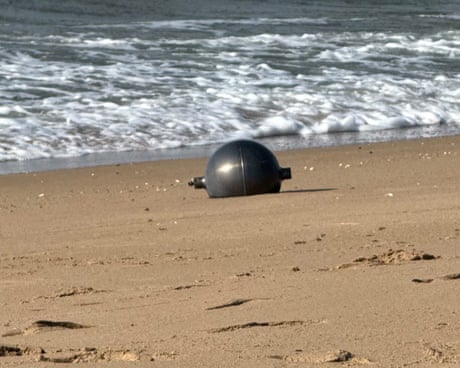
The Australian Space Agency has said the six so-called “space balls” found in north Queensland were likely from a “foreign rocket body” that had recently re-entered the atmosphere after being in orbit.

The six mysterious objects were found by the public washed ashore in the Forrest Beach area, north of Townsville, on Friday, Saturday and Sunday and were suspected of containing hazardous chemicals.

Continue reading...

© Photograph: Queensland Fire Department

© Photograph: Queensland Fire Department

© Photograph: Queensland Fire Department

  •  

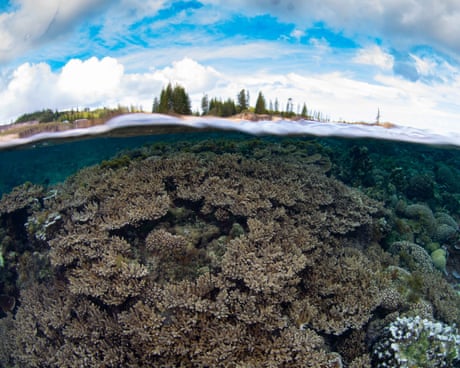
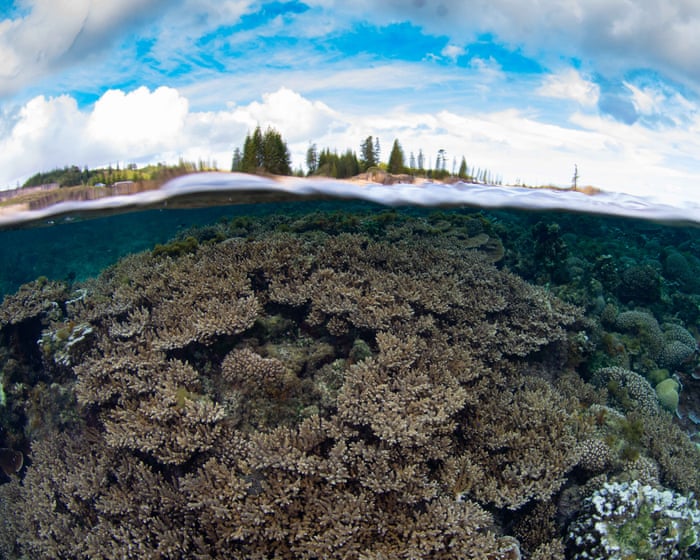
Norfolk Island’s unique corals under triple threat from disease, El Niño and now government-approved dredging

Exclusive: Most of the island’s corals are likely to be species that have not been formally described by science, researcher says

Scientists fear unique corals that fringe Australia’s remote Norfolk Island could disappear because of a triple threat of disease, El Niño and a federal government plan to dredge a neighbouring shipping channel.

A failure to manage sediment and pollution washing into bays from cattle farming, cleared land along with wastewater has been blamed for widespread disease and outbreaks of algae over the corals.

Continue reading...

© Photograph: Tom Bridge

© Photograph: Tom Bridge

© Photograph: Tom Bridge

  •  

As seas rise, American history could be washed away

In Jamestown, Virginia, one of the most important places in American history is in a race against time from rising waters

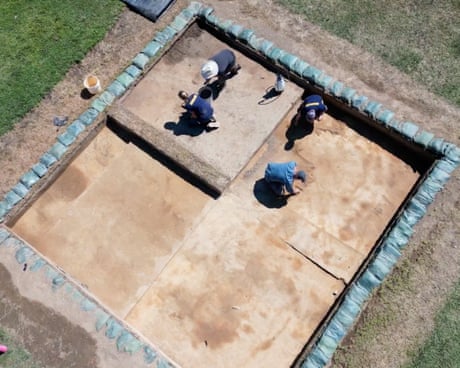
Sean Romo stops digging the moment he sees a faint line emerge in the sandy Virginia soil.

It’s just a slight change in color, but to Romo, director of archaeology for Jamestown Rediscovery, it may be another piece of America’s origin story.

Climate Central is an independent group of scientists and communicators who research and report the facts about our changing climate and how it affects people’s lives

Continue reading...

© Photograph: Climate Central

© Photograph: Climate Central

© Photograph: Climate Central
  •  

A spate of shark bites has Australian ocean lovers on edge. People want to know why they’re rising

Warming ocean temperatures mean sharks are spending more time in high-population areas, yet shark net data shows no significant changes in numbers

Rob Harcourt is heading back from a “beautiful surf” at Bondi on a warm and sunny winter’s morning in Sydney.

But for him and many of his surfing mates, the compelling pull of the city’s world famous surf breaks has been neutered by tragedy, fear and uncertainty.

Continue reading...

© Photograph: Jessica Hromas/The Guardian

© Photograph: Jessica Hromas/The Guardian

© Photograph: Jessica Hromas/The Guardian

  •  

Anthony Albanese says Australia’s first mainland case of deadly H5N1 bird flu ‘concerning’

Tests taken in Western Australia suggest a second bird was also infected, but there is no evidence poultry or agriculture systems are affected

The deadly H5N1 bird flu strain has arrived on the Australian mainland with test results confirming a migratory seabird found on the Western Australian coast was positive for the disease.

The agriculture minister, Julie Collins, confirmed a brown skua – found unwell last Sunday at Cape Le Grand national park near Esperance in southern WA had died from H5N1.

Continue reading...

© Photograph: Lukas Coch/AAP

© Photograph: Lukas Coch/AAP

© Photograph: Lukas Coch/AAP

  •  

Antarctica’s west coast missing an area of sea ice the size of France as temperatures peak 20C above average

Exclusive A vast area of the Bellingshausen Sea should be covered by sea ice by now, with one expert calling the loss of ice ‘depressing’

Antarctica’s west coast is missing an area of winter sea ice the size of France, sparking concerns for threatened penguins other marine life and global sea levels.

One expert said the loss of ice in the Bellingshausen Sea was “depressing” and the failure of ice to form could have intensified a heatwave over the continent’s peninsular last week that saw daytime temperatures peak at 15.4C which is more than 20C above average.

Continue reading...

© Photograph: Alex Ingle/Schmidt Ocean Institute

© Photograph: Alex Ingle/Schmidt Ocean Institute

© Photograph: Alex Ingle/Schmidt Ocean Institute

  •  

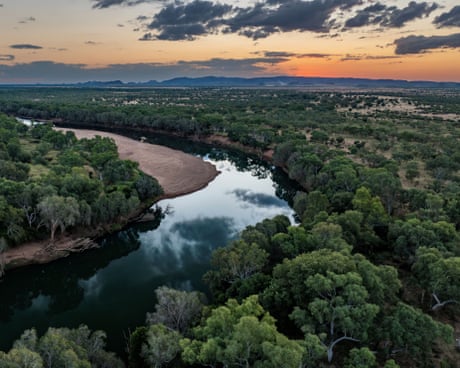
Concerns over US company’s gas fracking plan for world’s most intact tropical savanna in WA revealed

Federal environment department says Black Mountain Energy has provided insufficient data as it seeks to drill 20 gas wells in the Kimberley region

The federal government has repeatedly raised concerns about an American company’s bid to frack for gas in Western Australia’s Kimberley region, part of the world’s largest and most intact tropical savanna.

Texas-based Black Mountain Energy, through its subsidiary Bennett Resources, is seeking federal approval to drill 20 gas wells for its Valhalla project west of Fitzroy Crossing.

Continue reading...

© Photograph: Alex Westover/Environs Kimberley

© Photograph: Alex Westover/Environs Kimberley

© Photograph: Alex Westover/Environs Kimberley

  •  

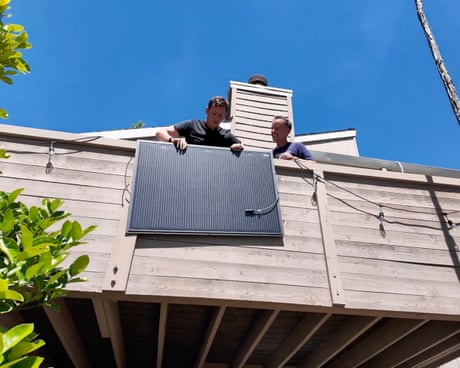
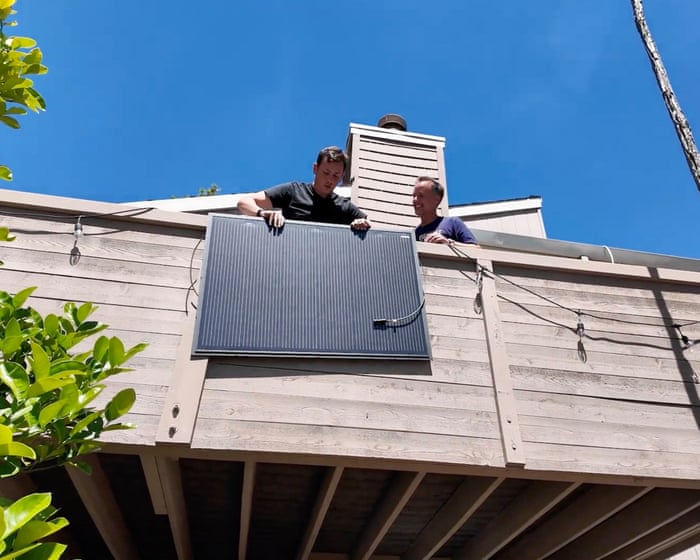
Power to the people: how ‘balcony solar’ could help fight rising US utility costs

More Americans are using small solar panels in their back yards or balconies as a clean way to cut their electric bills

If you feel like your electricity bill just keeps climbing, you aren’t imagining it. Since 2020, US residential energy prices have surged by about 30%, making power the largest household energy expense behind gasoline, according to the US Energy Information Administration.

But for residents like Alex Curtis, the days of feeling powerless against rising costs are coming to an end. Curtis is waging a war on his electric bill, and his new weapon of choice is a lightweight, thin-film solar panel.

Continue reading...

© Photograph: Climate Central

© Photograph: Climate Central

© Photograph: Climate Central
  •  

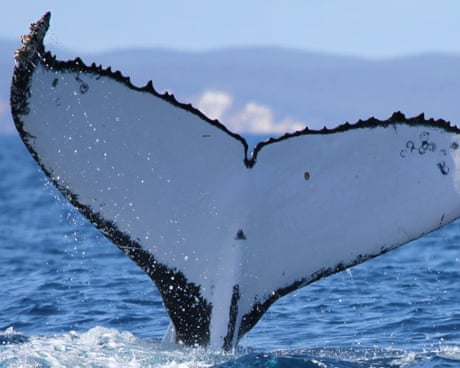
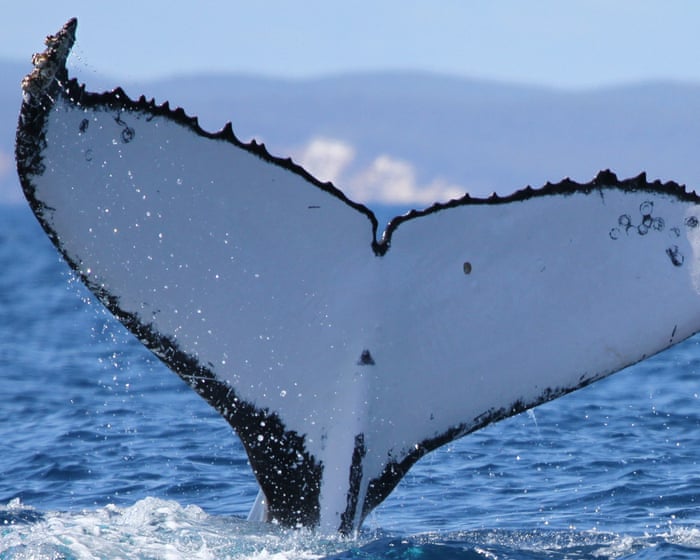
Twenty-two years and 15,000km later: fluke discovery sets new record for humpback whale journey

Whale first photographed off the coast of Brazil in 2003 spotted off north-east Australia in September 2025

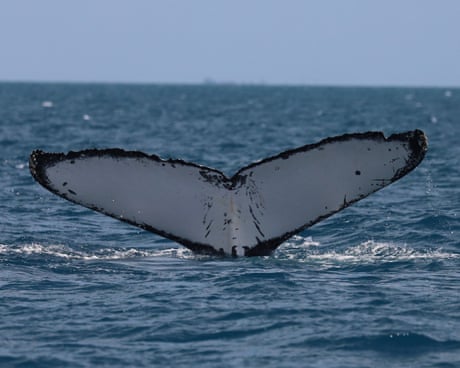
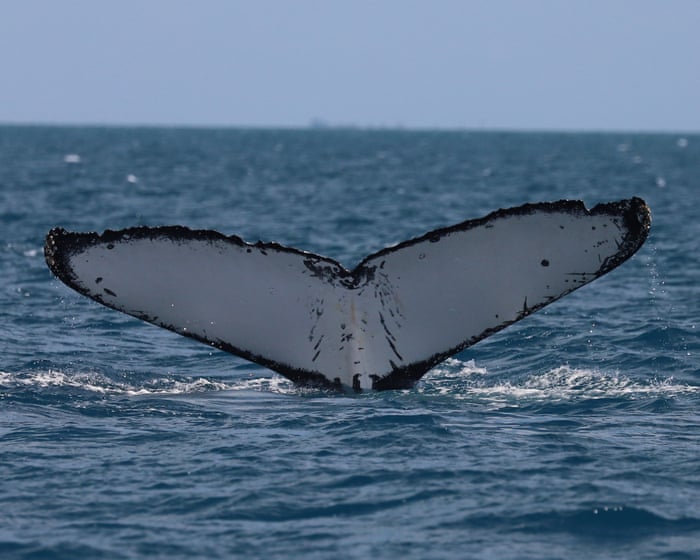
A humpback whale has made a 15,000km journey from Brazil to Australia, marking what researchers believe is the longest distance ever documented between sightings of an individual humpback.

The whale was first photographed in 2003 at the Abrolhos Bank, Brazil’s main humpback whale nursery, off the coast of the north-eastern state of Bahia. In September 2025, it was spotted again in Hervey Bay off the Queensland coast, representing a travel distance of about 15,100km.

Continue reading...

© Photograph: Pacific Whale Foundation

© Photograph: Pacific Whale Foundation

© Photograph: Pacific Whale Foundation

  •  

Soundtrack of the sea: divers use underwater speakers to help dying coral reefs

Divers are installing waterproof speakers in the ocean to help pull a coral reef near Jamaica back from the brink

The northern coast of Jamaica once served as the backdrop for scenes in the James Bond thriller No Time to Die. But today, beneath those same turquoise waves, a real-life mission is unfolding: the race to pull a dying coral reef back from the brink.

However, the tools a team of divers are carrying to the seafloor are not what you would expect to find in a marine biologist’s kit. They are installing waterproof speakers at the bottom of the ocean, and the man leading the team is not a scientist.

Continue reading...

© Photograph: Climate Central

© Photograph: Climate Central

© Photograph: Climate Central
  •  
❌