❌

Lese-Ansicht

Cop31: how far off target are we? - video

As the planet faces unprecedented human-caused global heating, heads of government are meeting in Turkey for the next fortnight for the latest round of climate talks. Madeleine Finlay tells co-host Ian Sample why these negotiations are so critical and what the chances are of meaningful change.

Continue reading...

© Photograph: The Guardian

© Photograph: The Guardian

© Photograph: The Guardian
  •  

What happens to your brain when the days get darker? - video

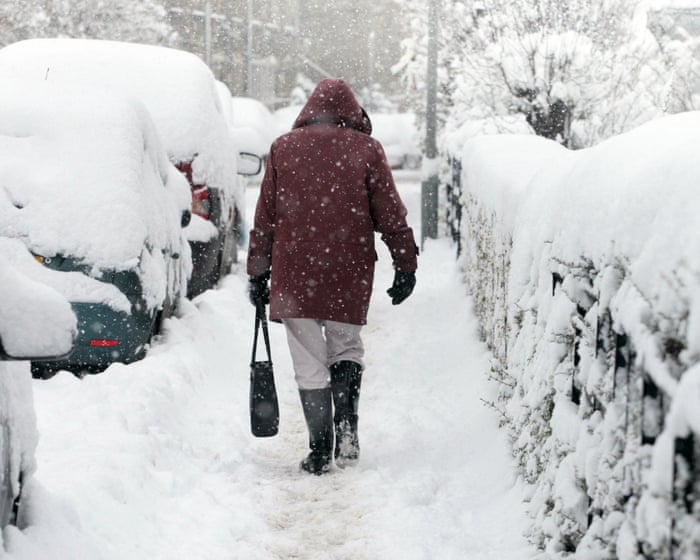
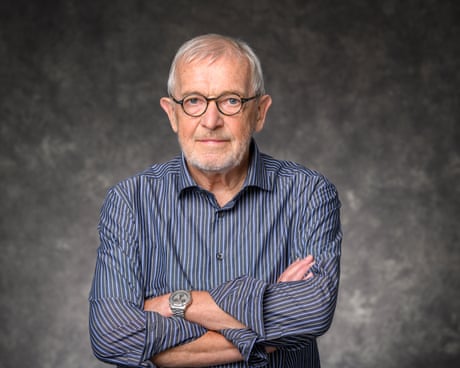
As the nights draw in, many of us can experience low mood. But for a small proportion of people a more intense depression develops through the winter months. It’s a phenomenon that since the 1980s has been labelled seasonal affective disorder, or Sad, and can be debilitating for sufferers. To find out more about the latest scientific understanding of Sad, Ian Sample speaks to Russell Foster, professor of circadian neuroscience at the University of Oxford. He explains what scientists think the mechanism for the condition could be and what the evidence says about the best way to tackle it.

In the UK and Ireland, Samaritans can be contacted on freephone 116 123. In the US, you can call or text the 988 Suicide & Crisis Lifeline at 988 or chat at 988lifeline.org. In Australia, the crisis support service Lifeline is 13 11 14. Other international helplines can be found at befrienders.org

Continue reading...

© Photograph: PA

© Photograph: PA

© Photograph: PA

  •  

‘These risks are real’: the threat of AI bioweapons - video

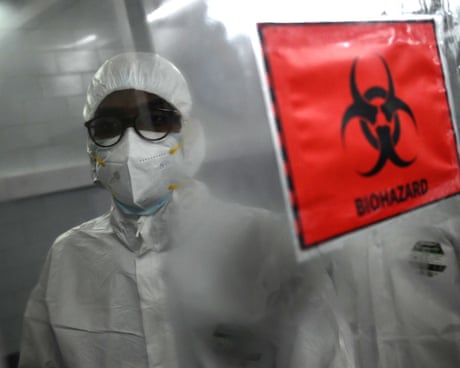
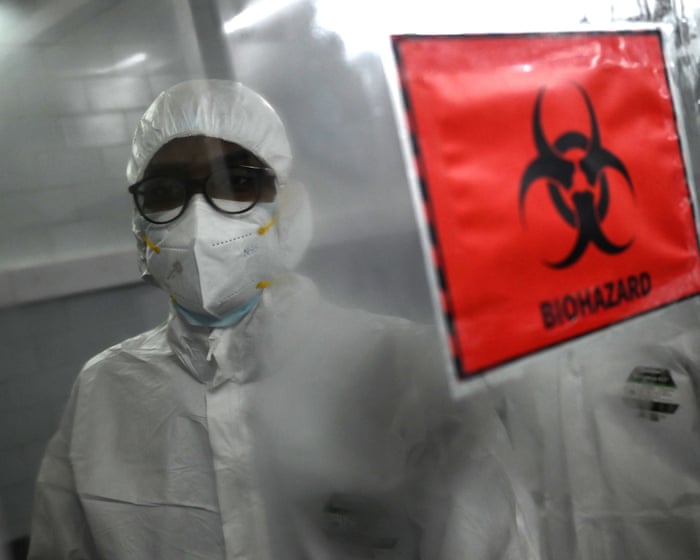
In his annual speech on threats to the nation, Sir Ken McCallum, the head of the UK’s intelligence service, MI5, warned that AI had the potential to ‘change the stakes’ on existing and even new bioweapons. To find out why, and how, Ian Sample speaks to Dr Tom Inglesby, director of the Johns Hopkins Center for Health Security and the Bloomberg School of Public Health. He explains what has governments so worried and what measures could be put in place to reduce the risks

Continue reading...

© Photograph: AFP/Getty Images

© Photograph: AFP/Getty Images

© Photograph: AFP/Getty Images

  •  

Is your boss watching you? The rise of AI surveillance at work - video

Workers have always been monitored by their bosses, first through output targets, and then via computer software labelled ‘bossware’. But AI is transforming the capabilities of these systems, processing huge volumes of data to provide minute-by-minute accounts of activity, and productivity. To find out more, Ian Sample hears from UK technology editor Robert Booth. He explains which sectors are adopting this approach, why they are doing it, and how it could end up being counterproductive.

Continue reading...

© Photograph: Alamy

© Photograph: Alamy

© Photograph: Alamy

  •  

The surprising psychology of morbid curiosity - video

US defence secretary Pete Hegseth’s plan to livestream the execution of Nidal Malik Hasan has incurred condemnation from human rights groups and politicians on all sides. But according to Coltan Scrivner, an author and psychologist at Arizona State University and expert on morbid curiosity, people are still likely to watch in large numbers. He explains why we are drawn to dark and disturbing content, and Madeleine Finlay tells Ian Sample how consuming this kind of material can harm observers’ mental health

Continue reading...

© Photograph: Reuters

© Photograph: Reuters

© Photograph: Reuters

  •  

Nobel prize in physics 2026: high energy cosmic neutrinos

Second up for the 2026 Nobel Prizes was the award for physics. And this year it went to just one scientist, Francis Halzen. The Belgian physicist won the prize based on his work on the IceCube detector that observes ghostly particles called neutrinos. Science editor Ian Sample tells host Madeleine Finlay how Halzen came up with the brilliant idea to use sensors buried in the ice to detect these extraterrestrial particles.

Continue reading...

© Photograph: University of Wisconsin–Madison HANDOUT/EPA

© Photograph: University of Wisconsin–Madison HANDOUT/EPA

© Photograph: University of Wisconsin–Madison HANDOUT/EPA

  •  
❌