❌

Lese-Ansicht

How a scientist went from hero to traitor in a US water crisis - video

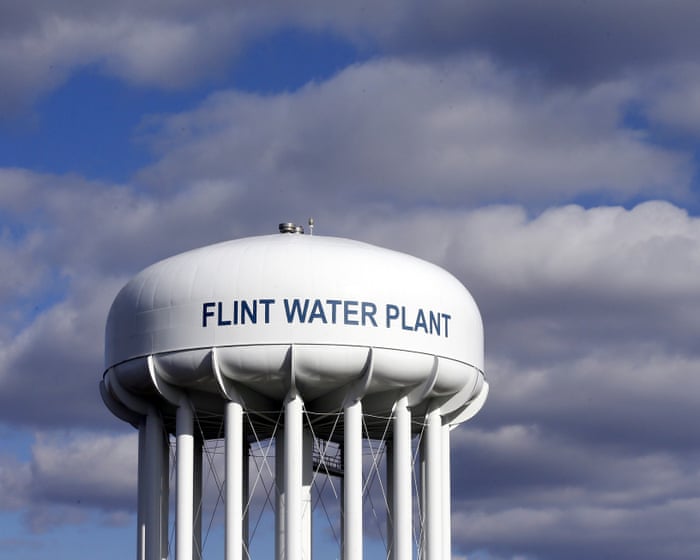
When the water in Flint, Michigan, became contaminated with dangerous levels of lead, Dr Siddhartha Roy, then a third year PhD student, was part of the team of scientists who publicly contradicted state and federal claims that it was safe. He became a local hero until a new piece of research challenged the idea that children in Flint had been left permanently brain damaged by the crisis. His adherence to the evidence, no matter who it offended, has earned him the 2026 Maddox prize, which recognises individuals who stand up for science and evidence, despite challenges or hostility. He tells Ian Sample how he reflects on his experience in Flint, and why he lost friends as a result of his work there

Continue reading...

© Photograph: AP
© Photograph: AP
© Photograph: AP

  •  

‘My hands are shaking’ - what it’s like to be an expert witness - video

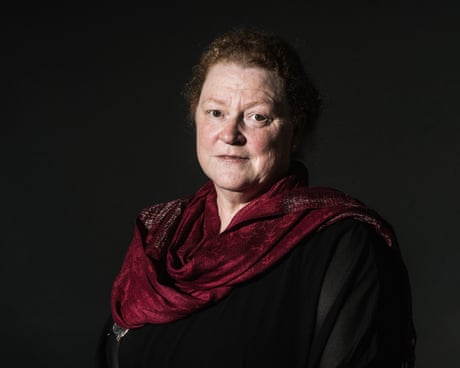
As one of the world’s leading forensic anthropologists, Dame Sue Black has acted as an expert witness in a myriad of high-profile criminal cases. Her work has taken her from the lab to active war zones and the aftermath of natural disasters to identify victims’ bodies. Speaking to Ian Sample, the professor explains why standing up in front of a judge and jury has been one of the more terrifying parts of her career, the reputational risk of presenting evidence in court and what the future of forensic science could look like

Continue reading...

© Photograph: Awakening/Getty Images

© Photograph: Awakening/Getty Images

© Photograph: Awakening/Getty Images

  •  

Is your boss watching you? The rise of AI surveillance at work - video

Workers have always been monitored by their bosses, first through output targets, and then via computer software labelled ‘bossware’. But AI is transforming the capabilities of these systems, processing huge volumes of data to provide minute-by-minute accounts of activity, and productivity. To find out more, Ian Sample hears from UK technology editor Robert Booth. He explains which sectors are adopting this approach, why they are doing it, and how it could end up being counterproductive.

Continue reading...

© Photograph: Alamy

© Photograph: Alamy

© Photograph: Alamy

  •  

From paleo to intermittent fasting: are any diets actually good for us? - video

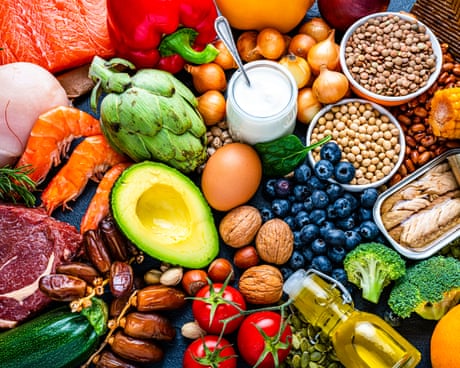
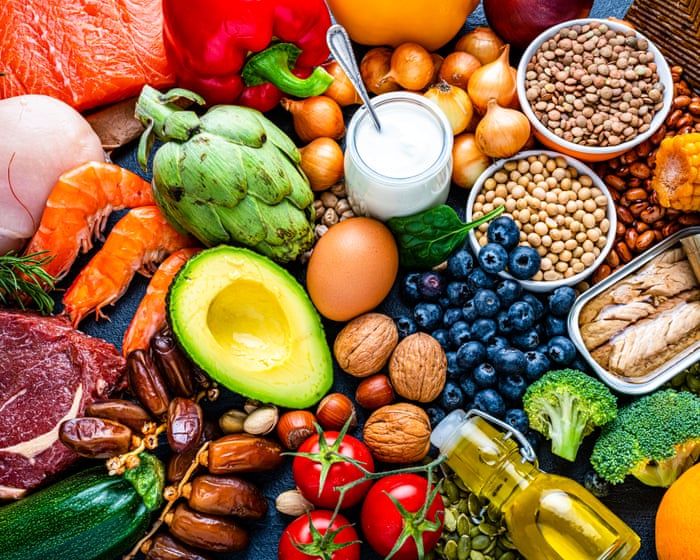
As diet trends proliferate on social media, it can be hard to work out which are backed by science and which should be ignored. From paleo to keto, raw food to intermittent fasting, each attracts a tribe of ardent followers. Now Daniel Lieberman, professor of biological sciences at Harvard University, has written a book to try to cut through the noise. In Fed Up, he uses his background as an evolutionary anthropologist to scrutinise the evidence, turning himself into a guinea pig in the process and trying various diets. In this podcast, he tells Ian Sample which one has remained part of his routine

Continue reading...

© Photograph: Getty Images

© Photograph: Getty Images

© Photograph: Getty Images

  •  

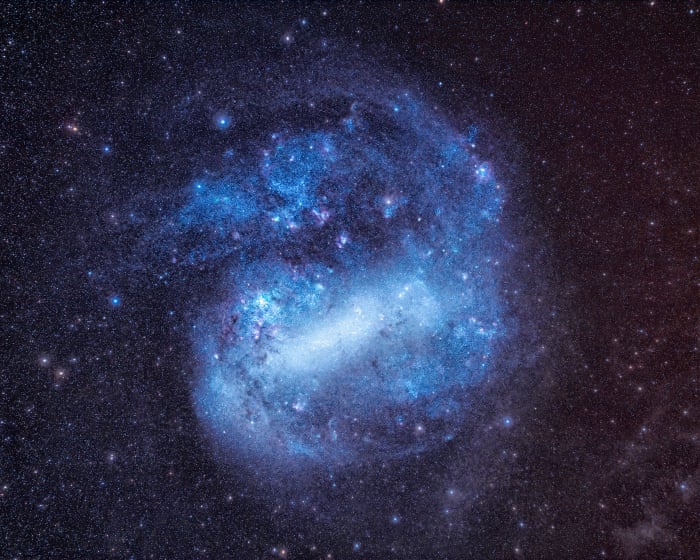
Have scientists finally detected dark matter? - video

For decades physicists have been puzzling over the enigma of dark matter. We think it makes up 85% of the matter in the universe, but the mysterious substance cannot be seen or detected, and we know about it mainly through observations of the gravitational effects it has on other things. But now scientists believe they may be a step closer to detecting it. Science editor Ian Sample explains to Madeleine Finlay why, if confirmed, the finding could completely transform our understanding of the universe. And Dr Samuel Erikson, senior research associate at the University of Bristol, and first author of the research paper, explains how the finding has been received in the physics community

Continue reading...

© Photograph: VWPics/Universal Images Group/Getty Images

© Photograph: VWPics/Universal Images Group/Getty Images

© Photograph: VWPics/Universal Images Group/Getty Images

  •  
❌