❌

Lese-Ansicht

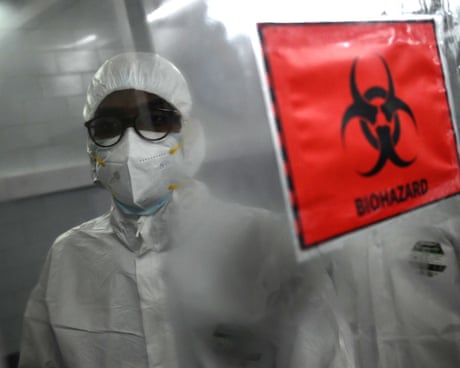
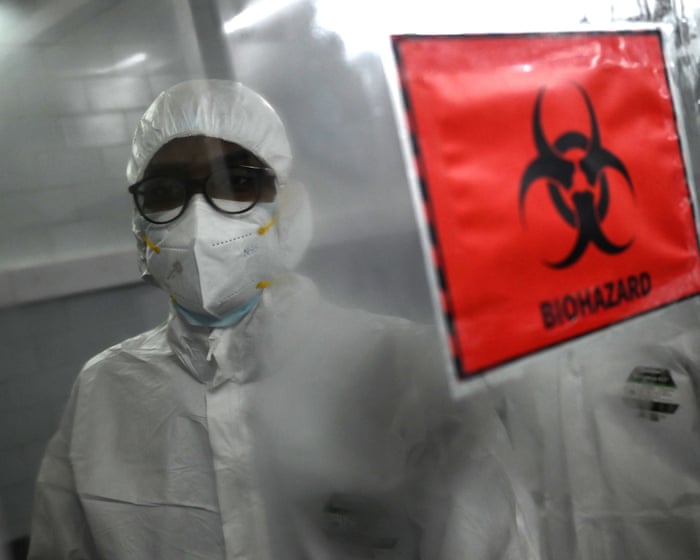
‘These risks are real’: the threat of AI bioweapons - video

In his annual speech on threats to the nation, Sir Ken McCallum, the head of the UK’s intelligence service, MI5, warned that AI had the potential to ‘change the stakes’ on existing and even new bioweapons. To find out why, and how, Ian Sample speaks to Dr Tom Inglesby, director of the Johns Hopkins Center for Health Security and the Bloomberg School of Public Health. He explains what has governments so worried and what measures could be put in place to reduce the risks

Continue reading...

© Photograph: AFP/Getty Images
© Photograph: AFP/Getty Images
© Photograph: AFP/Getty Images

  •  

The surprising psychology of morbid curiosity - video

US defence secretary Pete Hegseth’s plan to livestream the execution of Nidal Malik Hasan has incurred condemnation from human rights groups and politicians on all sides. But according to Coltan Scrivner, an author and psychologist at Arizona State University and expert on morbid curiosity, people are still likely to watch in large numbers. He explains why we are drawn to dark and disturbing content, and Madeleine Finlay tells Ian Sample how consuming this kind of material can harm observers’ mental health

Continue reading...

© Photograph: Reuters

© Photograph: Reuters

© Photograph: Reuters

  •  

Nobel prize in physics 2026: high energy cosmic neutrinos

Second up for the 2026 Nobel Prizes was the award for physics. And this year it went to just one scientist, Francis Halzen. The Belgian physicist won the prize based on his work on the IceCube detector that observes ghostly particles called neutrinos. Science editor Ian Sample tells host Madeleine Finlay how Halzen came up with the brilliant idea to use sensors buried in the ice to detect these extraterrestrial particles.

Continue reading...

© Photograph: University of Wisconsin–Madison HANDOUT/EPA

© Photograph: University of Wisconsin–Madison HANDOUT/EPA

© Photograph: University of Wisconsin–Madison HANDOUT/EPA

  •  

The incredible science of memory manipulation

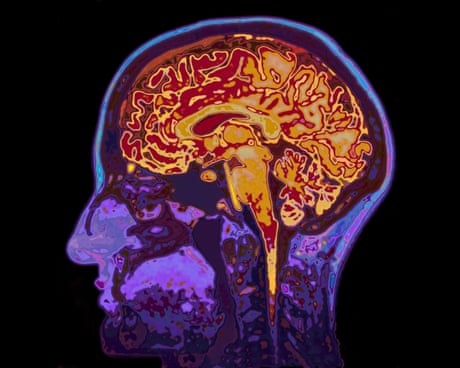
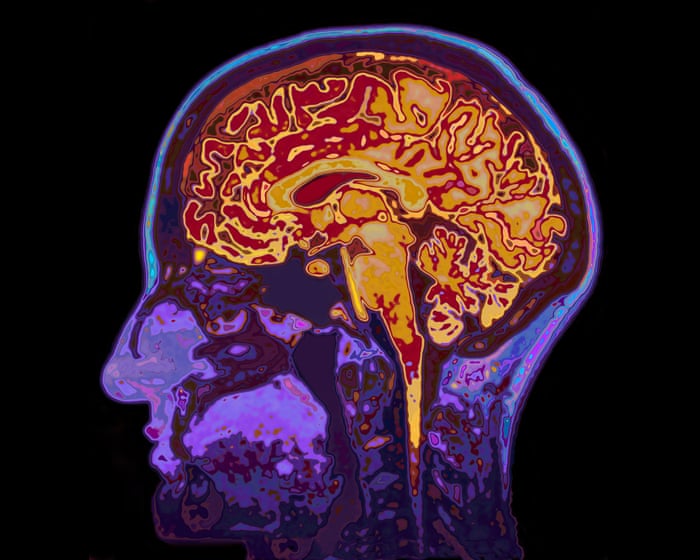
Madeleine Finlay hears from Steve Ramirez, an associate professor of psychological and brain sciences at Boston University, whose book How to Change a Memory was shortlisted for this year’s Royal Society Trivedi science book prize. He explains how scientists have been able to locate memories in the brains of rodents, trigger them artificially and even remove them, and reveals what the practical applications of this science could one day be for humans.

Continue reading...

© Photograph: Alamy

© Photograph: Alamy

© Photograph: Alamy

  •  

Are rich people really worse behaved? Here’s the science – video

Who’s more likely to steal sweets from a child? According to science, it’s the rich. A study seemingly confirming our suspicions about the moral behaviour of the wealthy was one of the winners of the 2026 Ig Nobel prizes, which honour research that makes you laugh and then think. Science editor Ian Sample tells Madeleine Finlay what the researchers think could be behind the phenomenon, and they explore some of the other awards, including one for a surprising quality we look for in our friends and another for a biomechanical definition of kissing

Continue reading...

© Photograph: Getty Images

© Photograph: Getty Images

© Photograph: Getty Images

  •  

There’s a quick way to slow climate change. Why isn’t everyone doing it? - video

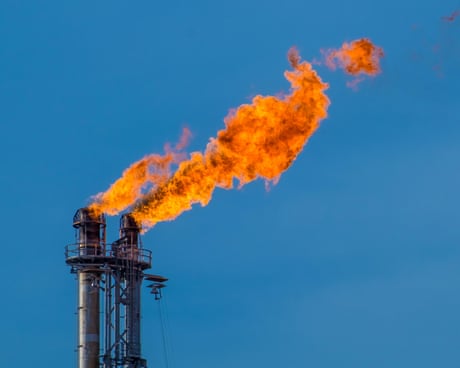
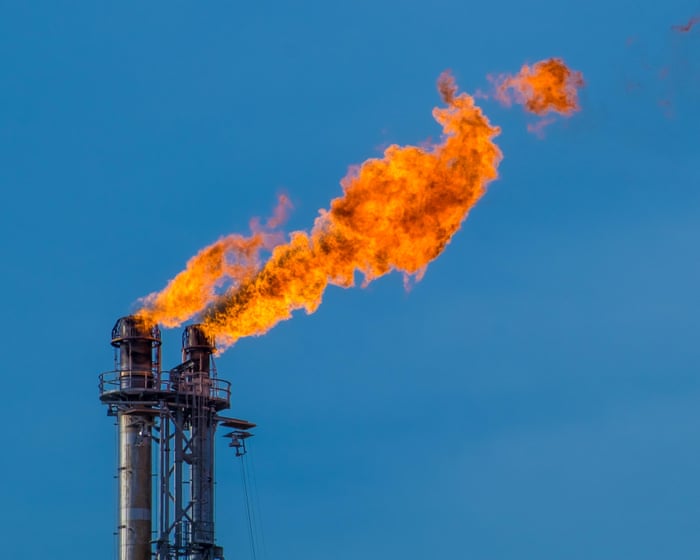
Methane is a potent greenhouse gas that traps more than 80 times as much heat than carbon dioxide over a 20-year period and causes 25% of global heating today. We definitely don’t want this gas spewing needlessly into the atmosphere, but in 2023 that’s exactly what environment editor Damian Carrington found was happening when he reported on 1,000 super-emitting methane leaks across the globe. Now Turkmenistan, the worst country for mega-leaks, has begun to plug them. Damian tells Madeleine Finlay why some experts call stopping leaks the climate ‘emergency brake’ and reveals which countries are still failing to act.

Continue reading...

© Photograph: Alamy

© Photograph: Alamy

© Photograph: Alamy

  •  

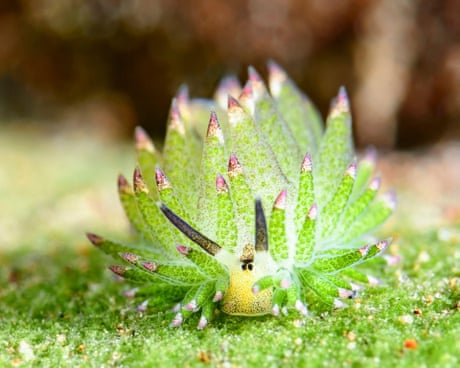
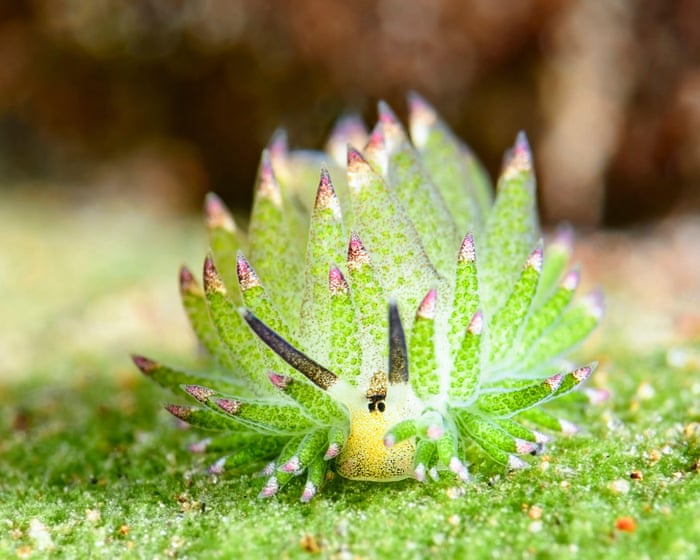
The mindblowing invertebrates you have never heard of – video

Each year the Guardian runs a competition to find the invertebrate of the year. To find out more about the 2026 nominees, science editor Ian Sample hears from climate reporter Petra Stock, environment reporter Oliver Milman and Science Weekly co-host Madeleine Finlay. They each nominate an incredible invertebrate that you might never have heard of, and argue why their choice should come top. Vote for your favourite now and the winner will be unveiled on 17 August

Continue reading...

© Photograph: Alamy

© Photograph: Alamy

© Photograph: Alamy

  •  
❌