❌

Lese-Ansicht

What science can tell us about the art of conversation - video

Scientists at Dartmouth College in New Hampshire say they have discovered a telltale sign of an enjoyable conversation. Apparently the secret of a mutually satisfying chat is a healthy dose of pink noise. Guardian science editor Ian Sample tells co-host Madeleine Finlay how this concept usually associated with physics can be applied to conversation, and what the secret to pinkifying our chats could be.

Continue reading...

© Photograph: Getty Images

© Photograph: Getty Images

© Photograph: Getty Images

  •  

Fake film deals and emails from top agents: who is behind the explosion in literary scams? – podcast

Writers are being bombarded daily with invitations from fake book groups and offers to publicise their work. For the scamming industry, aspiring authors can be a soft touch

By Snigdha Poonam. Read by Maya Saroya

Read the text version here

Support the Guardian today: theguardian.com/longreadpod

Published in The Dial as The Lucrative World of Literary Scams

Continue reading...

© Illustration: Anaïs Mims/Guardian Design

© Illustration: Anaïs Mims/Guardian Design

© Illustration: Anaïs Mims/Guardian Design

  •  

Obesity: how to stop millions being misdiagnosed - video

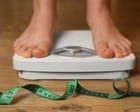
An alternative to BMI for diagnosing obesity could prevent misdiagnosis in millions of people worldwide, according to doctors who found it more accurately distinguished healthy people from those with harmful excess body fat. Guardian Science editor Ian Sample takes co-host Madeleine Finlay through why BMI is flawed, and how the new framework could improve precision medicine.

Continue reading...

© Photograph: Getty Images

© Photograph: Getty Images

© Photograph: Getty Images
  •  

Cop31: how far off target are we? - video

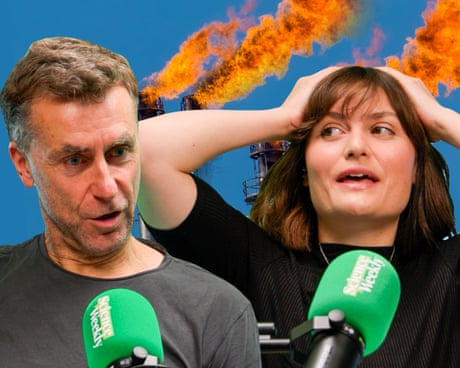
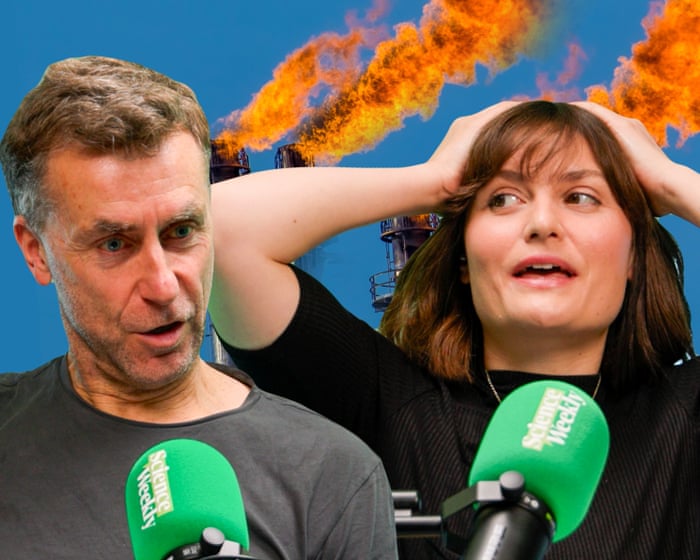
As the planet faces unprecedented human-caused global heating, heads of government are meeting in Turkey for the next fortnight for the latest round of climate talks. Madeleine Finlay tells co-host Ian Sample why these negotiations are so critical and what the chances are of meaningful change.

Continue reading...

© Photograph: The Guardian

© Photograph: The Guardian

© Photograph: The Guardian

  •  

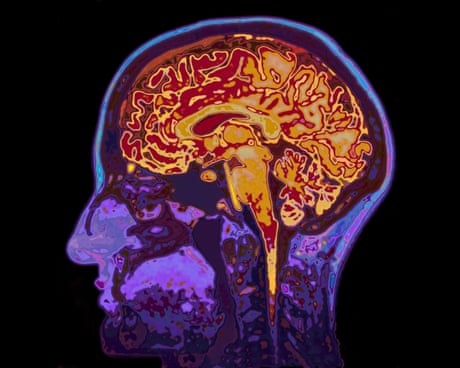
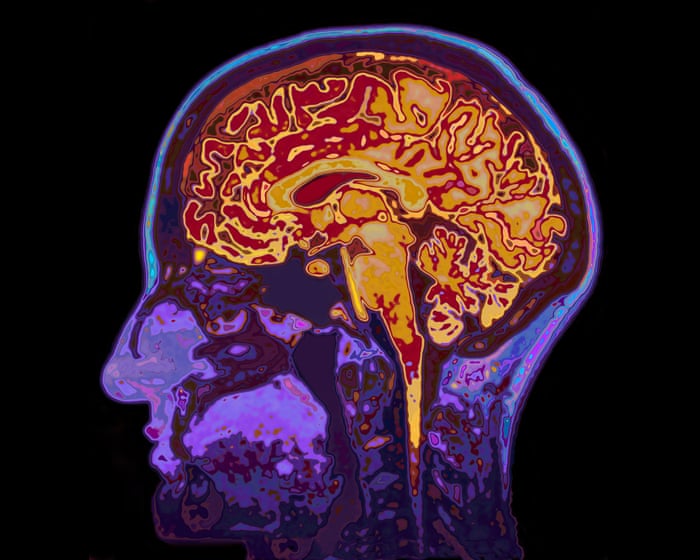
What happens to your brain when the days get darker? - video

As the nights draw in, many of us can experience low mood. But for a small proportion of people a more intense depression develops through the winter months. It’s a phenomenon that since the 1980s has been labelled seasonal affective disorder, or Sad, and can be debilitating for sufferers. To find out more about the latest scientific understanding of Sad, Ian Sample speaks to Russell Foster, professor of circadian neuroscience at the University of Oxford. He explains what scientists think the mechanism for the condition could be and what the evidence says about the best way to tackle it.

In the UK and Ireland, Samaritans can be contacted on freephone 116 123. In the US, you can call or text the 988 Suicide & Crisis Lifeline at 988 or chat at 988lifeline.org. In Australia, the crisis support service Lifeline is 13 11 14. Other international helplines can be found at befrienders.org

Continue reading...

© Photograph: PA

© Photograph: PA

© Photograph: PA

  •  

Is ‘ferritin face’ real? Why your iron levels might be low - video

Social media is awash with claims iron deficiency can be identified in the mirror by dark circles, breaking hair and dry skin. But is ‘ferritin face’ real? Madeleine Finlay tells Ian Sample why so many of us struggle to keep our iron levels up, how we can actually diagnose low iron and the best way to correct a deficiency, with help from Hal Drakesmith, a professor of iron biology at Oxford University, and advice from Dr Sue Pavord, a consultant haematologist at Oxford university hospitals and associate senior lecturer in clinical medicine at St Edmund Hall.

Continue reading...

© Photograph: Alamy

© Photograph: Alamy

© Photograph: Alamy

  •  

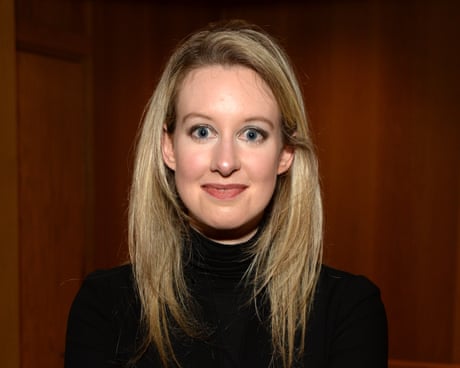
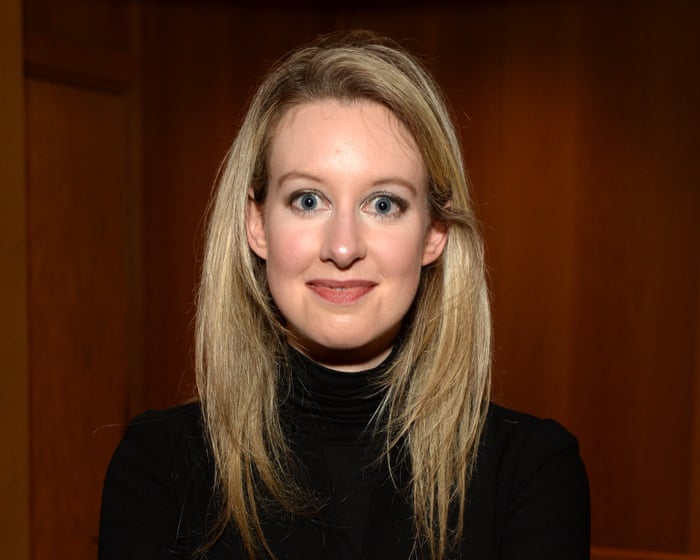
Why we’re still so obsessed with Elizabeth Holmes - video

You Can See Everything, a documentary about the disgraced biotech company founder Elizabeth Holmes, has enjoyed a record-breaking opening in the US. It is a testament to how fascinated we remain by the convicted fraudster, but what is behind the enduring appeal? US technology editor Blake Montgomery tells Madeleine Finlay why Holmes continues to fascinate us, and reflects on whether the Theranos scandal has had a permanent impact on Silicon Valley

Continue reading...

© Photograph: Getty Images for Vanity Fair

© Photograph: Getty Images for Vanity Fair

© Photograph: Getty Images for Vanity Fair

  •  

Elizabeth Holmes is back in the spotlight: why can’t we look away? – podcast

You Can See Everything, a documentary about the disgraced biotech company founder Elizabeth Holmes, has enjoyed a record-breaking opening in the US. It is a testament to how fascinated we remain by the convicted fraudster, but what is behind the enduring appeal? US technology editor Blake Montgomery tells Madeleine Finlay why Holmes continues to fascinate us, and reflects on whether the Theranos scandal has had a permanent impact on Silicon Valley

Clip: You Can See Everything, A24

‘You can’t make this stuff up’: why we remain fascinated by Elizabeth Holmes

Continue reading...

© Photograph: Jeff Chiu/AP

© Photograph: Jeff Chiu/AP

© Photograph: Jeff Chiu/AP

  •  

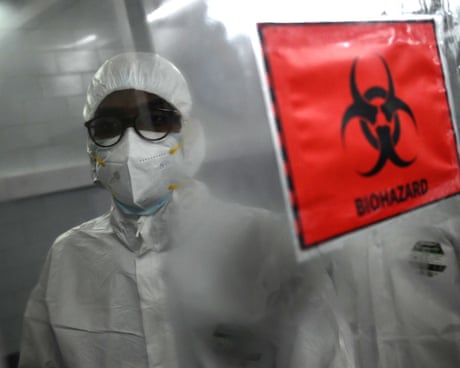
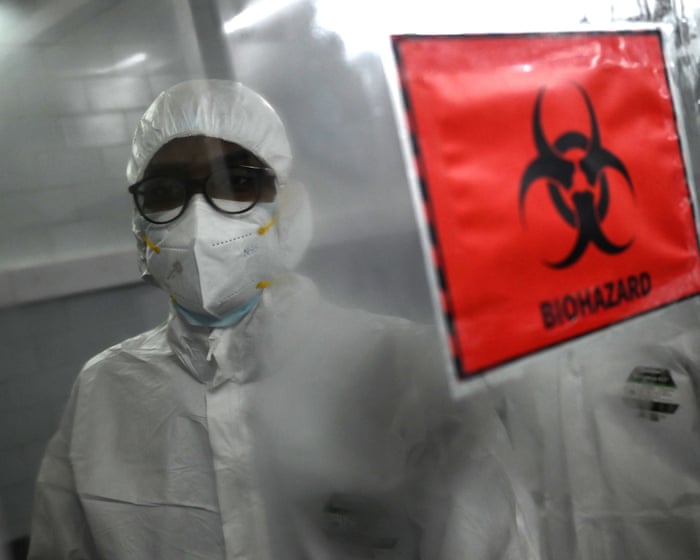
‘These risks are real’: the threat of AI bioweapons - video

In his annual speech on threats to the nation, Sir Ken McCallum, the head of the UK’s intelligence service, MI5, warned that AI had the potential to ‘change the stakes’ on existing and even new bioweapons. To find out why, and how, Ian Sample speaks to Dr Tom Inglesby, director of the Johns Hopkins Center for Health Security and the Bloomberg School of Public Health. He explains what has governments so worried and what measures could be put in place to reduce the risks

Continue reading...

© Photograph: AFP/Getty Images

© Photograph: AFP/Getty Images

© Photograph: AFP/Getty Images

  •  

Is your boss watching you? The rise of AI surveillance at work - video

Workers have always been monitored by their bosses, first through output targets, and then via computer software labelled ‘bossware’. But AI is transforming the capabilities of these systems, processing huge volumes of data to provide minute-by-minute accounts of activity, and productivity. To find out more, Ian Sample hears from UK technology editor Robert Booth. He explains which sectors are adopting this approach, why they are doing it, and how it could end up being counterproductive.

Continue reading...

© Photograph: Alamy

© Photograph: Alamy

© Photograph: Alamy

  •  

The surprising psychology of morbid curiosity - video

US defence secretary Pete Hegseth’s plan to livestream the execution of Nidal Malik Hasan has incurred condemnation from human rights groups and politicians on all sides. But according to Coltan Scrivner, an author and psychologist at Arizona State University and expert on morbid curiosity, people are still likely to watch in large numbers. He explains why we are drawn to dark and disturbing content, and Madeleine Finlay tells Ian Sample how consuming this kind of material can harm observers’ mental health

Continue reading...

© Photograph: Reuters

© Photograph: Reuters

© Photograph: Reuters

  •  

‘A crisis of authenticity’: the truth about food influencers – podcast

Instagrammers have upended the British restaurant scene and amassed followings in the millions. But has their moment already passed?

By Stephen Buranyi. Read by Josh Berry

Read the text version here

Support the Guardian today: theguardian.com/longreadpod

Continue reading...

© Photograph: David Levene/The Guardian

© Photograph: David Levene/The Guardian

© Photograph: David Levene/The Guardian

  •  

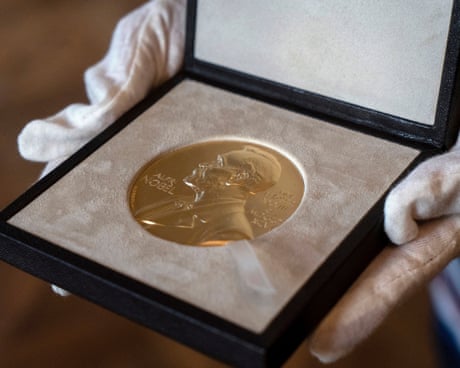
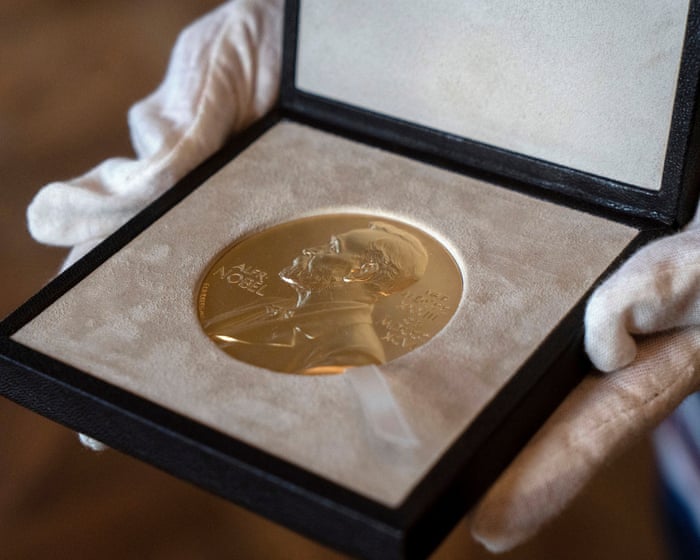
All the news and science from the 2026 Nobel prizes – podcast

This year’s Nobel prizes in chemistry, physics and physiology or medicine have celebrated work that has been used to develop countless drugs and transform modern medicine, allowed physicists to observe one of the most mysterious particles, and provided a tool that could act as an on/off switch for brain cells. To find out more, Madeleine Finlay talks to our science editor, Ian Sample, and correspondents Nicola Davis and Linda Geddes

Nobel prize in medicine 2026 awarded for research into mysteries of brain

Nobel prize in physics goes to Francis Halzen for south pole work on neutrinos

Nobel prize in chemistry awarded for work on mirror-image molecules

Continue reading...

© Photograph: Niklas Halle’n/AFP Pool/AP

© Photograph: Niklas Halle’n/AFP Pool/AP

© Photograph: Niklas Halle’n/AFP Pool/AP

  •  

Nobel prize in physics 2026: high energy cosmic neutrinos

Second up for the 2026 Nobel Prizes was the award for physics. And this year it went to just one scientist, Francis Halzen. The Belgian physicist won the prize based on his work on the IceCube detector that observes ghostly particles called neutrinos. Science editor Ian Sample tells host Madeleine Finlay how Halzen came up with the brilliant idea to use sensors buried in the ice to detect these extraterrestrial particles.

Continue reading...

© Photograph: University of Wisconsin–Madison HANDOUT/EPA

© Photograph: University of Wisconsin–Madison HANDOUT/EPA

© Photograph: University of Wisconsin–Madison HANDOUT/EPA

  •  

The incredible science of memory manipulation

Madeleine Finlay hears from Steve Ramirez, an associate professor of psychological and brain sciences at Boston University, whose book How to Change a Memory was shortlisted for this year’s Royal Society Trivedi science book prize. He explains how scientists have been able to locate memories in the brains of rodents, trigger them artificially and even remove them, and reveals what the practical applications of this science could one day be for humans.

Continue reading...

© Photograph: Alamy

© Photograph: Alamy

© Photograph: Alamy

  •  

Why your house might be too clean - video

Our use of cleaning products has increased since the pandemic, but do we understand what they could be doing to our health? The journalist Rebecca Seal recently wrote for the Guardian about the potential impacts of the many chemicals we now use in our homes. She tells Madeleine Finlay how social media has also played a role in transforming our cleaning habits, why the impact of indoor air pollution is so hard to study, and what the current evidence is that cleaning products may be causing harm

Continue reading...

© Photograph: Alamy

© Photograph: Alamy

© Photograph: Alamy

  •  

Are girls more social than boys from birth? - video

Madeleine Finlay sits down with her co-host and Guardian science editor, Ian Sample, to discuss three science stories from the week, including a study that offers a clue in the age-old debate about whether sex differences are present from birth or a product of socialisation. Also on the agenda is the super El Niño, which is predicted to lead to 450,000 deaths in the next six months, and an answer to why the UK’s meningitis outbreak earlier this year was so big.

Continue reading...

© Photograph: Alamy

© Photograph: Alamy

© Photograph: Alamy

  •  

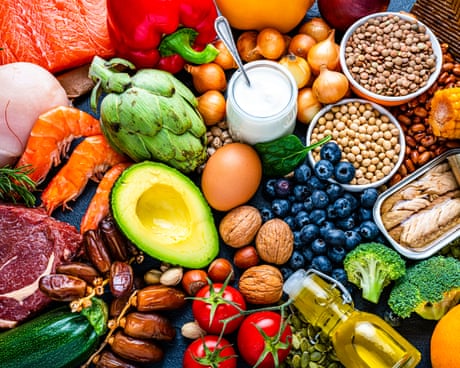
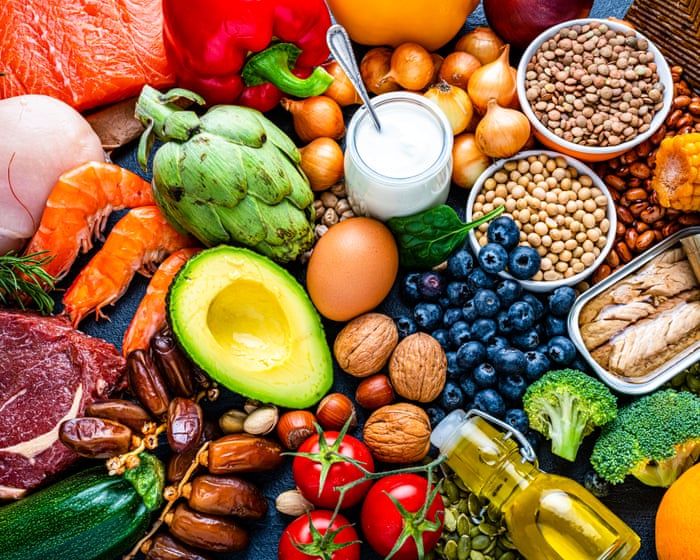
From paleo to intermittent fasting: are any diets actually good for us? - video

As diet trends proliferate on social media, it can be hard to work out which are backed by science and which should be ignored. From paleo to keto, raw food to intermittent fasting, each attracts a tribe of ardent followers. Now Daniel Lieberman, professor of biological sciences at Harvard University, has written a book to try to cut through the noise. In Fed Up, he uses his background as an evolutionary anthropologist to scrutinise the evidence, turning himself into a guinea pig in the process and trying various diets. In this podcast, he tells Ian Sample which one has remained part of his routine

Continue reading...

© Photograph: Getty Images

© Photograph: Getty Images

© Photograph: Getty Images
  •  

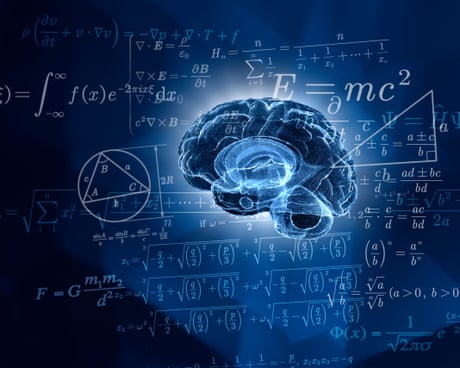
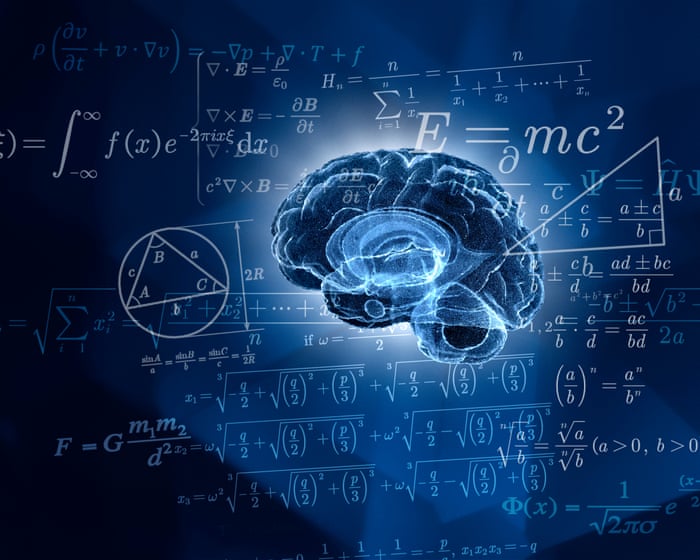
Open AI and the million-dollar maths problem - video

In early September, OpenAI announced it had solved a major mathematics problem that has stumped humans for nearly a century. The news left mathematicians reeling, and many expressed concern over what will be left for humans as AI becomes ever more adept at unravelling complex problems. Now 25 recipients of the Fields medal – often called the Nobel prize for maths – have signed an open letter expressing their fears of a ‘severe misalignment’ between AI companies and their field. To find out how AI is likely to upend maths – and how mathematicians might respond – Ian Sample speaks to Colva Roney-Dougal, professor of pure mathematics at the University of St Andrews

Continue reading...

© Photograph: Getty Images/Tetra images RF

© Photograph: Getty Images/Tetra images RF

© Photograph: Getty Images/Tetra images RF

  •  

No, collagen won’t make your wrinkles disappear - video

Collagen powders, gummies and pills have boomed in popularity in recent years boosted by claims that they smooth wrinkles, promote glossy hair and help with joint pain. Amid the noise it can be hard to figure out whether there’s any actual science behind the promise of looking younger for longer. Luckily Dr Xand van Tulleken has spent the past three years writing Make me well: a quest to understand the confusing world of wellness, and his chapter on collagen dives deep into the evidence. He tells Madeleine Finlay what collagen does in the body, how we can get it without splashing out on expensive supplements, and why getting to the truth behind wellness claims can be so hard

Continue reading...

© Photograph: Getty Images

© Photograph: Getty Images

© Photograph: Getty Images
  •  
❌