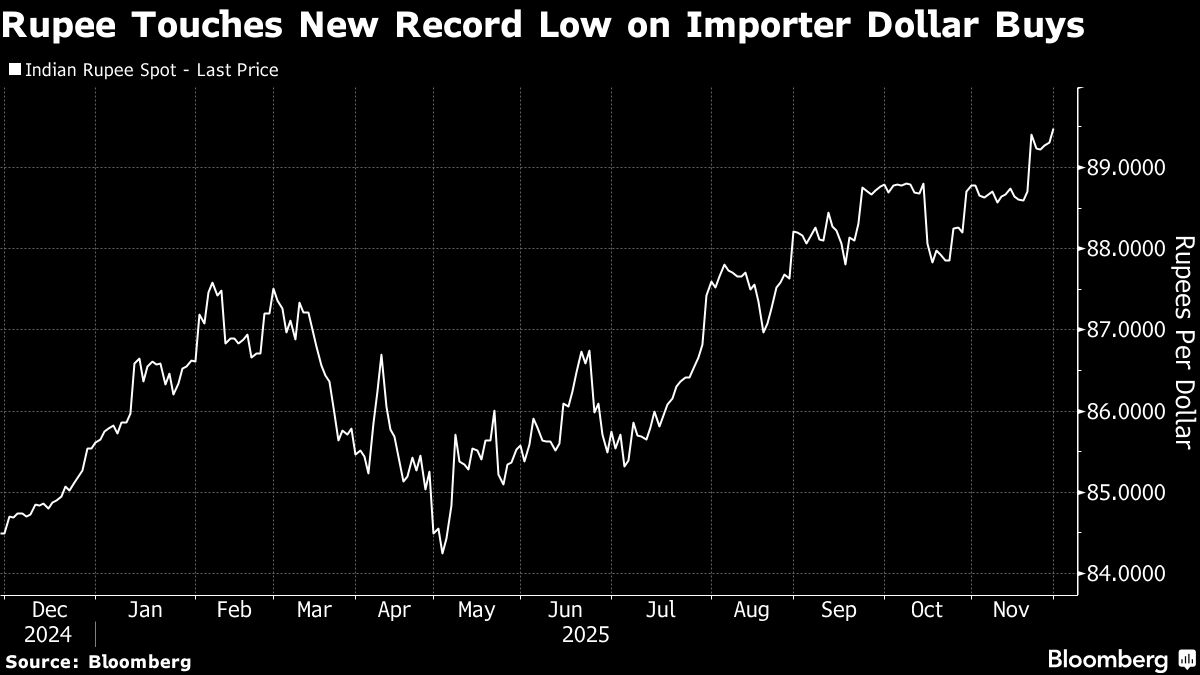
India’s rupee weakened to a new record, pressured by dollar demand from importers and delays in reaching a trade deal that would reduce harsh US tariffs on the South Asian nation.
The International Monetary Fund reclassified India’s exchange-rate regime after the rupee moved more freely, and said the nation is well-positioned to allow greater flexibility in its currency.
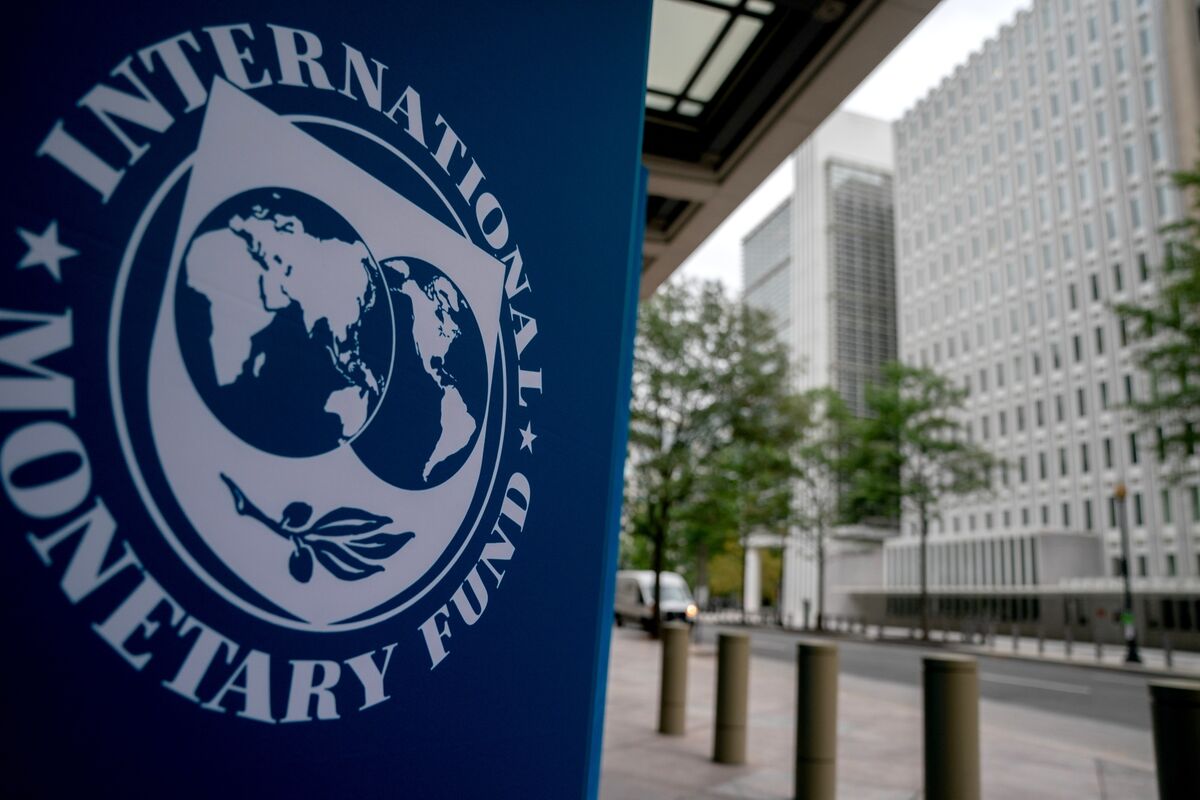
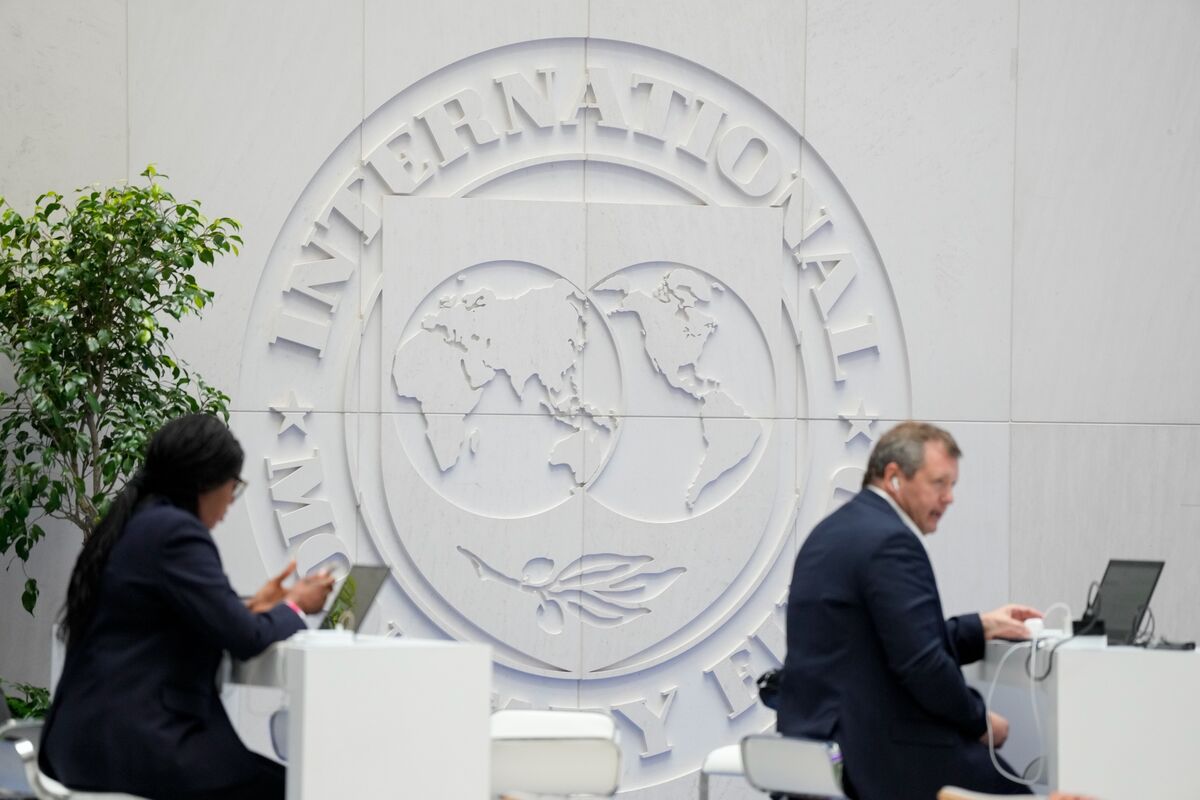
International Monetary Fund headquarters in Washington.
The International Monetary Fund will soon reclassify India’s exchange rate regime to include references to a crawling peg, according to people familiar with the matter, a move that would reflect increased rupee volatility under a new central bank governor.
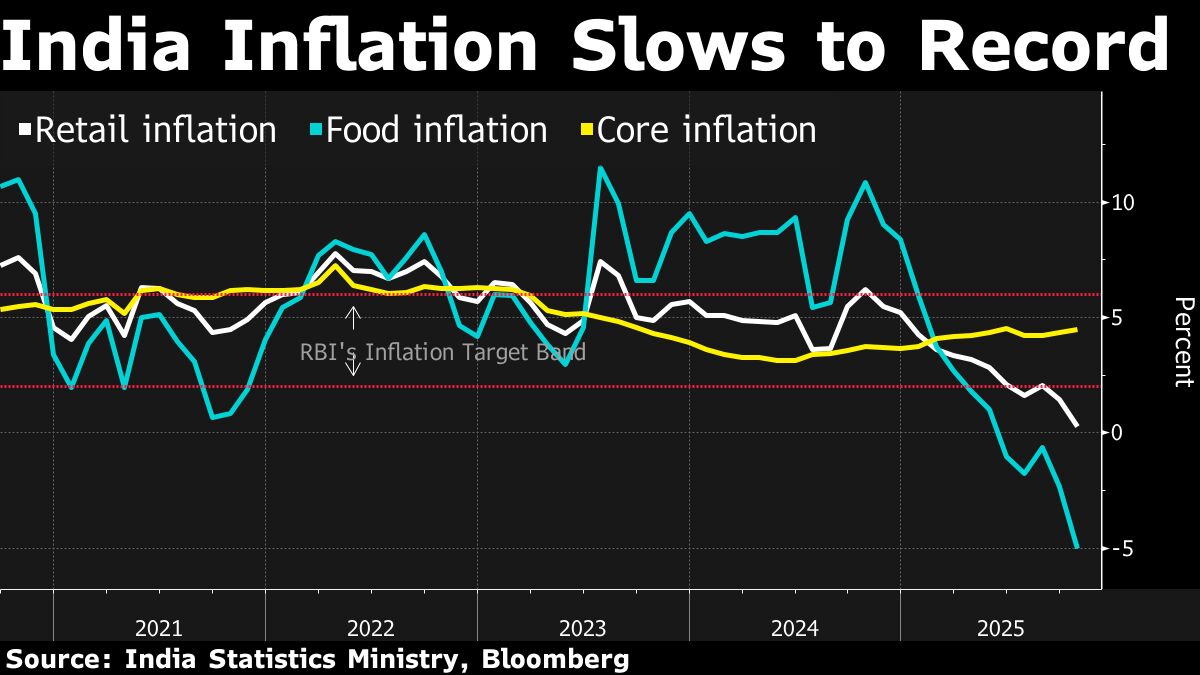
India’s central bank Governor Sanjay Malhotra said recent macroeconomic data reinforces the case for a cut in the benchmark rate, triggering a drop in bond yields.
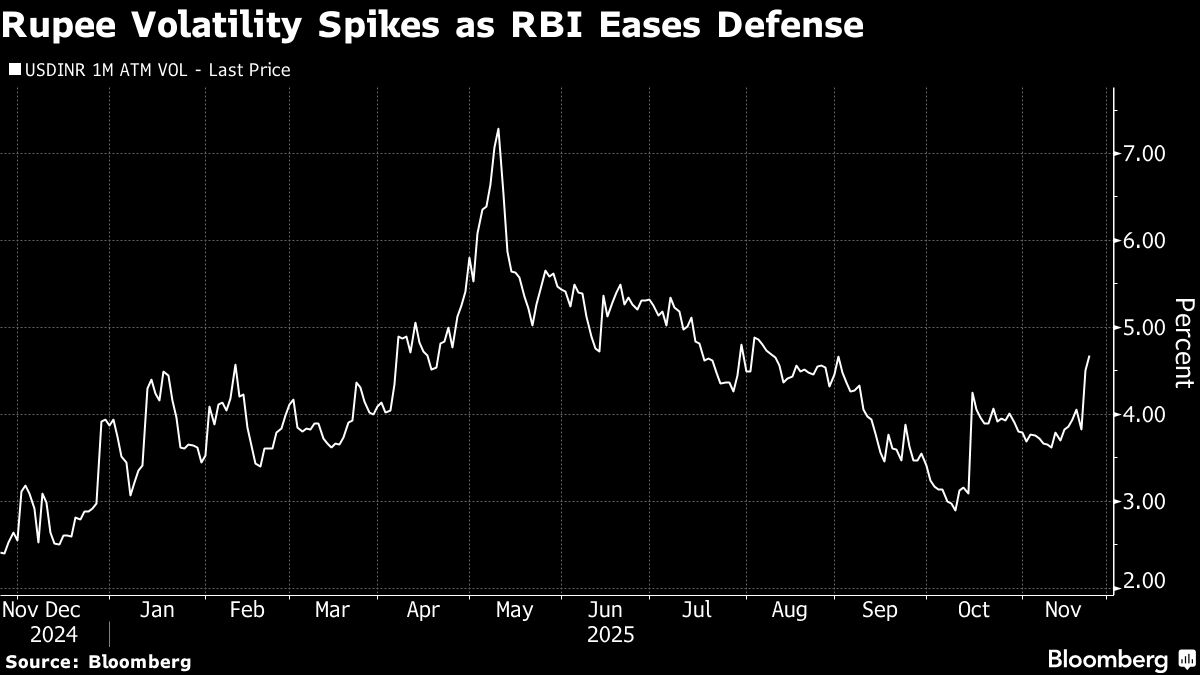
India’s rupee rebounded after the central bank stepped back in to support it, following a sharp drop on Friday when the authority appeared to ease up on the firm defense it had maintained in recent weeks.
India’s rupee tumbled to an all-time low against the dollar, with losses accelerating after policymakers surprised traders by choosing not to prop it up as they had been doing for months.
Emerging-market assets tumbled on Friday, notching their worst day in seven months and marking the end of a turbulent week amid lingering concerns over a bubble in the artificial intelligence industry.
Signage for artificial intelligence. Photographer: Qilai Shen/Bloomberg
 Anmelden