Arabica coffee futures extended gains in New York, buoyed by expectations that a stronger Brazilian real will continue to curb shipments from Brazil, the world’s largest producer.
Cotton futures in New York surged to the highest in eight weeks as traders weigh an outlook for tighter supplies this year and volatility in oil markets.
A cotton stripper during a harvest on a farm near Corn, Oklahoma. Photographer: Nick Oxford/Bloomberg
A group representing some of the world’s largest soybean traders is exiting a landmark deal created in Brazil to protect the Amazon against deforestation.
Fog covering the fields in Sao Felix do Xingu, Para state, Brazil.
Brazil’s Attorney General has recommended a four-month delay to a state law that will remove tax benefits from crop traders that obey a landmark deal created to protect the Amazon against deforestation.
Workers use a combine harvester to gather soy crops during a harvest at a farm in Orizona, Goias state, Brazil, on Friday, Feb. 21, 2025. Brazil's national supply company has cut the 2024-2025 seasonal soybean output estimate from 166.33m tons to 166.01m tons, lower than analyst expectations.
Cheap beef may soon become further out of reach. Brazil, one of the world’s few remaining sources of abundant cattle, is heading into a period of shrinking supplies that could push global prices higher.
Cattle on a ranch in Santana do Araguaia, Brazil. Photographer: Victor Moriyama/Bloomberg
Cocoa wavered between gains and losses in New York as traders weighed a reduced outlook for this season’s surplus and the prospect of index-related buying supporting the market.
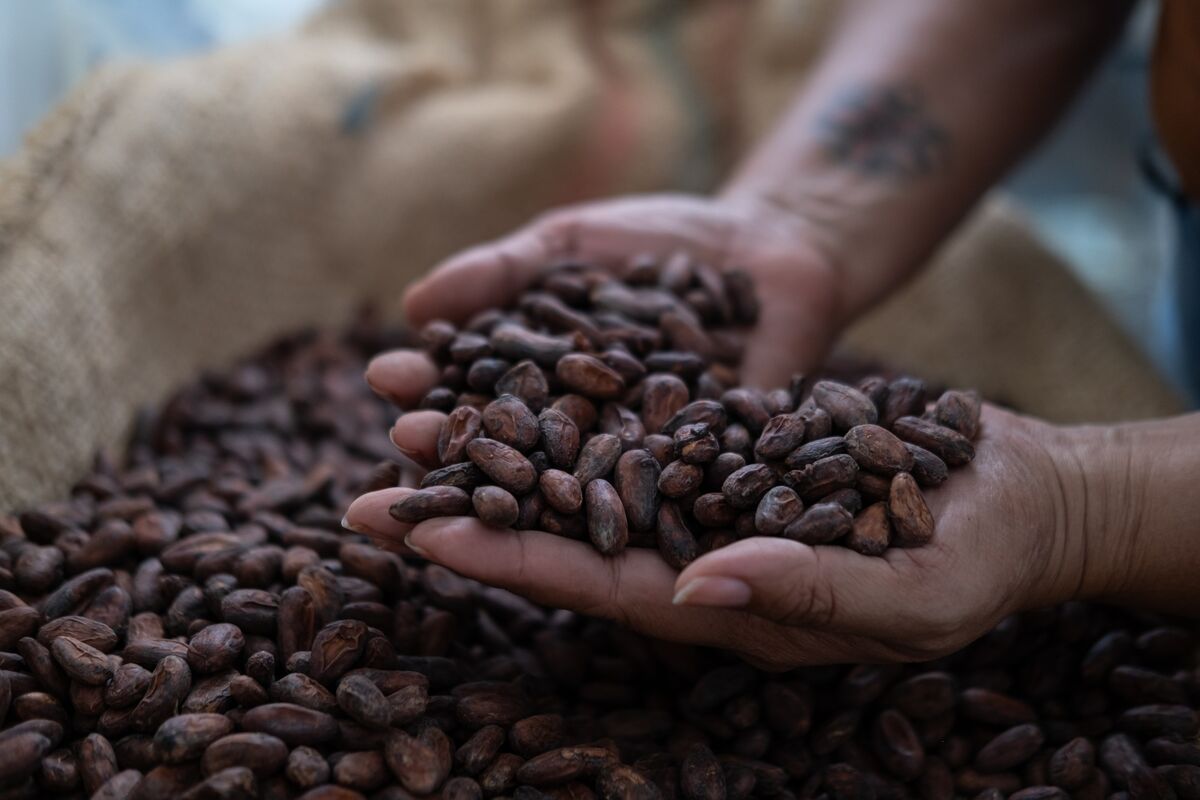
Dried cocoa beans at a cacao farm and production facility in Ragonvalia, Norte de Santader department, Colombia.
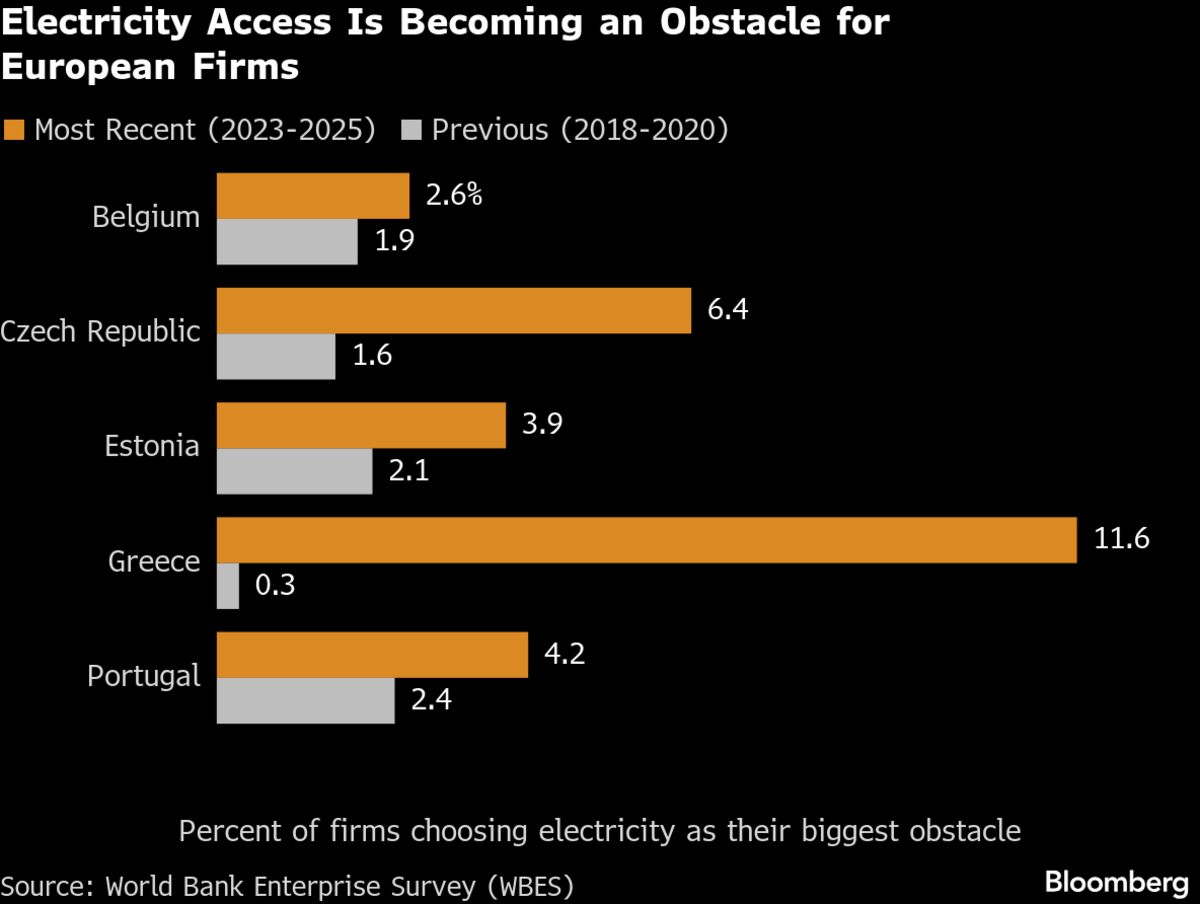
Electricity drives growth. For decades, that’s held true and load growth hasn’t been a problem. But a confluence of factors is putting a huge amount of stress on grids around the world, and it’s creating a tangible drag on economic growth.
The climate pattern’s return exposes fragile food networks and heightens risks worldwide.
A resident carries food supplies through flood waters in Takbai district in Thailand's southern province of Narathiwat on Dec. 5. Photographer: Madaree Tohlala/AFP/Getty Images
In the world’s top soybean exporter Brazil, farmers long accustomed to chasing record harvests are suddenly confronting a new worry: the threat of producing far more than the world can absorb, just as US President Donald Trump is reshaping global trade flows.
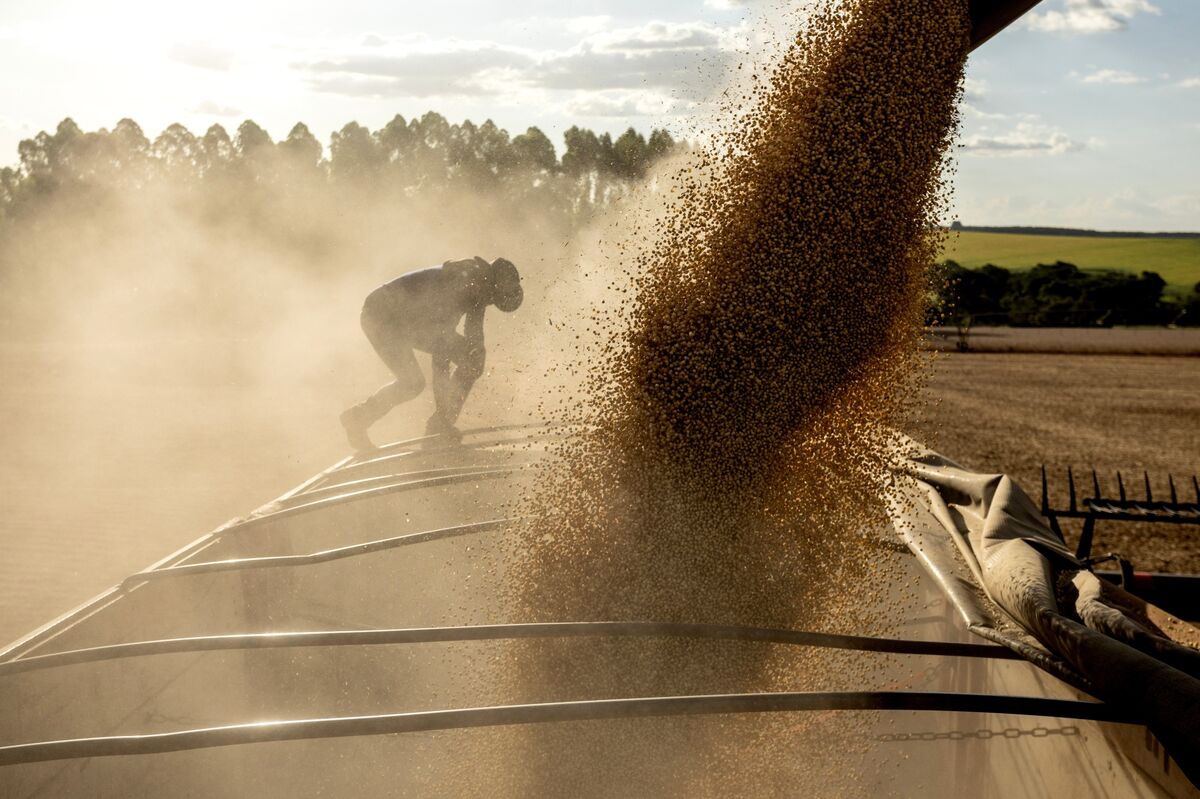
A worker loads soybeans into a truck to be dispatched during a harvest in Orizona, Goias state, Brazil.
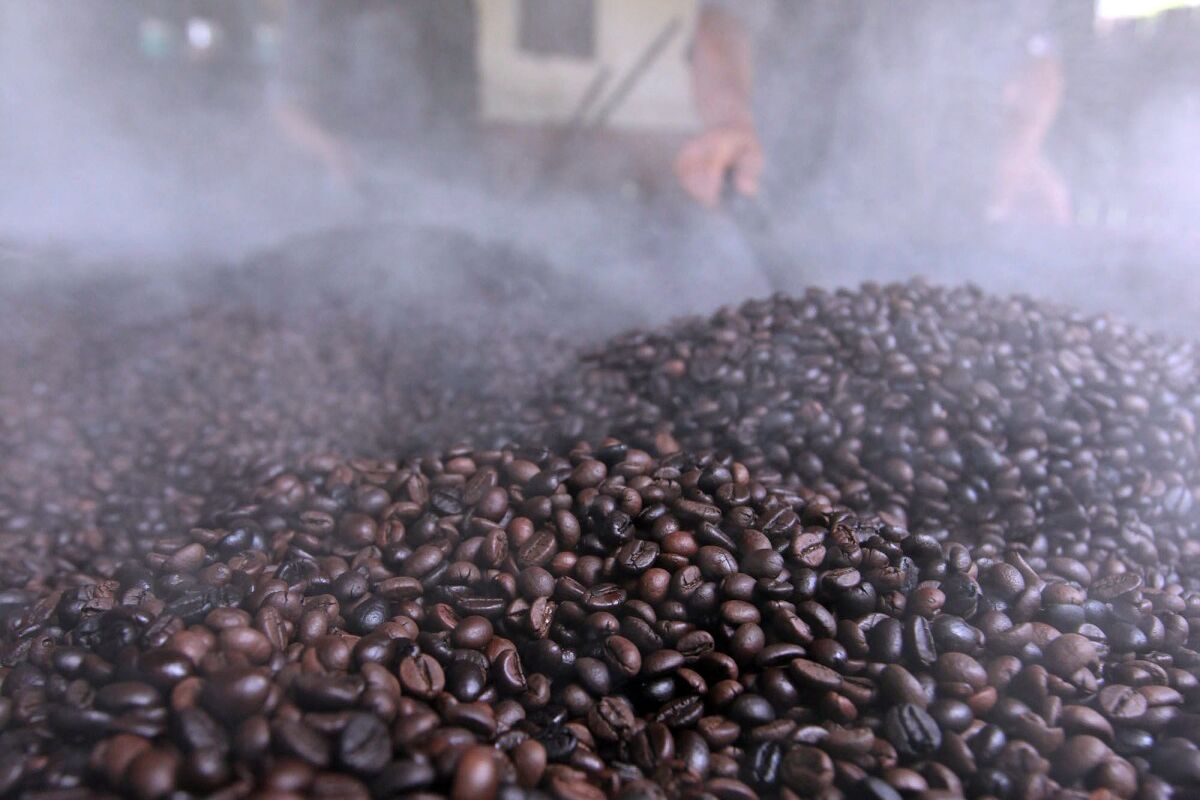
Coffee futures retreated in New York and London on weakness in the Brazilian currency and expectations of ample supplies from key world supplier Vietnam.
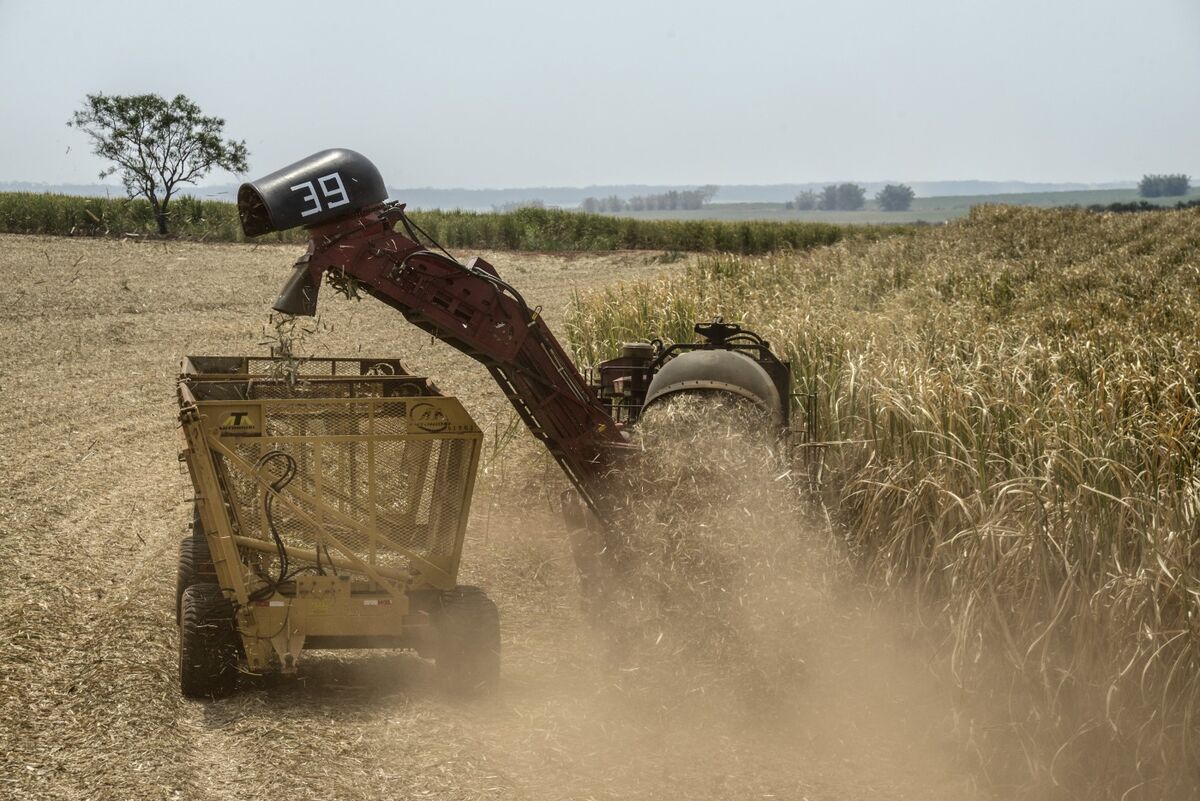
Raw sugar futures held steady in New York as traders mull rising output from India against estimates that mills in top grower Brazil may divert more cane to making ethanol rather than the sweetener.
A sugar cane harvest in Brazil. Photographer: Paulo Fridman
China halted soybean imports from five Brazilian plants owned by major global agricultural firms over sanitation concerns, according to people familiar with the matter.
Soybeans are loaded into a bulk carrier in Brazil.Soybeans are loaded into a bulk carrier in Brazil.
US President Donald Trump’s decision to remove a key tariff on Brazilian coffee and beef may deliver some relief to markets and American consumers who have struggled with soaring prices for the key staples.
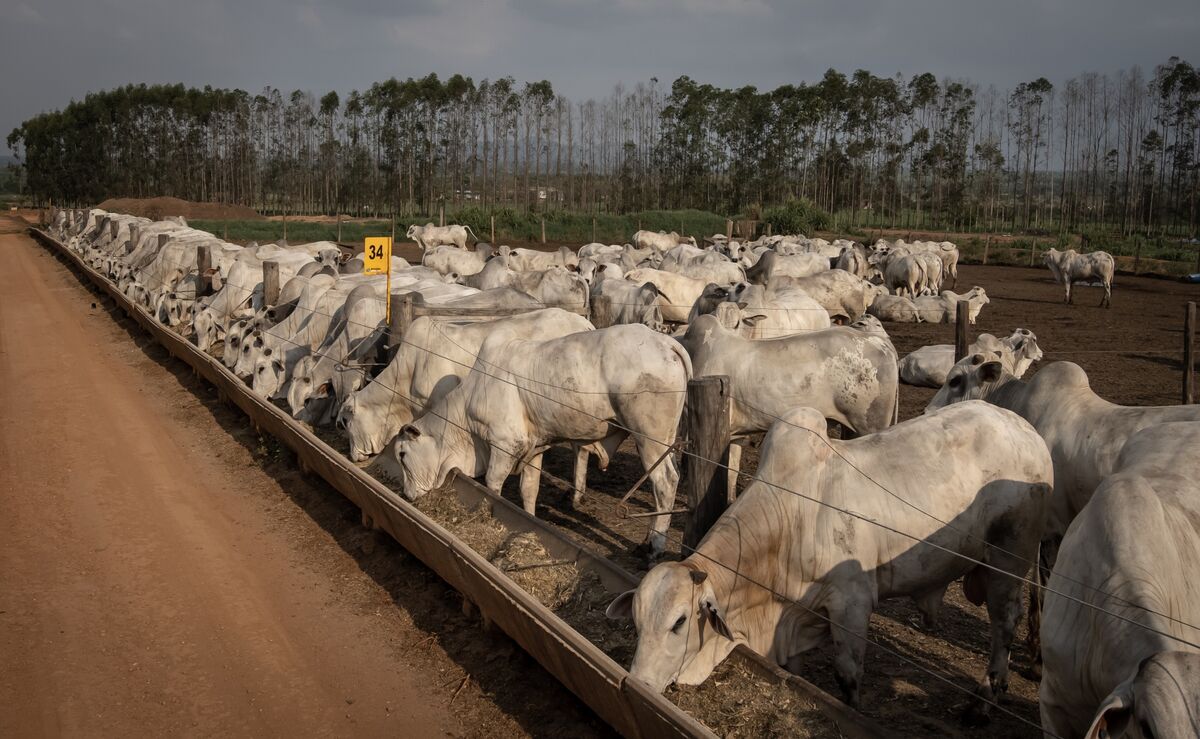
Cattle eat at feed pens on a farm in Maraba, Para state, Brazil.
From the minute Donald Trump slapped tariffs on Brazil, President Luiz Inacio Lula da Silva bet the US leader was going all-in on a weak hand. The wager paid off Thursday, when Trump limped away from the battle.
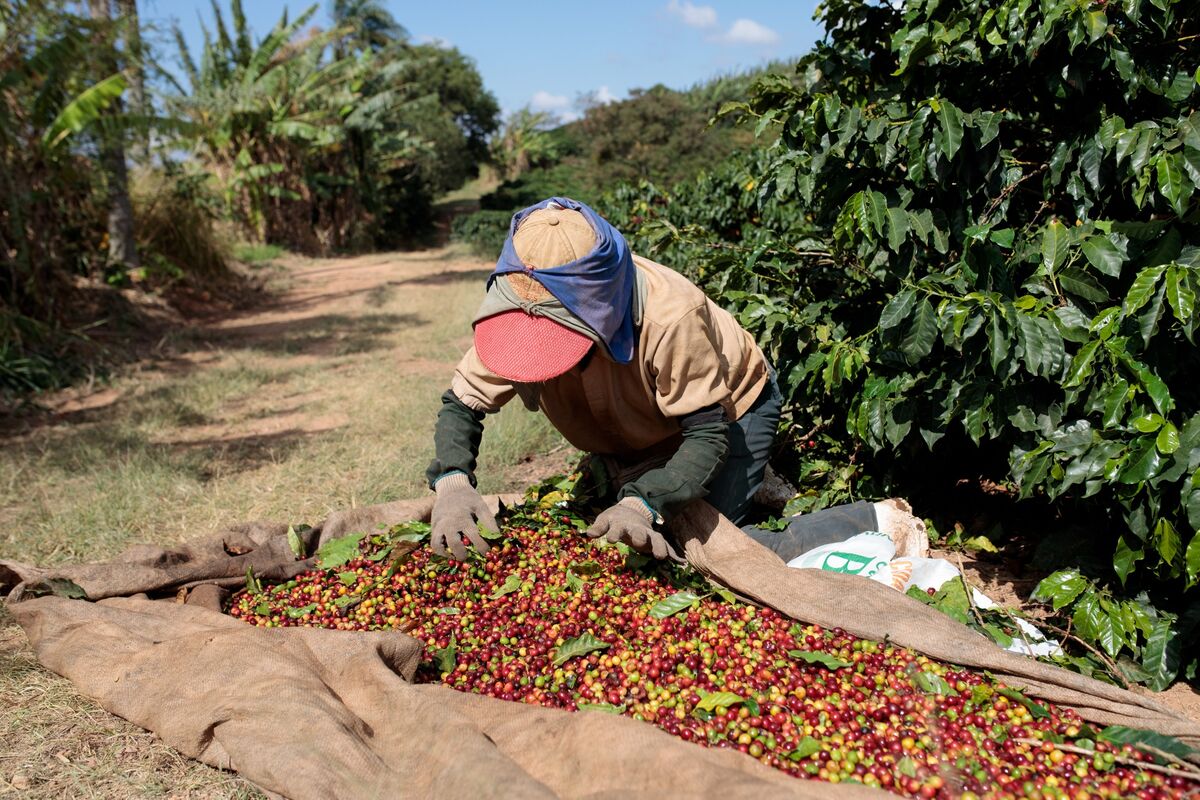
A worker separates coffee cherries during harvest on a farm in Guaxupe, Minas Gerais state, Brazil.
 Anmelden