In the professional era, there is a common denominator that suggests France and Ireland might be worth backing
All that performance data, all those fixture permutations. All the gym sessions and marginal selections. Not to mention all those finger-in-the-wind tournament previews. But what if identifying the winner of the 2026 Six Nations basically involves overlooking all of that and is shaped by an underlying factor so simple that it is staring everybody in the face?
Interested in finding out what this might be? OK, here goes. Without cheating (or consulting your new friend Monsieur AI), spot the common link in the following sequence of years: 2022, 2018, 2014, 2010, 2006, 2002, 1998, 1994, 1990, 1984, 1981, 1978, 1975, 1972, 1969 and 1967? Tricky, isn’t it? Even years, odd years, irregular gaps … if you were a statistician seeking a mathematical pattern you would be sat there gazing at the numbers for a long time.
Itoje missed start of camp to attend mother’s funeral
Arundell makes first England start in three years on wing
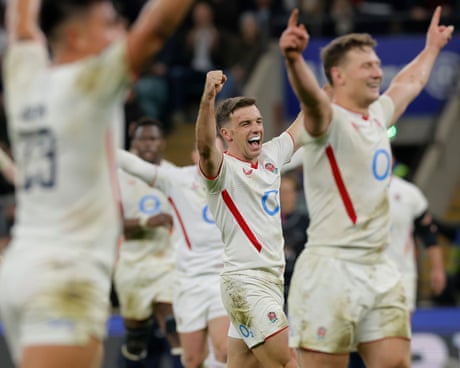
Jamie George will captain England in their Six Nations opener against Wales on Saturday with Maro Itoje named on the bench while Henry Arundell has been selected for a first start in three years.
Itoje missed the start of England’s training camp in Girona to attend his mother’s funeral in Nigeria and Steve Borthwick has opted to name the second row among the replacements. Itoje has a remarkable record of appearing in every minute of England’s matches for the last six Six Nations campaigns but Alex Coles and Ollie Chessum assume second-row duties against Wales.
We may know the sport’s future is bright when trendsetters worldwide are wearing Fabien Galthié-style shades
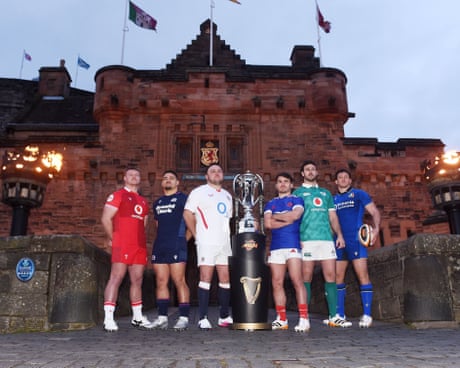
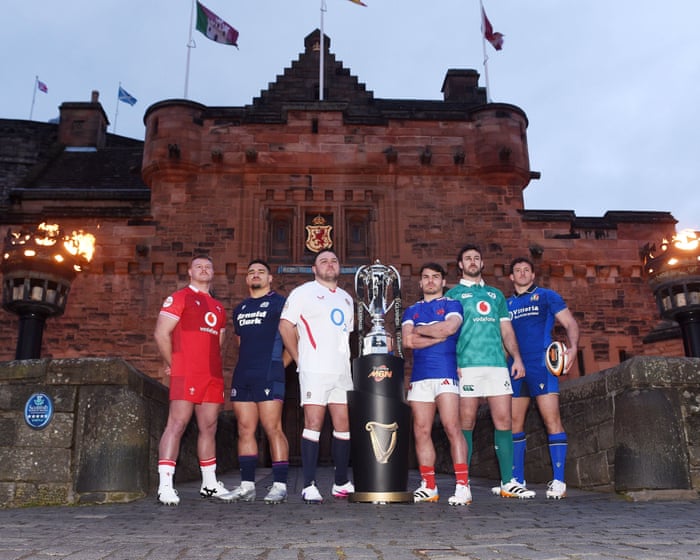
On the surface it was business at usual at this year’s Six Nations launch in a chilly Edinburgh. Had the city’s most famous literary sleuth poked his nose into the venue at the top of the Royal Mile, Inspector Rebus would have clocked the usual suspects: head coaches trying not to divulge any secrets, captains quietly studying their opposite numbers and content creators seeking to “jazz up” their tournament previews.
This year’s booby prize went to the “influencer” who asked Caelan Doris, Ireland’s captain, whether or not he liked Fabien Galthié’s thick-rimmed glasses. It was almost on a par with the Breakdown’s all-time classic: the day someone asked Rob Baxter, Exeter’s director of rugby, to pick his favourite motorway service station. “Taunton Deane,” came the instant reply. “Because it means we’re almost home.” Brilliant.
Doubt over regions is fast escalating into a civil war
Six Nations squad announcement overshadowed
The prevailing mood in Welsh rugby has been frequently dark, but rarely this bible black. Once upon a time a Six Nations squad announcement would have topped the agenda across the country; on Tuesday it felt like a semicolon in a much bigger narrative. Even Wales have never selected seven players whose club is in imminent danger of being axed by their own union.
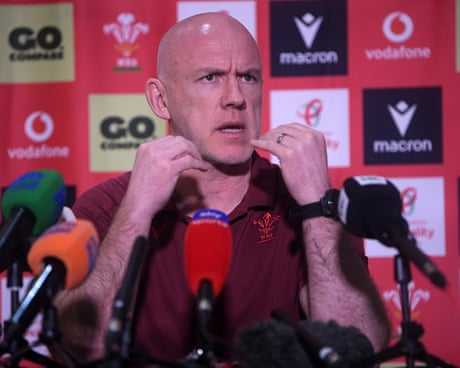
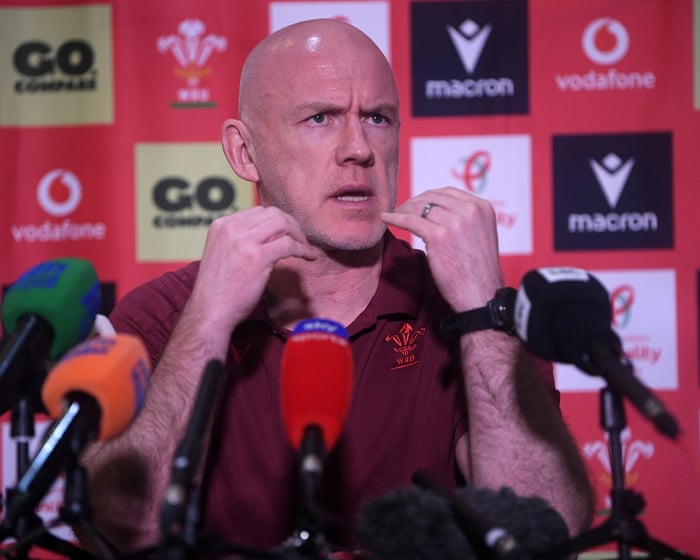
The bare facts of the situation are increasingly stark for all involved. The existing owners of Ospreys, Wales’s most successful region of the past two decades, have just been nominated controversially as the preferred bidders for Cardiff, potentially clearing the way to reduce the number of Welsh professional sides from four to three. The internecine politics have become so increasingly toxic that Steve Tandy, the national head coach, had to plead for rugby‑related questions at his lunchtime squad announcement.
England ‘welcome whatever comes’ says bullish captain
Ireland and Scotland meet for third successive tournament
Maro Itoje has set his sights on Rugby World Cup glory in Australia in 2027 after England were handed a potentially favourable path through the tournament when the draw was made in Sydney on Wednesday.
England, who have risen to third in the world rankings after an 11-match winning streak, emerged on the other side of the draw from the reigning world champions, South Africa, the three-times winners New Zealand and France.
Springboks score 11 tries but Etzebeth off for eye gouge
Every bit as dispiriting as expected. Worse, was it pointless? Well, it certainly had more points to it than Wales would have liked. But, worse again, was it actively alienating? A record defeat, 11 tries conceded, the first time since 1967 Wales have failed to score a point in Cardiff. The opposition on that day 58 years ago, Ireland, scored 70 fewer than the Springboks here.
“It’s quite a raw, emotional dressing room,” said Dewi Lake, Wales’s captain. “The boys are proud Welshmen, so coming off the field with the scoreboard looking like that is tough to take. But I don’t think it’s going to ruin the confidence of the younger boys. If anything, it drives you even more. You recognise the gap and what you’ve got to do.”
We turn the dial towards whimsy and revisit some of the moments that made the autumn internationals irresistible
South Africa and Ireland played out a slugfest for the ages and the discourse has been dominated by yellow cards and flying shoulders to the head. England held off a spirited Argentina to claim their 11th consecutive Test win and it seems all anyone can talk about is some alleged after-the-whistle shoving. Wales and New Zealand traded 11 tries in a ding-dong encounter and yet the narrative is weighed down by caveats concerning fading empires.
What, exactly, is the point of Test rugby? Beyond winning World Cups and regional crowns, does this chaotic sport hold any value? A bit of spice elevates almost every dish, sure, but it has felt as if this autumn’s brilliant rugby fare has been smothered in a sauce with a needlessly high Scoville count.
Wing becomes first to score three tries against All Blacks
Another week, another Welsh defeat. This latest one was 52-26 and to those who missed it will look like just another in their lengthy list of losses to New Zealand, which stretches back 34 matches. But it is possible, too, that for the men who coached it, and the men who played in it, for the tens of thousands watching in the ground and the hundreds of thousands watching on TV, it might yet come to stand for something more significant.
Wales did not exactly turn a corner here, but they took a little look around one and got a glimpse of what a better future might be like. “A lot of what we want to do and what we’ve been working on as a team shone through today,” said their captain, Dewi Lake. “We made them work for it.”

 Anmelden