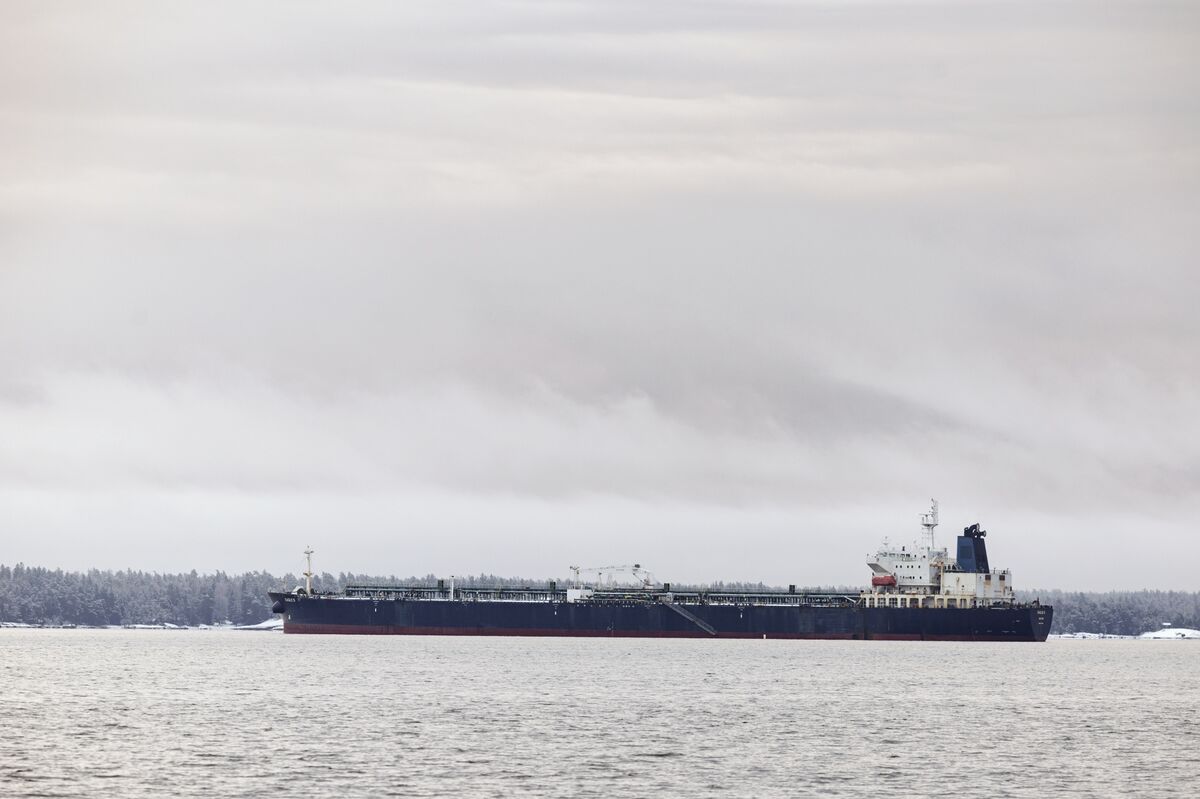
Three ships were attacked near the mouth of the Persian Gulf, amid signs that tanker traffic through the vital Strait of Hormuz oil-and-gas chokepoint is halting because of conflict in the region.
STRAIT OF HORMUZ - 2 OCTOBER 2024: Satellite view of the Strait of Hormuz, a critical chokepoint for global energy supply, connecting the Persian Gulf to the Gulf of Oman. This vital maritime route facilitates the transportation of goods, including oil and natural gas, between the Middle East and the rest of the world. (Photo by Gallo Images/Orbital Horizon/Copernicus Sentinel Data 2025) Photographer: Gallo Images/Gallo Images Editorial
President Donald Trump’s decision to strike Iran creates new risks for a significant chunk of the world’s oil supply.
PALM BEACH, FLORIDA, UNITED STATES - FEBRUARY 28: (----EDITORIAL USE ONLY - MANDATORY CREDIT - ‘US PRESIDENT DONALD TRUMP VIA TRUTH SOCIAL / HANDOUT' - NO MARKETING NO ADVERTISING CAMPAIGNS - DISTRIBUTED AS A SERVICE TO CLIENTS----) A screen grab from a video released on U.S. President Donald Trump’s Truth Social account shows Donald Trump making statements regarding combat operations on Iran on February 28, 2026 in Pal Beach, Florida, United States. (Photo by US President Trump Via Truth Social/Anadolu via Getty Images)
Saudi Arabia and Iran are both accelerating oil exports, adding barrels to global markets at a time when the US is deploying military assets in the Middle East, creating uncertainty about future supply.
Oil tankers around Iran’s Kharg Island oil terminal on Feb. 20, 2026. Tankers circled in bold were unmoved from Feb. 15. Tankers with a cross through have departed since Feb. 15.
Saudi Arabia is on course to ship the most oil from its ports in almost three years this month, bringing supply to the global market at a time when crude traders are monitoring US-Iran tensions.
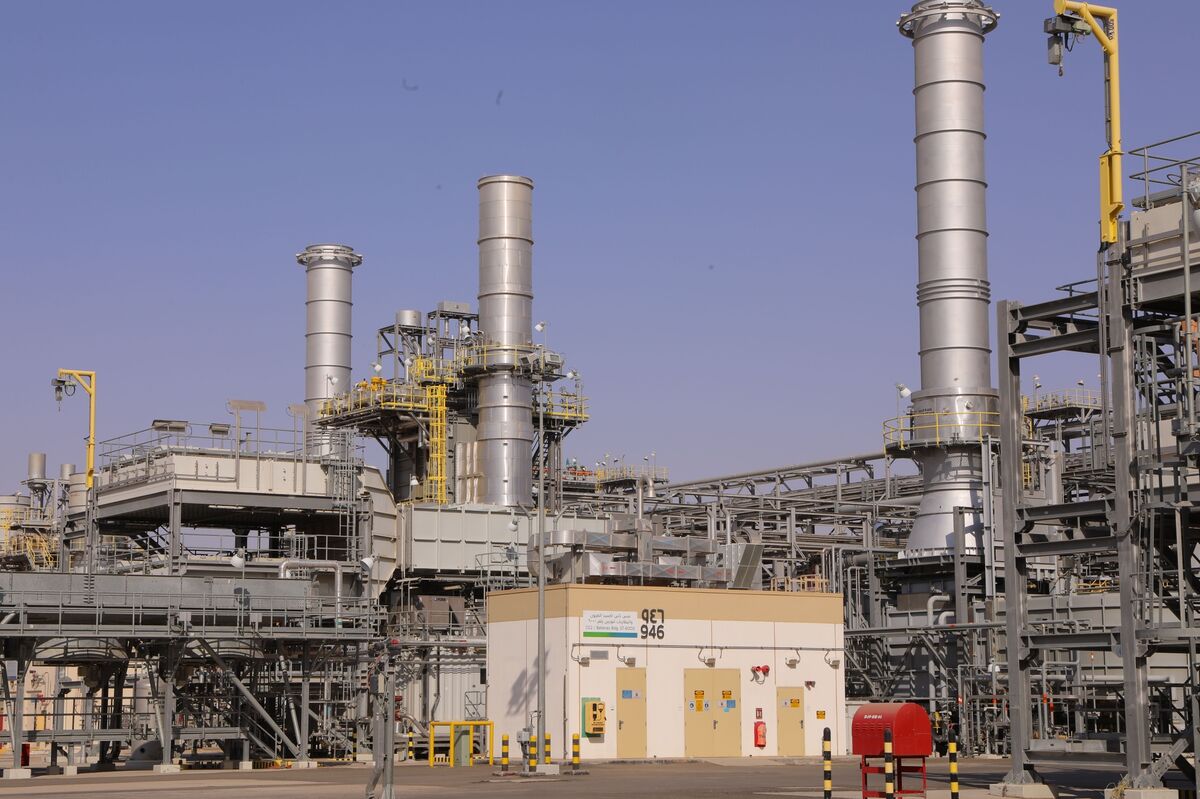
Processing facilities in the Khurais oil field in Khurais, Saudi Arabia.
Chinese refiners are snapping up Russian oil that India is shunning, helping Moscow to overcome a dip in purchases by the country that’s normally its biggest buyer of seaborne barrels.
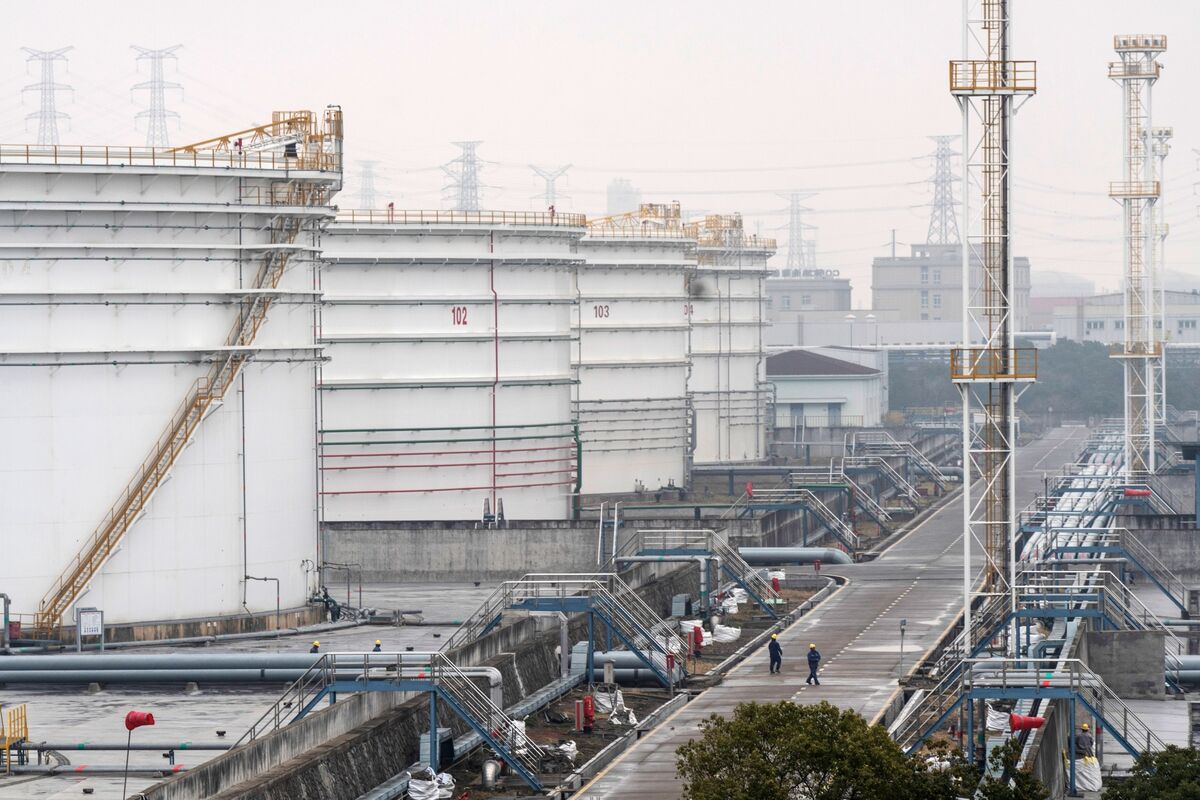
Deliveries of Russian crude to Chinese ports rose to 2.09 million barrels a day in the first 18 days of February. Photographer: Qilai Shen/Bloomberg
Kazakhstan was able to divert only a small fraction of the crude it could not ship through the CPC pipeline to the Black Sea in January, contributing to a sharp drop in production.
US forces boarded an oil tanker after a cat-and-mouse chase from the Caribbean to the Indian Ocean, the Pentagon said, as Washington expands its geographic scope in an ongoing crackdown on a global shadow fleet used to export sanctioned crude.
OPEC’s crude output declined last month as turmoil curbed Venezuela’s exports while other members began a three-month production freeze, a Bloomberg survey showed.
Cracking towers at a refinery in Bandar Abbas, Iran.
Iran’s government has said it will “defend itself and respond like never before” after US President Donald Trump threatened to attack the country if it doesn’t do a deal on its nuclear program. One way Tehran could retaliate would be to block or effectively close the Strait of Hormuz to shipping.
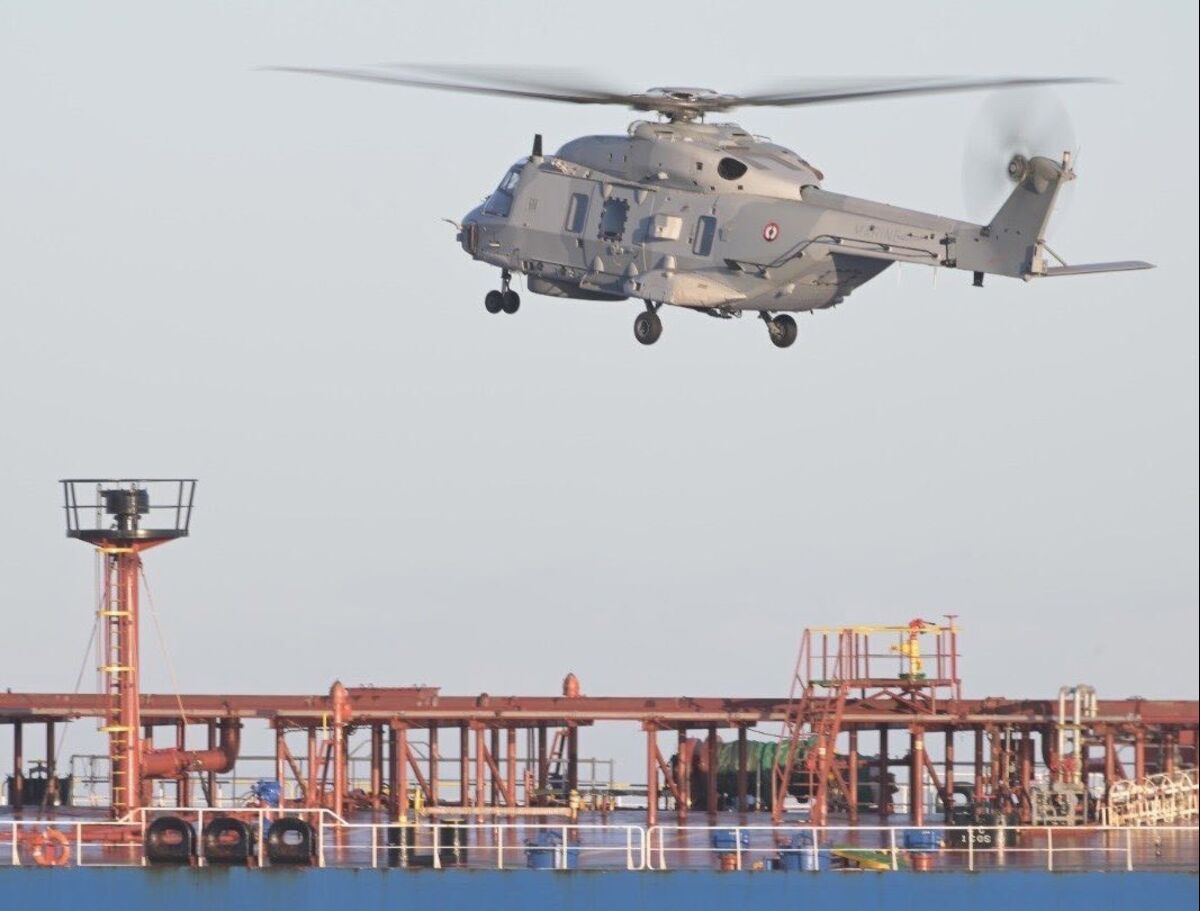
France’s navy boarded an oil tanker coming from Russia into the Mediterranean Sea, as part of a global crackdown on shadow fleet ships used to export sanctioned crude.

 Anmelden