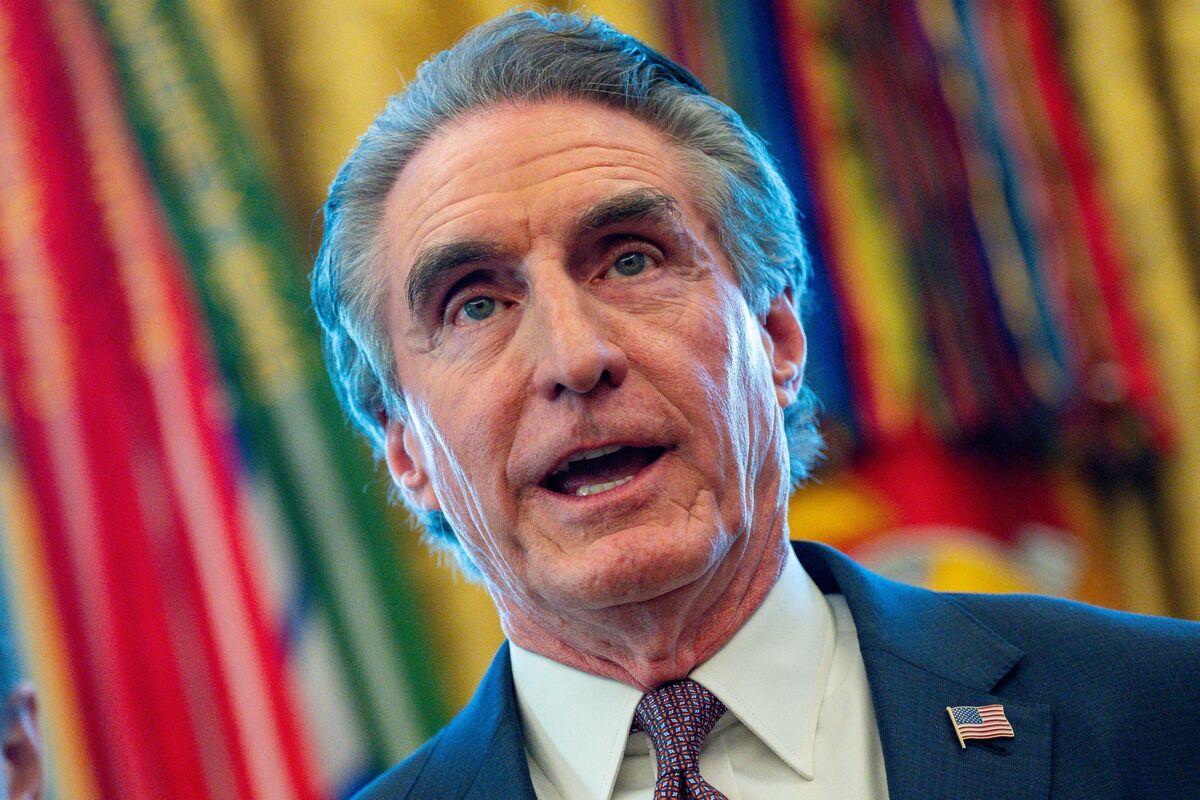
The Trump administration has discussed trading in the oil futures market as a strategy to help curb surging crude prices amid the war in Iran, Interior Secretary Doug Burgum said.
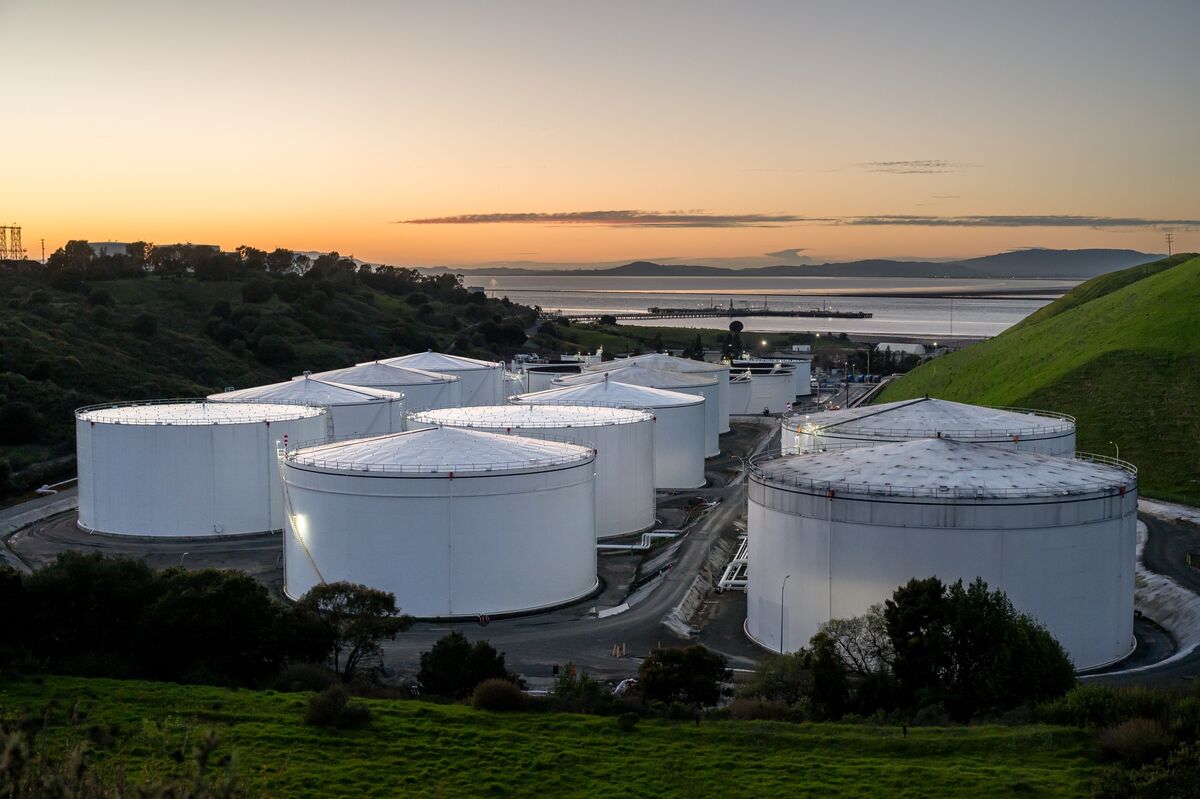
Fuel storage tanks at the Sunoco LP Terminal in Crockett, California, US, on Sunday, March 1, 2026. Oil surged by the most in four years, as the US-Israeli war against Iran plunged the global crude market into turmoil, with the effective closure of the critical Strait of Hormuz. Photographer: David Paul Morris/Bloomberg
Japan and other Asia-Pacific nations are set to unveil at least $30 billion worth of agreements with US companies this weekend, as Trump administration officials descend on Tokyo to press for more collaboration with regional allies on energy and critical minerals.
Tokyo, Japan. Photographer: Shiho Fukada/Bloomberg
The Trump administration plans to waive a century-old maritime law that requires American ships be used to transport goods between US ports as it seeks to blunt surging oil and gasoline prices, according to people familiar with the matter.
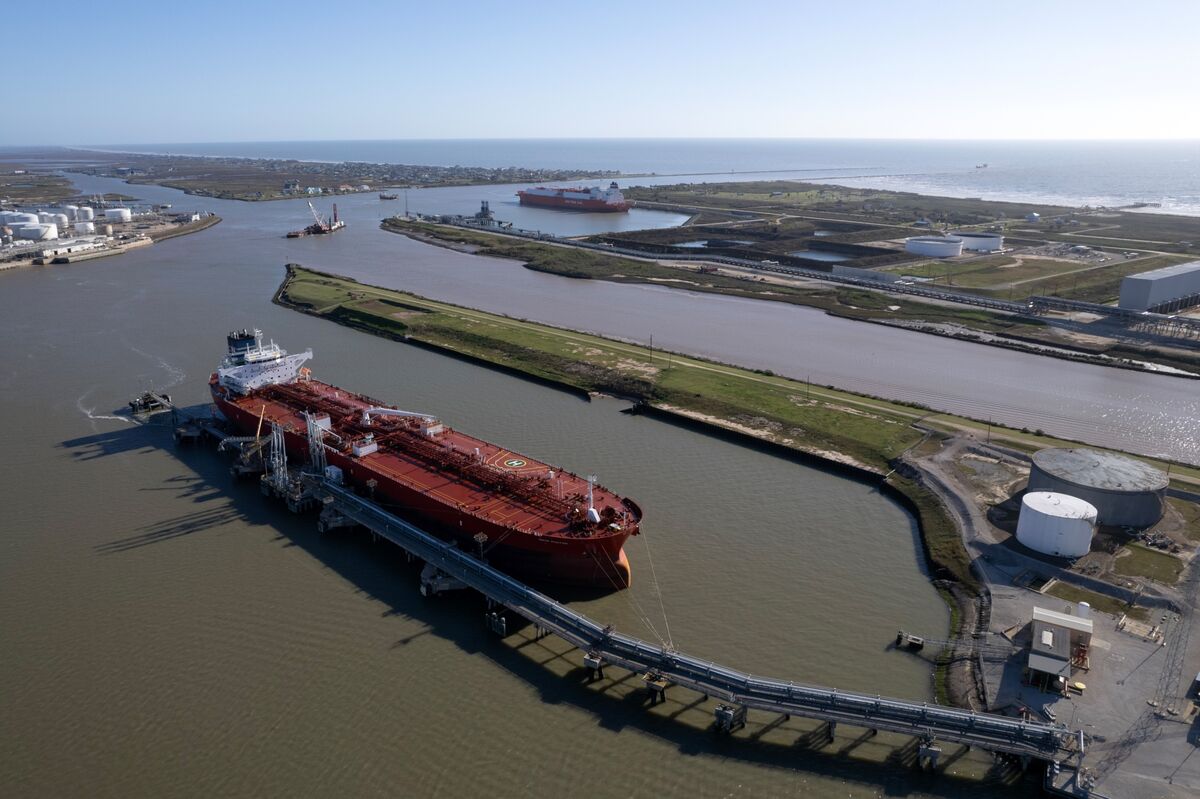
A crude oil tanker at the Enterprise Marine Terminal in Freeport, Texas.
President Donald Trump is preparing to invoke Cold War-era powers to clear the way for renewed oil production off the southern California coast, a long-shot bid to help ease the global crude supply crunch spurred by his war with Iran.
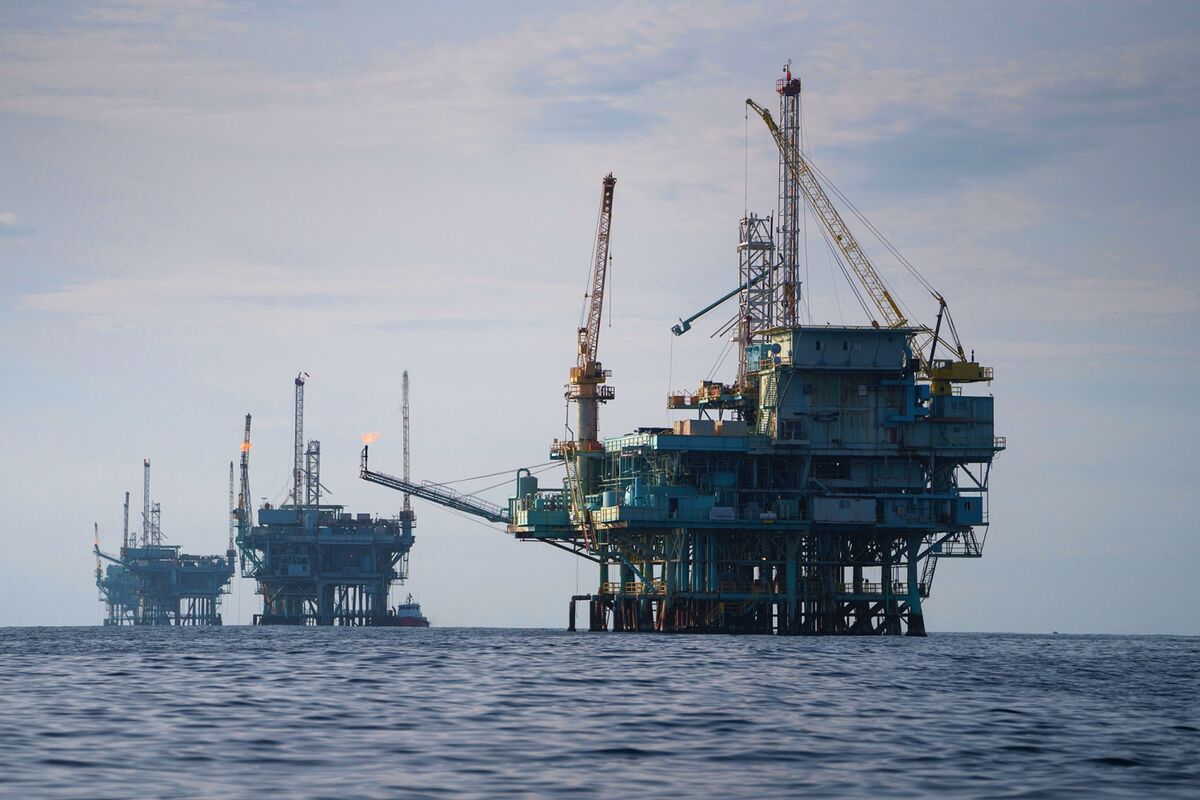
Offshore oil and gas platforms off the coast of Santa Barbara, California.
The US said no oil tanker has been escorted by its navy through the Strait of Hormuz, refuting an earlier, since-deleted social media post by Energy Secretary Chris Wright.
The US said no oil tanker has been escorted by its navy through the Strait of Hormuz, refuting an earlier, since-deleted social media post by Energy Secretary Chris Wright.
President Donald Trump’s efforts to stabilize prices at the pump underscore the unique role oil and gasoline play in the economy — and American voters’ perceptions of it.
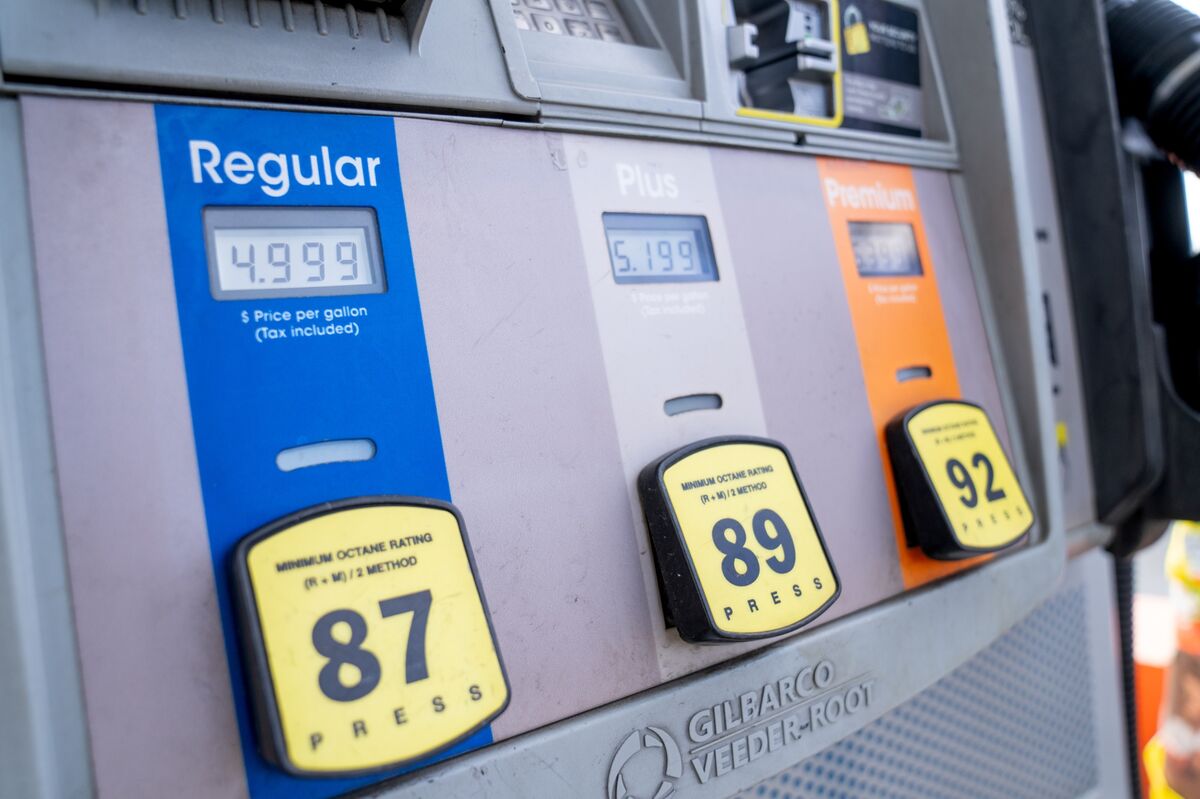
Prices for regular, plus, and premium unleaded gasoline on a fuel pump at a 76 gas station in Seattle, Washington, US, on Monday, March 9, 2026. Gasoline, diesel and jet fuel prices have jumped, as the conflict between the US, Israel and Iran chokes off oil shipments through the Strait of Hormuz.
Energy markets whipsawed for a second consecutive day as investors raced to interpret rapidly shifting comments from the Trump administration over the war in Iran.
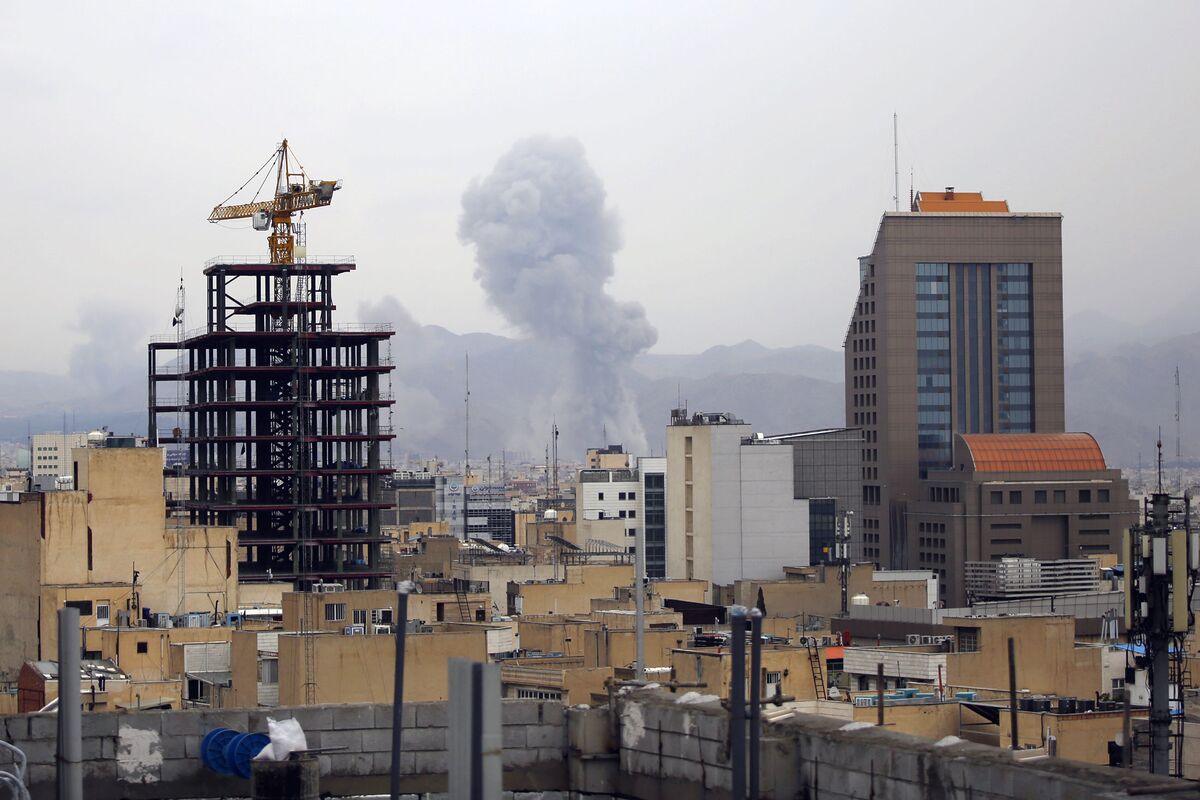
Smoke following an air attack in Tehran, on March 10. Photographer: Fatemeh Bahrami/Anadolu/Getty Images
President Donald Trump is mulling a menu of possible options to combat surging oil and gasoline prices in the wake of the Iran war, according to people familiar with the matter.
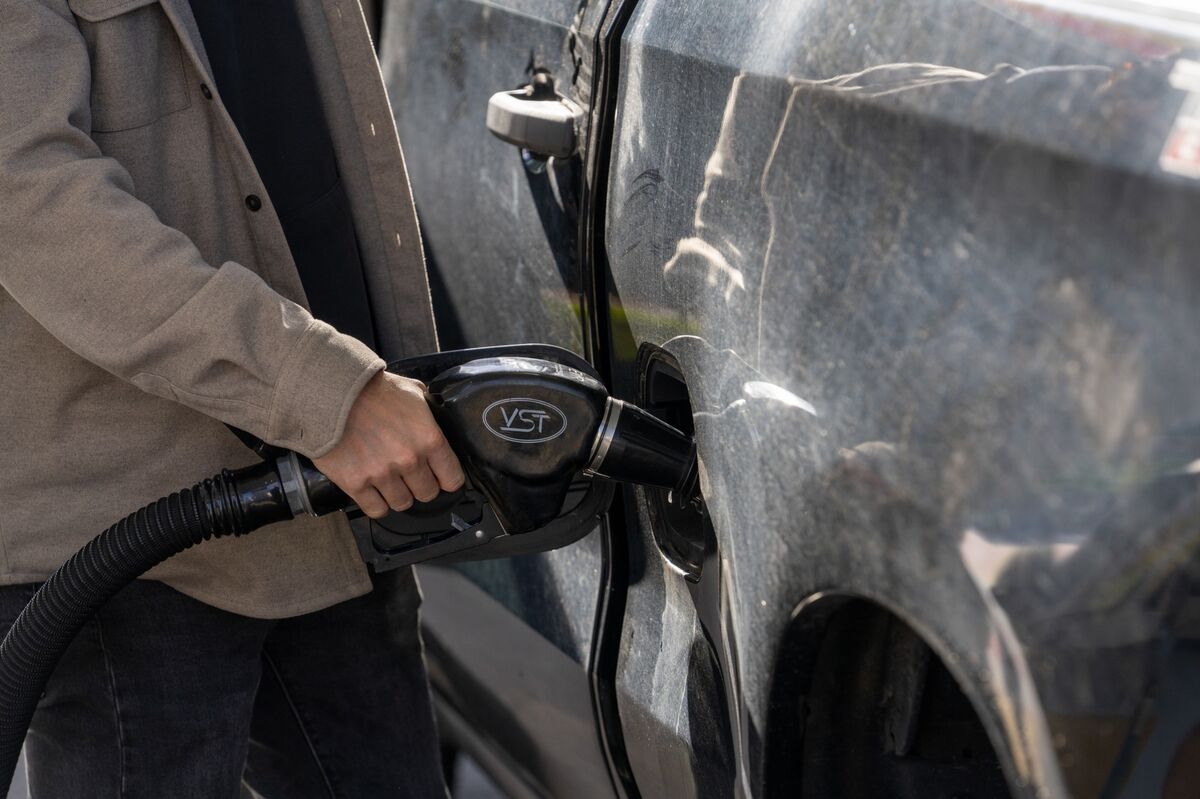
A driver refuels at a gas station in Seattle, Washington, on March 9.
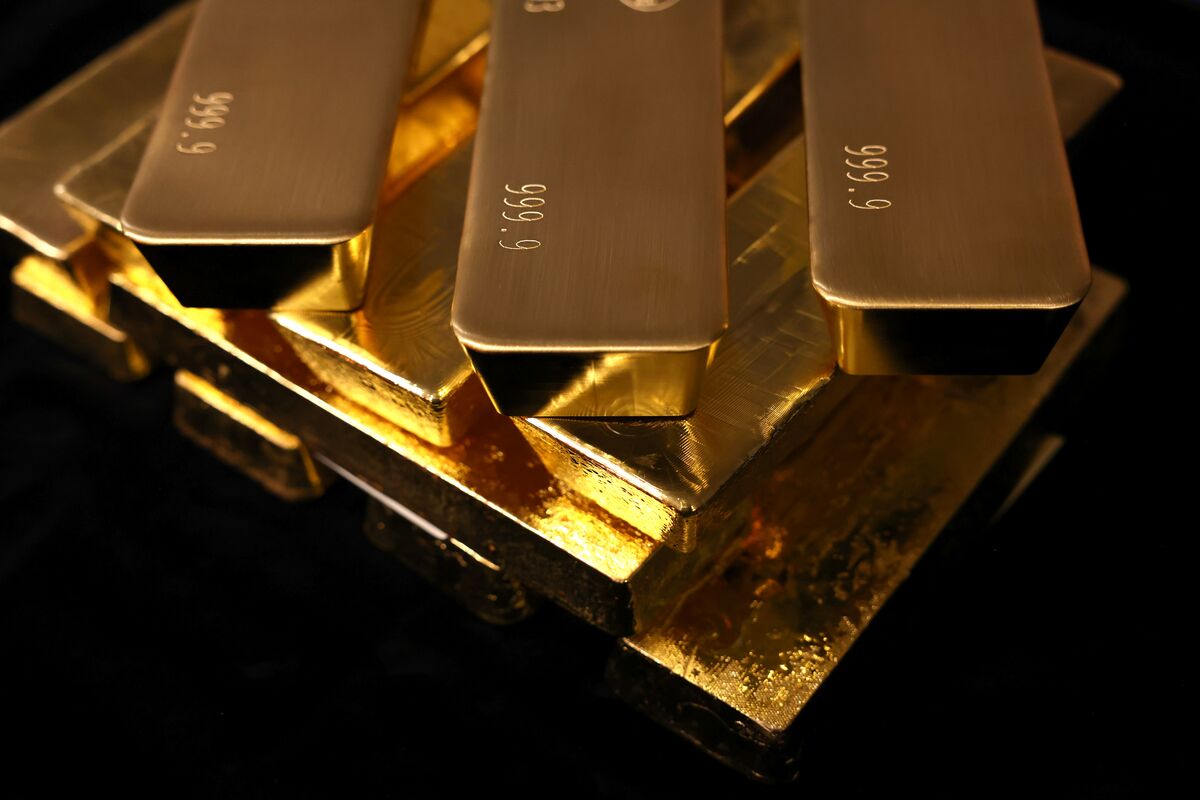
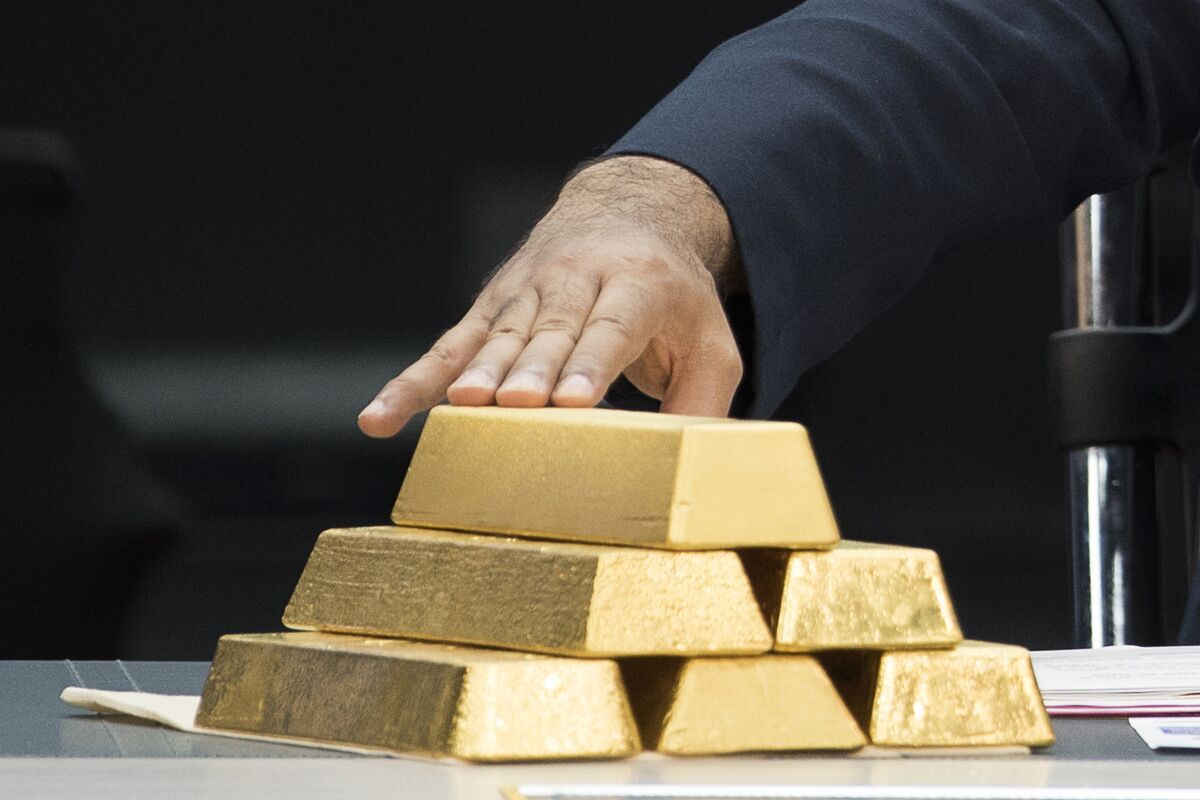
The Trump administration has opened the door for Venezuela to sell gold into the US in a major boost to a country facing crippling dollar shortages due to restrictions on oil exports.
Interior Secretary Doug Burgum was still flying back from Venezuela when the Trump administration made it official: The US would re-establish diplomatic relations with the South American country, seven years after suspending operations at its embassy in Caracas.
Trump administration officials aren’t prioritizing having the Treasury Department trade oil futures as the White House weighs a long list of options to relieve pressure on global energy prices, according to a person familiar with the matter.
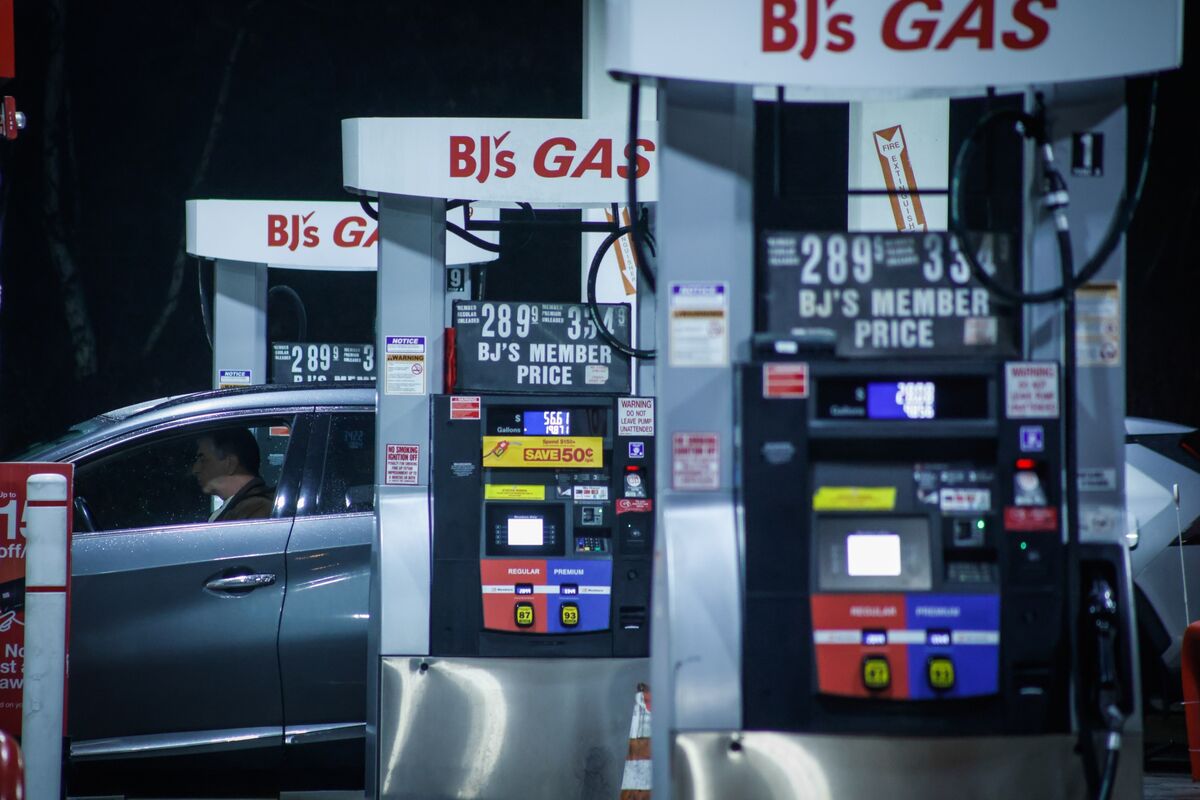
Cars line up at a BJs gas station in Linden, New Jersey on March 5, 2026.
The Trump administration is weighing a range of options for addressing the spike in oil and gasoline prices amid the war in Iran, Interior Secretary Doug Burgum said.
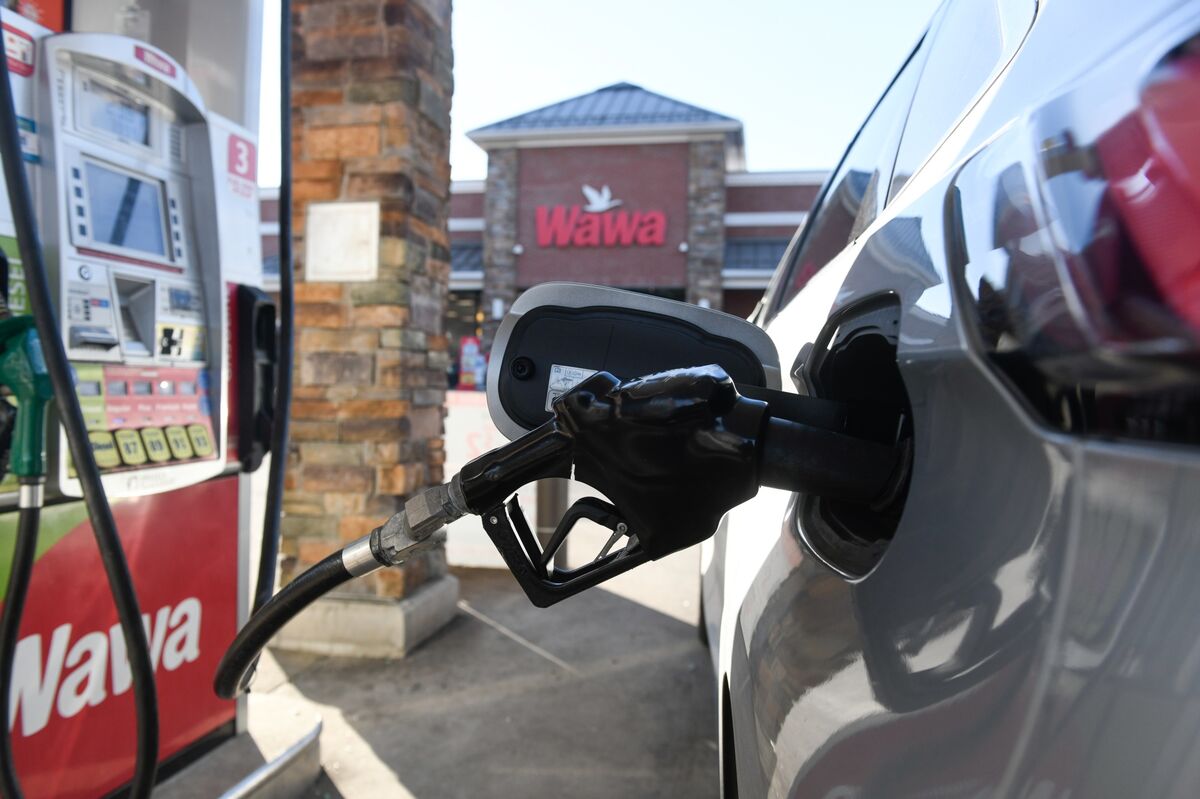
A driver refuels a vehicle at a Wawa gas station in Media, Pennsylvania, US, on Monday, March 2, 2026. Oil surged the most in four years as the first impacts of the war in the Middle East began to be felt, with a near halt to traffic through the Strait of Hormuz and disruption at a big refinery in Saudi Arabia underscoring the threat to supplies in one of the world's top producing regions.
The Trump administration has struck a deal that would see Venezuela’s state mining company sell as much as 1,000 kilograms of gold to commodities trader Trafigura, according to people familiar with the matter.
President Donald Trump declared the public would benefit from a commitment by the nation’s largest tech companies to defray electricity costs related to artificial intelligence development — but it might take a while.
Interim President Delcy Rodriguez told mining executives and metals traders that Venezuela would move at “Trump speed” to help them unlock the South American nation’s mineral wealth.
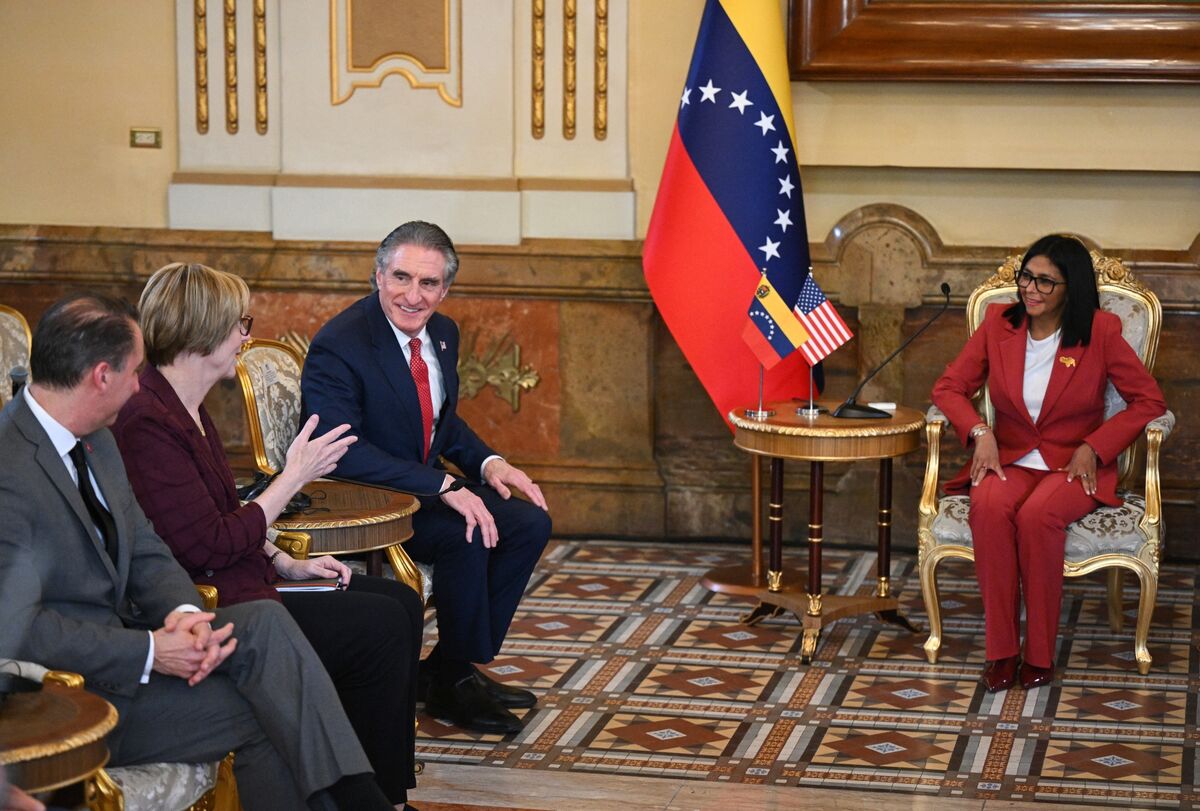
Venezuela's interim president Delcy Rodriguez, right, and US Interior Secretary Doug Burgum during a meeting at the Miraflores Presidential Palace in Caracas on March 4. Photographer: Federico Parra/AFP/Getty Images
Donald Trump deployed his Interior Secretary Doug Burgum to Venezuela on Wednesday as the president seeks to revive oil and mineral production in the South American country.
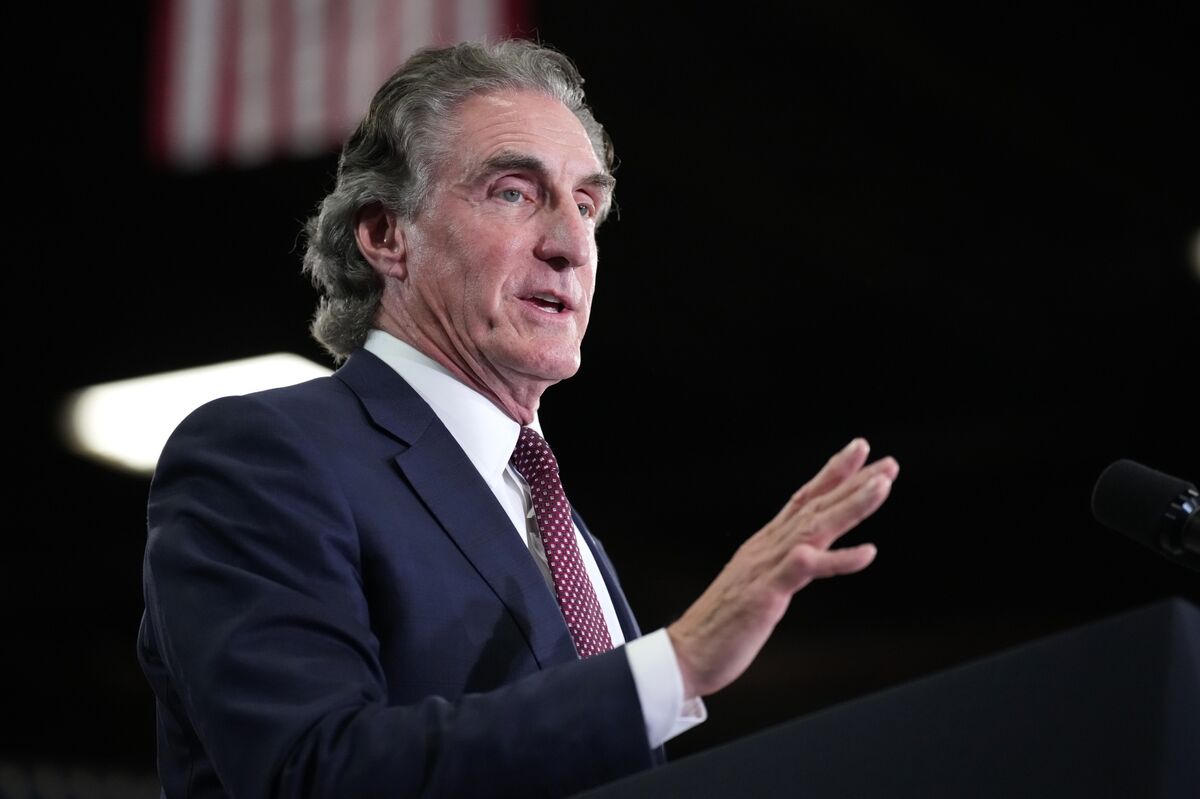
Interior Secretary Doug Burgum Photographer: Andrew Harnik/Getty Images
President Donald Trump said the US will ensure safe passage of oil from the Middle East to head off a potential energy crisis, as the Iran war continues to reverberate across the region and roil markets.
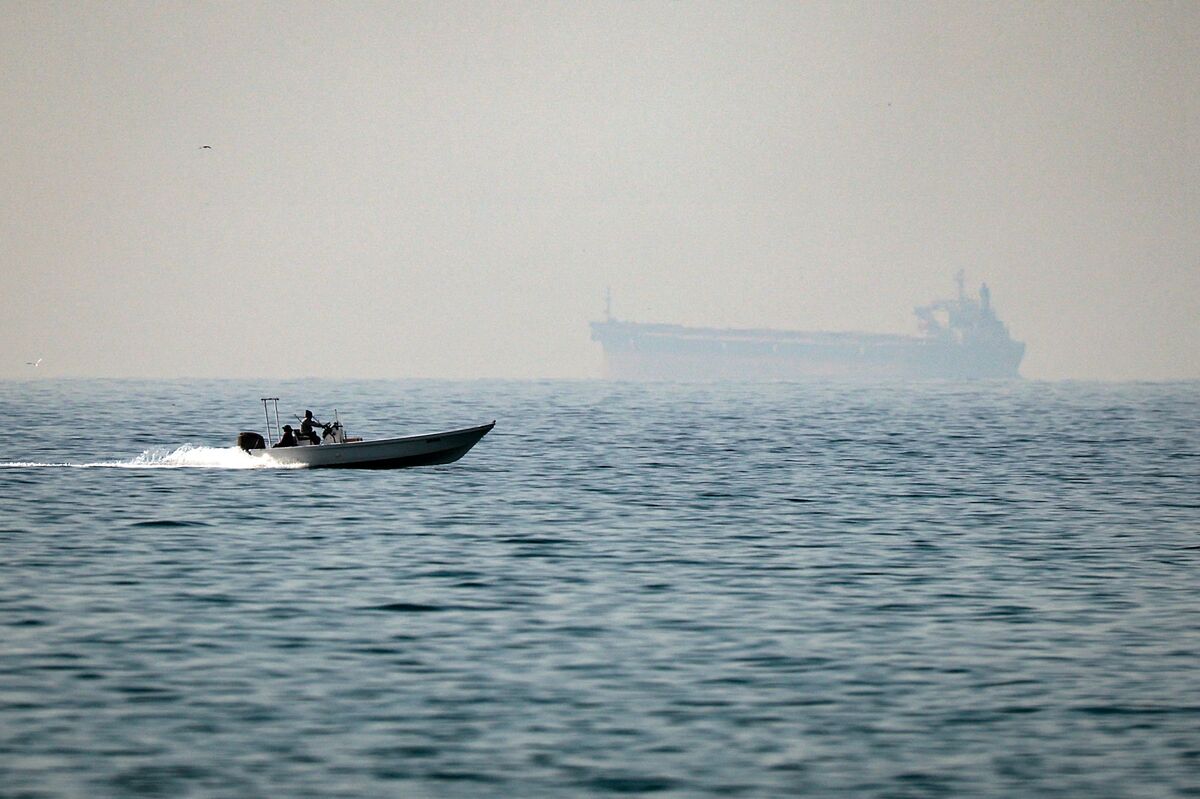
A motorboat passes a tanker in the Strait of Hormuz in February Photographer: Fadel Senna/Getty Images
President Donald Trump said the US will provide insurance guarantees and naval escorts to ensure safe passage for oil tankers and other vessels through the Strait of Hormuz, intending to head off a potential energy crisis caused by the war with Iran.

 Anmelden