❌

Lese-Ansicht

Growing Armada of Tankers Seeks Hormuz-Bypass Oil From Red Sea

A huge number of tankers are now waiting to collect oil from Saudi Arabia’s key port in the Red Sea as Riyadh ramps up its efforts to bypass the Strait of Hormuz after the vital waterway was effectively closed to shipping.

At least 27 large crude oil tankers are anchored off Saudi Arabia's Yanbu port on the Red Sea on March 16, 2026.
  •  

Supertankers Build Up in Red Sea as Saudi Races to Bypass Hormuz

Saudi Arabia’s race to bypass the Strait of Hormuz has led to a buildup of oil supertankers waiting off the kingdom’s Red Sea coast to collect cargoes, as Riyadh tries to overcome unprecedented disruption caused by the Iran war.

At least 50 supertankers are heading the Saudi Red Sea port of Yanbu on March 13, 2026.
  •  

OPEC Oil Output Rose Ahead of Iran War on Saudi Boost, Survey Shows

OPEC’s crude oil production climbed last month as group leader Saudi Arabia bolstered production amid rising regional tensions, a Bloomberg survey showed.

An employee walks past oil transport pipes on the quayside of the Arabian Sea at Saudi Aramco's Ras Tanura oil refinery and terminal in Ras Tanura, Saudi Arabia, on Monday, Oct. 1, 2018. Saudi Aramco aims to become a global refiner and chemical maker, seeking to profit from parts of the oil industry where demand is growing the fastest while also underpinning the kingdom’s economic diversification.
  •  

Hormuz Tracker: Traffic Bottoms Out as Tehran Hardens Blockade

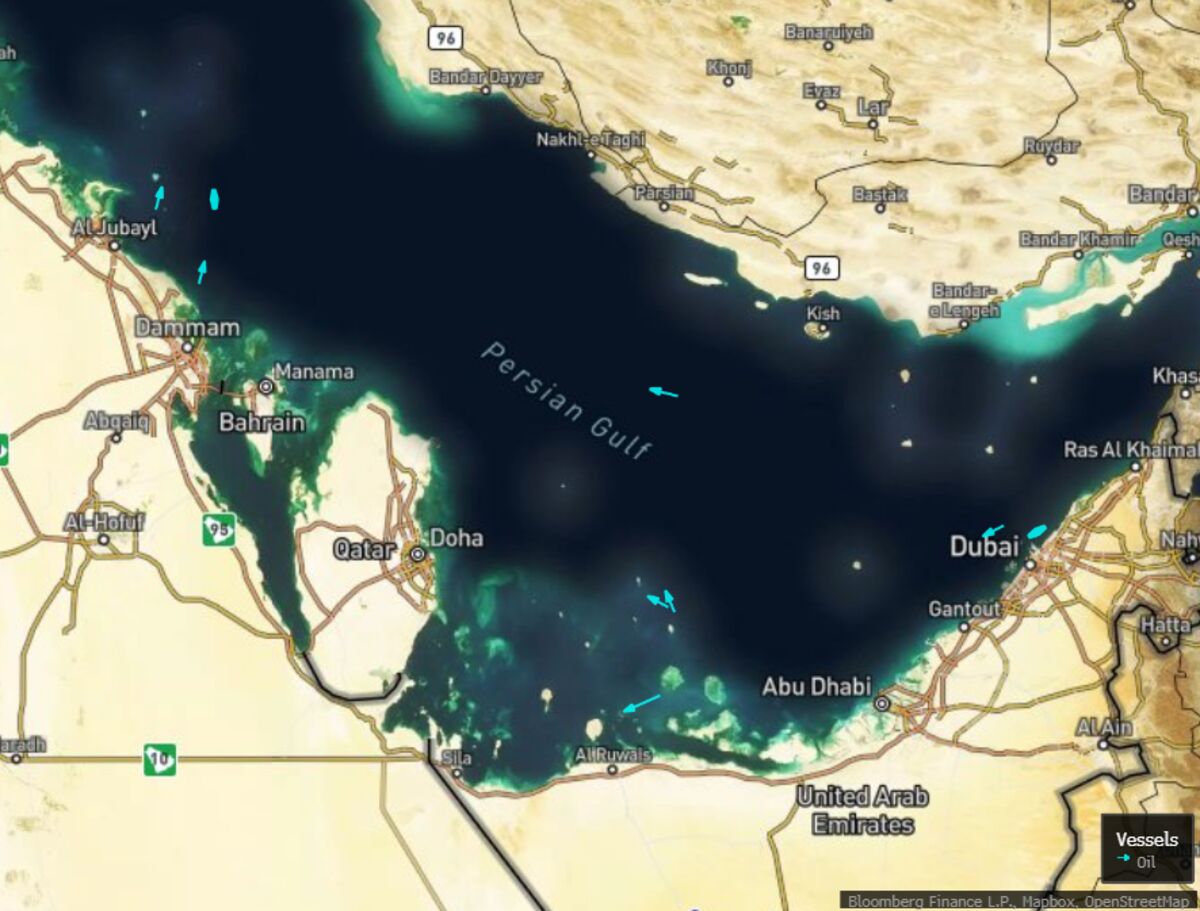
Commercial maritime traffic through the Strait of Hormuz remains effectively at a standstill with no confirmed transits in either direction over the past 24 hours, according to vessel-tracking data compiled by Bloomberg.

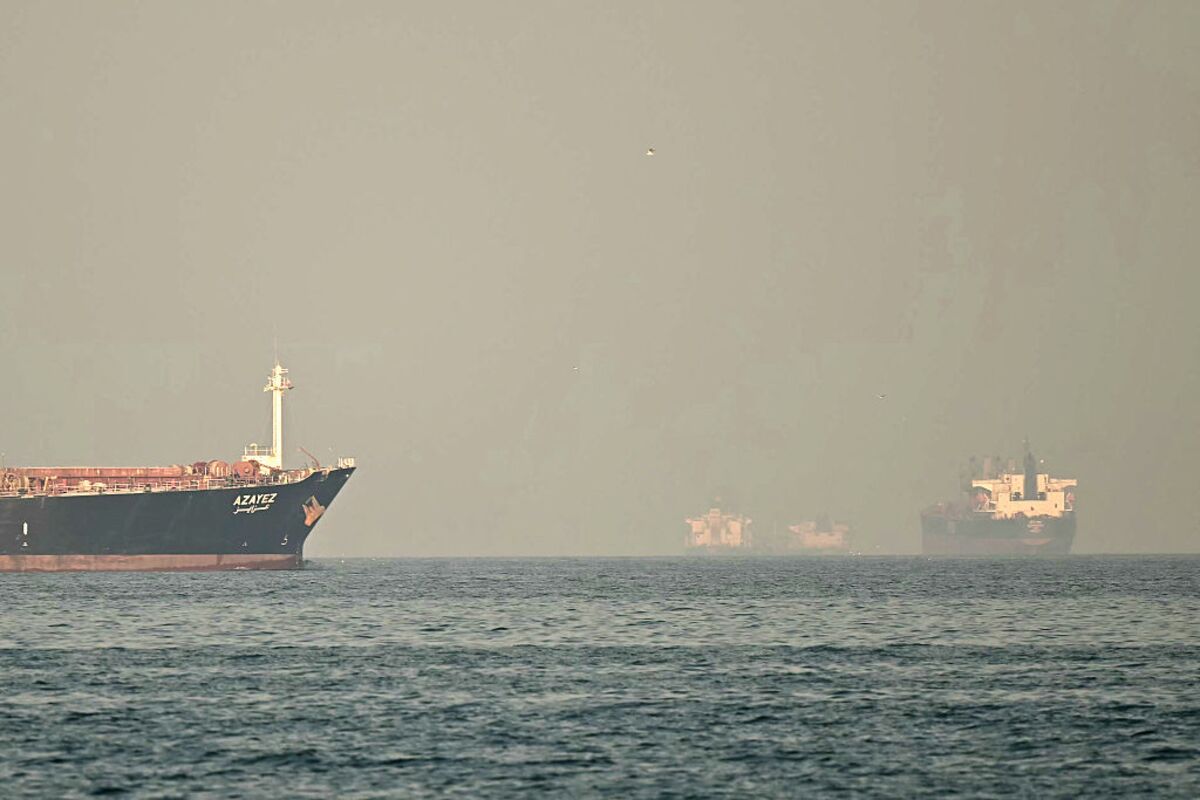
TOPSHOT - Commercial vessels are pictured offshore in Dubai on March 11, 2026. New attacks hit three commercial ships in the Gulf on March 11, with one of the vessels in flames as Iran pressed its campaign against its oil-exporting neighbours, threatening shipping in the Strait of Hormuz and plunging the global energy economy into crisis. (Photo by AFP via Getty Images) / Attention editors: AFP covers the war in the Middle East through its extensive regional network, including bureaus in Tehran, Jerusalem and several neighboring countries.Since the start of the conflict, journalists have been working under increasingly restrictive conditions. Authorities in several countries have limited reporters' movements, photo and live video coverage from sensitive locations. Some governments and armed groups have banned images of missile or drone strikes and other security-related sites. /
  •  

Iran Loaded Crude From Its Kharg Island Terminal on Saturday

Iran continued loading crude onto tankers at its Kharg Island oil terminal on Saturday, a week after the US and Israel launched air attacks against the Persian Gulf country. It’s unclear whether loading operations have continued, with no new satellite images since then.

Oil facilities on Kharg island, Iran. Photographer: Morteza Nikoubazl/NurPhoto/Getty Images
  •  

Oil Market Chaos to Deepen as More Gulf Giants Cut Output

Oil markets are set for yet more chaos on Monday as the war in Iran unleashes unprecedented disruption: major producers are curbing output as storage fills up and the most important waterway for global energy markets remains all but closed.

Men stand outside a storage facility of oil giant ADNOC in the capital of the United Arab Emirates, Abu Dhabi, on January 17, 2022. - Three people were killed in a suspected drone attack that set off a blast and a fire in Abu Dhabi today, officials said, as Yemen's rebels announced military operations in the United Arab Emirates. Two Indians and a Pakistani died as three petrol tanks exploded near the storage facility of oil giant ADNOC, while a fire ignited in a construction area at Abu Dhabi airport. (Photo by AFP) (Photo by -/AFP via Getty Images)
  •  

HORMUZ TRACKER: Iran-Linked Ships Transit as Others Stay Away

Strait of Hormuz transit remains near a standstill for a sixth day, with Iran-linked tankers the only large vessels making the crossing in the past 24 hours.

Cargo ships and tankers are seen off coast city of Fujairah, in the Strait of Hormuz in the northern Emirate on February 25, 2026. (Photo by Giuseppe CACACE / AFP via Getty Images)
  •  

Only Nine Empty Oil Supertankers Are Visible in the Persian Gulf

The tally of ships able to store oil from the big Middle East producers is dwindling fast, with just nine empty very large crude carriers visible in the Persian Gulf. Once those are loaded, onshore storage tanks will fill rapidly, leading to more production shut-ins.

There were only nine empty supertankers visible in the Persian Gulf on March 6, 2026.
  •  

Russia Is the First Clear Winner From War in Iran

Indian refiners are snapping up Moscow’s barrels after Middle East flows have bottled up in Persian Gulf.

A Bharat Petroleum Corp. oil refinery in Mumbai, India, on Tuesday, March 3, 2026. Oil extended gains as fresh attacks flared in the Middle East and traders weighed a US plan to insure and escort tankers passing through the Strait of Hormuz, with traffic in the vital waterway all but halted. Photographer: Abeer Khan/Bloomberg
  •  

Iran Kept Loading Crude at Kharg Island Two Days After US Air Strikes

Iran continued loading crude onto tankers at its Kharg Island oil terminal on Monday, two days after the US and Israel launched air attacks against the Persian Gulf country. It’s unclear whether loading operations have continued as the conflict has intensified, with no new satellite images since then.

Oil loading operations continued at Iran’s Kharg Island oil terminal on March 2, 2026, two days after the US and Israel launched Operation Epic Fury.
  •  
❌