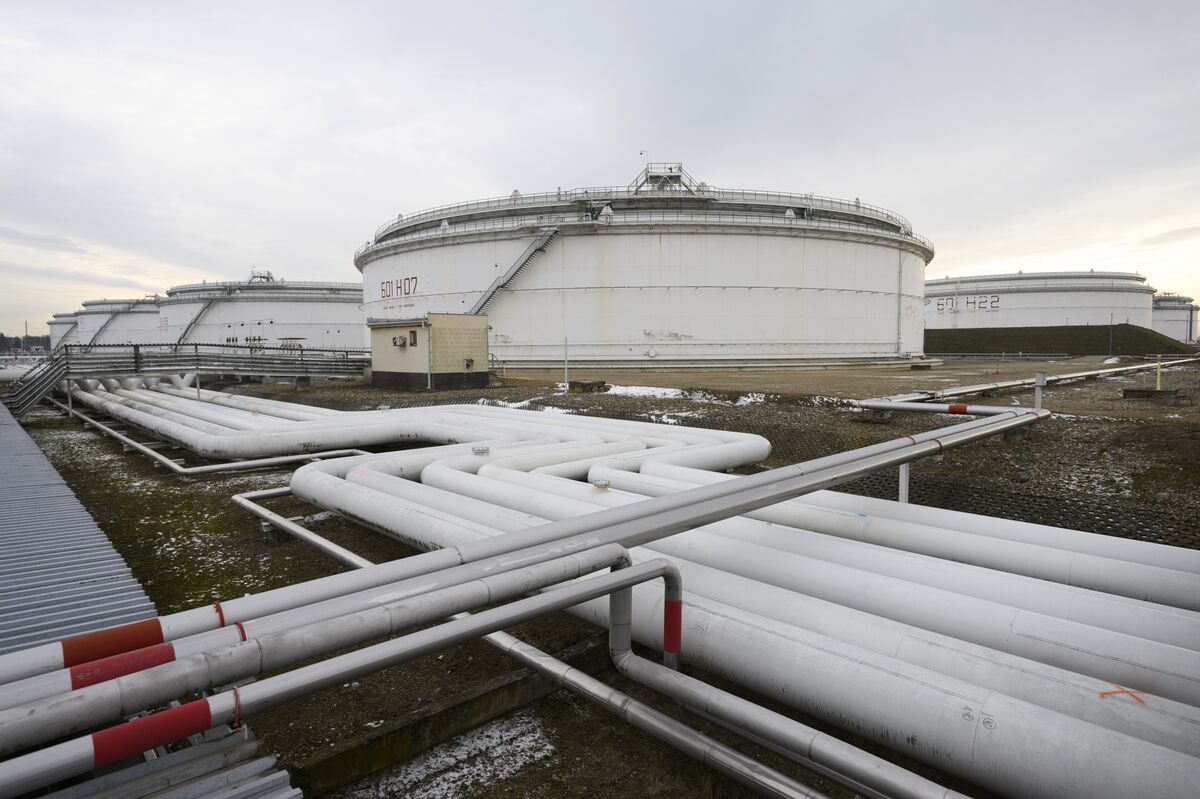
Ukraine expects oil to resume flowing through the Druzhba pipeline as soon as Tuesday, clearing the way for the European Union to unblock a much-needed €90 billion ($106 billion) loan for Kyiv.
Oil pipes at an oil tank farm along the Druzhba pipeline near Nelahozeves, Czech Republic.
Germany wants the European Union to place industrial transition to cleaner energy at the heart of a planned review of its carbon market, after rising power and fuel prices prompted criticism of the bloc’s key climate tool.
European Union officials are heading to Budapest on Friday for talks with Hungary’s incoming leader, Peter Magyar, with no signs the outgoing Prime Minister Viktor Orban will drop his veto over a €90 billion ($106 billion) EU loan to Ukraine.
Hungary's Incoming Prime Minister Peter Magyar at a news conference following his election victory in Budapest on April 13.
The European Union said it prefers controlled purchases of international carbon credits over the acquisition of them by individual companies, as it wants to ensure only high-quality projects count toward its ambitious climate target.
Investors in emissions-reduction projects called on the EU to agree on the rules as soon as possible. Photographer: Milan Jaros/Bloomberg
The European Union’s executive arm is set to propose lowering energy taxes and power grid charges, after the Iran war added urgency to a plan to help the region’s struggling industries.
Overhead electrical power lines at an electricity substation in Athens.
The European Union’s executive arm is set to propose lowering energy taxes and power grid charges, after the Iran war added urgency to a plan to help the region’s struggling industries.
Overhead electrical power lines at an electricity substation in Athens.
Protesters blocked an Irish oil refinery and demonstrated in Dublin over the government’s handling of soaring fuel prices in the wake of the war in the Middle East.
Vehicles parked in protest over rising fuel prices on O'Connell Street, Dublin, on April 8.
The European Union proposed a limited adjustment to its carbon trading program to curb the impact of emissions costs on soaring energy bills, and pledged flexibility to avoid placing an excessive burden on industry during a transition to cleaner technologies.
Residential homes near the Rhone Energies SAS oil refinery in France. Photographer: Jeremy Suyker/Bloomberg
The European carbon market is scaling back expectations for how aggressive government intervention will be as Brussels looks to ease energy-cost burdens for the region’s ailing heavy industry.
Carbon futures dropped earlier this month on concerns that EU governments will push for aggressive measures to cut carbon prices.
Ukraine risks running out of money to pay for its defense against Russia within two months as a multitude of factors converge to threaten tens of billions of euros in assistance from the country’s key donors.
Soldiers test fiber optic drones before using them on the front line in Donetsk Oblast, Ukraine. Photographer: Jo Colon/Anadolu/Getty Images
Iranian officials have become reluctant to even discuss reopening the Strait of Hormuz as they focus on surviving the US-Israeli onslaught, according to a person involved in direct, high-level contacts with Tehran.
A satellite view of the Strait of Hormuz Photographer: Gallo Images/Orbital Horizon/Copernicus Sentinel Data 2025/Getty Images
The European Union is bracing for a protracted energy price shock after Iran crippled a vital Qatar gas plant, raising the prospect of a years-long supply crunch.
The European Union is bracing for a protracted energy price shock after Iran crippled a vital Qatar gas plant, raising the prospect of a years-long supply crunch.
The European Union is bracing for a protracted energy price shock after Iran crippled a vital Qatar gas plant, raising the prospect of a years-long supply crunch.
European Union leaders on Thursday couldn’t break the deadlock over a €90 billion ($103 billion) loan to Ukraine, leaving some fuming over Hungarian Prime Minister Viktor Orban’s refusal to budge until he regains access to Russian oil.
A Ukrainian municipal worker is lifted on a cherry picker at the site of a recent Russian air attack in Zaporizhzhia on March 18.
The European Union is considering measures from carbon market changes to cutting energy taxes to curb prices boosted by the Middle East conflict, as concerns mount over their economic impact and increasing risks to supplies.
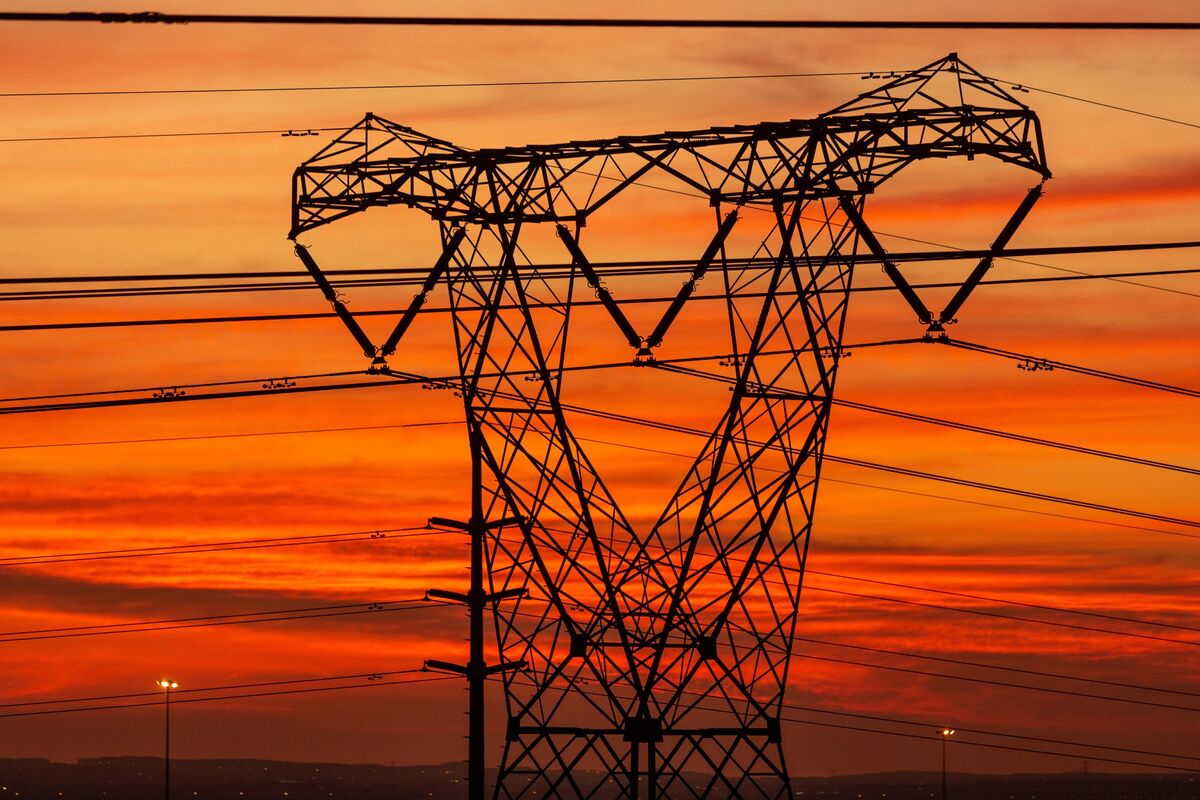
A high-voltage electricity transmission tower Photographer: Dwayne Senior/Bloomberg
The European Commission is considering relaxing carbon-permit supply rules and allowing more state aid as part of an emergency plan to cut spiking power prices, according to people familiar with the plans.
Vapour rises from a flare stack and chimneys. Photographer: Luke Sharrett/Bloomberg

 Anmelden