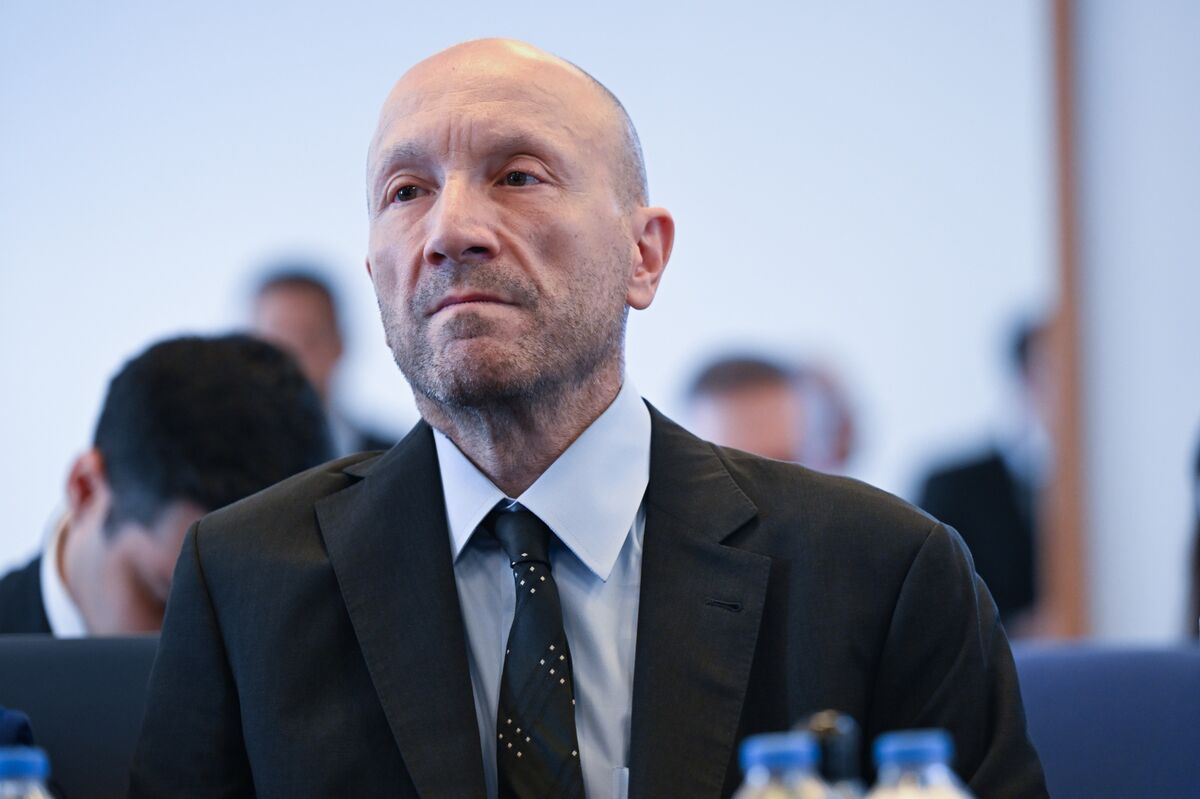
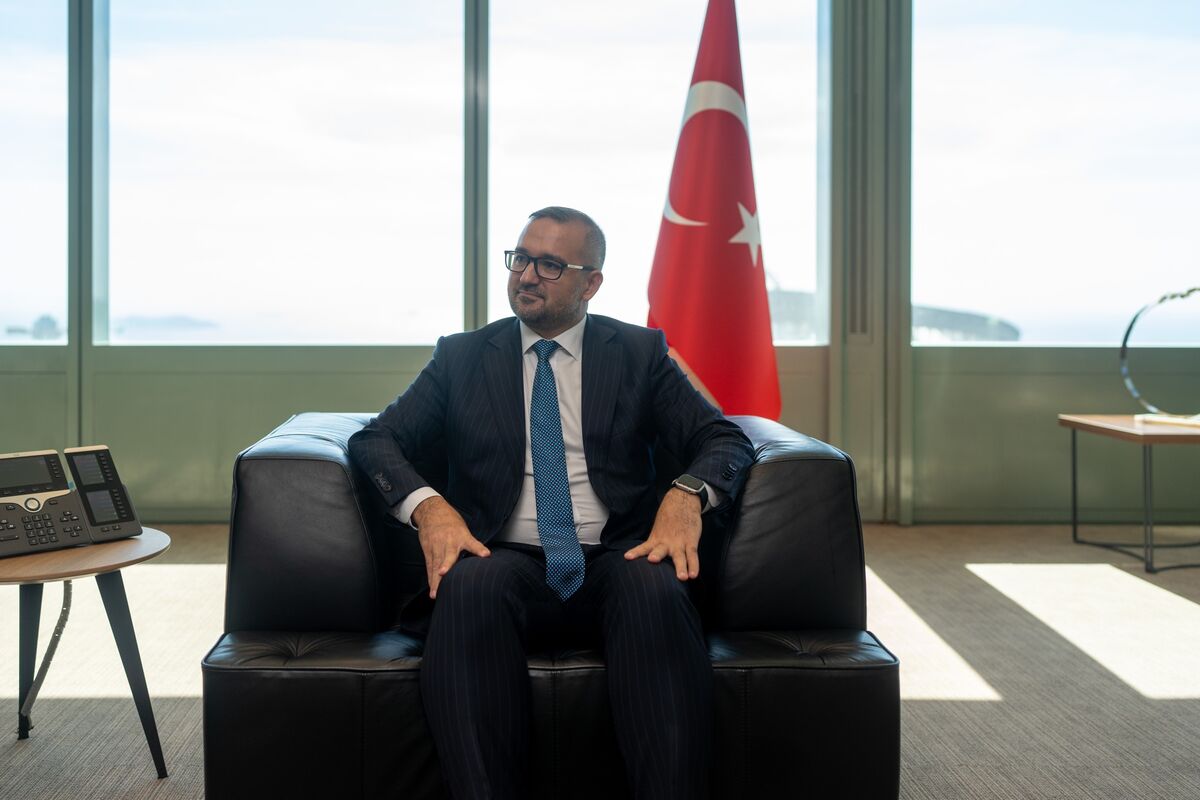
Cevdet Akcay, who helped overhaul Turkey’s monetary policy to bring down prices and revive investor interest, stepped down as one of the central bank’s deputy governors.
Turkish Central Bank Deputy Governor Osman Cevdet Akcay
Turkey’s top economic policymakers told investors this week that the fallout from the Iran war is likely to weigh on Turkish growth and raise price pressures in the short term, according to people with knowledge of the conversations.
Mehmet Simsek, Turkey's finance minister, during the Asian Financial Forum in Hong Kong, China, on Monday, Jan. 26, 2026. The forum runs through Jan. 27.
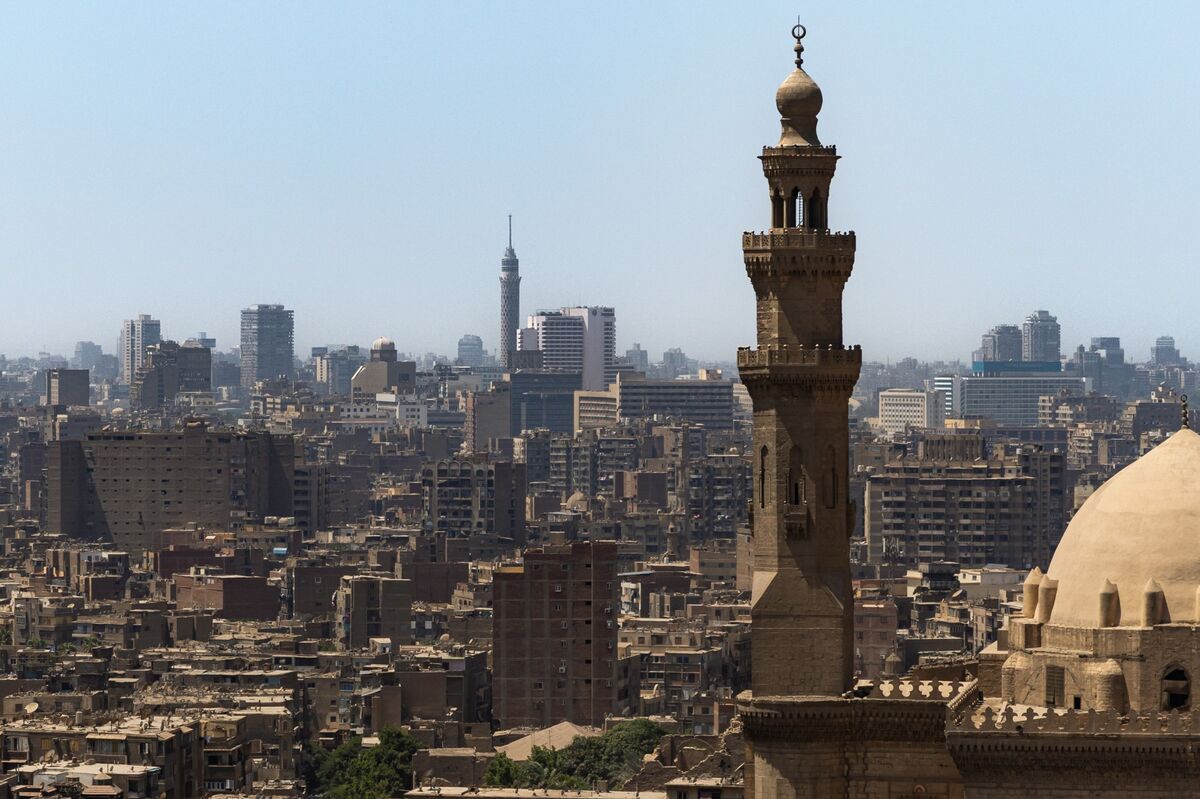
The International Monetary Fund said Egypt’s economic reforms and stronger buffers are enabling the country to better weather external shocks, as the local pound reverses some losses after the Iran war ceasefire.
The Citadel of Saladin, right, near residential buildings in Cairo.
The International Monetary Fund cut growth forecasts for countries across the Middle East due to disruptions stemming from the Iran war and warned that a prolonged conflict could put further pressure on the region’s economies.
International Monetary Fund headquarters in Washington.
The International Monetary Fund cut growth forecasts for countries across the Middle East due to disruptions stemming from the Iran war and warned that a prolonged conflict could put further pressure on the region’s economies.
International Monetary Fund headquarters in Washington.
The International Monetary Fund said Egypt’s economic reforms and stronger buffers are enabling the country to better weather external shocks, as the local pound reverses some losses after the Iran war ceasefire.
The Citadel of Saladin, right, near residential buildings in Cairo.
Qatar’s finance minister warned of a bigger economic fallout from the Iran war over the coming months if the Strait of Hormuz isn’t reopened soon and trade remains restricted to countries reliant on everything from natural gas and fertilizers to helium.
Qatar’s finance minister Ali bin Ahmed Al-Kuwari Photographer: Christopher Pike/Bloomberg
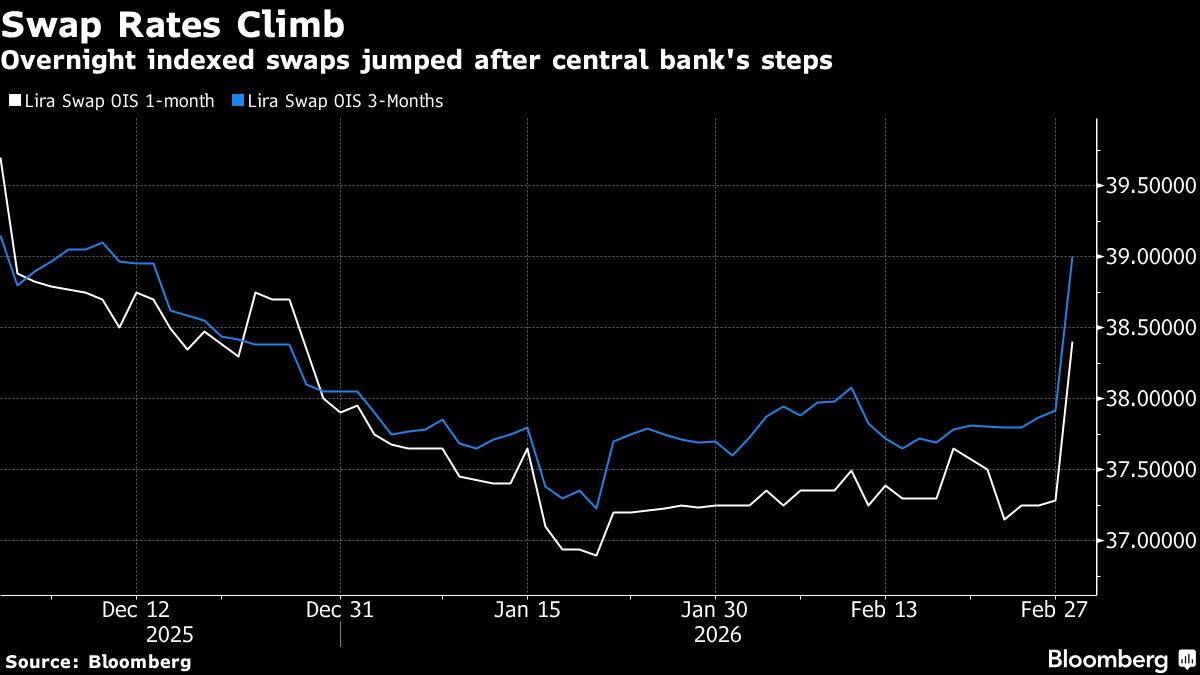
Turkey restarted foreign-currency swap transactions with local banks for the first time in a year, after a drawdown in reserves fueled by a broad selloff across emerging markets amid the war in the Middle East.
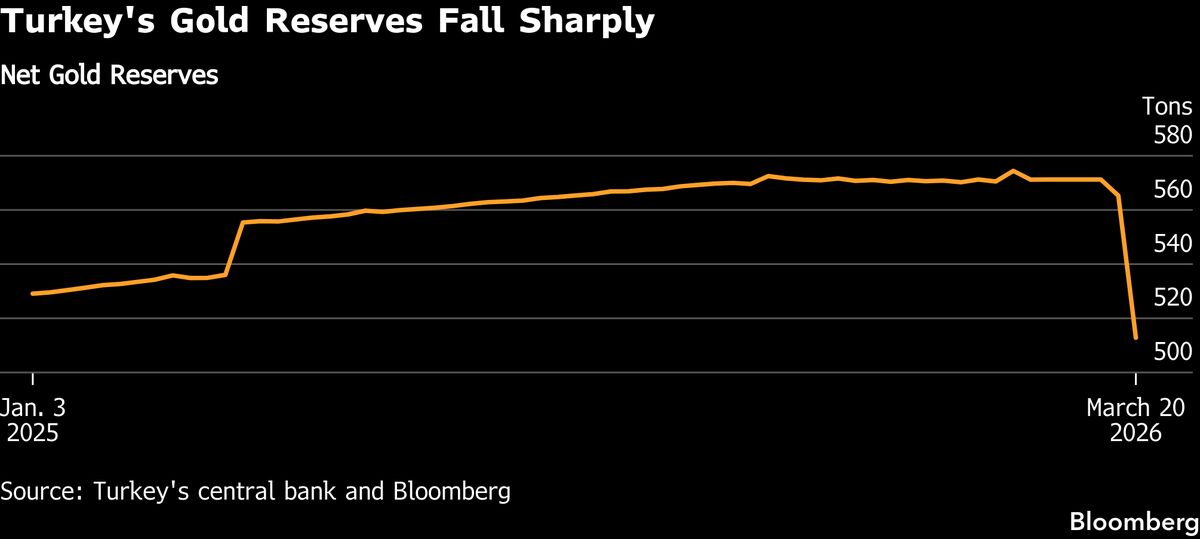
Turkey’s central bank sold and swapped about 60 tons of gold, worth more than $8 billion, in two weeks after the start of the war in Iran, adding to downward pressure on bullion prices.
Turkey’s central bank is preparing an expanded toolkit to defend the lira from Iran war-related volatility that includes potentially tapping its vast gold reserves, according to people familiar with the matter.
Turkey’s central bank held its benchmark interest rate steady on Thursday, pausing a cycle of cuts because of a war-driven spike in energy prices and currency pressures.
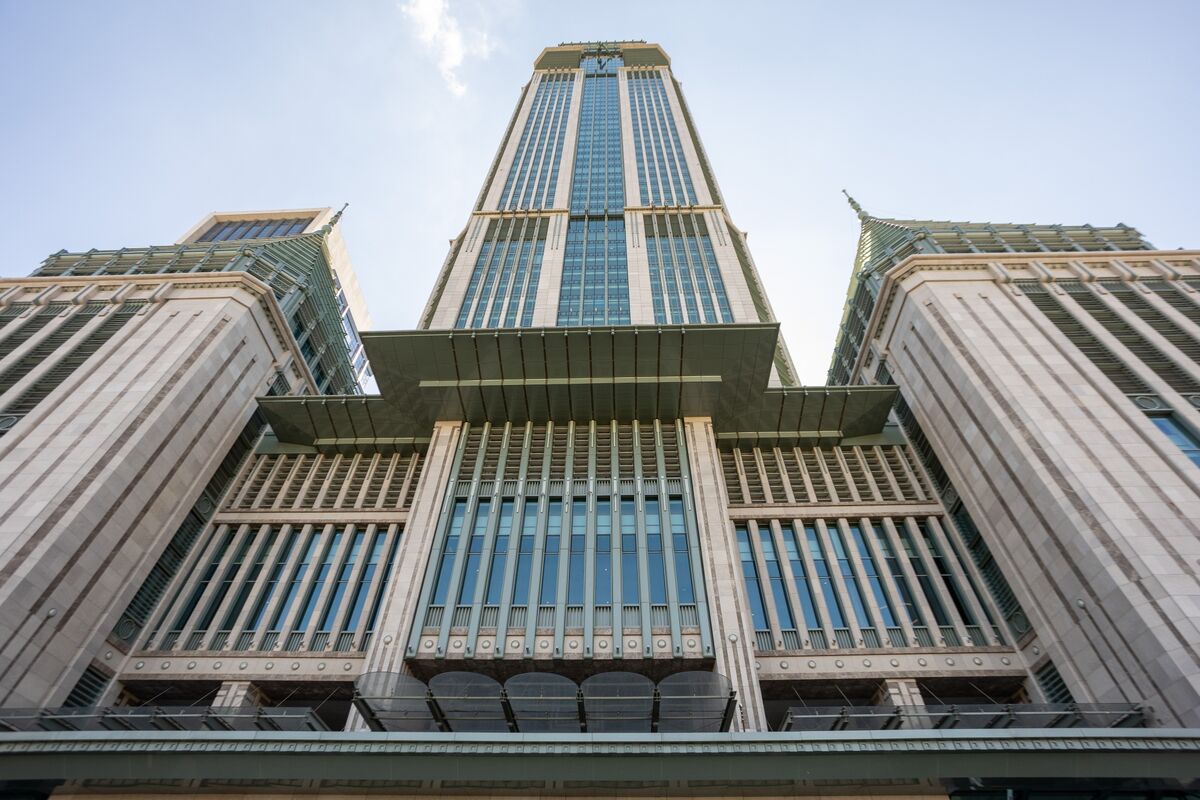
The Turkish central bank building in Istanbul, Turkey, on Thursday, Sept. 4, 2025. Turkey’s economic growth remained resilient in the second quarter despite an emergency interest-rate hike by the central bank in March. Photographer: Emre Caylak/Bloomberg
Turkey’s cycle of interest-rate cuts will likely end on Thursday as a war-driven spike in global energy prices threatens to reignite the country’s inflation woes.
The Turkish central bank building in Istanbul. Photographer: Emre Caylak/Bloomberg
Istanbul Mayor Ekrem Imamoglu, the Turkish opposition politician whose arrest last year caused market turmoil, will go on trial Monday on corruption charges that could result in a combined sentence of more than 2,000 years.
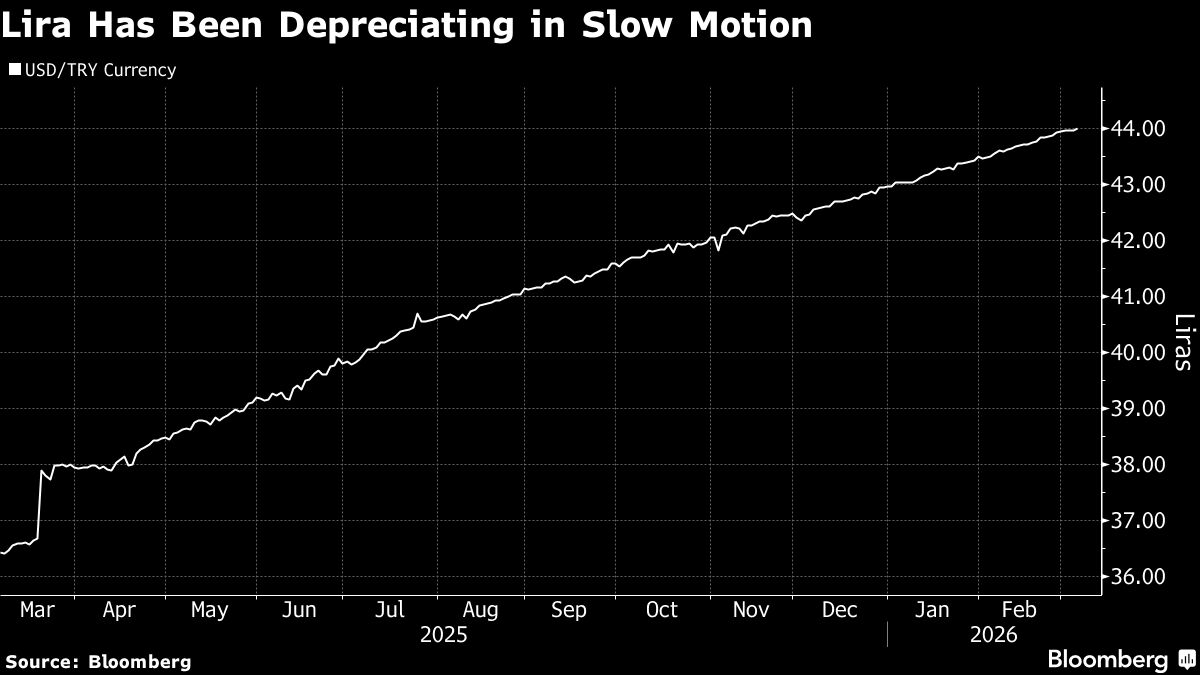
Turkey has spent $12 billion, equal to roughly 15% of its foreign-currency reserves, to keep the lira stable during a week of global market volatility triggered by the war in Iran.
Turkey has spent $12 billion, equal to roughly 15% of its foreign-currency reserves, to keep the lira stable during a week of global market volatility triggered by the war in Iran.
Turkey’s annual price growth accelerated in February, complicating the central bank’s disinflation efforts that’s already been threatened by the spike in energy costs due to the Iran war.
Turkey’s annual price growth accelerated in February, complicating the central bank’s disinflation efforts that’s already been threatened by the spike in energy costs due to the Iran war.

 Anmelden