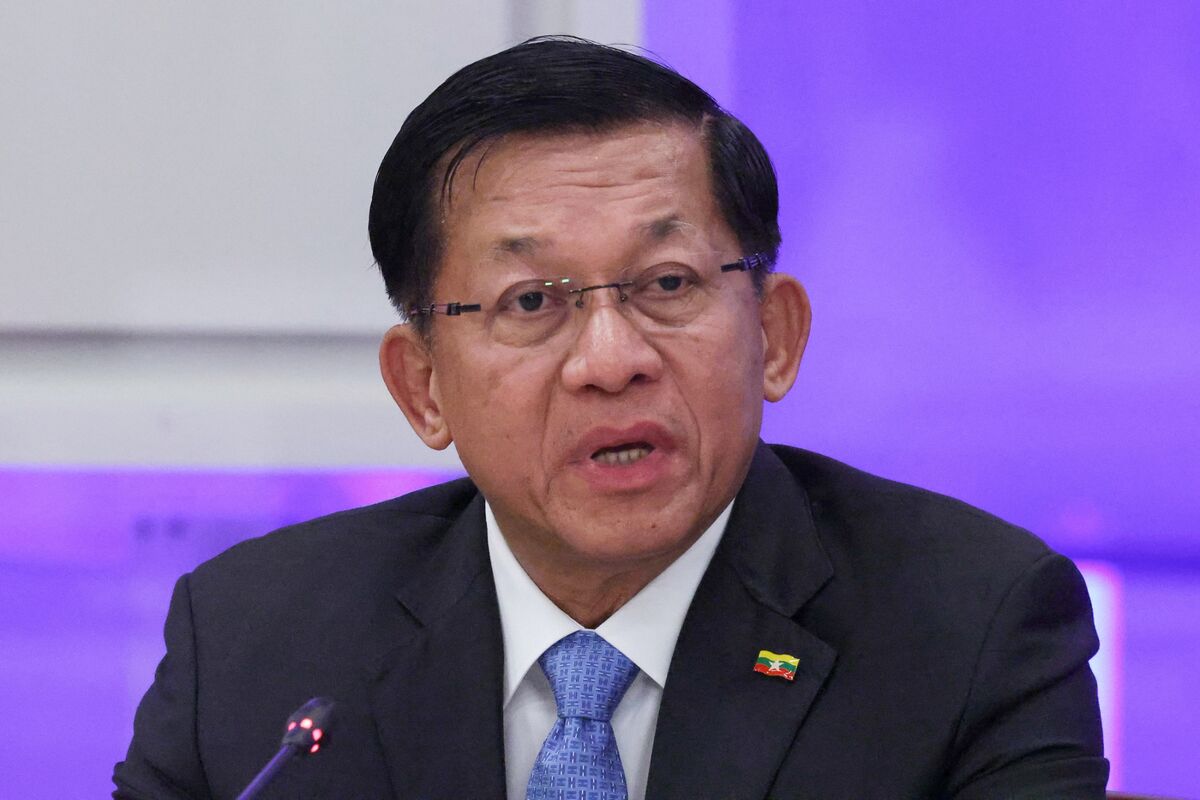
Sentiment is warming among some Southeast Asian nations toward easing Myanmar’s isolation five years after the overthrow of Aung San Suu Kyi, with diplomats signaling a desire to bring the crisis-torn nation back into the fold despite ongoing conflict.
Sentiment is warming among some Southeast Asian nations toward easing Myanmar’s isolation five years after the overthrow of Aung San Suu Kyi, with diplomats signaling a desire to bring the crisis-torn nation back into the fold despite ongoing conflict.
Singapore and New Zealand signed a deal Monday to strengthen supply chain resilience and safeguard the flow of critical goods such as food and energy, as both countries seek to shield their trade-dependent economies against disruptions from the war in Iran.
Prime Minister of the Republic of Singapore Lawrence Wong
Singapore Prime Minister Lawrence Wong warned of bigger disruptions ahead as the country navigates a more uncertain global environment, from the Iran conflict to the rapid rise of artificial intelligence.
Vietnam’s General Secretary and President To Lam will deliver the keynote address at Asia’s top security summit this year, giving the Southeast Asian leader a high-profile opportunity to address long-standing territorial tensions with Beijing in the South China Sea.
Disruptions to shipping in the Strait of Hormuz have raised concerns about vulnerabilities in another critical maritime corridor half a world away. The Strait of Malacca — a narrow stretch of water between Indonesia and Malaysia that funnels trade past Singapore — carries more than a fifth of global maritime trade and is the world’s busiest chokepoint.
An LNG tanker in the Strait of Malacca, seen from Malacca, Malaysia, in 2023. Photographer: Cheng Yiheng/Xinhua/Getty Images
Indonesia’s top diplomat said the country will not pursue tolls on ships passing through the Strait of Malacca, seeking to calm concerns after its finance minister raised the idea this week.
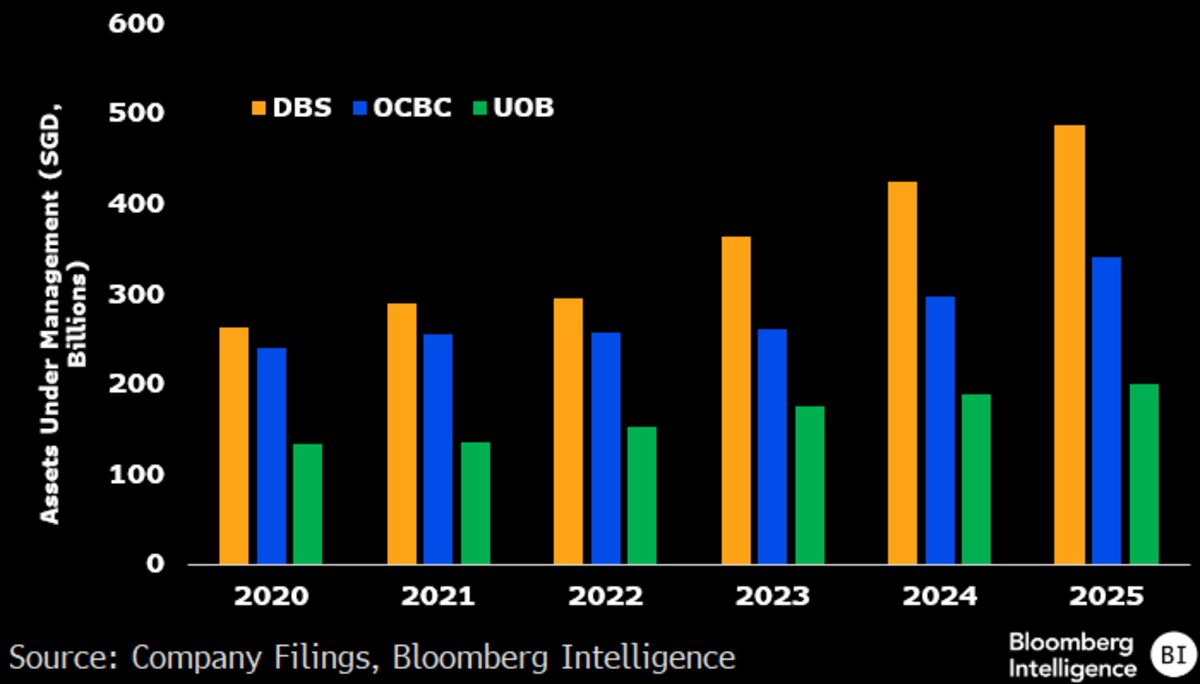
Singapore’s growth is poised to moderate as its export-driven model is strained by geopolitical tensions and a fragmenting global trading system, though it could draw support from opportunities in the Middle East, according to Bloomberg Intelligence.
Singapore’s business lobby has joined the government in pushing back against a sweeping US trade probe that alleges manufacturing overcapacity and failures to enforce bans on imports linked to forced labor.
Singapore is among the dozen economies targeted by investigations launched in March by the US Trade Representative.
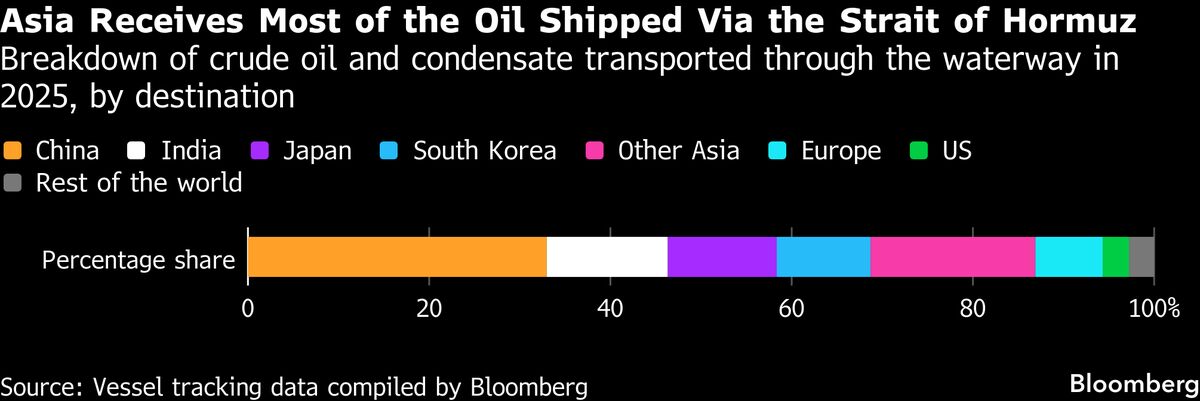
US President Donald Trump’s move to blockade the Strait of Hormuz risks deepening an unfolding economic crisis for Asia’s energy-dependent economies, including America’s allies in the region and China.
Singapore unveiled around S$1 billion ($778 million) in enhanced support measures to cushion the economy and warned of possible power disruptions as the Middle East conflict chokes energy supplies.
The PSA International Pasir Panjang Terminal in Singapore. Photographer: SeongJoon Cho/Bloomberg
Singapore unveiled around S$1 billion ($778 million) in enhanced support measures to cushion the economy and warned of possible power disruptions as the Middle East conflict chokes energy supplies.
The PSA International Pasir Panjang Terminal in Singapore. Photographer: SeongJoon Cho/Bloomberg
Singapore said the US has withdrawn an “inaccurate statement” on bilateral trade balances that had underpinned Washington’s decision to launch probes into more than a dozen economies last month.
The CMA CGM SA Montmartre container ship leaves the PSA International Pte Ltd. Pasir Panjang Terminal in Singapore, on Sunday, Feb. 1, 2026. Singapore left its monetary policy settings unchanged for a third straight review while raising its forecast for inflation, with the trade-dependent economy set to continue benefiting from artificial intelligence-related demand for chips and other technology. Photographer: SeongJoon Cho/Bloomberg
Singapore’s top diplomat warned the economic fallout from the war in Iran could worsen and markets have yet to factor in the worst-case scenario.
Vivian Balakrishnan, Singapore's foreign affairs minister, during the Bloomberg New Economy Forum in Singapore, on Wednesday, Nov. 19, 2025. The New Economy Forum is being organized by Bloomberg Media Group, a division of Bloomberg LP, the parent company of Bloomberg News.
The head of Tibet’s government-in-exile said his administration is closely monitoring whether the escalating war in Iran may give China room to deepen its interests on the Himalayan plateau and other regional flashpoints.

 Anmelden