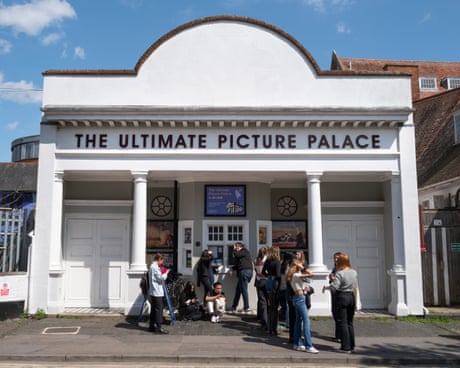
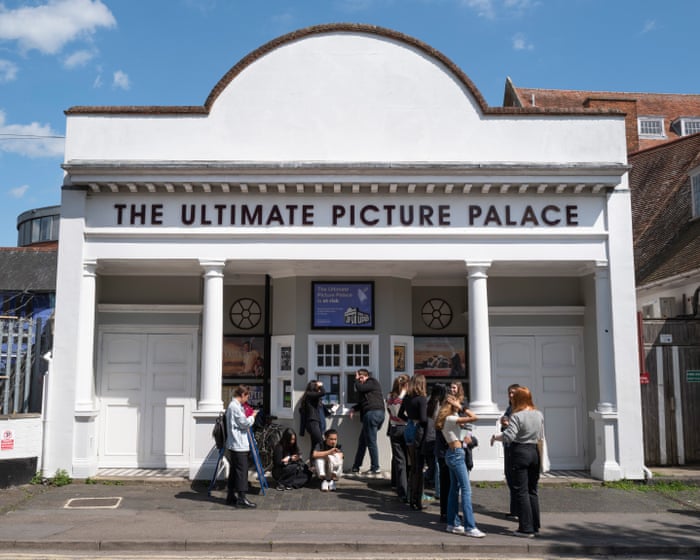
The Ultimate Picture Palace opened in 1911 and is housed in a Grade II-listed building in need of renovation
The survival of one of the UK’s oldest independent cinemas is under threat while its landlord, the University of Oxford’s Oriel College, refuses to extend its lease to allow what its director says are vital renovations.
The Ultimate Picture Palace in east Oxford opened in 1911, and has entertained generations of students and residents, including the Oscar-winning director Sam Mendes. It sells tickets for its 106 seats through an old-fashioned box office window to patrons queueing on the street, and its screen is behind a manually opened curtain.
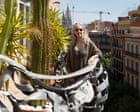
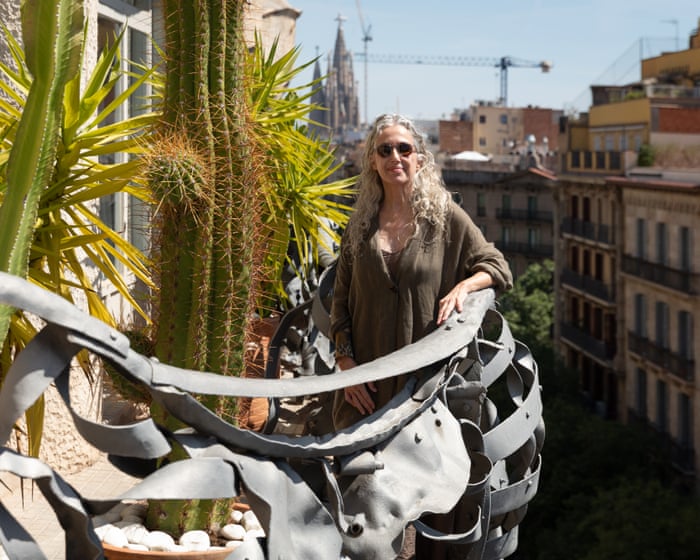
Ana Viladomiu has been a ‘privileged’ resident of the once derided, now revered Barcelona apartment building for almost 40 years
Imagine that you live in an enormous, beautiful apartment designed by one of the world’s most admired architects in the most expensive street in Spain and for which you pay a derisory rent, with the right to live there until you die.
Meet the writer Ana Viladomiu, 70, one of two remaining tenants of Antoni Gaudí’s Casa Milà on the elegant Passeig de Gràcia in Barcelona. Although Ana Viladomiu is widely known and referred to in Spanish media as the last tenant of La Pedrera, there is in fact another resident who lives in the other half of the building, but as Viladomiu says, “we don’t share a lobby, elevator, or staircase; we only see each other when we take our dogs for walks”.
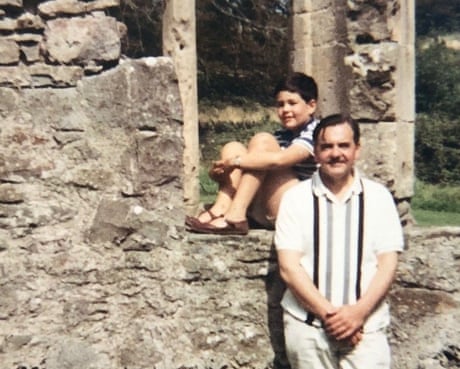
Simon White comes clean after finding clay pieces in toffee tin, saying he took them as souvenir from Wenlock Priory
Fragments of a priory’s medieval tiled floor that spent almost 60 years stashed in a toffee tin after being pocketed by a nine-year-old boy during a family outing have finally been handed back.
The three pieces of decorative clay tiles, dating from the late 13th to early 14th century, were taken as a souvenir by Simon White during a family visit to Wenlock Priory in Shropshire in the late 1960s.
Film-maker Yael Melamede presents a fascinating, if inevitably slightly indulgent, account of the revered Israeli designer’s life and work
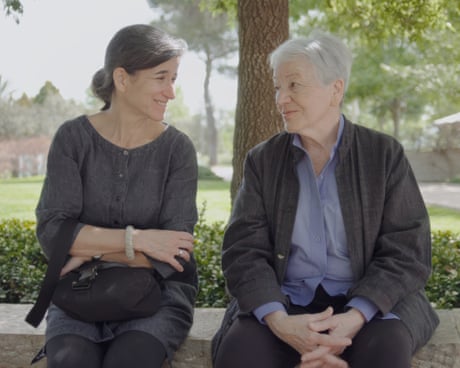
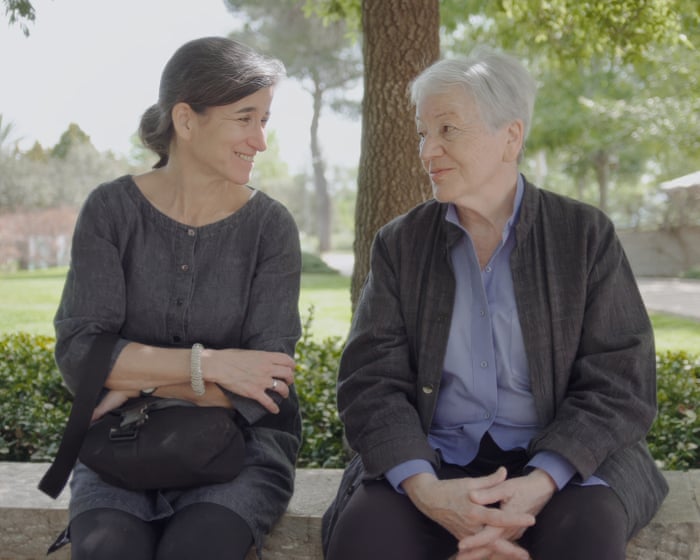
Architect turned film-maker Yael Melamede presents us with this insightful, though perhaps faintly indulgent, portrait of her mother, Israeli architect Ada Karmi-Melamede. With her brother Ram Karmi, Karmi-Melamede designed the supreme court of Israel building in Jerusalem in the early 90s, and then had a brilliant solo practice, creating Ben Gurion Airport.
Karmi-Melamede’s ethos is to establish buildings that take root in their allotted space, an “architecture of the ground and of the sky” – rather than replicate the endless glass towers of first-world cities which could be put down anywhere. Another witty maxim of hers is: “The cheapest building material is the light.” She aimed to do away with her brother’s fashionable brutalism and concrete, a conflict which appears to have resulted in a fascinating dialogue (or possibly conflict) within the supreme court building itself.
Tees Transporter Bridge and a former working men’s club in Barrow-in-Furness among sites at risk of decay or neglect
Teesside’s Transporter Bridge, a disinfecting station in Hackney and a former working men’s club in Barrow-in-Furness have been included on a list ringing alarm bells for Victorian and Edwardian heritage.
The Victorian Society has published its annual top 10 endangered buildings list, intended as a way of drawing national attention to at-risk places in England and Wales.
The Commission of Fine Arts, a Trump-aligned advisory body, granted preliminary approval. But its vice chairman suggested losing statues atop the structure and other revisions before a final vote.
Built on tar swamps and two tortuous decades in the making, Lacma’s latest addition used twice as much metal as the Eiffel Tower. How did America supersize revered architect Peter Zumthor?
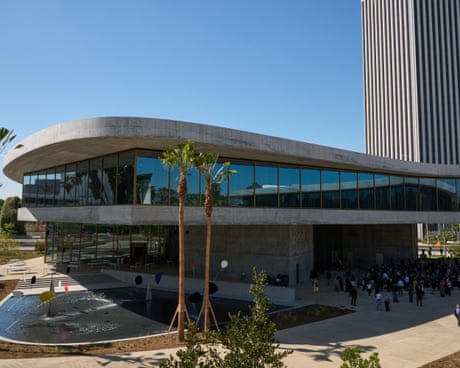
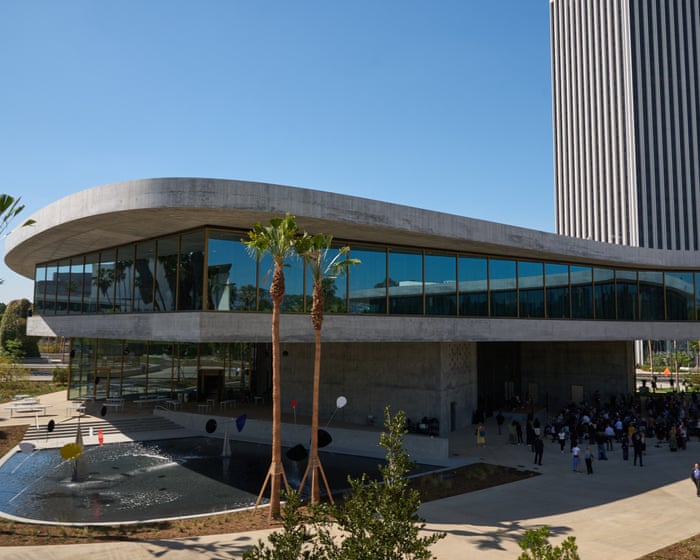
Driving down the palm-lined strip of Wilshire Boulevard in Los Angeles, a striking new crossing heaves into view. A ribbon of glass leaps over the road, sandwiched between two gigantic planes of concrete. As you get closer, the bridge swells out in sinuous arcs, swooping back on itself to inscribe an amoebic, shape-shifting blob, spreading out like an inkblot. From some angles it has a retro-futuristic air, recalling a Jetsons airport terminal, or one of California’s “Googie” style gas stations. From others, the curving roof looks like a great big tongue, flaring out to give the neighbours a raspy lick.
This concrete colossus is home to the new David Geffen Galleries of the Los Angeles County Museum of Art (Lacma), a $724m mothership designed by the fabled Swiss architect Peter Zumthor. It is less a museum than a mighty piece of infrastructure, a 110,000 sq ft warehouse-cum-bridge, jacked up nine metres in the air and looming above the street with a brooding, muscular heft. Two decades in the making, and subject to tortuous years of delays, controversies and cost escalations – building on a tar swamp in a seismic zone is not straightforward – it finally opens this weekend.
The Fitzcarraldian feat is the brainchild of Michael Govan, who became Lacma’s director in 2006 with an ambition to build a museum like no other, using the promise of a dazzling structure to lure donations of artworks and dollars ($125m came from LA county, the rest was fundraised). Govan cut his teeth at the Guggenheim, and on Frank Gehry’s Bilbao outpost, where he clearly got a taste for the transformative fairy dust of signature architecture. He later moved to Dia:Beacon, in New York’s Hudson Valley, where he commissioned Zumthor for a project that was ultimately unrealised. At Lacma, he was determined to make a monument for posterity, at any cost.
Officials grant Grade II* protection to ‘rare building that raises more questions than it answers’
It is an elite list with some of the most significant and beautiful buildings and structures in England, including Battersea power station, Middlesbrough’s Transporter Bridge and the London Coliseum.
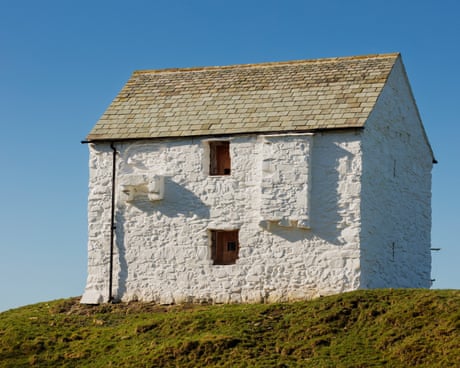
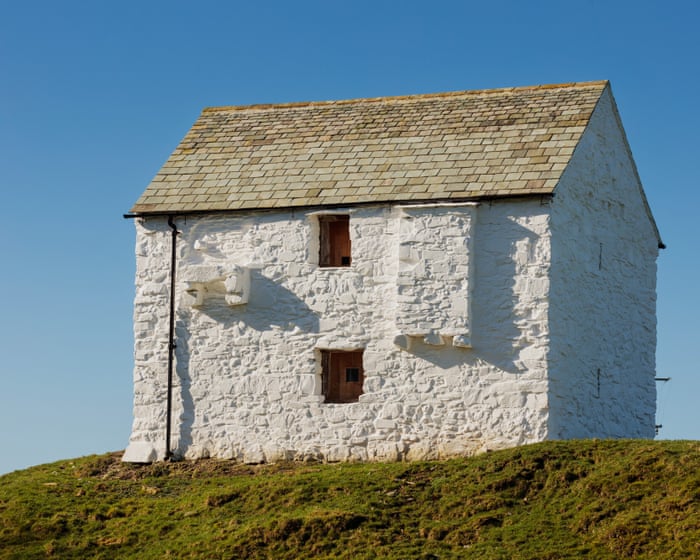
Now the Grade II* landmarks are being joined by a mysterious, limestone rubble “barn” on a grassy knoll in the Lake District, which was most recently used as a shelter for sheep and cows.
Always wondered what everyday stuff celebrities buy, where they shop for food, and the basic they scrimp on? The interiors guru talks museum shops, sake and loft insulation with the Filter
Michelle Ogundehin, former editor-in-chief of Elle Decoration magazine, is the head judge on the BBC’s Interior Design Masters and co-host of Grand Designs: House of the Year. She trained as an architect and also works as a commentator and consultant, as well as being a trustee of the Design Museum.
Her bestselling first book, Happy Inside, explores how home shapes health and happiness; her forthcoming book (spring 2027), Your Powerful Home: 4 Steps to a Home that Heals, looks at your home as a partner in your wellbeing, an ethos she shares through her Happy Insiders Club, which offers guided monthly coaching.
London gallery to undergo biggest transformation in its 200-year history, with Kengo Kuma’s design called ‘exemplary’
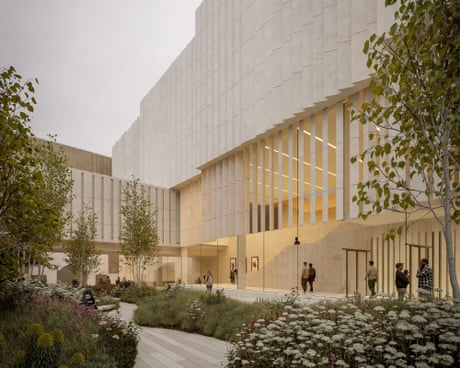
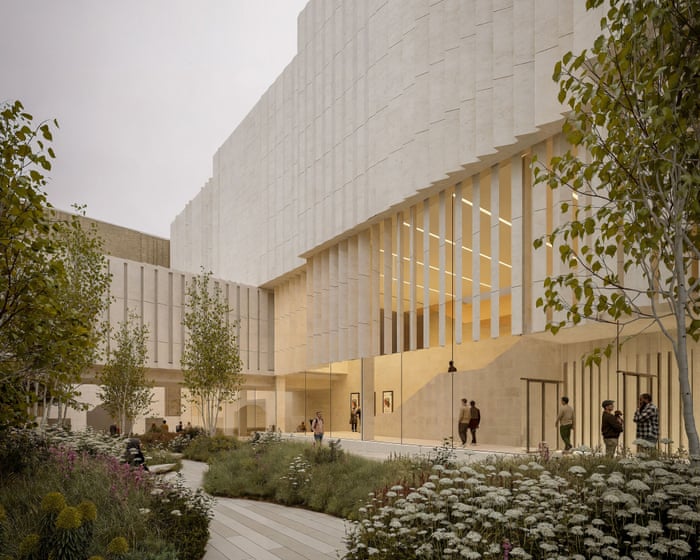
The National Gallery has announced that its largest and most significant transformation in its 200-year history will be designed by the Japanese architect behind Tokyo’s Olympic stadium.
The new wing will be designed by Kengo Kuma as part of Project Domani, the gallery’s expansion into art from the 20th and 21st centuries. Its completion will make the National Gallery the only museum in the world that exclusively displays paintings where visitors will be able to view the entire history of painting in the western tradition.
It’s all about the austere beauty of concrete in photographer Paul Tulett’s starkly stunning shots of the country’s jaw-dropping, rapidly evolving architectural highlights
From JFK’s modernist concrete to Obama’s ‘Tatooine sandcrawler’, the presidential library is where egos burnish their legacies. But the brash, bookless vibe of Trump’s, complete with giant golden statue, makes for the ugliest yet
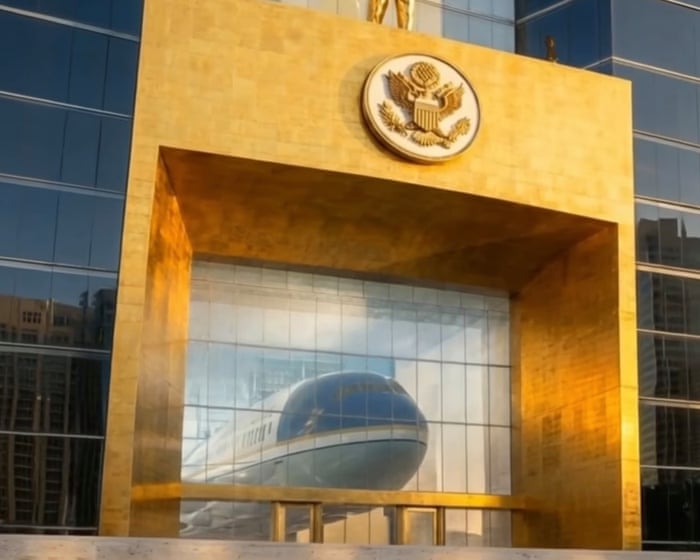
With the unveiling of the prospective Trump presidential library, which, in its timing and substance looked for all the world like an April fool, the old adage that you can’t gild a turd but you can roll it in glitter has become bleakly redundant. It turns out that you can most definitely gild a turd.
At the heart of the proposed 47-storey skyscraper on Miami’s waterfront – 47 floors for the 47th President – is a giant golden statue of Trump giving off dictator-for-life vibes, his gilded fist triumphantly raised. Such an aureate monstrosity would not look out of place in Pyongyang or Ashgabat, though Turkmenistan’s former president Saparmurat Niyazov – another despot with a suspiciously luxuriant coiffure – went one better and had his $12m gold statue installed on a rotating pedestal so it would always face the sun.
President John F. Kennedy signing the Nuclear Test Ban Treaty of 1963 in the Treaty Room. President Trump spoke last month to a group including some members of the Committee for Preservation of the White House and the Commission of Fine Arts about potentially turning the Treaty Room into a bedroom.
As the president develops plans to fundamentally alter the White House, the Kennedy Center and other sites, federal lawsuits are beginning to catch up.
A coalition of eight prominent cultural and architectural preservation organizations filed a new lawsuit on Monday challenging President Trump’s emerging vision for the Kennedy Center.
After a two year closure, the museum doubles its gallery space with a 700-plus object show examining how humans and technology shape each other
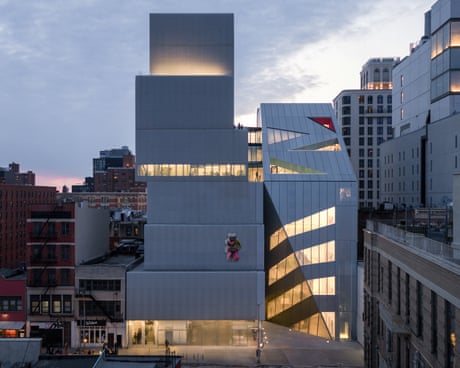
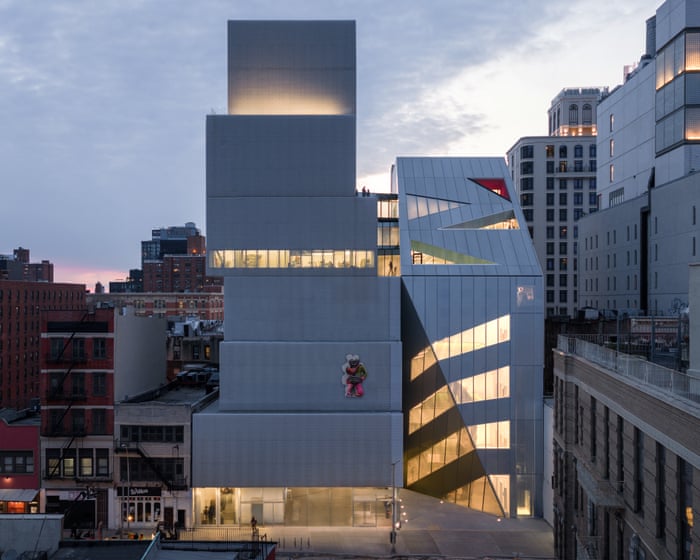
Right now on the Bowery, a busy Manhattan thoroughfare, two supersized lovers embrace several stories up into the blue spring sky. Strapped against the New Museum’s industrial mesh exterior, the pair are frozen in a state of plasticized affection. Their grinning, almost smooching heads are pressed close and glossy torsos entwined. Amassive hand, safe as a catcher’s mitt, encases them both, splaying wide across their waists as though to stop them crashing to the sidewalk.
The site-specific sculpture is titled Art Lovers, a work by Harlem-born artist Tschabalala Self, and marks the architectural “kiss point” between the New Museum’s original building and a new expansion. Today, 21 March, the New Museum publicly debuts its enlarged architectural anatomy after two years of being closed to the public. Designed by Rem Koolhaas, the OMA founder, and partner Shohei Shigematsu, the $82m project affixes a jagged, glassy jewel to the original building, effectively doubling the footprint to 119,700 sq ft. At a media preview this week, Shigematsu likened the alignment of the two distinct buildings – one he called more “vertical and introverted”, the other “more horizontal and extroverted” – to the search for a romantic partner. “You know how difficult it is to find a perfect pair,” he said. “Very difficult.”
Shalom Baranes, who arrived in the U.S. as a Libyan refugee and went on to renovate the Pentagon, is baffling fellow architects for accepting the job. But he said some of his previous projects have drawn outrage too.
The governor of the historic Iranian city of Isfahan has accused the US and Israel of a “declaration of war on a civilisation” as heritage sites across the country suffer damage in their bombing campaign.
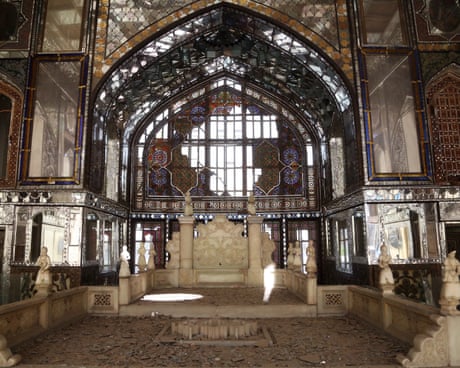
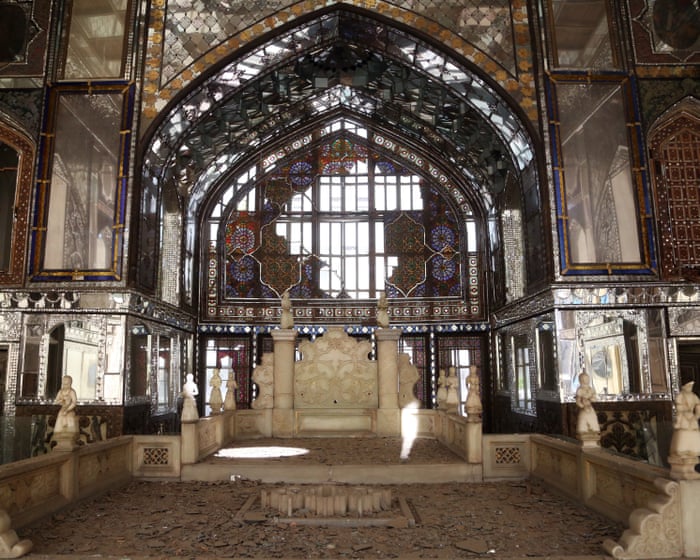
The most serious confirmed damage to date has been to Tehran’s Golestan Palace, dating to the 14th century, and the 17th-century Chehel Sotoon Palace in Isfahan.

 Anmelden