Die Bundeswehr blickt zurück auf 70 Jahre Geschichte, 1956 wurde die Wehrpflicht eingeführt. "Terra X History" fragt: Wie einsatzbereit war die Truppe seitdem – und wie steht sie heute da?
Playing tour guide over the weekend to various buildings renovated using billions in taxpayer money, Magyar said his government will keep the building previously used as the Prime Minister’s Office open to the public.
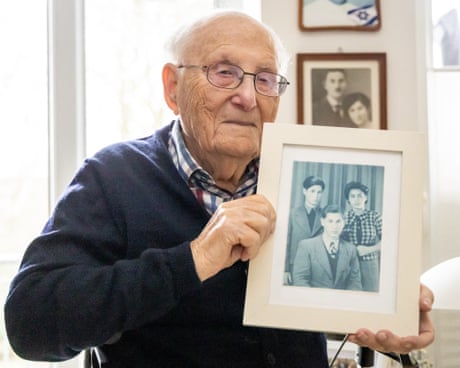
Albrecht Weinberg, who survived a series of Nazi concentration and death camps and lost most of his family in the Holocaust before returning to Germany in his 80s, has died.
Weinberg died in Leer, north-western Germany, weeks after his 101st birthday and the premiere of a film about his life, Es Ist Immer in Meinem Kopf (It Is Always in My Head).
Brutale Barbaren, die Klöster überfallen und Städte niederbrennen: Die "Nordmänner" werden ab dem 8. Jahrhundert zum Schrecken in Europa. "Terra X History" zeigt: sie sind mehr als nur Seeräuber.
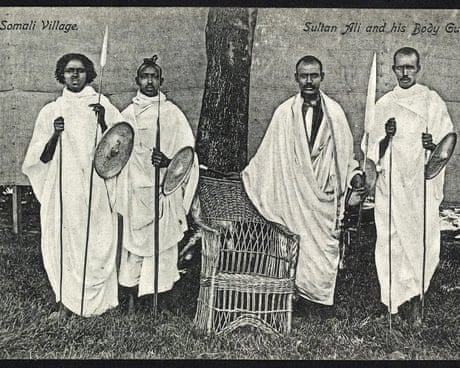
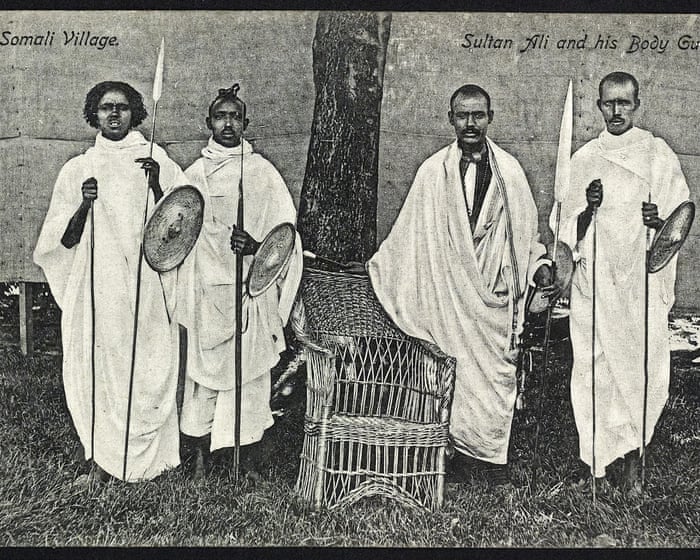
At the city’s Great Exhibition of 1904, 57 Somali men, women and children cooked, weaved and danced for visitors
It was, the posters said, a rare chance to see a “little known but interesting people”: a live display of 57 Somali men, women and children who cooked, weaved and danced for the entertainment of hundreds of thousands of Edwardians who flocked to Yorkshire to see them.
More than 120 years later, this controversial – and, in its time, incredibly popular – show will be revisited in a new exhibition in Bradford that will put Britain’s colonial legacy under the spotlight.
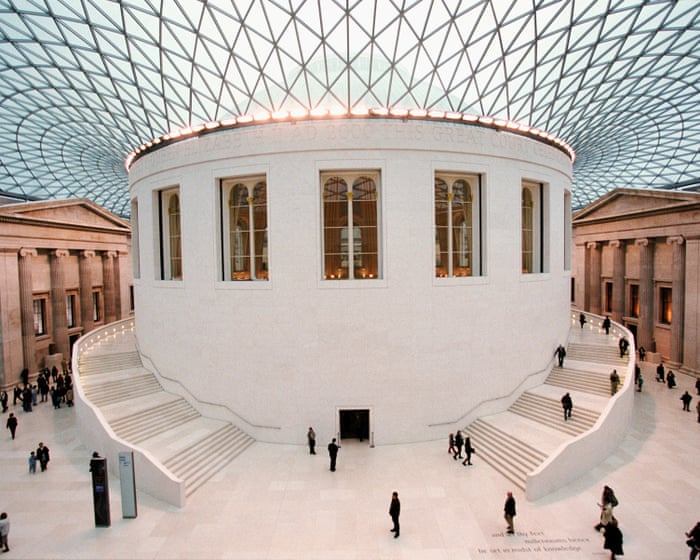
Objection after museum removes word ‘Palestine’ from list of countries of ancient Levant and Egypt and from some explanatory panels
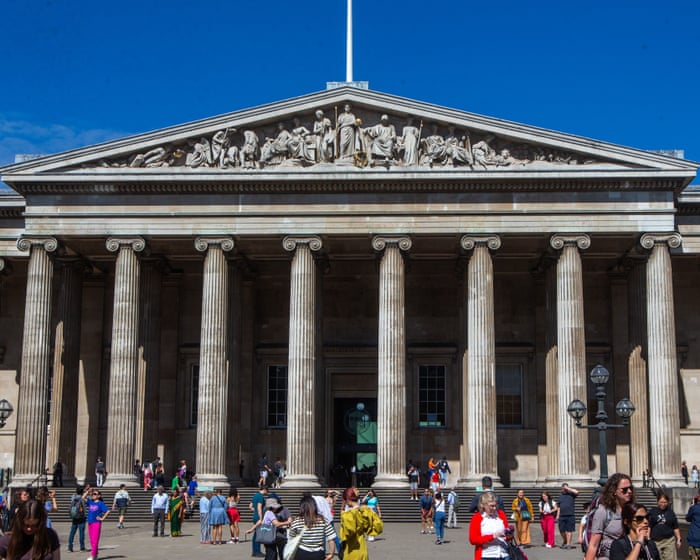
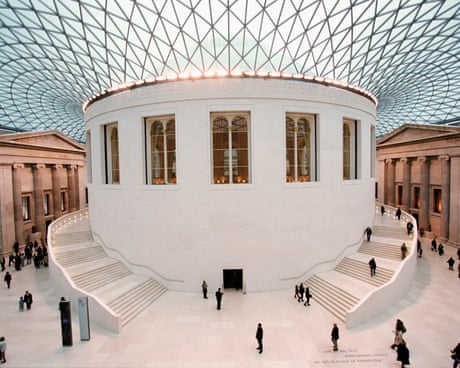
The Palestinian ambassador to the UK has called for Foreign Office intervention after the British Museum removed references to Palestine from its exhibits.
The UK recognised the state of Palestine in September 2025, but the same year the museum removed the name “Palestine” from a panel listing the present-day countries encompassed by the ancient Levant, and replaced it with Gaza and the West Bank.
Public records and private papers reveal compassion and tacit acceptance before ‘moral panic’ took hold in the 1950s and 1960s
Northern Ireland carved a grim reputation for homophobia for over half a century, a record of intolerance and bigotry so baroque it was turned into an opera.
In the 1970s, Ian Paisley, the leader of the Democratic Unionist party (DUP) and Free Presbyterian church, led a “save Ulster from sodomy” crusade to resist the decriminalisation of homosexuality.
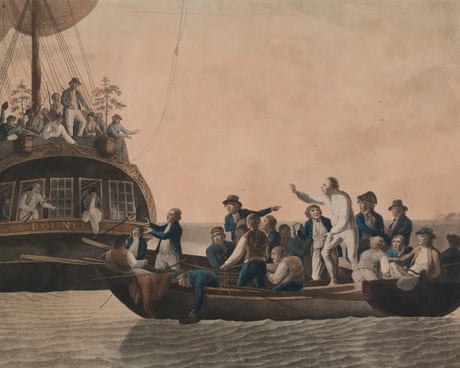
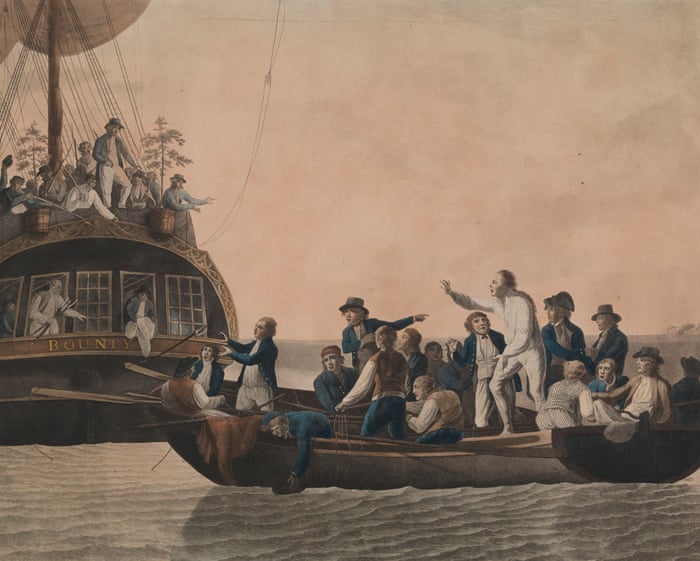
Pitcairn Register details lives of ‘extraordinarily resilient’ Tahitian women enslaved during notorious mutiny
It is a book that records the 19th-century descendants of some of the most notorious troublemakers in naval history: the sailors responsible for the mutiny on the Bounty.
Now, the Pitcairn Register – a handwritten volume that registered the births, marriages and deaths of the children, grandchildren and great-grandchildren of the mutineers and the Tahitian women they enslaved – is finally returning home to the South Pacific.
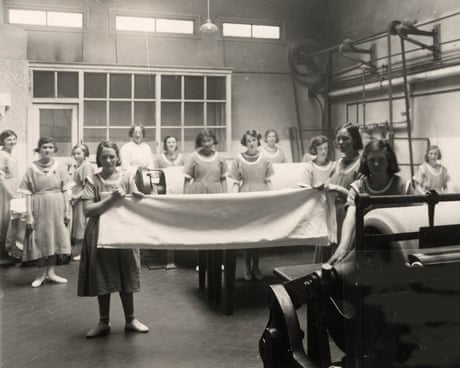
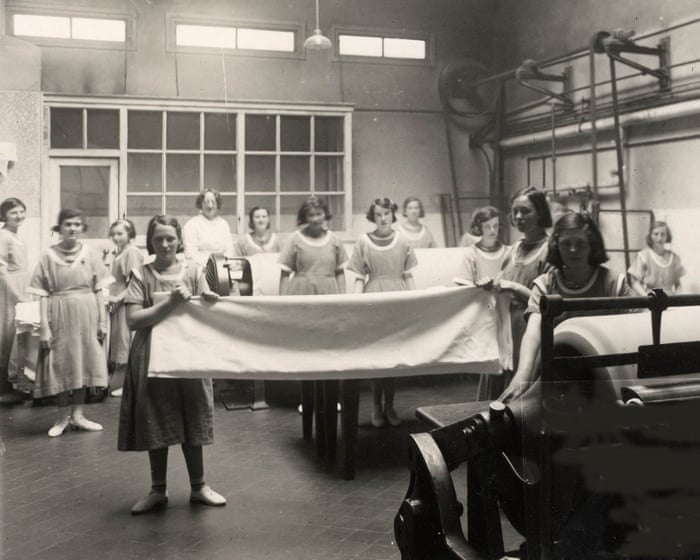
The horrifying story of the Catholic-run institutions that incarcerated thousands of women and girls
Many readers, and surely most Irish readers, will finish this book in a state of white-knuckled rage, mingled with sorrow and at least a pang of guilt. It is a detailed, thoroughgoing and appalling account of the Magdalene laundries, the most famous, and most infamous, among Ireland’s extended and varied landscape of penal or correctional institutions, which operated for most of the 20th century (the last of the laundries was closed in 1996).
As the academic Louise Brangan points out in The Fallen, it is easy to become confused by the number and variety of prisons, mental asylums, orphanages, workhouses and homes for unmarried mothers that proliferated in Ireland between the foundation of the Irish Free State in 1922 and the late 1990s. However, the Magdalene laundries were unique. Dr Brangan writes: “In a regime distinguished by its excessive inhumanity, the Magdalene laundries were its deep end. In 1951, when the laundries were at their height, for every 100,000 males, 27 were in prison … [while] for every 100,000 females, 70 were in a laundry. These were not peripheral: they were Ireland’s main carceral institution.”
Archive is freely available online from 18 April, revealing the lives, occupations and secrets of 2.9m people
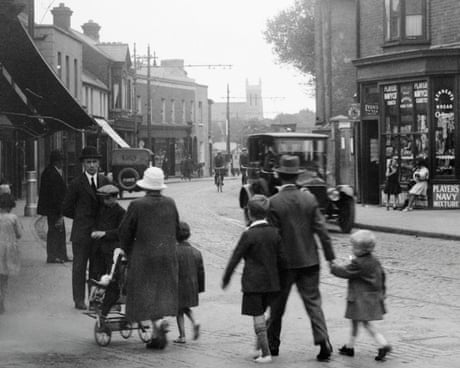
The first years of independent Ireland tend to be remembered, if at all, as a dreary monochrome of parochialism and conservatism.
After the blazing dramas of the 1916 rebellion and the 1919-1921 Anglo-Irish war, the infant state seemed to limp into a grey period of insularity, the dream of freedom giving way to anti-climax and drab conformity.
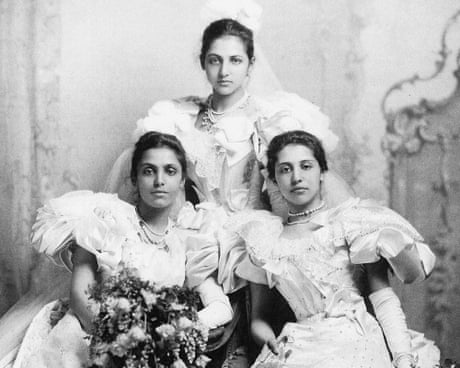
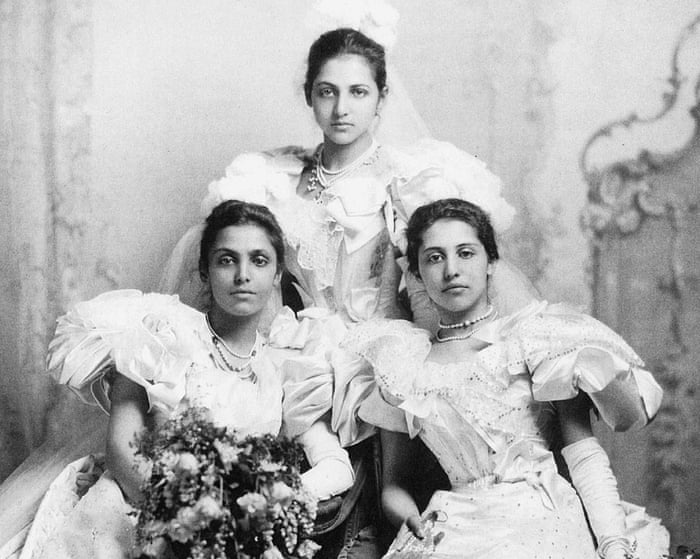
The Last Princesses of Punjab opens on Thursday at Kensington Palace
The extraordinary life of an exiled Punjabi princess, embraced by the British royal court and a goddaughter of Queen Victoria, but who would become a pioneering suffragette and challenge the very authority of the elite social circles in which she moved, is to be told in a new exhibition.
Princess Sophia Duleep Singh was the daughter of Duleep Singh, the last Sikh maharajah of the Punjab. As a child he was forced to surrender his lands to the East India Company in 1849, and sign away the famous Koh-i-noor diamond, now a potent symbol of colonial exploitation and set in the crown of the late Queen Elizabeth the Queen Mother.
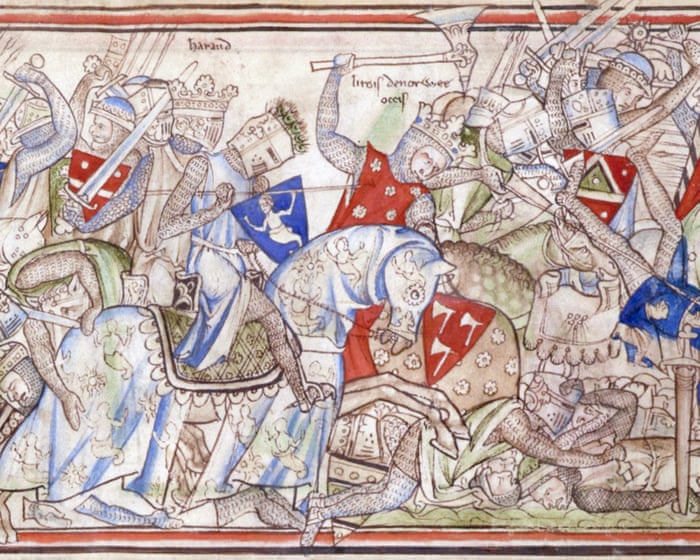
Harold may have sailed, not marched, in 1066, reshaping explanations for his defeat in England’s historic battle
It is a story that has been taught to generations of British schoolchildren about one of the most famous and pivotal events in the country’s history.
In September 1066, as a Norman duke called William prepared to sail from France to claim the English throne, King Harold of England discovered the Viking leader Harald Hardrada had landed in Yorkshire with an army of his own.
The visionary photographer captured the ugliness of racism in America, as well as the strength and dignity of those who opposed it – from cleaners in the corridors of power to Martin Luther King Jr proclaiming his dream
In the summer of 1956, the American news magazine Lifedispatched its first Black staff photographer, Gordon Parks, to Alabama, with a brief to document racial segregation in the wake of the Montgomery bus boycott. The trip was a perilous one, but Parks, then in his early 40s, was already on a career trajectory that would mark him out as one of the most consequential artists of his generation. The images he returned with were remarkable: intimate and vivid depictions of the daily disgrace of the Jim Crow south. They still feel prescient today.
The photographs form the backbone of a new survey of Parks’ work, opening this week at the Alison Jacques gallery in London and curated by Bryan Stevenson, the famed civil rights attorney. Stevenson is based in Montgomery where he founded a museum and memorial to commemorate Black victims of lynchings and where some of Parks’ work hangs on permanent display. He selected images taken between 1942 and 1967, the artist’s most active time as a photographer and an acute period of unrest in the American experiment.
The question of who owns and authorizes the month holds particular relevance amid attacks on Black history in the US
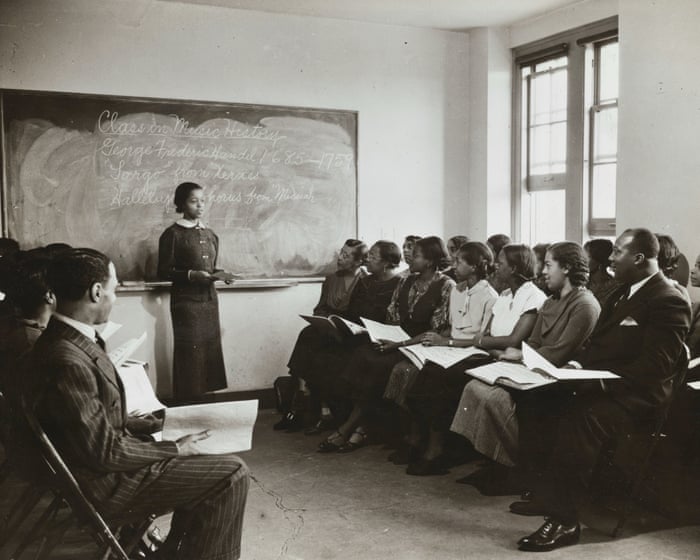
There is a myth that persists about Black History Month that can be heard in the common gripe: “They gave us the shortest month of the year” (they, the unnamed powers that be). Jarvis Givens, the author of I’ll Make Me a World: The 100-Year Journey of Black History Month, hates it. “Every time I hear that backhanded comment it doesn’t seem right,” said Givens, an associate professor at the Harvard Graduate School of Education. “If you know anything about the basic origins of Black History Month then you know that we weren’t ‘given’ anything.”
The question of who owns and authorizes Black History Month holds particular relevance now, in its centennial year, and at a time when efforts to celebrate, preserve, and acknowledge Black people’s past in this country are under attack. Official recognition of Black American resistance to centuries of racial injustice is being challenged by local, state, and national efforts to restrict, ban and possibly criminalize such information in public schools, universities and other institutions. So the sentiment that Black history can be quite literally given or taken away by state officials is valid.
Saida Grundy is an associate professor of sociology and African American studies at Boston University, and the author of Respectable: Politics and Paradox in Making the Morehouse Man
The dress joined an exhibit of gowns belonging to first ladies stretching back to Helen Taft in 1909, and Mrs. Trump spoke about how high fashion reflected humanity.
Museum revises labelling on maps and panels, saying term used inaccurately and no longer historically neutral
The British Museum has removed the word “Palestine” from some of its displays, saying the term was used inaccurately and is no longer historically neutral.
Maps and information panels in the museum’s ancient Middle East galleries had referred to the eastern Mediterranean coast as Palestine, with some people described as being “of Palestinian descent”.
Small opening cut into floor at Merchant’s House Museum indicates site was probably used as ‘safe house’, experts say
A landmark house in Manhattan preserved as a museum to New York’s 19th-century history has revealed an even more intriguing secret: its previously unknown status as a refuge for people who escaped slavery before and during the civil war.
The Merchant’s House Museum’s link to the Underground Railroad, a network of abolitionists who secured the safe passage of enslaved people to freedom, was discovered when archaeologists looked beneath the drawers of a built-in dresser in the wall of a hallway leading to bedrooms on the building’s second floor.
From Pennsylvania to Montana, the White House’s war on ‘woke’ has targeted US monuments that address topics like racism and Indigenous history
Blank spaces now exist where a series of panels about enslavement once appeared on the walls of the President’s House in Philadelphia, Pennsylvania. The site, which honors the home of George Washington and John Adams, is a major landmark that bore artwork and informational signs for more than a decade. But on 22 January, National Park Service (NPS) workers used hand tools to pry off 34 panels to comply with a presidential executive order designed to reframe the national narrative. The panels that highlighted the lives of people enslaved by George Washington when Philadelphia was the US capital in the 1790s are now in storage.
The removal is one of several across the nation, as NPS staff aim to conform with Donald Trump’s executive order “Restoring Truth and Sanity to American History” issued on 27 March 2025. Public markers, monuments and statues that the Trump administration considers disparaging to past or current Americans have been flagged at more than a dozen parks. Two exhibits at Montana’s Little Bighorn battlefield national monument that discuss Indigenous history and the Battle of the Little Bighorn have been targeted and deemed noncompliant. Additionally, signage about climate change at Muir Woods national monument in California and visitor brochures at Medgar and Myrlie Evers home national monument in Mississippi that referred to Medgar Evers’s killer as racist were also removed.
As far back as 1867, White House officials have viewed Greenland, and Iceland, as having immense strategic value
Shortly before the United States descended into civil war and senior administration officials made a forceful case to purchase Greenland for its natural resources, an American ship appeared in Nuuk’s harbour. Its arrival at Greenland’s largest outpost was newsworthy enough to merit a large picture in the local newspaper.
The clipping, published in 1861, comes from the pages of the Atuagagdliutt, a Kalaallisut-language weekly that was the first in the world to use colour illustrations.
 Anmelden