Senegal made payments to bondholders ahead of schedule on two of its foreign-currency notes as the West African nation prepares to host the International Monetary Fund for talks on a new program later this month, according to people familiar with the matter.
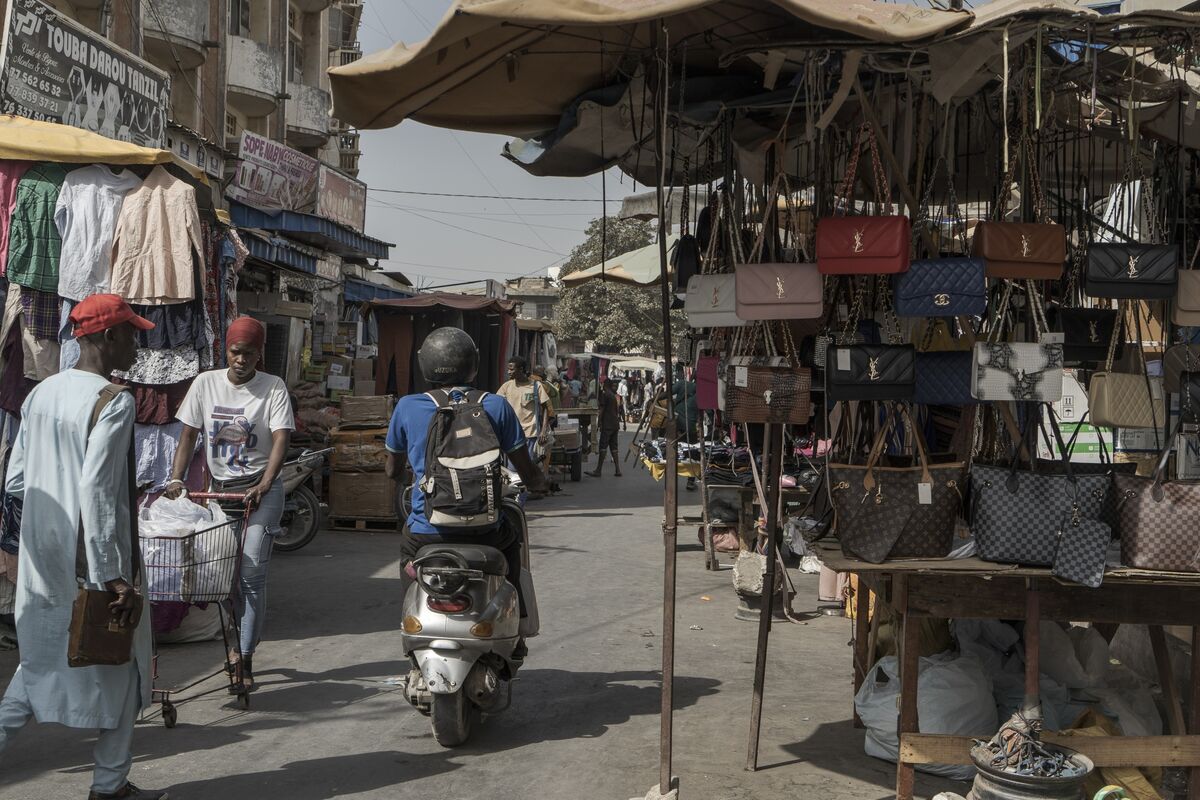
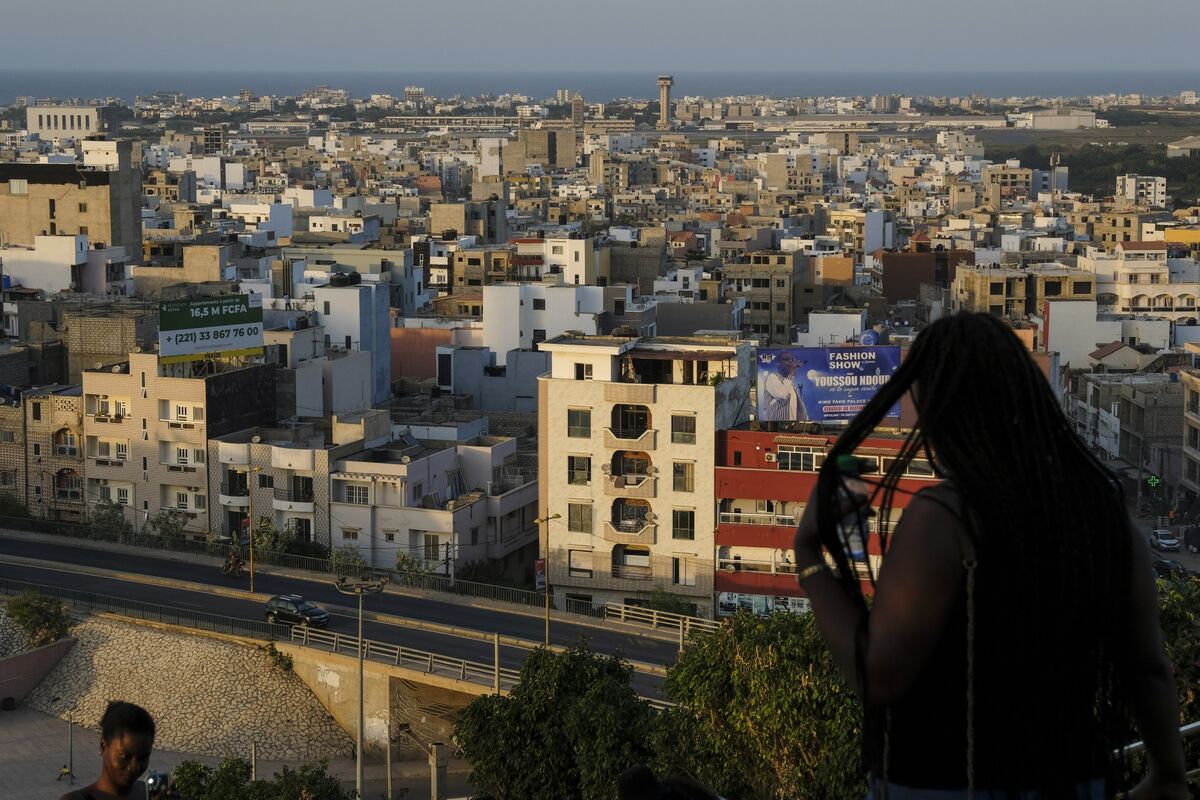
Shoppers pass stalls in Sandaga market in Dakar, Senegal.
Morgan Stanley expects Zambia to revise its bond buyback offer higher in a bid to break an impasse with a group of bondholders resisting an initial price tabled almost a week ago.
The Democratic Republic of Congo’s Eurobonds have remained resilient even as it grapples with an Ebola outbreak, buoyed by high yields and the nation’s exposure to metals that underpin the global artificial intelligence boom.
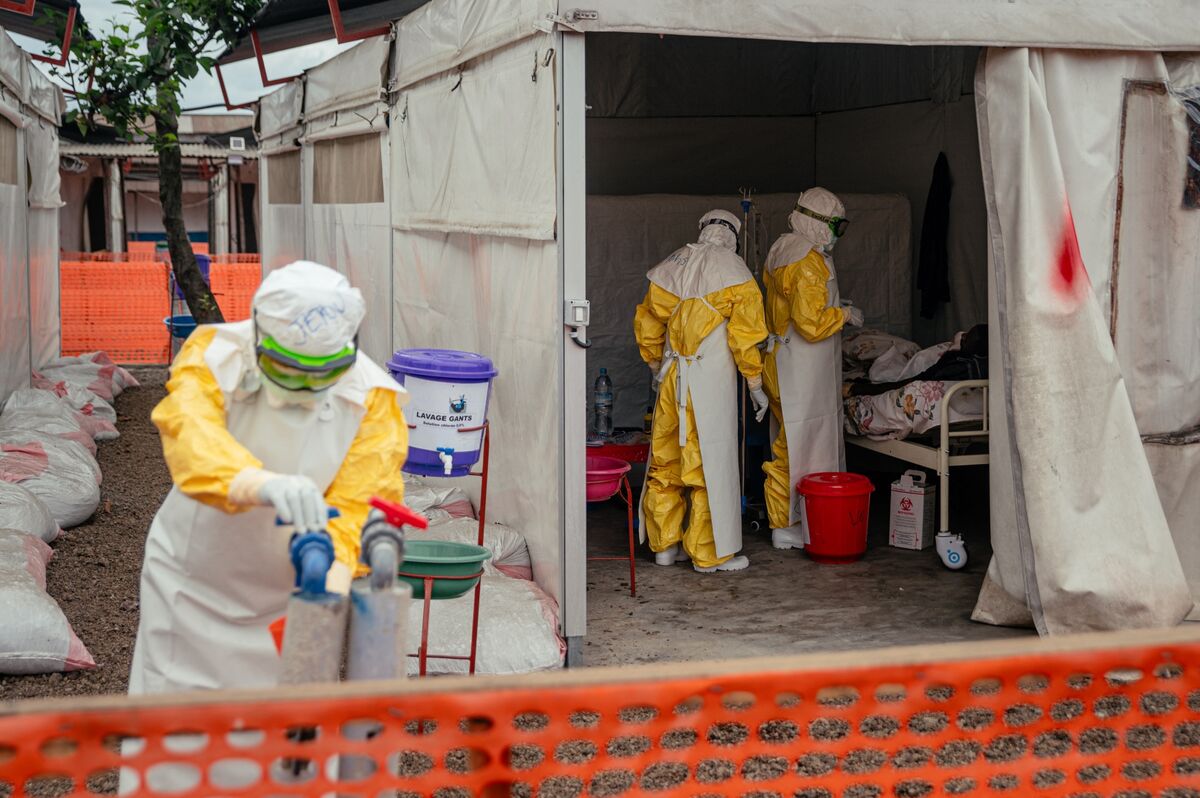
Doctors wearing personal protective equipment at the Ebola Treatment Center in Munigi on June 2.
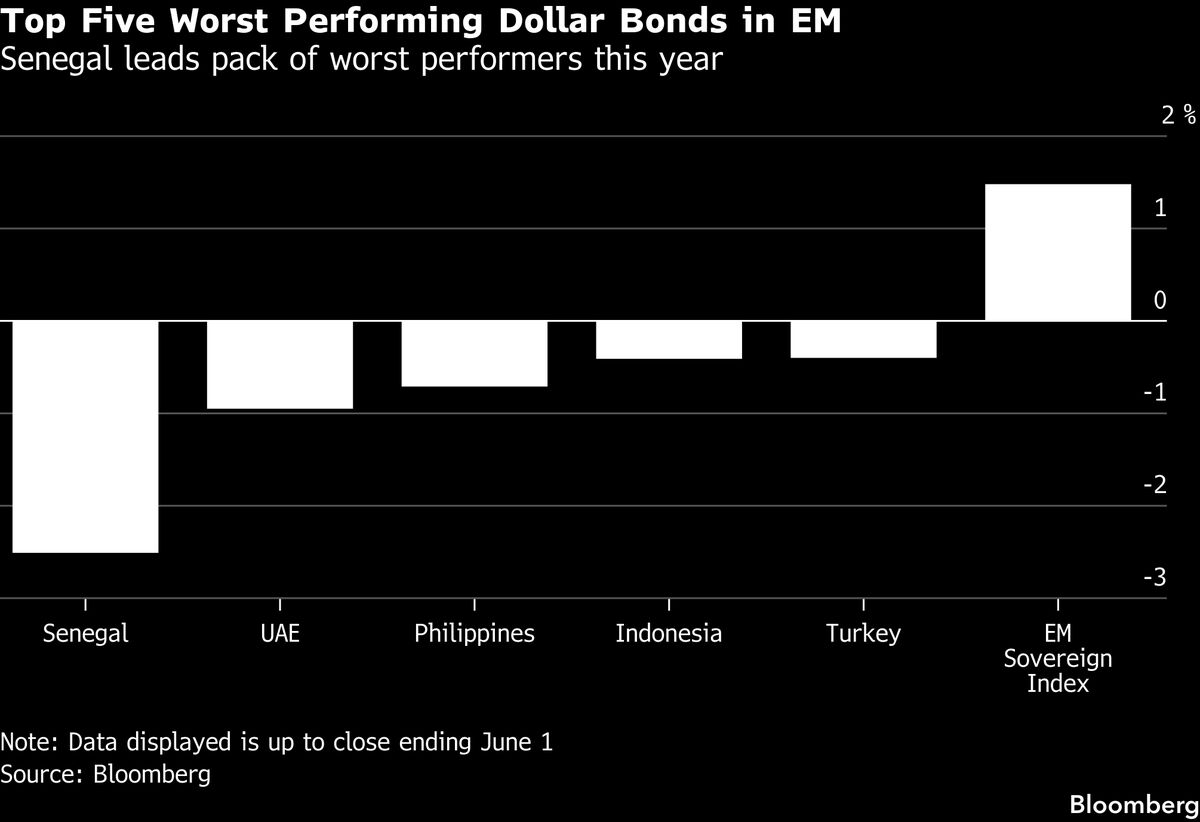
Senegal’s dollar bonds traded near record lows Tuesday as a deepening political crisis in the West African nation turned a top emerging-markets performer into the worst.
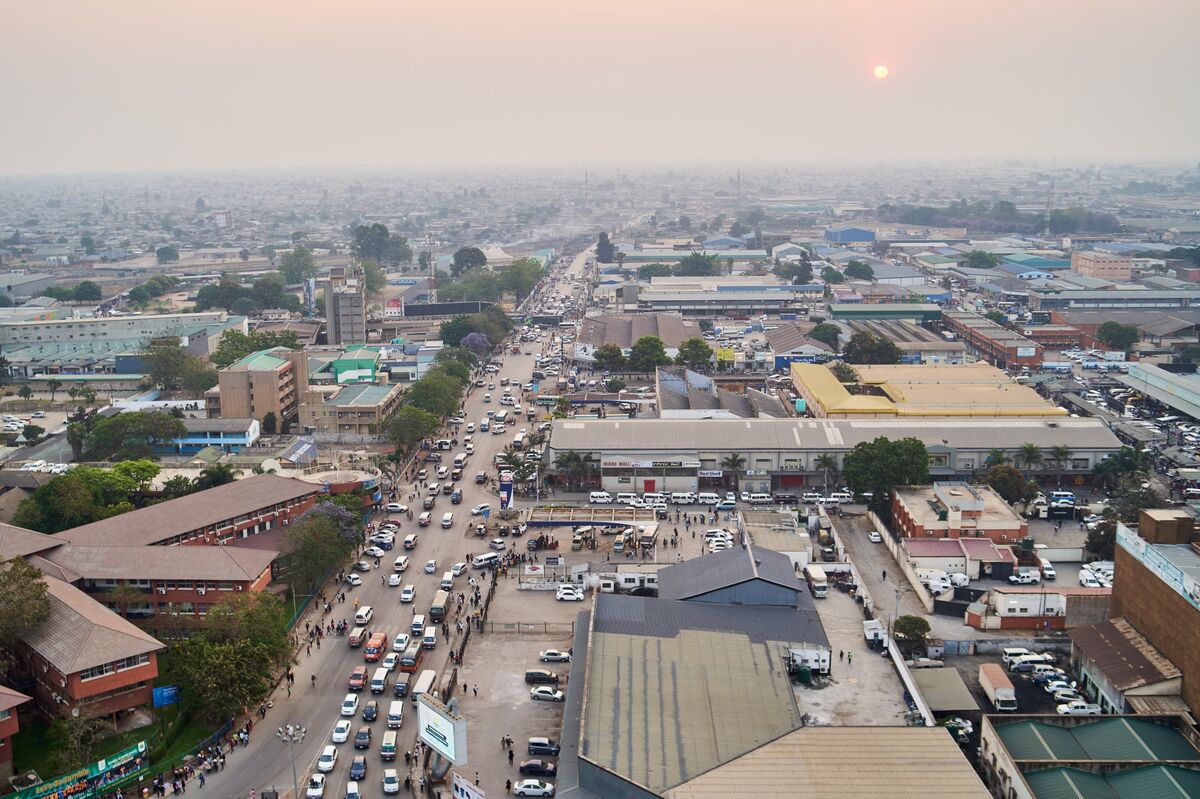
Zambia started a cash tender offer to buy back its $1.36 billion bond due in 2053, becoming the latest African nation to repurchase outstanding debt as governments seek to reduce their servicing costs.
Senegal has two interest payments on foreign-currency bonds due next month and while analysts expect them to proceed, they come at a tense political time in the West African nation ahead of talks with the International Monetary Fund.
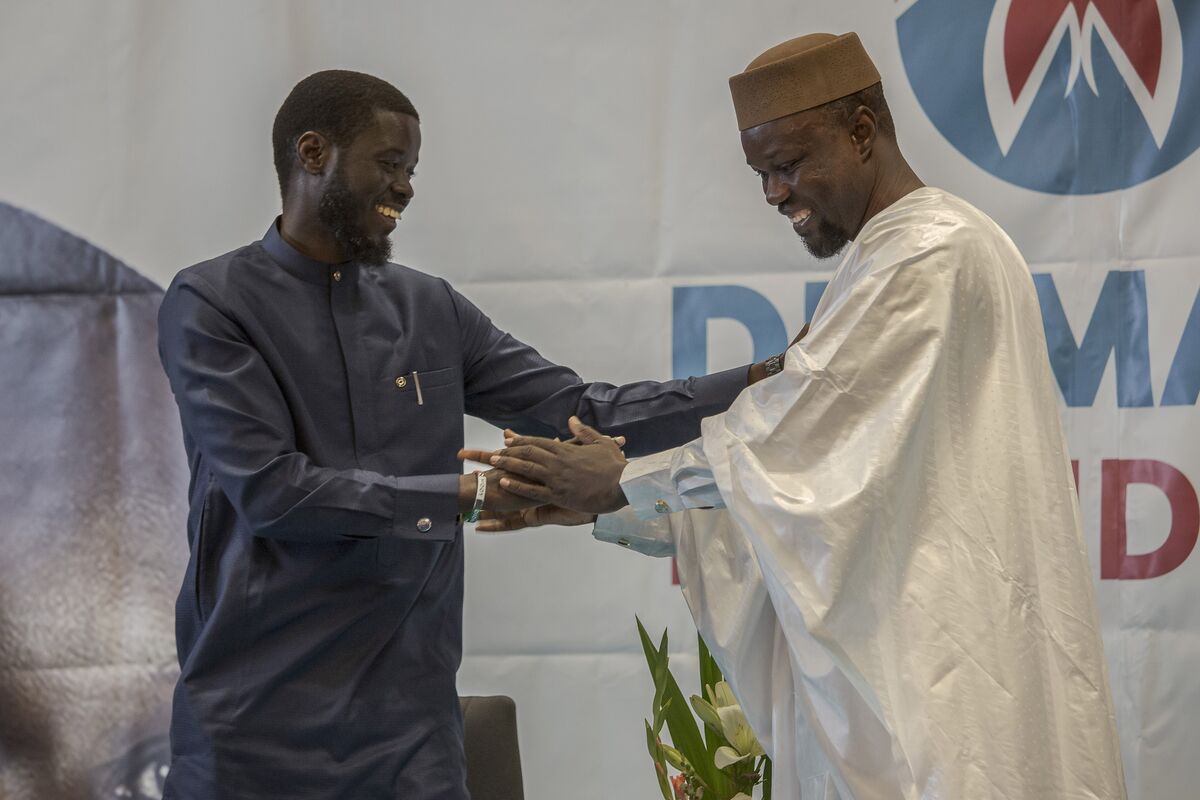
Senegal President Bassirou Diomaye Faye and Ousmane Sonko greet each other in Dakar, Senegal, on Friday, March 15, 2024.
Senegal’s dollar bonds fell sharply as investors digested days of political turmoil after the West African nation’s prime minister was fired and then swiftly returned to a position of power that could undermine President Bassirou Diomaye Faye.
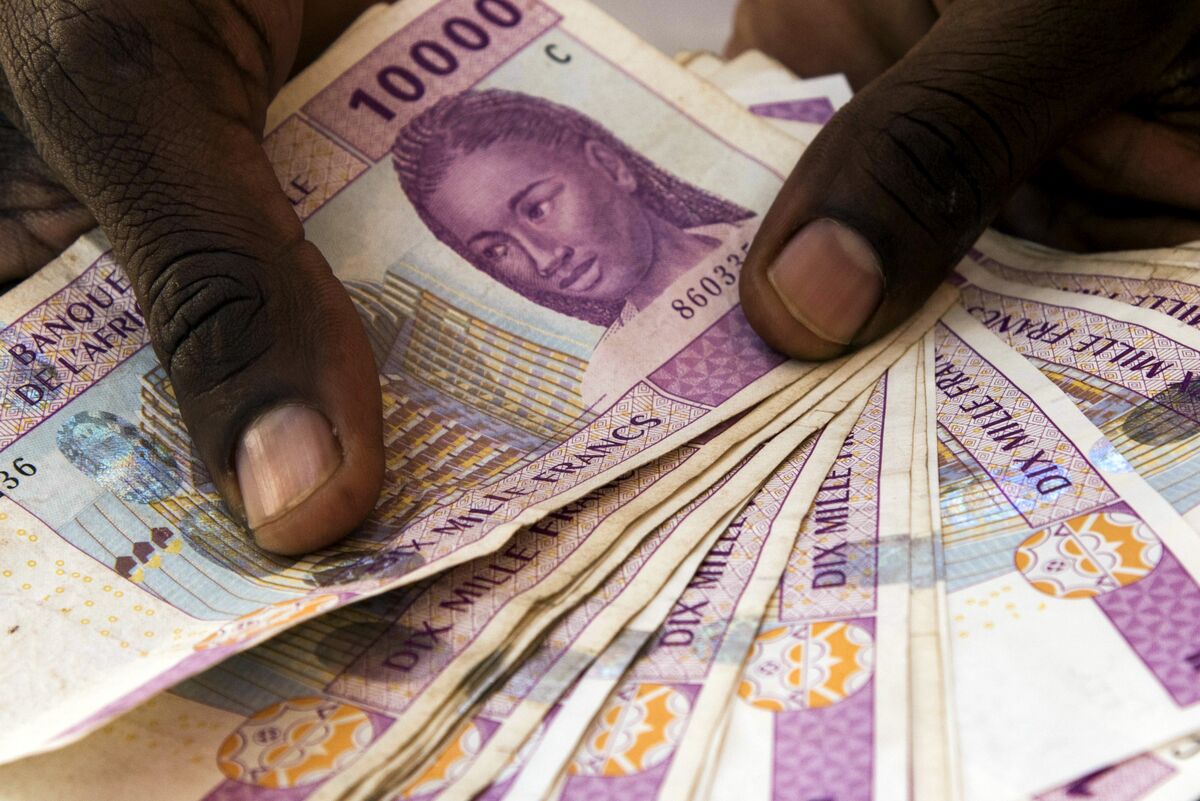
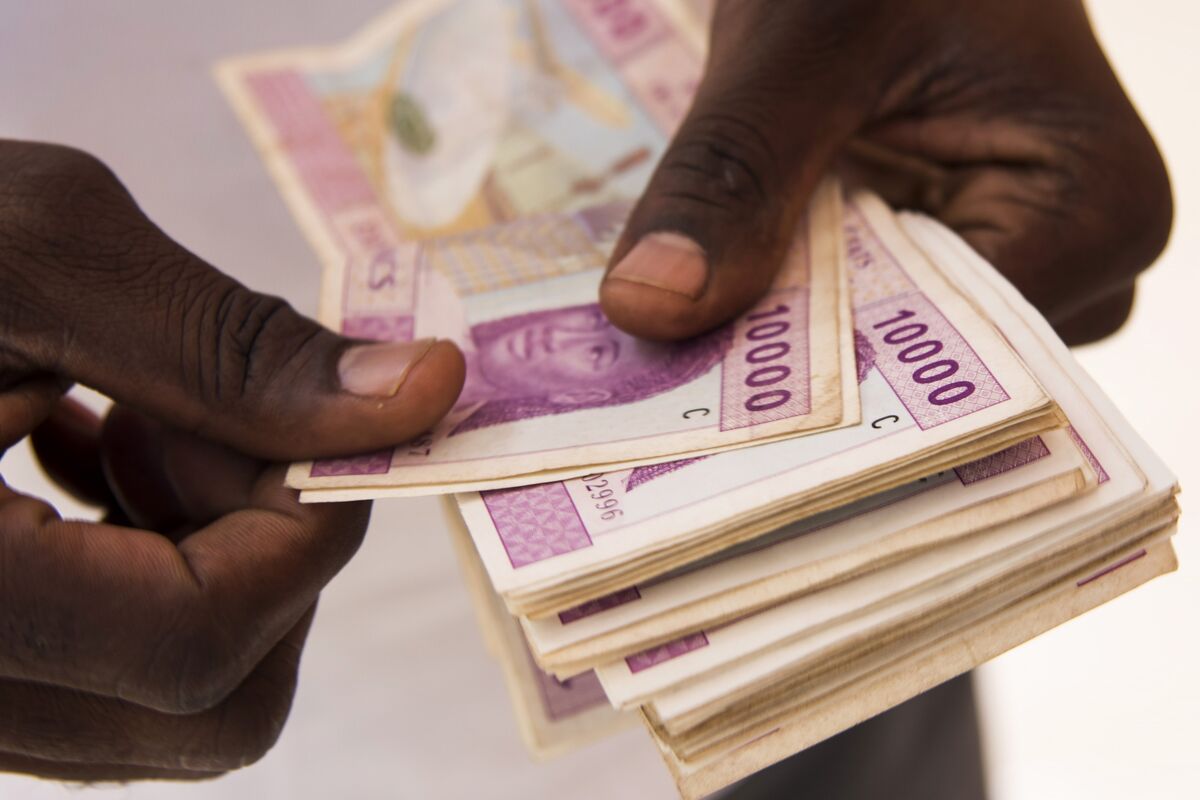
Central African countries have no plans to devalue their common currency despite economic pressure caused by weak growth and low foreign-exchange reserves, according to Bank of Central African States Governor Yvon Sana Bangui.
A man displays 10,000 denomination Central African franc banknotes in this arranged photograph in N'Djamena, Chad. Photographer: Xaume Olleros/Bloomberg
Citigroup Inc. says central Africa’s monetary bloc should consider devaluing its currency, which is pegged to the euro, in order to boost economic growth and stem a slide in reserves.
A man displays 10,000 denomination Central African franc banknotes in this arranged photograph in N'Djamena, Chad. Photographer: Xaume Olleros/Bloomberg
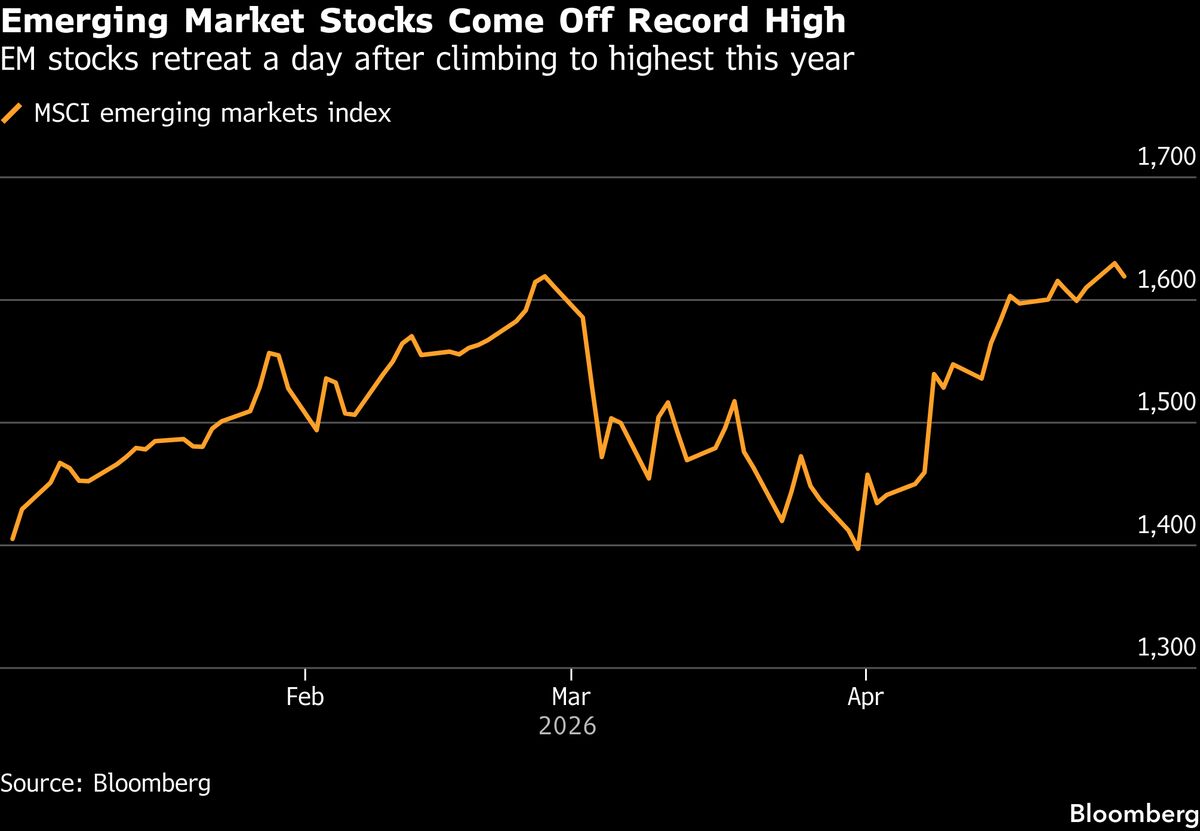
Emerging-market equities posted the best month since 2022, fueled by rallies in Asian technology shares on optimism over artificial intelligence demand, even as oil supply shock persists amid a US-Iran standoff over the Strait of Hormuz.
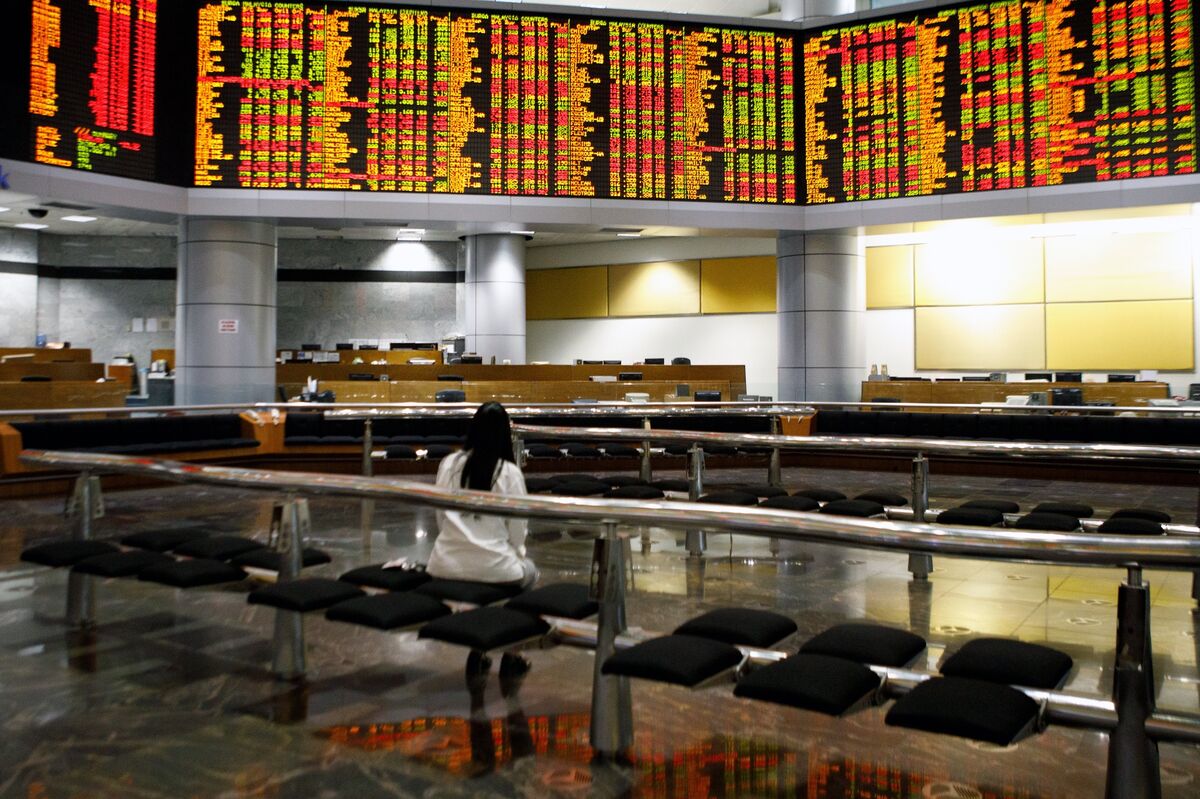
A person looks at stock prices displayed inside the trading gallery of the RHB Investment Bank Bhd. headquarters in Kuala Lumpur, Malaysia, on Tuesday, Oct. 11, 2022. Malaysia’s stocks and the ringgit weakened after Prime Minister Ismail Sabri Yaakob announced the dissolution of parliament on Monday, paving the way for elections this year. Photographer: Samsul Said/Bloomberg
Emerging-market currencies and stocks dropped Tuesday as concerns over investments in artificial intelligence and stalled peace talks in the Middle East sparked a flight to safety in global markets.
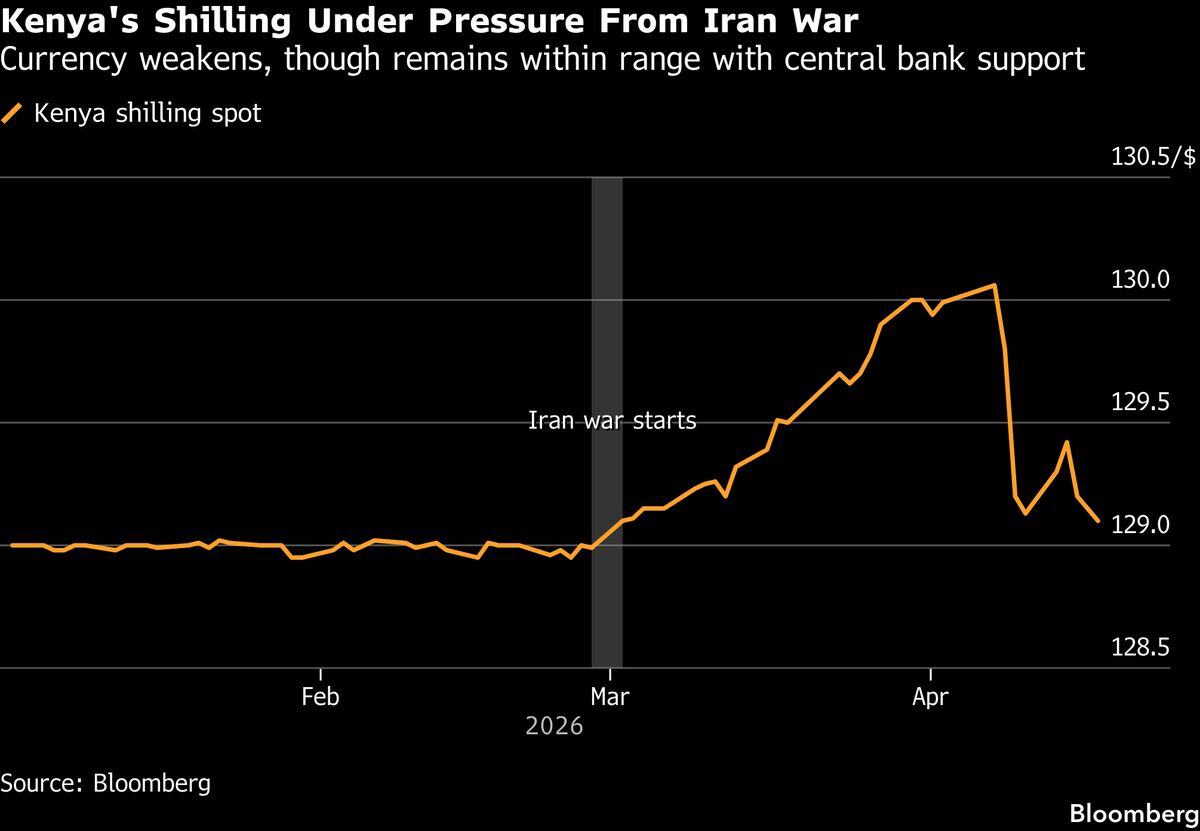
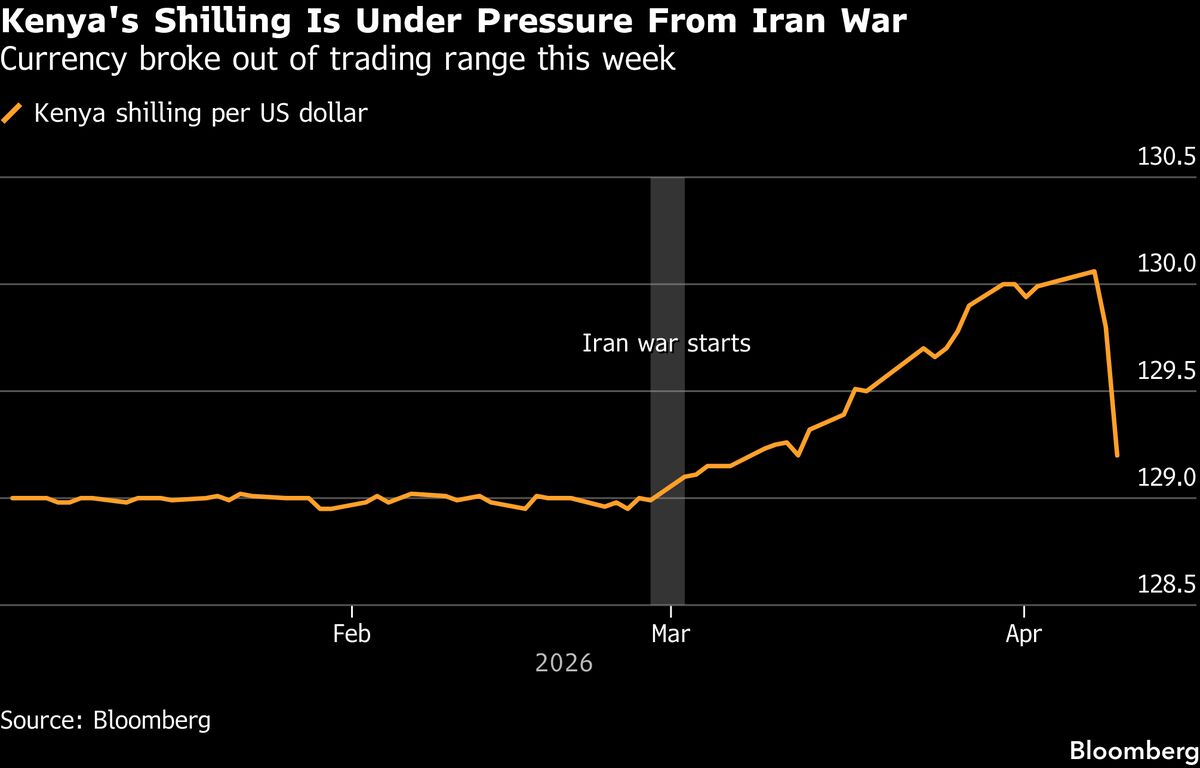
Kenya’s shilling is among the most vulnerable currencies in Africa, according to strategists at major banks, who predict further weakness as elevated oil prices pile pressure on the economy.
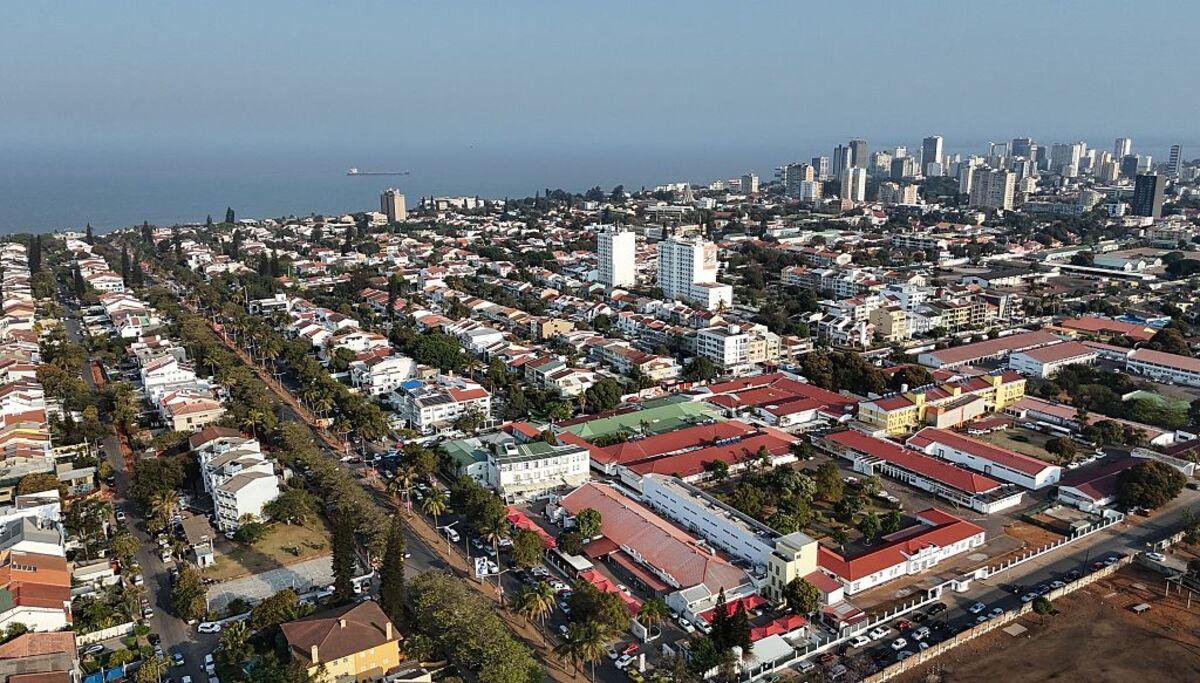
Fitch Ratings sees the possibility of a restructuring of Mozambique’s debt likely ahead of any new deal being secured with the International Monetary Fund.
An aerial drone photo taken on Sept. 11, 2025 shows a city view of Maputo, Mozambique. (Photo by Han Xu/Xinhua via Getty Images)
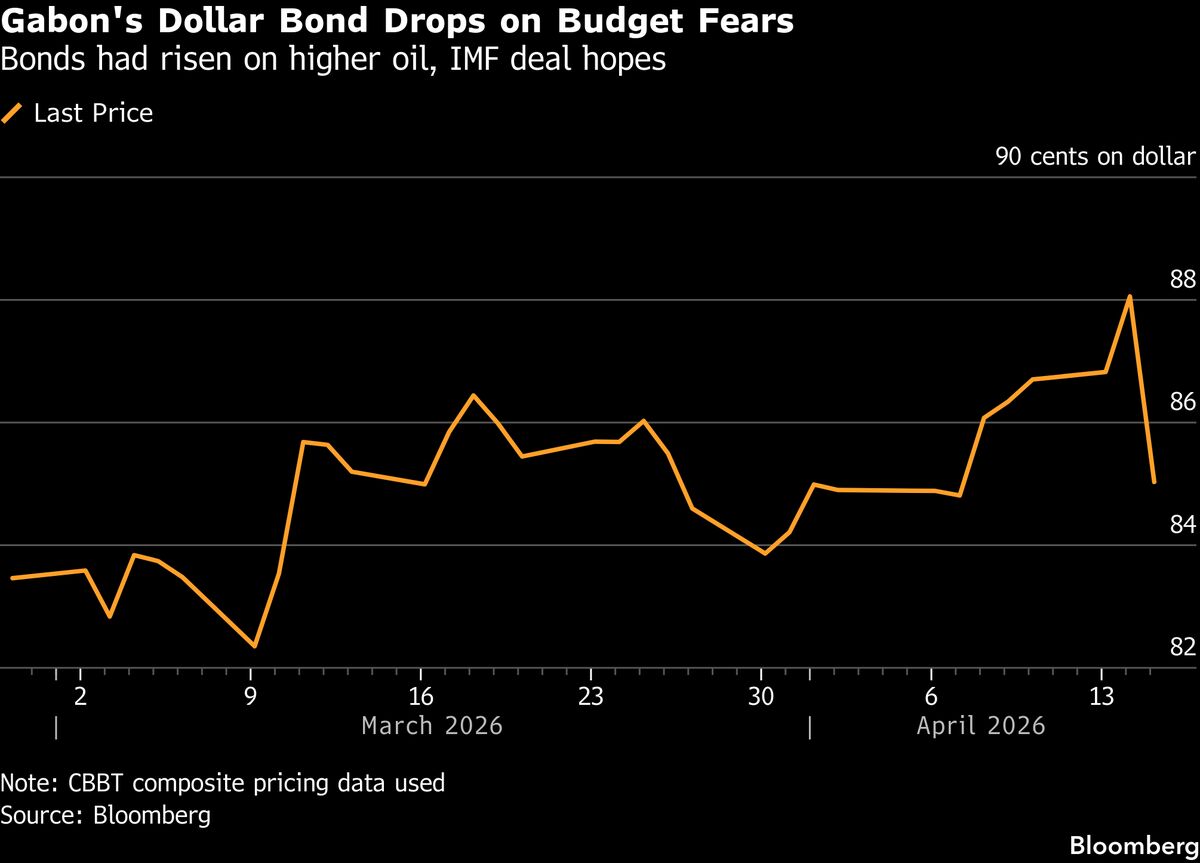
Gabon’s dollar bonds sold off the most in more than a year after the International Monetary Fund’s latest report indicated the country is facing worse budget pressures than expected.
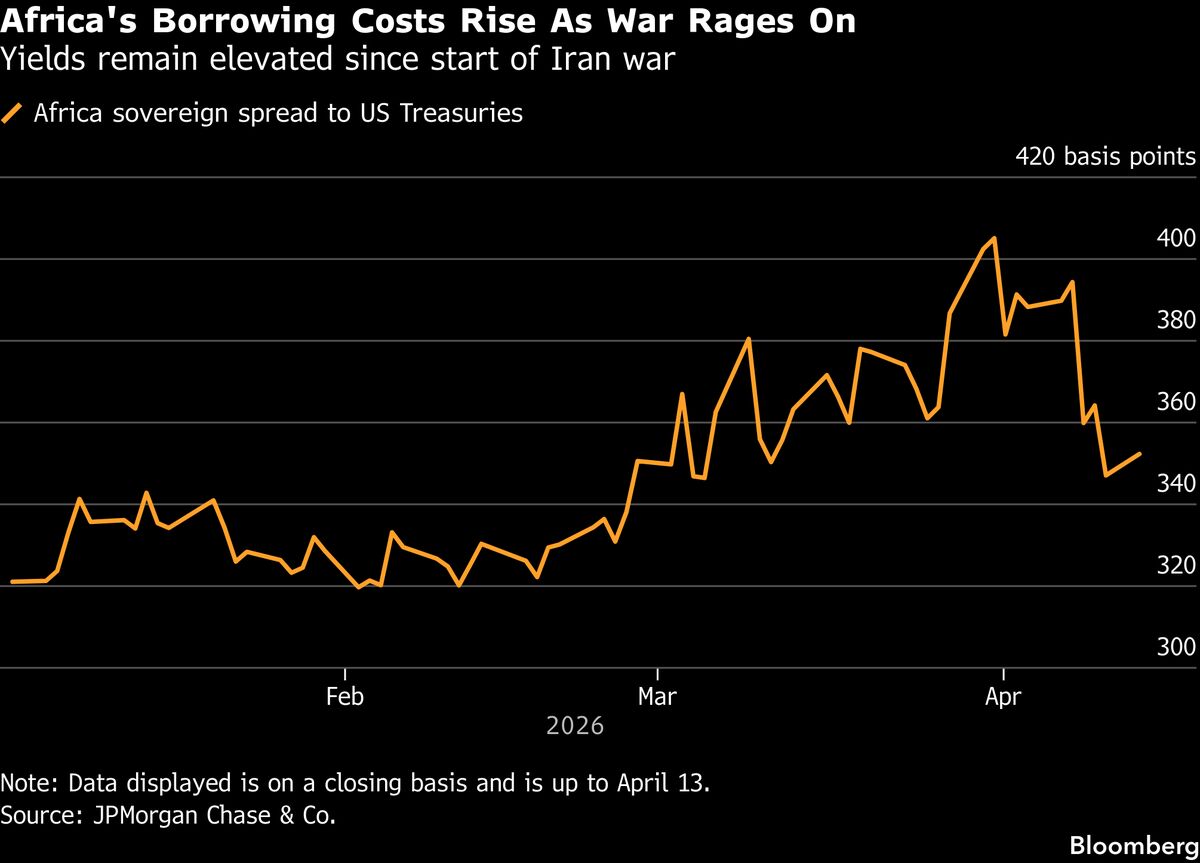
The Iran war is raising borrowing costs for African countries that are only just recovering from the post-pandemic shock that sent debt burdens soaring.
The Iran war is raising borrowing costs for African countries that are only just recovering from the post-pandemic shock that sent debt burdens soaring.
Kenya has spent nearly $1 billion of its hard-currency reserves since the war began, and is prepared to deploy more of its firepower to curb excessive weakness in the shilling, central bank governor Kamau Thugge said Thursday.
The Democratic Republic of Congo raised $1.25 billion from its first sale of dollar bonds, taking advantage of a ceasefire in the war between the US and Iran.
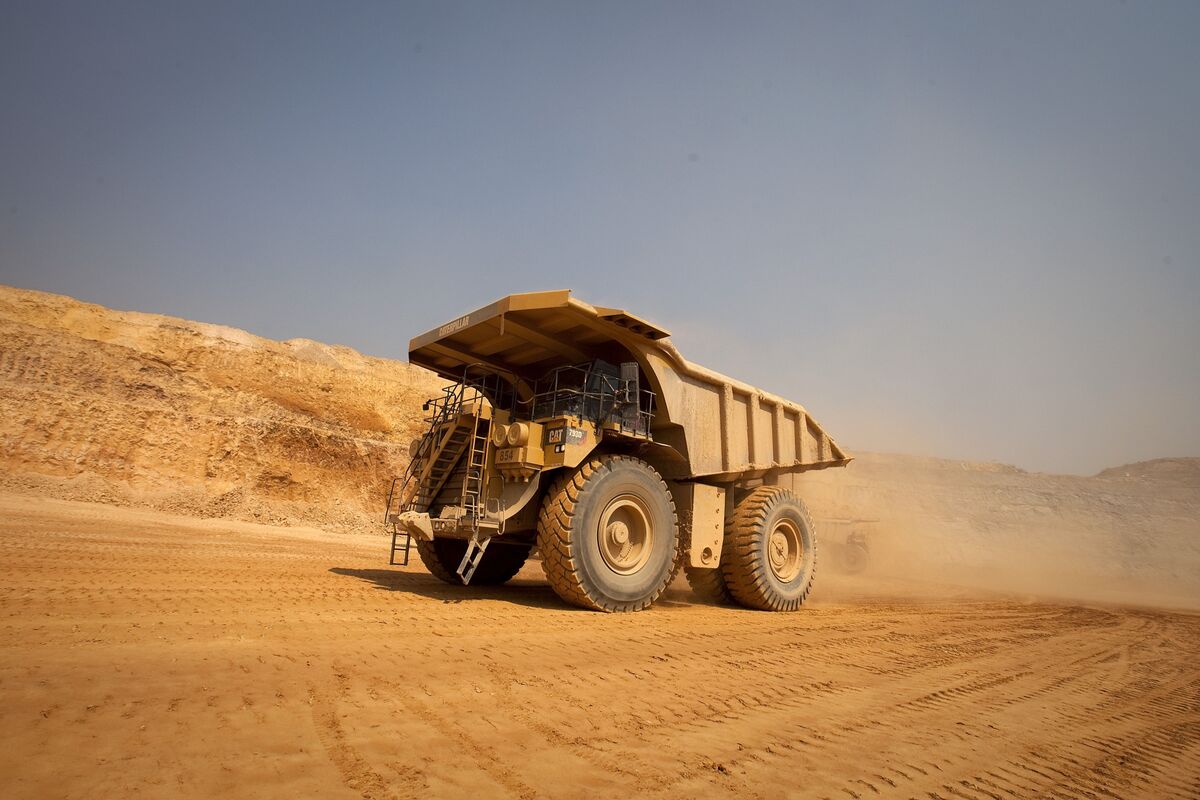
The Democratic Republic of Congo is Africa’s largest copper producer.
 Anmelden