Pakistan left its benchmark interest rate unchanged on Monday as policymakers balanced inflation risks stemming from the Middle East conflict against a moderation in economic activity.
A labourer pulls a cart loaded with goods to a market in Karachi.
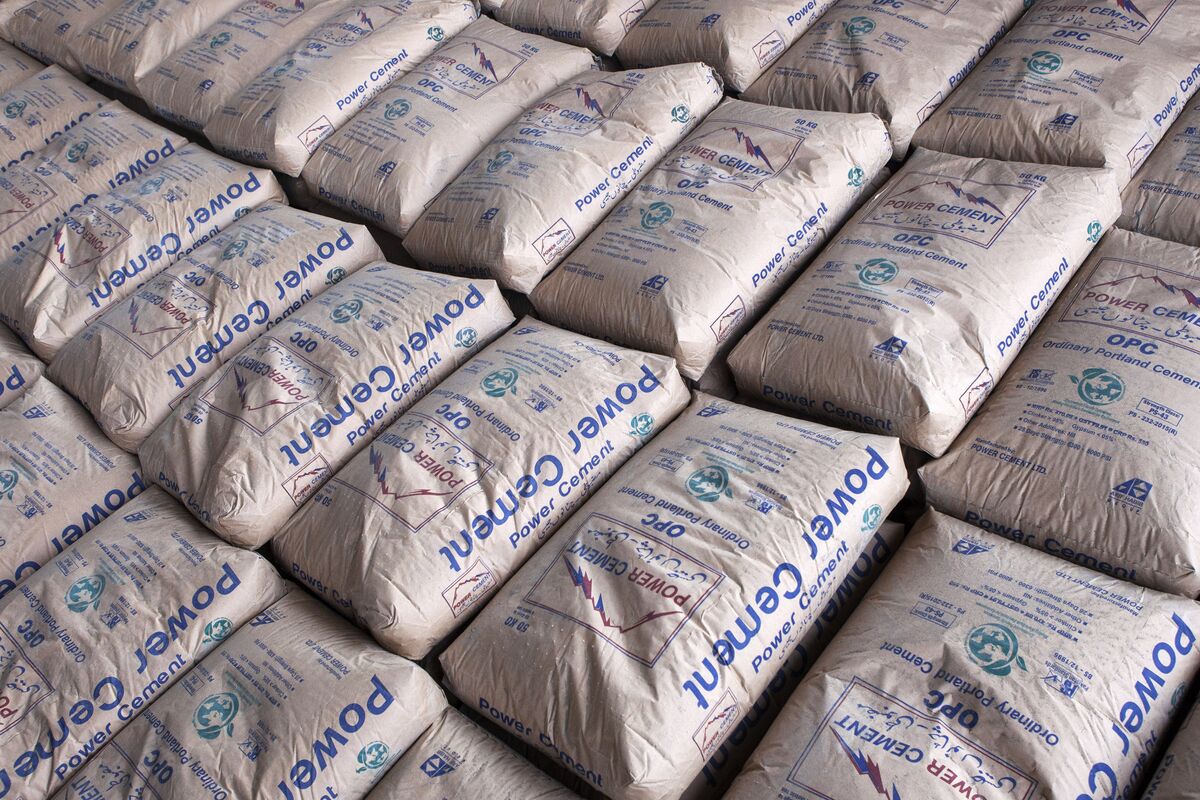
Pakistan’s 18.8 trillion-rupee ($67.6 billion) budget, which includes lower taxes on sectors like cement and textiles, has lifted related stocks as the country seeks to balance growth with its International Monetary Fund commitments.
Pakistan unveiled a budget aimed to bolster growth with tax cuts for businesses, while also making an effort to preserve fiscal gains amid rising oil prices.
Workers push a cart loaded with goods at a wholesale market in Rawalpindi on June 8.
Afghanistan said Pakistani strikes overnight in its eastern provinces killed 13 people, including children, renewing tensions between the neighbors that have clashed for months leaving hundreds dead on both sides.
Taliban security at the Spin Boldak border crossing between Afghanistan and Pakistan in December.
Pakistan aims to grow at a slightly faster pace in the financial year starting July even as the crude price shock from the Middle East war clouds the outlook for the nation, which continues to rely on support from the International Monetary Fund.
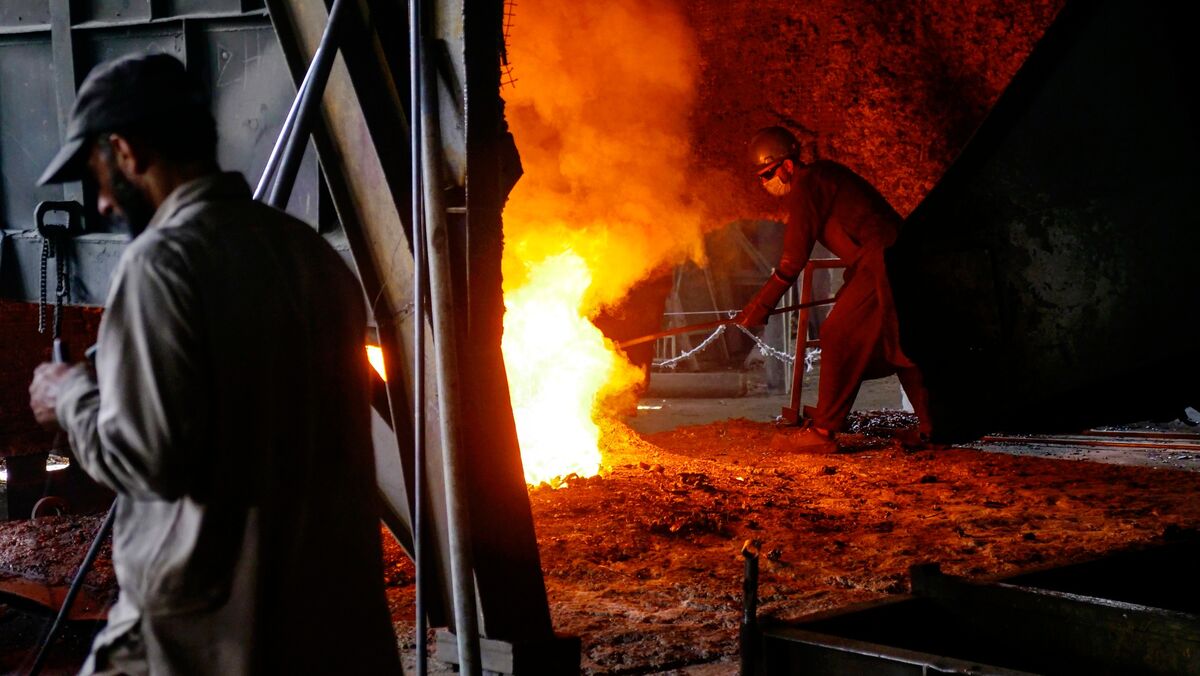
An Iron re-rolling mill in Islamabad. Photographer: Asad Zaidi/Bloomberg
A historic energy crunch is pushing ordinary citizens to find their own fixes as temperatures rise.
An aerial view shows a crowded market illuminated by alternative power sources during a power outage, as residents and shopkeepers rely on diesel generator-powered electricity in Karachi, Pakistan, on Wednesday, May 13, 2026.
Pakistan issued a heat wave warning for parts of the country, which threatens to strain the power grid and risks further blackouts, as the nation grapples with energy shortages due to the conflict in the Middle East.
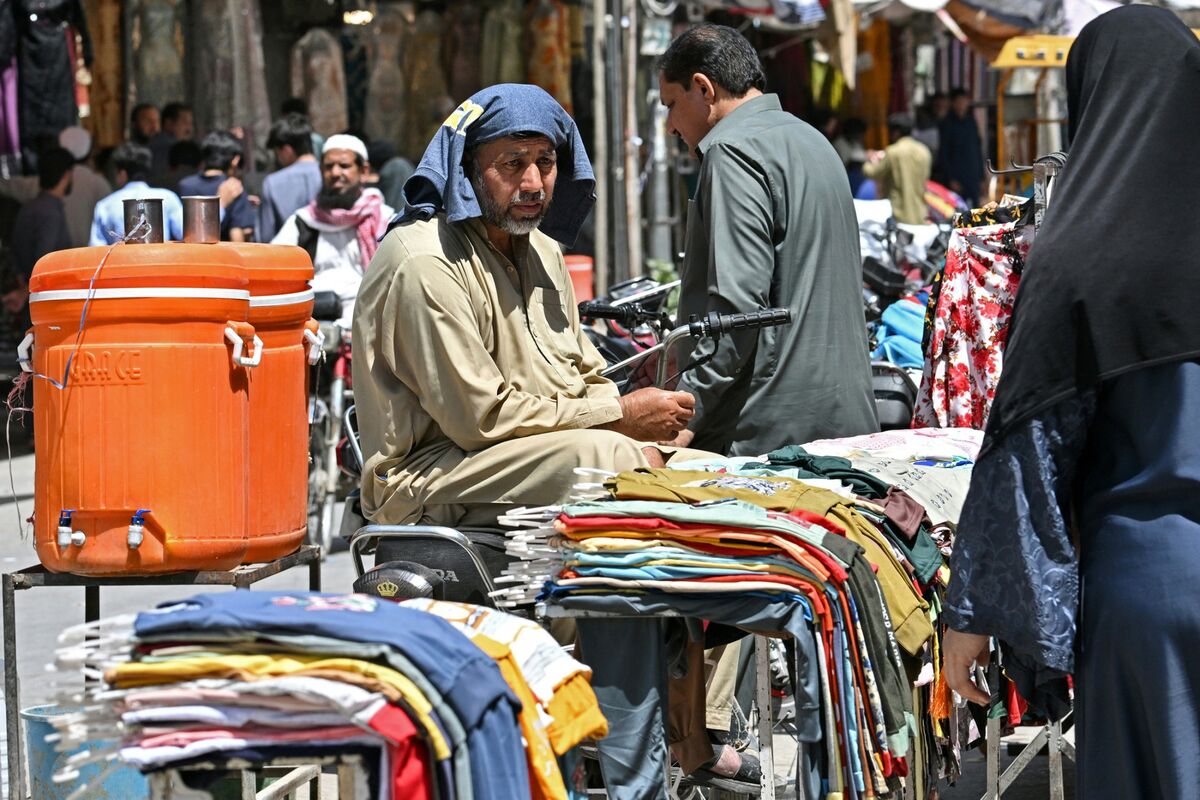
A clothes vendor covers his head at a market in Rawalpindi, Pakistan, on April 22.
Pakistan’s central bank raised its benchmark interest rate for the first time in almost three years, hiking it more than economists expected, as conflict in the Middle East disrupts energy supplies and fuels inflation.
The US and Iran failed to kick off a second round of peace talks this weekend despite a last-minute push by Pakistan, delivering a blow to Islamabad’s efforts to broker a settlement to end the two-month-old war.
Iran's Foreign Minister Abbas Araghchi, left, with Pakistan's Foreign Minister Ishaq Dar in Islamabad on April 24, in a handout photo released by Iran's foreign ministry. Source: -/Iranian Foreign Ministry
Businesses and residents in Pakistan’s capital are growing frustrated with the city’s weeks-long lockdown of roads, schools and offices as authorities continue to keep security restrictions in place in the hope of hosting further US-Iran peace talks.
Posters highlighting Pakistan's mediation of Iran-US peace talks near the Serena Hotel in Islamabad on April 22. Photographer: Aamir Qureshi/AFP/Getty Images
Pakistan has received the final $1 billion tranche of a $3 billion support package from Saudi Arabia, shoring up the South Asian nation’s foreign exchange reserves after the UAE declined to rollover its debt.
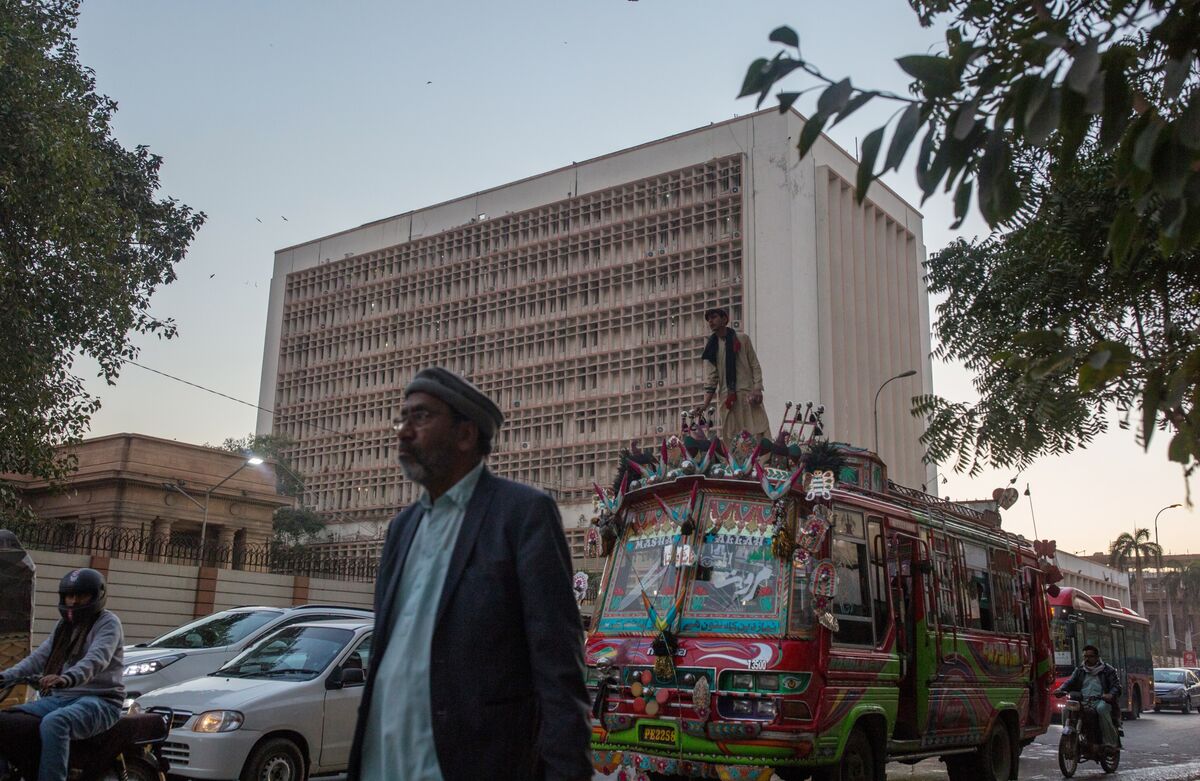
The State Bank of Pakistan in Karachi. Photographer: Asim Hafeez/Bloomberg
Pakistan is expecting a streak of power outages as the war in the Middle East chokes its supplies of liquefied natural gas, just as it prepares to host the next round of peace talks between Iran and the US.
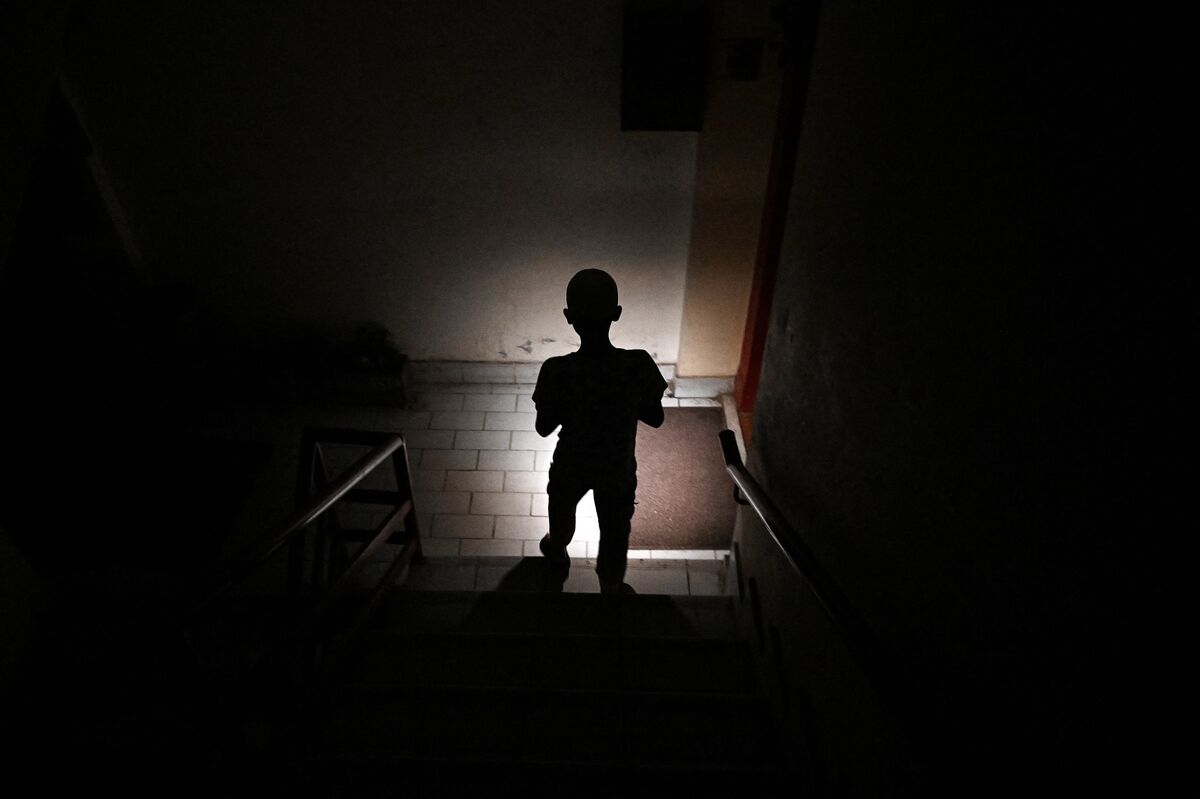
A family eats dinner at home by the light of a mobile phone torch during a power cut in Islamabad on April 15.
Pakistan’s government is planning to handover the control of its national carrier to the Arif Habib Group-led consortium by the end of this month, as the South Asian nation moves to meet a key International monetary Fund condition of selling its stakes in state-owned firms.
Passengers board a Pakistan International Airlines flight.
Pakistan is in discussions with Saudi Arabia and China for financial support to compensate for a loan of about $3 billion that Islamabad will be forced to pay back to the United Arab Emirates, people familiar with the matter said.
US and Iran have confirmed participation for peace talks in Islamabad on Friday as global efforts mount for a permanent agreement to end the war in the Middle East after a two week ceasefire, according to Pakistan’s Prime Minister Shehbaz Sharif.
Iranians with national flags on Revolution Square, Tehran, on April 8. Photographer: ATTA KENARE/AFP

 Anmelden