German Chancellor Friedrich Merz’s coalition is negotiating as much as €20 billion ($22.8 billion) in income-tax relief as it taps momentum for its broader reform agenda, though the parties remain divided on how to pay for the cuts.
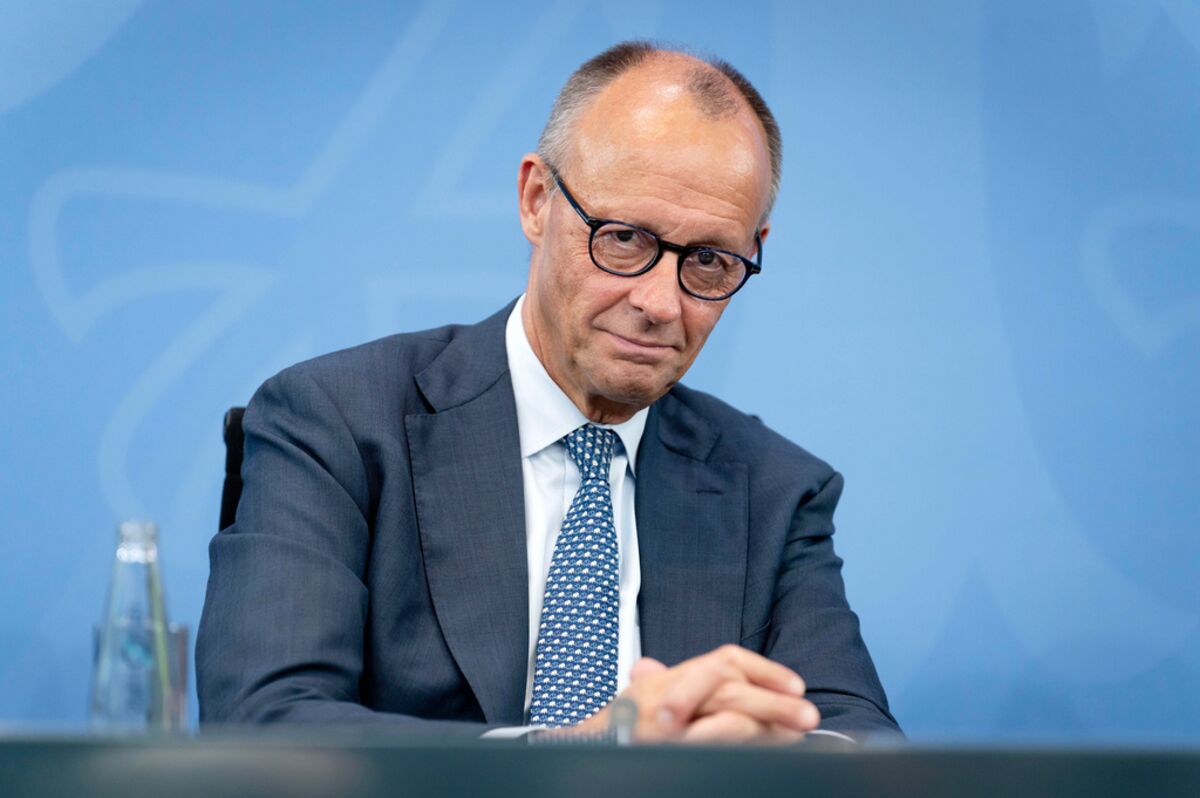
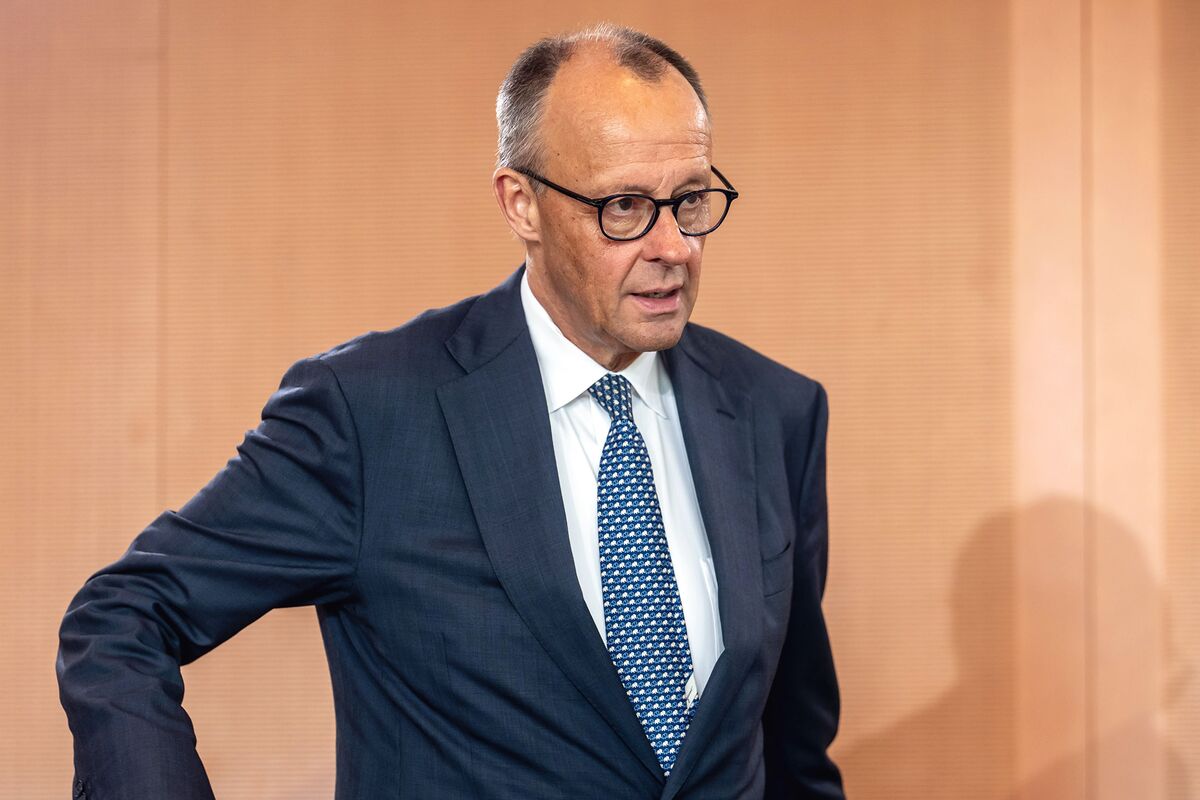
Friedrich Merz on June 25. Photographer: Bernd Elmenthaler/dpa/AP Photo
Chancellor Friedrich Merz’s ruling coalition is preparing to back a proposal for a sweeping overhaul of Germany’s pension system, including politically sensitive measures such as a market-based savings component, tighter rules on early retirement and a gradual increase in the retirement age, people familiar with the matter said on Sunday.
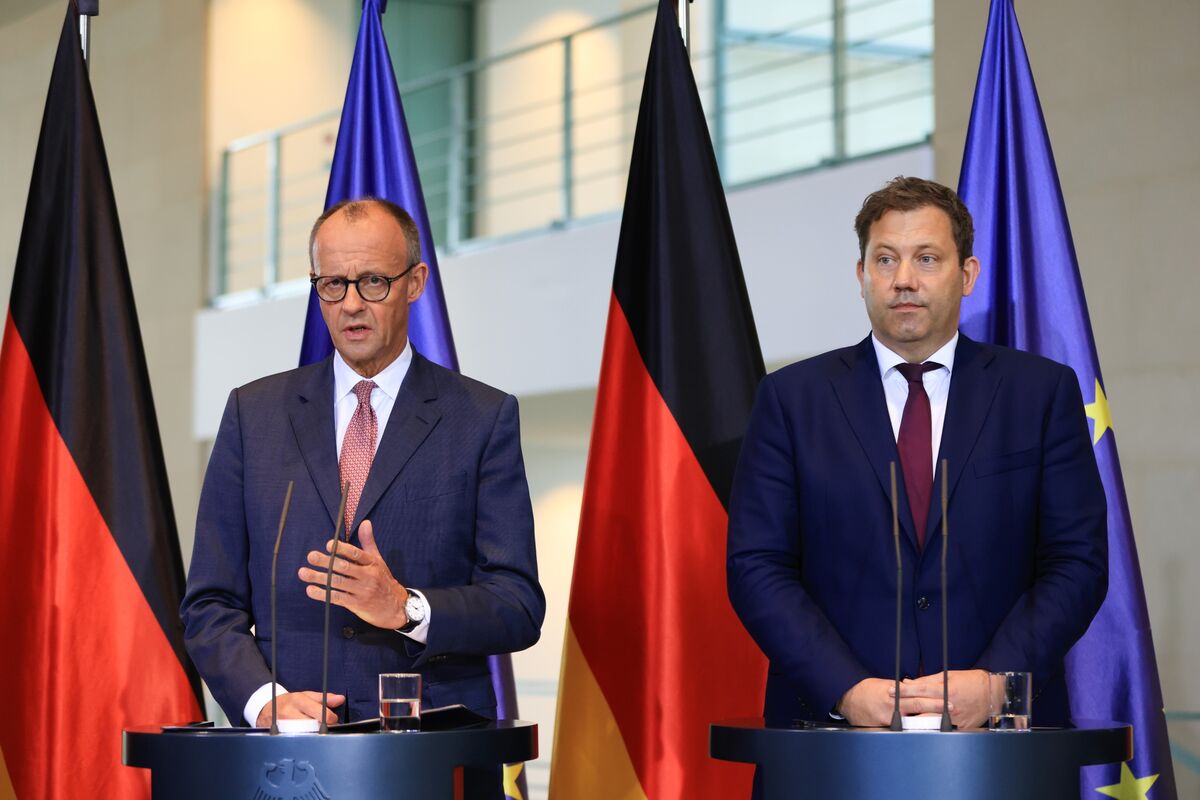
Friedrich Merz, Germany's chancellor, left, and Lars Klingbeil, Germany's finance minister, deliver statements following an auto industry summit in Berlin, Germany, on Thursday, Oct. 9, 2025. Merz's ruling alliance agreed on new purchase incentives for zero-emission vehicles worth €3 billion ($3.5 billion) through 2029, part of his government’s broader effort to support the nation’s ailing carmakers.
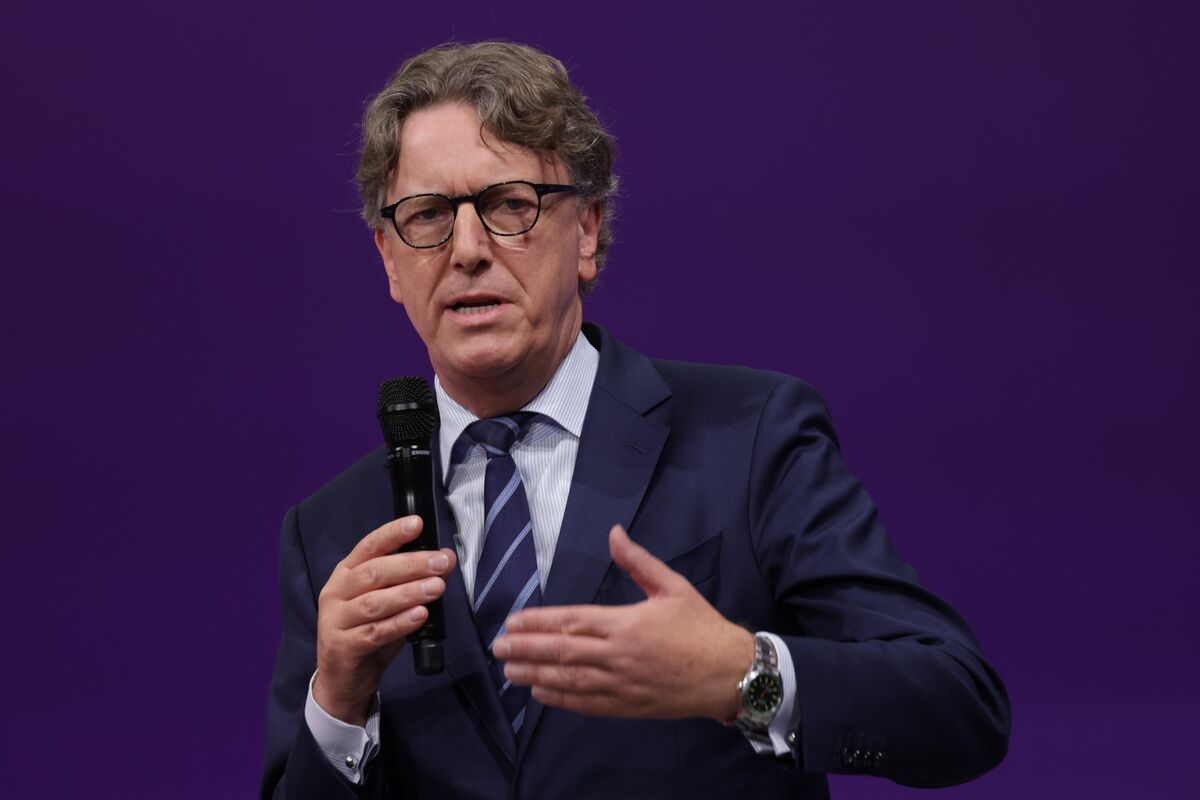
The head of Germany’s state development bank warned that a rising tide of political extremism poses a threat to foreign investment in Europe’s biggest economy.
Several European Union countries are expressing concerns about the bloc’s move to loosen budget rules as the Iran war squeezes markets, arguing the continent may be eroding its fiscal discipline.
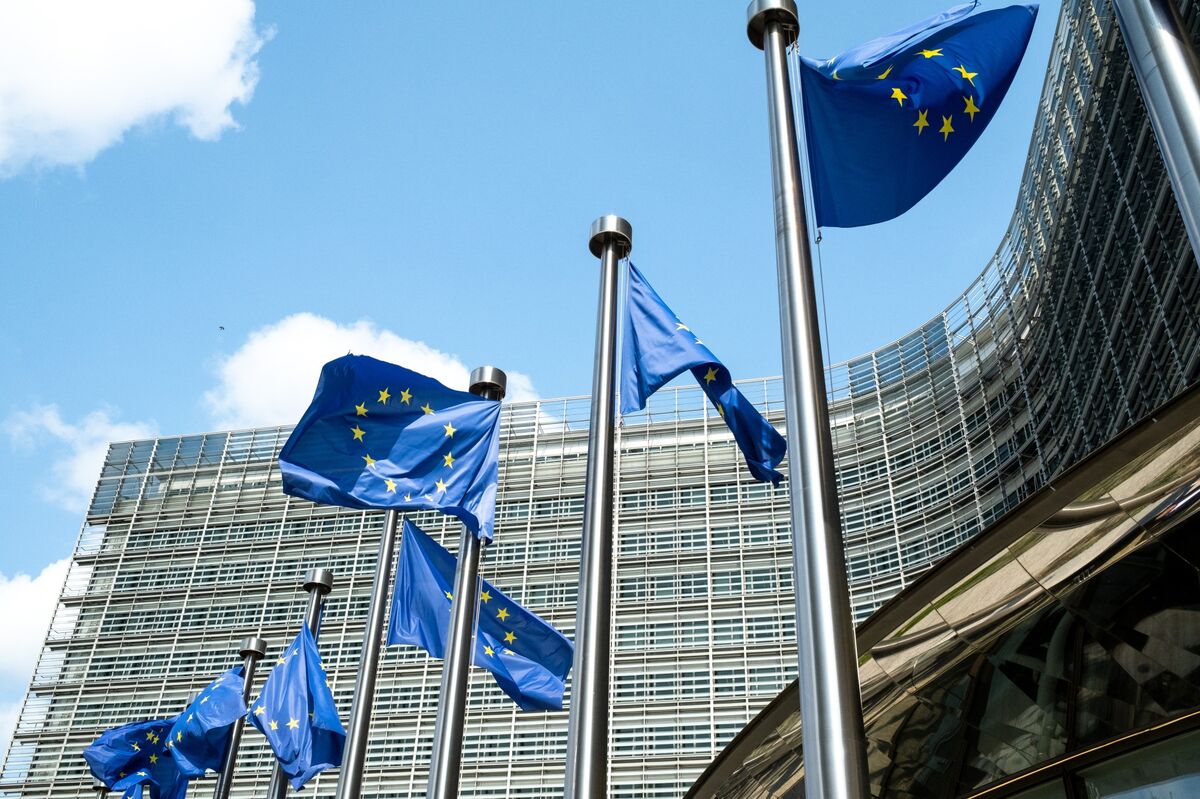
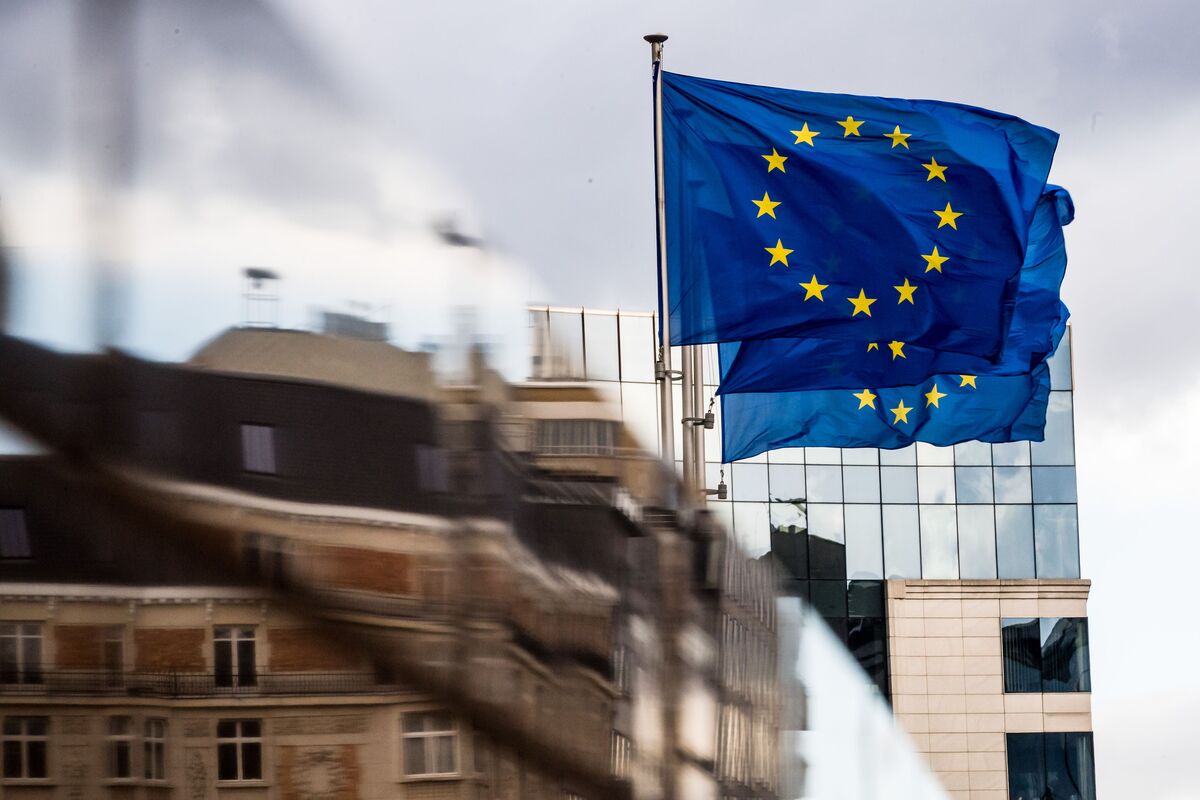
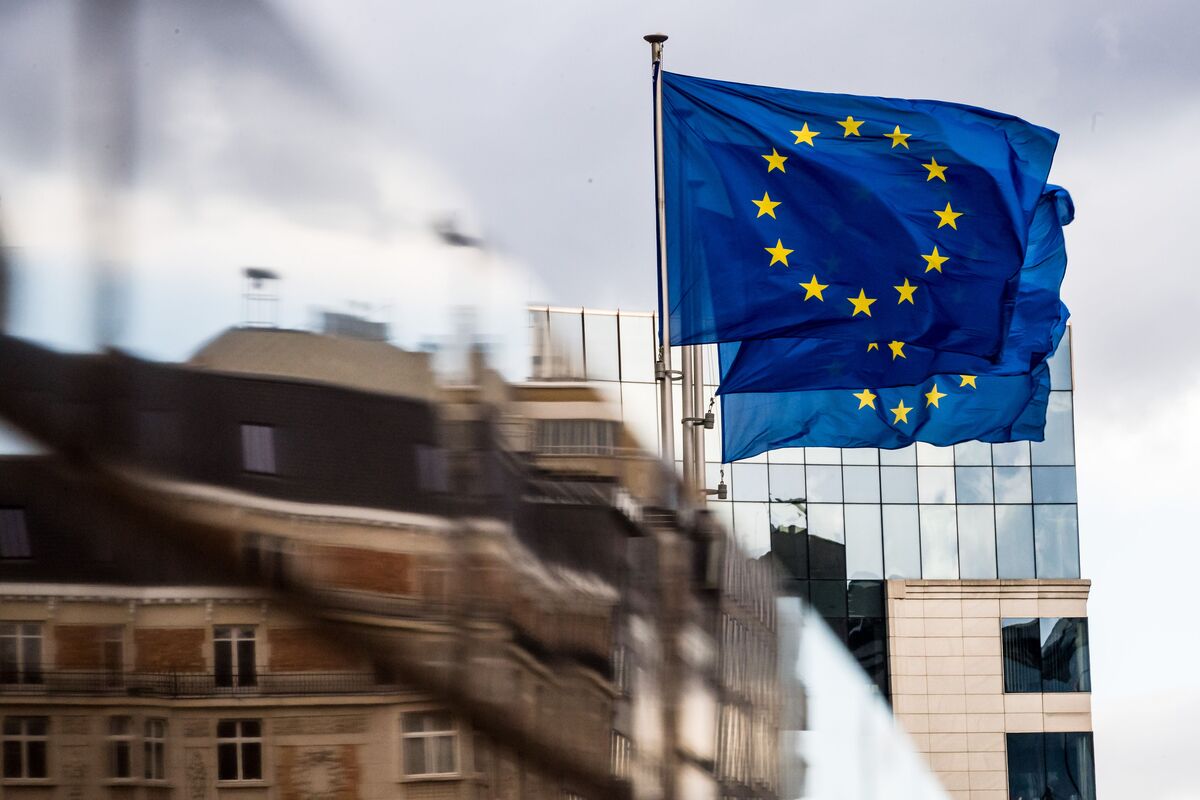
The Berlaymont building, the European Union Commission headquarters in Brussels.
Chancellor Friedrich Merz’s coalition will attempt to overcome deep differences over a sweeping reform agenda in talks Wednesday as parties turn to a plan for a broad tax cut alongside potential hikes for higher earners.
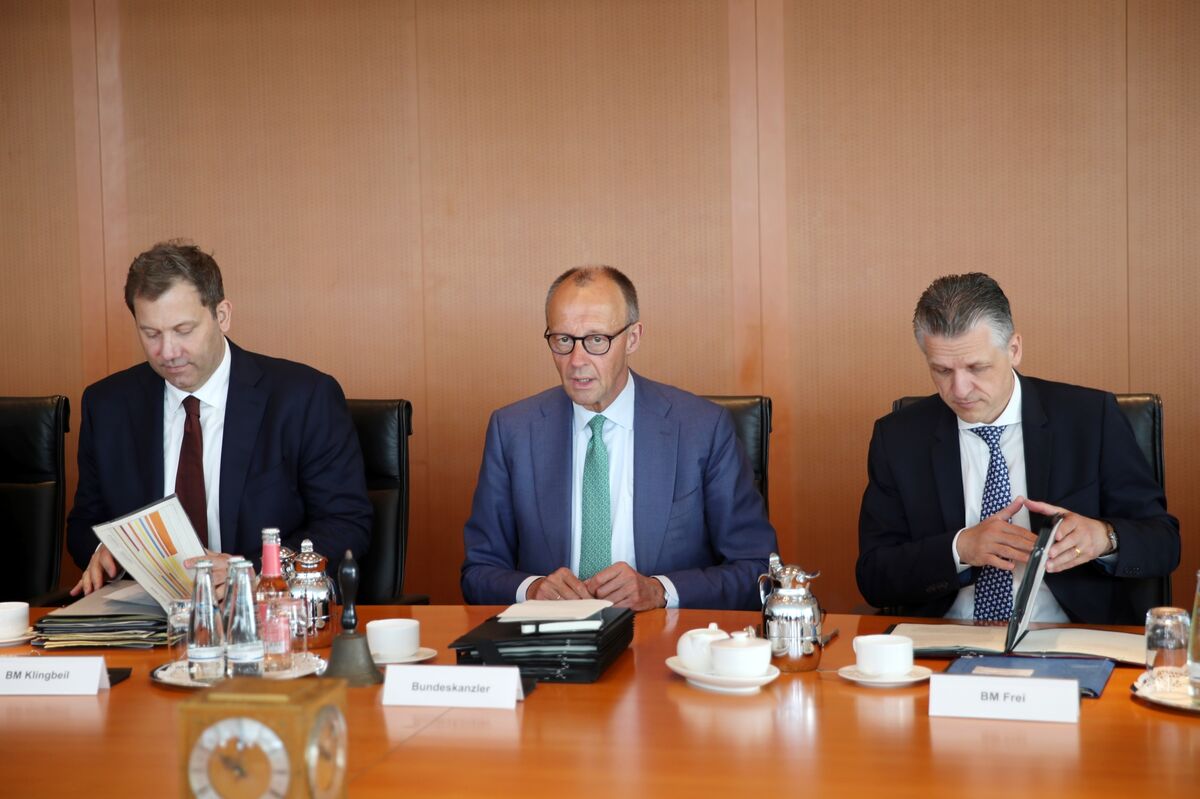
German Chancellor Friedrich Merz, center, attends a cabinet meeting on June 10. Photographer: Maryam Majd/Getty Images
Germany’s government is struggling to mobilize infrastructure spending from its flagship €500 billion ($582 billion) investment fund designed to revive Europe’s largest economy.
The European Union’s six largest economies have agreed on a plan to implement a bloc-wide capital markets union, reaching a collective stance they say will help spur the continent to action after years of delay.
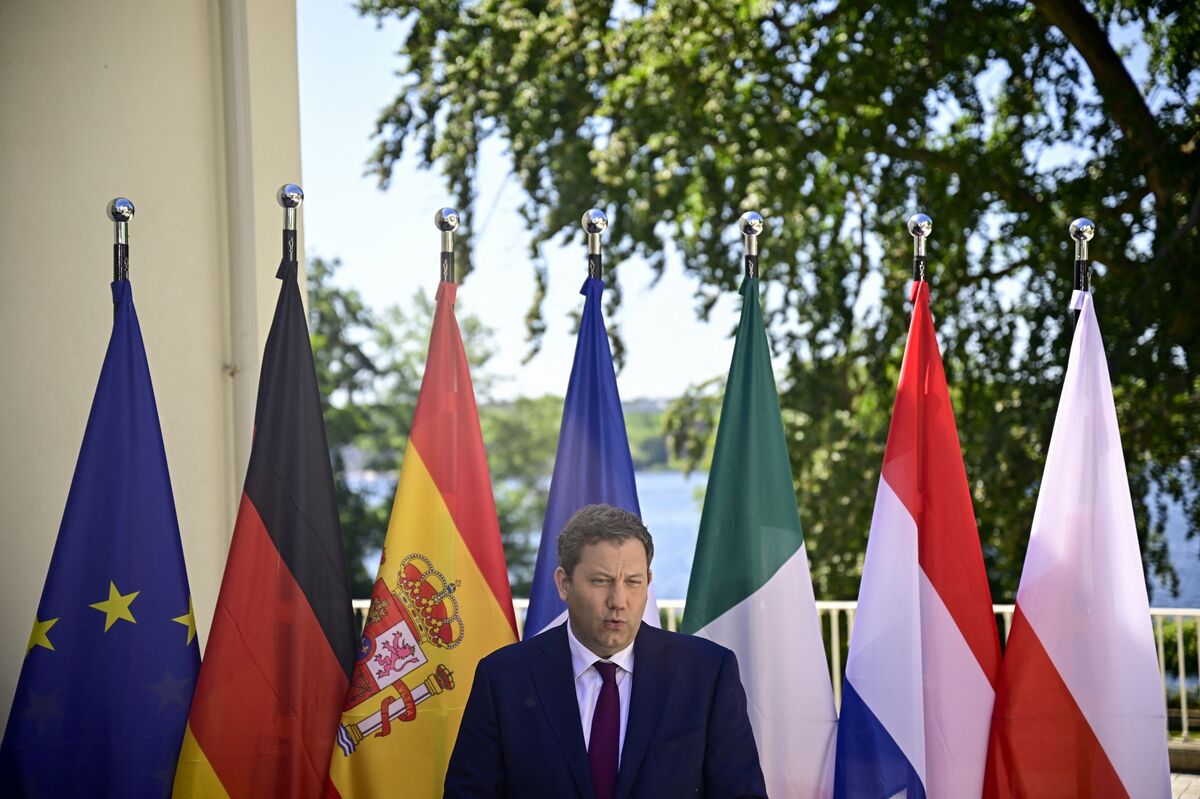
German Finance Minister Lars Klingbeil prior to a meeting with finance ministers from Germany, France, Italy, Spain, the Netherlands and Poland, in Berlin on May 28. Photographer: Tobias Schwarz/AFP/Getty Images
The European Union’s six largest economies are advancing plans for a bloc-wide capital markets union, hoping their collective voice will spur the continent to action after years of delay.
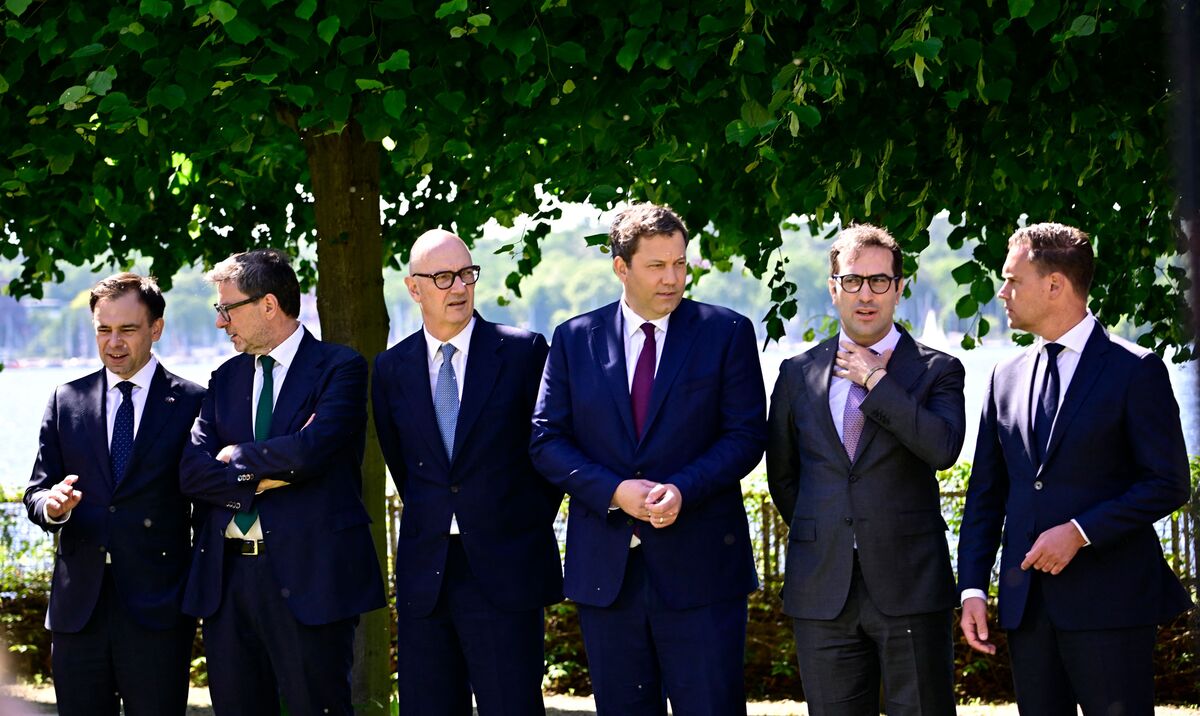
Finance ministers from Poland, Italy, France, Germany, Spain and the Netherlands, in Berlin, on May 28.
The European Union’s six largest economies are advancing plans for a bloc-wide capital markets union, hoping their collective voice will spur the continent to action after years of delay.
Finance ministers from Poland, Italy, France, Germany, Spain and the Netherlands, in Berlin, on May 28.
The European Union risks walking into a Russian trap by discussing the possible appointment of a special envoy to negotiate with President Vladimir Putin, the bloc’s top diplomat said.
Germany’s far-right party is vetting public workers ahead of a planned purge of civil servants if it takes control in an eastern region holding an election later this year, according to people familiar with the matter.
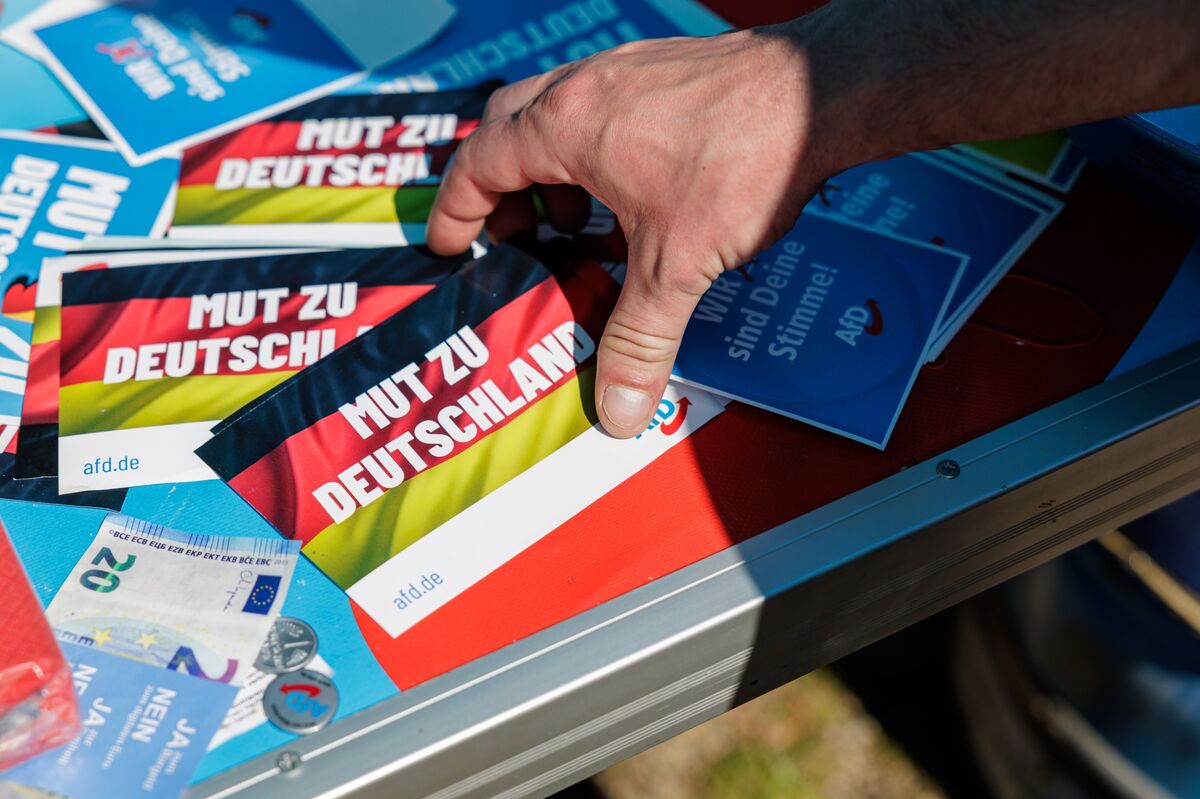
Promotional pamphlets at a May Day AfD family fest in Schonebeck. Photographer: Jens Schlueter/Getty Images
The European Union is considering Italy’s plea to get more leeway on the bloc’s fiscal rules as the Iran war raises costs for households and businesses.
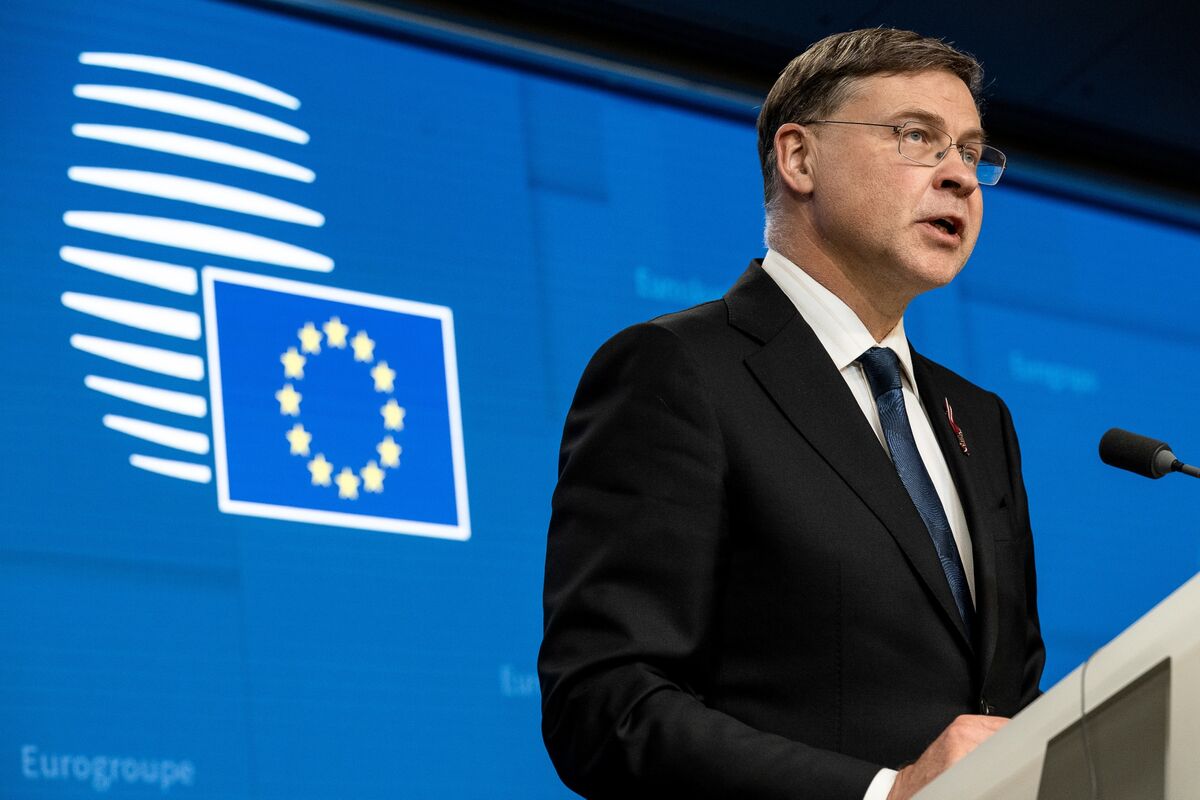
Valdis Dombrovskis, economy commissioner for the European Union (EU), at the Economic and Financial Affairs Council (ECOFIN) meeting in Brussels, Belgium, on Tuesday, May 5, 2026. Europe will consider all retaliatory options should US President Donald Trump follow through on his threat to raise tariffs on cars and trucks from the European Union to 25%, the bloc’s finance ministers said.
Germany plans to increase the firepower of its national raw-materials fund by as much as half to €1.5 billion ($1.7 billion) as it seeks to reduce dependence on critical supplies from countries such as China and shore up supply chains. Officials are also considering expanding the vehicle into a sovereign wealth fund from 2028 onward.
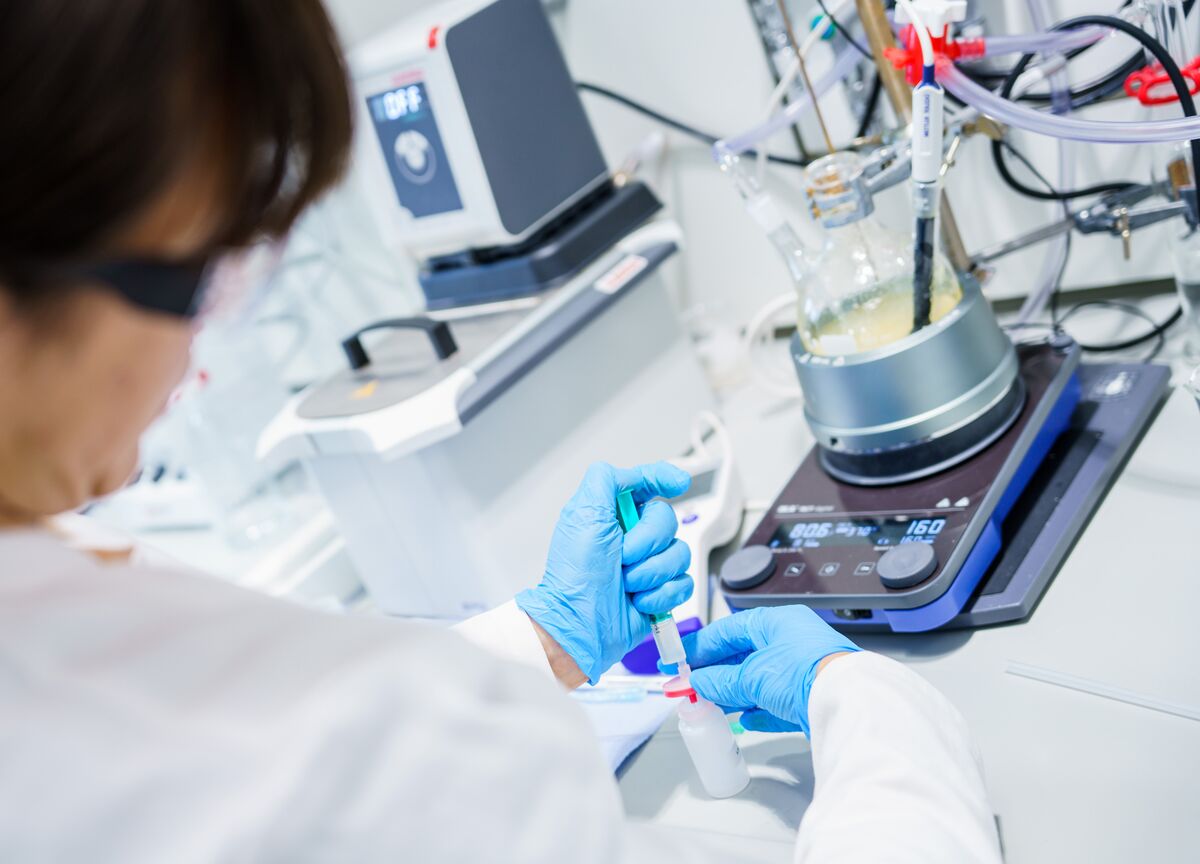
A laboratory technician prepares lithium brine in the Vulcan Energy Resources Ltd. laboratory at the ZEISS Innovation Hub in Karlsruhe, Germany, on Thursday, Oct. 21, 2021. A new mining process aims to produce battery-grade lithium in Germany without hurting the environment.
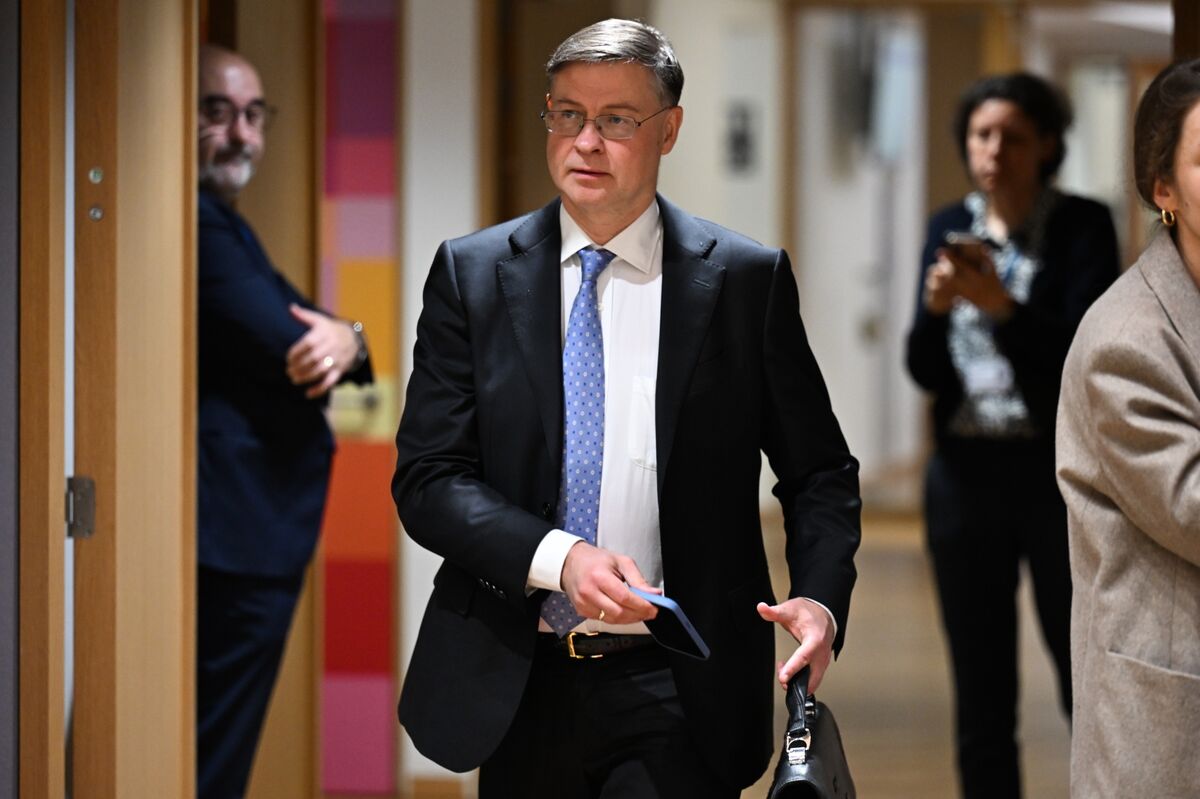
European Union economy chief Valdis Dombrovskis said the European Central Bank will need to address the continent’s rising inflation due to the war in Iran.
European Union economy chief Valdis Dombrovskis said the European Central Bank will need to address the continent’s rising inflation due to the war in Iran.
European Union economy chief Valdis Dombrovskis said the European Central Bank will need to address the continent’s rising inflation due to the war in Iran.
German Finance Minister Lars Klingbeil said Europe must assert its own interests against global competitors with measures such as favoring companies from the region.
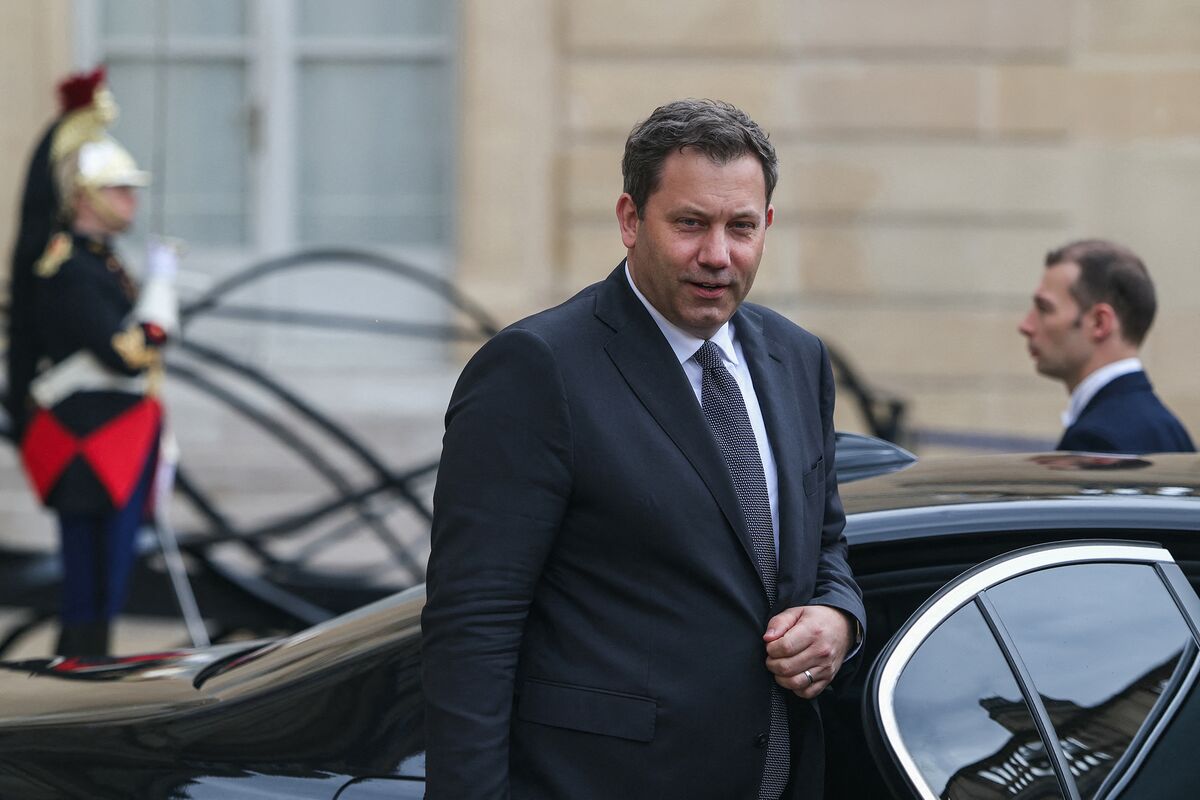
German Finance Minister and Vice Chancellor Lars Klingbeil leaves the Elysee Presidential Palace after meeting with France's President on the sidelines of G7 discussions in Paris on May 18, 2026. Photographer: Alain Jocard/AFP/Getty Images

 Anmelden