A pair of debenture tickets changed hands this week for a sum far beyond the means of ordinary tennis fans
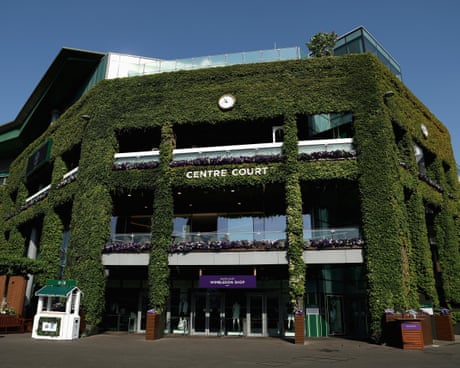
Like many of us, Marcos Ortega enters the Wimbledon public ticket ballot every year in the hope of seeing some championship tennis. In seven straight years of trying, however, he has never got lucky. So he was delighted – initially, at least – to learn there was a way to secure a ticket for every game played on Centre Court.
But Ortega’s hopeful delight quickly turned to anger when he discovered that it would cost him £293,000.
Sellers of luxury villas have wiped tens of millions of pounds off asking prices, with sales down 19% in May from the previous month
Property sales in Dubai have fallen “off a cliff”, a leading market watcher has said, after war in the Middle East forced a dramatic slowdown in one of the world’s most expensive real estate markets.
Sales in the city dropped 19% in May compared with the previous month, accelerating from a 4% drop in April, the researcher ValuStrat found.
Just as the ‘poverty line’ determines what’s required for basic living, we need a ‘wealth line’ to show when extreme wealth becomes harmful
It was bound to happen eventually: Elon Musk has become the planet’s first trillionaire. Until recently, economists who spoke about “trillions” were describing the GDP of the largest economies or the accumulated value of bequests on their way to the heirs of today’s billionaires. The term is not often used in daily conversation, let alone to describe the wealth of an individual.
But now we have entered a new phase of the oligarchic era. Previously, when we described the wealth of the world’s richest billionaires, it was understood as a few hundred billions. Three years ago, the value of Musk’s total assets was estimated to be about $250bn. The pace at which it has increased is mind-boggling – and so is what it represents.
President Trump has long been at odds with European leaders over trade, Ukraine and NATO, but he has lashed out in recent weeks over their refusal to support the U.S. war with Iran.
A 2% levy on fortunes above £100m – with no exemptions – could begin to reverse decades of rising inequality
Andy Burnham and Wes Streeting have sought to blunt the Green leader Zack Polanski’s popularity with a hint that a government run by either of them, should they win a Labour leadership race, would favour a tax of some kind on the wealthy.
With SpaceX’s stock market launch on Friday sending Elon Musk’s fortune to the stars, it is clear to most people that the world’s super-rich are running away with the lion’s share of the spoils and there is not much left for anyone else.
He’s now the world’s first trillionaire, after his rocket and AI company broke IPO records on its way to a $2.1tn valuation
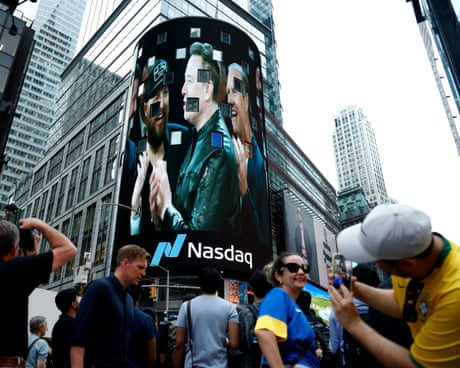
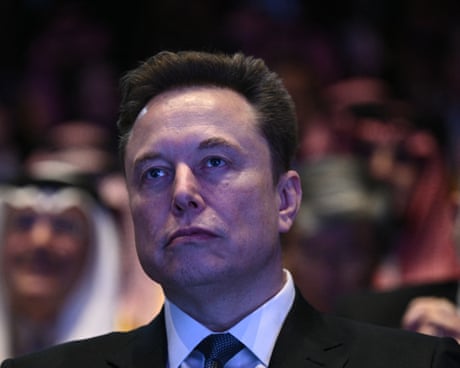
Elon Musk is now the world’s first trillionaire. SpaceX’s historic debut on the stock market on Friday launched the CEO to unprecedented levels of wealth; his personal fortune now amounts to $1.1tn, an increase of more than $62bn since the previous day, according to Forbes.
The rocket, satellite and AI company raised $75bn from its record-breaking initial public offering (IPO), and is now valued at $2.1tn after its first day of public trading.
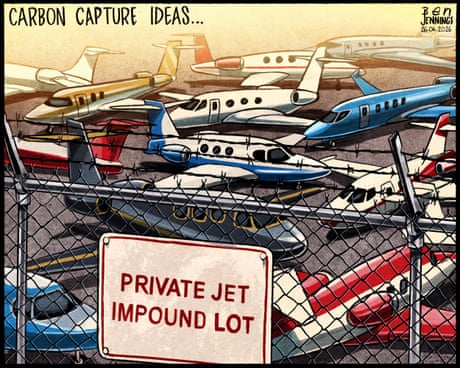
Greenpeace calculates that wealthiest contribute nearly $1tn of damage a year with ownership-based emissions
Ultra-wealthy people zooming across the world on their private jets, lounging on yachts and conspicuous by their Instagrammable consumption are among the most easily identified individual culprits when it comes to the climate crisis – but new research argues that it is not just their heady lifestyles to blame, but also their bank accounts.
Through their ownership of companies and private financial and physical assets, from oil producers to property developments, the super-rich are responsible for an outsized slice of the greenhouse gases that are overheating the planet. The top 1% of people by wealth, through their shareholdings and investments, control about a quarter of global annual emissions in total.
The magazine writes: ‘Resisting Gen-Z socialism is therefore an urgent task.’ That urgency must outweigh any urgency of feeding hungry people
A spectre is haunting Europe and America – the spectre of gen Z socialism.
That’s the urgent warning from the Economist in a new cover-story editorial, How to fight back against Gen-Z socialism. Alarmed by a youthful threat to the established order, the magazine is calling for heightened vigilance from defenders of private enterprise.
Norman Solomon is the director of RootsAction and executive director of the Institute for Public Accuracy
Becoming the world’s first trillionaire is only going to supercharge this sense of impunity and bring us one step closer to full-blown oligarchy
“Whoever said ‘money can’t buy happiness’ really knew what they were talking about,” Elon Musk wrote in February on Twitter/X, the social network he bought for $44bn. He capped the statement with a sad face emoji.
Alas, Musk’s information is outdated. A 2024 study found a substantial difference in happiness between the wealthy and people who are low income. “A greater feeling of control over life can explain about 75% of the association between money and happiness,” the study’s author noted.
Arwa Mahdawi is a Guardian columnist and the author of Strong Female Lead
Attempt to turn a stretch of the English-Scottish border into a commercial forest exposes threat to habitats from wealthy investors
On the English-Scottish border a small species of butterfly, the northern brown argus, has fended off one of the biggest investors in the UK.
Todrig, with its heath moorlands and hundreds of species of flora and fauna, represents an investment that could save Britain’s wealthiest families millions of pounds in inheritance tax.
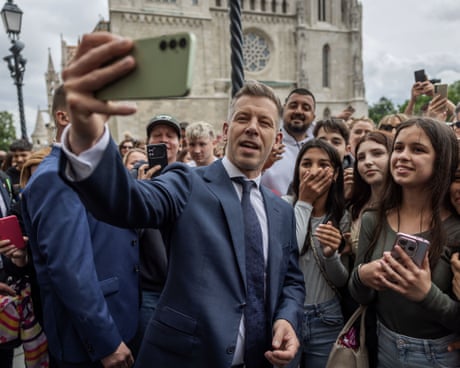
New PM Péter Magyar calls policy a sign of ‘social justice’ after years of political loyalty being rewarded with economic opportunity
In a dimly lit television studio, one of Hungary’s richest men is on the verge of tears. It is early May, weeks after the general election that ended Viktor Orbán’s 16-year grip on power, and the advertising mogul Gyula Balásy has an announcement to make.
Balásy tells the interviewer that he has just surrendered his businesses to the state, along with a chunk of his private savings. He has even brought along a notarised deed – a legal document setting out the change of ownership.
The wealth of Britain’s 157 billionaires is now equivalent to more than a fifth of the country’s entire GDP, according to analysis by the Equality Trust – a fivefold increase since 1990.
The charity describes the trend, based on data in this year’s Sunday Times rich list, as Britain’s “ghost GDP”: headline economic growth increasingly disconnected from everyday life.
Despite concerns super-rich are leaving due to tax burdens, 88% of those surveyed were proud to live in UK and would pay more to fund public services
Nine in 10 UK millionaires are proud to live in Britain and three-quarters would be willing to pay more tax to ensure public assets get the funding they need, according to research.
Despite widely reported concerns that the wealthy are choosing to leave the country owing to higher taxes, the survey found millionaires were much more concerned about medical workers moving away than wealthy people emigrating.
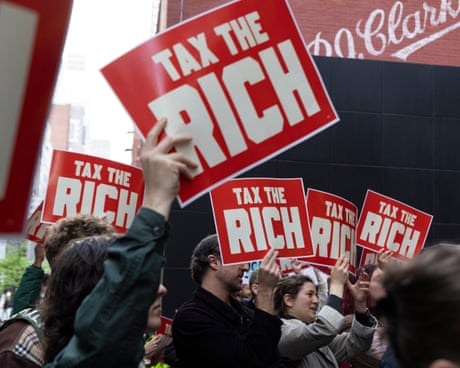
No wonder they are upset by the slogan ‘tax the rich’. Despite their wealth increasing 81% since 2020, they need our emotional support now more than ever
Won’t anyone think of the poor, poor, billionaires? Their endless money can buy them political power, but it can’t buy them love. Instead of being worshipped by the hoi polloi, titans of industry are denounced! Despised! Disrespected! Insert another D-word of your own!
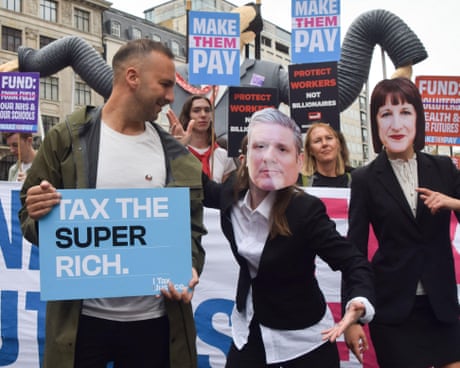
Thankfully, class solidarity is strong among the super-rich. Steve Roth bravely brought attention to the plight of his fellow billionaires during a recent earnings call. “I consider the phrase ‘tax the rich’ … spit out with anger and contempt by politicians … to be just as hateful as some disgusting racial slurs,” the Vornado Realty Trust CEO said.
The decision, which drew condemnation from G.O.P. lawmakers, came after President Trump expressed annoyance with the German chancellor’s remarks about the Iran war.
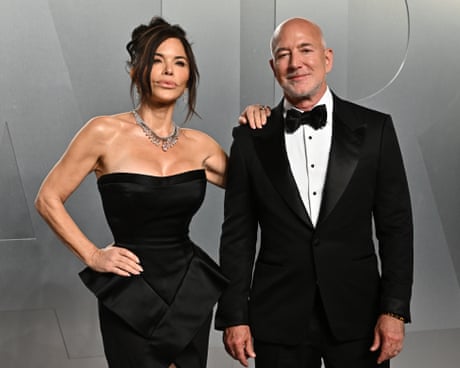
She’s already taken Paris and Venice – now, with husband Jeff Bezos, she’s stormed New York’s Met Gala. And for a mere $75,000, you can be there with her
We live in an age when the most successful revolutionaries are not the peasants but the Silicon Valley billionaires. They are the true disrupters, the victorious radicals and the people who have successfully ripped up legacy systems and replaced them with themselves. Revolutionaries used to rebel against governments, but the techlords are now so powerful that meaningful revolt against them could really only come from governments. Governments are the new peasants. The erstwhile peasants, meanwhile, are in endless thrall to the technologies of their overlords, each one carrying in their hands a device pretty much guaranteed to distract them from doing anything other than clicking impotently – and only when they remember – on “change”. Never mind televised; their revolution will be narcotised.
Anyhow: I can’t believe Lauren Sánchez hasn’t gone with the above paragraph as the theme for the Met Ball that her husband, Jeff, bought her. Maybe it was too long for the invitations. Either way, we are just over a week away from the biggest event in the fashion calendar, which, like his own fairy godfather, the Amazon founder, Jeff Bezos, has purchased the honorary chairmanship of for himself and his wife. Cinderella and her Cinderfella shall go to the ball. You cannot imagine how much Silicon there’s going to be at the event.
Marina Hyde’s new book, What a Time to be Alive!, is out in September (Guardian Faber Publishing, £20). To support the Guardian, order your signed copy at guardianbookshop.com. Delivery charges may apply

 Anmelden