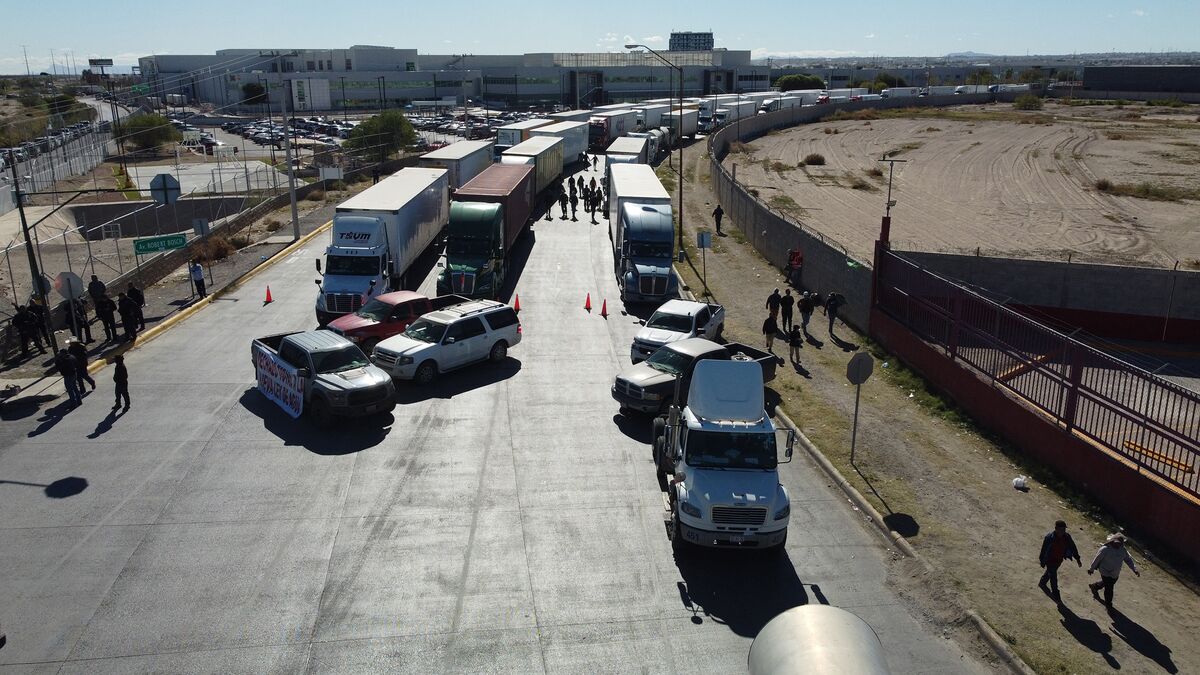
US customs authorities, under pressure to improve enforcement of President Donald Trump’s trade war, are increasingly turning to artificial intelligence to catch tariff dodgers and spot illicit goods before cargo even reaches the country.
A U.S. Customs and Border Protection officer stands next to a line of trucks entering from Mexico at the Otay Mesa Cargo Port of Entry in San Diego, California.
A fire at a cold storage warehouse near downtown Los Angeles continued pumping fumes across Southern California five days after it ignited, prompting emergency declarations as air quality reached unhealthy levels.
Smoke from a warehouse fire at a cold storage facility in Los Angeles on June 20. Photographer: Mario Tama/Getty Images
A 5,000-vehicles fleet will shuttle a million pounds of team equipment to 104 matches.
Signage for the FIFA World Cup at Penn Station in New York, US, on Thursday, June 4, 2026. New Jersey Transit will reduce its controversial $150 World Cup ticket price to $105 after widespread pushback. Photographer: Adam Gray/Bloomberg
The US Treasury refunded nearly $22 billion in tariff revenue collected from importers in May, the first swath of such repayments since the Supreme Court struck down a major component of President Donald Trump’s trade policy.
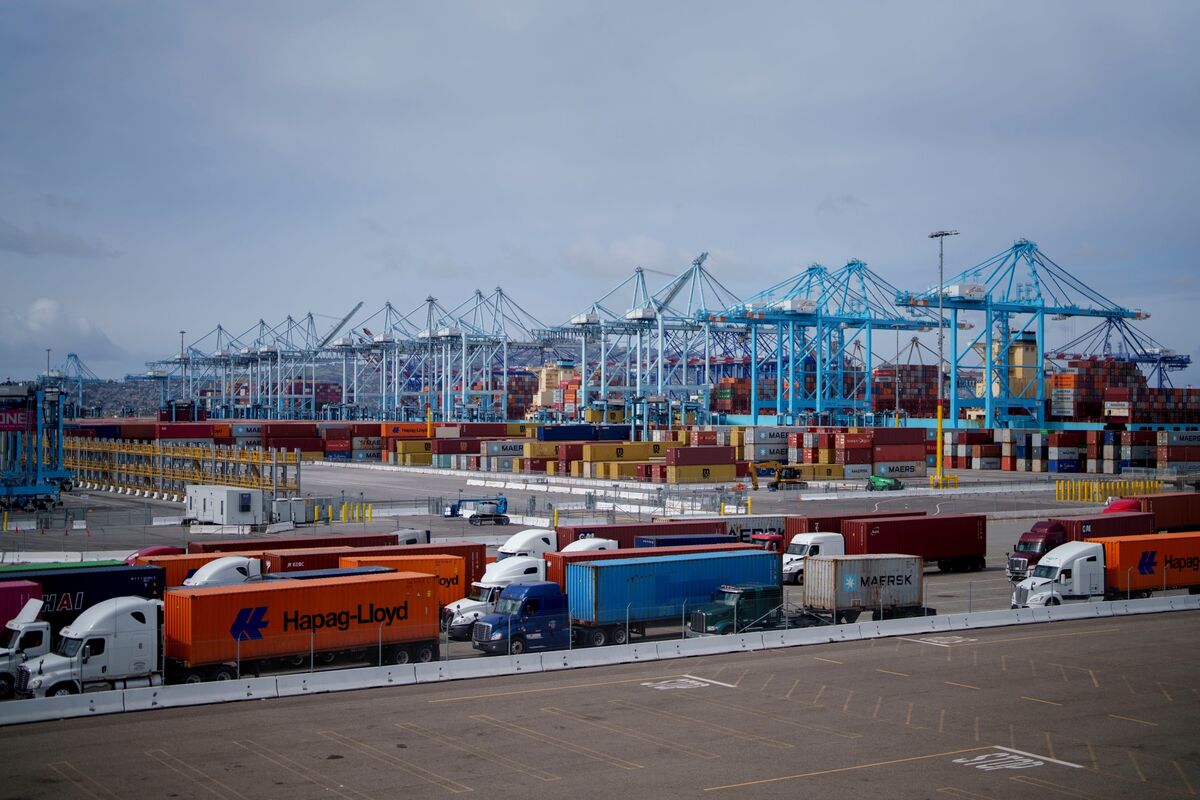
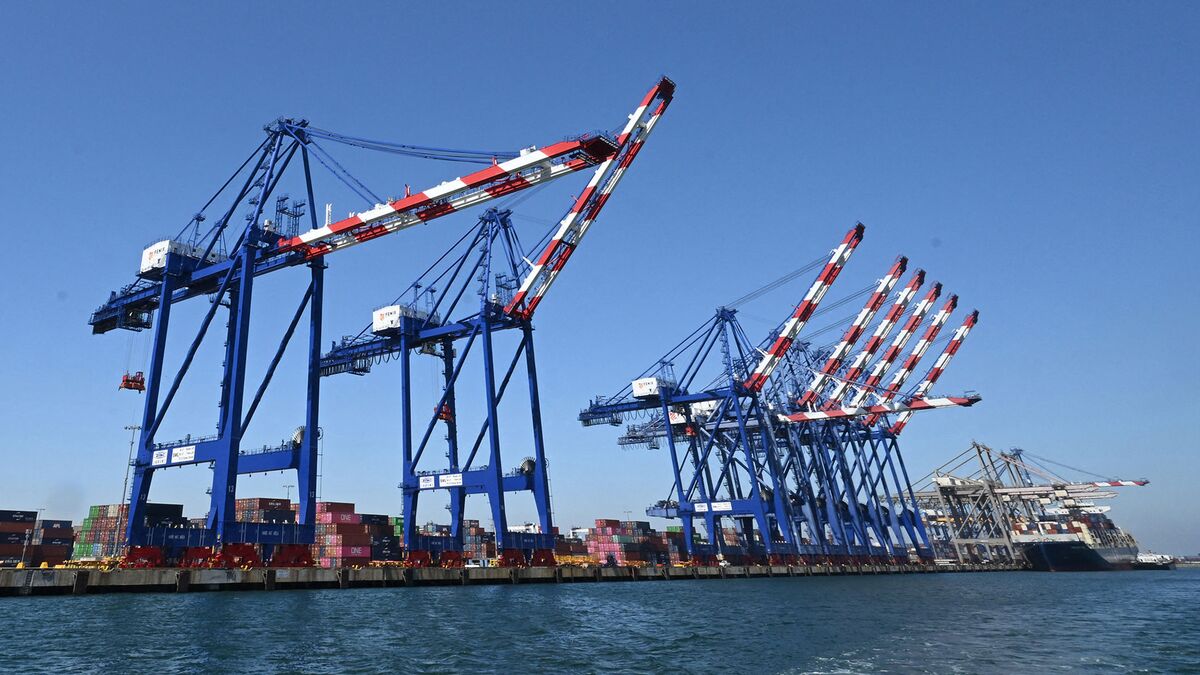
Trucks carrying shipping containers at the Port of Los Angeles.
The US Treasury refunded nearly $22 billion in tariff revenue collected from importers in May, the first swath of such repayments since the Supreme Court struck down a major component of President Donald Trump’s trade policy.
Trucks carrying shipping containers at the Port of Los Angeles.
President Donald Trump signed an executive order designed to tighten customs enforcement, his latest move to ramp up protectionist trade policies.
A US Customs and Border Protection agriculture specialist inspects a sample from flowers arriving from South America at the Avianca Cargo warehouse at Miami International Airport (MIA) in Miami, Florida, US, on Friday, Feb. 6, 2026. According to US Customs and Border Protection, Agricultural specialists at Miami International Airport will process about 990 million stems of imported flowers during the Valentine's season. Photographer: Eva Marie Uzcategui/Bloomberg
The Trump administration has formally appealed a judge’s order compelling customs authorities to refund all importers who paid the $166 billion in global tariffs that the US Supreme Court declared unlawful earlier this year.
The Trump administration said it will appeal a judge’s authority to order across-the-board refunds of all tariffs ruled illegal by the US Supreme Court, potentially injecting legal chaos into a claims process that’s already underway.
The US Supreme Court in Washington, DC, US, on Thursday, May 14, 2026. The Senate voted 99-0 this week to advance a resolution that would delay paying senators during future government shutdowns, starting after November's midterm elections. Photographer: Eric Lee/Bloomberg
Treasury Secretary Scott Bessent suggested the Trump administration could remove some sanctions on Iran depending on how matters proceed in the current standoff with Tehran.
Treasury Secretary Scott Bessent during the 2026 Reagan National Economic Forum at the Ronald Reagan Presidential Library in Simi Valley, California on May 29. Photographer: Caroline Brehman/Bloomberg
The Trump administration is in the process of issuing more than $35.5 billion to importers who successfully filed for tariff refunds after the US Supreme Court found the president’s signature economic policy unlawful, according to a new court filing.
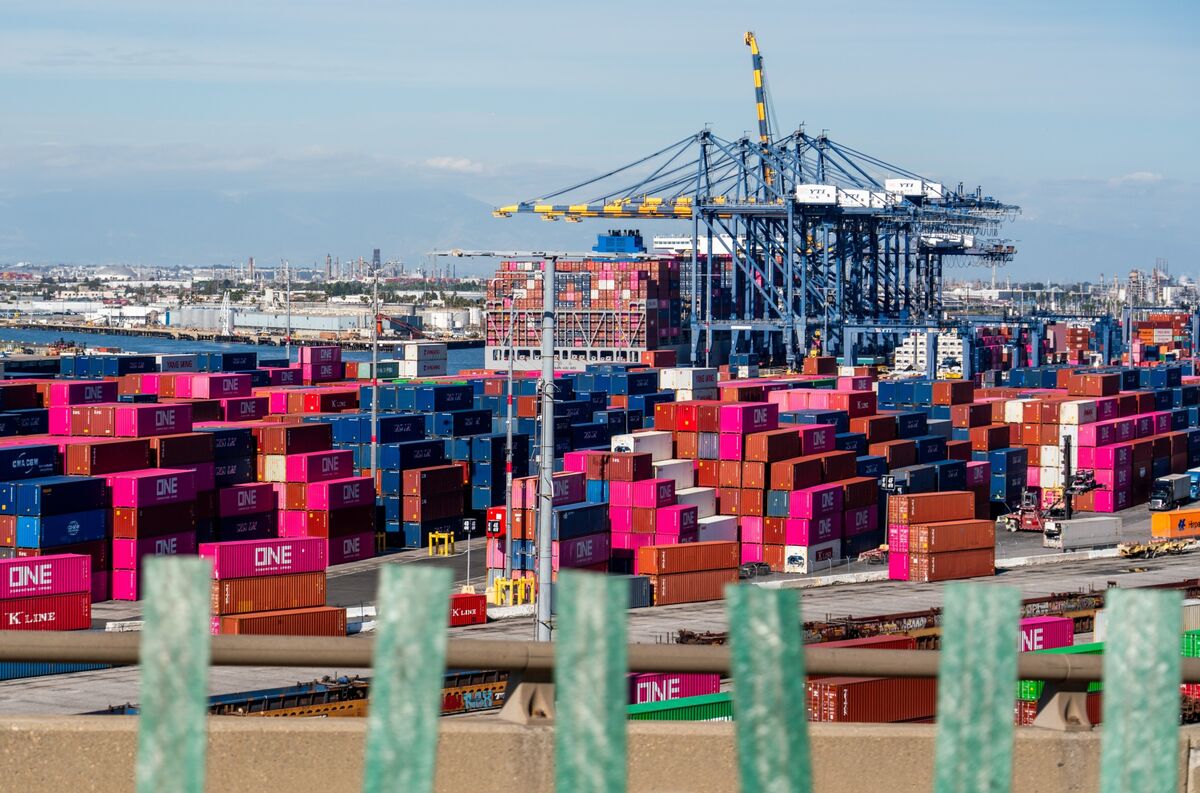
Shipping containers at the Port of Los Angeles in Los Angeles, California, US, on Friday, Feb. 20, 2026. President Donald Trump said he would sign an order imposing a 10% global tariff after the Supreme Court struck down the bulk of the levies he imposed last year, and pledged a raft of investigations that could allow him to enact more import taxes.
The Trump administration has begun paying out refunds for the $166 billion in global tariffs that the US Supreme Court declared unlawful earlier this year.
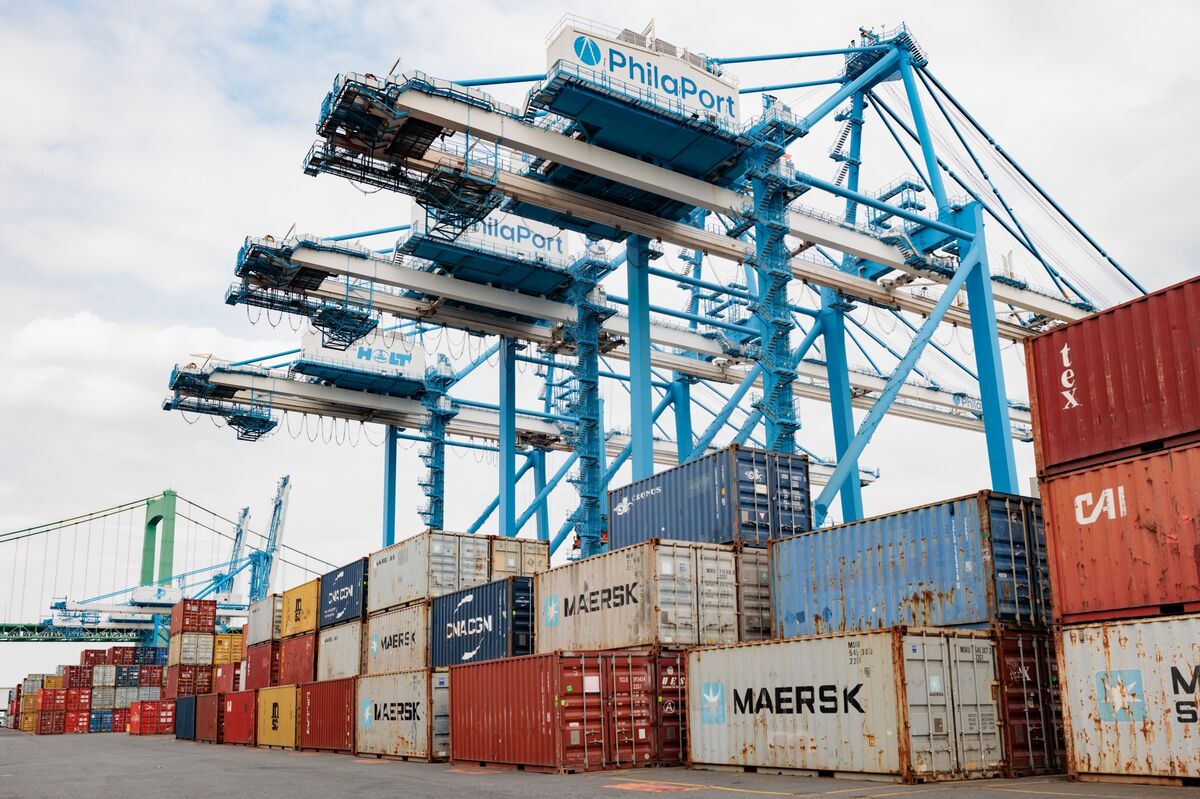
Ship-to-shore cranes at the Packer Avenue Marine Terminal in Philadelphia.
About $300 billion worth of goods subject to Trump administration tariffs are avoiding the levies annually and reaching the US from Southeast Asia and Mexico, exposing enforcement vulnerabilities just as a review of the North American trade deal is set to begin.
The Port of Los Angeles. Photographer: Robyn Beck/AFP/Getty Images
The US customs agency this week kicked off a effort to deliver tariff refunds online
US President Donald Trump speaks in the State Dining Room of the White House in Washington, DC, US, on Tuesday, April 21, 2026. The White House is hosting an event to honor NCAA collegiate national champions. Photographer: Daniel Heuer/Bloomberg

 Anmelden