Just a few weeks into the war, one of the Persian Gulf’s top oil producers quietly began sneaking its crude out of the Strait of Hormuz. Before long, the covert project became so successful that the United Arab Emirates was already approaching its pre-war rate of flows through the waterway by the time the US and Iran signed their interim peace deal.
The Angola B crude oil tanker in 2025, currently controlled by Sinokor
Oil and gas shipping along a US-protected corridor in the Strait of Hormuz showed signs of recovering Sunday, a day after a batch of vessels performed unexplained U-turns and detours in the vital energy corridor.
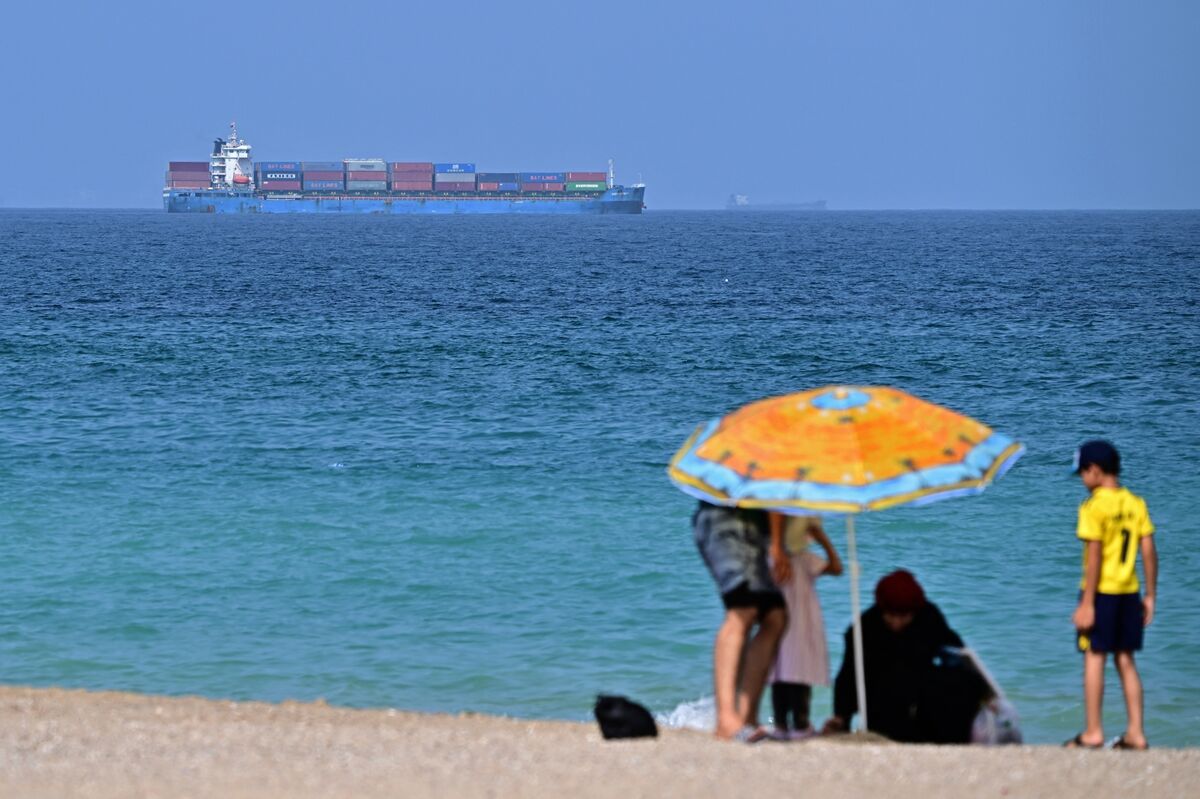
Women walk on a beach in Khasab, on northern Oman's Musandam Peninsula, overlooking the Strait of Hormuz on June 24, 2025.
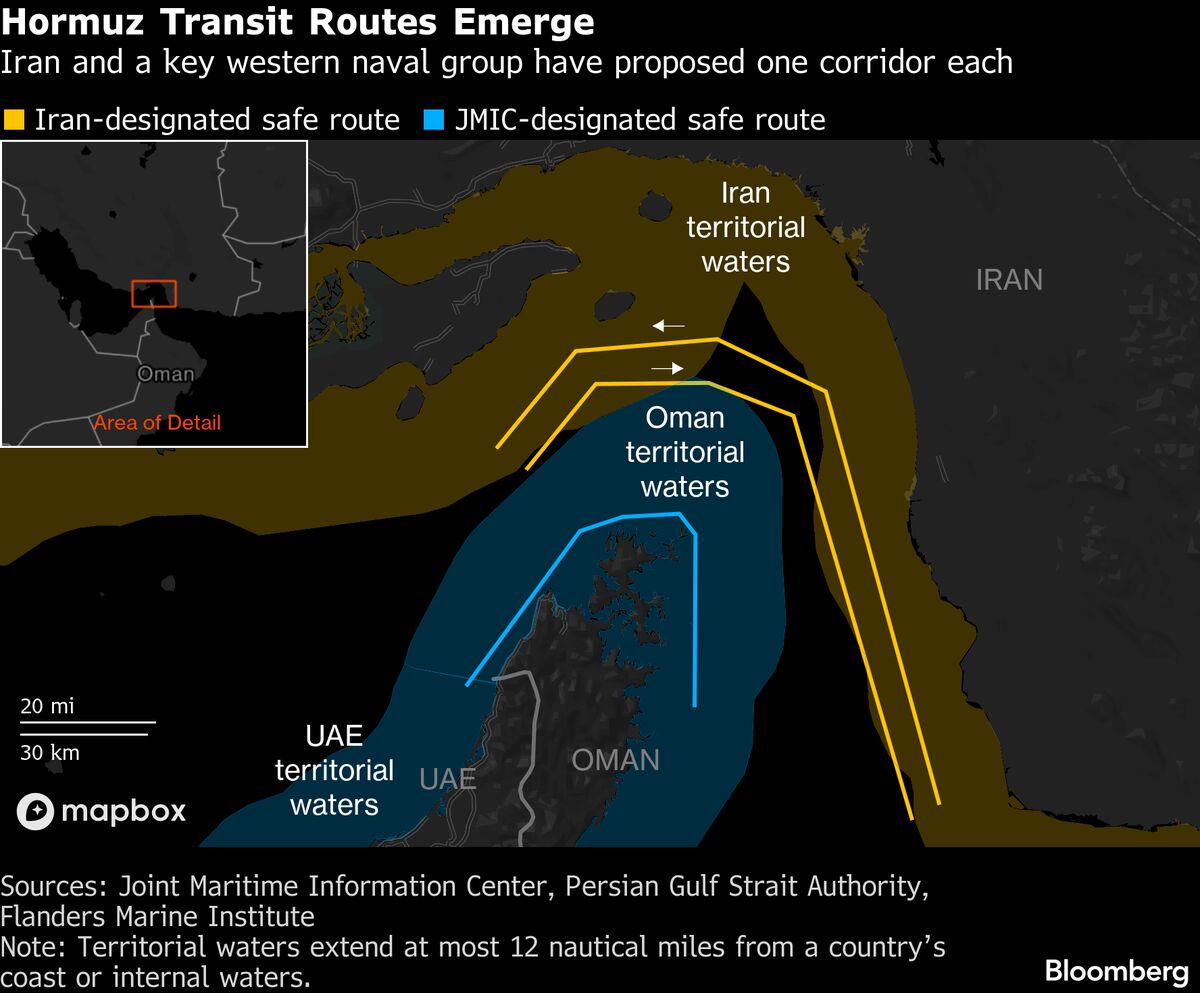
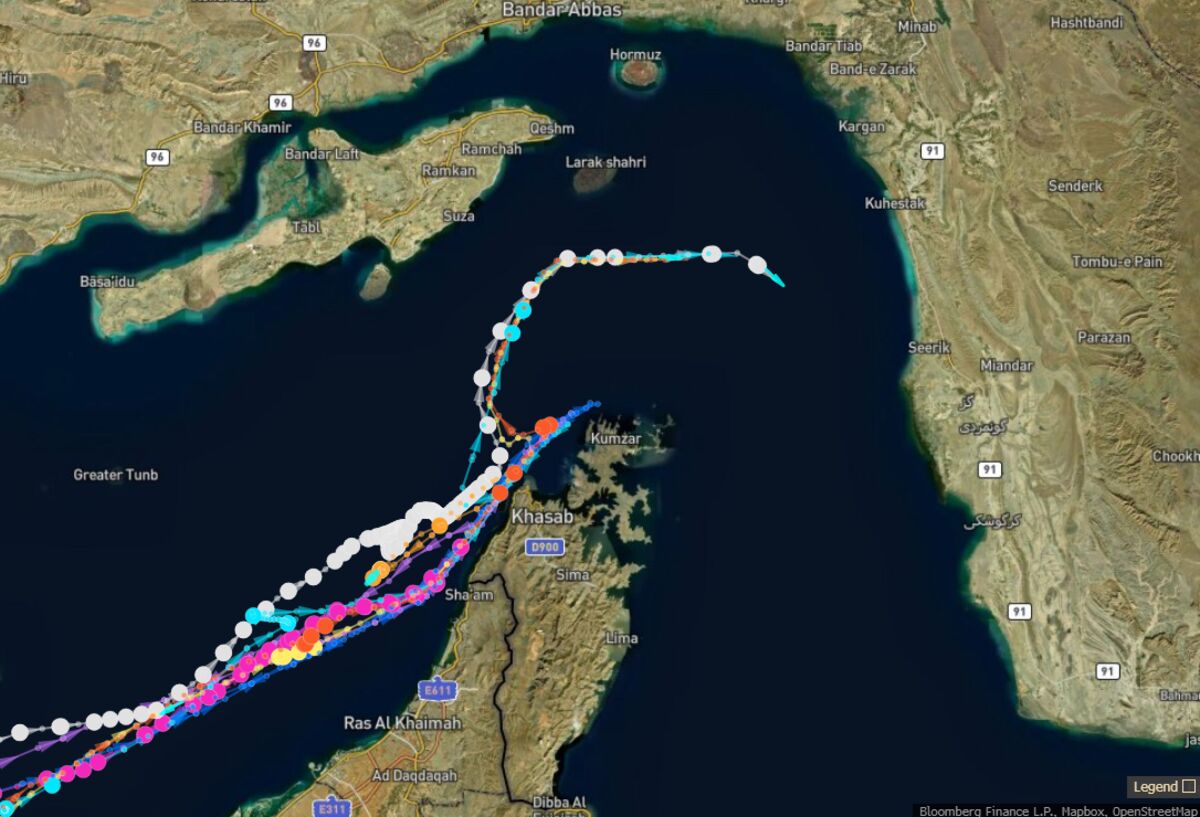
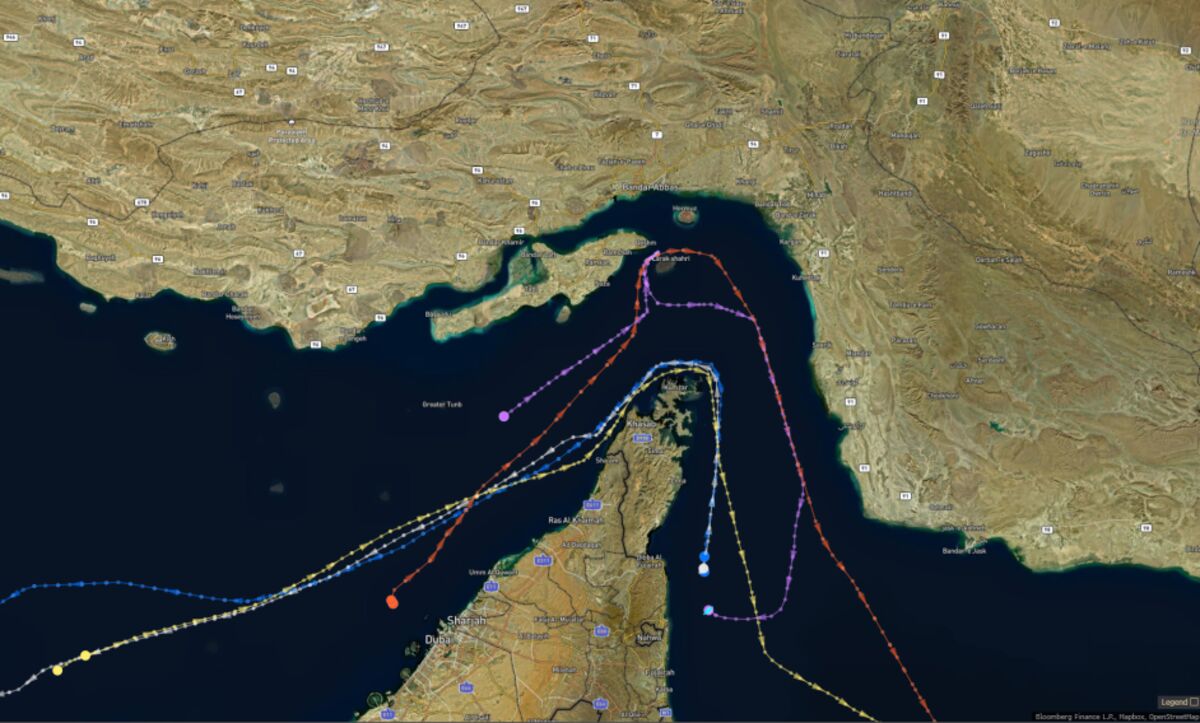
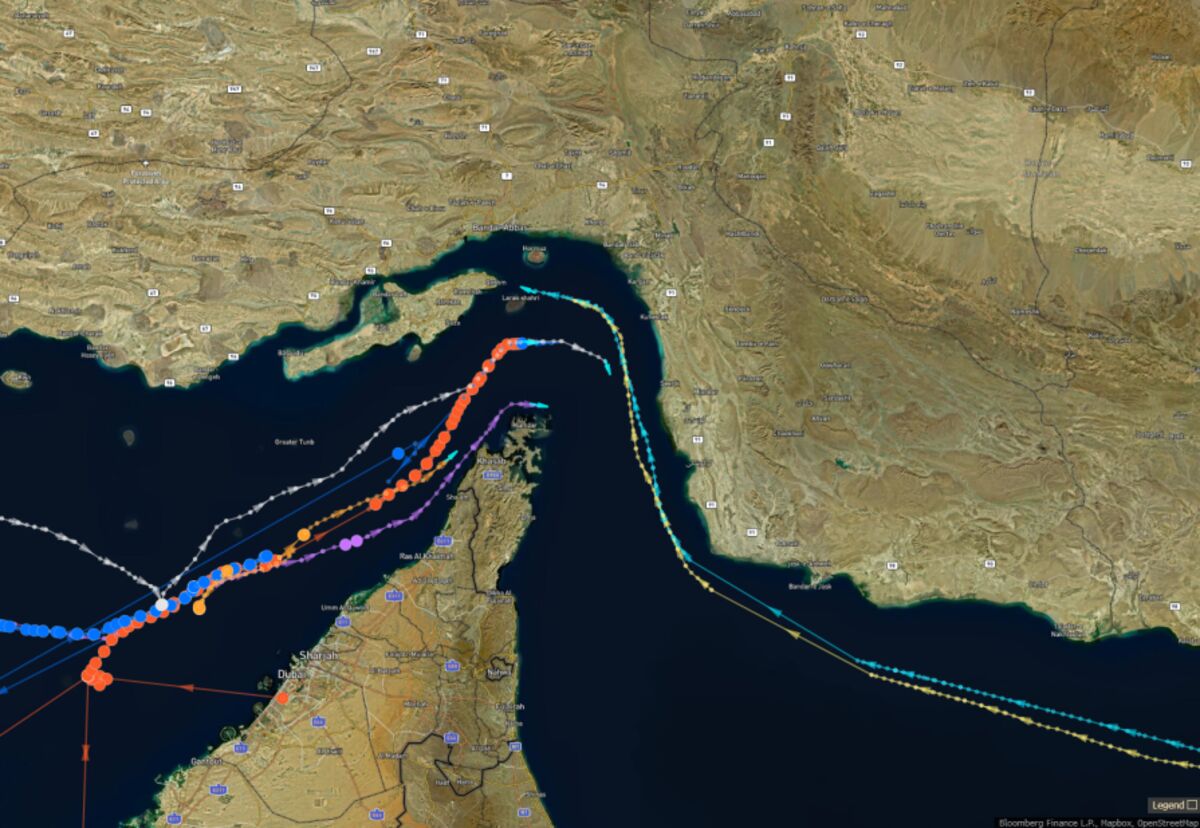
At least eight ships attempting to leave the Persian Gulf along the Omani coast turned back between Friday and Saturday, in the latest sign that reopening the Strait of Hormuz remains complicated by Iran seeking to assert its control over the key waterway. Some of the vessels continued with their transits by switching to a route closer to Iran.
At least eight vessels were observed U-turning as they approached the Strait of Hormuz on the Omani side. Four have since sailed onwards along the Iranian route.
Traffic through the Strait of Hormuz picked up for the first time since Iran’s recent attacks on ships in the waterway, with more operators sending crude tankers into the Persian Gulf.
A cargo ship is pictured off coast of the Khor Fakkan Container Terminal along the Gulf of Oman on June 28.
Oil tankers continued navigating the Strait of Hormuz, despite a pair of attacks over the past several days that made some owners more cautious about navigating the world’s top maritime chokepoint.
Vessels continued to push through the Strait of Hormuz despite an attack on a laden supertanker over the weekend.
A ship carrying Qatari oil was attacked in the Strait of Hormuz and naval authorities increased the threat level to shipping in the area, a fresh sign of rising tensions around the world’s most vital energy chokepoint.
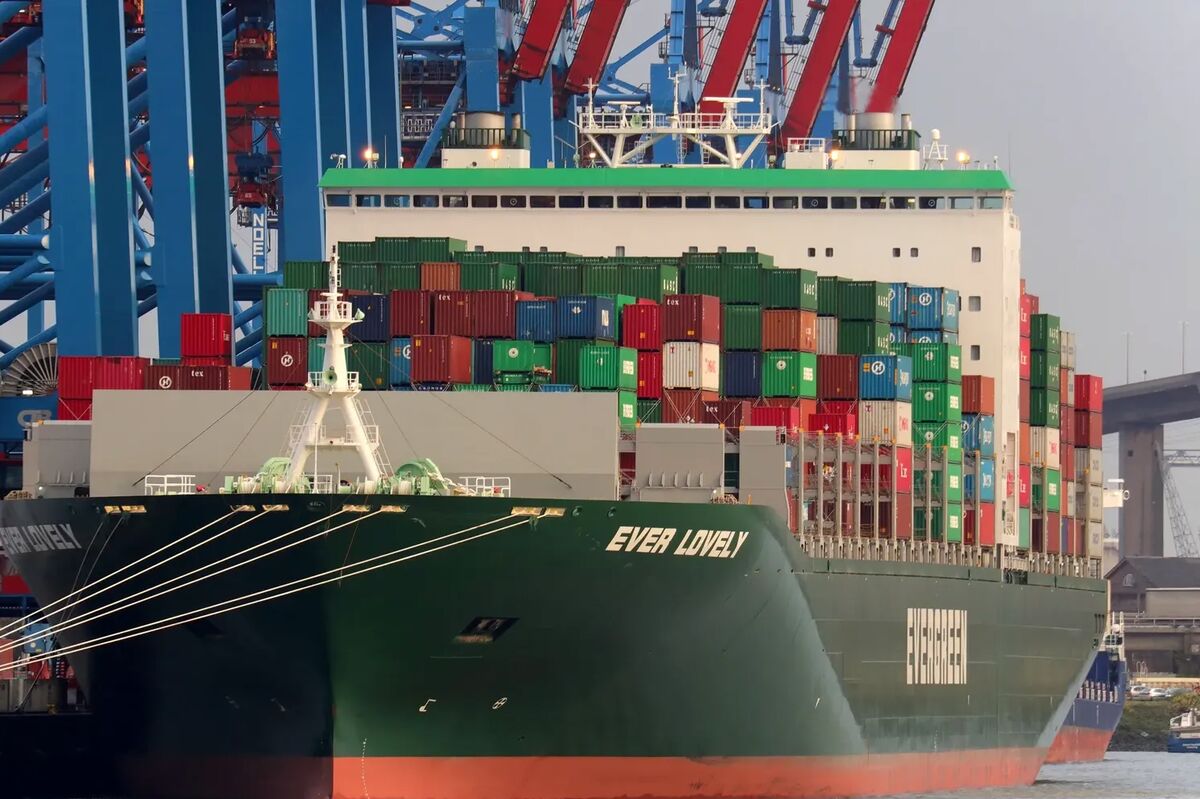
An attack on a container vessel sailing through the Strait of Hormuz has prompted some shipowners to review exit plans, but traffic continued to flow in both directions through the vital thoroughfare on Friday.
Several tankers and bulk carriers were seen transiting the Strait of Hormuz on Friday.
An attack on a container vessel sailing through the Strait of Hormuz has prompted some shipowners to review exit plans, but traffic continued to flow in both directions through the vital thoroughfare on Friday.
Several tankers and bulk carriers were seen transiting the Strait of Hormuz on Friday.
A ship was hit by an unidentified projectile in the Strait of Hormuz on Thursday in the first reported attack since an interim US-Iran peace deal, marking a setback to efforts to restore traffic through the vital energy thoroughfare.
Oil tankers and cargo vessels anchored off the coast of Oman on June 23.
Qatar has joined other Persian Gulf nations in reviving crude oil sales, with regional producers cranking up activity as peace talks between the US and Iran progress.
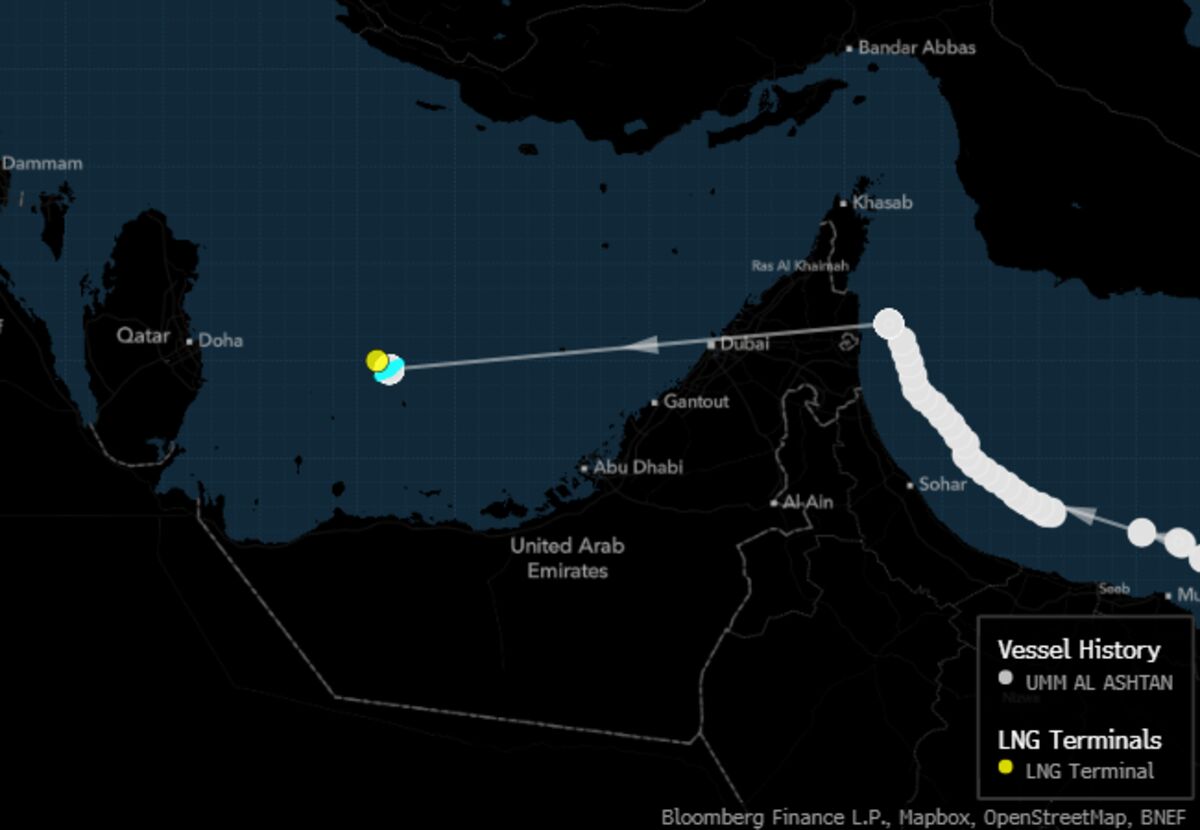
A liquefied natural gas tanker owned by Abu Dhabi National Oil Co. began sending a signal from within the Persian Gulf, as more vessels broadcast their journeys and intentions in recent days following an interim peace deal between the US and Iran.
Adnoc’s Umm Al Ashtan LNG tanker has signaled its location next to the company’s Das Island export plant as security in the region improves.
One of the world’s biggest operators of supertankers has provisionally booked a vessel to transport oil from the Persian Gulf to India at nearly nine times benchmark rates, a price that reflects the shortage of avalable ships in the area.
One of the world’s biggest operators of supertankers has provisionally booked a vessel to transport oil from the Persian Gulf to India at nearly nine times benchmark rates, a price that reflects the shortage of avalable ships in the area.
More ships are transiting the Strait of Hormuz with their satellite signals switched on, pointing to growing confidence among shipowners and traders about sending vessels through the world’s most important energy chokepoint.
The Universal Glory (in white) and six other tankers were observed sailing into the Strait of Hormuz on Tuesday.
The flow of oil through the Strait of Hormuz is running at the fastest pace since the Iran war began — despite Tehran stating that the world’s key shipping chokepoint is shut and a report that the Islamic Republic continues to harass passing vessels.
Oil tankers and cargo vessels anchored off Port Sultan Qaboos in Muscat, Oman.
 Anmelden