Seit der Veröffentlichung der NSDAP-Mitgliederkartei erleben Archive einen Ansturm. Zum Beispiel auf Spruchkammerakten. Der Leiter des Staatsarchivs München erklärt, was sich darin über die Rolle der Vorfahren zur Nazi-Zeit finden lässt.
Das Haus der Bayerischen Geschichte in Regensburg beschäftigt sich in einer Ausstellung mit den ersten Jahren der Weimarer Republik in Bayern. Ministerpräsident Markus Söder sieht darin eine Mahnung für heute.
Ein Treffer in der NSDAP-Mitgliederkarte kann ein Anlass sein, weiterzuforschen über die Familiengeschichte oder die NS-Zeit. Büchertipps aus dem Ressort „Das Politische Buch“.
Ausgerechnet nach der Karte des „Führers“ sucht man in den Akten der National Archives vergeblich. Aber kein Grund zur Aufregung: Es gibt sie, genau wie die der meisten anderen Nazi-Größen und -Verbrecher.
Opportunisten, überzeugte Nazis, spezielle Umstände – mit Hitlers Parteigenossen kennt sich der Forscher Jürgen W. Falter aus. Unwissentlich sei niemand eingetreten, sagt er. Ein Fall gibt ihm allerdings Rätsel auf.
Wer in die Hitler-Partei eintrat, tat das mit Grund – und verharmloste ihn später oft. Dennoch gibt die Forschung Aufschluss. Triebfedern gab es viele: von Antikommunismus und Führerkult bis Jobsuche, Gier und Geltungssucht.
In Deutschland gibt es immer noch eine dreistellige Zahl von Straßen und Plätzen, die nach Hitlers entscheidendem Förderer Paul von Hindenburg benannt sind. In Berchtesgaden hat sich ein Unternehmer eine demokratische Umbenennung zum Ziel gesetzt.
Wieso arbeitete der NS-Staat auf allen staatlichen Ebenen so effizient? Nun lassen sich die Akten aus Hitlers Reichskanzlei auch online recherchieren. Sie zeigen, wie sehr der Verwaltungsapparat die Diktatur stützte. Ein Interview mit den Herausgebern.
‘Historian’ claims ‘overwhelming difference’ between him and rogues’ gallery of autocrats is that Trump is more powerful
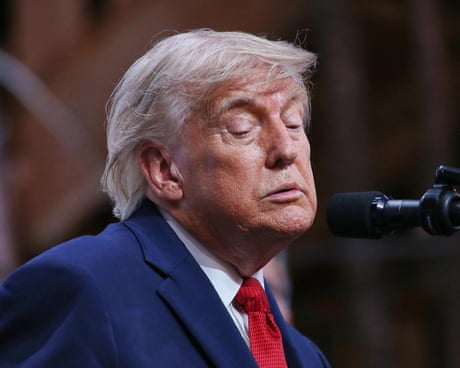
Donald Trump has enthusiastically agreed with a public assessment by a man he met while golfing that the “overwhelming difference” between the current US president and historical figures who incited fear – such as Attila the Hun, Genghis Khan, Napoleon, Stalin, Mao and Hitler – is that Trump is more powerful.
The US president reposted a short text in the early hours of Friday morning, in which the author writes:
Die Debatte um die Erinnerungskultur schwelt in der Stadt schon seit vielen Jahren. Immer stärker wurde dabei das Argument der knappen Finanzen. Jetzt will man vermehrt auf digitale Angebote setzen.
Philosopher and social theorist who advocated a new direction for German thought after the horrors of Nazi rule
The philosopher, social theorist and defender of humane Enlightenment values Jürgen Habermas, who has died aged 96, spent the last months of the second world war helping to protect the Third Reich. He was 15 and a member of the Hitler Youth. Too young to fight and too old to be exempted from war service, he was sent to the western front to man anti-aircraft defences.
He later described his father, the director of the local seminary, as a “passive sympathiser” with the Nazis and young Habermas shared that mindset. But he was soon shaken out of his and his family’s complacency by the Nuremberg trials and documentaries of Nazi concentration camps. “All at once we saw that we had been living in a politically criminal system,” he later wrote. His horrified reaction to what he called his fellow Germans’ “collectively realised inhumanity” constituted what he described as “that first rupture, which still gapes”.
Das Münchner Abkommen von 1938 war nicht nur eine Niederlage für die Appeasement-Politik der Briten, zeigen Christian Goeschel und Daniel Hedinger. Auch andere Mächte zogen ihre Lehren aus dem faschistischen Spektakel – bis heute.
Helmuth James von Moltke entschied sich früh zum konsequenten Widerstand gegen das NS-Regime. Volker Ullrich zeichnet sein Leben und Wirken im „Kreisauer Kreis“ eindrucksvoll nach. Eine Biografie über moralische Größe unter ständiger Lebensgefahr.
A shallow, unconvincing storyline and deeply uncomfortable scenes as starving women, unaware of why they are there, are fed titbits
Did Hitler really have food tasters? Was his inner circle so paranoid about the risk of assassination by poisoning that young women were forced to sample every dish that was due to pass his lips? That was the account given to a German newspaper in 2012 by the then 95-year-old Margot Wölk, who claimed to have been one of Hitler’s food tasters. Historians have pointed to lack of evidence, with nothing in the records to back up her witness testimony.
Whatever the veracity of the story, it has been turned into a shaky, unconvincing historical drama by Silvio Soldini, whose film is an adaptation of a novel by Rosella Postorino. Elisa Schlott plays the fictional Rosa, a young woman from Berlin whose soldier husband is missing on the eastern front. After heavy bombing in the city, she flees to her in-laws in east Prussia close to Hitler’s Wolf’s Lair military headquarters. One day, the Nazis come knocking for Rosa, and load her on to a van with six other terrified young women.
Wie schaffte es Adolf Hitler, die NS-Diktatur zu etablieren? Der Soziologe M. Rainer Lepsius hat 1983 in einer Vorlesung Max Webers Theorie der charismatischen Herrschaft auf den Hitlerismus angewandt. Noch heute eine faszinierende Lektüre.
Das russische Außenministerium hält Deutschland vor, es wolle Hitlers Niederlage rückgängig machen. In Berlin reagiert man empört auf die „bizarren“ Anwürfe – und will sich nicht beirren lassen.
The club, Vendôme, was hosting several right-wing influencers, including Andrew and Tristan Tate, the brothers who are being investigated in Europe in connection with human trafficking.
Die Stadt Nürnberg baut ein Opernhaus auf Hitlers einstigem Territorium, dem ehemaligen Reichsparteitagsgelände der NSDAP. Ein Baustellen-Besuch, der einen nicht nur wegen der Kälte frösteln lässt.

 Anmelden