Canada’s trade talks with the US are still aimed at reducing all of the sector-specific tariffs imposed by US President Donald Trump, Prime Minister Mark Carney said.
Employers are urging Prime Minister Mark Carney’s government to allow the labor minister to preemptively limit strike action in sectors such as airlines, railroads and ports if the minister believes it threatens the national public interest — a move unions fiercely oppose.
Canada’s imports from the US reached a record high in June, fueled by a surge in computer parts used for data centers as the country looks to expand its artificial intelligence infrastructure.
Prime Minister Mark Carney said Canada is weighing all options for possible retaliation if it doesn’t reach a deal with the US to avert 50% tariffs next month.
President Donald Trump’s administration is using another tariff threat to put fresh pressure on Canadian provinces to end their boycotts of US alcohol. But provincial leaders aren’t backing off.
Prime Minister Mark Carney said he and US President Donald Trump agreed to accelerate trade talks ahead of a potential US move to impose 50% tariffs on a range of Canadian goods next month.
President Donald Trump’s latest trade threat against Canada carries a stark reminder for businesses weighing expansion in the northern nation — tariff-free access to the US is far from guaranteed.
The Trump administration vowed to impose a fresh 50% tariff on some Canadian goods over what it said was unfair treatment of American alcohol, cars and dairy, further inflaming trade tensions between the two neighbors.
The Trump administration vowed to impose a fresh 50% tariff on some Canadian goods over what it said was unfair treatment of American alcohol, cars and dairy, further inflaming trade tensions between the two neighbors.
Canada’s inflation rate slowed by more than expected last month as gasoline prices eased and a key measure of core inflation dropped below 2% for the first time in nearly six years.
Canadian Prime Minister Mark Carney defended his decision to give the US a share of the profit from a new bridge between Ontario and Michigan, saying there will be little to no proceeds to split at first and arguing the project will help the economy in both countries.
Prime Minister Mark Carney announced the Canadian government is earmarking C$2 billion ($1.4 billion) over four years to build armored combat support vehicles in southwestern Ontario.
The Canadian government is proposing stricter privacy rules that would limit businesses from using personal data to charge consumers higher prices, while giving individuals more power over their own information.
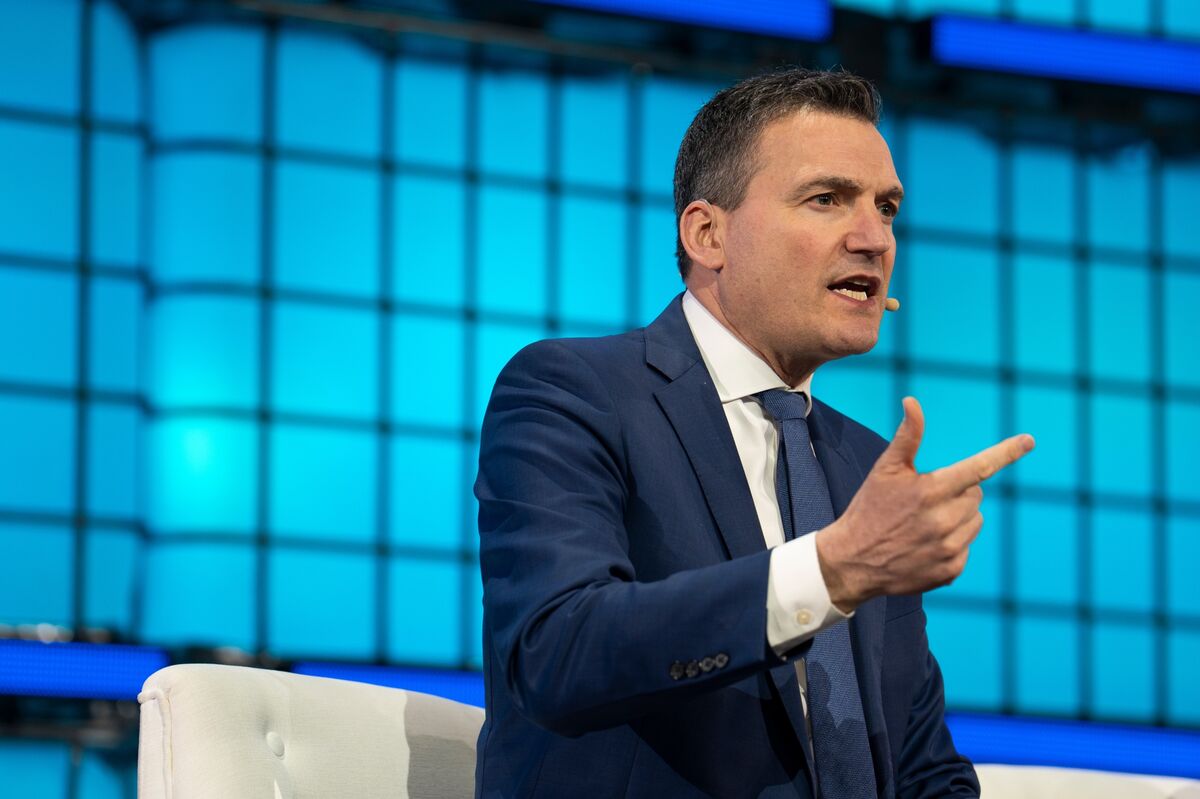
Evan Solomon, Canada’s minister of artificial intelligence and digital innovation
Prime Minister Mark Carney’s government rolled out a plan to address food security and affordability as the high cost of groceries continues to be a major pain point for Canadian consumers.
Canadian Prime Minister Mark Carney’s government introduced legislation that would ban social media for youth under 16 unless companies such as Meta Platforms Inc. and X Corp. meet a set of safety standards.
App icons for Meta Platforms Inc. including, Meta AI, WhatsApp and Facebook, left to right, on a smartphone arranged in London, UK, on Thursday, Dec. 4, 2025. Meta Platforms Inc. risks a temporary European Union ban on the rollout of new policies over how its AI features in WhatsApp, after being hit by the latest probe into Big Tech’s alleged dominance on the continent.
The Bank of Canada held its key interest rate but reiterated that US trade uncertainty and the Iran war may mean it needs to either cut or deliver consecutive hikes to keep inflation stable.
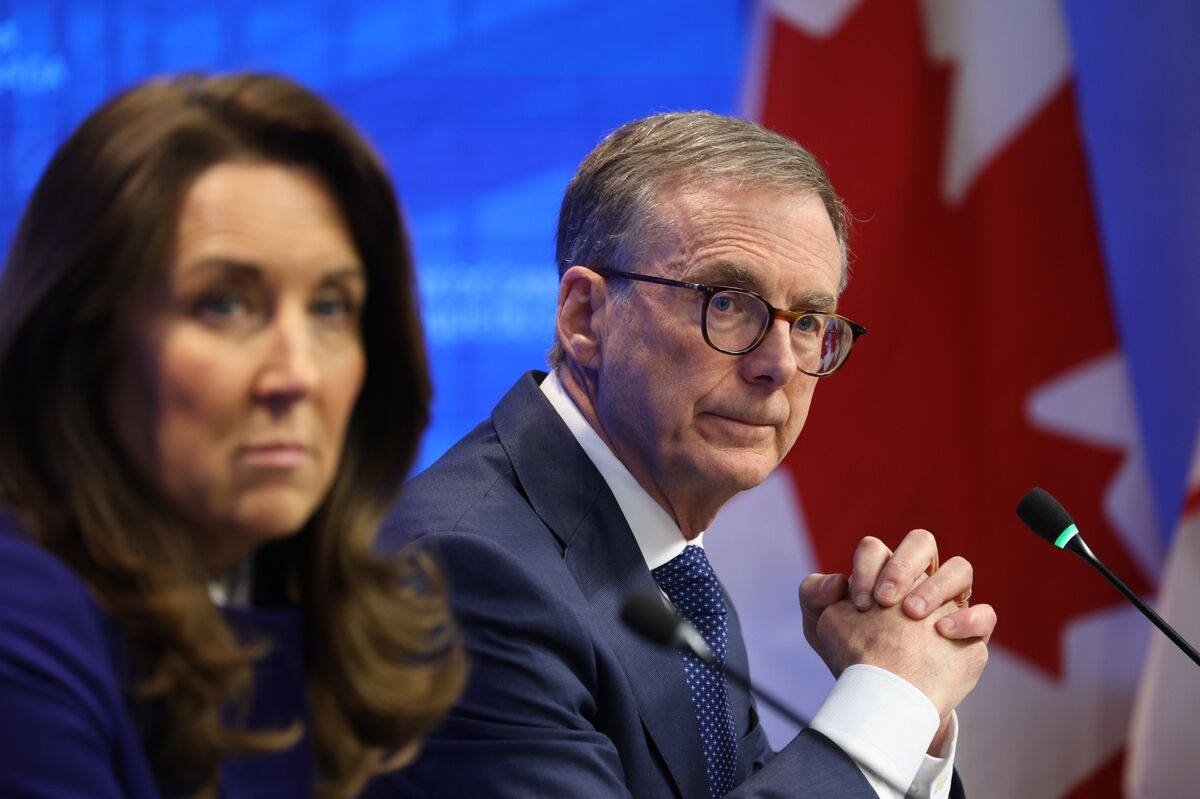
Tiff Macklem, right, and Carolyn Rogers during a news conference in Ottawa, Ontario, Canada, in April. Photographer: David Kawai/Bloomberg
The Bank of Canada is widely expected to continue holding its policy interest rate for a fifth consecutive meeting, after recent data pointed to a weaker economy than the central bank had projected.
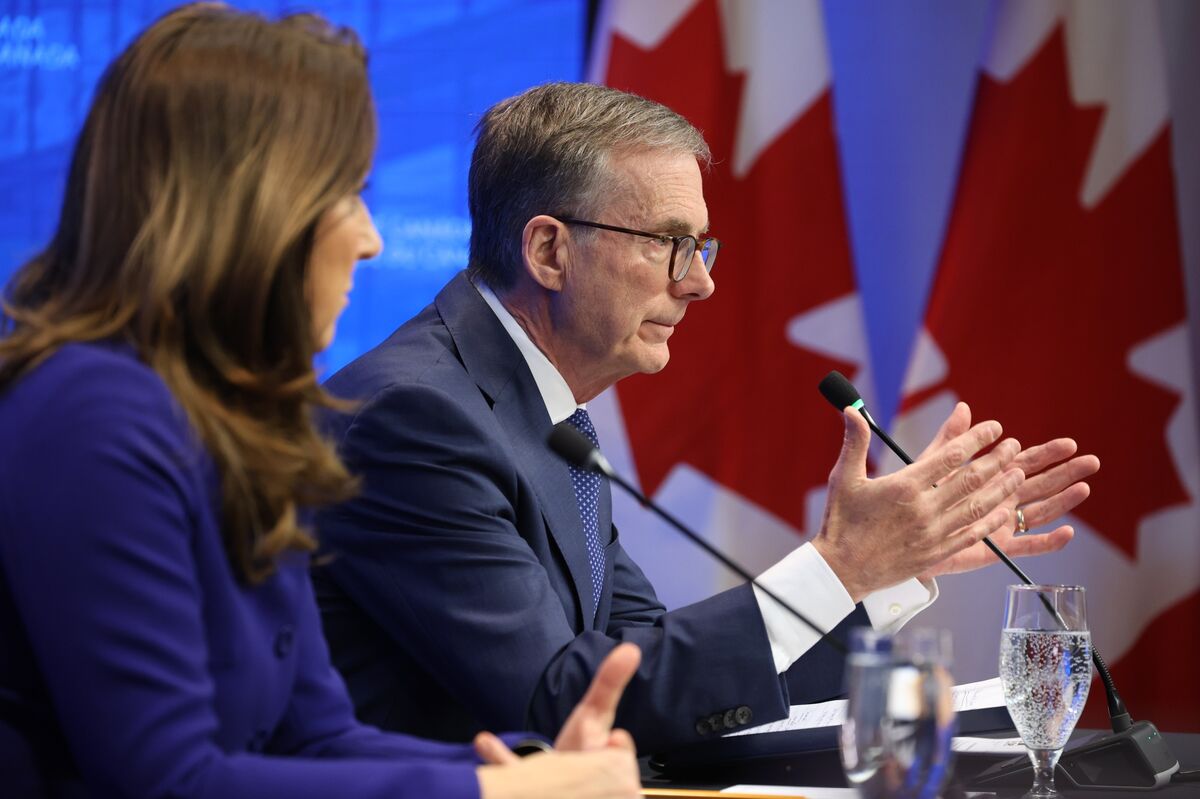
Tiff Macklem, governor of the Bank of Canada, right, and Carolyn Rogers, senior deputy governor
Employment in Canada increased by a surprising 87,800 in May after a soft start to the year for the labor market, bringing the jobless rate down to 6.6%.
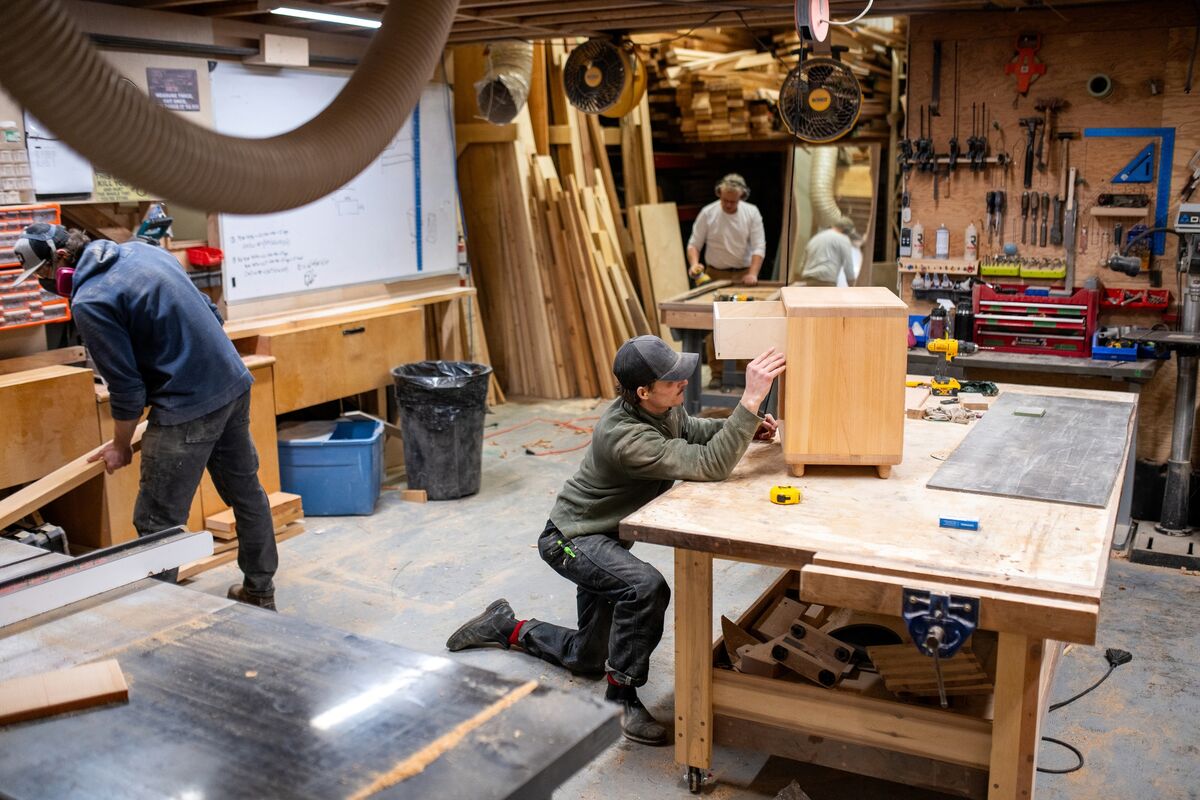
Workers assemble wood furniture at a workshop in Victoria, British Columbia. Photographer: James MacDonald/Bloomberg
 Anmelden