Ukraine’s agricultural shipments could fall by more than half this season after Russian attacks disrupted Black Sea ports, threatening the country’s biggest source of export revenue.
Russian officials are proposing arming grain ships with machine guns and mobile missile launchers, as the world’s top wheat exporter tries to counter Ukrainian drone attacks.
Europe is set to suffer one of its sharpest ever declines in grain production as extreme weather and geopolitical tensions converge to pile pressure on farmers.
Russia’s largest employer is trying to address mounting financial pressures with new measures that some businesses worry will come at their expense, underscoring the growing strains on the economy as President Vladimir Putin’s war in Ukraine drags on.
Russian Railways passenger trains in Moscow. Photographer: Natalia Kolesnikova/AFP/Getty Images
Ukraine’s agricultural sector suffered direct losses of more than $11 billion as Russian drone strikes intensified sharply at the end of last year, according to Deputy Economy Minister Taras Vysotskyi.
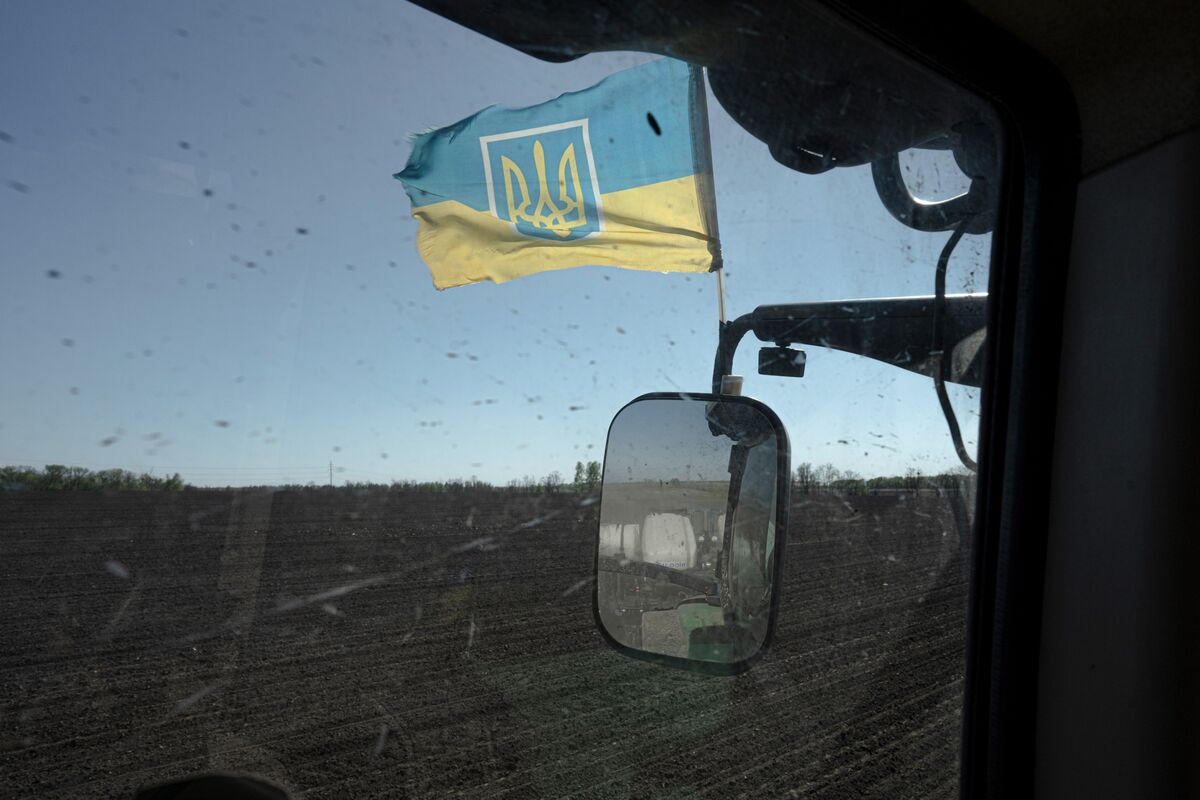
Sunflower seed planting on a farm in Yemchykha, Ukraine.
Wheat futures extended their longest losing streak since early January, as traders returning from a US holiday digested progress in negotiations to end the Middle East war.
Agricultural firm Cargill Inc. appointed Armando Giordano as its new head of world trading, according to people with knowledge of the matter.
Signage for Cargill Inc. is displayed at their booth at the Institute of Food Technologists Annual Meeting & Food Expo In Chicago, Illinois, U.S., on Monday, July 19, 2010. The meeting brings together professionals from the science and business sectors of the food industry to learn about the newest trends and products. Photographer: Tim Boyle
Russia and China signed an agreement on the joint construction of a new railway link across their shared border, part of a broader push to expand transport ties and trade between the two countries.
Vladimir Putin and Xi Jinping attend a signing ceremony in Beijing, on May 20, in a photo released by Russian state media.
Wheat futures in Chicago swung between gains and losses as traders assessed the lack of confirmation from China on the Trump administration’s announcement of billions of dollars in agricultural purchases.
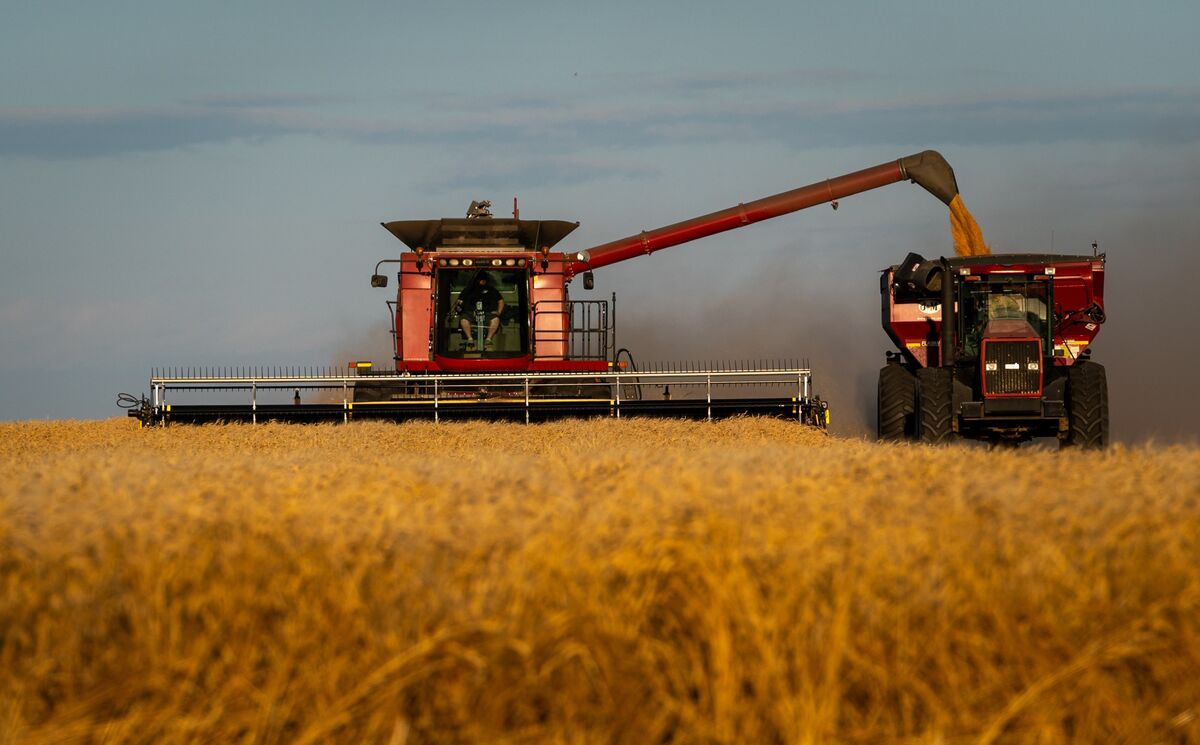
A farmer collects grain from a combine harvester during a durum wheat harvest on a farm near Zehner, Saskatchewan, Canada, on Thursday, Sept. 5, 2024. Canadian 2024-25 wheat production is seen rising to 33.8m tons from 32m tons last season, according to a Bloomberg survey of six analysts.
An agreement on US agricultural sales to China outlined by the White House is raising optimism for a demand pickup beyond soybeans, helping to drive prices higher across the board for crop futures.
Harvested soybeans transported in a grain truck on a farm near Gregory, Arkansas, US, on Friday, Oct. 24, 2025. Soybean futures edged higher after US President Donald Trump expressed optimism on striking a deal with China, fueling hopes that the world's largest buyer of the oilseed might soon resume purchases of US supplies. Photographer: Rory Doyle/Bloomberg
Heavy rains and colder-than-usual weather in Russia have resulted in the worst start to spring planting in many years, risking lower wheat harvests in the world’s top exporter of the grain.
Ukraine is targeting higher corn shipments next season as favorable weather is expected to boost harvests despite a fertilizer crunch caused by the conflict in Iran.
Corn stores inside a storage silo at the new grain terminal at Yuzhny Port in Yuzhny, Ukraine.
Grain and oilseed futures slumped in Chicago, on optimism that the US and Iran are nearing a peace deal to end the Middle East war that has fueled supply concerns for nutrient-intensive crops.
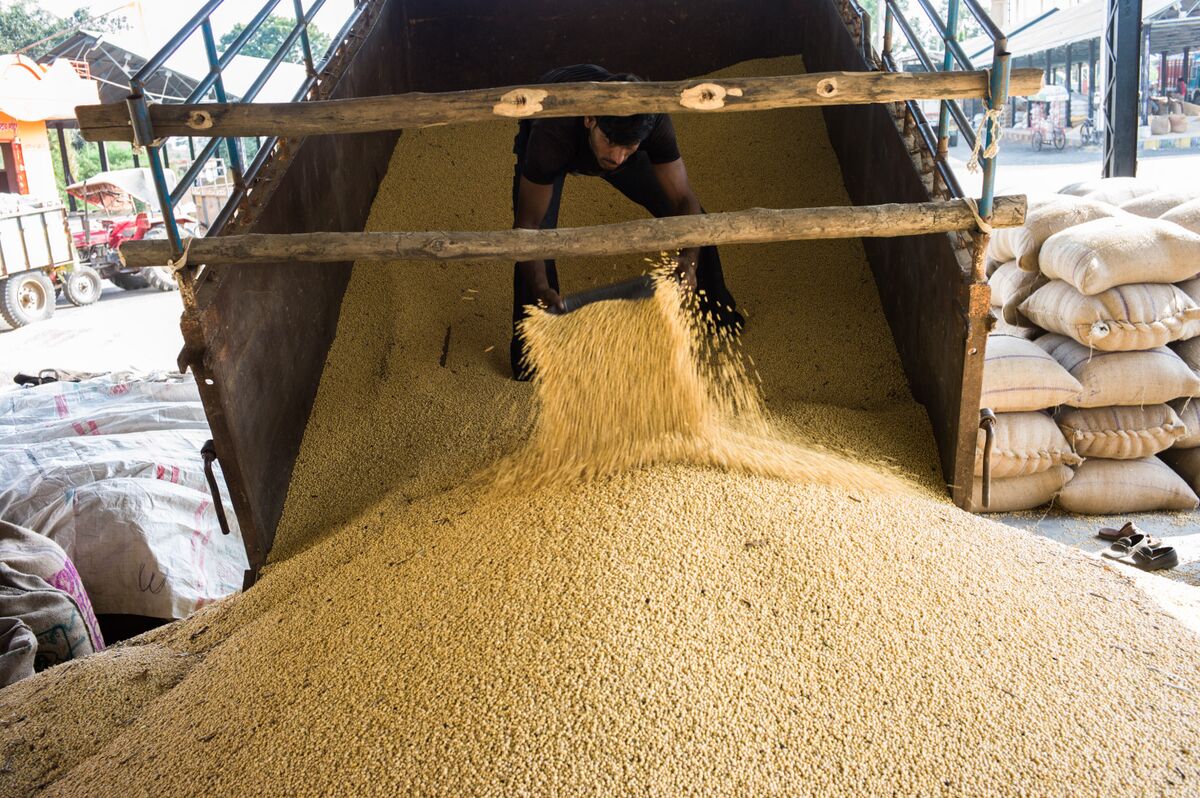
A farmer unloads soybeans at a grain market in Burhanpur, Madhya Pradesh, India.
The extended closure of the Strait of Hormuz and extreme weather have jolted farm commodities prices to a two-year high, as fertilizer headaches and the prospect of smaller harvests drive food inflation risks.
Fertilizer is spread onto a corn field at a farm in Ruleville, Mississippi. Photographer: Rory Doyle/Bloomberg
Prime Minister Keir Starmer insists he’ll remain in the job and lead the Labour Party into the next general election, even as the controversy over his appointment of Peter Mandelson as ambassador to the US refuses to die down.
Keir Starmer Photographer: Carl Court/Getty Images
Fertilizer prices were dropping sharply Friday after Iran said the Strait of Hormuz was open, bringing relief to farmers even as they still face delays in deliveries.
Alex Sanfeliu, head of world trading at Cargill Inc., is leaving the top agricultural commodities firm after three decades, according to people familiar with the matter.
Wheat rebounded from a one-month low in Chicago as optimism over the ceasefire in the Middle East faded, with any re-escalation potentially threatening further supply chain disruptions and higher price for farm inputs.
 Anmelden