India’s central bank is intensifying efforts to support the rupee, emboldened by a jump in its foreign-exchange reserves to contest the pressure from higher oil prices.
HSBC Holdings Plc has purchased at least $3 billion of Indian government bonds since July, deploying a large pool of funds garnered under a special diaspora dollar deposit program, according to people familiar with the developments.
Citigroup Inc. has tied up with Axis Bank Ltd. to finance non-resident Indians investing in foreign-currency deposits with the local lender, according to people familiar with the matter.
Indian bonds fell as the minutes of the central bank’s latest policy meeting stoked fears of interest rates being raised sooner than expected as policymakers emphasized inflation risks.
India has drawn more than $50 billion from its overseas citizens since June, prompting the central bank to close a special window for attracting foreign-currency deposits a month ahead of schedule.
India’s central bank, whose programs are drawing in billions of dollars of overseas cash, is increasingly present in foreign-exchange markets to tamp down rupee volatility, offering a more predictable trajectory for the Asian currency.
Emerging-market assets rose on Friday as a shift in the US interest-rate outlook added to bullish sentiment around artificial intelligence, pushing equities to cap the best week in nearly two months and sending a gauge of currencies on the longest streak of gains since 2024.
India’s central bank sold about $7 billion to defend the rupee last Friday, in what was one of its largest direct interventions in months, according to people familiar with the matter.
India is not planning to reconsider its budget numbers for now as the country has sufficient buffers to deal with pressures stemming from the Middle East conflict, Finance Minister Nirmala Sitharaman said.
India said trade negotiations with the US have helped place it in the “lower tier” of additional tariffs imposed by President Donald Trump’s administration, allowing the country to secure an advantage for key exports.
India’s youth protestors called off their nationwide demonstrations after the government accepted their key demands including the resignation of Education Minister Dharmendra Pradhan, marking rare concessions to a popular movement.
India’s embassy in Tehran said it is in close contact with authorities after a liquefied petroleum gas tanker, with 28 Indian crew members onboard, came under attack in Iranian territorial waters on Friday.
India’s central bank stepped into the foreign exchange markets to support the rupee after the currency weakened toward a record low as a renewed surge in crude prices weighed on sentiment.
Emerging-market currency volatility has dropped to the lowest since the start of year and that’s re-energizing carry trades, particularly those involving Latin America that are seen to offer the juiciest returns.
Emerging-market stocks slumped, with a key gauge sliding into technical correction on mounting concerns the outlook for artificial intelligence no longer justifies the industry’s elevated valuations.
Citigroup Inc. says its Indian corporate clients are expecting the rupee will keep weakening and are looking for products that will enable them to profit from its volatility.
Some Indian insurers are asking regulators to allow them to use more interest-rate hedging tools as they prepare to play a larger role in the country’s money markets, according to people familiar with the matter.
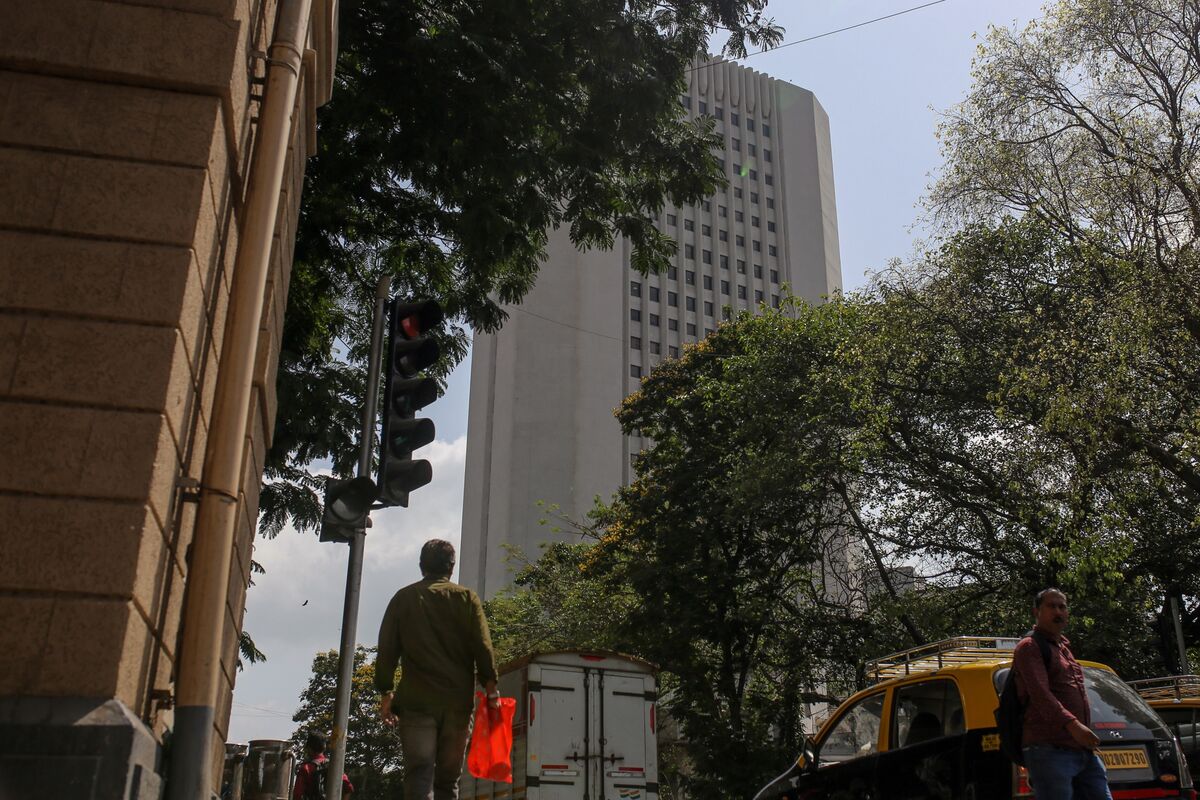
The Reserve Bank of India headquarters in Mumbai. Photographer: Dhiraj Singh/Bloomberg
Some Indian insurers are asking regulators to allow them to use more interest-rate hedging tools as they prepare to play a larger role in the country’s money markets, according to people familiar with the matter.
The Reserve Bank of India headquarters in Mumbai. Photographer: Dhiraj Singh/Bloomberg
Short dollar forward positions ballooned to $106.7 billion in May.
500 rupee banknotes counted by a cash counting machine at a currency exchange in New Delhi, India, on Saturday, Aug. 30, 2025. The Indian rupee slumped to a record low versus the dollar on concern that 50% US tariffs will hurt the country’s economic growth and corporate earnings. Photographer: Prakash Singh/Bloomberg
Over the past two years, India’s central bank built one of the world’s largest bearish dollar bets to support a persistently weak rupee. It now faces the challenge of unwinding that position without destabilizing the currency market.
 Anmelden