❌

Lese-Ansicht

The Guardian view on child marriage: girls should not be wives | Editorial

There’s growing agreement that under-18s need to be protected – but international turmoil is pushing many towards wedlock

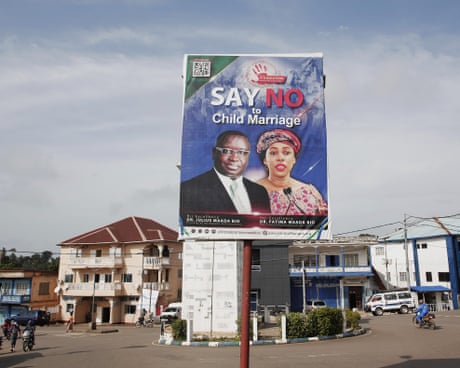
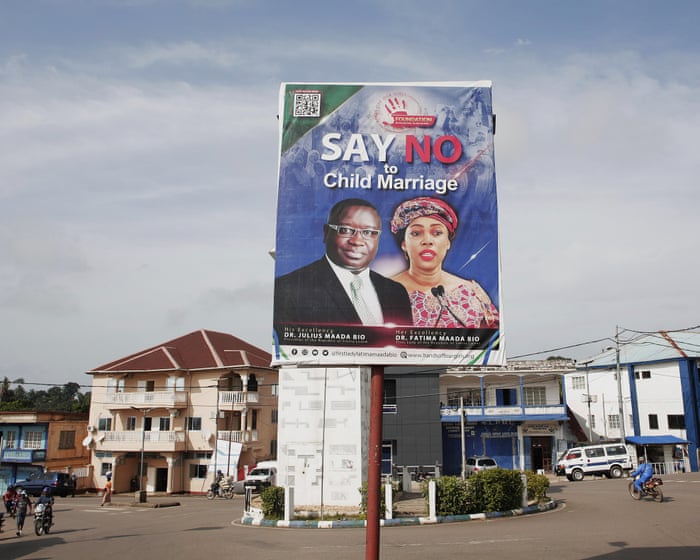
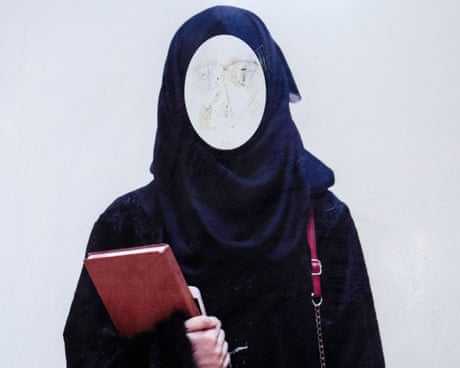
Every minute, 23 girls around the world wed, according to the Girls Not Brides campaign, a coalition of more than 1,000 organisations across 100 countries. No child should be married. But girls are far more likely to be affected than boys, accounting for nine in 10 of those wed before 18, and their spouses are often much older men. The consequences, beyond the immediate threat of sexual violence, include the shortening of their education, increased risks of poverty and domestic abuse, and poor health, including high rates of maternal mortality. In spring, the Center for Global Development thinktank estimated that child marriage costs $175bn annually in lost productivity and increased health risks.

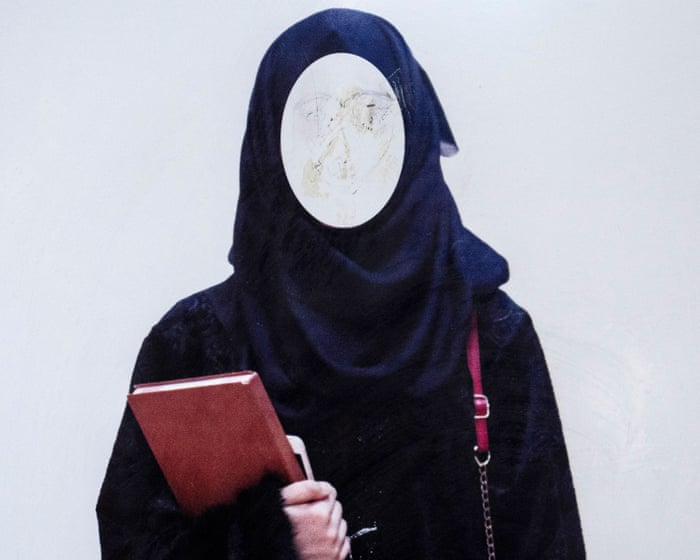
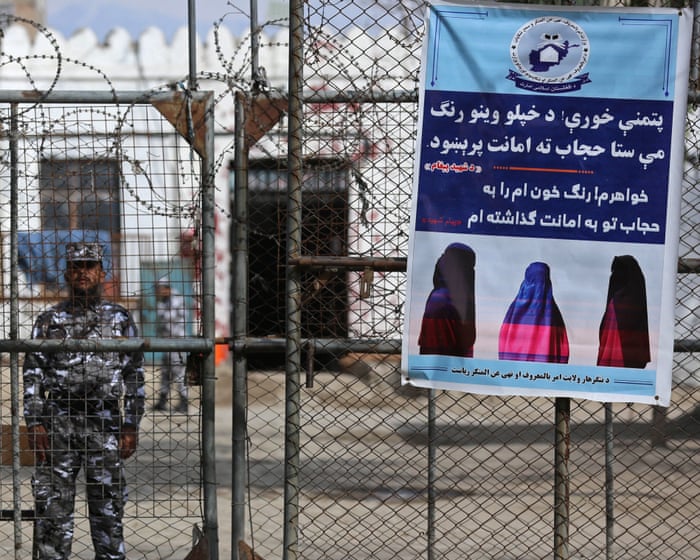
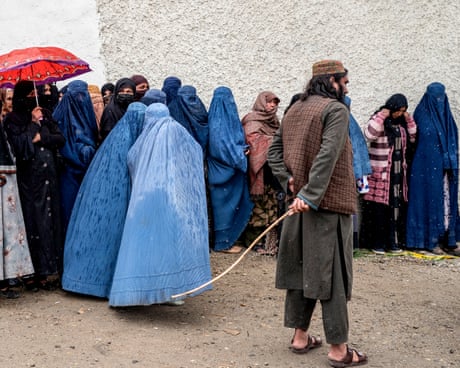
The good news is that the last decade has seen a drop in rates; last year alone, Grenada, Bolivia, Burkina Faso, Kuwait and Portugal introduced bans. But there are disturbing signs of regression elsewhere. In May, the Taliban issued a new judicial code enabling child marriage below the previous minimum age of 16, and preventing wives from ending marriages they entered as children if their husbands object. Previous protections were inadequate and often poorly enforced; now even those have been swept away. Activists say forced and early marriages have soared since the Taliban returned to power in 2021, thanks to the ban on secondary education and the state of the economy.

Do you have an opinion on the issues raised in this article? If you would like to submit a response of up to 300 words by email to be considered for publication in our letters section, please click here.

Continue reading...

© Photograph: Saidu Bah/The Guardian
© Photograph: Saidu Bah/The Guardian
© Photograph: Saidu Bah/The Guardian
  •  

The Taliban have built a system for enslaving women in Afghanistan | Tala Elissa

Five years on, the regime’s chokehold has left Afghan women with almost nothing, but many are still bravely fighting for their freedom

The Taliban did not just ban women from schools, impose the burqa and outlaw smartphones. The Taliban built a system that enslaves nearly half the country’s population, or according to outdated statistics: 21,701,532 women and girls.

In general, the Taliban’s system runs on laws that get changed, forgotten or scrapped as needed to oppress women, such as the abolition of the minimum marriage-age law, which made the only “legitimate” criterion for a girl’s marriage that she has reached puberty or in other words, that she is “fit for consummation”.

Continue reading...

© Photograph: Wakil Kohsar/AFP/Getty Images

© Photograph: Wakil Kohsar/AFP/Getty Images

© Photograph: Wakil Kohsar/AFP/Getty Images

  •  

Samira’s story: the Sudanese refugee who has known no peace since she was 10

Since civil war first reached her village in 2003, Samira has been displaced seven times, enduring devastating losses and injuries along the way

Every morning, she spreads small piles of rice and spices on an aluminium tray in the market of Korsi refugee camp. Some of it comes from her monthly food ration, already meagre, distributed by the UN’s World Food Programme; some she buys when she can and resells for a small profit.

Samira crouches quietly behind her modest display, greeting customers as they pass. Her loose red toub cloth frames her thin face and falls across one side of it, hiding her injured right eye. Every so often she adjusts the long cloth to cover the empty sleeve where her right arm would have been. It is a habit the 33-year-old has developed since the war, but her injuries are only part of the terrible damage it has inflicted.

Continue reading...

© Photograph: Zeinab Mohammed Salih

© Photograph: Zeinab Mohammed Salih

© Photograph: Zeinab Mohammed Salih

  •  

‘They were told bikes were for men’: how Latin America’s city of cycling is breaking gender barriers

With less than a third of cycling journeys taken by women, Colombia’s capital, Bogotá, is installing bike lanes, teaching cycling and making sure ‘stereotypes are left behind’

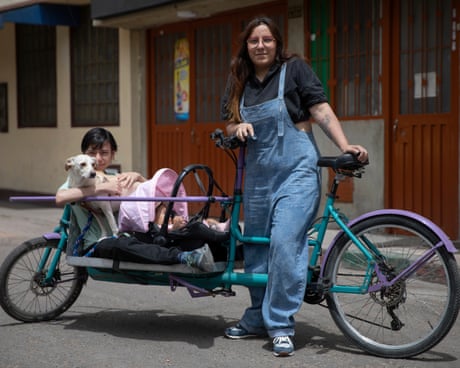
Eliana González has a busy morning ahead of her, dropping off her son at school and picking up groceries. Her trusted vehicle to get around in Bogotá is a colourful cargo bike, adapted to carry her two children and occasionally her dog.

“For me, my cargo bike is a way to carry my children safely and comfortably without polluting the environment,” she says.

Continue reading...

© Photograph: Al Colegio en Bici

© Photograph: Al Colegio en Bici

© Photograph: Al Colegio en Bici

  •  

Pakistan precinct suspends all 78 officers and staff over alleged rape at police station

Lahore police official says all personnel were responsible for preventing and reporting any wrongdoing at station

The alleged rape of a 20-year-old woman with learning disabilities in a police station in Lahore, Pakistan, has prompted authorities to suspend all 78 police officers and staff at the precinct, in one of the country’s biggest ever disciplinary actions against its police force.

The woman alleges that an assistant sub-inspector apprehended her, took her to Ghaziabad police station and raped her in a room on the second floor. The woman’s family said she disappeared on the street, before returning home in tears and stating that she had been sexually assaulted at the station.

Continue reading...

© Photograph: Rahat Dar/EPA

© Photograph: Rahat Dar/EPA

© Photograph: Rahat Dar/EPA

  •  

They gave me to someone who could not read or write … it would be better if you buried me alive

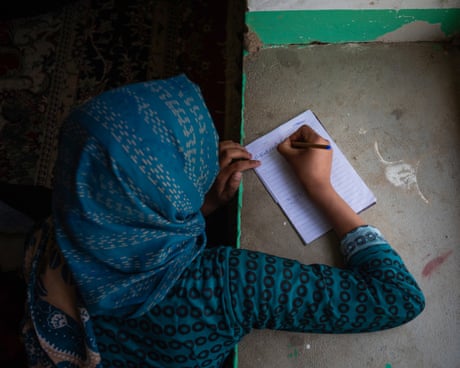
I was the top student in my university class but when the Taliban took Afghanistan again I was forced to marry and my dreams of being a pilot ended

On my last day of school it seemed years of effort were now contained in one small piece of paper. Everyone was happy at graduation, holding our certificates, each of us had a different road ahead. Friends wanted to study medicine, civil engineering or economics. For me, I wanted aviation – to be a pilot.

We worked hard, preparing for Kankor – the university entry exam – then came the first delay. Coronavirus reached Afghanistan. Everywhere went into quarantine, our exams were postponed.

Continue reading...

© Photograph: Shafiullah Kakar/AFP/Getty Images

© Photograph: Shafiullah Kakar/AFP/Getty Images

© Photograph: Shafiullah Kakar/AFP/Getty Images

  •  

‘Why are you doing this to me?’: how one woman survived two years of slavery on a Spanish farm

Fatima left her family behind in Morocco for seasonal work in Spain. But the dreams of a better life quickly turned into exploitation, squalid conditions and violence

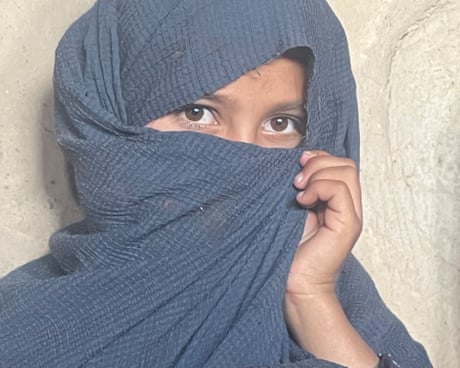
At the farm in the northwestern Spanish region of Castile and León, a typical day for Fatima* would start at 2am and then stretch late into the night as she carried out tasks that ranged from planting vegetables to herding sheep and cleaning the chicken coop.

After she arrived at the farm, her to-do list gradually lengthened until she was working up to 19 hours a day, seven days a week.

Continue reading...

© Photograph: Hanna Jarzabek/The Guardian
© Photograph: Hanna Jarzabek/The Guardian

© Photograph: Hanna Jarzabek/The Guardian

  •  

Giving birth in the shadow of Haiti’s gang violence – photo essay

As fighting intensifies in Port-au-Prince, only a fraction of its maternity services remain, and they are under constant threat

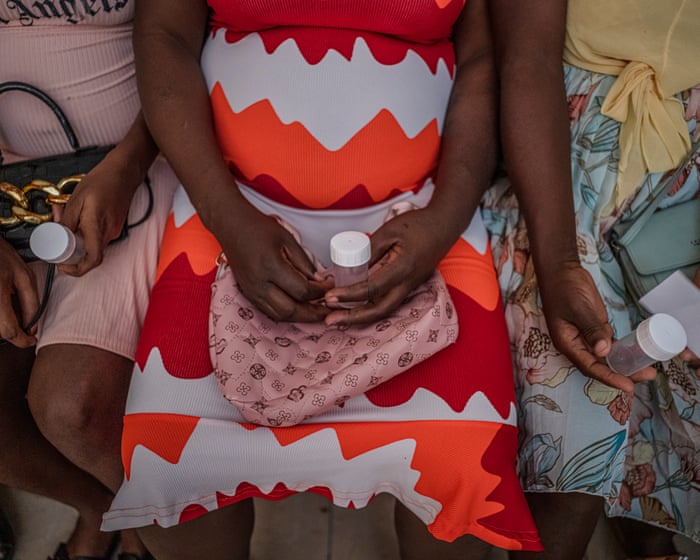
Eight months pregnant, Françoise, 45, arrives early in the morning at a deserted school in Bel Air. The hillside neighbourhood in Port-au-Prince has been controlled by gangs since a violent takeover in 2019. Schools have closed, electricity has been cut off and food is scarce. Gunfights can erupt at any time.

Françoise having a Doppler ultrasound in a clinic set up for a few hours inside a deserted school in Bel Air

Continue reading...

© Photograph: Jelle Krings

© Photograph: Jelle Krings

© Photograph: Jelle Krings

  •  

From Ukraine and Sudan to Gaza: why have hospitals become a target of war?

International law states only military sites can be targeted during conflicts, but this is routinely being ignored

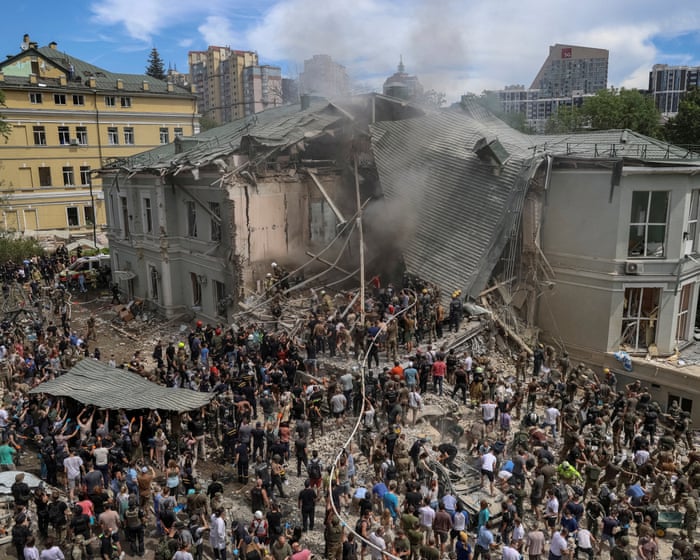
Twice every day, Liubov Martynenko leaves the underground maternity ward where she works in Kherson and travels by ambulance to collect meals from another hospital in the Ukrainian city’s “red zone”, close to the Dnipro River and the Russian forces on the other side.

On 4 June , just before midday, the vehicle entered the grounds of Luchansky city clinical hospital as usual, but Martynenko, who also works as a midwife, heard a strange sound in the air. “It’s flying!” the driver screamed, as she realised there was a drone nearby.

Continue reading...

© Photograph: Oleksandr Ratushniak/Reuters

© Photograph: Oleksandr Ratushniak/Reuters

© Photograph: Oleksandr Ratushniak/Reuters

  •  

‘When she turns eight they will take her’: rising number of Afghan girls being sold into child marriage

Afghanistan is seeing a resurgence in underage brides and mothers as desperate families sell their children in order to eat

Sima* is 18, but has already given birth four times. Her youngest is a newborn, the eldest is four. Sitting with her children in their mud-brick room in Badghis province, Sima says: “After the Taliban entered the country, I had just finished the sixth grade and was supposed to start the seventh. But two months later, my father pressured me immensely to marry my cousin. After being beaten by my father several times, I was forced to accept.”

At 13, Sima became a bride inside the compound where she still lives, and where she has given birth to her children. One child died of pneumonia aged one. She does all the housework: fetching water, tending the cows, baking naan in a tandoor. All the while, her children cling to her legs, crying.

Continue reading...

© Photograph: Neda Noran and Atousa Azar for Zan Times

© Photograph: Neda Noran and Atousa Azar for Zan Times

© Photograph: Neda Noran and Atousa Azar for Zan Times

  •  

The Taliban’s war on education: ‘Nobody talks about what is happening to the boys’

Five years after the ultra-conservative Islamists retook Afghanistan, students describe male pupils being beaten for minor rule breaches and inexperienced teachers struggling to deliver lessons

Before he leaves for Kabul University each morning, Hashmat* checks his face for the beard he has been ordered to grow. Male students are required to grow their facial hair and wear traditional Afghan clothes and those who fall short are punished. Hashmat says he recently saw a classmate beaten for wearing trousers.

“They look at you before they listen to you. If your appearance is wrong, you are already in trouble before the class begins,” he says.

Continue reading...

© Photograph: Wakil Kohsar/AFP/Getty Images

© Photograph: Wakil Kohsar/AFP/Getty Images

© Photograph: Wakil Kohsar/AFP/Getty Images

  •  

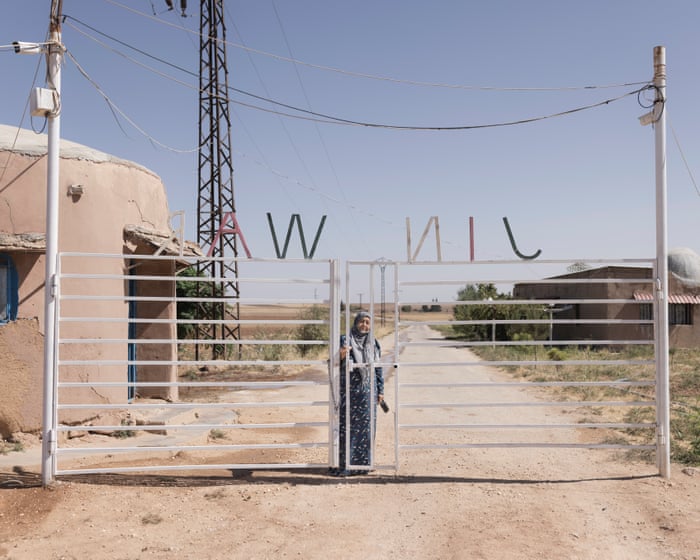
‘Here I can live a good life’: inside the Syrian commune where men are banned

The gates of Jinwar are guarded but inside is a peaceful refuge created by women escaping war and hardship. Photographer Matteo Trevisan documents life here and at other female-led communities in the country’s north-east

A mother carrying a rifle on her shoulder and gripping a walkie-talkie stands guard at the entrance to Jinwar, a women-only commune in Syria. Beyond the gate, about 30 mud-brick houses dot the desert landscape, their gardens filled with flowers, vegetables and fruit trees.

The village, just outside the city of Qamishli in Syria’s predominantly Kurdish north-east, is a burst of colour amid the dust. Opened in 2018, Jinwar has become a refuge for women from across the region – Kurds, Arabs and Yazidis among them. Some residents arrived after losing husbands to Islamic State (IS); others left abusive marriages in search of safety and independence. It describes itself as “a place for women who want to live a free life with other women and children, women who do not want to get married, women who lost their husbands in war or who were facing violence in their families”.

Vegetable harvest in Jinwar, where the women cultivate much of their own food, growing aubergines, tomatoes, peppers, cucumbers, onions and garlic

Continue reading...

© Photograph: Matteo Trevisan

© Photograph: Matteo Trevisan

© Photograph: Matteo Trevisan

  •  

Overseas education project for women and girls axed by UK after two years

The programme, aimed at keeping 1m girls in school across Africa, Asia and the Middle East, withdrawn after aid cuts

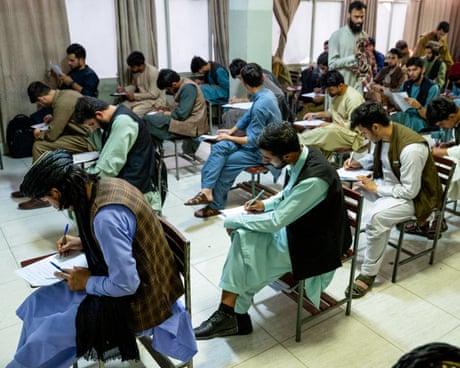
A leading higher education programme, aimed at keeping 1 million girls in school across Africa, Asia and the Middle East, has been axed by the British government just two years after it was announced.

The scheme, Strengthening higher education for female empowerment (SHEFE), which was unveiled with some fanfare two years ago by the outgoing Conservative government, had a £45m budget to increase access to higher education for 1 million students worldwide. It has now had its tender withdrawn, the Foreign, Commonwealth and Development Office (FCDO) said.

Continue reading...

© Photograph: Nanna Muus Steffensen/The Guardian
© Photograph: Nanna Muus Steffensen/The Guardian

© Photograph: Nanna Muus Steffensen/The Guardian

  •  

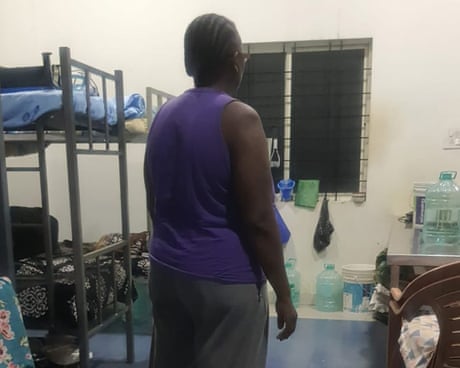
‘I pray for a miracle’: the African women held for years in India’s detention centres

Rounded up in raids and with no access to lawyers, 22 women including trafficking victims and refugees speak of filthy conditions and beatings while stuck in legal limbo

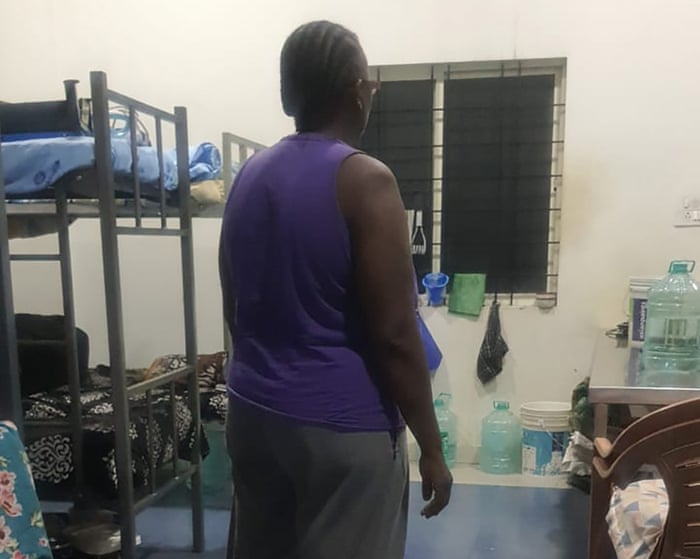
Nine months without the antiretroviral drugs that keep her alive has caused Mary’s* health to decline. For 29 years, the Kenyan mother of four had managed her HIV. Now she is being held indefinitely in an immigrant detention centre in India, it is becoming a death sentence.

Her legs are swollen and distended, her blood pressure has soared, and she has collapsed from weakness. “If I don’t get my tablets, I may become bedridden. And then no airline will take me home,” Mary says, speaking by phone from inside the facility.

Continue reading...

© Photograph: Handout

© Photograph: Handout

© Photograph: Handout

  •  

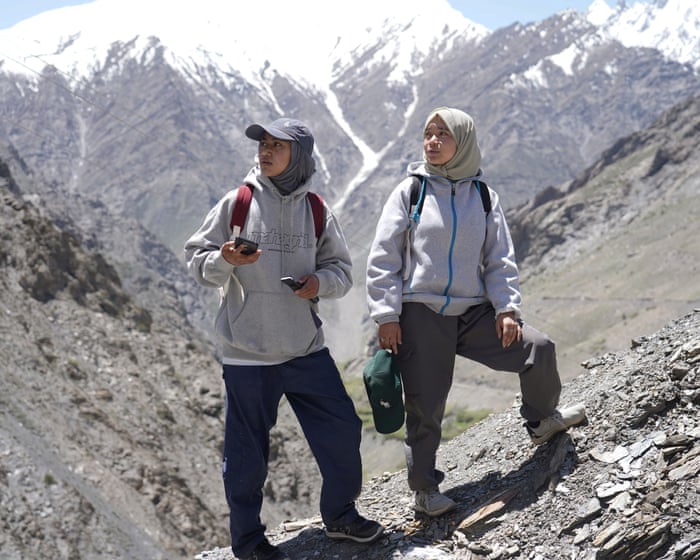
Some question why young women should climb mountains but hiking gives me freedom | Mohsina Gufran

Although trekking is unusual for young women in Kashmir, I find strength and enjoy independence when I’m out in nature with my friends

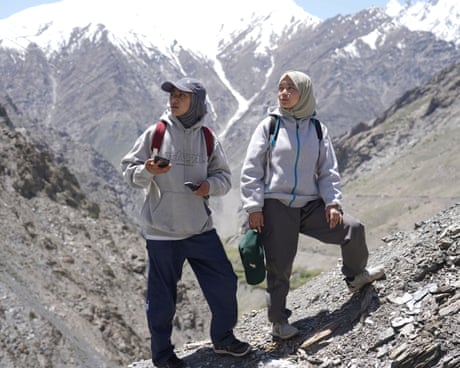
Before sunrise, my two closest friends and I pack water bottles, food and biscuits into our backpacks. We put on whatever shoes we have, pull our hijabs tightly against the cold wind, and leave for the mountains above our village in Kargil, in Ladakh – part of Indian-administered Kashmir.

The things we usually hear on the trail are birdsong, flowing water and our own laughter echoing through the mountains.

Continue reading...

© Photograph: Sajad Hameed

© Photograph: Sajad Hameed

© Photograph: Sajad Hameed

  •  

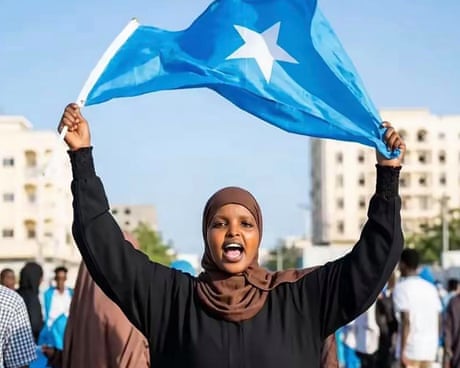
Outrage as woman jailed for three years after criticising Somali government online

Sentencing of 27-year-old Sadia Moalim Ali condemned by former president and prime ministers as well as rights groups

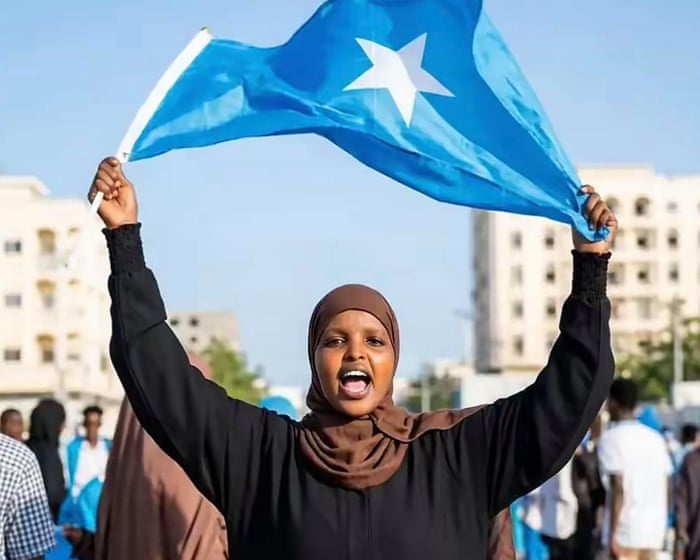
A rickshaw driver in Somalia has been sentenced to three years in prison for comments she made on social media, in a case that has caught the public’s attention and provoked outrage in the country.

Sadia Moalim Ali, a 27-year-old nursing graduate, was originally charged with insulting government institutions and incitement to commit a crime, but convicted only of the former. Her sentence, immediately condemned as “fundamentally unjust”, was handed down on 25 June.

Continue reading...

© Photograph: Handout

© Photograph: Handout

© Photograph: Handout

  •  

The Guardian view on EU talks with the Taliban: selling out the rights of girls, women and other Afghans | Editorial
Five years after the fall of Kabul, European states are anxious to send migrants back – regardless of what it takes and what awaits them

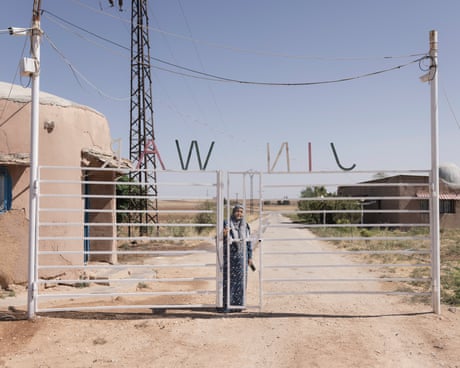
Days after Kabul fell to the Taliban in August 2021, the EU’s top diplomat stressed the need to protect women and girls. “Cooperation with any future Afghan government will be conditioned on … respect for the fundamental rights of all Afghans,” Josep Borrell pledged. The regime’s attack on women’s rights began immediately, and has only intensified. The Taliban have barred girls from secondary school and university, legalised child marriage, prevented women from travelling without a male guardian and excluded them from jobs, parks and bathhouses. Women have been literally silenced: their voices are forbidden from being heard in public, even from within their own homes.
A new criminal code introduced last year permits men to beat their wives; even if women are able to prove the use of “obscene force”, a husband may still be sentenced to only 15 days in prison. (In contrast, harming an animal could mean five months in jail.) And restrictions on work, movement and contacts are not merely oppressive. They are often deadly in a country gripped by a humanitarian crisis. UN experts have said that this “widespread, systematic and all-encompassing” assault on women’s rights may amount to “gender apartheid”.
Continue reading...

© Photograph: Wakil Kohsar/AFP/Getty Images

© Photograph: Wakil Kohsar/AFP/Getty Images

© Photograph: Wakil Kohsar/AFP/Getty Images

  •  
❌