An index for emerging-market currencies rose for a 10th successive week, its longest winning streak since 2007, even as a blowout US jobs report briefly jolted global markets on Friday.
Emerging-market stocks posted their biggest August advance since 2004 as a rally broadened beyond the biggest artificial-intelligence stocks and got a boost from commodities.
Emerging-market currencies were mixed on Thursday as the US Treasury’s announcement of increased bond buybacks was seen by many as a “temporary” measure, allowing the dollar to rebound.
An index tracking developing-world currencies gained Monday as fading bets on a Federal Reserve interest-rate hike next month undercut the dollar and supported risk appetite.
Emerging-market stocks rose for a second straight session on Thursday, with the index hitting the highest level in more than a month amid a resurgence in the artificial-intelligence trade.
An early rally in emerging-market currencies fizzled on Wednesday after the dollar reversed losses triggered by tame US inflation data, as investors maintained bets that the Federal Reserve could raise interest rates at its next meeting.
Emerging-market assets fell on Tuesday, with a currency gauge snapping a four-day winning streak as fading hopes for a US-Iran deal weighed on risk sentiment.
Most emerging-market currencies weakened against the dollar on Monday as fading hopes of an imminent US-Iran deal to reopen the Strait of Hormuz sent Brent futures prices higher.
Most emerging-market currencies weakened Thursday as the details of an agreement between Iran and Oman to reopen the Strait of Hormuz risk reigniting tensions with the US.
Most emerging-market currencies gained on Tuesday, rebounding from an earlier selloff amid optimism the US and Iran are nearing a deal to restart peace talks.
The Colombian peso is on track for its biggest drop in three months after the central bank unexpectedly paused rate hikes and announced a program to build up dollar reserves, signaling that the currency’s rally has gone too far.
The Colombian peso is on track for its biggest drop in three months after the central bank unexpectedly paused rate hikes and announced a program to build up dollar reserves, signaling that the currency’s rally has gone too far.
Emerging-market currencies were mixed on Monday as investors weighed signs of easing tensions between the US and Iran against the fading appeal for carry trades in Latin America.
Emerging-market currencies gained on Wednesday after the Federal Reserve held interest rates steady, pushing the US dollar lower following mounting speculation that policymakers would use this meeting to tighten monetary policy.
Emerging-market currencies were mixed on Tuesday, with high-yielding names outperforming as investors looked past the latest developments in the Middle East and focused on carry trades instead.
Emerging-market stocks slumped, with a key gauge sliding into technical correction on mounting concerns the outlook for artificial intelligence no longer justifies the industry’s elevated valuations.
Most developing-world currencies fell Thursday as the US launched fresh strikes against Iran, sparking a flight to haven assets that pushed the dollar higher.
An index tracking emerging-market currencies rose Wednesday as the dollar weakened after softer-than-expected US producer prices drove traders to scale back wagers on Federal Reserve interest-rate increases this year.
Emerging-market assets rallied after a cooler-than-expected US inflation report prompted traders to pare bets on imminent Federal Reserve interest-rate hikes, boosting demand for riskier assets.
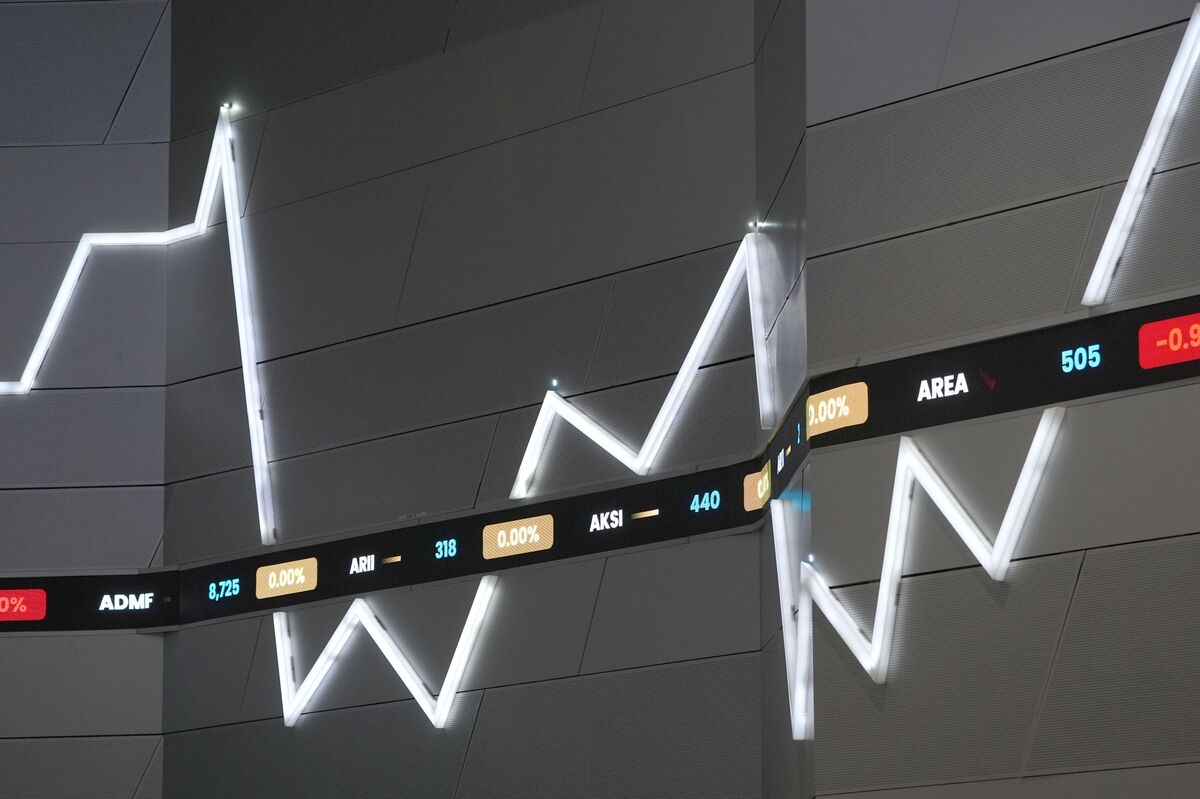
The Indonesia Stock Exchange. Photographer: Dimas Ardian/Bloomberg
Brazil presidential candidate Flávio Bolsonaro said the former head of Caixa Economica Federal is joining his campaign as an economic adviser, fueling expectations that she could become finance minister if he is elected.
Flavio Bolsonaro Photographer: Daniel Ramalho/AFP/Getty Images
 Anmelden