Cocoa futures headed for a weekly decline, as the market grapples with the prospect of sufficient short-term supplies being followed by a deficit in the season ahead.
Ghana’s cocoa output could tumble by more than a third as adverse weather and disease stresses trees, its state-run exporter said, adding to the strain on global supply of the chocolate ingredient.
The global cocoa market is poised to face a supply shortfall for the first time in three years as a strengthening El Niño threatens production across key growing regions, according to Asia’s top processor.
China is expected to ship at least 1.2 million tons of a key fertilizer variety to India, marking a ramp-up in sales from the world’s top producer after Beijing loosened export controls earlier this year.
Indian refiners will divert 350,000 tons of sugar originally headed offshore into the local market, people familiar with the matter said, after authorities cleared the move to ease a supply crunch.
India, one of the world’s biggest wheat producers, has scrapped a years-long ban on exports of the grain, a move that could ease global supplies that are under strain from escalating attacks between Russia and Ukraine.
India, the world’s second-biggest sugar producer, has allowed mills and refiners to import duty-free raw sugar in an effort to tame record local prices.
Raw sugar climbed to the highest in more than a year, on signs of buying interest in India amid prospects of the country easing import duties because of tight supplies.
India’s monsoon crop planting has largely recovered after normal July rains helped offset the driest June in 12 years, potentially easing food inflation if the precipitation persists.
India, the world’s No. 2 sugar producer, is considering cutting import duties on the commodity to help curb domestic prices that recently rose to a record.
India, one of the world’s biggest urea importers, received offers for the soil nutrient that were 12% below the June purchase price, signaling that the war-driven tightness in the global fertilizer market is easing.
Indian sugar producers are set to start crushing cane earlier than usual in the upcoming milling season as the government seeks to bolster supplies and rein in record prices ahead of the festival period.
India is likely to receive below-normal rainfall in July, the monsoon’s wettest month, after its driest June in 12 years, threatening to further delay crop planting across large parts of the country.
A weak monsoon is emerging as India’s next inflation risk, with a developing El Niño threatening to curb rainfall and push up food prices just as an easing oil relieves broader price pressures.
Farmers sow rice saplings at a paddy field in Sonepat, Haryana, India. Photographer: Prakash Singh/Bloomberg
India is urging farmers in rain-fed areas with limited irrigation to shift to less water-intensive crops such as pulses, oilseeds and millets as authorities prepare for a potentially weak monsoon that could weigh on agricultural output.
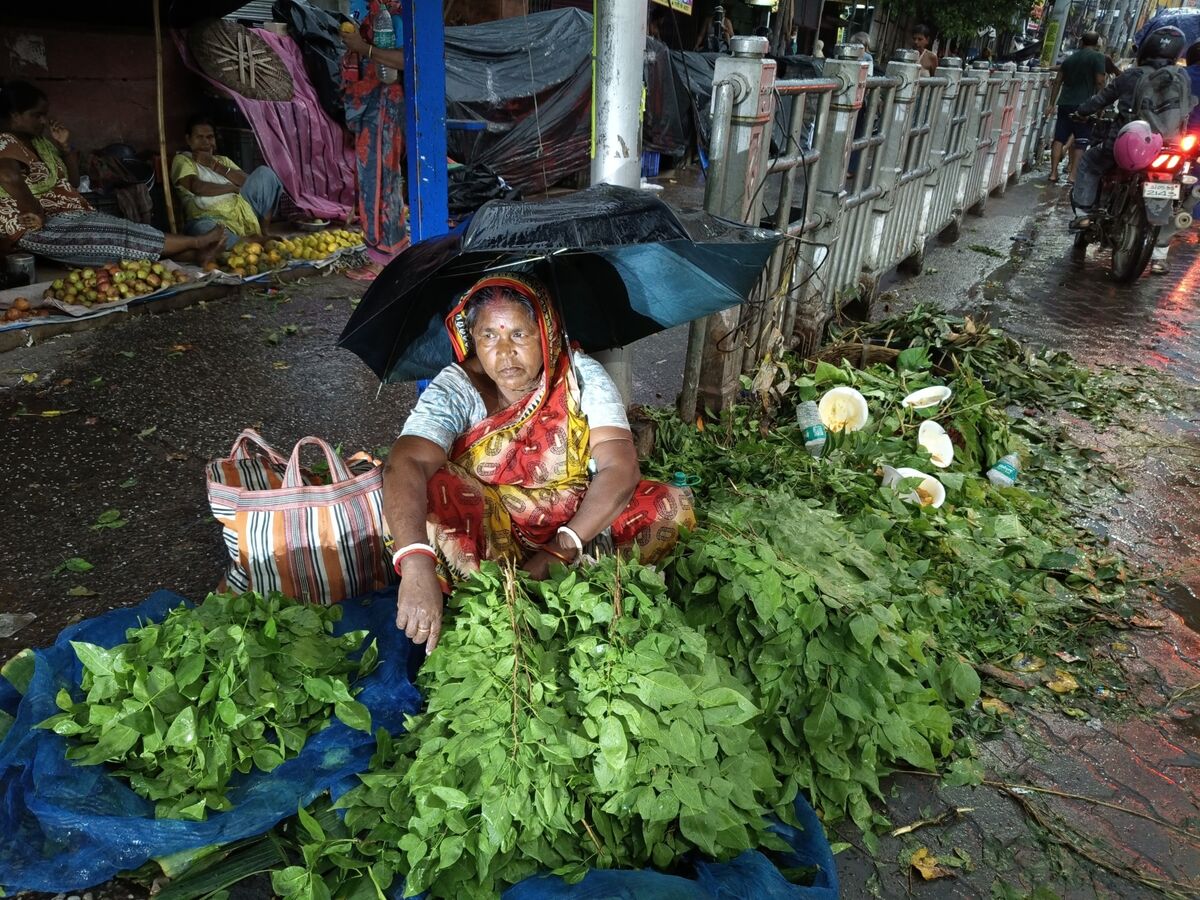
A vendor sells vegetables during monsoon rainfall in Kolkata on June 7. Photographer: NurPhoto/NurPhoto
Raw sugar futures gave up earlier gains in New York as the market struggled to snap a recent losing streak, with a drop in crude futures and expectations of a large Brazilian cane harvest continuing to weigh on the market.
Sugarcane is harvested at a farm near Biosev SA’s Santa Elisa sugar mill in Sertaozinho, Brazil, on Thursday, Sept. 24, 2015. As rainfall disrupts the harvest and reduces the cane’s sucrose content, millers will be more inclined to make ethanol, tightening sugar supplies and helping extend a rally in prices for a third day in the longest winning streak in almost a month.
India’s annual monsoon rains that are crucial for farm output are likely to arrive around Thursday at Kerala state on the country’s southern tip, a few days after the official start date.
India's rainy season is crucial for replenishing groundwater reserves and farming.
 Anmelden