❌

Lese-Ansicht

US to bar some South Africans over claims of anti-white discrimination

Announcement of visa restrictions follows Trump’s false claims of ‘white genocide’ taking place in South Africa

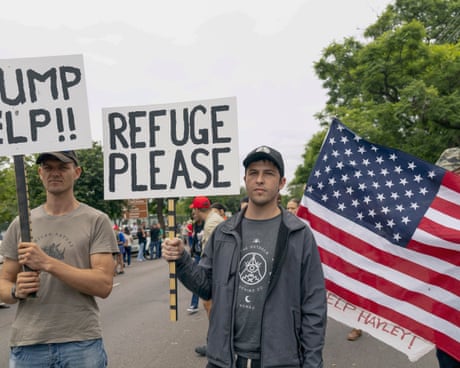
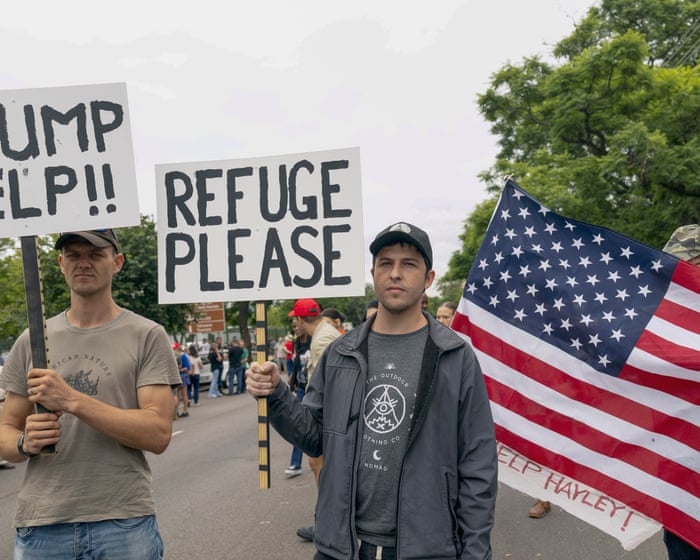
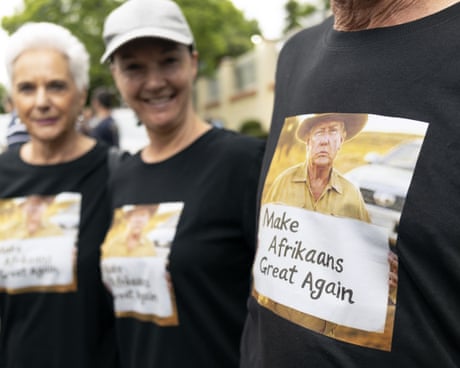
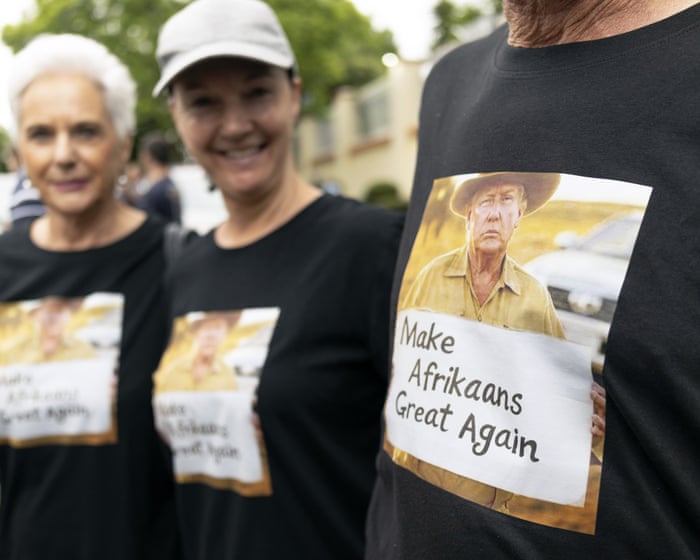
The US has announced visa restrictions on some South Africans as Donald Trump’s administration continues to claim that South Africa’s government racially discriminates against white minority Afrikaners.

The announcement did not specify individuals who were barred from the US. Trump has spent his second term falsely claiming there is a “white genocide” in South Africa and railing against its affirmative action policies.

Continue reading...

© Photograph: Kim Ludbrook/EPA-EFE/Shutterstock
© Photograph: Kim Ludbrook/EPA-EFE/Shutterstock
© Photograph: Kim Ludbrook/EPA-EFE/Shutterstock
  •  

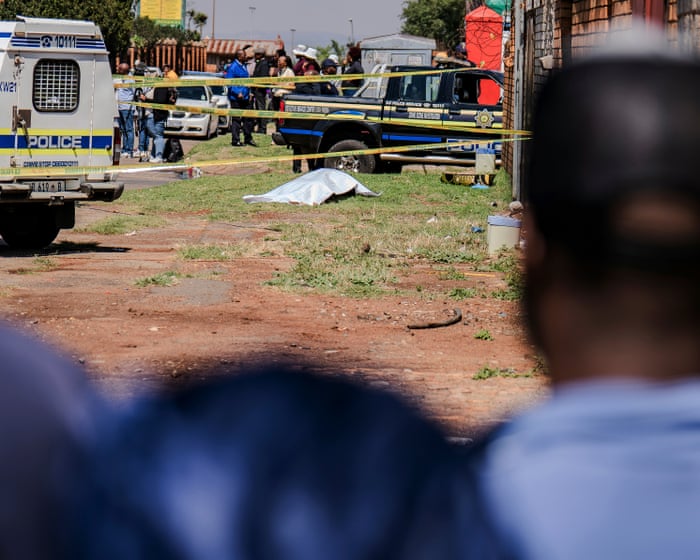
‘We are prey’: discovery of seven women’s bodies fuels anger over femicide in South Africa

String of female murder victims found near Johannesburg’s international airport, including five in the past week

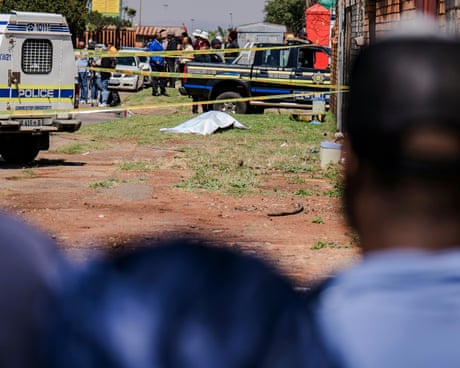
The discovery of the bodies of seven women around Johannesburg’s international airport, including five in the past week, has prompted an outpouring of fear, grief and anger over a lack of progress in tackling femicide.

When Elizabeth “Tsontso” Moselakgomo did not return after going for a run on 9 September, her eight-year-old daughter alerted relatives, who contacted police. The 38-year-old’s body was found on Saturday and identified by relatives on Monday. The news of her disappearance had gone viral.

Continue reading...

© Photograph: AP

© Photograph: AP

© Photograph: AP

  •  

‘I believed the hype’: the white South Africans denied refugee status in the US

Drive to save thousands of Afrikaners from false claims of ‘white genocide’ appears to show signs of slowing

When Donald Trump announced in February 2025 that the US would accept Afrikaners from South Africa as refugees, many white South Africans who believed that they were victims of racism in their country thought that their prayers had been answered.

However, in the past few months, dozens of applicants to the refugee programme have been rejected, with many left dismayed and confused as to why they would be left to face what Trump has falsely claimed is a “white genocide” in South Africa.

Continue reading...

© Photograph: Kim Ludbrook/EPA-EFE

© Photograph: Kim Ludbrook/EPA-EFE

© Photograph: Kim Ludbrook/EPA-EFE

  •  

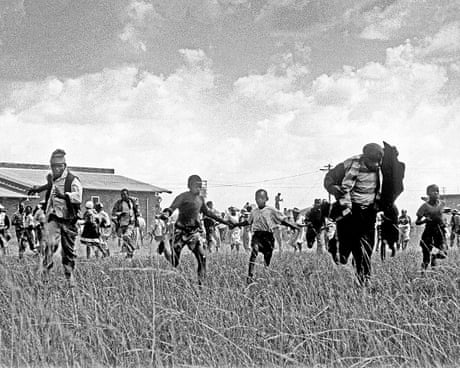
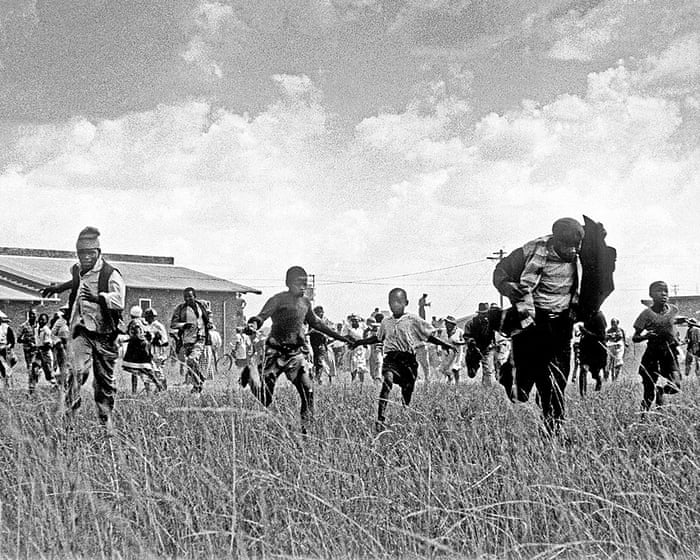
‘We continue to suffer’: victims of apartheid-era Sharpeville massacre demand compensation

Claim relating to 1960 attack on hundreds of protesters part of wave of litigation over apartheid crimes in South Africa

The day dawned brightly on 21 March 1960, as residents of the South African township of Sharpeville gathered to protest against pass laws, which forced “Black, Indian and Coloured” South Africans to carry documents at all times specifying where they were allowed to be.

Abraham Mofokeng joined the march, one of dozens organised nationwide by the Pan Africanist Congress (PAC), a breakaway group from the African National Congress (ANC). “The weather was very nice, the sun was out. You could not have suspected that the day would go so horribly,” said Mofokeng, who was then a 20-year-old factory worker.

Continue reading...

© Photograph: Ian Berry/c/o Atlas Gallery

© Photograph: Ian Berry/c/o Atlas Gallery

© Photograph: Ian Berry/c/o Atlas Gallery

  •  

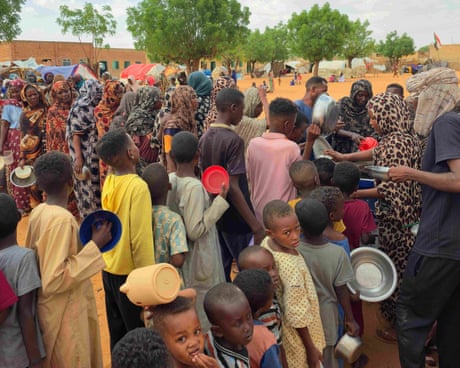
People fleeing Sudan civil war face ‘dire and deteriorating’ conditions in refuge city

More traumatised civilians are arriving every day at ‘shockingly overcrowded’ El Obeid and camps on its outskirts

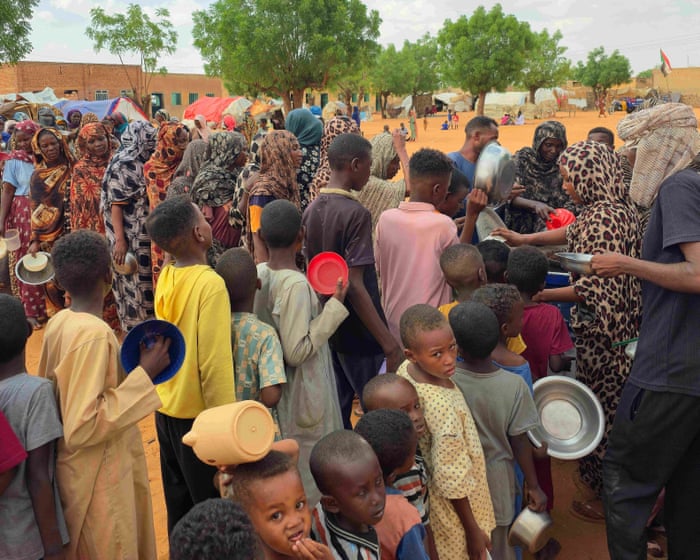
Humanitarian conditions in the Sudanese city of El Obeid and two camps on its outskirts are dire and deteriorating, according to people on the ground, as civilians displaced by fighting between the Sudanese Armed Forces and Rapid Support Forces (RSF) militia continue to pour in from the surrounding countryside.

The UN says more than 15,000 families have arrived since mid-July, joining more than 200,000 people who arrived in the first half of the year, according to government figures cited by Save the Children.

Continue reading...

© Photograph: AFP/Getty Images

© Photograph: AFP/Getty Images

© Photograph: AFP/Getty Images

  •  

South African police arrest two Thai men for allegedly smuggling parrot eggs

Bird eggs intercepted in homemade incubators at Johannesburg airport as officials try to halt wildlife trafficking

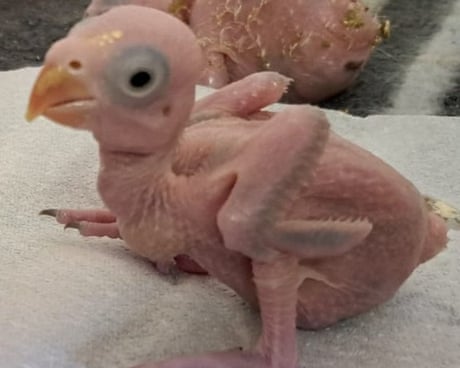
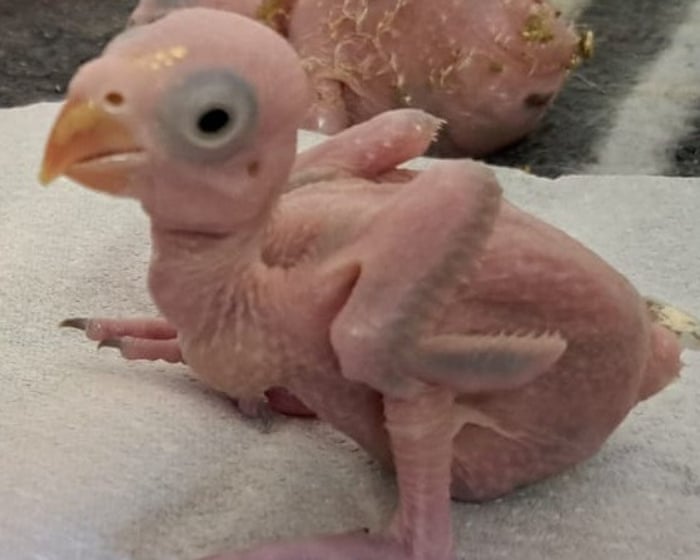
South African police have arrested two Thai nationals in separate incidents for allegedly attempting to smuggle endangered parrot eggs out of the country as authorities try to stem the tide of wildlife trafficking.

A 50-year-old Thai national was arrested at OR Tambo international airport in Johannesburg on 20 August, carrying 50 bird eggs in a homemade incubator in a hand-luggage bag, South Africa’s environment ministry said in a statement.

Continue reading...

© Photograph: Ministry of Forestry, Fisheries and the Environment

© Photograph: Ministry of Forestry, Fisheries and the Environment

© Photograph: Ministry of Forestry, Fisheries and the Environment

  •  

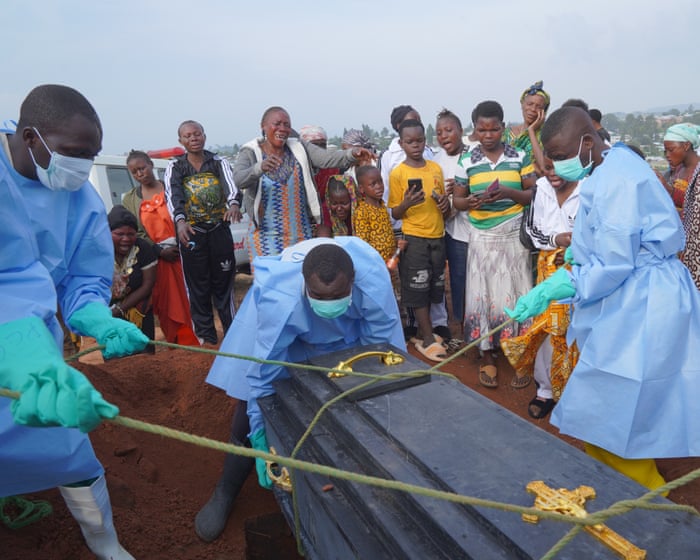
Ebola frontline workers missing wages as outbreak spreads ‘exponentially’

People fighting to contain rapidly growing outbreak in Democratic Republic of the Congo describe the obstacles and dangers they face

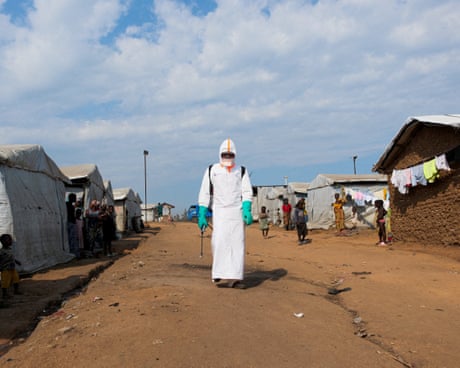
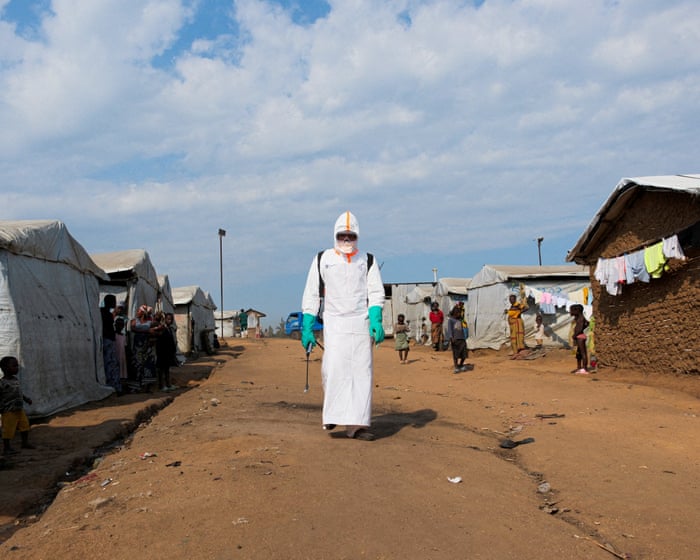
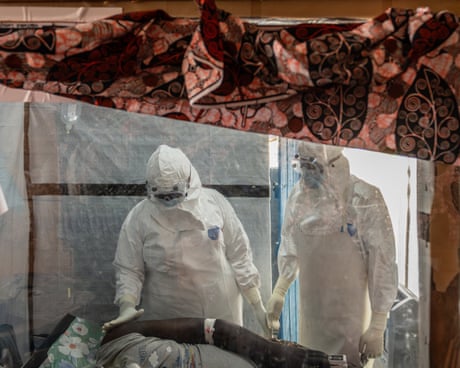
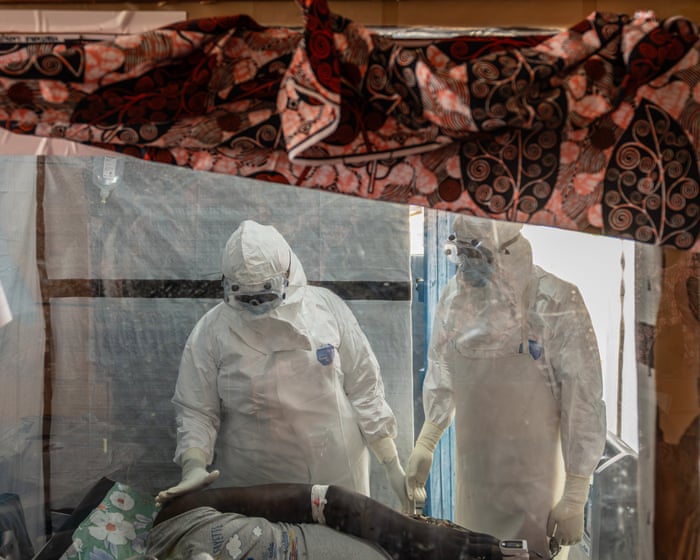
Every day, Sophie Mwadawa Kabundo goes to her job as a nurse at an Ebola treatment centre in the north-east of the Democratic Republic of the Congo, afraid she will contract the virus and pass it to her family and friends.

“More and more confirmed cases are being admitted here … Some of our colleagues have died,” said Kabundo. “We fear that, despite our vigilance, workplace accidents may occur and put us in ever greater danger … We go to sleep already worrying about the days ahead, as patients continue to pour in.”

Continue reading...

© Photograph: Gradel Muyisa Mumbere/Reuters

© Photograph: Gradel Muyisa Mumbere/Reuters

© Photograph: Gradel Muyisa Mumbere/Reuters

  •  

Ebola outbreak in Democratic Republic of the Congo now deadliest in country’s history

At least 2,325 people have died from the virus, according to official data, with outbreak on track to be biggest in history

The Ebola outbreak in the Democratic Republic of the Congo is now the deadliest in the country’s history with at least 2,325 people dead, according to government data, surpassing the toll from the 2018-20 outbreak.

The DRC’s public health institute said confirmed cases had risen to 4,945, including 101 detected in the previous 24 hours.

Continue reading...

© Photograph: Dieudonne Dirole/AP

© Photograph: Dieudonne Dirole/AP

© Photograph: Dieudonne Dirole/AP

  •  

DRC’s fast-growing Ebola outbreak spreads to sixth province

Man dies in Bas-Uele after travelling from Haut-Uele, as head of WHO says outbreak on track to be deadliest ever

The Ebola outbreak in the Democratic Republic of the Congo has spread to a sixth province, officials have said, a day after the head of the World Health Organization said the outbreak was on track to surpass the deadliest in history, which killed at least 11,000 people more than a decade ago.

The current outbreak has killed more than 2,100 people out of more than 4,500 cases, according to the latest government figures released on Tuesday. At the same point in the 2014-16 outbreak in west Africa, the previous most deadly outbreak, 755 cases had been recorded, according to WHO data.

Continue reading...

© Photograph: Dieudonne Dirole/AP

© Photograph: Dieudonne Dirole/AP

© Photograph: Dieudonne Dirole/AP

  •  

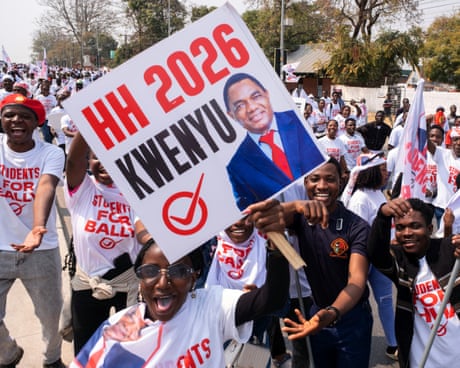
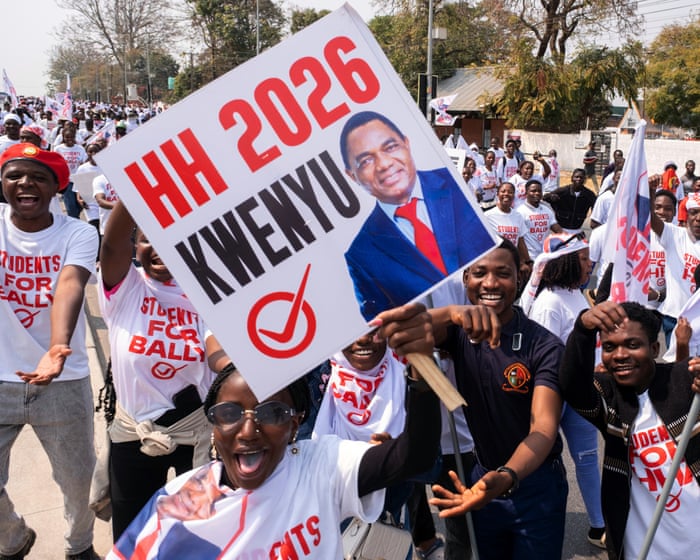
Zambia elections haunted by ghost of incumbent president’s arch-rival

Hakainde Hichilema is bidding for second term, but feud between him and family of Edgar Lungu, who died in 2025, continues

As Zambians go to the polls on Thursday, the ghost of the current president’s predecessor hangs over the elections.

Hakainde Hichilema, 64, is bidding for a second term leading the southern African country after defeating his arch-rival Edgar Lungu by a landslide in 2021.

Continue reading...

© Photograph: Anita Reed/AP

© Photograph: Anita Reed/AP

© Photograph: Anita Reed/AP

  •  

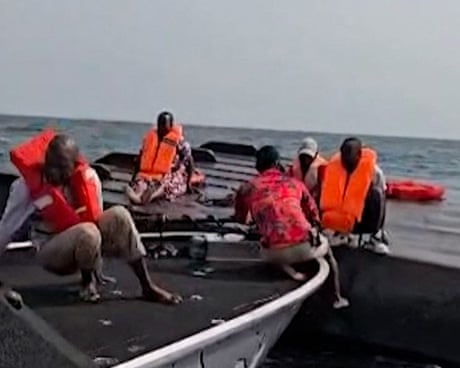
At least 44 dead after overcrowded ferry capsizes on Lake Kariba in Zimbabwe

Operation under way to rescue dozens missing after boat overturned by waves at world’s largest human-made lake

At least 44 people have died after an overcrowded ferry capsized on Lake Kariba in Zimbabwe, police said.

The boat had a capacity of 90 people, but was carrying 114 adult passengers, five crew members and an unknown number of children, Zimbabwe’s civil protection unit (CPU) said earlier on Wednesday, citing ticket sales.

Continue reading...

© Photograph: -UGC/Maxton Kanhema/AFP/Getty Images

© Photograph: -UGC/Maxton Kanhema/AFP/Getty Images

© Photograph: -UGC/Maxton Kanhema/AFP/Getty Images

  •  

Anti-LGBTQ+ laws are on the rise across west Africa, campaigners warn

Activists in the region say politicians regard LGBTQ+ people as ‘the easiest scapegoats to maintain their power’

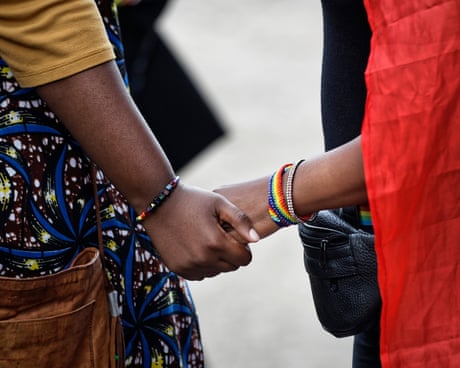
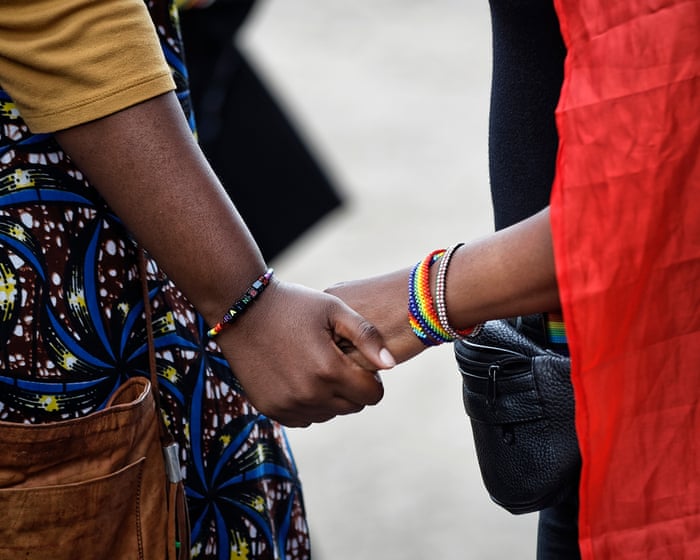
A growing number of west African countries are implementing or strengthening anti-LGBTQ+ laws, amid local political pressures and a global pushback against LGBTQ+ rights.

In March, Senegal doubled the maximum prison sentence for gay sex to 10 years and criminalised the “promotion” of homosexuality. Niger criminalised “sexual relations with a person of the same sex” in February, the first time same-sex intimacy had been outlawed in the country.

Continue reading...

© Photograph: Ben Curtis/AP

© Photograph: Ben Curtis/AP

© Photograph: Ben Curtis/AP

  •  

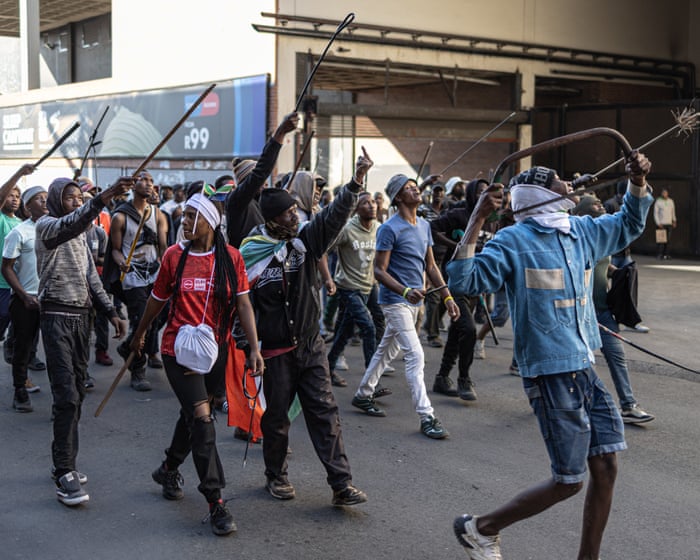
Beaten, robbed and driven out: violent demonstrations target immigrants in South Africa

Thousands have fled amid months of anti-immigration protests as campaigners demand undocumented people leave the country

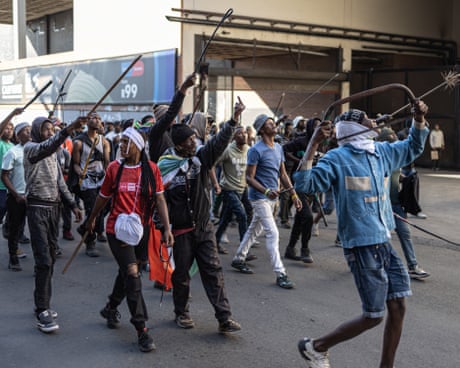
In Thembelihle, an informal settlement south of Johannesburg where thousands of breeze-block houses and metal shacks line dirt streets flooded with filthy water, Malawians had lived for years alongside South Africans without any problems.

But in the last few weeks, a series of armed robberies has shaken the community. On 29 June, several men broke into the compound of Eibraheem Hussein, a 60-year-old Malawian who has lived in South Africa since 2000. They beat him and stole valuable items.

Continue reading...

© Photograph: Emmanuel Croset/AFP/Getty Images

© Photograph: Emmanuel Croset/AFP/Getty Images

© Photograph: Emmanuel Croset/AFP/Getty Images

  •  

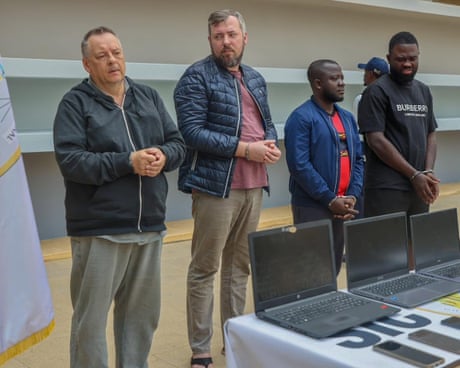
Two Russian men jailed in Angola for terrorism and spying

The men were convicted over alleged plan to stage coup and organise deadly demonstrations over fuel prices last year

Two Russian men have been found guilty by an Angolan court of terrorism and spying after being accused of planning a coup and helping to organise deadly demonstrations in the southern African country last year.

Lev Lakshtanov and Igor Ratchin were sentenced to eight and 11 years in jail respectively. They had denied the charges, claiming they were in Angola for cultural and business activities.

Continue reading...

© Photograph: Ministerio do Interior/Governo de Angola

© Photograph: Ministerio do Interior/Governo de Angola

© Photograph: Ministerio do Interior/Governo de Angola

  •  

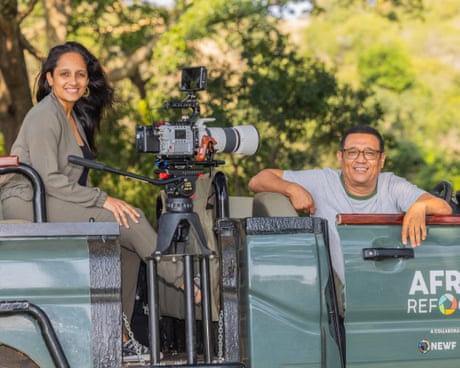
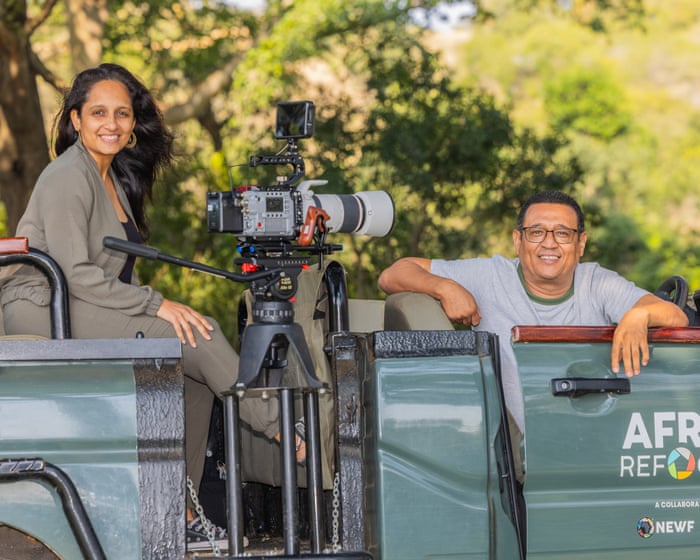
The South African trailblazers seeking to change how wildlife documentaries are made

National Geographic explorers create dive lab after finding too few black film-makers telling African wildlife stories
When Pragna Parsotam-Kok and Noel Kok made a wildlife series for South African TV in 2015, they were struck by how challenging it was to access animals to film and how few other African wildlife documentary makers there were.

Their response was to set up the not-for-profit Nature Environment and Wildlife Conservation Trust (NEWF) and to host a conference for African wildlife film-makers, the first taking place in 2017.

Continue reading...

© Photograph: Anthony Ochieng Onyango/National Geographic

© Photograph: Anthony Ochieng Onyango/National Geographic

© Photograph: Anthony Ochieng Onyango/National Geographic

  •  

France confirms first Ebola case in doctor who had worked in DRC

French health ministry says patient’s contacts are being traced and that risk to European public is very low

The first case of Ebola has been confirmed in France, the country’s health ministry has said, in a doctor who had returned from a humanitarian mission to an area affected by the outbreak in the Democratic Republic of the Congo.

The patient was transferred to a specialist facility and was in a stable condition, the ministry said in a statement. “All precautionary measures, including the patient’s isolation, were taken upon his arrival in the country, with transfer to the hospital under secure conditions to prevent any risk of contamination.”

Continue reading...

© Photograph: Moses Sawasawa/AP

© Photograph: Moses Sawasawa/AP

© Photograph: Moses Sawasawa/AP

  •  

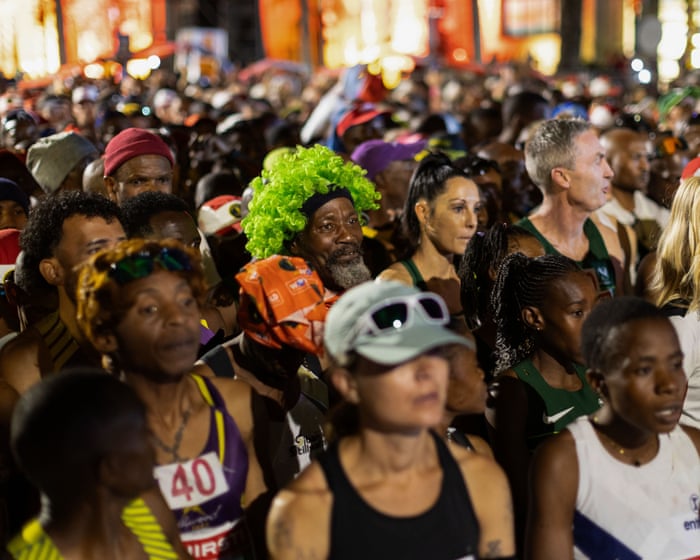
Sweat, tears and camaraderie as 20,000 runners take on world’s largest ultramarathon

For one day every June, South Africa’s searing racial inequality seems to melt away at Comrades race

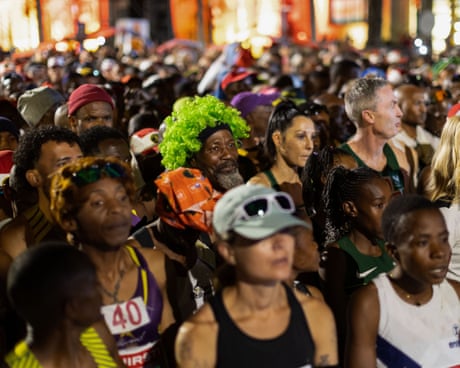
In the early morning dark, thousands of runners waited, jostling with anticipation. South Africa’s national anthem rang out. Then the haunting swell of Shosholoza, first sung by Zimbabwean migrant workers in South Africa’s goldmines. Finally, that unmistakable, spine-tingling piano: Chariots of Fire.

Runners gather before the start of the marathon

Continue reading...

© Photograph: James Oatway/The Guardian

© Photograph: James Oatway/The Guardian

© Photograph: James Oatway/The Guardian

  •  

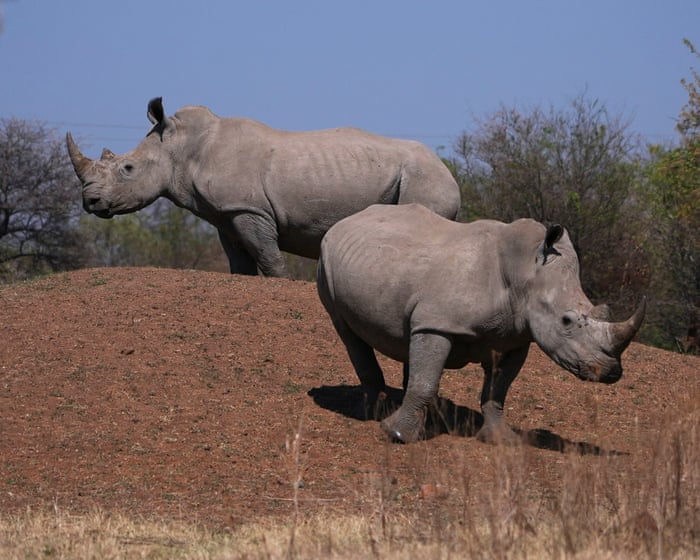
South African men sentenced in ‘world’s largest’ rhino horn trafficking case

‘Mastermind’ Dawie Groenewald given fine of 2m rand or four-year jail term almost 16 years after arrest

Two traffickers of rhino horns have been sentenced by a South African court in what police said was the world’s largest such case, partly bringing to an end an almost two-decade legal saga.

Dawie Groenewald and Tielman Erasmus had faced more than 1,700 charges ranging from illegally hunting and dehorning rhinos to racketeering and money laundering.

Continue reading...

© Photograph: Alfonso Nqunjana/AP

© Photograph: Alfonso Nqunjana/AP

© Photograph: Alfonso Nqunjana/AP

  •  

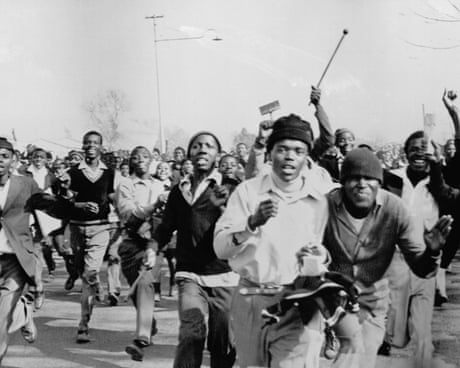
‘Then the firing started’: the Soweto uprising remembered 50 years on

16 June 1976 is not just another chapter in the history books, nor is its aftermath and legacy, say those who took part and their families

The day of 16 June 1976 began peacefully in Soweto. Student leaders at high schools across the sprawling Johannesburg township, to which the apartheid regime had exiled hundreds of thousands of black South Africans, took charge of the morning assemblies. They led their fellow students into the streets and began to march toward Orlando stadium.

The students were protesting against the government’s imposition of Afrikaans as a medium of instruction. Their teachers barely spoke the white minority language and the students did not want to learn the oppressor’s language. They were tired of the intentionally substandard Bantu education, tired of being second-class citizens.

Continue reading...

© Photograph: Bettmann/Bettmann Archive

© Photograph: Bettmann/Bettmann Archive

© Photograph: Bettmann/Bettmann Archive

  •  

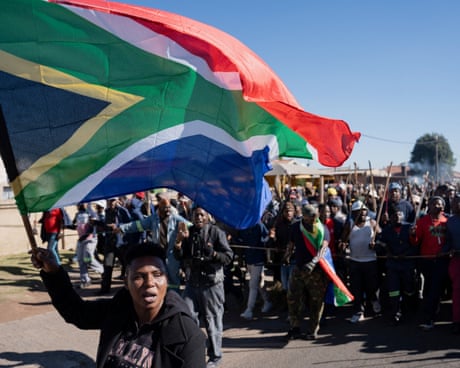
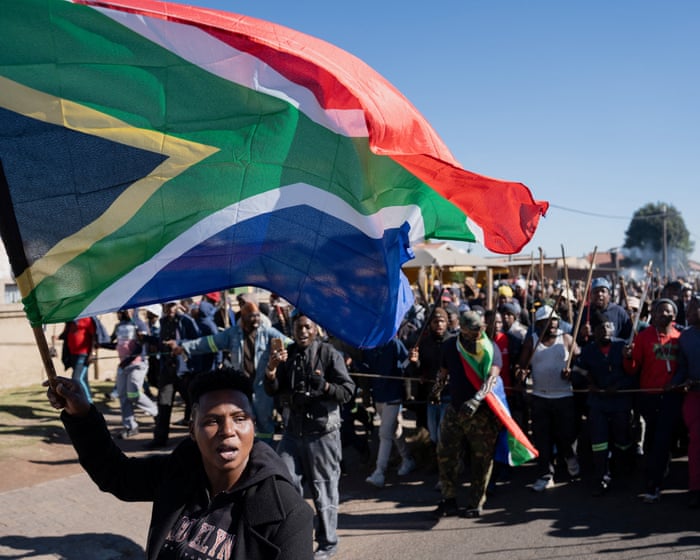
‘Extreme fear’ among immigrants as backlash sweeps South Africa

African migrants say legal status offers little protection as rallies against illegal immigration gain momentum

African migrants in South Africa say they are living in fear after a series of marches calling for illegal immigrants to leave reignited long-held xenophobic sentiment in the country.

March & March, a campaign group at the forefront of recent protests, has given people living illegally in the country until 30 June to leave, without specifying what will happen to those who do not.

Continue reading...

© Photograph: Ihsaan Haffejee/Reuters

© Photograph: Ihsaan Haffejee/Reuters

© Photograph: Ihsaan Haffejee/Reuters

  •  
❌