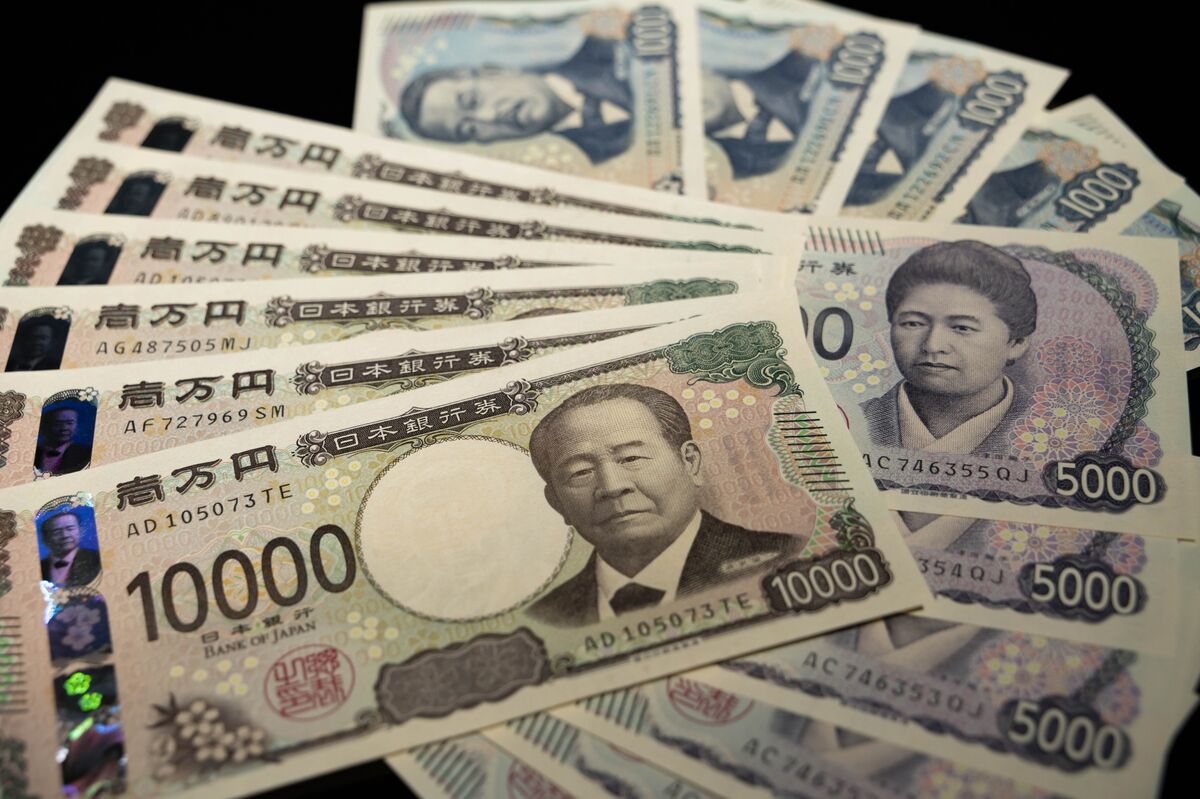
Even as Japan seeks to put the brakes on the yen’s slide to a 40-year low, the weak currency could land the country’s carmakers a $5.8 billion profit windfall this year.
Japan’s May crude oil imports are expected to rebound to around 1.7 million barrels a day, roughly three-quarters of the level a year earlier, as refiners step up alternative procurement while the Strait of Hormuz remains largely closed.
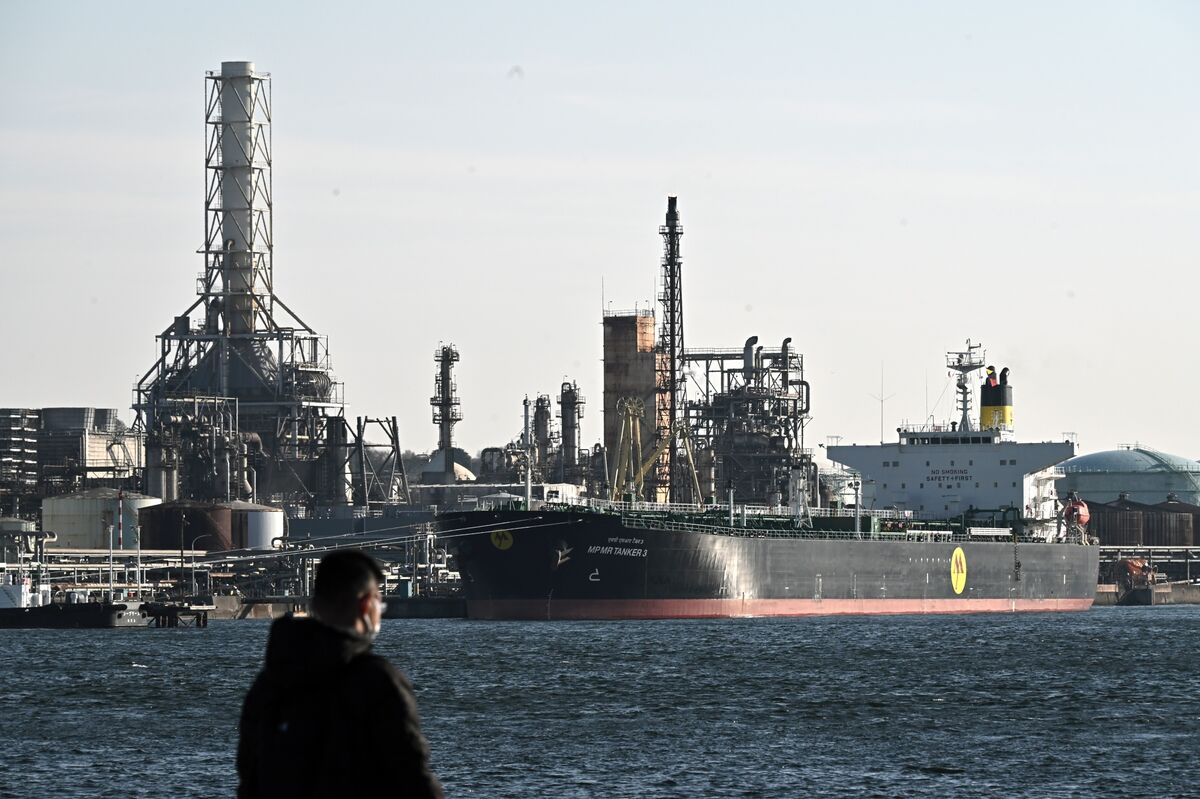
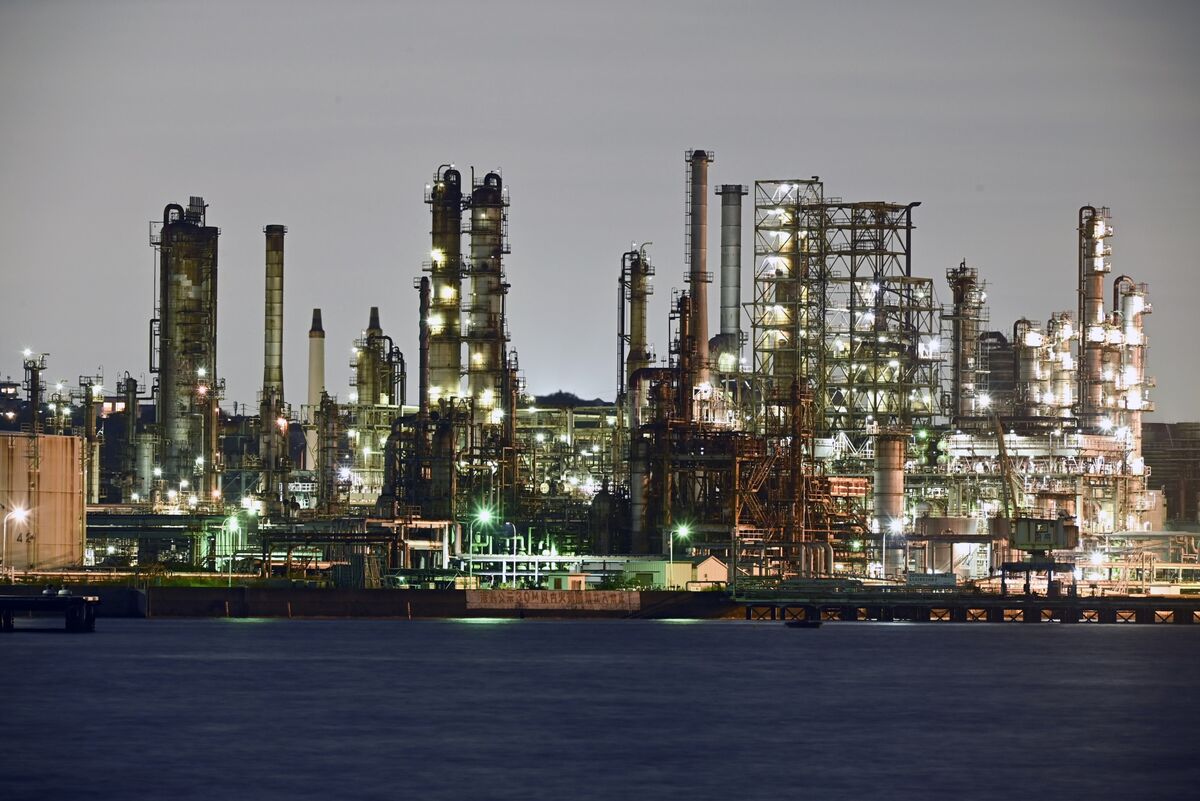
An oil tanker docked at an oil refinery in Yokohama, Japan. Photographer: Soichiro Koriyama/Bloomberg
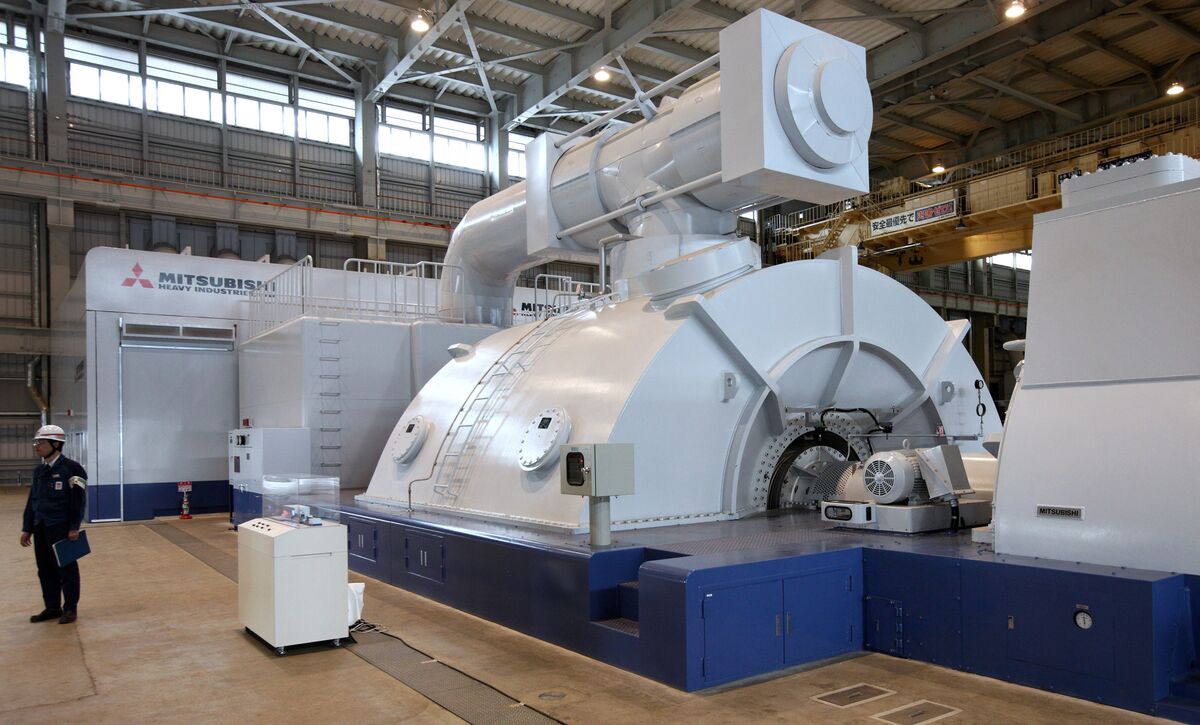
Global orders for gas turbines will “decline slightly” this year from 2025, but remain strong due to the build-out of data centers, according to Mitsubishi Heavy Industries Ltd., a major manufacturer of the equipment used in power plants.
A gas turbine manufactured by Mitsubishi Heavy Industries
Supply chain disruptions stemming from the conflict in Iran are beginning to create chokepoints across Japan’s auto industry, including the network of companies surrounding Toyota Motor Corp.
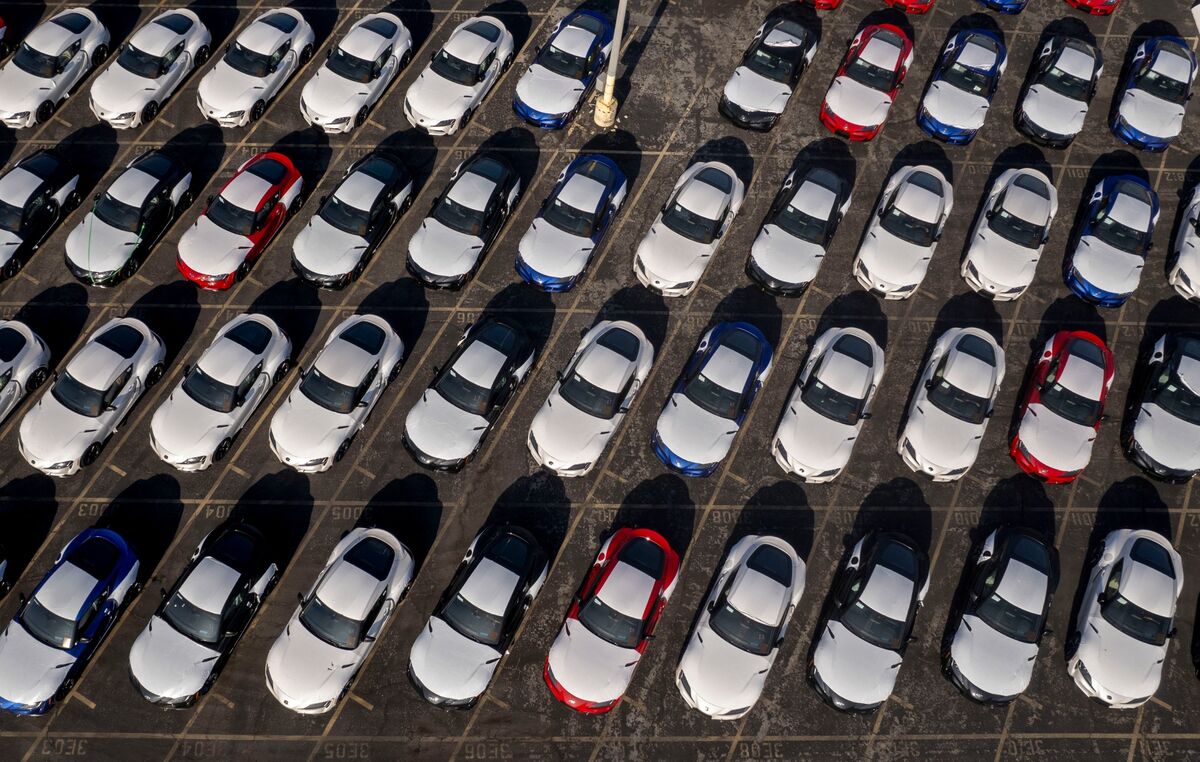
New Toyota vehicles at an automotive processing terminal at the Port of Long Beach in Long Beach, California, US, on Thursday, Feb. 20, 2025. The busiest trade hub in the US moved more containers last month than in any previous January, as importers rushed to bring in goods before widely anticipated tariff hikes from President Donald Trump. Photographer: Kyle Grillot/Bloomberg
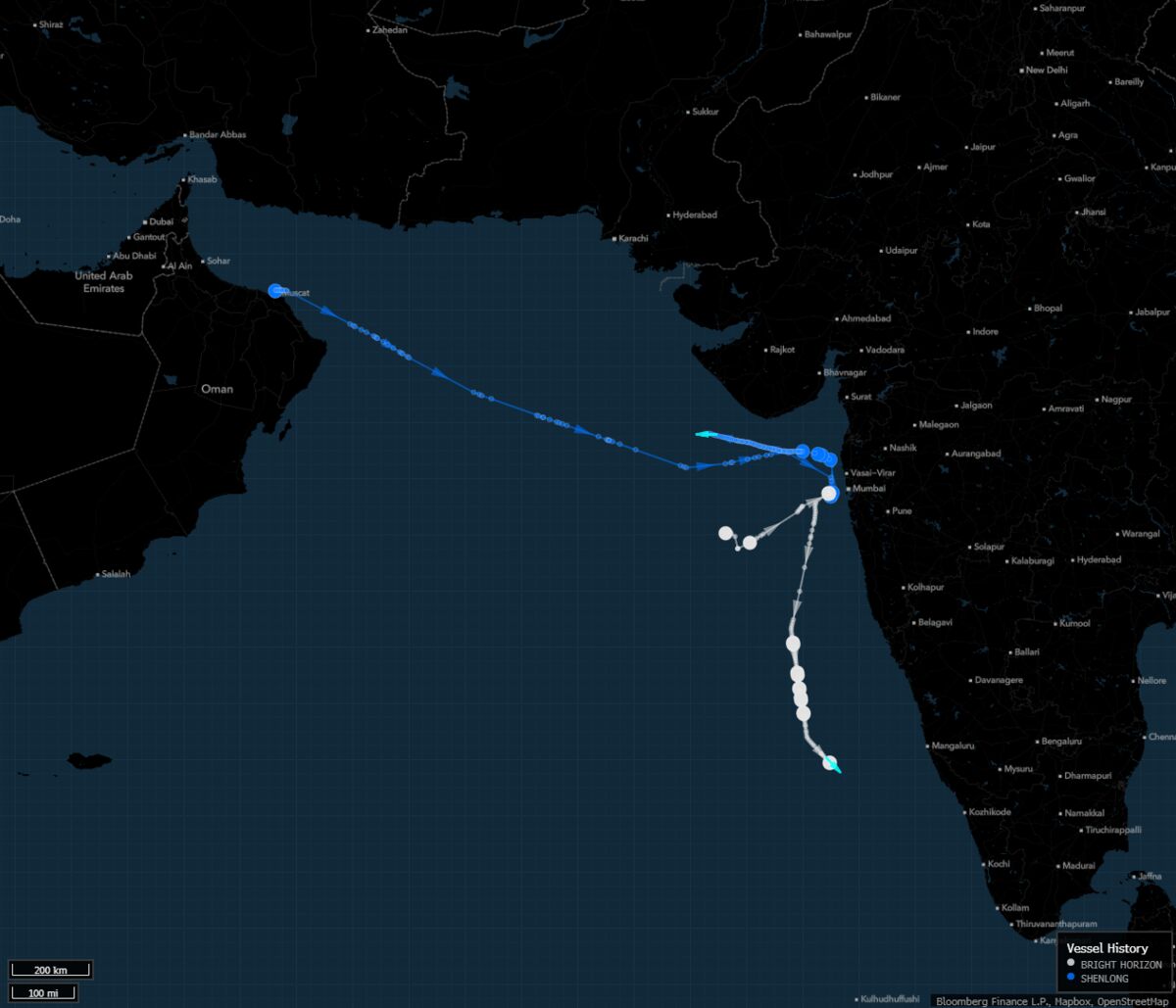
A partially filled supertanker heading to Japan after receiving its Middle Eastern oil cargo via a ship transfer at sea highlights the desperate measures the nation’s refiners are taking to secure supply quickly.
The Bright Horizon (in white), is now sailing toward Japan after receiving its cargo at sea off Mumbai from Shenlong (blue) this week.
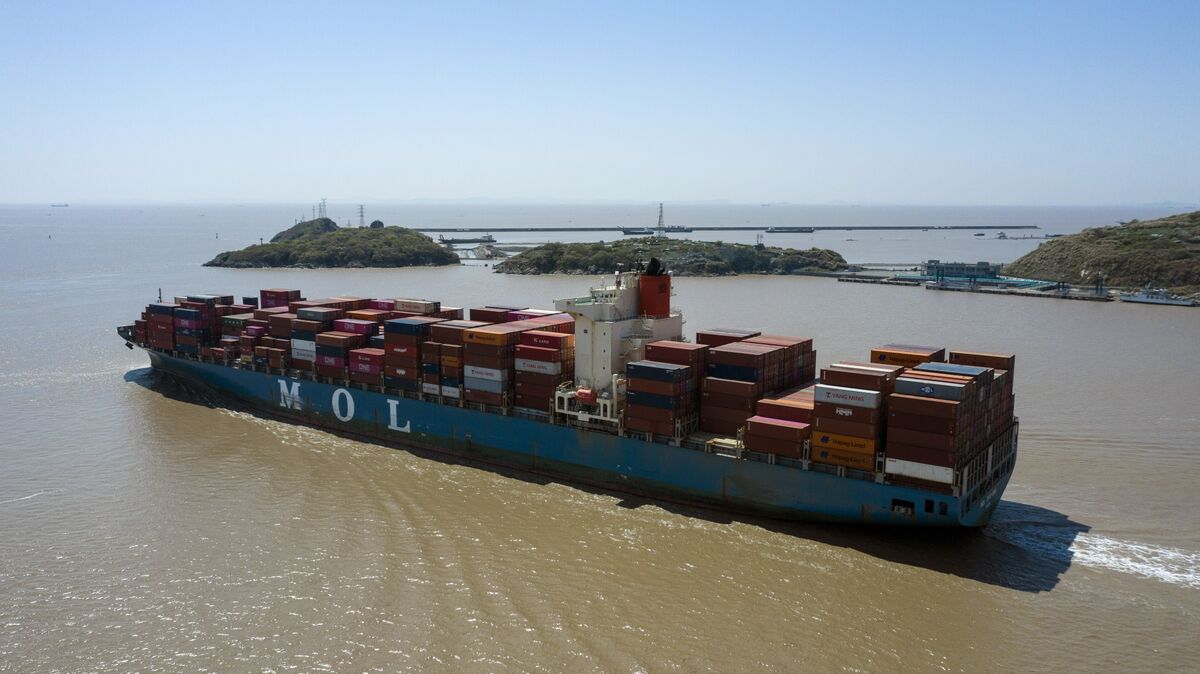
Japan’s Mitsui OSK Lines Ltd., one of the world’s largest shipping companies, said it would need to scrutinize details of a US-Iran ceasefire agreement and its implementation before allowing its vessels to test the Strait of Hormuz.
The Mitsui O.S.K. Lines Ltd. (MOL) Charisma container ship sails near the Yangshan Deepwater Port in Shanghai, China, on Friday, April 9, 2021. China is scheduled to release trade figures on April 13. Photographer: Qilai Shen/Bloomberg
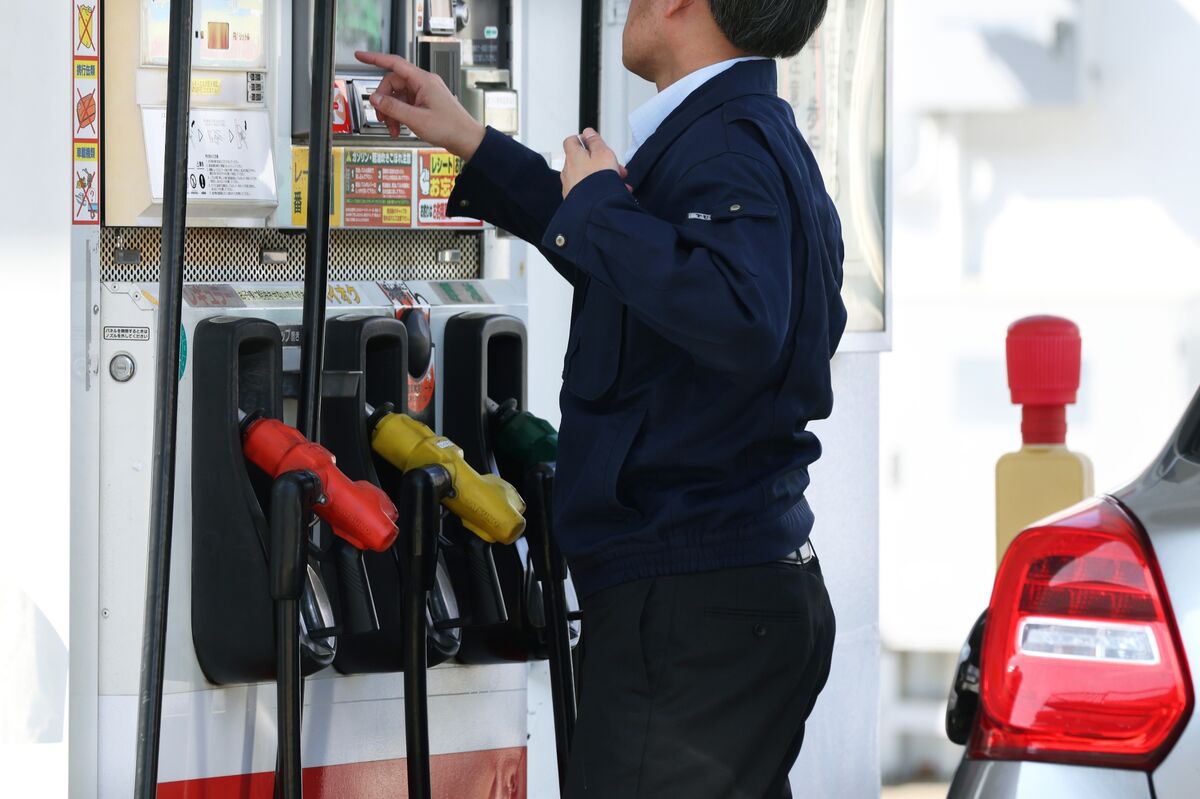
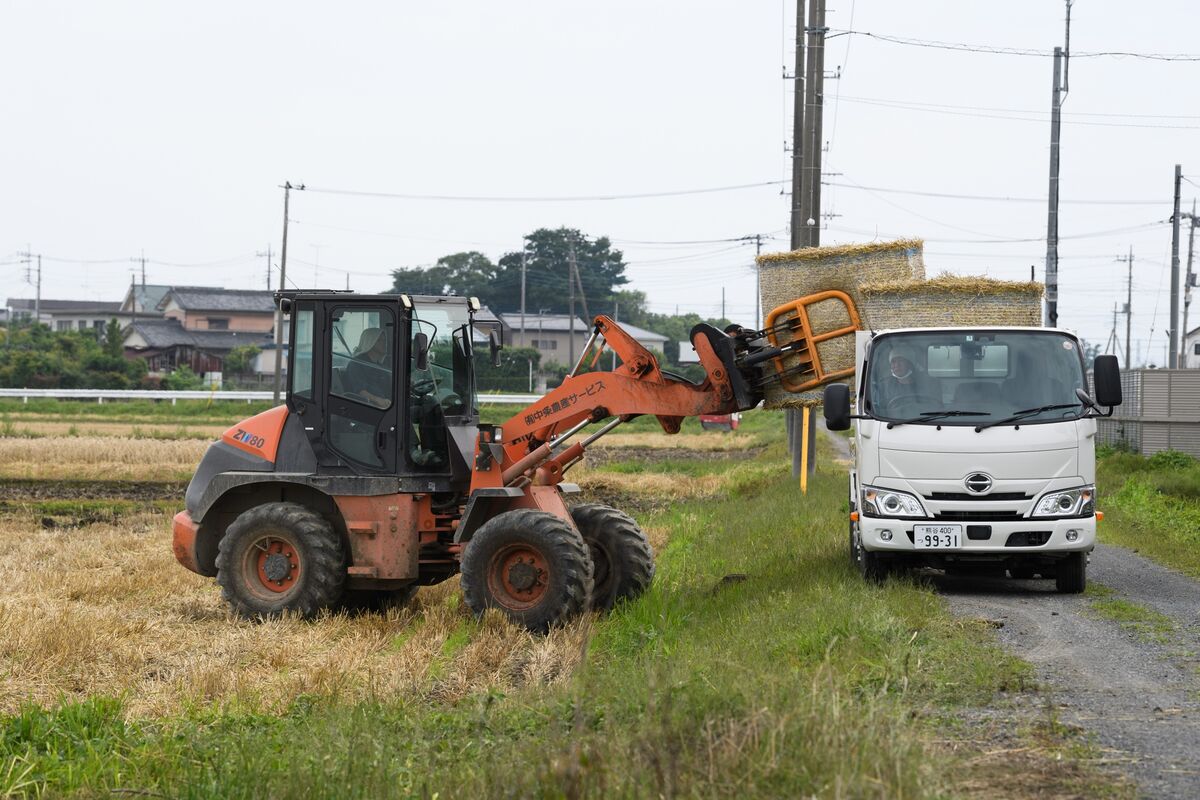
Japan’s cities and villages are starting to experience fuel shortages affecting everything from public transport to farming, as disruptions from the Iran war seep deeper into daily life.
Japan will sell oil from its national reserves at prices based on levels before the start of the Middle East war, according to the country’s trade minister.
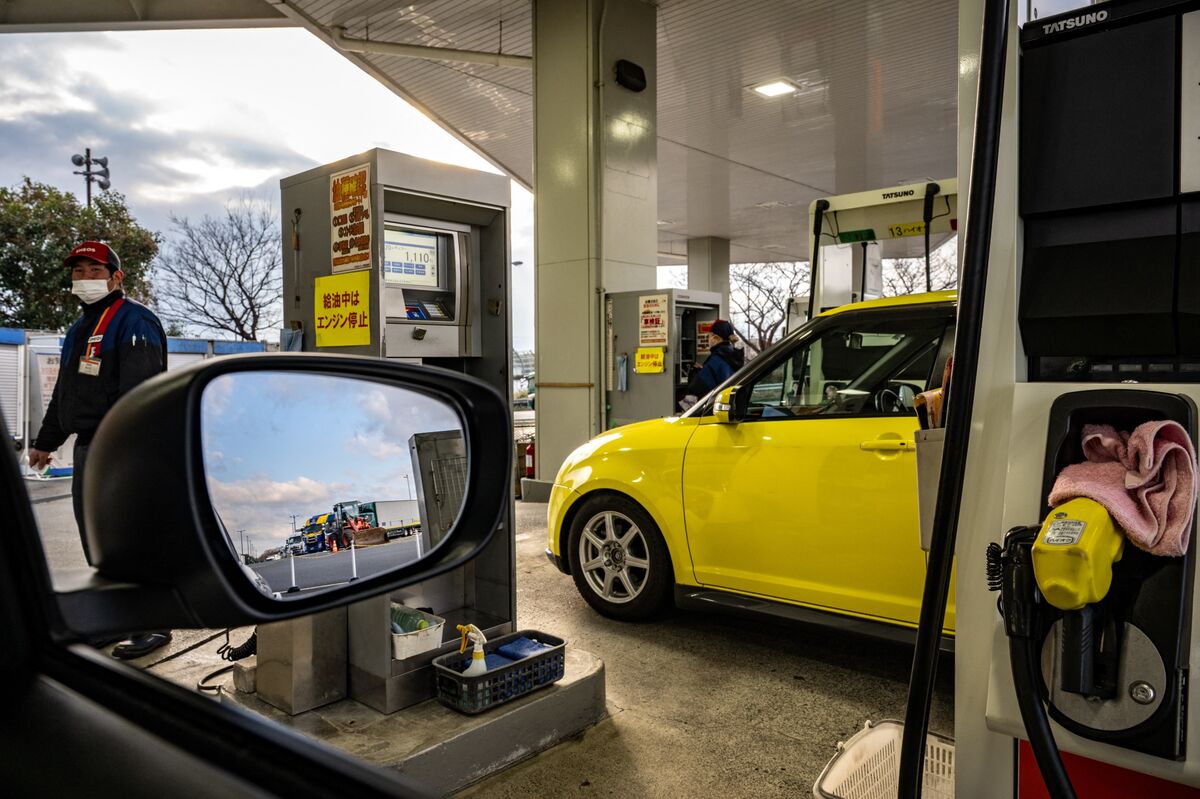
A gas station in Ebina, Kanagawa Prefecture, Japan. Photographer: Philip Fong/Getty Images
Japanese oil refiners are asking the government to release crude from the nation’s strategic petroleum reserves as the Middle East crisis worsens, according to people familiar with the matter.
A sense of panic is spreading among Asian oil and fuel buyers as the war in the Middle East chokes access to everything from crude to refined fuels and feedstock used to produce petrochemicals.
Japanese shipping companies have suspended operations in the Persian Gulf as the military conflict in Iran escalates.
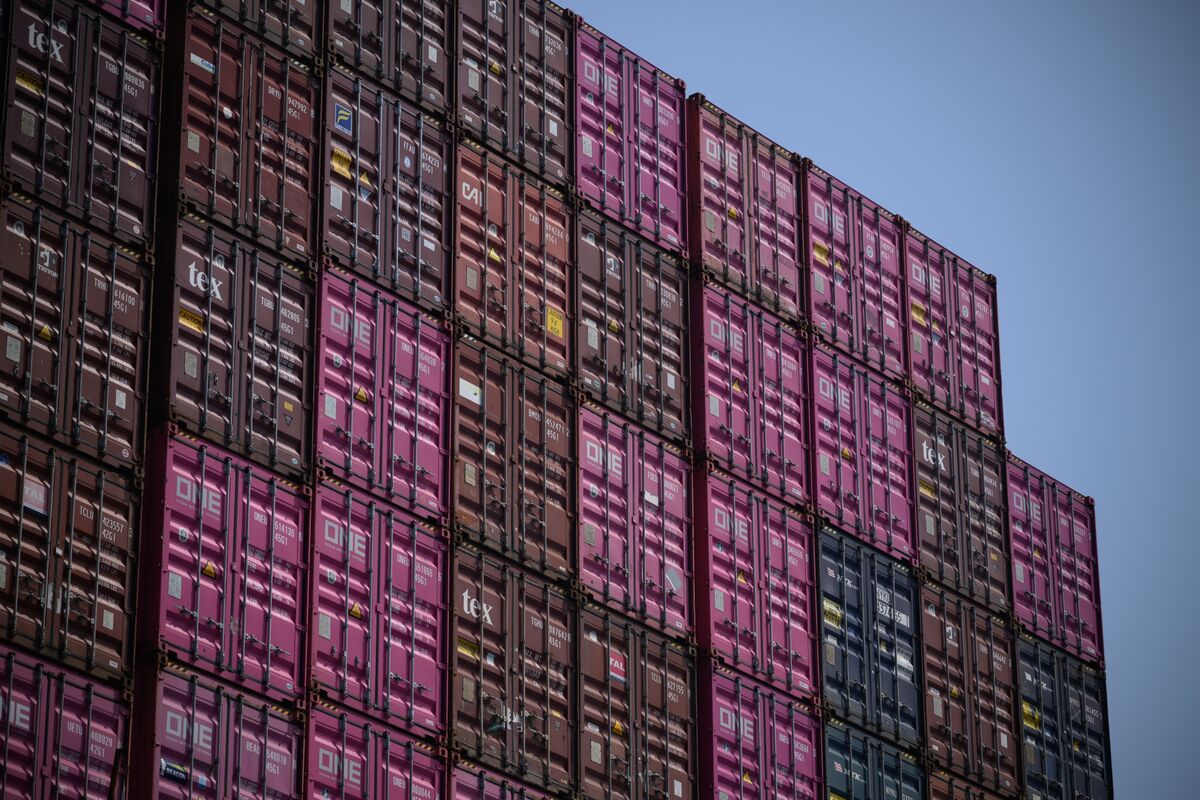
Shipping containers at the Oi Container Terminal in Tokyo, Japan, on Tuesday, July 8, 2025. Japan’s exports fell for a second month as US President Donald Trump’s tariff campaign continued to weigh on trade, further raising the risk of a technical recession for the nation’s sputtering economy. Photographer: Akio Kon/Bloomberg
Nippon Steel Corp. dropped after the Japanese company was reported to be considering selling as much as 500 billion yen ($3.2 billion) of convertible bonds.
Eneos Holdings Inc. plans to expand its team to handle more oil-derivative trading at its overseas offices including Singapore, as Japan’s largest refiner looks to increase its presence at major trading hubs.
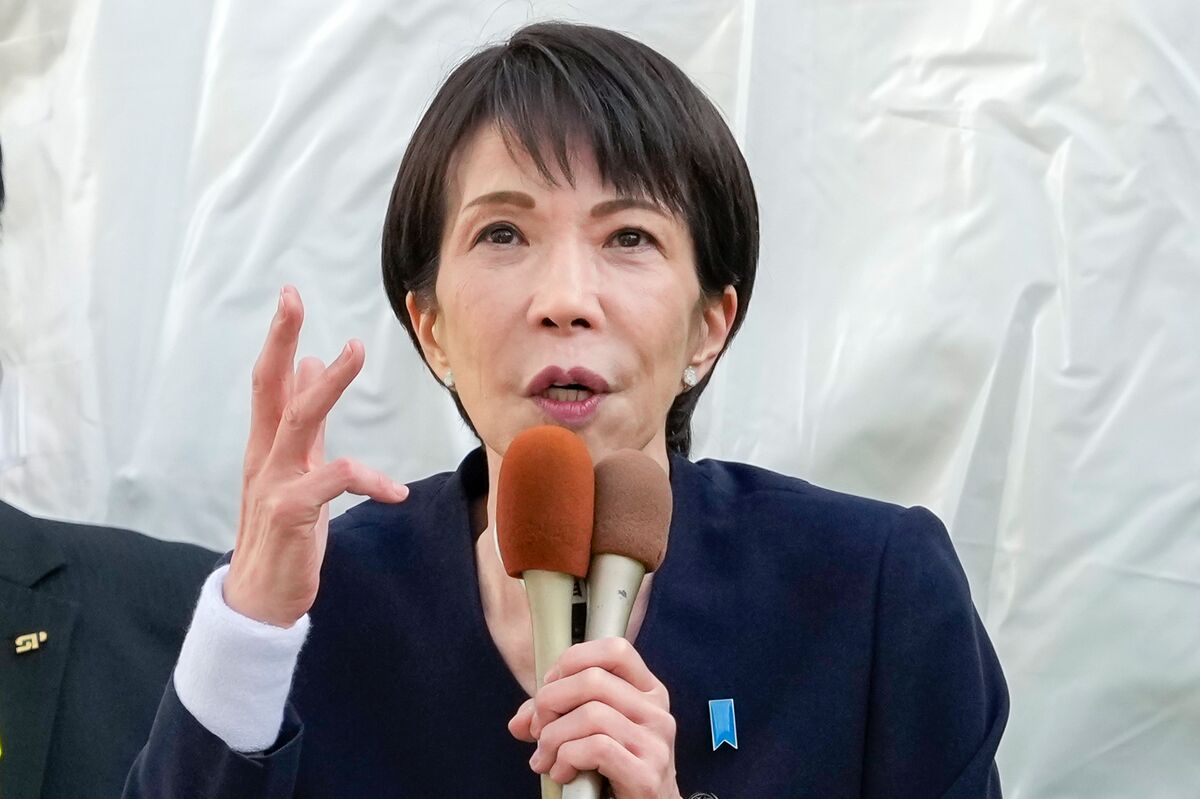
Japanese Prime Minister Sanae Takaichi sought to clarify her comments about the weak yen, emphasizing that she only intended to argue for a need to create an economy that can withstand currency fluctuations.
Japanese Prime Minister Sanae Takaichi sought to clarify her comments about the weak yen, emphasizing that she only intended to argue for a need to create an economy that can withstand currency fluctuations.

 Anmelden