❌

Lese-Ansicht

Humans made fire 350,000 years earlier than previously thought, discovery in Suffolk suggests

Groundbreaking find makes compelling case that humans were lighting fires much earlier than originally believed

Humans mastered the art of creating fire 400,000 years ago, almost 350,000 years earlier than previously known, according to a groundbreaking discovery in a field in Suffolk.

It is known that humans used natural fire more than 1m years ago, but until now the earliest unambiguous example of humans lighting fires came from a site in northern France dating from 50,000 years ago.

Continue reading...

© Photograph: Aleksei Gorodenkov/Alamy

© Photograph: Aleksei Gorodenkov/Alamy

© Photograph: Aleksei Gorodenkov/Alamy

  •  

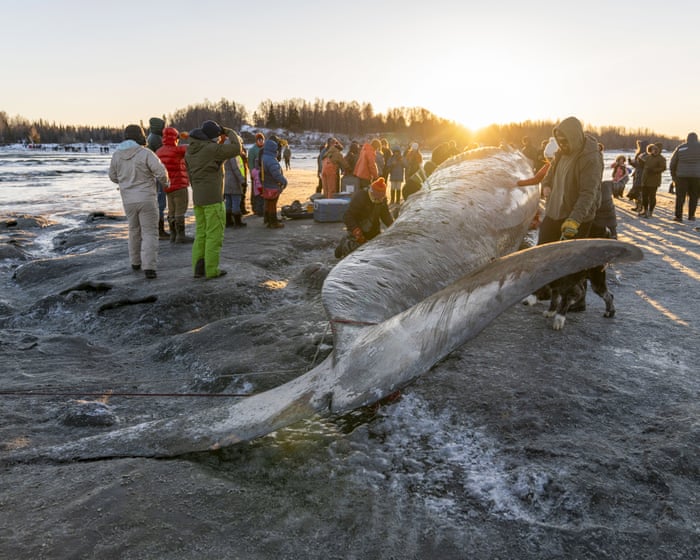
A dead whale shows up on your beach. What do you do with the 40-ton carcass?

A fin whale washed ashore in Anchorage and was left there for months. Then a self-described ‘wacko’ museum director made a plan

When a whale dies, its body descends to the bottom of the deep sea in a transformative phenomenon called a whale fall. A whale’s death jump-starts an explosion of life, enough to feed and sustain a deep-ocean ecosystem for decades.

There are a lot of ways whales can die. Migrating whales lose their way and, unable to find their way back from unfamiliar waters, are stranded. They can starve when prey disappears or fall to predators such as orcas. They become bycatch, tangled in fishing lines and nets. Mass whale deaths have been linked to marine heatwaves and the toxic algae blooms that follow.

Continue reading...

© Photograph: Hasan Akbas/Anadolu via Getty Images

© Photograph: Hasan Akbas/Anadolu via Getty Images

© Photograph: Hasan Akbas/Anadolu via Getty Images

  •  
❌