❌

Lese-Ansicht

Christina Applegate’s multiple sclerosis misdiagnosis is not an isolated event. I should know | Shakira Hussein

Shakira Hussein’s concerns about her bipolar diagnosis were dismissed as common among ‘women like you’. Then she was found to have MS

In the five years since her diagnosis with multiple sclerosis, the Emmy award-winning actor Christina Applegate has become a prominent spokesperson for people living with the neurological disease. Both her memoir, published earlier this year, and the MS-themed podcast MeSsy that she co-hosts with fellow actor Jamie Lynn Sigler have significantly raised public awareness about multiple sclerosis and the broader topic of living with disability.

So Applegate’s recent revelation that her neurologist now believes that she does not have the disease after all came as a shock to me and to many other people living with multiple sclerosis. We understand why Applegate says that she does not regard her health update as good news. The undiagnosis is not a cure – she is just as sick as she ever was, but “back to square one” when it comes to explanations. Medical experts interviewed about Applegate’s case reassure us that most people being treated for multiple sclerosis can be confident in our diagnoses and advise those of us with concerns to consult our neurologists for reassessment.

Continue reading...

© Photograph: Matt Sayles/AP

© Photograph: Matt Sayles/AP

© Photograph: Matt Sayles/AP

  •  

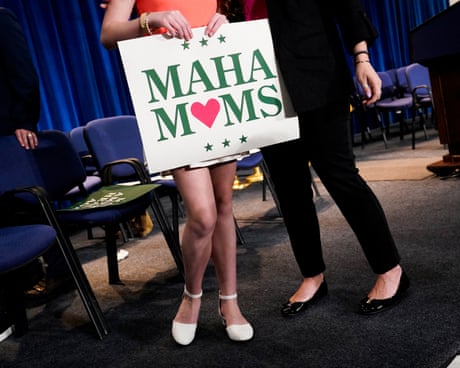
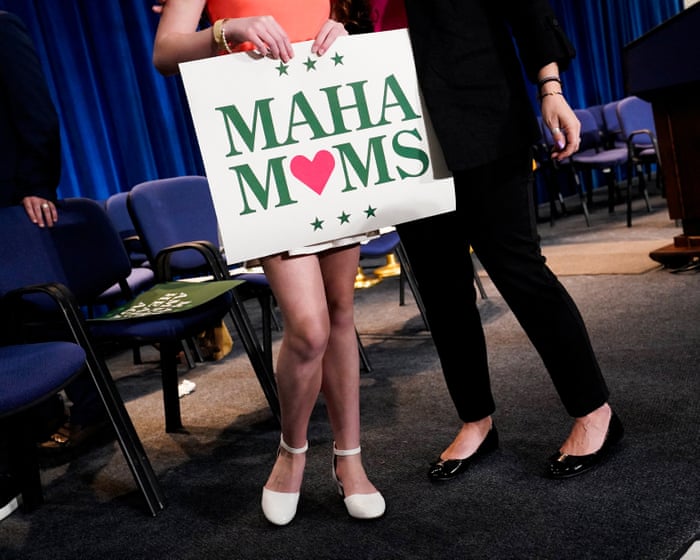
Can Democrats win Maha voters after Trump let them down?

The party is hoping they can integrate the public health message with grassroots concern, but leave behind conspiracy theories

Chellie Pingree remembers when she moved to Maine as a teenager in the 1970s – she was one “hippie” among thousands in the back-to-the-land movement, when baby boomers fled to the sticks to revitalize small organic farms.

Today, she’s a Democratic US Representative for Maine, but still knee-deep in the organic movement. And she’s starting to see a lot of new faces – many pulled in by the Make America Healthy Again (Maha) movement, largely led by the Trump administration’s health secretary, Robert F Kennedy Jr.

Continue reading...

© Photograph: Elizabeth Frantz/Reuters

© Photograph: Elizabeth Frantz/Reuters

© Photograph: Elizabeth Frantz/Reuters

  •  

‘Never big enough’: inside the booming penis enlargement industry

In a revealing documentary, a looksmaxxing-influenced world where ‘your social capital is tied to your appearance’ has led to more men wanting more

Man’s obsession with his member is a tale as old as time, writ large in sky-scraping edifices, in allusions that flatter (big dick energy) or offend (prick), in the countless artifacts across the ages that venerate male potency – a porn star’s description of Donald Trump’s “toadstool” penis. But it’s the booming intimate wellness industry – AKA the rash (ahem) of fillers, therapies and cosmetic procedures that have come into vogue since the little blue pill rocked the market – that most intrigued Daniel Lombroso, the esteemed documentarian who made his name at the Atlantic and the New Yorker dissecting male fragility.

“A lot of the stories I worked on at those places were kind of fringy subculture and oftentimes adjacent to white nationalism,” says Lombroso, who became aware of the rising demand for penile enhancement procedures while reporting on plastic surgery trends at the New Yorker. “I started calling all these practitioners. But to make an embedded film the way I do, you need someone who’s very open.”

Continue reading...

© Photograph: World of Wonder

© Photograph: World of Wonder

© Photograph: World of Wonder

  •  

Democratic lawmakers demand ICE data on detainee miscarriages

Demand comes after Guardian investigation found ICE failed to record data on miscarriages suffered by immigrants in its custody between October 2025 and June 2026

US lawmakers are urgently demanding that Immigration and Customs Enforcement (ICE) disclose how many pregnant immigrants have experienced miscarriages, stillbirths and pregnancy-related hospitalizations while in the its custody, after the agency admitted it lost count last year.

US representatives sent the request following a recent Guardian investigation revealing that the Trump administration is detaining a record number of pregnant women and teens, and at the same has lost track of how many suffered miscarriages.

Continue reading...

© Composite: Getty Images

© Composite: Getty Images

© Composite: Getty Images

  •  

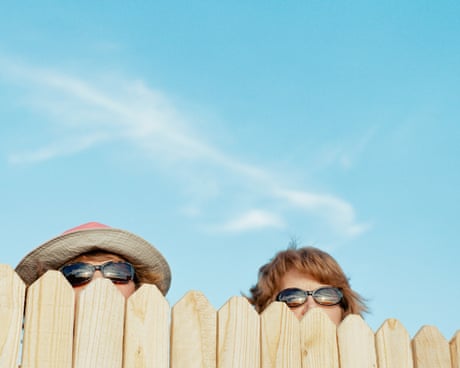
How do you bounce back from Liz Truss-level public failure? Don’t be shameless; do show remorse | Gaby Hinsliff

From surgeons to senior civil servants, even the most decent people can make disastrous mistakes. But these gaffes require honesty

Gabriel Weston made a mistake at work this summer. It doesn’t define her – she was and is a well-regarded NHS surgeon and author – but it was serious enough, as she explained in an extraordinarily candid series of Instagram and Substack posts this month, to prompt an investigation that left her feeling “ashamed and alone and really quite nervous”. Whatever went wrong in the operating theatre was bad enough to be classed a “never event” (something that should never be able to happen if the process is working properly) and triggered a nagging anxiety that she might somehow do it again, unless she figured out where she had unexpectedly gone wrong.

It’s a fascinating insight into a process that most people never have the courage to talk about openly. But it also highlights why it’s so hard in practice for doctors and other professionals to acknowledge and learn from mistakes – as every public inquiry into every public scandal ends up recommending, only to repeat it all over again after the next one – rather than close ranks and cover up. Weston says she only spoke up out of frustration with what she saw as her employers’ failure to support her (she had asked to reduce what she considered an overloaded operating list to take some pressure off, which she says has now happened, leaving her full of praise for the hospital’s ultimate response). Judging by the responses to her posts, she’s not alone.

Gaby Hinsliff is a Guardian columnist

In the UK and Ireland, Samaritans can be contacted on freephone 116 123. In the US, you can call or text the 988 Suicide & Crisis Lifeline at 988 or chat at 988lifeline.org. In Australia, the crisis support service Lifeline is 13 11 14. Other international helplines can be found at befrienders.org

Continue reading...

© Photograph: José Luis Magaña/AP
© Photograph: José Luis Magaña/AP

© Photograph: José Luis Magaña/AP
  •  

Everyone is thin and we’re not allowed to say so: the toxic legacy of body positivity

In the late 2010s, a movement argued that no one body type is superior than another. Now in the GLP-1 age, people are still pursuing thinness - and just not talking about it

Vogue World Milano was held beneath the vaulted glass domes of Italy’s oldest shopping arcade, featuring Gigi Hadid in archival Valentino couture and robots dancing on the catwalk while Miuccia Prada scowled at them. A splashy event staged in the midst of a month of fashion shows in New York, London, Milan and Paris, in which 97.5% of models were a US size four or under, what ticked people off most was the presence of trillion-dollar pharma company Eli Lilly on the list of sponsors.

Eating disorder advocates spoke out against the association between an aspirational fashion show and the manufacturer of the weight-loss drugs Zepbound and Mounjaro.

Continue reading...

© Photograph: Bloomberg/Getty Images

© Photograph: Bloomberg/Getty Images

© Photograph: Bloomberg/Getty Images

  •  

Democrats and Republicans Share Dueling Health Care Messages in Final Midterms Push

After concentrating on the high price of gas and groceries, Democrats are using health costs to make their case about an “affordability crisis.”

© Jenn Ackerman for The New York Times

“People are really, really hanging on by a thread here,” said Rebecca Cooke, a Democratic congressional candidate in Wisconsin who has made health care costs a central issue of her campaign.
  •  

Manosphere and online misogyny should be treated as public health issues, say UK experts

Report calls for an effort to tackle harms in similar way to obesity and smoking, and stresses need to ‘offer boys something better’

The manosphere and online misogyny should be treated by the government as a public health issue, in the same way as obesity or smoking, experts have said.

Writing in the Lancet, the authors of a new report argue that a coordinated response is needed, involving governments, schools, health services and community organisations, similar to the public-health response to tobacco use and ultra-processed food.

Continue reading...

© Photograph: miniseries/Getty Images

© Photograph: miniseries/Getty Images

© Photograph: miniseries/Getty Images

  •  

Neighbour of new Montenegro embassy in London sues council over impact on mental health

Exclusive: Case in Pimlico is latest instance of tensions between residents and small countries seeking a space in the capital

It is not a classic neighbour-from-hell dispute, what with the protagonist inviting everyone over for evening drinks and canapés. But the sudden conversion of a five-bedroom family home in Pimlico, central London, into the embassy of Montenegro has triggered a neighbourhood row that has gone all the way to the desk of a high court judge.

The first stirrings of trouble came when one resident argued in a submission to the council this spring that the new embassy’s “flagpole and rather tacky-looking flag stick out like a sore thumb” among Cambridge Street’s Grade II-listed homes.

Continue reading...

© Photograph: Linda Nylind/The Guardian

© Photograph: Linda Nylind/The Guardian

© Photograph: Linda Nylind/The Guardian

  •  

‘Ferritin face’: are social media claims about iron deficiency fact – or fiction?

Experts say symptoms such as dark circles under the eyes, grey skin, cracked lips and hair loss can be a warning sign – but there are other factors too

TikTok is rife with influencers warning of “ferritin face”, a term they use to describe the pallor, dark circles, dry skin, and hair loss claimed to indicate low iron stores. But is this based on fact or fiction, and when is it time to head to the GP?

Continue reading...

© Photograph: AegeanBlue/Getty Images

© Photograph: AegeanBlue/Getty Images

© Photograph: AegeanBlue/Getty Images

  •  

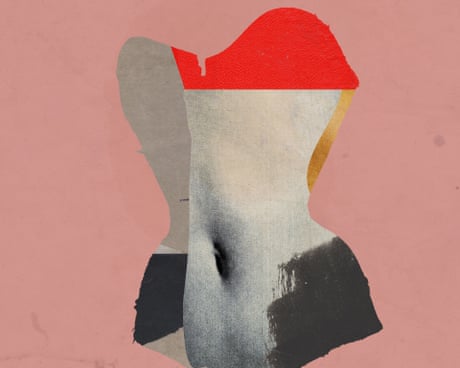
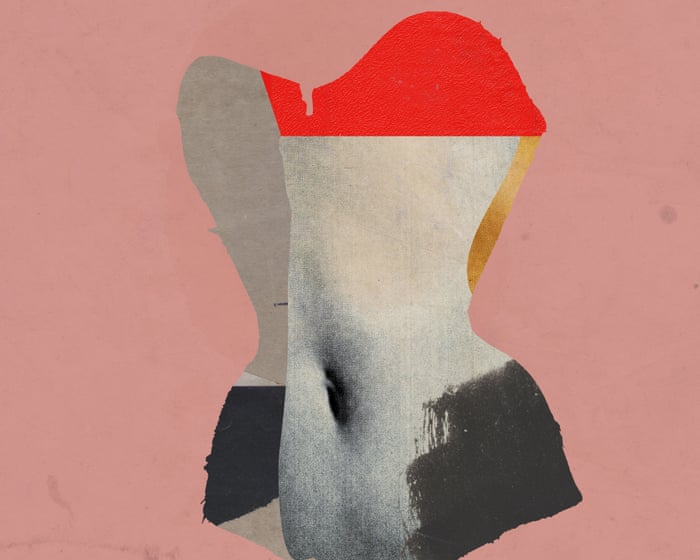
The shocking rise of rib remodelling: ‘I wanted that hourglass shape’

It involves the fracturing of a patient’s ribs, before they spend three months laced into a corset. Some of those who have had this cosmetic procedure say it is like being ‘hit by a bus’. Why is it becoming more popular?

Daniela Cesin was 14 when she began thinking about her looks. “I was a little bit chubby and I started to work out at home and lose weight. I saw the difference in my body: my abs, the muscles in my arms, and I started liking it,” she says. By 31, she had the slim, toned body she had hoped for, but something was still missing. “I wanted to have that guitar hourglass shape.”

In August, Cesin travelled from Miami, where she has lived for the past 15 years, to her native Venezuela for liposuction and a fat transfer to her hips. She met her cosmetic surgeon for the first time the day before the procedure, and he realised she didn’t have enough fat to go ahead with it. Instead, he offered to perform RibXcar: a rib remodelling surgery that would involve fracturing three of her lower ribs on each side and binding them in a corset for three months, to set the ribs in a new position and give her a wasplike waist.

Continue reading...

© Illustration: Michelle Thompson/The Guardian

© Illustration: Michelle Thompson/The Guardian

© Illustration: Michelle Thompson/The Guardian

  •  

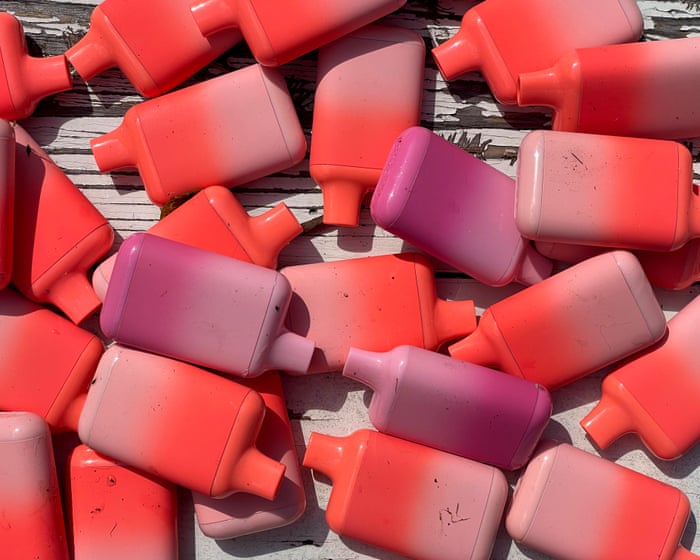
AI bots flooded 2023 UK government consultation on disposable vapes ban

Three-quarters of all responses were machine-generated in failed attempt to stop bill from passing into law, research finds

AI bots flooded a government consultation with tens of thousands of fake responses in a failed attempt to stop the UK’s ban on disposable vapes.

Three-quarters of all the responses to the 2023 consultation on the tobacco and vapes bill were machine-generated, in what is thought to be the first coordinated attempt to use AI to derail health policymaking in the UK.

Continue reading...

© Photograph: Tim Parker/Getty Images

© Photograph: Tim Parker/Getty Images

© Photograph: Tim Parker/Getty Images

  •  

Are seed oils unhealthy? Why are so many influencers speaking out against them? | Gideon Meyerowitz-Katz

Randomised trials of omega-6s do not show an increase in inflammation caused by the fatty acid

If you’ve been online lately, you’ve probably been bombarded with the discourse about seed oils. Once a completely innocuous food that no one really talked about, they have become the enemy of the moment. Robert F Kennedy Jr, the secretary of health and human services in the US, has called them “toxic” and vowed to act against them. There are countless activewear-clad influencers online saying that nothing harms your health more than these products.

Which is odd, because the Australian dietary guidelines say seed oils are basically fine. You should limit them because they’re high in calories but otherwise there’s no major reason – according to the guidelines and most experts – why you should avoid them. As Prof Lauren Ball, director of the University of Queensland’s Centre for Community Health and Wellbeing, says: “There’s no convincing evidence that eating seed oils like canola or sunflower oil in normal dietary amounts harms our health. In fact, these oils contain unsaturated fats, which are generally beneficial for cardiovascular health.” Dr Jason Wu, a professor at the University of New South Wales, agrees: “The evidence base consistently points to health benefits of eating seed oils.”

Continue reading...

© Composite: Guardian Design/Getty Images

© Composite: Guardian Design/Getty Images

© Composite: Guardian Design/Getty Images

  •  

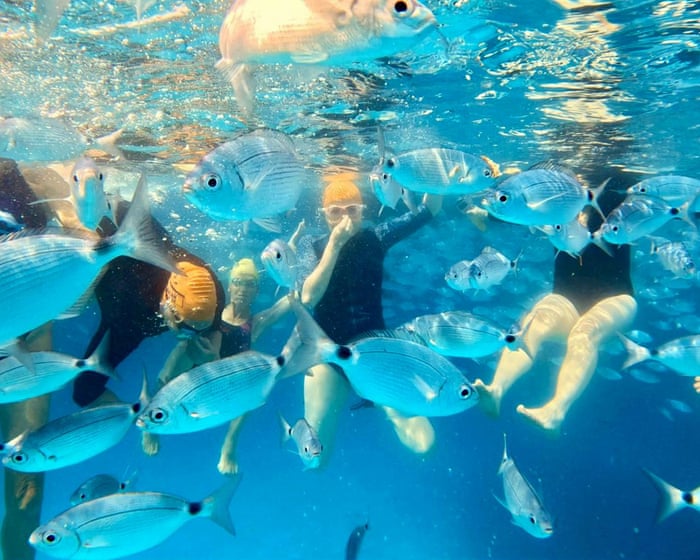
I struggled to come to terms with my mum’s death. Then I swam in the sea and suddenly felt connected to her

My mother was a keen swimmer, and she lived with depression. I wonder if she found the same respite in the water that has helped heal me since she passed away

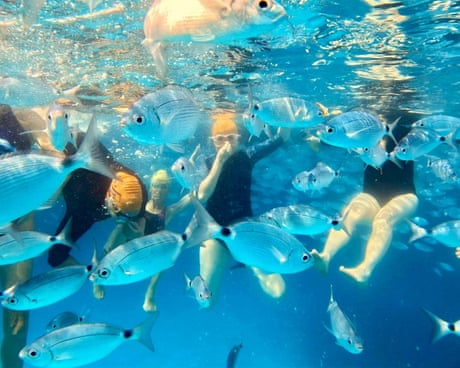
It was early morning in late September, off the coast of Kaş in Turkey. Watching the slightly choppy sea from a boat, the last thing I felt like doing was embarking on another 5km (3-mile) swim. Mind fog had sapped my energy, and my mood was decidedly Eeyore-like. But as I pulled on my cap and flippers, adjusted my goggles and took the plunge, something shifted.

Head in the water, the knotted feeling in my throat began to loosen. Breathing came properly. There was respite.

Continue reading...

© Photograph: Lauren Elder

© Photograph: Lauren Elder

© Photograph: Lauren Elder

  •  

Sin or virtue? How envy can actually be helpful

In her new book, Envy, Stacy Kim explains how to understand the feeling, identify your deeper desires and use them to achieve your goals

In the 16th-century poem The Faerie Queene, envy is a ghoulish figure riding a ravenous wolf, sad to see the fortune of others and “wonderous glad” of their hardship. It’s not a flattering depiction; better to be thankful for what we have, rather than dwell on such a bitter and self-destructive feeling, right?

Maybe not. “I think that when we don’t examine our envy, that’s when it leads us astray,” says Dr Stacy Kim, social scientist, life coach and author of the new book Envy: Why Wanting What They Have is the Key to Getting What You Want. Kim wrote the book after seeing the way envy came up for her coaching clients and reflecting on the role it had in her own life. The book is informed by social science and philosophy research, as well as her personal and professional experiences.

Similar target: “You remind yourself: ‘Hey, the reason why I’m feeling this envy is because what I want is within my reach,’” she says.

Intangible desire, as mentioned above

Relevant comparison: Identify which specific domain – something you care about or already participate in – is relevant to your desires

Negative emotion: How long does it last? How intense is the message it’s sending? This tells us how important the feeling is.

Envy by Stacy S. Kim is out now. To support the Guardian, order your copy of the UK edition at guardianbookshop.com. Delivery charges may apply.

Continue reading...

© Photograph: Shannon Fagan/Getty Images

© Photograph: Shannon Fagan/Getty Images

© Photograph: Shannon Fagan/Getty Images

  •  

The pet I’ll never forget: Clement was hit by a car and left to die in a ditch – then found his beautiful purpose

Before being rescued, he had an extremely traumatic experience. You’d never know it though, from the joy his patience and sunny nature bring to those who most need him

In December 2024, my kerry blue terrier, Magnus, died suddenly from a stroke at the age of nine. Devastated, I started looking at rescue dogs on Facebook and came across Clement, who was being looked after by a shelter in Romania. It wasn’t his appearance that caught my attention, but his heartbreaking story.

An eight-year-old mixed-breed rescue, Clement had spent most of his life with a woman living with Alzheimer’s. One day, she accidentally let him out. He was hit by a car, attacked by two large dogs and left in a ditch for three days in the snow before being rescued by chance. When I read this, I knew I had to take him in.

Continue reading...

© Photograph: Courtesy of Stephanie Israel

© Photograph: Courtesy of Stephanie Israel

© Photograph: Courtesy of Stephanie Israel

  •  

Is having urine the color of Mountain Dew normal?

A Trump administration doctor says neon yellow urine is normal because of diets consisting entirely of meat and fermented foods. Here’s what experts say

A doctor who advises several Trump cabinet members on their diets rhapsodized this summer about having urine the color of Mountain Dew, thanks to a diet consisting entirely of meat and fermented foods.

What you consume does determine what you see in the toilet. But should urine be neon yellow – or some other hue? Here’s what you need to know.

Continue reading...

© Photograph: Anna Efetova/Getty Images

© Photograph: Anna Efetova/Getty Images

© Photograph: Anna Efetova/Getty Images

  •  

The joy of veg-maxxing: how to eat many, many more plants – without really trying

A new report has found many crops are far less nutritious than they once were, so we need to eat more of them. Here is how to get your five portions of fruit and veg a day, easily and affordably – and potentially increase that to ten

When Eva Humphries first started working as a nutritionist, she met a client who had just found out he had high blood pressure and high cholesterol, and was on the verge of type 2 diabetes. He had no idea how to change his diet or lifestyle.

The man broke down and cried for 45 minutes, leaving Humphries with “no idea of what to do”, she says. In the final 15 minutes of the session, scrambling for a quick but helpful message, she finally said: “When you look at a plate of food, can you just make half of it veg for me?”

Continue reading...

© Photograph: Hannah Cauhépé/The Guardian

© Photograph: Hannah Cauhépé/The Guardian

© Photograph: Hannah Cauhépé/The Guardian

  •  

Ageing users and record deaths – the data behind Britain’s £9.8bn-a-year cocaine habit

Sewage samples and crime statistics paint a picture of established users taking more cocaine, more often

From pub toilets and private parties to football terraces and far-right marches, cocaine has become a familiar presence across modern Britain. Deaths linked to the drug have risen to record levels, while its supply supports a multibillion-pound criminal industry.

But who is using the drug, and how has the picture changed? The figures do not necessarily show millions of new users, but highlight an established market in which some people take more cocaine, more often – and face greater harm as they grow older.

Continue reading...

© Composite: Guardian Design/Getty Images

© Composite: Guardian Design/Getty Images

© Composite: Guardian Design/Getty Images

  •  

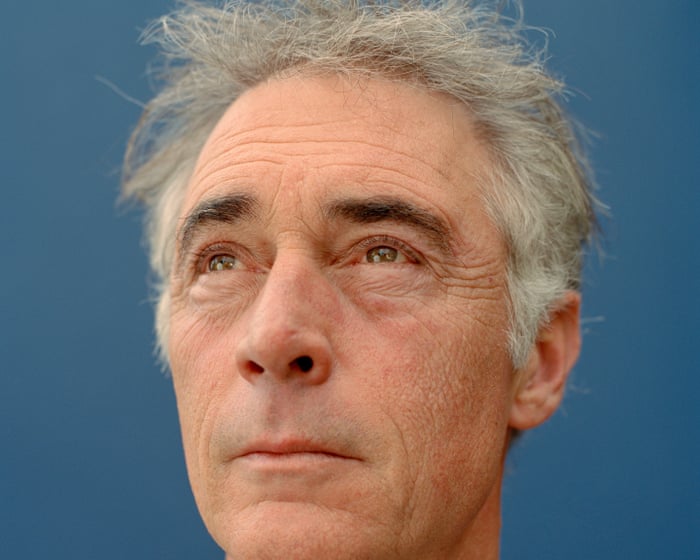
Greg Wise on how he and Emma Thompson coped with failed IVF: ‘We hit an existential crisis – she was not a proper woman and I was not a proper man’

Their hopes of having a second child were dashed. Two decades on, the actor remembers the grief and pain of that time

“I’m afraid this cycle has not been successful.” Emma and I cannot catch each other’s eye. We sit mute in our grief in the silence of the IVF doctor’s office. This is a kind of grief that is often not understood even to be grief at all. A grief about the loss of a potential child. An anticipatory grief – a grief for something that hasn’t yet appeared – a mourning for a possibility, of a longed-for future life to welcome, love and nurture. And there are no set grief rituals for this – for a child never present – no space in our society to mark, to grieve an actual physical death. It is a silent, achingly lonely, atomised grief. We had undergone many attempts in the years after the birth of our daughter Gaia. But that did not make this any easier.

Each cycle, each time we sat in that office, we had to ignore our grief and concentrate wholeheartedly and positively on our next attempt. We didn’t access any help over this time. We didn’t seek out counselling as a couple. I had no knowledge of how to process my grief – compounded month on month. Further cycles, more drugs, more fertility hormones, more ovarian hyperstimulation, injections, scans, blood tests came and went, all proving unsuccessful. I supported all wholeheartedly, but Emma was devastated by her inability to conceive again. In her mind, she had failed and could not forgive herself for that failure. And nothing I could say would change her point of view.

Continue reading...

© Photograph: Cian Oba-Smith/The Guardian

© Photograph: Cian Oba-Smith/The Guardian

© Photograph: Cian Oba-Smith/The Guardian

  •  
❌