❌

Lese-Ansicht

Vitamin patches have their grip on the wellness industry: but is the fad only skin deep? | Antiviral

Experts peel back the evidence to see whether any of the health claims about vitamin patches stick – or whether it’s the placebo effect at work

Feeling fatigued and listless? Searching for an energy boost? Want to improve your mood and motivation? The solution may be, according to a proliferation of online articles and wellness TikToks, not to seek medical advice but to whack on a vitamin patch.

Wearers purport to feel more focused or energised when adorned with the patches, some of which look like transparent squares, and others which are cuter and more colourful, resembling stickers or temporary tattoos.

Continue reading...

© Composite: Getty Images

© Composite: Getty Images

© Composite: Getty Images

  •  

Astronomers detect mysterious burst of energy from a galaxy far, far away

Intense flash of radio waves is more than 10bn years old and has travelled through ‘approximately 80% of cosmic history’

A long time ago in a galaxy far, far away, a mysterious flash of energy was released into the universe.

Astronomers have now detected that flash – a burst of radio waves which travelled for more than 10bn years before reaching Earth – what they believe to be the most distant fast radio burst (FRB) ever recorded.

Continue reading...

© Photograph: Brendon Wainwright/Wikipedia

© Photograph: Brendon Wainwright/Wikipedia

© Photograph: Brendon Wainwright/Wikipedia

  •  

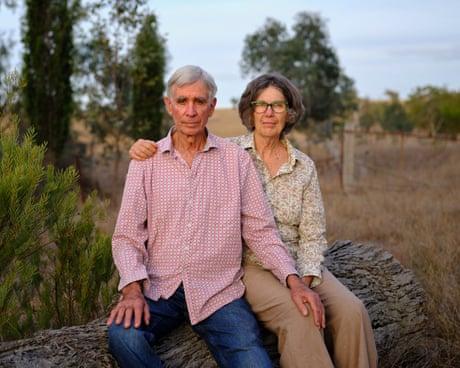
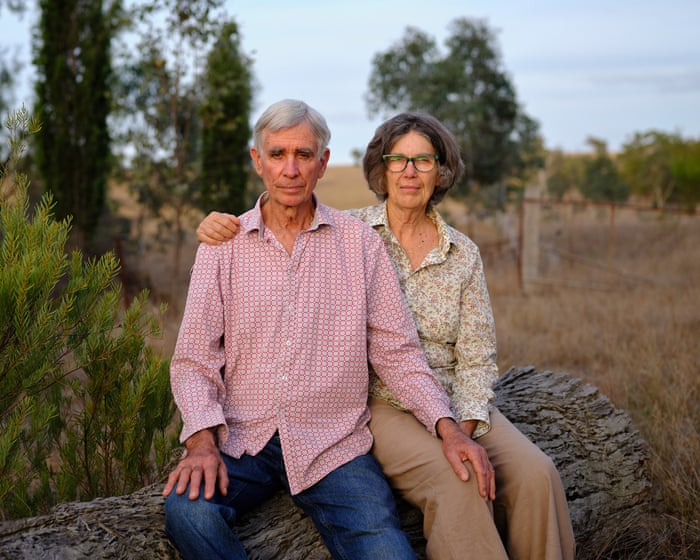
Hunter Valley community group wins landmark high court climate change case over Mount Pleasant coalmine

Ruling on Mount Pleasant coalmine shows ‘we cannot continue to dig up coal … and pretend the consequences have nothing to do with us’, group says

A Hunter Valley community group has won Australia’s first high court case to consider climate change, in a ruling advocates say sets a binding national precedent for fossil fuel projects in New South Wales.

In a landmark judgment, the nation’s highest court ruled that the approval of MACH Energy’s Mount Pleasant coalmine expansion in Muswellbrook was invalid.

Continue reading...

© Photograph: PR IMAGE

© Photograph: PR IMAGE

© Photograph: PR IMAGE

  •  

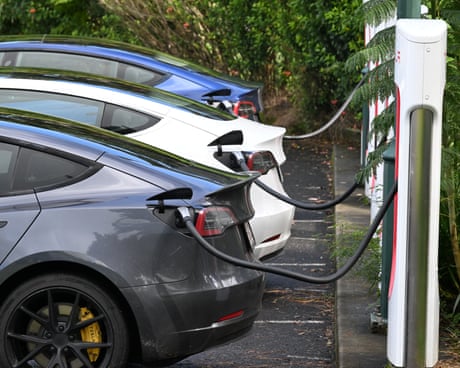
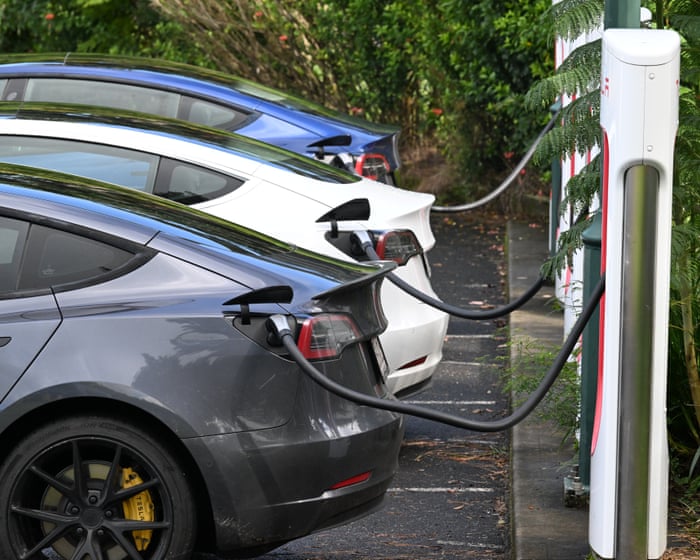
An EV sold every 100 seconds: Australian demand for electric cars more than doubles

A record 157,957 new EVs were sold nationally between January and June, according to the Electric Vehicle Council

Australians are buying electric vehicles at record levels, with sales more than doubling year on year and occurring at a rate equivalent to one EV sold every 100 seconds.

A record 157,957 EV sales occurred between January and June – an 117% increase on the same period last year, according to a new report released by the Electric Vehicle Council.

Continue reading...

© Photograph: James D Morgan/Getty Images

© Photograph: James D Morgan/Getty Images

© Photograph: James D Morgan/Getty Images

  •  

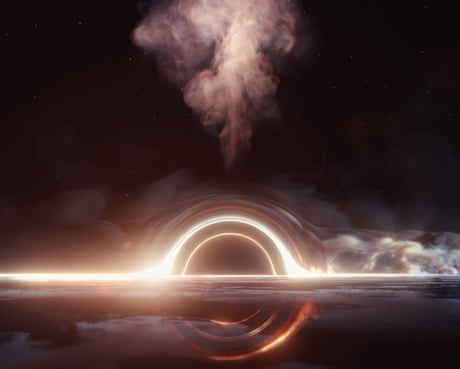
‘Very messy eaters’: scientists solve the mystery of when black holes ‘burp’

The astronomical bodies fire off powerful jets in two distinct phases in their feeding cycle, researchers discover

Scientists have solved the mystery of when black holes “burp” – when the astronomical bodies launch jets after feeding on stars, blasting material enormous distances in space.

Black holes are objects so densely compact that beyond a certain point their gravity is too strong for light and matter to escape. This boundary of no return is known as the event horizon – the point at which escaping would require something to travel faster than the speed of light.

Continue reading...

© Illustration: Science Communication Lab

© Illustration: Science Communication Lab

© Illustration: Science Communication Lab

  •  

Forget T-maxxing – the manosphere’s obsession with testosterone is just fear-maxxing | Donna Lu

Testosterone replacement therapy comes with serious and potentially irreversible health risks including infertility and early heart disease

Are you tired? Feeling flat and irritable? Finding it difficult to concentrate? Maybe you’re experiencing the seemingly ubiquitous symptoms of modern life. Or, if you’re a man, you may have been told by countless uncredentialed online influencers that you’re probably suffering from “low T”.

For decades, testosterone has been marketed to men as a means to maximise virility. But in recent years, social media has fuelled the “T-maxxing” trend, in which men are encouraged to maximise their testosterone levels through either natural or artificial means.

Continue reading...

© Composite: Getty Images

© Composite: Getty Images

© Composite: Getty Images

  •  

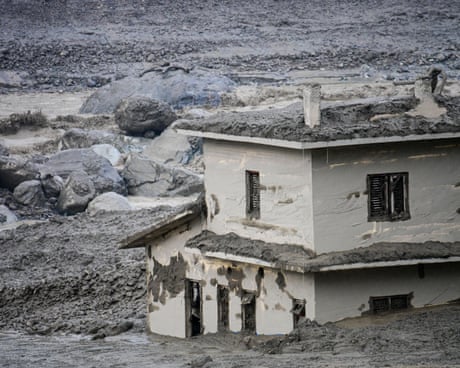
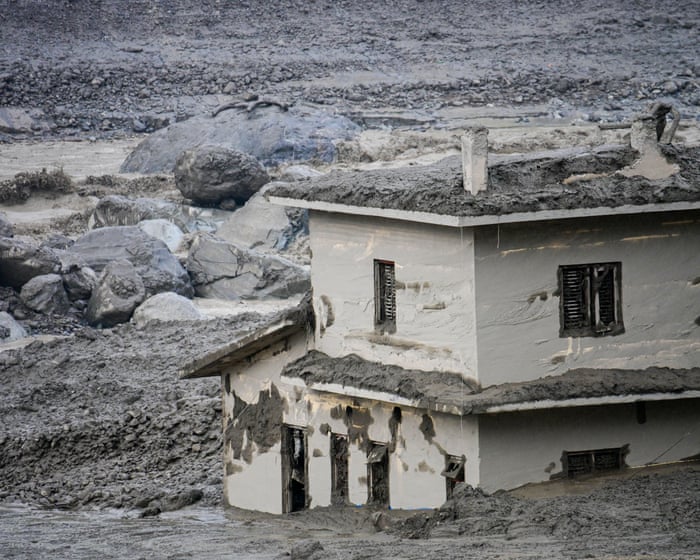
What caused the catastrophic flood in Nepal and Tibet – and how does a glacier collapse?

A glacial collapse registering as a magnitude 5.2 seismic event occurred near the border on Wednesday morning

Hundreds of people have died in catastrophic flash floods in Nepal. Here’s what we know so far about what caused the disaster.

With Reuters and Associated Press

Continue reading...

© Photograph: Safal Prakash Shrestha/JNA/ZUMA Press Wire/Shutterstock

© Photograph: Safal Prakash Shrestha/JNA/ZUMA Press Wire/Shutterstock

© Photograph: Safal Prakash Shrestha/JNA/ZUMA Press Wire/Shutterstock

  •  

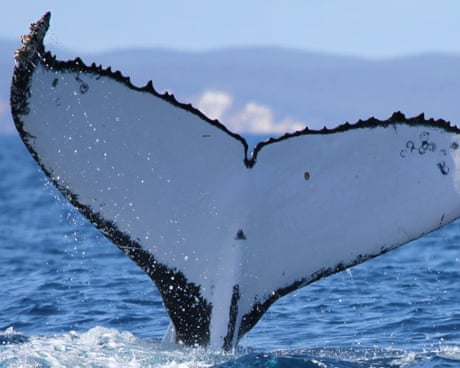
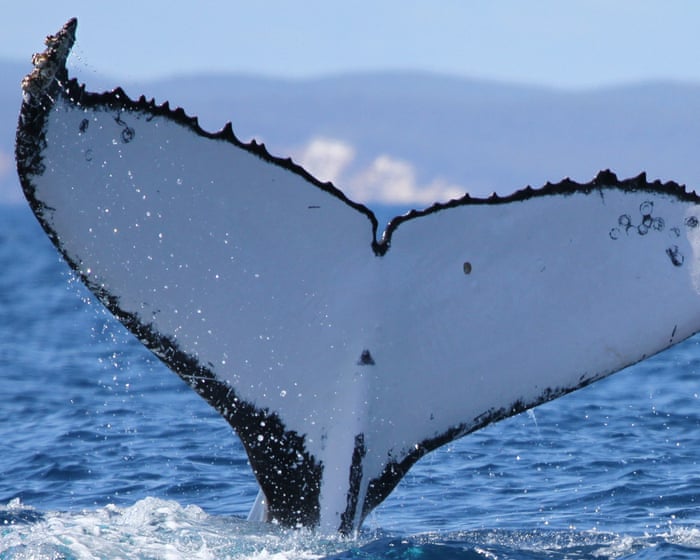
Twenty-two years and 15,000km later: fluke discovery sets new record for humpback whale journey

Whale first photographed off the coast of Brazil in 2003 spotted off north-east Australia in September 2025

A humpback whale has made a 15,000km journey from Brazil to Australia, marking what researchers believe is the longest distance ever documented between sightings of an individual humpback.

The whale was first photographed in 2003 at the Abrolhos Bank, Brazil’s main humpback whale nursery, off the coast of the north-eastern state of Bahia. In September 2025, it was spotted again in Hervey Bay off the Queensland coast, representing a travel distance of about 15,100km.

Continue reading...

© Photograph: Pacific Whale Foundation

© Photograph: Pacific Whale Foundation

© Photograph: Pacific Whale Foundation

  •  

‘Unprecedented’ global effort gives new name to polycystic ovary syndrome – and new hope to millions of women

Decades-long campaign powered by patient perspectives results in switch from PCOS – a name that caused confusion and undue suffering – to PMOS

• What is PCOS, what are the symptoms and treatment, and why is it being renamed PMOS?
• ‘I still want to scream’: the loneliness and confusion of living with PMOS

After more than a decade of global consultation, polycystic ovary syndrome (PCOS) – a condition that affects one in eight women – has been renamed.

The hormonal disorder, estimated to impact 170 million women worldwide, will now be known as polyendocrine metabolic ovarian syndrome (PMOS).

Continue reading...

© Photograph: Carly Earl/The Guardian

© Photograph: Carly Earl/The Guardian

© Photograph: Carly Earl/The Guardian

  •  

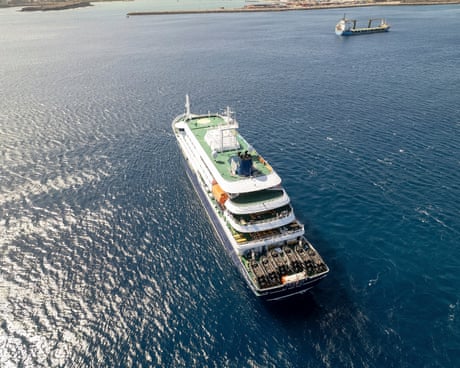
What is hantavirus, the infection thought to have killed three on cruise ship?

Rodent-carried disease is not usually contagious between humans and outbreaks are rare. What are the symptoms and treatment?

Three passengers on a cruise ship in the Atlantic Ocean have died after a suspected hantavirus outbreak, according to the World Health Organization (WHO).

The outbreak was reported on the polar cruise ship MV Hondius, which was travelling between Argentina and Cape Verde.

Continue reading...

© Photograph: AFP/Getty Images

© Photograph: AFP/Getty Images

© Photograph: AFP/Getty Images

  •  

Deepwater discoveries: scientists find more than 110 new fish and invertebrate species in the Coral Sea

Brittlestars, sea anemones and a catshark among new-to-science species collected during expedition off the Queensland coast

Marine scientists have discovered more than 110 new fish and invertebrate species in the Coral Sea – a figure they believe could exceed 200 as more are identified.

The species were found in waters between 200 metres and 3km deep in the Coral Sea marine park, Australia’s largest marine protected area, which spans nearly 1m sq km to the east of the Great Barrier Reef.

Continue reading...

© Photograph: Brodie O'Breza/CSIRO

© Photograph: Brodie O'Breza/CSIRO

© Photograph: Brodie O'Breza/CSIRO

  •  

Is this the world’s first quantum battery? Australian scientists say so

Researchers say their prototype is a big step towards fully functioning batteries with rapid charging times

Australian scientists have developed what they say is the world’s first proof-of-concept quantum battery.

Quantum batteries, first proposed as a theoretical concept in 2013, use the principles of quantum mechanics to store energy, and have the potential to be more efficient than conventional batteries.

Continue reading...

© Photograph: Stefan Stoev/CSIRO

© Photograph: Stefan Stoev/CSIRO

© Photograph: Stefan Stoev/CSIRO

  •  

Citizen scientists discover a Great Barrier Reef coral giant ‘like a rolling meadow’

Volunteer group Citizens of the Reef made the find as part of the Great Reef Census

Citizen scientists have discovered what they believe is one of the largest coral colonies ever documented on the Great Barrier Reef.

The coral spans approximately 111 metres in maximum length and covers an estimated area of 3,973 sq m – about half the size of a soccer field.

Continue reading...

© Photograph: Richard Fitzpatrick/Biopixel

© Photograph: Richard Fitzpatrick/Biopixel

© Photograph: Richard Fitzpatrick/Biopixel

  •  

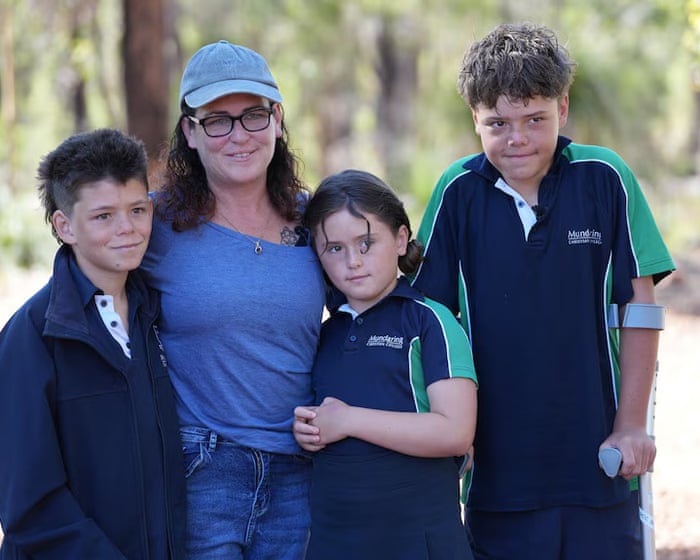
An ‘amazing feat’: how was 13-year-old Austin Appelbee able to swim for four hours to save his family?

Saltwater, survival backstroke and sheer mind over matter may have helped the teenager save his family, experts say

An Australian 13-year-old who swam 4km (2.49 miles) to shore and then ran 2km (1.24 miles) to get help for his stranded family has been described as “superhuman”.

Experts say Austin Appelbee’s feat of endurance exceeded the limits of what is normally perceived as possible. So how was the teenager able to save the day, and is there any precedent for it?

Continue reading...

© Photograph: Briana Shepherd / ABC News

© Photograph: Briana Shepherd / ABC News

© Photograph: Briana Shepherd / ABC News

  •  

Breathwork has its uses – but when it comes to ‘unlocking your fullest human potential’, beware the puffery | Antiviral

While some benefits such as stress relief are backed by solid evidence, they can be achieved without expensive hyped-up courses

In the 2012 film adaptation of the Dr Seuss book The Lorax, a fable about capitalist greed, air is a commodity.

The mayor of Thneedville deprives the city’s residents of trees so a company he heads can sells bottles of air. He has, as one advertising lackey puts it, “gotten rich selling people air that’s ‘fresher’ than the stinky stuff outside”.

Donna Lu is an assistant editor, climate, environment and science at Guardian Australia

Antiviral is a fortnightly column that interrogates the evidence behind the health headlines and factchecks popular wellness claims

Continue reading...

© Composite: Getty Images

© Composite: Getty Images

© Composite: Getty Images

  •  

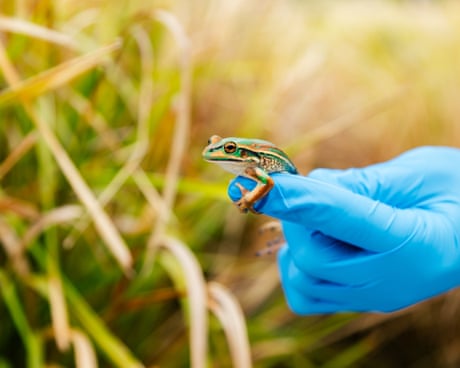
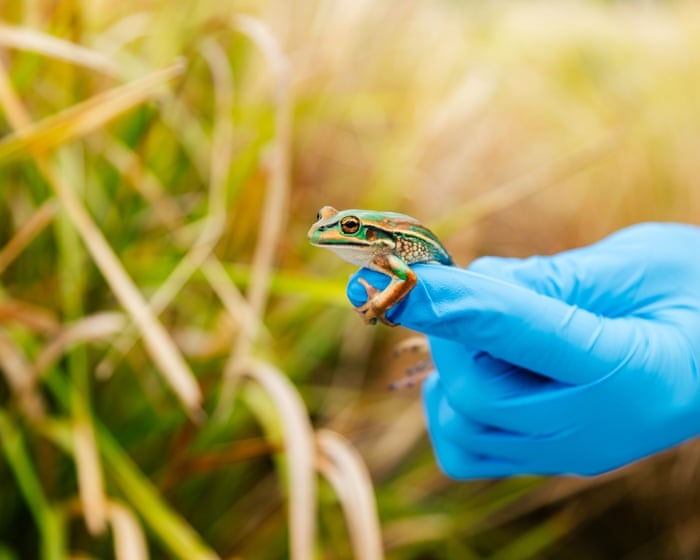
Good luck Dua Leaper: scientists return frogs wiped out by fungal disease to wild

Researchers dig ‘spas’ and install ‘saunas’ in ACT wetlands to give green and golden bell frogs the best chance of survival

Scientists have reintroduced green and golden bell frogs to the Australian Capital Territory for the first time since the species became locally extinct four decades ago.
The first cohort of 25 frogs was released on Tuesday morning, a milestone for conservation of the animals, whose numbers have been devastated by the chytrid fungal disease that has wiped out 90 amphibian species in 50 years.

Continue reading...

© Photograph: University of Canberra

© Photograph: University of Canberra

© Photograph: University of Canberra

  •  

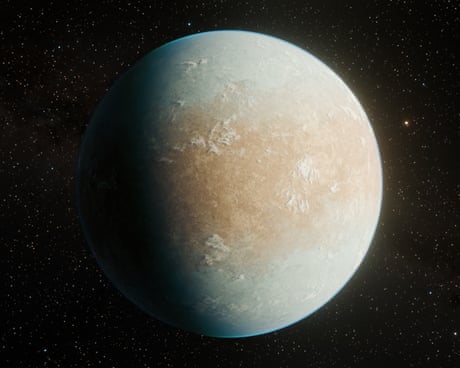
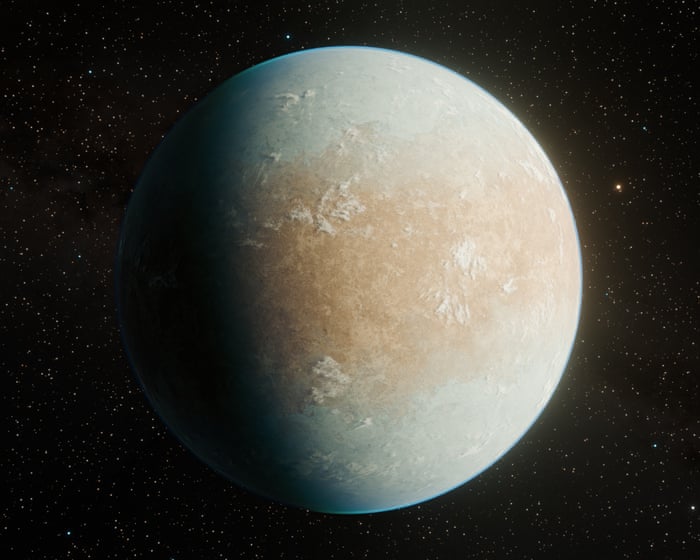
A potentially habitable new planet has been discovered 146 light-years away – but it may be -70C

The Earth-size planet HD 137010 b has a ‘50% chance of residing in the habitable zone’ of its sun-like star, scientists say

Astronomers have discovered a potentially habitable new planet about 146 light-years away which is Earth-sized and has conditions similar to Mars.

The candidate planet, named HD 137010 b, orbits a sun-like star and is estimated to be 6% larger than Earth.

Continue reading...

© Illustration: NASA/JPL-Caltech/K. Miller (Caltech/IPAC)

© Illustration: NASA/JPL-Caltech/K. Miller (Caltech/IPAC)

© Illustration: NASA/JPL-Caltech/K. Miller (Caltech/IPAC)

  •  

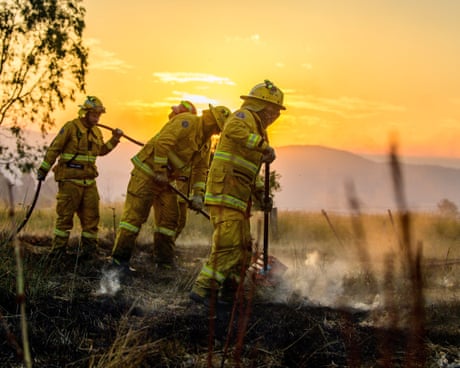
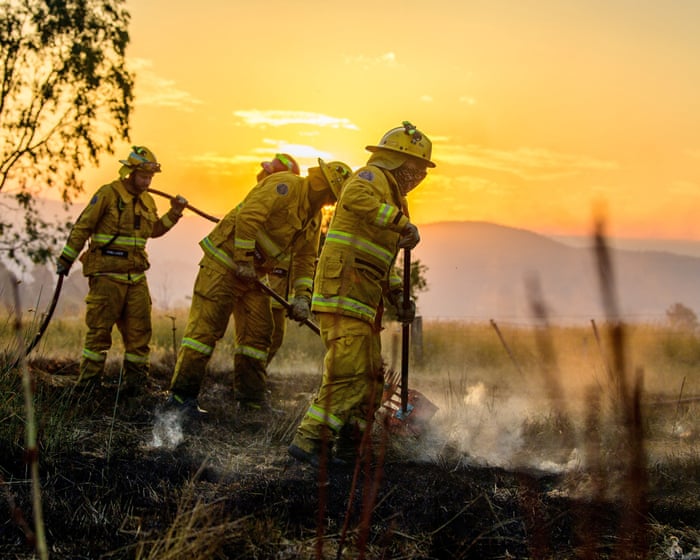
What happens to the human body in 49C heat? Australians are finding out

Doctors warn there are biological limits to temperatures we can survive, and exposure to extreme heat can provoke a heart attack

Australia’s southern states are scorching in extreme heat that could break temperature records in Victoria and South Australia on Tuesday.

January and all-time records were forecast to be set in both states, with temperatures approaching 50C across inland areas, according to the Bureau of Meteorology.

Continue reading...

© Photograph: Michael Currie/AAP

© Photograph: Michael Currie/AAP

© Photograph: Michael Currie/AAP

  •  

Australia’s worst heatwave since black summer made five times more likely by global heating, analysis finds

Extreme heat ‘is getting worse and whether we like it or not … there’s ultimately a limit to what we can actually physically cope with,’ scientist says

Human-caused global heating made the intense heatwave that affected much of Australia in early January five times more likely, new analysis suggests.

The heatwave earlier this month was the most severe since the 2019-20 black summer, with temperatures over 40C in Melbourne and Sydney, even hotter conditions in regional Victoria and New South Wales and extreme heat also affecting Western Australia, South Australia and Tasmania.

Continue reading...

© Photograph: Michael Currie/Reuters

© Photograph: Michael Currie/Reuters

© Photograph: Michael Currie/Reuters

  •  

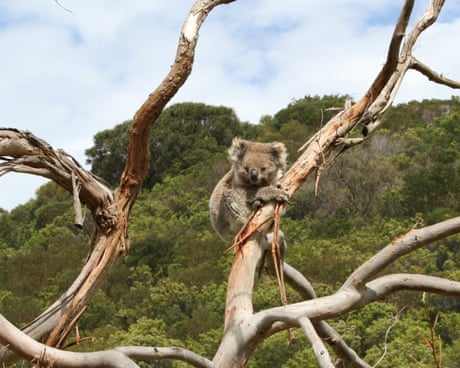
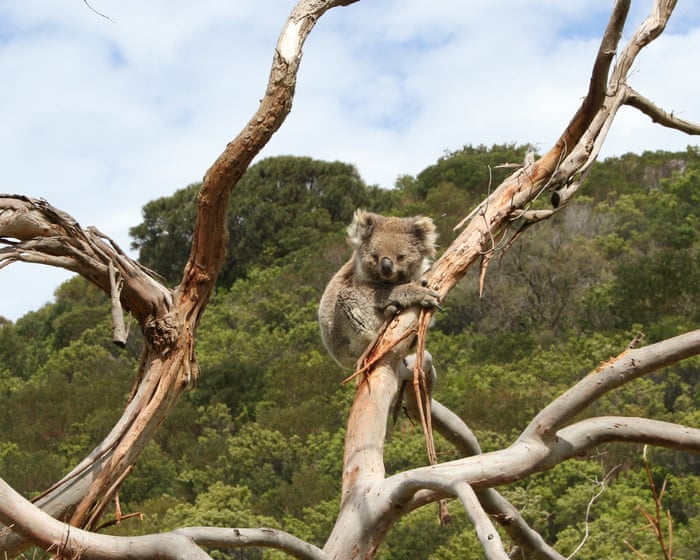
Australia’s koala paradox: why is the beloved marsupial endangered in parts but overabundant in others?

There are so many koalas in some places that food is the issue – while elsewhere populations are threatened by habitat loss. And there are no easy fixes

On French Island in Victoria’s Western Port Bay, koalas are dropping from trees. Eucalypts have been eaten bare by the marsupials, with local reports of some found starving and dead. Multiple koalas – usually solitary animals – can often be seen on a single gum.

Koalas were first introduced to French Island from the mainland in the 1880s, a move that protected the species from extinction in the decades they were extensively hunted for their pelts. In the absence of predators and diseases such as chlamydia, the population thrived.

Continue reading...

© Photograph: Desley Whissen

© Photograph: Desley Whissen

© Photograph: Desley Whissen

  •  
❌