Kanaan, a symbol of dining across religious and political divides, will shut its doors ‘probably in March’, say owners
An Israeli-Palestinian restaurant in Berlin conceived as an “island of peace” will close in the spring, but its Jewish and Arab owners say their dream will live on in a television series based on their unlikely partnership.
Kanaan, a decade-old casual eatery in the Prenzlauer Berg district of the German capital, gained an international profile for its message of “unity over hate” after the 7 October attacks on Israel by Hamas and the outbreak of the Gaza war.
There’s a ton of winter comfort in the rich, golden and indulgent cake with its appealing orangey edge
A Breton butter cake is a proud product of Brittany’s butter-rich baking tradition: dense, golden and unapologetically indulgent. True to its origins, my version uses salted butter, with an added pinch of flaky salt to sharpen the flavour. It also takes a small detour from tradition: a slick of marmalade brings a fragrant bitterness, while a handful of ground almonds softens the overall richness and lends a tender crumb. The result is still buttery and luxurious, but with a brighter, more aromatic edge.
This bean and pasta dish has always taken on variations from around Italy – and even Thailand
Throughout the 1990s and into the early 2000s, under the banner of story, art and folklore, the Roman publishing house Newton Compton published a series of 27 books about regional Italian cooking. Some, such as Jeanne Carola Francesconi’s epic 1965 La Cucina Napoletana, were reprints of established books, while others were specially commissioned for the series. There is considerable variation; some of the 20 regions occupy 650 densely filled pages, sometimes spread over two volumes, while other regions have 236 pages with larger fonts, with everything in between. All of which is great, although I can’t help feeling affectionate towards the regions with 14-point font.
In the face of the vast variation of regional culinary habits, knowledge and rituals, I also feel affectionate towards the common traditions; those that are specific to a place, but at the same time that cross local and national borders, as well as for the stories of the ingredients. Take pasta e fagioli, for which beans are boiled in water with fat, maybe fragrant herbs and vegetables, then pasta is added for a dense dish that probably needs a spoon. Almost all regions (and towns and individuals) have a version that is both extremely general, and specific – white beans, potato, no rosemary in Lazio, say; lardo, sage and plenty of rosemary in Piedmont; nutmeg, bread and pasta in Liguria; lardo, marjoram, tomato and chilli in Abruzzo – inviting a sort of pick and mix. And the embracing of new ideas, too, because cooking is a living, evolving thing.
Spiced rums are a hit but the traditional blends outshine them all
After Hurricane Melissa hit Jamaica last October, rum lovers anxiously awaited news from the island’s six distilleries. Hampden Estate, in the parish of Trelawney to the north, was right in the hurricane’s path, and the furious winds deprived its historic buildings of their roofs and the palm trees of their fronds. Then came more alarming rumours: the dunder pits had overflowed.
Dunder pit? This is the one of the most distinctive features of traditional Jamaican rum, a style exemplified by Hampden, which has been in operation since 1753. You typically make rum by fermenting molasses and/or sugar cane juice into an alcoholic “wash”, then distil that into a potent liquor, but local distillers developed several strategies to oomph up the flavour. Dunder is the leftover liquid from the still, and it’s lobbed into the next fermentation for its funky notes, a bit like a sourdough starter. At Hampden, they also use muck, an outrageously smelly, semi-sentient soup containing countless billions of yeast bacteria, plus various bits of decomposing, well, stuff. I’m not sure what would happen if you fell in: possibly die, or perhaps be granted infinite powers, Obelix-style. Then there’s the fermentation process itself: most distilleries use generic industrial yeasts, which typically convert sugars to alcohol over a couple of days, but at Hampden they harness wild yeasts, which can take weeks. Incidentally, Andrew Hussey, Hampden’s owner, has reported that production is now safe, though the communities who live and work around the distillery remain badly affected.
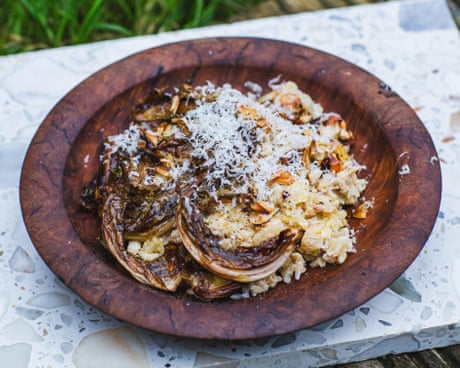
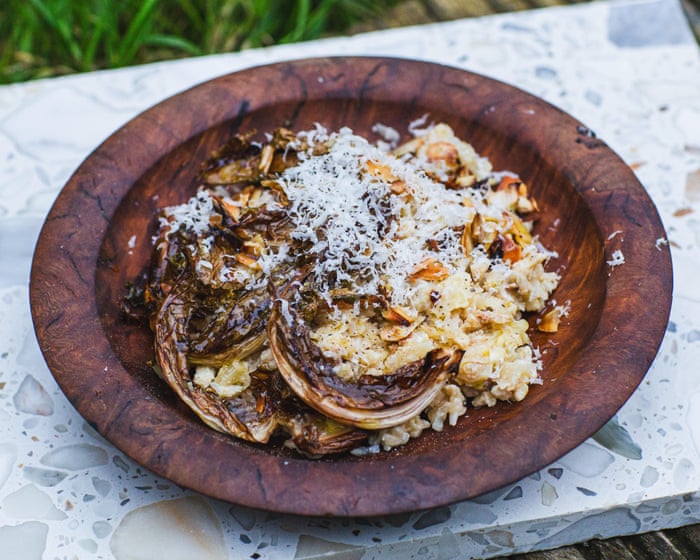
This creamy grain-free dish contains flaked almonds for extra crunch and protein – perfect if you’re cutting down on carbs
I’m fasting for three days a week for the whole of this month. It’s not for everyone, I know, and it’s important to talk to your doctor first, but the benefits are well researched and include improved digestion and immune function, and lowered blood pressure. When we fast, the body goes into ketosis, which breaks down fat for energy, and to stay in ketosis afterwards it helps to reduce carbs and increase protein, which is where today’s low-carb, zero-waste recipe comes in.
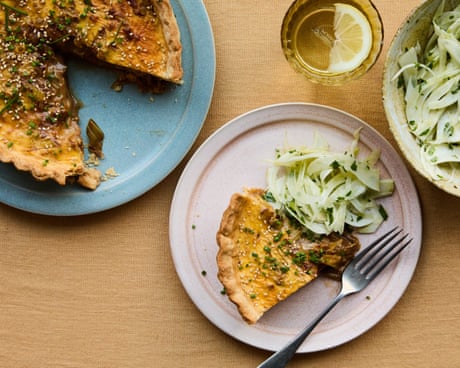
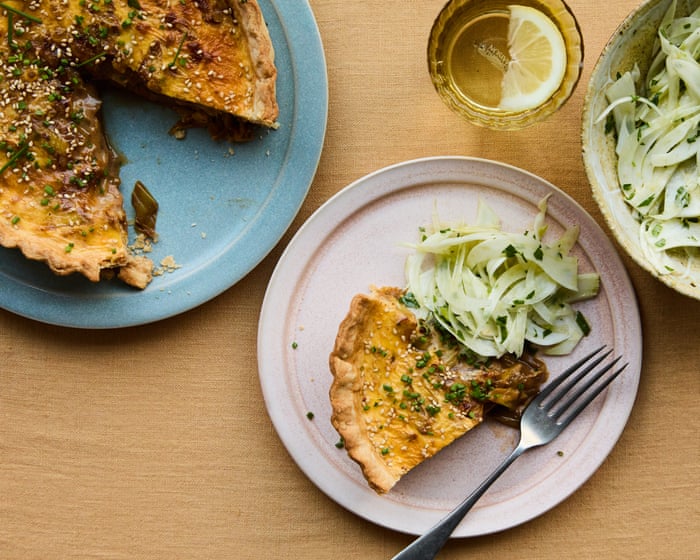
Jammy leeks, savoury sweet chawanmushi and toasted sesame seeds make this flaky pastry dish feel decadent and special
This savoury custard tart celebrates some of my favourite flavours (and dishes): jammy miso leeks, savoury-sweet chawanmushi (a Japanese steamed custard flavoured with dashi) and toasty sesame seeds, all enveloped in flaky pastry. It feels decadent, so it’s best served with a simple fennel salad, zingy with apple cider vinegar and mustard. It’s excellent eaten while still warm from the oven (be patient!), but even better as leftovers, because I have a soft spot for cold eggy tarts.
Ferment: Simple Ferments and Pickles, and How to Eat Them, by Kenji Morimoto, is published by Pan Macmillan at £22. To order a copy for £19.80, visit the guardianbookshop.com
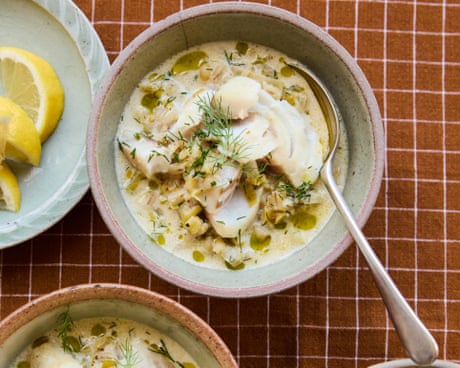
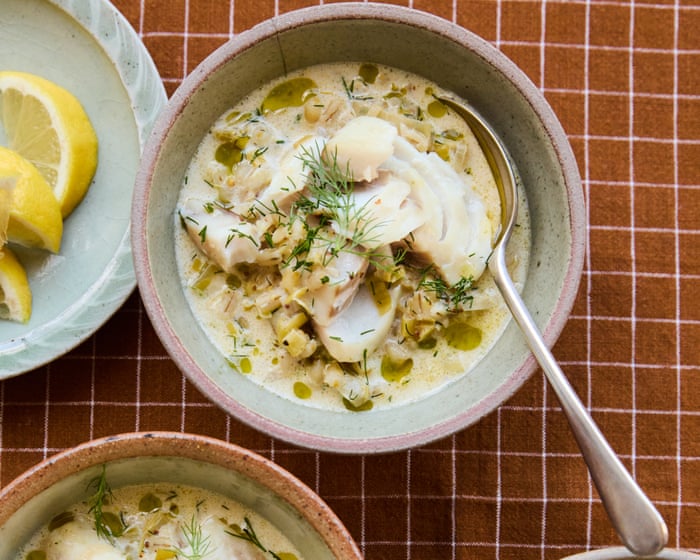
A hearty seafood stew of haddock, leeks and barley, and an almost indecently rich and comforting cheesy rarebit
For me, the best winter cooking is about comfort, warmth and connection – food that feels familiar, yet still tells a story. I’ve always been drawn to dishes that celebrate simple, honest ingredients and local tradition, and these two recipes are inspired by that spirit, and by a childhood spent doing lots of fishing in Wales. The seafood cawl is a lighter, coastal take on the Welsh classic, while the rarebit is rich and nostalgic. Both are designed to be cooked slowly and shared generously, and an ode to home kitchens, good produce and quiet moments around the table.
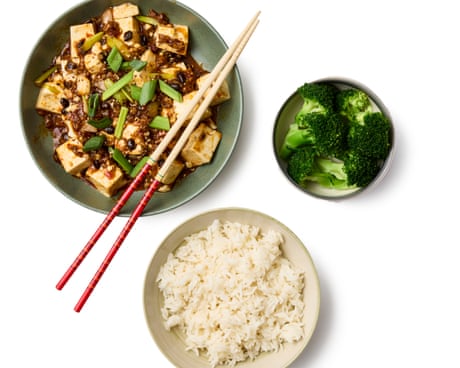
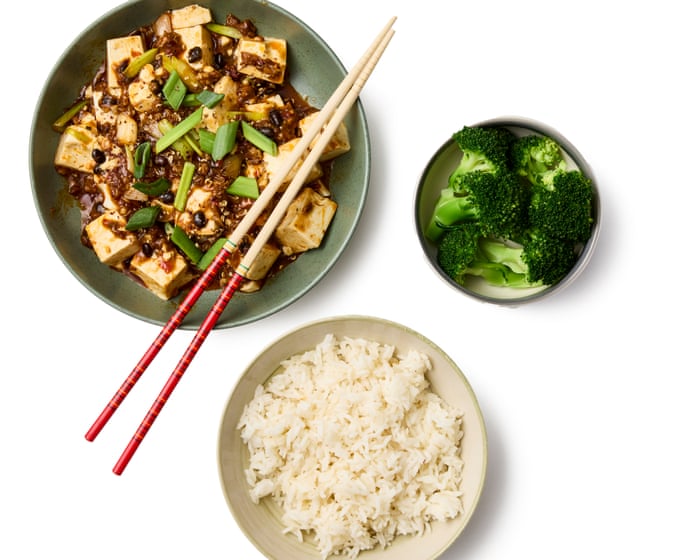
Discover the joys of creamy soy bean curd in this spicy Sichuan dish that comes together in minutes
Mapo tofu is a Chengdu favourite typical of the “spicy generosity” of Sichuan food, Fuchsia Dunlop explains, though it’s perhaps better not translated as “pock-marked old woman’s tofu”. It may even convert you to the joys of tofu itself, should you still be on the fence about the stuff, because its creamy softness is the perfect foil for the intensely savoury, tingly seasoning involved here. It’s also ready in mere minutes.
Vegan restaurants are closing, RFK Jr is sounding the drum for carnivores, and the protein cult is bigger than ever. But eschewing animal products helps me ward off a sense of impotence – and despair
Let’s get this out of the way, because I’m itching to tell you (again): I’m vegan, and this is our time, Veganuary! Imagine me doing a weak, vitamin B12-depleted dance. Unlike gym-goers, vegans are thrilled when newbies sign up each January, for planetary and animal welfare reasons, but also, shallowly, for the shopping. This is when we can gorge on the novelties retailers dream up: Peta’s round-up for this year includes the seductive Aldi pains au chocolat and M&S coconut kefir.
I need retail therapy, because Veganuary has become quite muted and that’s part of a wider inflection point in vegan eating that I’m sad about. “Where have all the vegans gone?” Dazed asked in November, and now New York Magazine has investigated, with the tagline: “Plant-based eating was supposed to be the future. Then meat came roaring back.” It details a wave of vegan restaurant closures (plus the high-profile reverse ferret performed by formerly vegan Michelin-three-starred Eleven Madison Park to serving “animal products for certain dishes”), declining sales of meat substitutes and a stubbornly static percentage of people identifying as vegan (around 1%). It’s not new (rumours of veganism’s demise have been swirling around since at least 2024) and it’s not just a US phenomenon; many UK vegan restaurants have closed this year, including my lovely local.
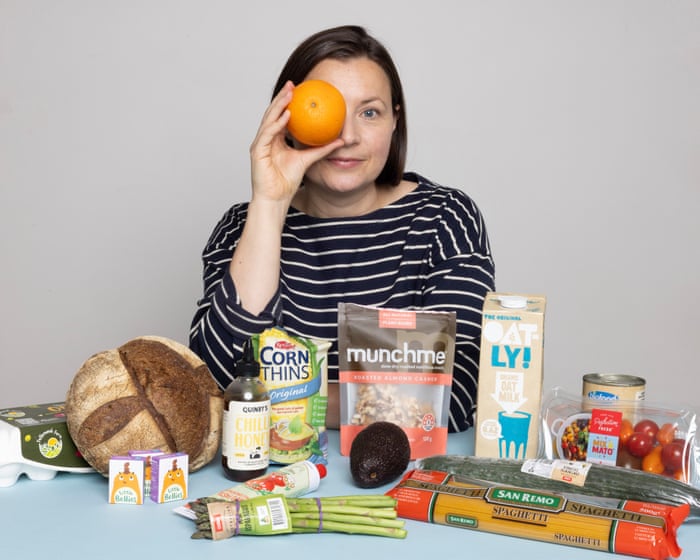
Ultra-processed foods have been linked to various health issues, but are a ubiquitous part of the modern western diet. Can Emma Joyce avoid them for a whole week?
I’ve been eating ultra-processed foods (UPFs) all my life. Breakfast as a child was often Coco Pops, Rice Bubbles or white toast slathered in spreadable butter. Dinners usually involved processed sauces, such as Chicken Tonight or Dolmio, and my lunchboxes always contained flavoured chippies or plasticky cheese.
I don’t blame my parents for this. Now I’m a parent too, I have cartons of juice and flavoured yoghurt as part of my parenting arsenal. Packaged foods are omnipresent in our lives. But, unfortunately, some of these foods are very bad for our health.
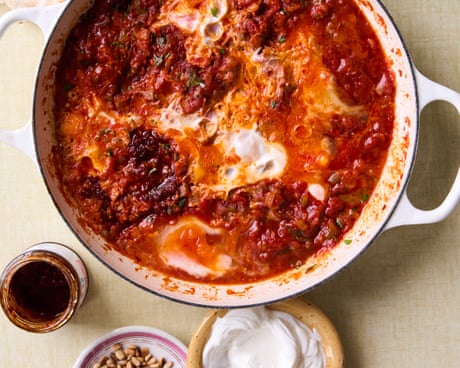
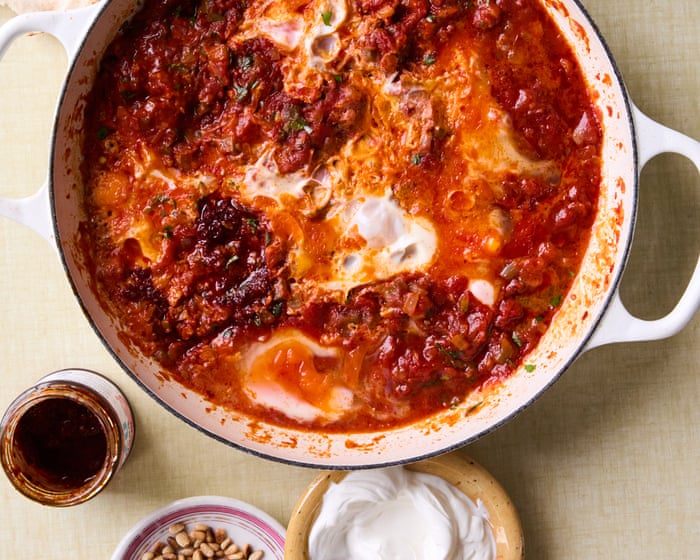
A warming, scoop-it-up tomato and egg dish a bit like shakshuka, but the zippy lemony yoghurt and harissa give away its Turkish roots
I am not the type of person to say, “These eggs will change your life”, but these eggs changed my life, so they may also make a sizeable dent in yours. The recipe is based on (but not authentic to) the Turkish dish menemen. There is much to love about these eggs, not least how magnificently delicious they are and how fun it is to scoop them up with hot flatbread. On a practical note, meanwhile, they can be eaten at any mealtime and, if not finished, reheated later. Which, if you love eggs and leftovers as much as I do, is a (small) dream come true.
Pandan leaf brings fragrant southern Asian sweetness to a mix of rice gin, white vermouth and green chartreuse
At Bun House Disco, we’re all about bringing the vibrancy of late-night 1980s Hong Kong to Shoreditch, east London, and paying homage to a time when the island came alive after dark. In that same spirit, our cocktail list nods to the classics, but also features all sorts of Chinese and Asian ingredients and spices.
Sustainable fresh scallops are best treated simply, and this herby, garlicky breadcrumb topping ticks all the right boxes
As a kid growing up in West Bay, Dorset, I used to sit on the harbour wall and watch the small trawlers coming in with their catch. My friend Mark’s dad’s boat, along with all the others, would be stacked high with sacks of queenies that they’d dredged up only hours before, and Mark’s mum would pack us off to school with a tub each of queen scallop meat doused in Sarson’s vinegar and white pepper, to eat later as a playground snack. At the time, I thought nothing of it, but, looking back now, I realise quite what a luxurious schoolday treat this was.
These days, however, our local scallop fishermen don’t fish for queenies much any more, because the time it takes to shuck and clean them is more or less the same as that for larger king scallops, so they’re no longer financially viable; also, instead of all those trawlers that Lyme Bay had in the past, it’s now mostly divers who fish more sustainably for king scallops, without demolishing the sea bed in the process. There are two main dive boats that fish out of Lyme Regis nowadays, operated by Jon Shuker and Ali Day, and they’ve pretty much cornered the local market. They recently started experimenting with so-called “disco scallops”, which are caught in pots fitted with flashing lights that lure them in, which is much more efficient, crew-wise, than diving, because a boat with one diver is legally required to have a crew of four, comprising the working diver, a standby diver, a supervisor and a driver. Crazy, eh?
A flat white, as any self-respecting coffee drinker will tell you, should be a short, strong, balanced drink – espresso, a small amount of milk, minimal microfoam, absolutely no fluff. But a disturbing trend is sweeping Australia. Even in Melbourne – where people treat coffee with near-religious reverence – I’m now routinely asked: small or large flat white? I find myself regularly wincing into my keep cup.
A large flat white is an oxymoron – a bastardisation of the drink Australia claims to have given the world. The moment it takes a larger form, it stops being a flat white and becomes something else entirely: a milky latte, ordered by those too afraid to admit that’s what they really want.
An incredible smoked haddock paste for toast, crackers or crudités, and a moreish and indulgent multi-mushroom-topped pastry
Two key elements at the heart of Portuguese eating culture are couvert and pastry. A couvert, comprising bread, butter, pickled or garlic carrots, cheese and fish paté (often sardine), comes as standard at every Portuguese restaurant and family dinner table alike, as it does at our restaurant Luso, where our fish paste is an ode to this way of dining. The mushroom tart, meanwhile, celebrates the Portuguese love of pastry and is a take on a traditional savoury tart. While such tarts are unlikely to feature solely mushrooms (they’re much more likely to be mixed vegetable tarts), we like to focus on the incredible varietals of this single ingredient.
From one-pot meals to versatile dishes that last all week, our panel of experts serves up ideas for solo chefs
I really struggle with cooking for one, so what can I make in January that’s interesting but easy and, most importantly, warming? Jane, via email
“There’s an art to the perfect solo meal,” says Bonnie Chung, author of Miso: From Japanese Classics to Everyday Umami, “and that’s balancing decadence with ease.” For Chung, that means good-quality ingredients (“tinned anchovies, jarred beans”), a dish that can be cooked in one pan (“a night alone must be maximised with minimal washing-up”) and eaten with a single piece of cutlery, “preferably in front of the telly and out of a bowl nestling in your lap”. Happily, she says, all of those requirements are met by miso udon carbonara: “It has all the rich and creamy nirvana of a cheesy pasta, but with a delicious, mochi-like chew that is incredibly satisfying.” Not only that, but you can knock it up in less than 10 minutes. “Melt cheese, milk and miso in a pan to make the sauce base, then add frozen udon that have been soaked in hot water.” Coat the noodles in the sauce, then serve with crisp bacon or perhaps a few anchovies for “pops of salty fat”. Crown with a golden egg yolk (preferably duck, but hen “will suffice”), which should then be broken: “Add a crack of black pepper, and your cosy night in has begun.”
“January feels like a time for fresh, bright flavours,” says the Guardian’s own Felicity Cloake, which for her often means pasta con le sarde made with tinned fish, fennel seeds and lots of lemon juice; “or with purple sprouting broccoli and a generous helping of garlic and chilli”. A jar of chickpeas, meanwhile, mixed, perhaps, with harissa, chopped herbs and crumbled feta, brings the possibility of a quick stew, Cloake adds, while it’s always a good shout to braise some beans, because cook-once, eat-all-week recipes are a godsend – so long as they’re versatile, that is.
A light but filling no-bechamel souffle with a zingy citrus salad to add a sharp burst of flavour and colour
There is a skill in not wasting food and it’s all about good, old-fashioned housekeeping. If you learn how to store ingredients properly (cool, dark places are handy for spuds, for example) and keep tabs on what’s in your fridge/freezer, you can use everything up before it goes off – and make delicious things in the process. This golden, cheese-crusted souffle uses up the celeriac and spuds left after the festive season, plus any odds and ends of cheeses. It is spectacularly good, especially paired with a sparkling citrus salad.
A homegrown favourite with an Italian twist: choose whichever antipasti vegetables you like, and definitely use the oil from the jar
Perhaps you still have some cheeseboard odds and sods in the fridge from Christmas? I know I still have a few to get through, but, other than that, my fridge and cupboards are looking pretty bare. Beans on toast has always been my go-to meal in times such as these, and when I need comfort, familiarity and ease. What used to involve opening a tin and reheating the contents, however, has now become something slightly more elaborate. But only slightly: these beans are incredibly simple and quick to make, with store-bought antipasti adding real depth.
Arrabbiata means angry, but this simple and delicious pasta dish is pure joy
Pasta all’arrabbiata is the perfect dish for January. Not only is it quick, vegan and made from ingredients you might conceivably have in the cupboard already, but the name, which means angry, could be said to suit my mood now that the last of the Christmas festivities are over. Happily, a big plate of rich, tomatoey pasta can always be relied upon to lift the spirits.
Does central London really need another fancy Italian restaurant? Well, yes, apparently it does …
Does the area around Sloane Square in central London really need another fancy, Italian-leaning restaurant that serves up tortellini in brodo and veal Milanese? Well, yes, apparently it does. One Saturday lunchtime late last year at Martino’s was hectic even in the delightful reception area, where we were waiting to check in a coat with the elegantly uniformed front-of-house ladies. All the tables in this hot new all-day brasserie were booked and busy, and plenty of walk-ins were champing at the bit for cancellations.
Actually, “delightful reception” is not a phrase I’ve often uttered, or even thought, but this is a Martin Kuczmarski restaurant, so the small things tend to add up to a larger picture – this cocoon-like holding pen keeps would-be queuers away from the diners. Why was I so charmed by this weird, crisply officiated bends chamber that operates as a liminal space between the real grubby world outside and the glitzy, sexy, mock-Italian trattoria inside? Well, it turns out that’s because it solved a problem that I didn’t even realise I had.

 Anmelden