❌

Lese-Ansicht

How to make the perfect Portuguese feijoada – recipe | Felicity Cloake's How to make the perfect

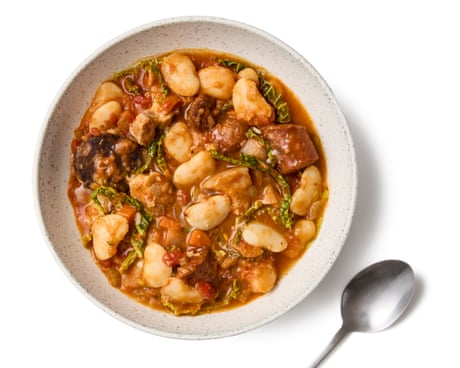
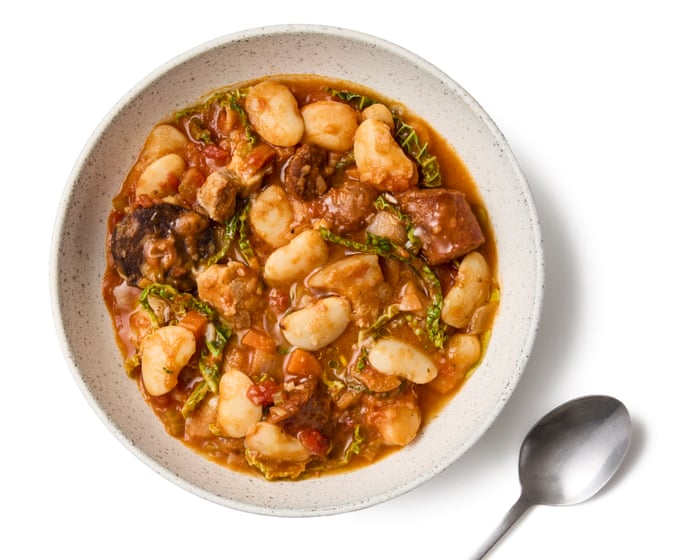
This marvellous staple of the Portuguese kitchen is a rich bean stew with pork and sausages that makes an excellent one-pot feast. You might find it’s perfect for midweek …

If you are trying to incorporate more beans and pulses into your diet, as I am, then this robust, one-pot feast, which food writer Edite Vieira describes as “a marvellous standby of the Portuguese kitchen”, is one to bear in mind. Though each region has its own variations, “basically”, she explains, “feijoada is a rich bean stew with pork and sausages”. The Brazilian version, often cited as that country’s national dish, is the product of the West African “love of beans”, according to the Oxford Companion to Food, with some suggesting that it’s a South American creation that travelled to Europe along with returning colonisers. Others insist with equal fervour that the dish was “born in the north of Portugal, and imported and adapted to what was available in Brazil”. Like so many such homely favourites, its precise history will probably ever remain a mystery; what’s important is that it’s simple to prepare, easy to adapt according to taste and budget, and very satisfying.

Continue reading...

© Photograph: Robert Billington/The Guardian. Food styling: Loïc Parisot.
© Photograph: Robert Billington/The Guardian. Food styling: Loïc Parisot.
© Photograph: Robert Billington/The Guardian. Food styling: Loïc Parisot.

  •  

Sunday best: Thomasina Miers’ recipes for aromatic chicken one-pot and salted caramel banana cake

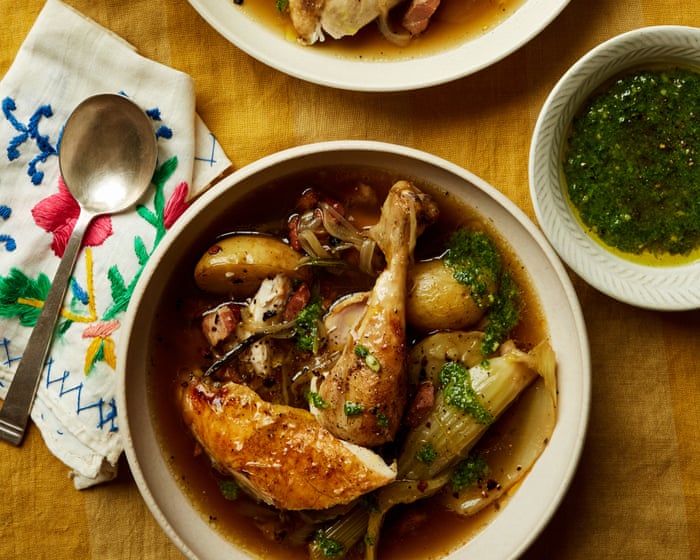
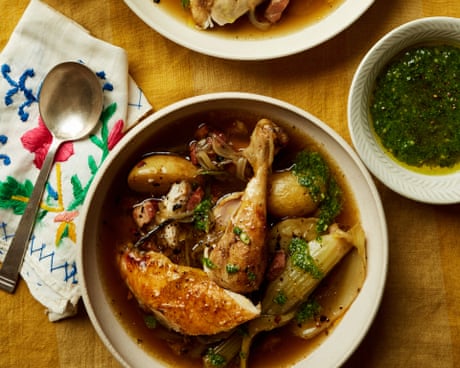
It’s wild garlic time again! Try this pesto with an aromatic chicken, fennel and potato stew, then dive into a fudgy banana cake with a tantalisingly crunchy top

I love Mexican chillies for the subtle flavour they give to cooking. Take the ancho, with its sweet, earthy notes of chocolate and plum. That adds immense depth to dishes traditional and avant garde alike, and is now readily available online and in shops. In today’s one-pot, which is a near-perfect way to cook a whole chicken, the ancho adds character to a classic sofrito, while in the pudding the savoury notes and touch of heat complement the dark caramel, helping to create a banana cake that is anything but bland. If you can’t find ancho, try any other medium-heat chilli flake in its place (nora, aleppo), or simply leave it out. The results will be delicious either way.
Continue reading...

© Photograph: Matthew Hague/The Guardian. Food and prop styling: Lucy Turnbull. Food styling assistant: Georgia Rudd.

© Photograph: Matthew Hague/The Guardian. Food and prop styling: Lucy Turnbull. Food styling assistant: Georgia Rudd.

© Photograph: Matthew Hague/The Guardian. Food and prop styling: Lucy Turnbull. Food styling assistant: Georgia Rudd.

  •  

Route des Vacances: a gastronomic driving holiday from Paris to the Mediterranean

The RN7 road to the Côte d’Azur is enjoying a renaissance among lovers of slow travel in search of offbeat France

‘We were five people in my parents’ 2CV; we would set out at 3am and by 10am, around about Lyon, my father would need a break. My mother would set up a deckchair for him under a tree by the side of the road and he would sleep before driving the rest of the way to Toulon.”

On a recent road trip through France, I met up with Thierry Doillon, a vintage car fanatic who helped restore a 1950s petrol station on the Route Nationale 7. I wanted to talk about the heyday of this iconic road (so famous that singer-songwriter Charles Trenet released a song about it in 1955) and why it’s enjoying a renaissance with holidaymakers.

Continue reading...

© Photograph: JARNOUX Maurice/Paris Match/Getty Images

© Photograph: JARNOUX Maurice/Paris Match/Getty Images

© Photograph: JARNOUX Maurice/Paris Match/Getty Images

  •  

Meera Sodha’s vegan recipe for Sichuan-style braised aubergines with tofu | The new vegan

A cheerful rice bowl fragrant with ginger, garlic and spring onion, and laced with a sprightly chilli bean sauce

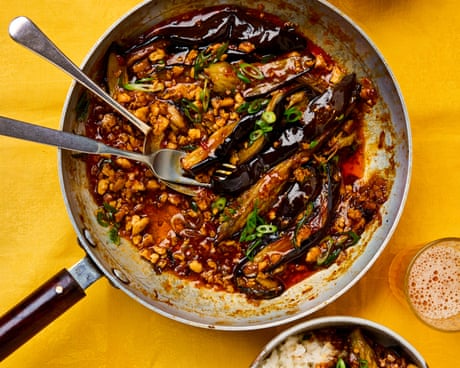
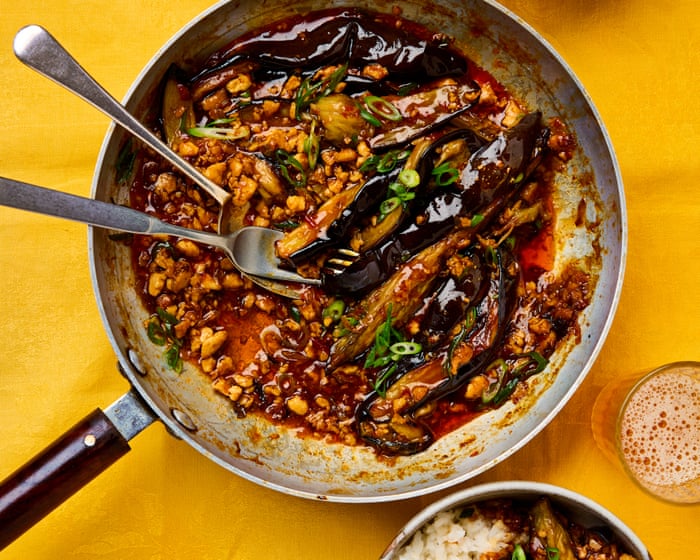
With spring in the air, I want a dish that’s the equivalent of turning the key in the ignition, firing up the engine and riding off into the sun. In short: something with a bit of va-va-voom. That dish, for me, is these Sichuan aubergines, a take on the classic “fish fragrant aubergines” (so called because the same aromatics are often used to cook fish). Creamy to begin with, they’re layered with flavour by way of ginger, garlic, spring onion and, finally, laced with delight and good times owing to the bright chilli bean sauce and vinegar.

Continue reading...

© Photograph: Louise Hagger/The Guardian. Food styling: Emily Kydd. Prop styling: Jennifer Kay.

© Photograph: Louise Hagger/The Guardian. Food styling: Emily Kydd. Prop styling: Jennifer Kay.

© Photograph: Louise Hagger/The Guardian. Food styling: Emily Kydd. Prop styling: Jennifer Kay.

  •  

Put away the Aperol and raise a glass to Hugo spritz, the drink of the summer

Created in Italy and made with elderflower liqueur, the cocktail is sweeter than Aperol spritz and lower in alcohol

Pub gardens and bar terraces have been awash with a sea of orange in recent years as Italy’s love of Aperol spritz spread to the UK. But this year the cocktail’s cousin, a Hugo spritz, will be the drink of the summer, according to supermarkets and bars.

It is already being served across the country, including at Sea Containers on the banks of the Thames and Mayfair’s swanky Claridge’s hotel in London, 20 Stories bar in Manchester and the Bridge Tavern in Newcastle. Wetherspoons has the cocktail on its menu nationwide.

40ml St‑Germain elderflower liqueur.

60ml prosecco.

60ml sparkling water.

8-10 mint leaves.

Lime wedge for garnish.

Mint sprig for garnish.

Fill your glass with ice cubes.

Add in the mint leaves.

Pour sparkling wine and sparkling water over ice.

Add St‑Germain elderflower liqueur.

Gently stir.

Garnish with a mint sprig and lime wedge.

Continue reading...

© Photograph: RooM the Agency/Alamy

© Photograph: RooM the Agency/Alamy

© Photograph: RooM the Agency/Alamy

  •  

‘The US is no longer the go-to place’: How Korean culture is taking Latin America by storm

Everything Korean – from K-pop and skincare to food and clothing – is booming in popularity in Chile, Mexico and Brazil

On the polished flagstones of a Santiago cultural centre’s forecourt, four Chilean girls dance in energetic union, counting their steps aloud in Korean.

In front of them, a YouTube video with 1.3bn views plays atop a speaker throbbing to the beat of How You Like That, by the K-pop megastars Blackpink.

Continue reading...

© Photograph: Mauricio Santana/Getty Images

© Photograph: Mauricio Santana/Getty Images

© Photograph: Mauricio Santana/Getty Images

  •  

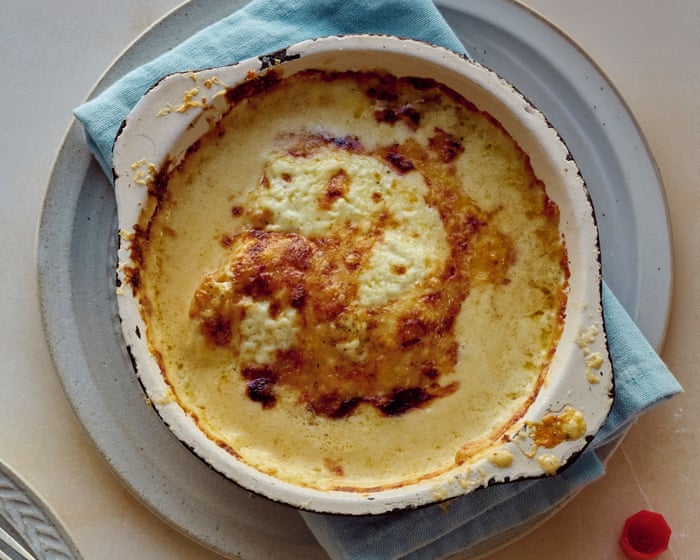
Baked cheesy smoked haddock and lemon icebox pudding: Henry Harris’ alternative Easter lunch

An easy Sunday supper of a cheesy fish dish and a biscuity iced dessert

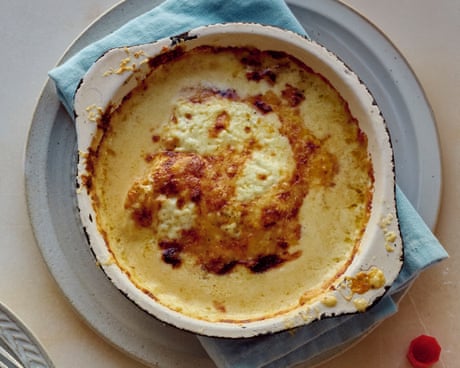
Sometimes all you want is a hot, bubbling dish and a spoon, and for me today’s cheesy haddock is that dish – a 15-minute supper to be enjoyed in front of the telly with a salad or a large bowl of hot buttered peas. Add a lemony, biscuity iced dessert, and you have a light, very easy and enjoyable supper that’s almost the perfect close to a long Easter weekend.

The Guardian aims to publish recipes for sustainable fish. Check ratings in your region: UK; Australia; US.

These recipes are edited extracts from The Racine Effect: Classic French Recipes from a Lifetime in the Kitchen, by Henry Harris, published by Quadrille at £40. To order a copy for £36, go to guardianbookshop.com

Continue reading...

© Photograph: Issy Croker/The Guardian. Food styling: Kitty Coles. Prop styling: Florence Blair. Food styling assistant: Sunita Parsons-Solomon.

© Photograph: Issy Croker/The Guardian. Food styling: Kitty Coles. Prop styling: Florence Blair. Food styling assistant: Sunita Parsons-Solomon.

© Photograph: Issy Croker/The Guardian. Food styling: Kitty Coles. Prop styling: Florence Blair. Food styling assistant: Sunita Parsons-Solomon.

  •  

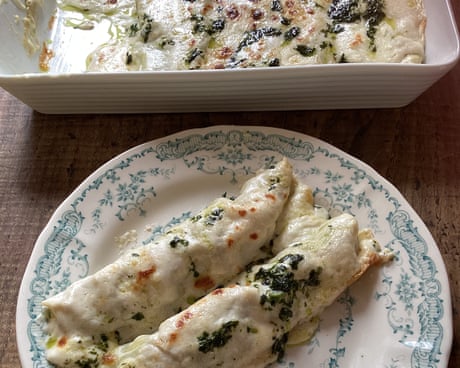
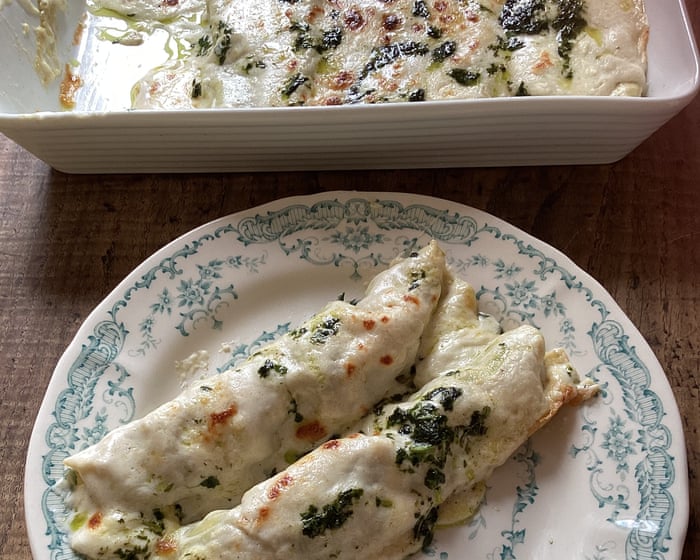
Rachel Roddy’s Easter cannelloni with spinach, peas, ricotta and mozzarella – recipe

Cannelloni made with sheets of fresh egg pasta are a treat, especially on a feast day, and they can be made the day before

Fresh sheets smelling of fresh air or fabric softener (or both) with hospital corners are one of life’s great pleasures. As are fresh sheets of egg pasta – the sort that comes in squat boxes protected by clingfilm and found in the fridge section alongside ravioli. They are also one of the most useful and certainly the most multi-talented of all the pasta shapes.

That they are labelled lasagne is limiting; of course, they can be lasagne, but they could just as easily be numerous other shapes. The most easy-going of which is maltagliati, meaning badly cut, which tells you everything you need to know about the approach required as you cut them (using a knife, pizza wheel or pair of scissors) into uneven bits that are ideal in all sorts of soups, but especially those with beans. With slightly more precision, the sheets can be turned into 1cm-wide ribbons (short tagliatelle, if you like) for meat or vegetable ragu. Similar ribbons, made with a fluted pasta cutting wheel, can be mafalde, while thicker ribbons create a sort of ersatz pappardelle. All ribbons, though, can be cut into quadrucci (little squares) – another shape ideal for soup. Larger squares can be mandilli de sea (silk handkerchiefs), which are great dressed with pesto. If the pasta is fresh enough, rectangles can also be pinched into farfalle (butterflies), although I think bow ties is a better description.

Continue reading...

© Photograph: Rachel Roddy/The Guardian

© Photograph: Rachel Roddy/The Guardian

© Photograph: Rachel Roddy/The Guardian

  •  

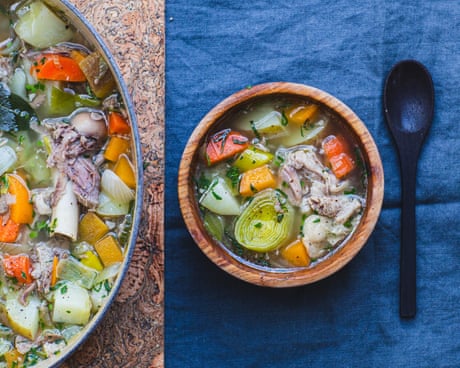
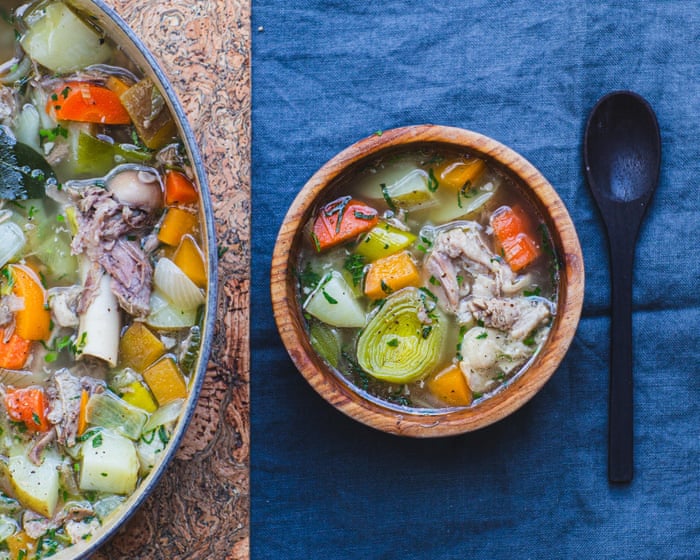
How to turn a leftover roast lamb bone into Wales’ national dish – recipe | Waste not

This hearty, slow-cooked soup is a celebration of all things Welsh, and its versatility makes it a year-round favourite

Cawl is Wales’ gift to the world of thrifty, slow-cooked broths and, like all great peasant dishes, it’s seasonal, versatile and immensely practical. A few years ago, Food & Drink Wales invited me to create two food sustainability toolkits, one for hospitality and one for the public, with both celebrating Welsh produce and recipes. This led me to explore Wales’ national dishes and discover cawl (or lobscows, the northern Welsh name for the dish) properly for the first time. Inspired by Welsh culinary legends Dudley Newbery and Tomos Parry’s recipes, it’s the perfect way to turn lamb leftovers, or even just a bone, into a hearty meal.

Continue reading...

© Photograph: Tom Hunt/The Guardian

© Photograph: Tom Hunt/The Guardian

© Photograph: Tom Hunt/The Guardian

  •  

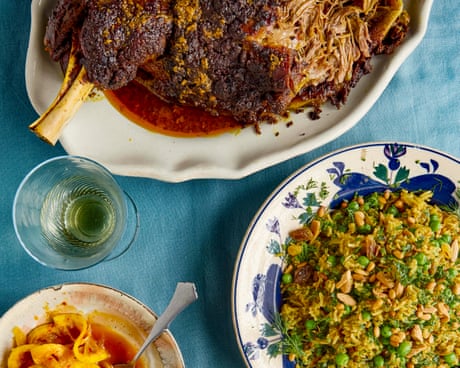
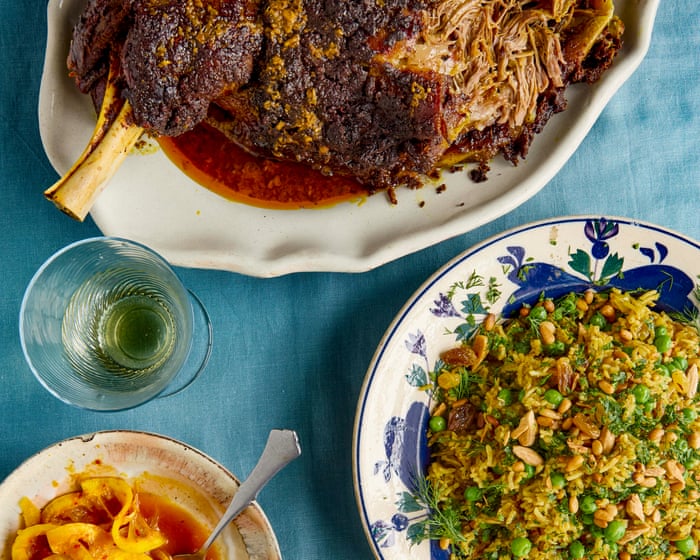
Sami Tamimi’s recipes for slow-cooked lamb with spicy pickled lemon and jewelled Easter rice

This Easter feast is steeped in the flavours and traditions of the Middle East

Whenever I’m asked about my favourite dish to serve to friends and family, in most cases I’d say slow-cooked lamb at the centre of the table. After a long, slow cook, the meat becomes tender and rich, and the spices melt into every bite. Served with flatbreads, tahini, fresh herbs and sharp pickles, it invites everyone to build their own perfect mouthful. Across the Middle East and Mediterranean, lamb symbolises generosity and celebration, especially at Easter, when roasting it remains an adored tradition.

Continue reading...

© Photograph: Kim Lightbody/The Guardian. Food styling: Tamara Vos. Prop styling: Anna Wilkins. Food styling assistant: Thea Hudson.

© Photograph: Kim Lightbody/The Guardian. Food styling: Tamara Vos. Prop styling: Anna Wilkins. Food styling assistant: Thea Hudson.

© Photograph: Kim Lightbody/The Guardian. Food styling: Tamara Vos. Prop styling: Anna Wilkins. Food styling assistant: Thea Hudson.

  •  

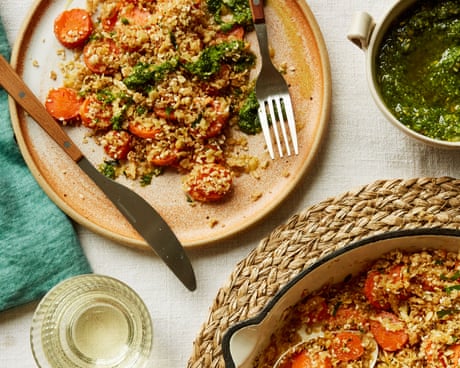
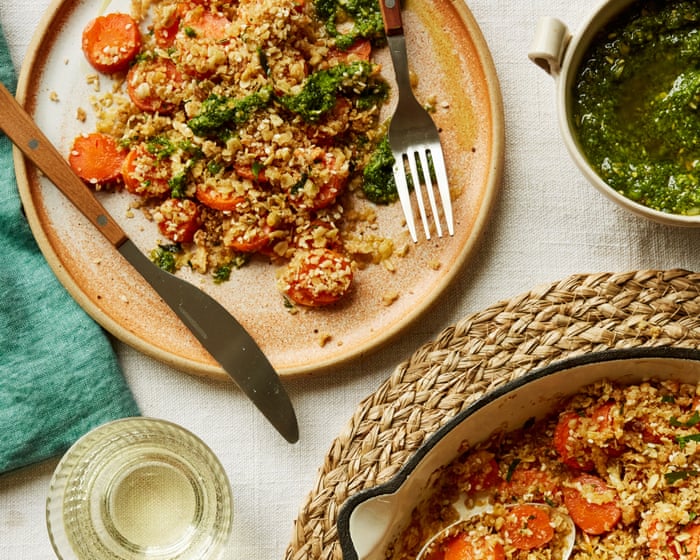
Carrot crumble and sprouting broccoli with almond butter: Chantelle Nicholson’s vegetable recipes for Easter

A rich roasted carrot dish and a flavour-bursting side to serve together for a luscious Easter celebration

The intense sweetness that comes from roasting carrots should not be underestimated. And, when that’s topped with a savoury, nutty crumble, it’s a great combination. Add the wonderfully seasonal purple sprouting broccoli on the side, and it’s a luscious Easter celebration. A few low-waste tips, too: always use the parsley stalks, and try pickling the shallots in leftover gherkin brine. Trust me! And it wouldn’t be a spring recipe without our beloved wild garlic, so make the most of that while it’s about.

Continue reading...

© Photograph: Matthew Hague/The Guardian. Food and prop styling: Lucy Turnbull. Food styling assistant: Georgia Rudd.

© Photograph: Matthew Hague/The Guardian. Food and prop styling: Lucy Turnbull. Food styling assistant: Georgia Rudd.

© Photograph: Matthew Hague/The Guardian. Food and prop styling: Lucy Turnbull. Food styling assistant: Georgia Rudd.

  •  

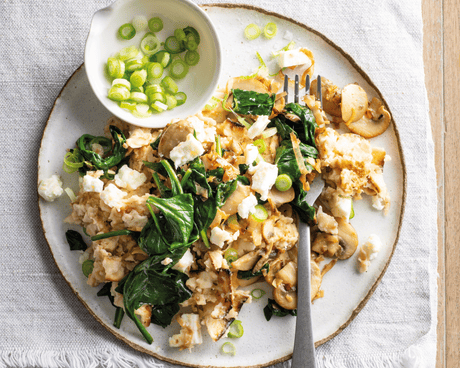
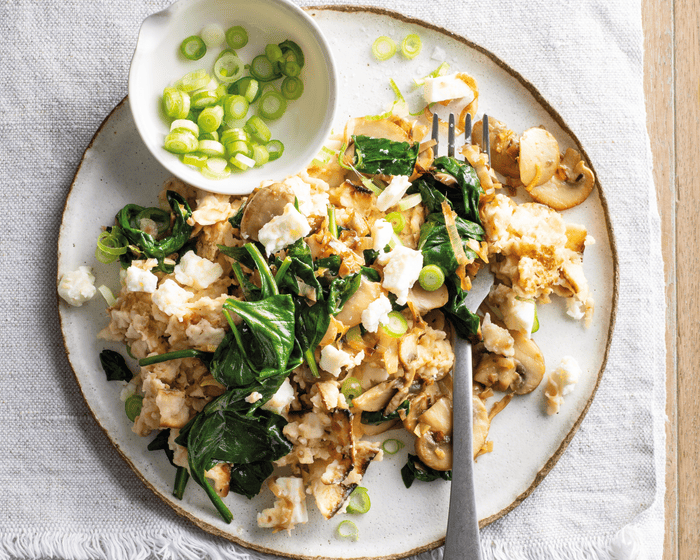
Matzo brei brunch and charoset ice-cream: Monday Morning Cooking Club’s modern Passover recipes

From the not-for-profit Jewish culinary collective comes a leek and mushroom matzo brei, one-pot roasted fish and a creamy charoset parfait

(Pictured above)

Continue reading...

© Photograph: Alan Benson

© Photograph: Alan Benson

© Photograph: Alan Benson

  •  

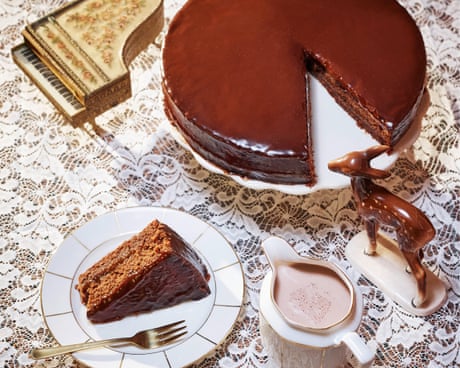
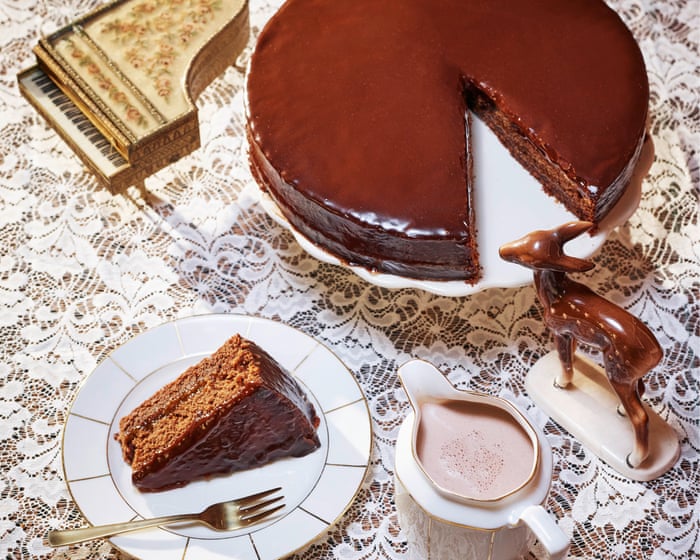
My search for the perfect Sachertorte in Vienna

The luscious chocolate and apricot torte is the stuff of legend in the grand, old world of Viennese coffeehouses. But which makes the tastiest?

I’m on a tram on Vienna’s Ringstrasse as towering facades, columns, statues and domes drift past, each more ornate than the last. Here, the State Opera; there, the Austrian parliament, built in the Greek neoclassical style.

As I gawp, I shove cake in my mouth. After all, Vienna isn’t just the city of music, or lavish architecture. Thanks, in part, to its centuries-old coffeehouse culture, it’s also one of Europe’s finest pastry destinations. Cake (or more precisely, torte, kuchen or Mehlspeisen) has its own day here – “Sweet Friday”, the most delicious of Catholic customs, when meat dishes are replaced with sweets. I have been introduced to it via the medium of Marillenknödel – apricot dumplings.

Continue reading...

© Photograph: PR

© Photograph: PR

© Photograph: PR

  •  

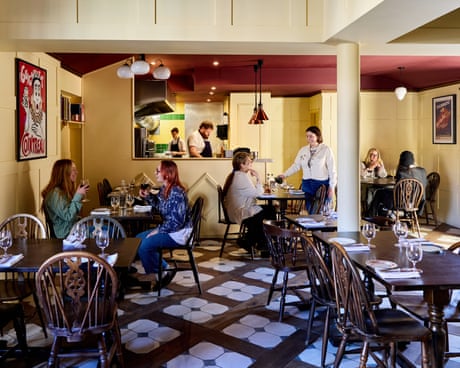
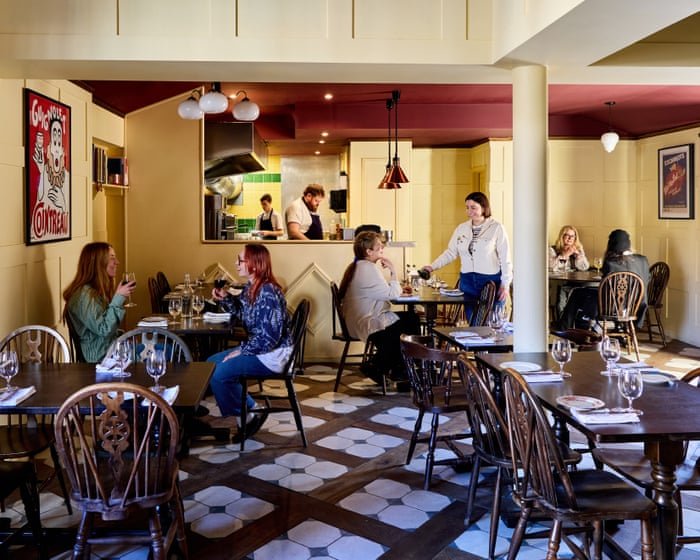
The Wellington, Margate, Kent: ‘Worth risking a werewolf attack to get to’ – restaurant review | Grace Dent on restaurants

The ever-changing menu is a paean to things that make me happy

The Wellington has been drawing crowds to Margate of late, due to a recent takeover by chef Billy Stock and front-of-house queen Ellie Topham. Stock is formerly of nearby Sète, which I loved very much, and also cooked at London’s The Marksman and St John, which is a pedigree that says: “I like feeding people proper food, not fancy, itsy-bitsy suggestions of food.” So with that, I set off to the south-east Riviera on a day when the weather ranged from hailstones to simply freezing gales.

Much is said about Margate being freshly desirable, hip and charming, but on a freezing day at the tail end of winter, this seaside town certainly tests the prescription of one’s rose-tinted spectacles. None of the down-from-London brigade cries, “Let’s move to Margate!” as icy hail plink-plonks off their nose while they cower in the door of the Turner Contemporary. On days like this, you need a centuries-old pub like the Wellington just off the promenade in the Old Town, to dry off with a stiff negroni and a bowl of French onion soup with beef short ribs. Or maybe a slab of country-style terrine with cornichons and, if you’re driving, one of their very good non-alcoholic shrubs: when we visited, there was a lovely, sharp but not-too-tart rhubarb one on offer.

Continue reading...

© Photograph: Luke J Albert/The Guardian.

© Photograph: Luke J Albert/The Guardian.

© Photograph: Luke J Albert/The Guardian.

  •  

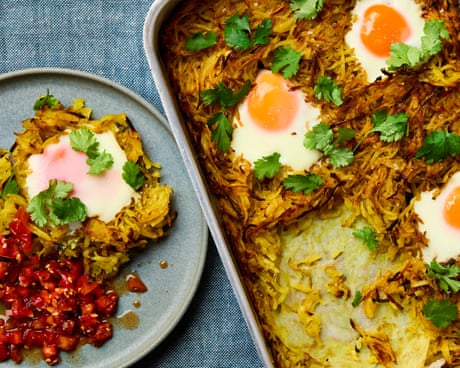
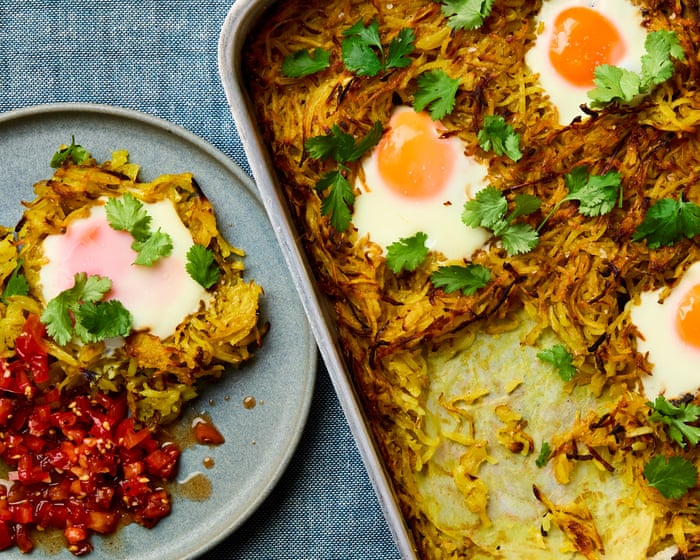
Meera Sodha’s vegetarian recipe for Malabar Hill eggs with tomato chutney | Meera Sodha recipes

This is simply some deliciously spicy, baked grated potatoes, with an egg on top and a moreish chutney to go with it – you can thank us later

Eggs are very Easter-appropriate, and some of my favourite egg recipes come from the egg-obsessed Parsis (descendants of Persian Zoroastrians, who emigrated to India thousands of years ago). Their obsession extends beyond the kitchen, too: achoo-meechoo, for example, is a custom where an egg is waved around a person’s head (six times clockwise, once anti-clockwise), then broken to ward off evil. When it comes to cooking, meanwhile, Parsis will put an egg on anything, and one favourite dish is kanda papeta par eeda, or eggs on potatoes, which I ate when staying with friends in Mumbai’s Malabar Hill and which inspired today’s recipe.

Continue reading...

© Photograph: Louise Hagger/The Guardian. Food styling: Emily Kydd. Prop styling: Jennifer Kay. Food styling assistant: Eden Owen-Jones.

© Photograph: Louise Hagger/The Guardian. Food styling: Emily Kydd. Prop styling: Jennifer Kay. Food styling assistant: Eden Owen-Jones.

© Photograph: Louise Hagger/The Guardian. Food styling: Emily Kydd. Prop styling: Jennifer Kay. Food styling assistant: Eden Owen-Jones.

  •  

From nolo to blotto: six cocktails for spring – recipes

From alcohol-free fizz to sips as dirty and spicy as they come – quench your seasonal thirst with these twisted classics

From alcohol-free kir royal at the top to punchy pours toward the bottom, we have all your spring sips covered.

Continue reading...

© Photograph: Phoebe Pearson/The Guardian. Food styling: El Kemp. Art direction and prop styling: Tabitha Hawkins.

© Photograph: Phoebe Pearson/The Guardian. Food styling: El Kemp. Art direction and prop styling: Tabitha Hawkins.

© Photograph: Phoebe Pearson/The Guardian. Food styling: El Kemp. Art direction and prop styling: Tabitha Hawkins.

  •  

Benjamina Ebuehi’s recipe for lemon lamington cake | The sweet spot

This giant version of an Aussie favourite makes for the perfect coconut-covered Easter centrepiece

I think lamingtons should be much more popular than they are on this side of the world. One of my go-to coffee shops is Aussie-run and they always have a proud display of chunky, jam-filled, chocolate- and coconut-coated lamingtons. Making them isn’t complicated, just a little messy with all the filling and dipping of multiple cubes of cake in different bowls. In an attempt to streamline the process, and because giant versions of anything are always fun, I’ve made one extra-large lamington. It’s a wonderfully soft sponge, covered in lemon curd ganache and filled with plenty of cream, making for a very pretty Easter centrepiece.

Continue reading...

© Photograph: Patricia Niven/The Guardian. Food styling: Katie Smith. Porp styling: Anna Wilkins. Food styling assistant: Allegra D'Agostini.

© Photograph: Patricia Niven/The Guardian. Food styling: Katie Smith. Porp styling: Anna Wilkins. Food styling assistant: Allegra D'Agostini.

© Photograph: Patricia Niven/The Guardian. Food styling: Katie Smith. Porp styling: Anna Wilkins. Food styling assistant: Allegra D'Agostini.

  •  

Aperitivo or dinner? Portuguese whites are always right

The country’s light, crisp, fruity wines are giving its more famous styles a run for their money

Portuguese wines have been making steady advances on British drinkers in recent years, and for good reason. The country is home to many delightful indigenous grapes (bom dia baga, encantado encruzado), as well as the sort of varied maritime, mountainous terrain that encourages personality. Its winemakers tend to be forward-thinking and climate-conscious, too, and there are lots of bottles of interest at the “midweek” price point – that is, £8-£13. Case in point: the “yellow tram wine”, AKA Porta 6 Lisboa, is now a ubiquitous presence on our high streets.

While Portugal is often associated with sturdy reds and Christmassy digestifs, it also excels at light, crisp, appetite-whetting whites. As we all know, there is no finer moment in the day than aperitivo, that elusive hour when deadlines and bedtimes recede mid the pssscht of bottles and the crack and tinkle of ice (the fact that this almost never actually happens only heightens the pleasure when it does). And Portuguese whites are tailor-made for such moments; if you also have some pretty tins of Nuri sardinhas on the go, so much the better.

Continue reading...

© Photograph: Andrei Filippov/Alamy

© Photograph: Andrei Filippov/Alamy

© Photograph: Andrei Filippov/Alamy

  •  

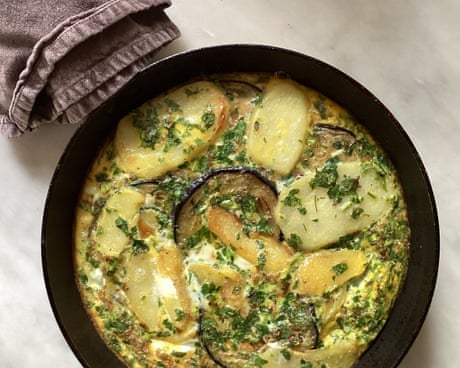
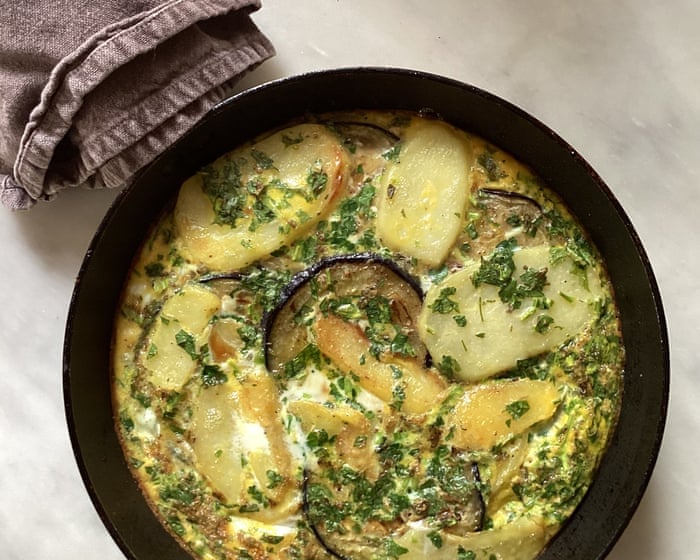
Rachel Roddy’s recipe for potato, aubergine and herb tortino alla fiorentina

A substantial, velvety dish to carry you through into the summer months

The sky is the same shade as old Tupperware, our tortoise appears to have gone back into hibernation, the flat upstairs has builders in, but the kitchen smells gorgeous, thanks to this week’s recipe. It is one of the variations suggested by Anna Gosetti Della Salda for her aubergine and egg tortino alla fiorentina in the Tuscany chapter of Le Ricette Regionali Italiane, an indispensable book that I would save from a fire. The addition of potato to the aubergine makes it an even more substantial, velvet-like and better-tasting dish, I think: a layered vegetable bake crossed with a frittata that fancies itself as having a touch of baked eggs (although don’t expect any puffing up).

Instead of the aubergine, you could use artichoke hearts (trimmed and cut into slim wedges), courgettes or cardoon, and, if you fancy, you could also add a crumbled sausage or a handful of diced pancetta. Whatever you use, however, a fundamental stage in terms of both flavour and texture is the initial cooking of the vegetables: frying the potatoes, then covering the pan so they fry-steam into tenderness; the aubergine by simply frying. Important, too, is sprinkling the just-cooked slices with a little salt, so the end dish is seasoned through. (The egg and milk mixture is seasoned with cheese – use whatever you have – but check for salt, too.)

Continue reading...

© Photograph: Rachel Roddy/The Guardian

© Photograph: Rachel Roddy/The Guardian

© Photograph: Rachel Roddy/The Guardian

  •  

Fresh start: Hetty Lui McKinnon’s recipes to celebrate spring

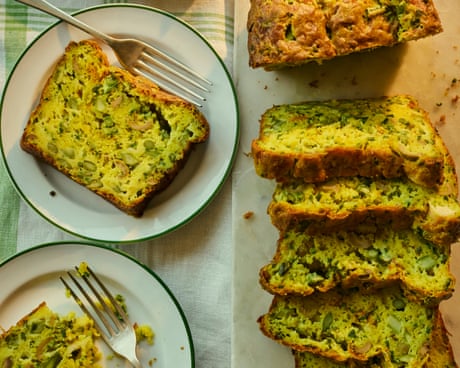
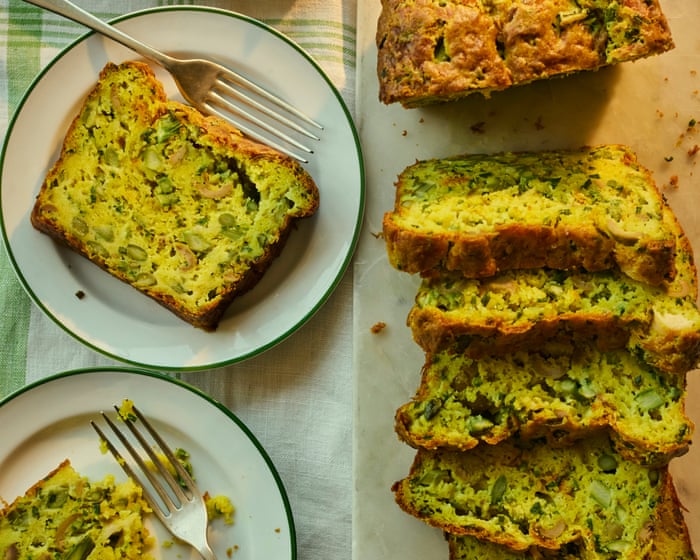
Vegetables take centre stage in this relaxed menu of cheesy asparagus loaf, mushroomy filo tart with a chilli crisp crust, punchy feta salad, and a no-bake strawberry matchamisu

Vegetables are in my blood. I grew up surrounded by them; boxes upon boxes scattered around my childhood home, a perk from my father’s job as a wholesale purveyor (of bananas, specifically) at Sydney’s Flemington Markets (now known as Sydney Markets). Our family enjoyed an embarrassment of nature’s riches; an endless supply of succulent Asian greens, rotund cauliflowers, glossy aubergine, perky spring onions, and bulging cabbages that overflowed from crates in and around the kitchen and dining room. We needed to step over trays of stone fruit and cartons of oranges to get to the bathroom.

In the summer, I gorged on apricots and cherries until I was sick (true story) – I had no self-control when it came to the fresh stuff. This overindulgence ended abruptly when my father died when I was 15. The endless parade of fresh vegetables and fruits ceased but my deep connection with vegetables lives on. Today, chopping a head of broccoli, peeling a carrot or charring a wedge of cabbage makes me feel closer to my dad. It is a daily ritual that keeps his memory alive.

The sense of feeling alive is never more present than during the transition from winter. Spring, or chūn as it’s called in Cantonese, is actually the first season of the Chinese Lunar Year and somehow, that feels fitting for how we should approach eating during this time of year. As the brisk air thaws and the skies lift, the feeling of renewal and new beginnings punctuates my approach to cooking and feeding others. Bright acidity, twists on classic dishes, and pantry staples used in unexpected ways. Spring is the time to be bold, take risks in the kitchen and reawaken your tastebuds.

Continue reading...

© Photograph: Laura Edwards/The Guardian

© Photograph: Laura Edwards/The Guardian

© Photograph: Laura Edwards/The Guardian

  •  
❌