An upmarket, smoky ‘tegroni’ that is simplicity itself to make
All you need to make this is a glass and a spoon. We’ve switched out the tequila from the original noughties twist on the negroni and instead brought forward our favourite spirit, mezcal, to bring a lightly smoky profile to proceedings. The perfect pairing for this drink is a campfire, so it’s an especially good one to premix in a flask and chuck in your backpack for a spring camping trip.
Daniel Craig Martin, co-founder, Bar Shrimp, Manchester
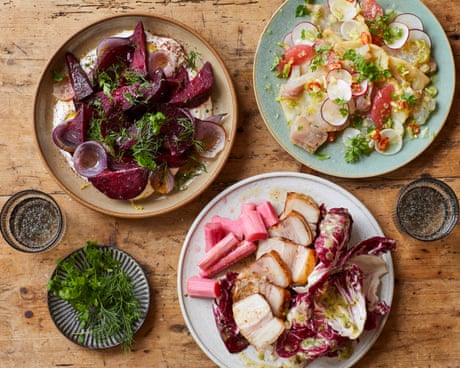
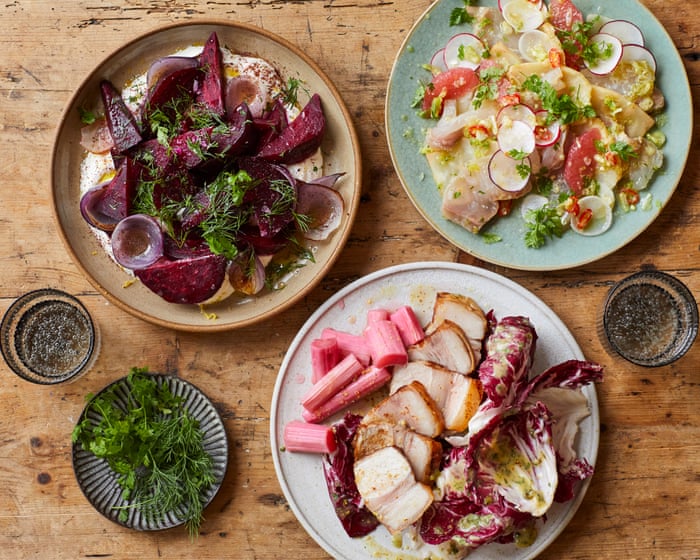
The weeks before the full spring bounty arrives are a perfect time to bring a lighter approach to winter crops, and make the most of frozen fruit and spring greens
Spring may have firmly sprung – I write this with a view of vivid yellow forsythia blossom in next door’s garden, and the melodious warble of full-throated birdsong – but though the greenery may be flourishing in our gardens, it’s a different story at the farmers’ market. Despite a few spindly spears of asparagus and miniature jersey royals making an appearance on our Easter tables last weekend, the new season of British produce doesn’t kick off in earnest for another few weeks yet. That means we’re now heading into the so-called “hungry gap”, an annual quirk of our relatively northern latitude, when temperatures are too high for much winter veg such as kale and brassicas, but too low for the more delicate likes of peas and broad beans to ripen – let alone high-summer treats such as berries, squash and stone fruit.
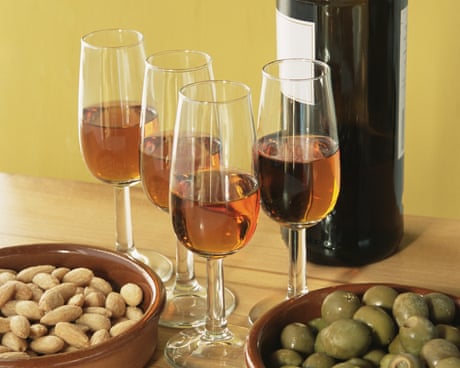
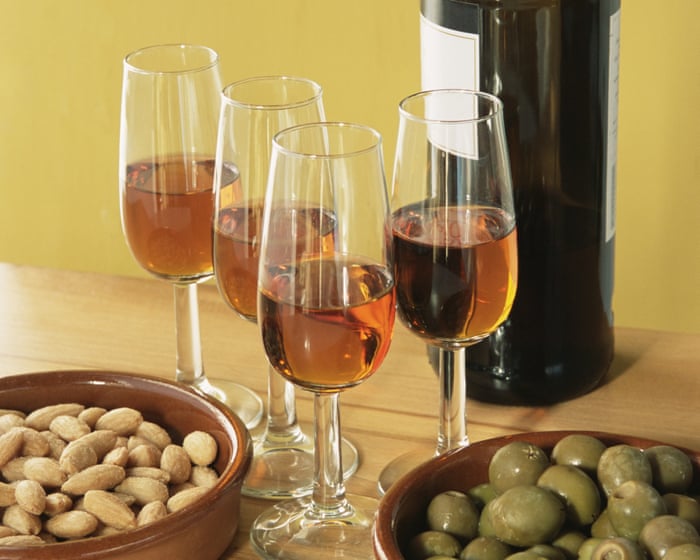
The image of cream sherry is that of your gran’s favourite tipple, a drink from a bygone era. Is it time for a makeover?
By the time I knew her, my granny was in her whisky and water era, but my dad clearly remembers a bottle of Harveys Bristol Cream in the drinks cupboard, ready to pour for friends after church in the 1970s. This is the enduring image of cream sherry, one that it has struggled to shake off. While other sherries – bone-dry fino and manzanilla (made by ageing palomino grapes under a yeast layer called flor),oxidative amontillado or oloroso, and sweet, single varietals such as pedro ximénez (PX) – have acquired new cachet among younger drinkers, not least because they’re relatively affordable, cream is the emblematic Little English tipple of a bygone time.
Britain was sherry’s biggest export market for several centuries – the word is said to hark back to importers’ inability to pronounce the J in Jerez, where this large, colourful family of fortified wines originates. So Jerez became “sherez” became “sherry” – and cream sherry was developed specifically for the tastes of Victorian drinkers. The iconic Harveys, for example, named after its Bristol-based wine merchant/importer, arrived in the 1860s and by the early 1970s was shifting a million cases of the stuff each year (sales have since dropped to a mere fraction of that).
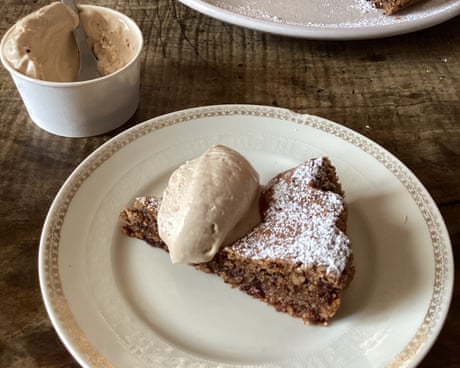
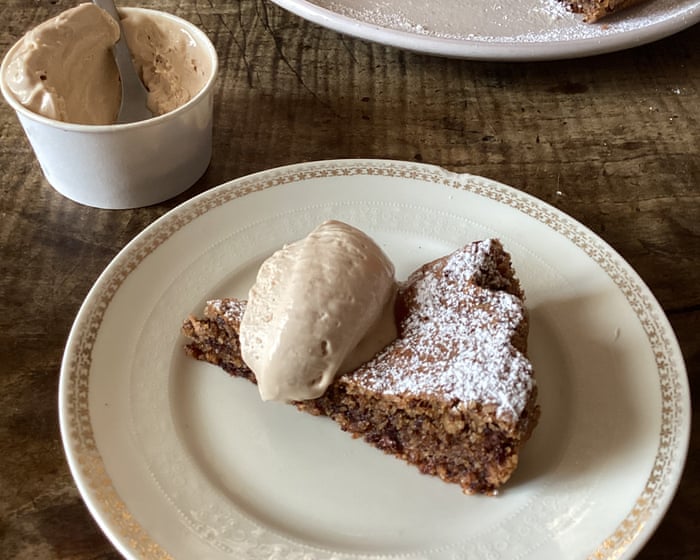
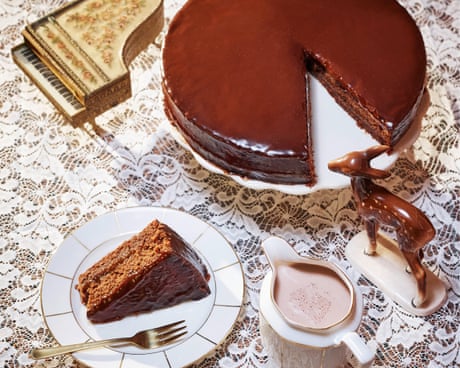
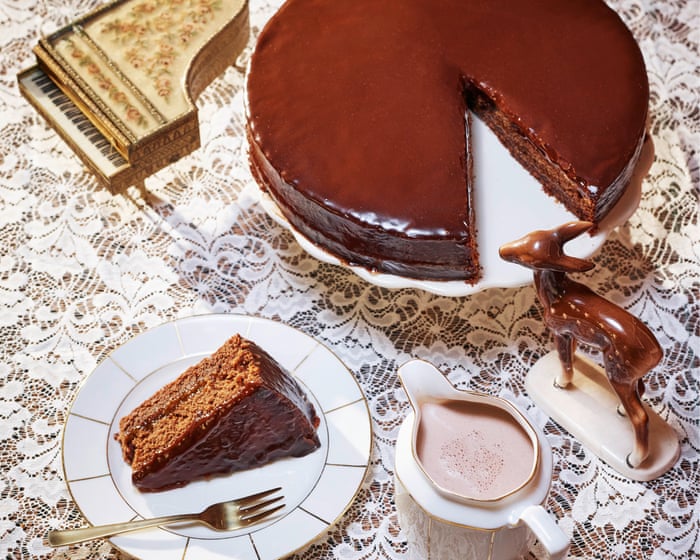
A rather pastoral feel accompanies this week’s simple recipe for a nutty chocolate cake
Having been kept waiting for three hours, Dick Dewy leaves Miss Fancy Day snipping and sewing her blue dress. The plan is that he will return for her a quarter of an hour later, however, Dick convinces himself that he has been scandalously trifled with by Fancy and decides that, to punish her, he will not return. Instead, he leaps over the gate, pushes up the lane for two miles, takes a winding path called Snail-Creep, and crawls through the opening to the hazel grove in Grey’s Wood.
A creative way to use the core, leaves and all so that not one part of the cauli gets left behind
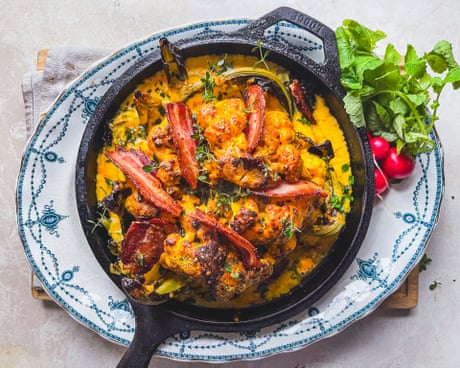
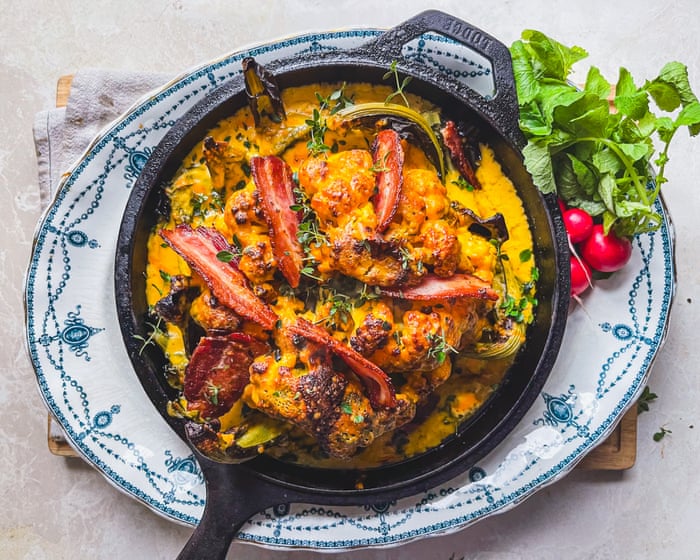
This recipe, adapted from one in my cookbook, is a very elaborate way to serve humble cauliflower cheese. The whole plant, including the leaves and core, is seasoned with nutmeg and roasted, and it’s then dressed with a satisfying layer of rich cheese sauce and grilled until charred and bubbling. Choose a cauliflower with plenty of leaves, because they go deliciously crisp when roasted.
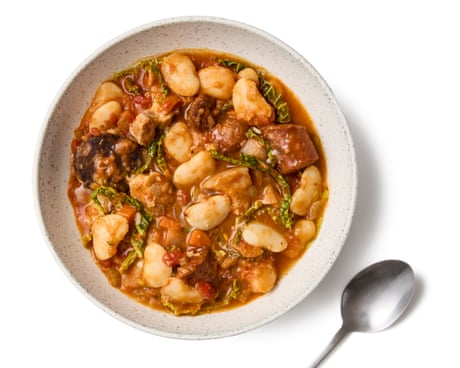
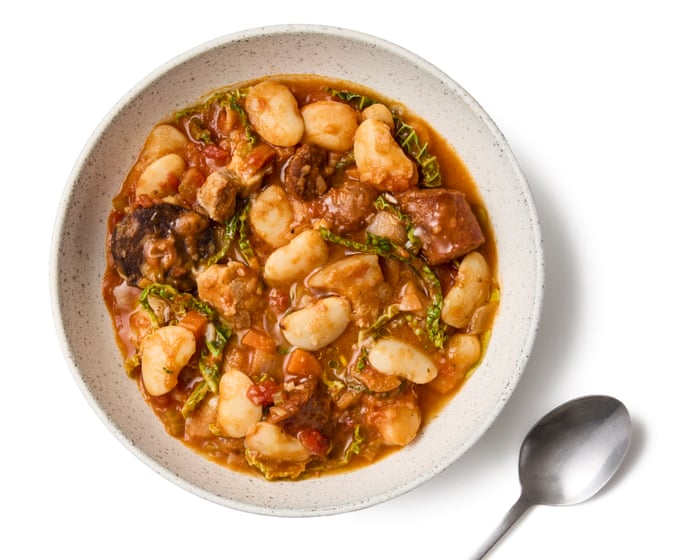
This marvellous staple of the Portuguese kitchen is a rich bean stew with pork and sausages that makes an excellent one-pot feast. You might find it’s perfect for midweek …
If you are trying to incorporate more beans and pulses into your diet, as I am, then this robust, one-pot feast, which food writer Edite Vieira describes as “a marvellous standby of the Portuguese kitchen”, is one to bear in mind. Though each region has its own variations, “basically”, she explains, “feijoada is a rich bean stew with pork and sausages”. The Brazilian version, often cited as that country’s national dish, is the product of the West African “love of beans”, according to the Oxford Companion to Food, with some suggesting that it’s a South American creation that travelled to Europe along with returning colonisers. Others insist with equal fervour that the dish was “born in the north of Portugal, and imported and adapted to what was available in Brazil”. Like so many such homely favourites, its precise history will probably ever remain a mystery; what’s important is that it’s simple to prepare, easy to adapt according to taste and budget, and very satisfying.
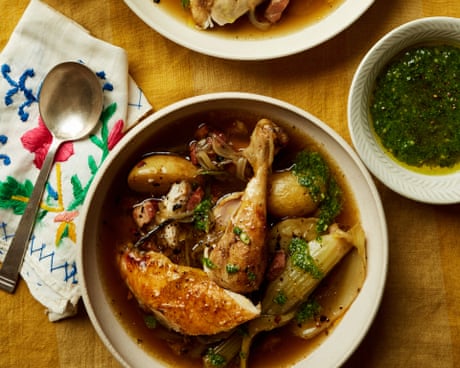
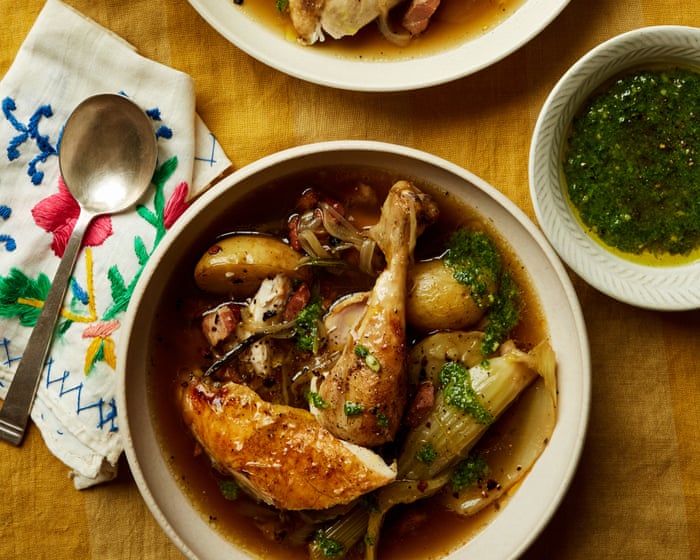
It’s wild garlic time again! Try this pesto with an aromatic chicken, fennel and potato stew, then dive into a fudgy banana cake with a tantalisingly crunchy top
I love Mexican chillies for the subtle flavour they give to cooking. Take the ancho, with its sweet, earthy notes of chocolate and plum. That adds immense depth to dishes traditional and avant garde alike, and is now readily available online and in shops. In today’s one-pot, which is a near-perfect way to cook a whole chicken, the ancho adds character to a classic sofrito, while in the pudding the savoury notes and touch of heat complement the dark caramel, helping to create a banana cake that is anything but bland. If you can’t find ancho, try any other medium-heat chilli flake in its place (nora, aleppo), or simply leave it out. The results will be delicious either way.
The RN7 road to the Côte d’Azur is enjoying a renaissance among lovers of slow travel in search of offbeat France
‘We were five people in my parents’ 2CV; we would set out at 3am and by 10am, around about Lyon, my father would need a break. My mother would set up a deckchair for him under a tree by the side of the road and he would sleep before driving the rest of the way to Toulon.”
On a recent road trip through France, I met up with Thierry Doillon, a vintage car fanatic who helped restore a 1950s petrol station on the Route Nationale 7. I wanted to talk about the heyday of this iconic road (so famous that singer-songwriter Charles Trenet released a song about it in 1955) and why it’s enjoying a renaissance with holidaymakers.
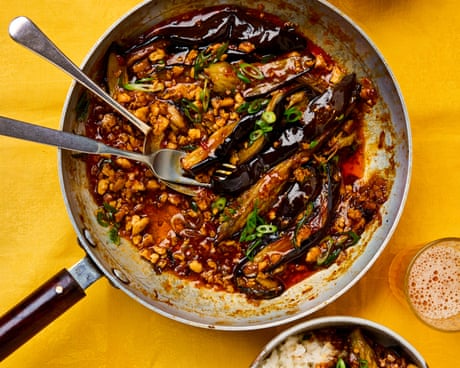
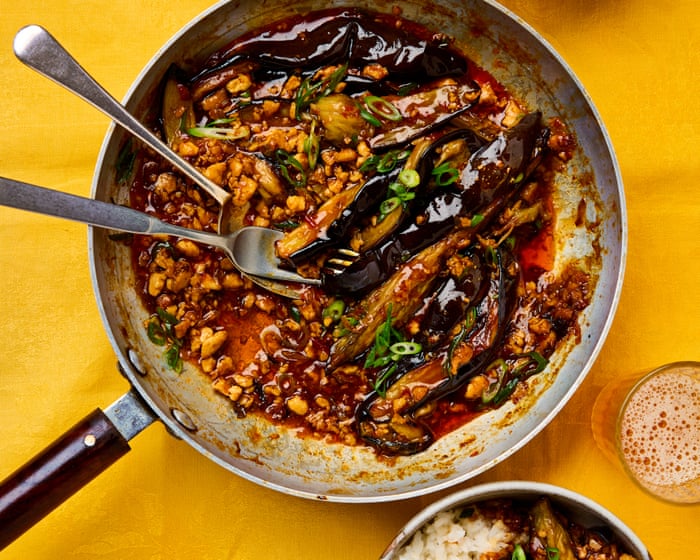
A cheerful rice bowl fragrant with ginger, garlic and spring onion, and laced with a sprightly chilli bean sauce
With spring in the air, I want a dish that’s the equivalent of turning the key in the ignition, firing up the engine and riding off into the sun. In short: something with a bit of va-va-voom. That dish, for me, is these Sichuan aubergines, a take on the classic “fish fragrant aubergines” (so called because the same aromatics are often used to cook fish). Creamy to begin with, they’re layered with flavour by way of ginger, garlic, spring onion and, finally, laced with delight and good times owing to the bright chilli bean sauce and vinegar.
Created in Italy and made with elderflower liqueur, the cocktail is sweeter than Aperol spritz and lower in alcohol
Pub gardens and bar terraces have been awash with a sea of orange in recent years as Italy’s love of Aperol spritz spread to the UK. But this year the cocktail’s cousin, a Hugo spritz, will be the drink of the summer, according to supermarkets and bars.
It is already being served across the country, including at Sea Containers on the banks of the Thames and Mayfair’s swanky Claridge’s hotel in London, 20 Stories bar in Manchester and the Bridge Tavern in Newcastle. Wetherspoons has the cocktail on its menu nationwide.
Everything Korean – from K-pop and skincare to food and clothing – is booming in popularity in Chile, Mexico and Brazil
On the polished flagstones of a Santiago cultural centre’s forecourt, four Chilean girls dance in energetic union, counting their steps aloud in Korean.
In front of them, a YouTube video with 1.3bn views plays atop a speaker throbbing to the beat of How You Like That, by the K-pop megastars Blackpink.
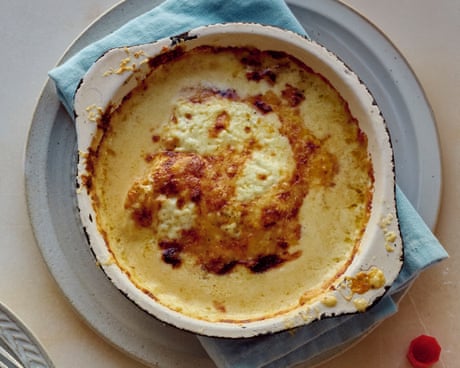
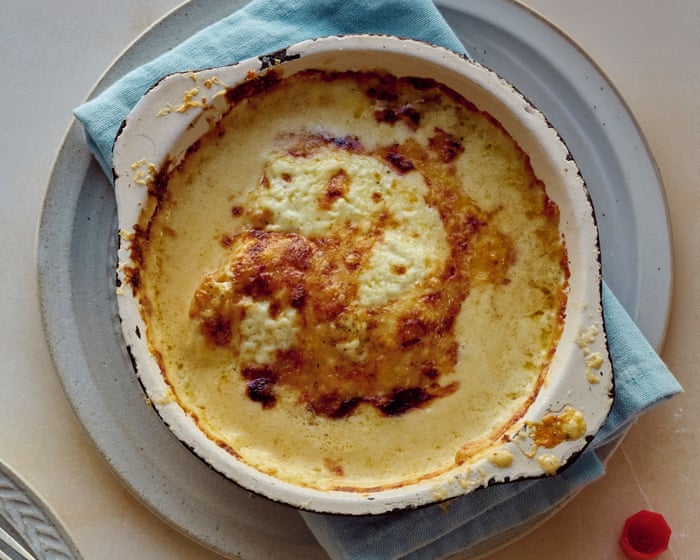
An easy Sunday supper of a cheesy fish dish and a biscuity iced dessert
Sometimes all you want is a hot, bubbling dish and a spoon, and for me today’s cheesy haddock is that dish – a 15-minute supper to be enjoyed in front of the telly with a salad or a large bowl of hot buttered peas. Add a lemony, biscuity iced dessert, and you have a light, very easy and enjoyable supper that’s almost the perfect close to a long Easter weekend.
The Guardian aims to publish recipes for sustainable fish. Check ratings in your region: UK; Australia; US.
These recipes are edited extracts from The Racine Effect: Classic French Recipes from a Lifetime in the Kitchen, by Henry Harris, published by Quadrille at £40. To order a copy for £36, go to guardianbookshop.com
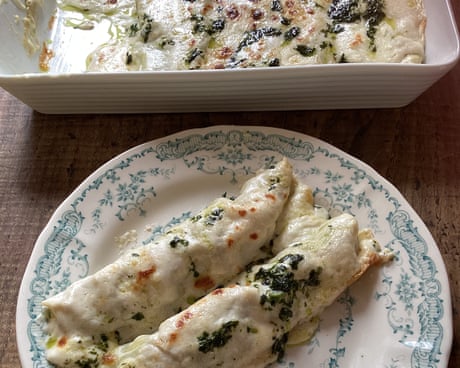
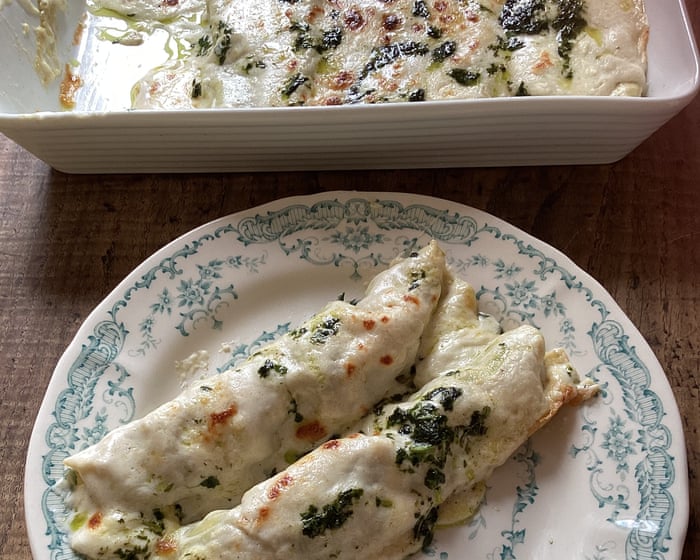
Cannelloni made with sheets of fresh egg pasta are a treat, especially on a feast day, and they can be made the day before
Fresh sheets smelling of fresh air or fabric softener (or both) with hospital corners are one of life’s great pleasures. As are fresh sheets of egg pasta – the sort that comes in squat boxes protected by clingfilm and found in the fridge section alongside ravioli. They are also one of the most useful and certainly the most multi-talented of all the pasta shapes.
That they are labelled lasagne is limiting; of course, they can be lasagne, but they could just as easily be numerous other shapes. The most easy-going of which is maltagliati, meaning badly cut, which tells you everything you need to know about the approach required as you cut them (using a knife, pizza wheel or pair of scissors) into uneven bits that are ideal in all sorts of soups, but especially those with beans. With slightly more precision, the sheets can be turned into 1cm-wide ribbons (short tagliatelle, if you like) for meat or vegetable ragu. Similar ribbons, made with a fluted pasta cutting wheel, can be mafalde, while thicker ribbons create a sort of ersatz pappardelle. All ribbons, though, can be cut into quadrucci (little squares) – another shape ideal for soup. Larger squares can be mandilli de sea (silk handkerchiefs), which are great dressed with pesto. If the pasta is fresh enough, rectangles can also be pinched into farfalle (butterflies), although I think bow ties is a better description.
This hearty, slow-cooked soup is a celebration of all things Welsh, and its versatility makes it a year-round favourite
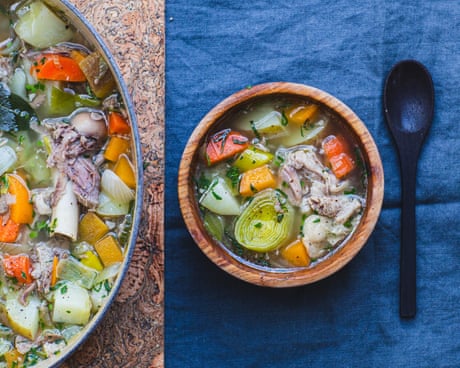
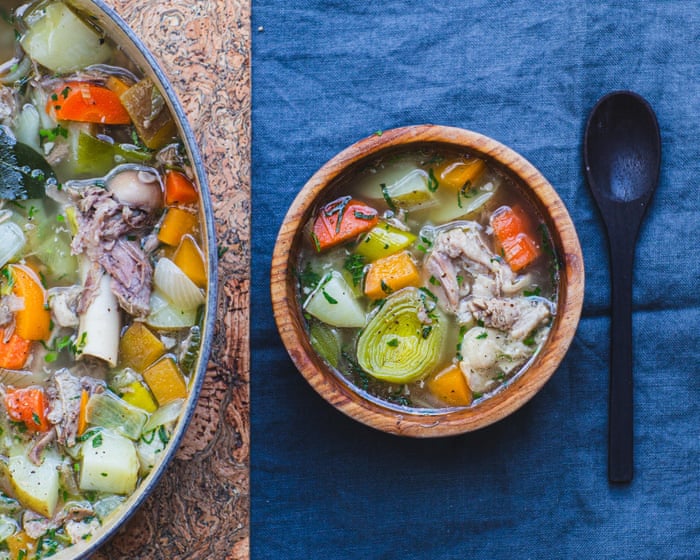
Cawl is Wales’ gift to the world of thrifty, slow-cooked broths and, like all great peasant dishes, it’s seasonal, versatile and immensely practical. A few years ago, Food & Drink Wales invited me to create two food sustainability toolkits, one for hospitality and one for the public, with both celebrating Welsh produce and recipes. This led me to explore Wales’ national dishes and discover cawl (or lobscows, the northern Welsh name for the dish) properly for the first time. Inspired by Welsh culinary legends Dudley Newbery and Tomos Parry’s recipes, it’s the perfect way to turn lamb leftovers, or even just a bone, into a hearty meal.
This Easter feast is steeped in the flavours and traditions of the Middle East
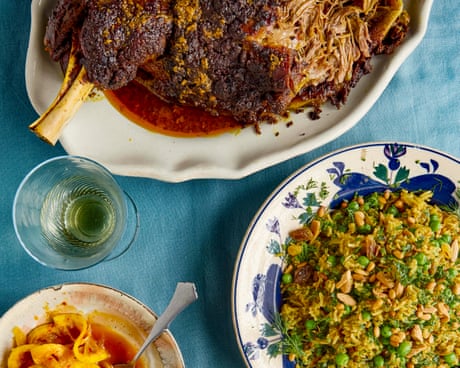
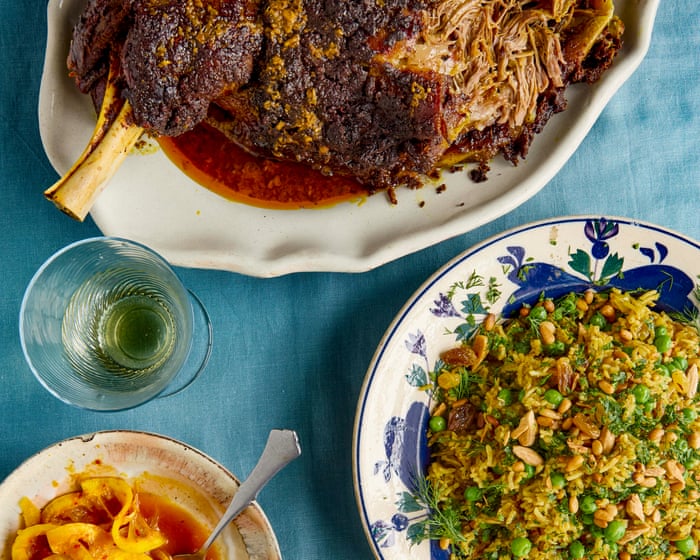
Whenever I’m asked about my favourite dish to serve to friends and family, in most cases I’d say slow-cooked lamb at the centre of the table. After a long, slow cook, the meat becomes tender and rich, and the spices melt into every bite. Served with flatbreads, tahini, fresh herbs and sharp pickles, it invites everyone to build their own perfect mouthful. Across the Middle East and Mediterranean, lamb symbolises generosity and celebration, especially at Easter, when roasting it remains an adored tradition.
A rich roasted carrot dish and a flavour-bursting side to serve together for a luscious Easter celebration
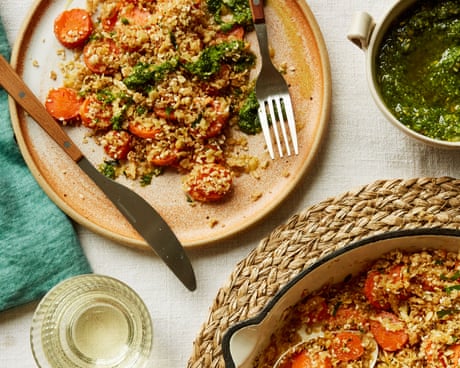
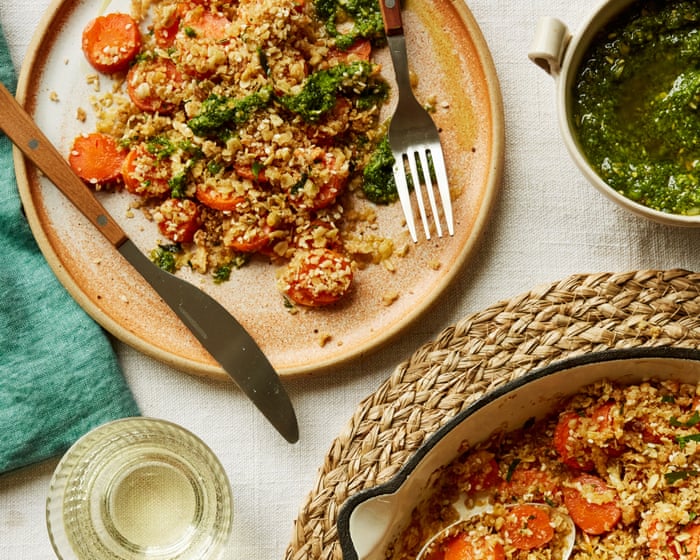
The intense sweetness that comes from roasting carrots should not be underestimated. And, when that’s topped with a savoury, nutty crumble, it’s a great combination. Add the wonderfully seasonal purple sprouting broccoli on the side, and it’s a luscious Easter celebration. A few low-waste tips, too: always use the parsley stalks, and try pickling the shallots in leftover gherkin brine. Trust me! And it wouldn’t be a spring recipe without our beloved wild garlic, so make the most of that while it’s about.
The luscious chocolate and apricot torte is the stuff of legend in the grand, old world of Viennese coffeehouses. But which makes the tastiest?
I’m on a tram on Vienna’s Ringstrasse as towering facades, columns, statues and domes drift past, each more ornate than the last. Here, the State Opera; there, the Austrian parliament, built in the Greek neoclassical style.
As I gawp, I shove cake in my mouth. After all, Vienna isn’t just the city of music, or lavish architecture. Thanks, in part, to its centuries-old coffeehouse culture, it’s also one of Europe’s finest pastry destinations. Cake (or more precisely, torte, kuchen or Mehlspeisen) has its own day here – “Sweet Friday”, the most delicious of Catholic customs, when meat dishes are replaced with sweets. I have been introduced to it via the medium of Marillenknödel – apricot dumplings.
The ever-changing menu is a paean to things that make me happy
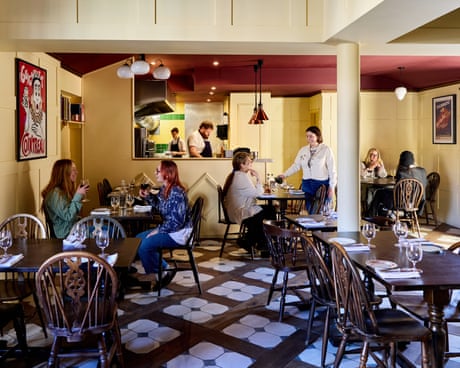
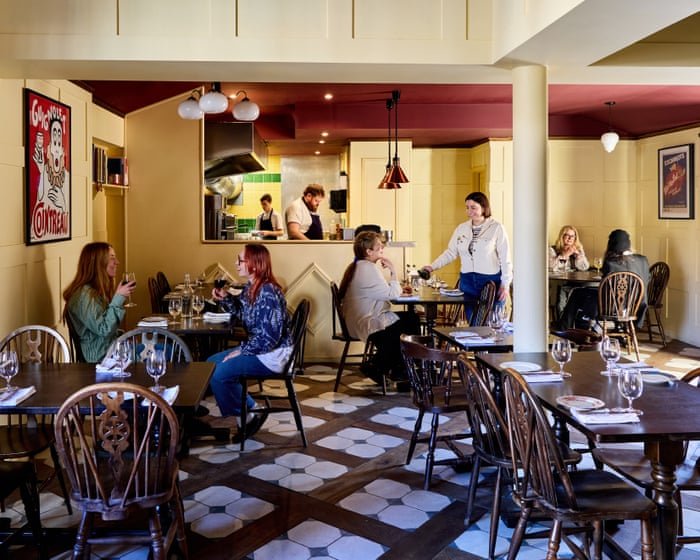
The Wellington has been drawing crowds to Margate of late, due to a recent takeover by chef Billy Stock and front-of-house queen Ellie Topham. Stock is formerly of nearby Sète, which I loved very much, and also cooked at London’s The Marksman and St John, which is a pedigree that says: “I like feeding people proper food, not fancy, itsy-bitsy suggestions of food.” So with that, I set off to the south-east Riviera on a day when the weather ranged from hailstones to simply freezing gales.
Much is said about Margate being freshly desirable, hip and charming, but on a freezing day at the tail end of winter, this seaside town certainly tests the prescription of one’s rose-tinted spectacles. None of the down-from-London brigade cries, “Let’s move to Margate!” as icy hail plink-plonks off their nose while they cower in the door of the Turner Contemporary. On days like this, you need a centuries-old pub like the Wellington just off the promenade in the Old Town, to dry off with a stiff negroni and a bowl of French onion soup with beef short ribs. Or maybe a slab of country-style terrine with cornichons and, if you’re driving, one of their very good non-alcoholic shrubs: when we visited, there was a lovely, sharp but not-too-tart rhubarb one on offer.
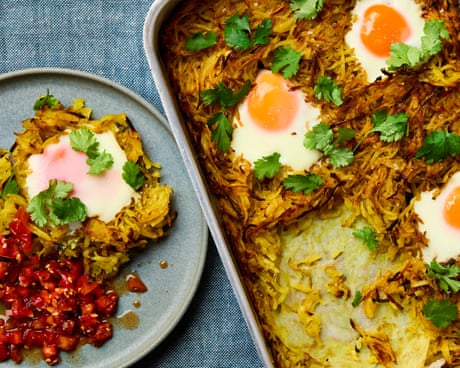
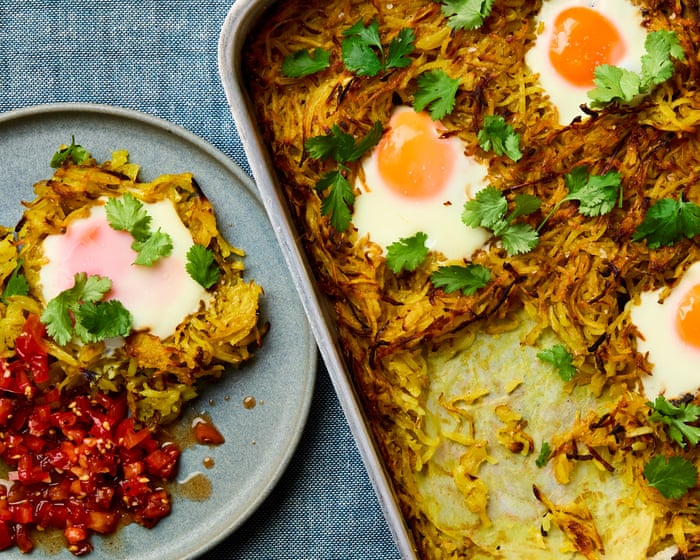
This is simply some deliciously spicy, baked grated potatoes, with an egg on top and a moreish chutney to go with it – you can thank us later
Eggs are very Easter-appropriate, and some of my favourite egg recipes come from the egg-obsessed Parsis (descendants of Persian Zoroastrians, who emigrated to India thousands of years ago). Their obsession extends beyond the kitchen, too: achoo-meechoo, for example, is a custom where an egg is waved around a person’s head (six times clockwise, once anti-clockwise), then broken to ward off evil. When it comes to cooking, meanwhile, Parsis will put an egg on anything, and one favourite dish is kanda papeta par eeda, or eggs on potatoes, which I ate when staying with friends in Mumbai’s Malabar Hill and which inspired today’s recipe.

 Anmelden