❌

Lese-Ansicht

Outrage as woman jailed for three years after criticising Somali government online

Sentencing of 27-year-old Sadia Moalim Ali condemned by former president and prime ministers as well as rights groups

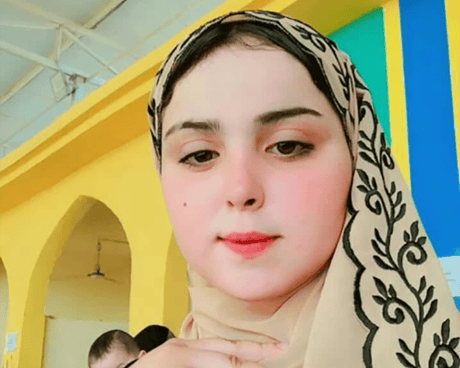
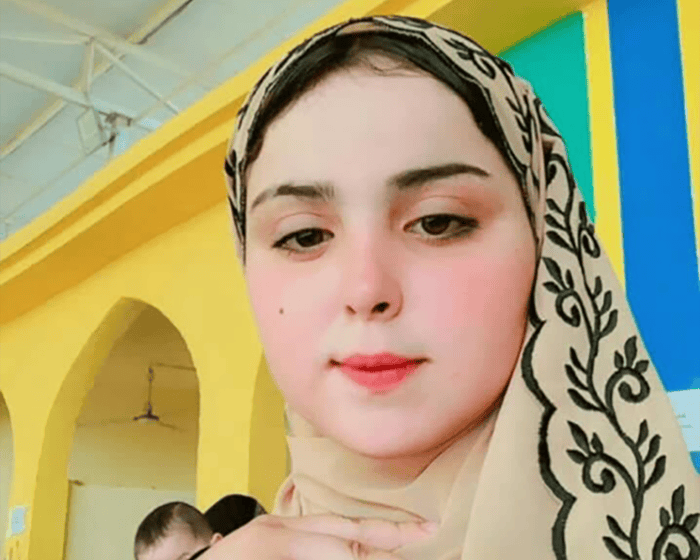
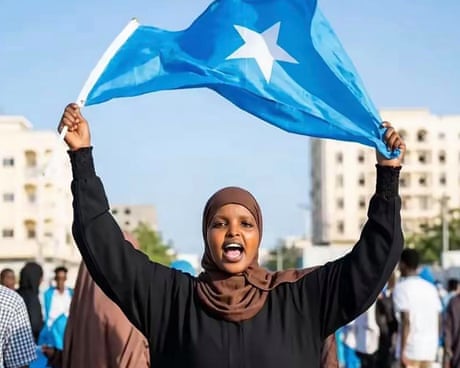
A rickshaw driver in Somalia has been sentenced to three years in prison for comments she made on social media, in a case that has caught the public’s attention and provoked outrage in the country.

Sadia Moalim Ali, a 27-year-old nursing graduate, was originally charged with insulting government institutions and incitement to commit a crime, but convicted only of the former. Her sentence, immediately condemned as “fundamentally unjust”, was handed down on 25 June.

Continue reading...

© Photograph: Handout
© Photograph: Handout
© Photograph: Handout

  •  

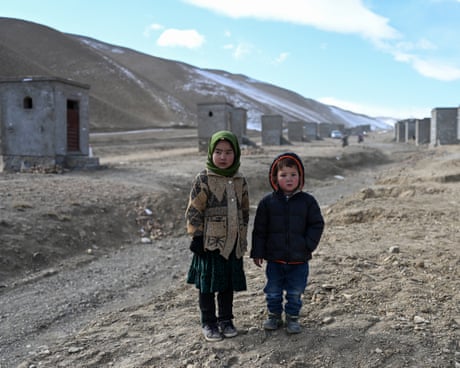
The Guardian view on EU talks with the Taliban: selling out the rights of girls, women and other Afghans | Editorial

Five years after the fall of Kabul, European states are anxious to send migrants back – regardless of what it takes and what awaits them

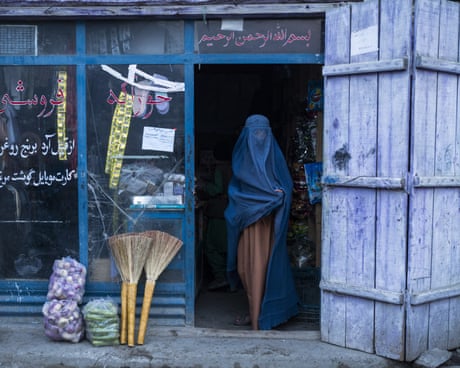
Days after Kabul fell to the Taliban in August 2021, the EU’s top diplomat stressed the need to protect women and girls. “Cooperation with any future Afghan government will be conditioned on … respect for the fundamental rights of all Afghans,” Josep Borrell pledged. The regime’s attack on women’s rights began immediately, and has only intensified. The Taliban have barred girls from secondary school and university, legalised child marriage, prevented women from travelling without a male guardian and excluded them from jobs, parks and bathhouses. Women have been literally silenced: their voices are forbidden from being heard in public, even from within their own homes.

A new criminal code introduced last year permits men to beat their wives; even if women are able to prove the use of “obscene force”, a husband may still be sentenced to only 15 days in prison. (In contrast, harming an animal could mean five months in jail.) And restrictions on work, movement and contacts are not merely oppressive. They are often deadly in a country gripped by a humanitarian crisis. UN experts have said that this “widespread, systematic and all-encompassing” assault on women’s rights may amount to “gender apartheid”.

Continue reading...

© Photograph: Wakil Kohsar/AFP/Getty Images

© Photograph: Wakil Kohsar/AFP/Getty Images

© Photograph: Wakil Kohsar/AFP/Getty Images

  •  

‘I don’t know how to save my daughter from her husband’: the brutal reality of the Taliban’s new marriage law

The latest decree from Afghanistan’s rulers makes it impossible for women and girls to leave unwanted or abusive relationships, even with family support

When Fatima arrived at a district court in northern Afghanistan in late 2025 with her parents, she hoped a judge would finally allow her to leave her calamitous marriage.

She had never met her husband before their arranged wedding in the summer of 2024. Each time her family asked to see him, they were told he was shy. It was only on the wedding day, relatives say, that Fatima understood what had been hidden from her: her husband had severe intellectual and physical disabilities and could not eat, wash or dress himself without help.

Continue reading...

© Photograph: Petros Giannakouris/AP

© Photograph: Petros Giannakouris/AP

© Photograph: Petros Giannakouris/AP

  •  

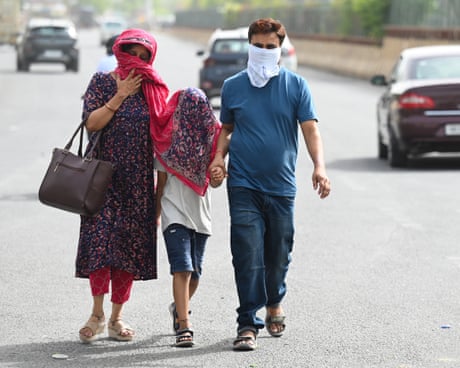
How India’s heatwaves are shutting schools – and pushing women out of the workforce

Forced to stay home or switch jobs, working mothers are bearing the brunt of the climate crisis as classes go online for weeks or months at a time

Outside, the temperature has passed 41C (105.8F). Inside Sakshi Katyal’s city apartment, the air conditioner is blasting but it does little to relieve the stress of balancing housework and helping her five-year-old log in on a laptop to online classes. Her daughter’s school closed in May and Katyal is not clear when it will reopen. Probably not till the autumn.

Schools across Delhi and in about half of India’s 28 states have been ordered to close from mid-May until the end of June, when in many places the summer break starts. There is no official record of closures in past years but the Guardian has spoken to school officials who say the number of days schools are shut for because of the heat has risen sharply. The impact on families, especially on working women, has been huge.

Continue reading...

© Photograph: Hindustan Times/Getty Images

© Photograph: Hindustan Times/Getty Images

© Photograph: Hindustan Times/Getty Images

  •  

Sierra Leone’s first lady refuses to condemn FGM without ‘reliable data’ on harms

Exclusive: health professionals, survivors and politicians voice concerns in open letter over comments by Fatima Maadi Bio, who denies supporting the practice

The first lady of Sierra Leone has denied that she supports female genital mutilation amid rising anger around her perceived approval of the practice.

But in an exclusive response to the Guardian, Fatima Maada Bio, the wife of President Julius Maada Bio, also said she would not openly condemn FGM until she saw “reliable data” that the practice was harmful.

Continue reading...

© Photograph: Anadolu/Getty Images

© Photograph: Anadolu/Getty Images

© Photograph: Anadolu/Getty Images

  •  

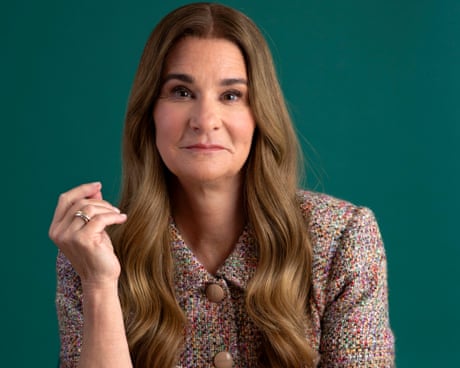
‘Have you ever been around someone you just know is evil?’ Melinda French Gates on meeting Jeffrey Epstein, giving away billions, and her post-divorce peace

The philanthropist always saw Epstein for who he really was – despite his meetings with her then husband Bill Gates. Now carving out a life on her own terms, she explains why she’s focused on the fight for women’s health

Melinda French Gates has entered a new phase of life, and it is “beautiful”, she says. It is five years since her painful, public divorce from the Microsoft founder Bill Gates, and two years since she stepped down from their charity, the Gates Foundation, to focus her full attention on Pivotal, the philanthropic organisation she founded in 2015 to promote women’s empowerment. Her three children have all left home, she goes by “Nonna” to her two granddaughters, and as an empty nester she finds herself in the strange position of having time on her hands.

She has started visiting her local independent bookshop more often, chatting to the staff about what she should read next; when she finishes work at five, she often texts a friend to meet for a walk, and they go exploring new neighbourhoods of Seattle, decaf coffees in hand. She no longer runs daily but insists on a morning stroll to enjoy the natural beauty of her adoptive home town, Lake Washington glittering in late-spring light. This morning, she saw a blue heron, she says, sounding almost boastful.

Continue reading...

© Photograph: Genna Martin

© Photograph: Genna Martin

© Photograph: Genna Martin

  •  

The EU is inviting the Taliban to Brussels. Europe’s credibility lies in tatters

As ICE-style deportation rules come into force, the unsavoury circle the EU wants migrant deals with includes the Afghan regime. This is a nadir

I sometimes think of the former EU home affairs commissioner Ylva Johansson, who just six years ago spoke of crafting a European migration policy with “cool heads and warm hearts”. What’s happened since is the exact opposite.

Governments across Europe – with the exception of Spain – are cracking down harder than ever before on migrants through measures they once dismissed as politically toxic. It is a dream come true not only for the EU’s far right but also for mainstream conservatives and centre-left politicians such as Denmark’s Mette Frederiksen.

Continue reading...

© Photograph: Wakil Kohsar/AFP/Getty Images

© Photograph: Wakil Kohsar/AFP/Getty Images

© Photograph: Wakil Kohsar/AFP/Getty Images

  •  

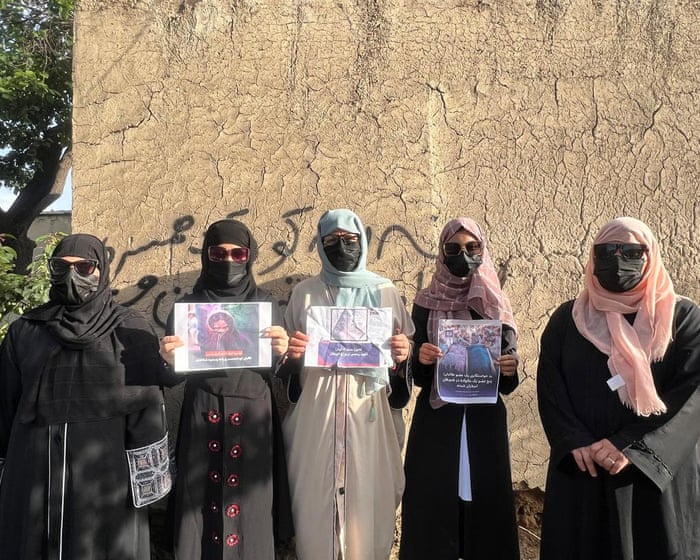
Two killed in rare street demonstration over women’s rights in Afghanistan

A child reported among those killed when Taliban forces fired on crowds in Herat, who were protesting over arrests of women accused of violating hijab dress code

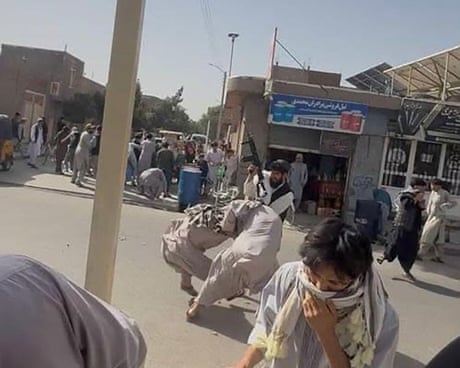
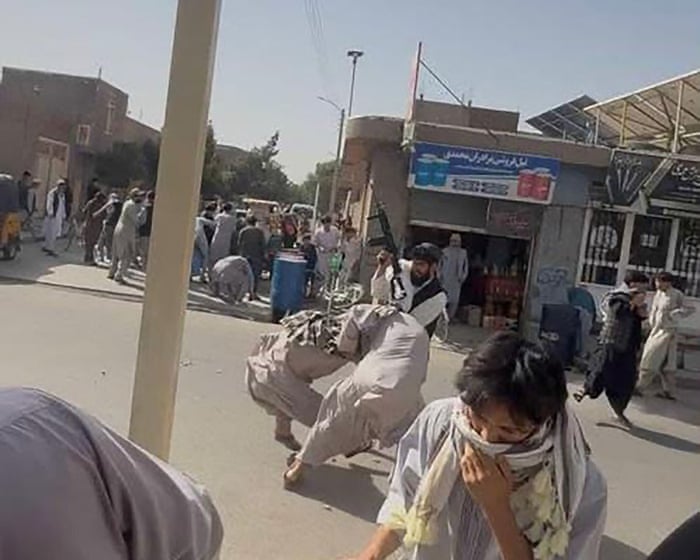
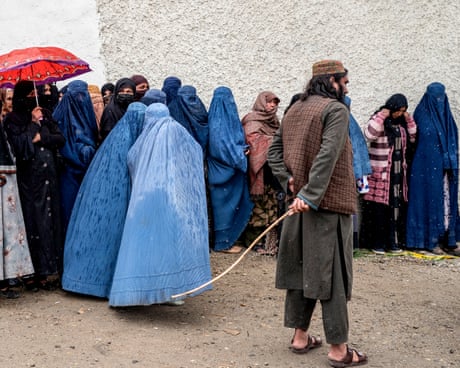
A Taliban crackdown on women’s dress code in Afghanistan has escalated into a rare mass street protest in the western province of Herat, with at least two people, including one boy, killed by security forces.

Officials made a wave of arrests in recent days targeting women and young girls accused of “improper hijab”. Residents say many families had received no information about the whereabouts or condition of those detained.

Continue reading...

© Photograph: Handout

© Photograph: Handout
© Photograph: Handout

  •  

‘My 15-year-old relative was killed for refusing to marry her cousin. My family celebrated by dancing in the street’

Horrified by the recent murder of Kawthar al-Husayjawi, one of her female relatives describes what happened – and her fears for other women and girls forced into early marriage in Iraq

The men of my tribe [extended family] threw my relative Kawthar Bashar al-Husayjawi, 15, into a pit and put a little dirt over her body. They had killed her hours earlier with 10 bullets, and split her small head with an axe. My family then joined others in coming on to the streets to dance and celebrate her death.

Kawthar lived in al-Nahrawan, a district in the south-east of Baghdad. She had been taken out of school and at age 13 forced to marry an alcoholic years older than her.

Continue reading...

© Photograph: Handout

© Photograph: Handout
© Photograph: Handout
  •  

Taliban ‘legitimising child marriage’ with new law, activists warn

Up to 70% of girls may be in early or forced marriages but law now makes divorce impossible if husbands disagree

Child marriage appears to have been legally recognised for the first time by the Taliban in Afghanistan, as activists say “shameful” new laws make it almost impossible for girls and young women to seek divorce against their husbands’ will.

There are no official statistics on forced and underage marriages in Afghanistan, but activists say it has risen at an alarming rate in recent years, driven by the ban on girls being in education after the age of 11.

Continue reading...

© Photograph: Rukhshana media

© Photograph: Rukhshana media

© Photograph: Rukhshana media

  •  

Nobel laureate’s smuggled memoir details beatings and neglect in Iranian prisons

Writing by Narges Mohammadi, arrested 14 times for activism, offers a disturbing insight into treatment

In an exclusive extract of writing smuggled from prison in Iran, the Nobel peace prize laureate Narges Mohammadi has described the “torture” of solitary confinement, and her systematic medical neglect by the prison system.

The writing from the past decade will be part of a soon to be published memoir that gives a rare and alarming insight into the treatment of Mohammadi, who is in critical condition. It details beatings, constant interrogations, deprivation of medical care and long stretches in solitary confinement during her numerous imprisonments.

Continue reading...

© Photograph: Nooshin Jafari/ Narges Foundation Archive

© Photograph: Nooshin Jafari/ Narges Foundation Archive

© Photograph: Nooshin Jafari/ Narges Foundation Archive

  •  

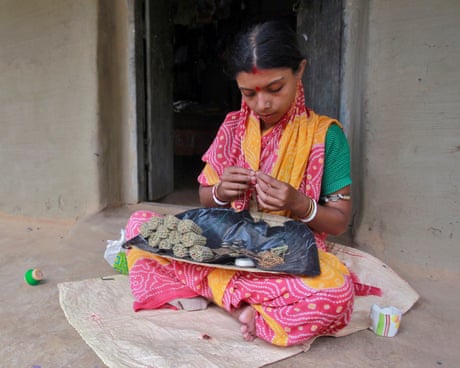
Can promises on gender equality made in Australia help a 16-year-old Indian cigarette maker with no toilet?

The Melbourne declaration aims to direct funding and power to those most overlooked and affected by injustice. But for many its promise is a distant one

I first spoke to Shazia Khanum for a report I was writing on adolescent girls in informal jobs. The 16-year-old’s fingers moved swiftly as she talked, rolling bidis – tobacco in tendu leaves tied with string. She told me she rolls about 300 to 500 thin cigarettes daily, earning a little more than £1 on a good day (roughly 250 rupees for 1,000 bidis is the rate).
In the cramped workshop where she works in rural Yarab Nagar, in India’s Karnataka state, dozens of other girls do the same job. There are no toilets or sanitary facilities. When asked how she manages her period, Khanum just pointed to a makeshift curtained space where she changes and reuses cloth rags.

Continue reading...

© Photograph: Jayanta Dey/Reuters

© Photograph: Jayanta Dey/Reuters

© Photograph: Jayanta Dey/Reuters

  •  

‘If your wife asks you to change diapers, change your wife’: the Arabic hit show that parodies the patriarchy

The female-created YouTube sketch series Smatouha Minni – You Heard It From Me – uses satire to confront misogynistic attitudes

In Beirut’s Gemmayzeh neighbourhood a rented flat has been transformed into a film set: bright studio lights in a cosy living room. At its centre is Maria Elayan – though she is barely recognisable. Filming for the third season of Smatouha Minni (You Heard It From Me), a feminist series in Arabic, the actor is in a padded muscle suit, wearing a slicked-back black wig and beard.

“If your wife asks you to change the diapers, you should change her,” the Palestinian-Jordanian barks, mimicking an aggrieved self-help podcaster. An hour later, she is slouched in a hoodie, shisha pipe in one hand and a gaming console in the other, shouting: “Mama, I’m hungry. Can you make me a sandwich?”

Continue reading...

© Photograph: Amelia Dhuga

© Photograph: Amelia Dhuga

© Photograph: Amelia Dhuga

  •  

‘It’s like a slow death’: a jailed mother and her daughter on why prison is a sentence for them both

Valentina was seven when Ivonne first went to jail in Ecuador for selling drugs. Nine years later, as Ivonne faces another prison sentence, they discuss the trauma of living apart – and their lasting bond

Six months ago, 16-year-old Valentina was watching TV with her cousin and younger brother at her home in Quito, Ecuador’s capital, when she received a call from her mother, Ivonne. She had been arrested again, and was in prison. She wouldn’t be coming home for a while.

The pair had been living together since Ivonne’s last prison sentence ended in 2023, and the thought of being separated again was devastating.

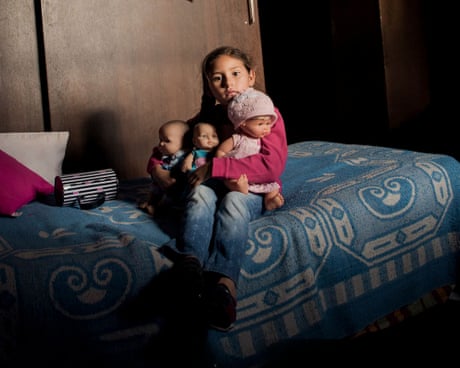
Valentina, aged seven, with her mother, Ivonne, at home in Quito, Ecuador in 2016. After Ivonne was jailed for marijuana possession she was unable to be with her daughter for three years

Continue reading...

© Photograph: Johis Alarcón

© Photograph: Johis Alarcón

© Photograph: Johis Alarcón

  •  

‘We feel unsafe in our own homes’: women in Brazil’s favelas learn to fight back amid rising violence

Demand for martial arts classes grows as women face increase in gender-based attacks

In a martial arts studio at the entrance to one of Rio de Janeiro’s beachside favelas, a muay thai instructor teaches a group of young women how to avoid blows, protect their head while falling and break free from an arm grab. “Women are vulnerable,” Ana Paula Lima tells them, “but we don’t have to be helpless.”
Sabrina Fortunato, a law student, is one of the 30 women who turned up for this free self-defence class on a Saturday, organised by the civil rights organisation Instituto de Defesa da População Negra and Rio city hall after a flood of gender-based violence grabbed headlines in Brazil.

Continue reading...

© Photograph: courtesy

© Photograph: courtesy

© Photograph: courtesy

  •  

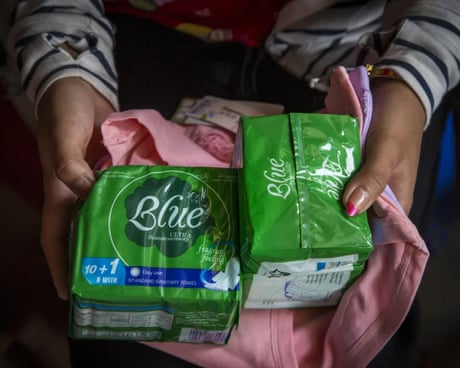
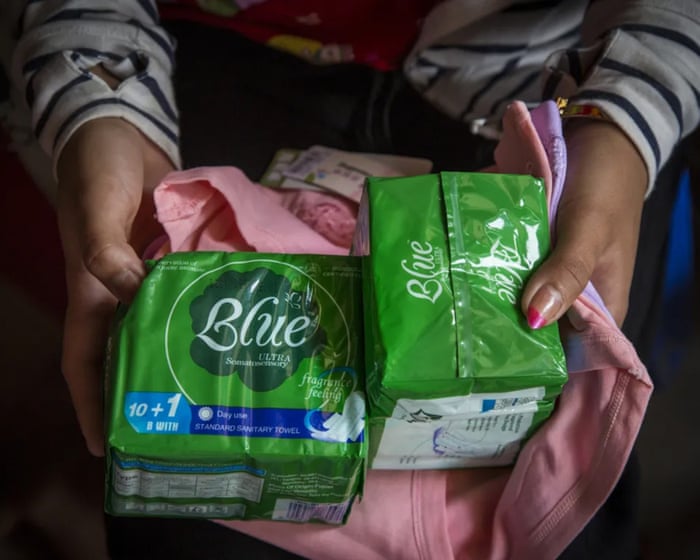
Myanmar military regime widens sanitary towel ban, claiming rebels use them for first aid

Activists say clamp down on period products to target insurgents is gender-based violence and violates rights

Myanmar’s military regime is expanding its ban on the distribution of period products, claiming they are being used to treat wounded resistance fighters, according to local activists.

The south-east Asian country has been locked in civil war since 2021, when the military usurped the democratic government and launched a violent crackdown on dissidents. Artillery fire, the burning of townships and arbitrary arrests have become common in the years since then.

Continue reading...

© Photograph: Nyan Zay Htet/UNICEF

© Photograph: Nyan Zay Htet/UNICEF

© Photograph: Nyan Zay Htet/UNICEF

  •  

Media coverage of violence against women reaches ‘dismal’ low, report finds

Analysis finds stories citing terms of misogynistic abuse fell to 1.3% of global online news in 2025

Media coverage of violence against women and girls and misogynistic harassment is at a “pitiful” low, despite a proliferation of high-profile cases of men abusing women and children, and a rise in AI-assisted violence against women and girls, new research shows.

An analysis of 1.14bn online stories published worldwide between 2017 and 2025 found that the proportion of articles that include terms relating to misogynistic abuse dropped to a “dismal” 1.3% of all global online news in 2025, the lowest level in that period. Coverage peaked at 2.2% in 2018, the height of the #MeToo movement. In Africa, where multiple conflicts have involved extreme levels of sexual violence, coverage sank to a nine-year low of 1.18% in 2024.

Continue reading...

© Photograph: Lawrey/Alamy

© Photograph: Lawrey/Alamy

© Photograph: Lawrey/Alamy

  •  

Sluts, simps and body shaming: the rise of Africa’s manosphere

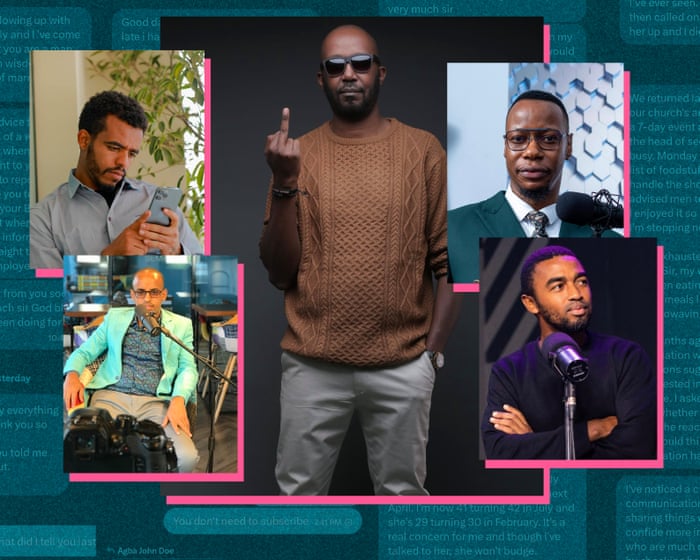
Experts have been alarmed at the growth of deep misogyny dressed up as self-help on social media. We profile seven men from across the continent who are gaining traction

It is not just Europe and the US that are grappling with a growing landscape of misogynistic influencers online. While Andrew Tate, Myron Gaines, Sneako and other voices grow in toxicity in the manosphere of the west, across Africa – which has more than 400 million people aged between 15 and 35 – several individuals are gaining traction.

The manosphere is a loose network of communities that claim to address men’s struggles such as dating and fitness, but often promote harmful misogynistic attitudes. Sunita Caminha, who leads UN Women on ending violence against women and girls in east and southern Africa, first started noticing its presence in Africa about five years ago, and believes it is on the rise. “Research and data that keeps coming out is very consistent [in] showing this is an alarming issue in different countries and contexts across the continent.”

Continue reading...

© Composite: Facebook/Instagram

© Composite: Facebook/Instagram

© Composite: Facebook/Instagram

  •  

Women behind the lens: ‘I grew up hating my natural hair. But I transformed that pain into something empowering’

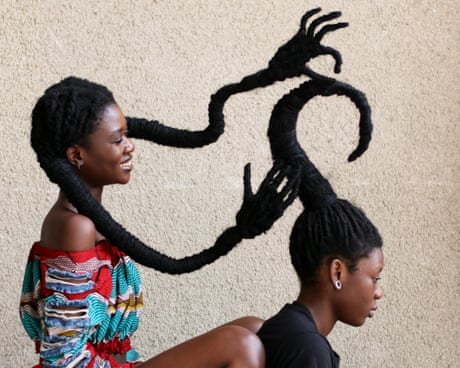
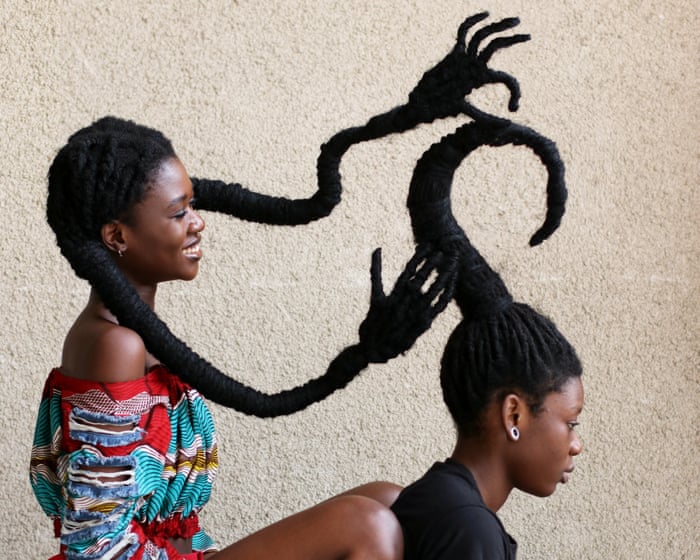
Ivorian artist Laetitia Ky creates sculptural hairstyles, usually with her own hair, but in a rare departure she involves her younger sibling to illustrate their bond

This image represents the strong bond I have with my little sister Florencia. We grew up with a very deep connection, and I consider her my best friend. I create sculptural hairstyles using my natural hair as a material. I add some extensions, and shape it with thread and wire.

A sculpture can take me from 30 minutes to more than six hours. Each hairstyle is based on an idea or message I want to convey, then I construct it step by step before photographing it myself with my camera and tripod. My book, Love and Justice, combines images of these sculptures with my reflections on feminism, identity and women’s experiences.

Continue reading...

© Photograph: Laetitia Ky

© Photograph: Laetitia Ky

© Photograph: Laetitia Ky

  •  

‘Women who speak out must be exterminated’: the rising tide of digital violence facing Ethiopian activists

Feminists and rights defenders say online threats have rapidly escalated, forcing some to leave the country for their safety

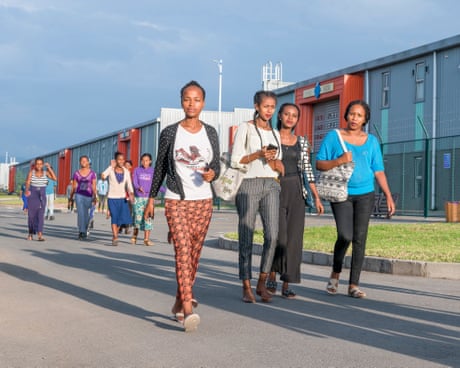
Yordanos Bezabih, an Ethiopian women’s rights activist, had faced online threats for years: of acid attacks, gang-rape and death. She tried her best to ignore the abuse as she continued her advocacy work. But in 2025, the threats became more menacing. In April, an anonymous Telegram group with 6,000 subscribers organised an effort to track down her location.

They shared deepfakes of her – nude images and videos. The following month, a stranger started to film her in the streets, calling her by her social media handle.

Continue reading...

© Photograph: Jean-Francois Fort/Hans Lucas/AFP/Getty Images

© Photograph: Jean-Francois Fort/Hans Lucas/AFP/Getty Images

© Photograph: Jean-Francois Fort/Hans Lucas/AFP/Getty Images

  •  
❌